By Valentina D'Arrigo | Partnerships and Capacity Building Manager
Fueled by conflict, climate shocks, and COVID-19, the global food emergency is escalating as the war in Ukraine continues to drive up the costs of food, fuel, and other critical inputs. These factors have contributed to a rise in food insecurity over pre-invasion rates in 2022. Today, millions of economically disadvantaged families, in the European countries, are struggling to put food on the table as food price inflation jeopardises that everyone can afford sufficient amounts of healthy and nutritious food, especially vulnerable groups such as families with children, elderly and low-income persons.
According to the World Food Programme more than 825 million people worldwide face hunger, one in nine people on earth. And hunger knows no borders, with serious challenges in high- and low-income nations alike. According to the latest available data, in the EU just in 2021, nearly 59 million tonnes of food waste (131 kg/inhabitant) were generated with an associated market value estimated at 130 billion euros (Eurostat, 2022). Eurostat roughly estimates that around 10% of food made available to EU consumers (at retail, food services and households) may be wasted. At the same time, in continent of Europe 36.2 million people cannot afford a quality meal every second day (Eurostat, 2020).
It is important to mention that FEBA is currently working on a report assessing the impacts of the socio-economic crisis on Food Banks belonging to the FEBA membership between January and December 2022 and the first analysis shows the following results:
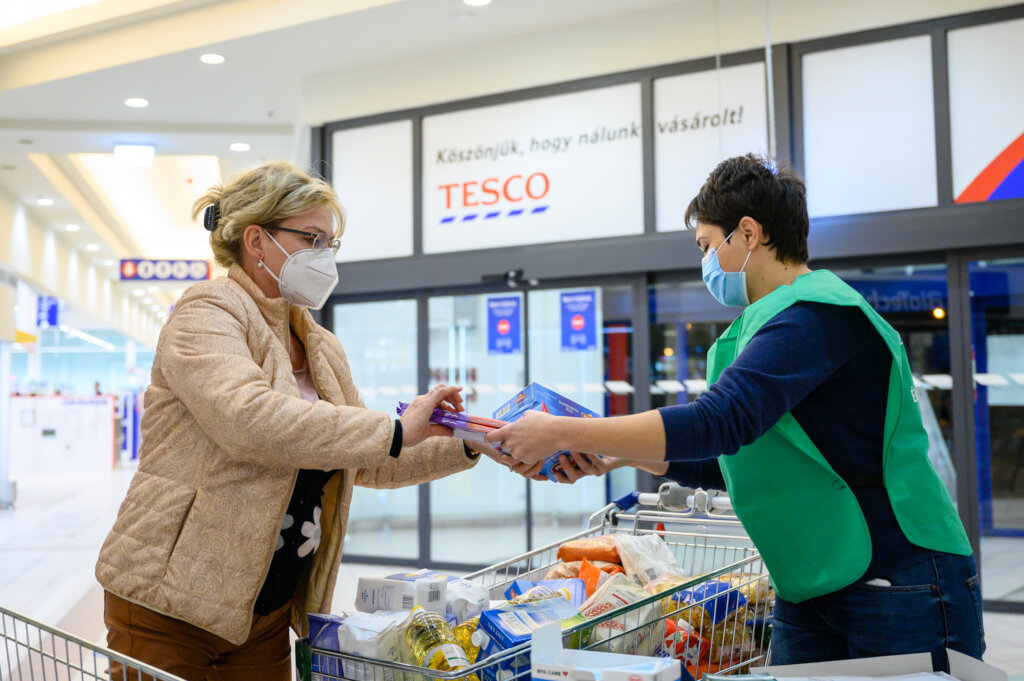
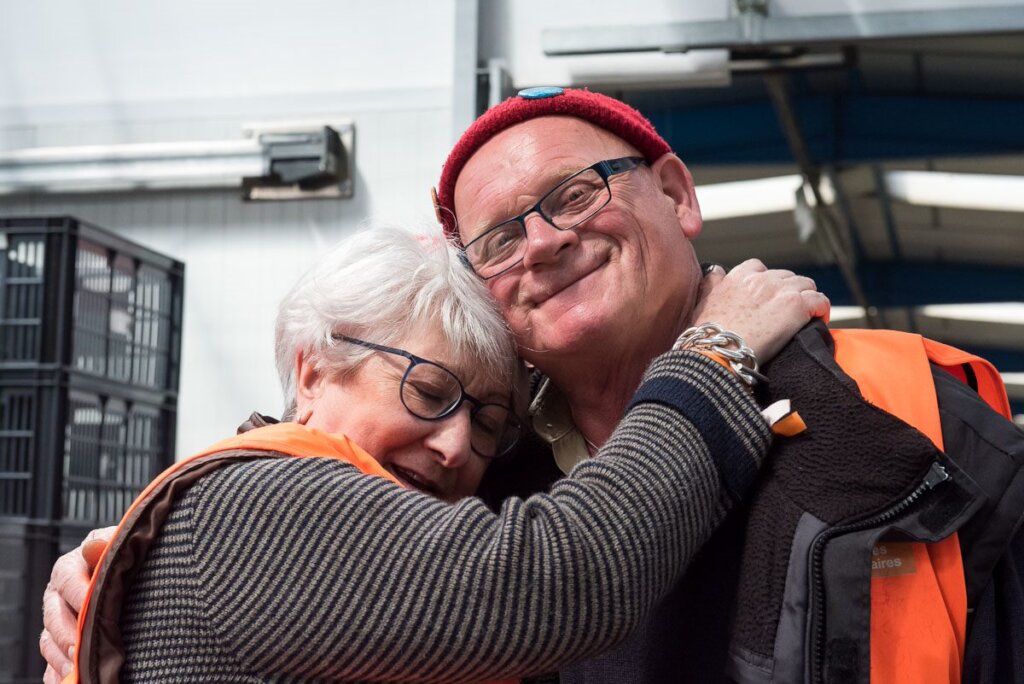
In this context, Food Banks are needed now more than ever—they step up to meet increased needs in communities that are facing a difficult and unprecedented situation.
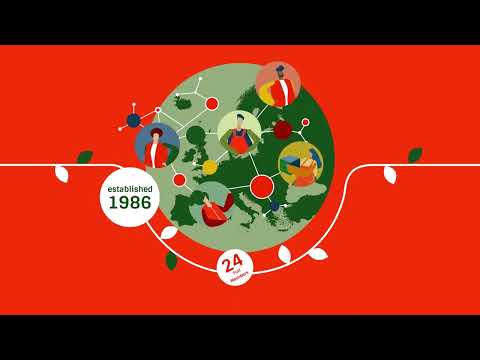
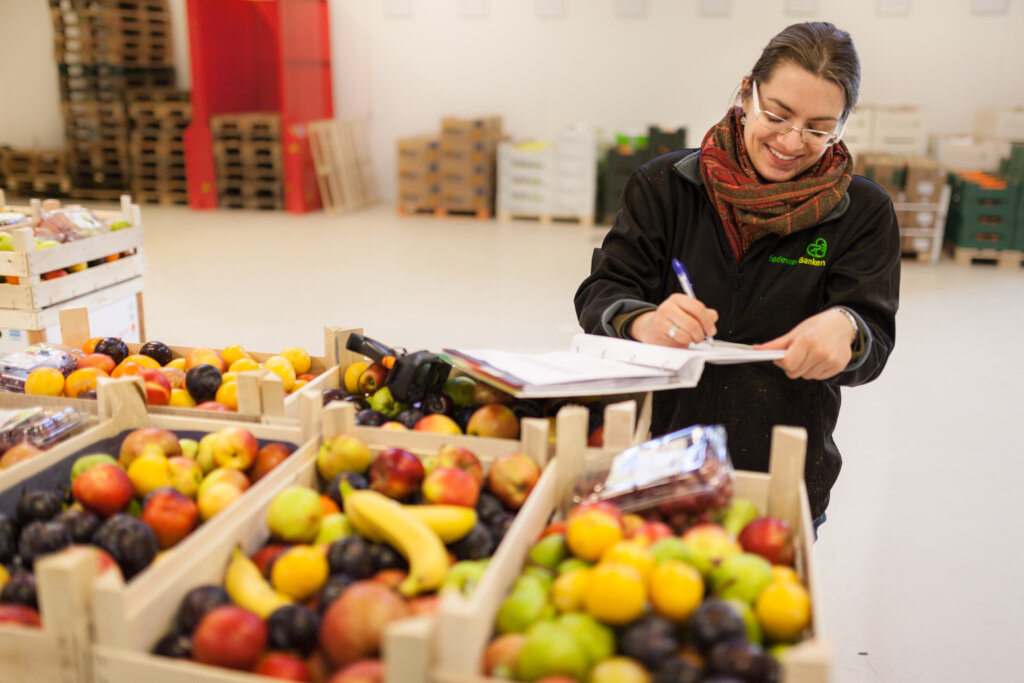
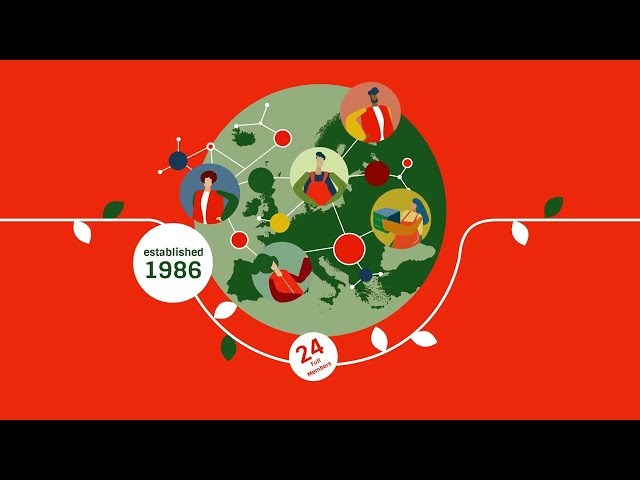
FEBA, with its network of more than 351 Food Banks active in 30 European countries and thousands of communities, daily acts to recover food that could potentially become food waste with the aim to increase food access for communities and people facing food insecurity in the short/medium-term, while building longer-term community cohesion and resilience.
Your support presents an opportunity to reduce food insecurity in European countries while increasing food recovery and strengthening the infrastructure and logistics capacity.
Links:
By Valentina D'Arrigo | Partnerships and Capacity Building Manager
Project reports on GlobalGiving are posted directly to globalgiving.org by Project Leaders as they are completed, generally every 3-4 months. To protect the integrity of these documents, GlobalGiving does not alter them; therefore you may find some language or formatting issues.
If you donate to this project or have donated to this project, you can receive an email when this project posts a report. You can also subscribe for reports without donating.