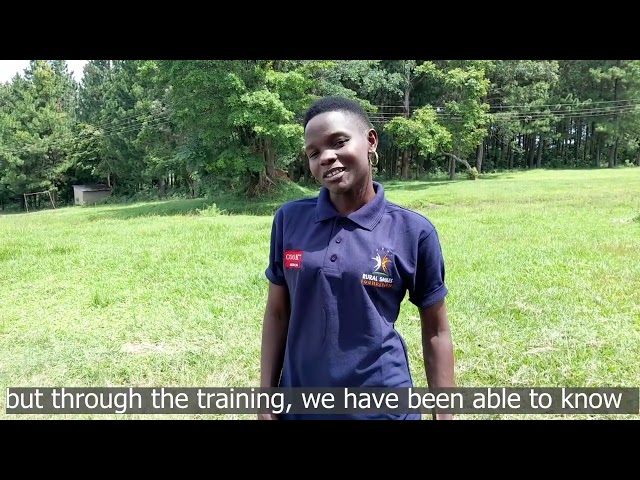
By Noeline | Project Coordinator
Strategic Pivot to Radio Mass Media and Targeted Cervical Health Education in Kibaale District
In Kibaale District, Uganda, cervical cancer remains a leading cause of preventable mortality among women due to late-stage detection, geographic isolation, and widespread social taboos. While direct community outreach visits remain valuable, the funds raised this period were insufficient to cover the high operational costs of physical village transportation, venue logistics, and mobile equipment mobilization across scattered rural sub-counties.
To maximize donor impact and maintain fiscal responsibility, Rural Smiles Foundation strategically pivoted its primary intervention strategy toward high-reach Radio Talk Shows broadcast across local Bunyoro-region stations (such as Emambya FM). By leveraging local radio broadcasts, we successfully bypassed expensive logistical bottlenecks—reaching tens of thousands of rural listeners simultaneously with lifesaving health education, myth-busting dialogues, and screening venue navigation at a fraction of the cost per constituent.
Key Accomplishments & Strategic Progress
Mass Community Reach: Aired interactive live radio talk shows in local languages (Runyoro/Rutooro) during peak evening listening hours, expanding our reach from localized village groups to an estimated 25,000+ households across Kibaale and neighboring districts.
Expert Panel & Live Listener Q&A: Hosted featured panel discussions with regional midwives and healthcare professionals who addressed listener call-ins, directly dispelling persistent myths surrounding HPV transmission, screening discomfort, and fertility fears.
Frequency & Information Spot Announcements: Ran short, repeating educational radio spots that broadcast clear warning signs of cervical health issues and provided clinic schedules for local health centers offering Visual Inspection with Acetic Acid (VIA) screenings.
Directing Listeners to Facilities: Used radio broadcasts to guide interested listeners directly to nearby primary health centers (HC IIIs and HC IVs) with active screening supplies, avoiding the high cost of hosting mobile clinics.
Group Clinic Referral Support: Facilitated localized accompaniment and guidance for women who reached out via our radio helpline, connecting 65 callers directly to facility-based midwives for subsidized VIA screening services.
Strategic Resource Allocation Impact
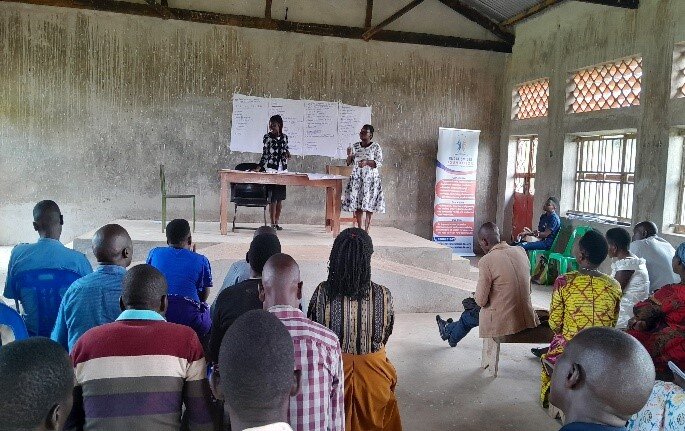
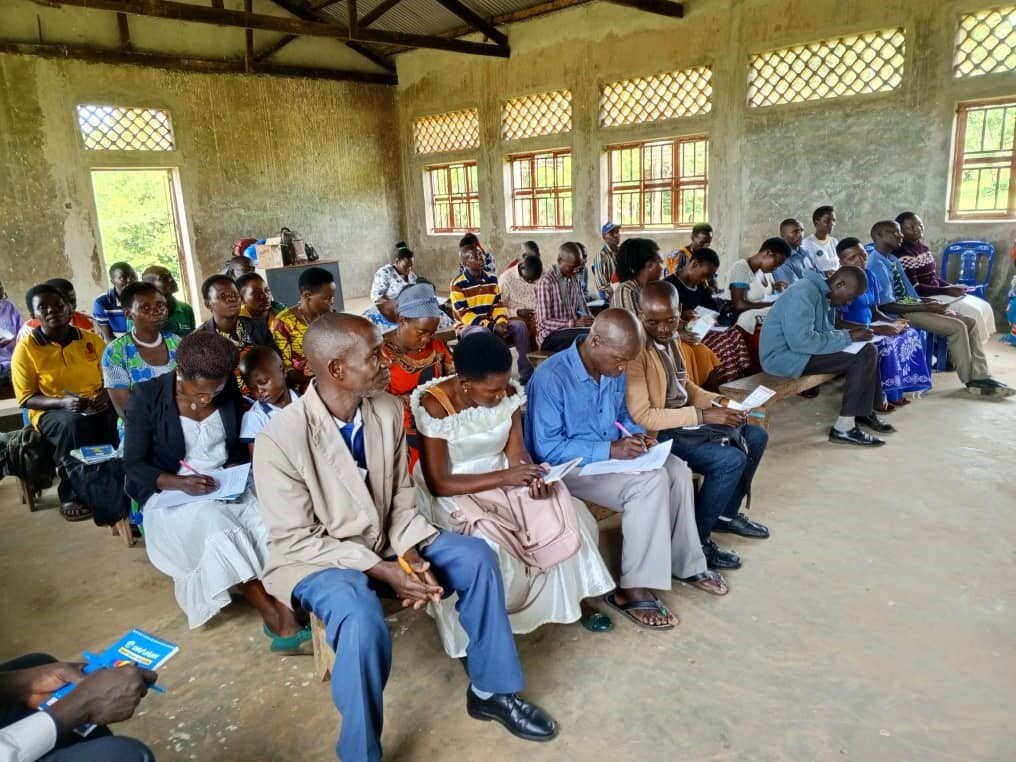
Physical Field Outreaches: Required high operational costs (fuel, vehicle hire, venue fees, field staff allowances) while yielding limited coverage (~30–50 women per session). This approach proved unsustainable under current budget constraints.
Radio Talk Shows & Spots: Required low to moderate operational expenses (airtime purchase, panelist honoraria) while delivering massive coverage (25,000+ rural listeners). This strategy proved highly sustainable, maximizing every donor dollar by eliminating travel, fuel, and venue overhead.
Qualitative Listener Feedback
The transition to mass radio broadcasts enabled us to break through geographic and household barriers, allowing women and their families to receive critical health information safely and privately in their own homes.
During a live studio call-in segment on a recent evening broadcast, a listener named Grace from Kagadi shared:
"Fuel and transport costs to town make it hard for us to hear about these medical topics, and many women are too shy to ask in public meetings. Listening to the midwife on the radio explained everything clearly without any shame. My sister and I listened together and decided to visit our nearest health center for screening the next morning."
Planned Next Steps
Expand Radio Broadcast Contracts: Secure additional seasonal airtime slots on high-listenership regional stations during market-day evenings to maintain public momentum and high engagement.
Establish Radio Listener Health Clubs: Partner with village health teams (VHTs) to encourage existing women's savings groups to tune into broadcast schedules together and organize collective trips to screening health facilities.
Facility Readiness Audits: Continue monitoring screening supply availability (such as acetic acid and gloves) with local health center managers to ensure facilities can handle the patient traffic generated by our radio broadcasts.
Every donation received on GlobalGiving directly fuels our broadcast airtime and helpline support, allowing us to stretch resources further and touch thousands of lives across Kibaale District. Thank you for standing with us to ensure rural women receive life-saving health education regardless of financial or geographical barriers.
By Ahaisibwe Geofrey Mwaka | Executive Director
By Kyomuhendo Noeline | Community Engagement Officer
Project reports on GlobalGiving are posted directly to globalgiving.org by Project Leaders as they are completed, generally every 3-4 months. To protect the integrity of these documents, GlobalGiving does not alter them; therefore you may find some language or formatting issues.
If you donate to this project or have donated to this project, you can receive an email when this project posts a report. You can also subscribe for reports without donating.



Support this important cause by creating a personalized fundraising page.
Start a Fundraiser