PROJECT REPORT: HOPE FOR ORPHANS AND PHYSICALLY CHALLENGED – LIBERIA
Submitted by: LYFT Africa (Leading Youths to Foster Transformation in Africa)
Location: Liberia
Reporting Period: [Insert Period]
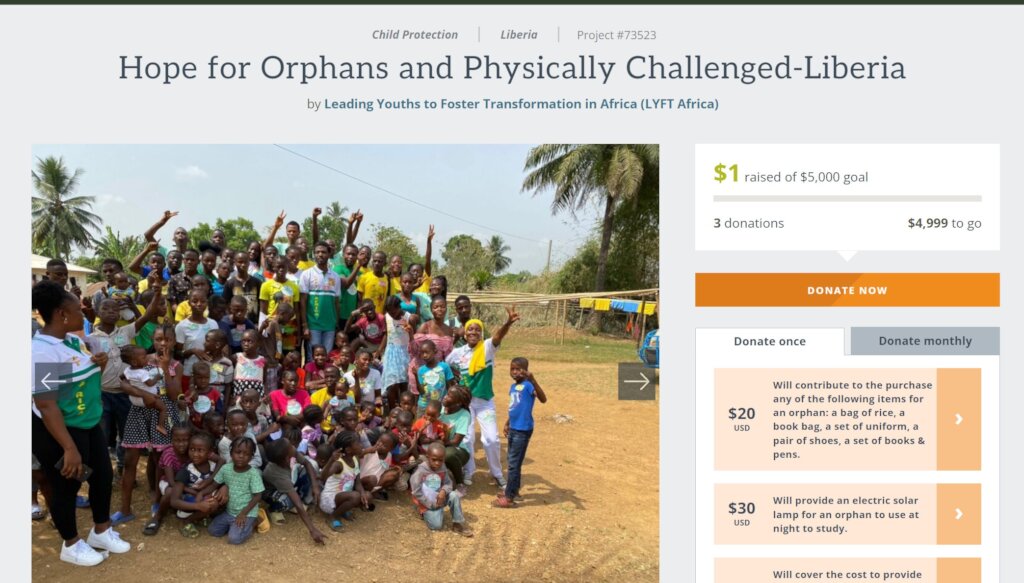
Project Goal: $5,000
Funds Raised: $0
1. Project Overview
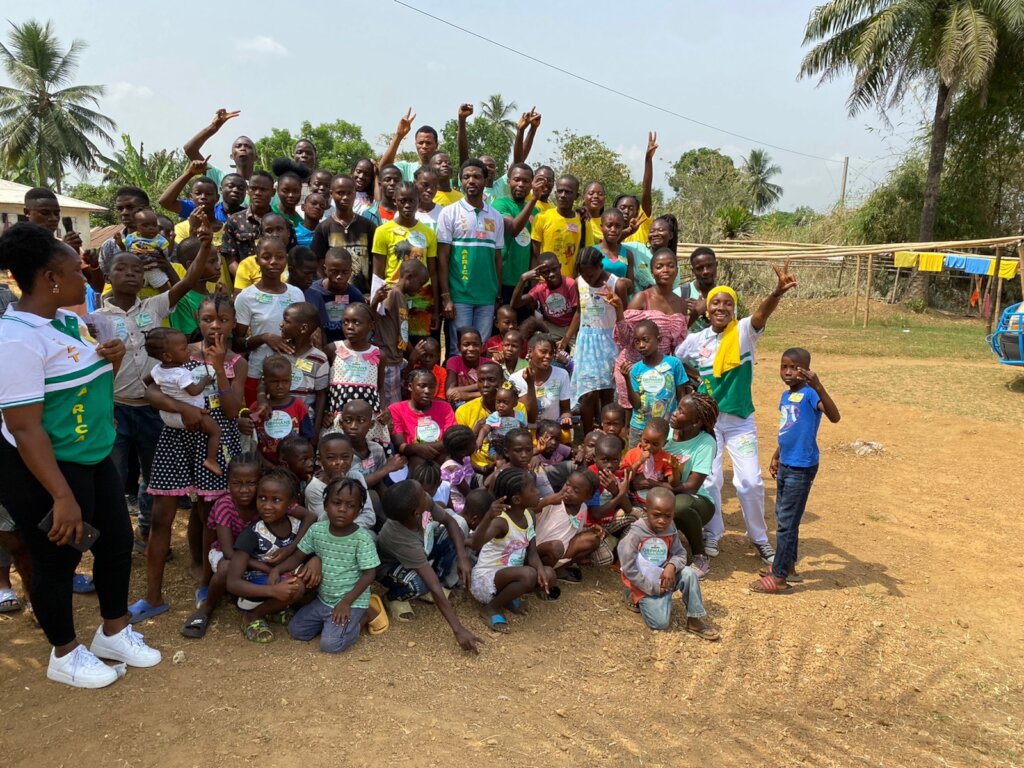
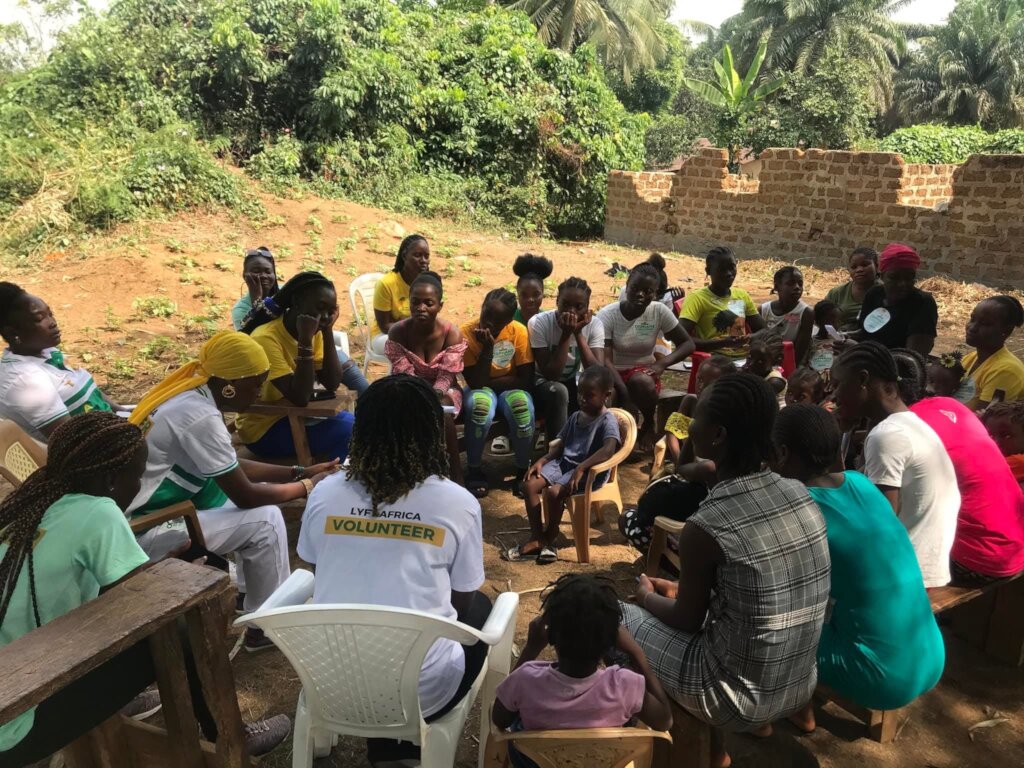
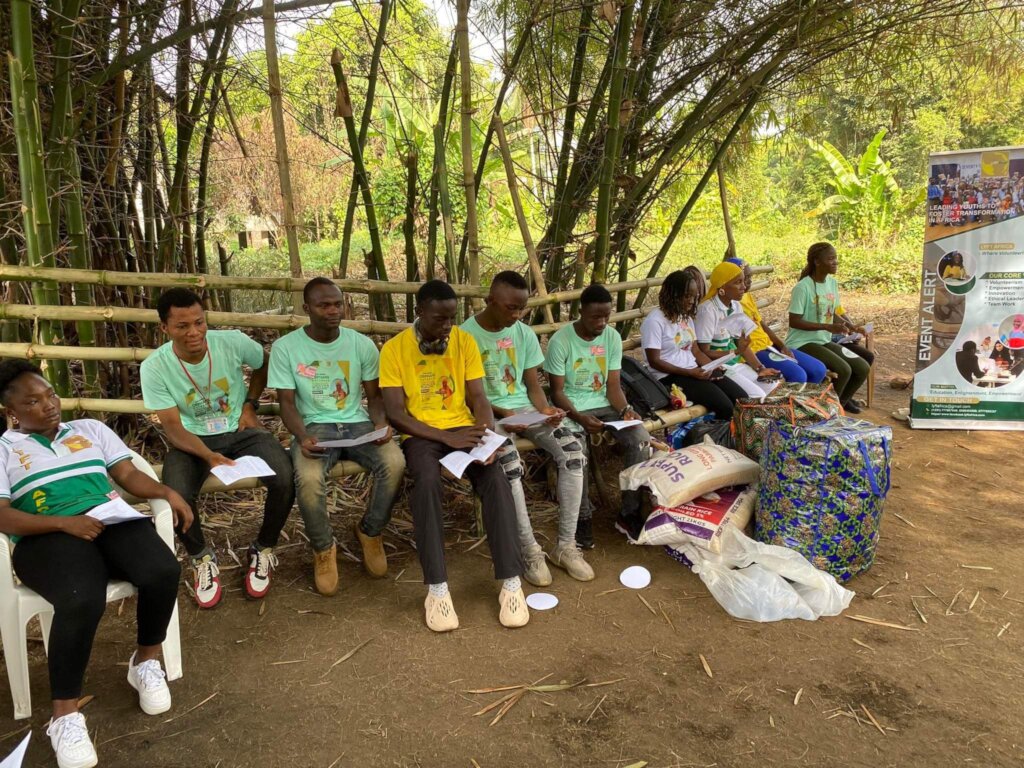
The Hope for Orphans and Physically Challenged – Liberia project was designed to provide humanitarian and empowerment support to vulnerable populations, particularly orphans and persons living with physical disabilities in Liberia.
The project aligns with the mission of LYFT Africa, a youth-led organization committed to empowering communities through education, advocacy, and skills development.
2. Organizational Background
LYFT Africa is a Liberia-based, youth-led nonprofit organization founded in 2018. The organization focuses on promoting youth empowerment, leadership development, and social transformation across underserved communities.
Over the years, LYFT Africa has:
- Conducted youth mentorship and leadership programs
- Led awareness campaigns on education and social issues
- Supported capacity-building initiatives for young people
The organization continues to advocate for inclusive development, especially for marginalized and vulnerable groups.
3. Project Background and Rationale
In Liberia, orphans and physically challenged individuals face numerous challenges, including:
- Limited access to education and assistive services
- Social exclusion and stigma
- Lack of economic opportunities
- Inadequate access to basic needs such as food, clothing, and healthcare
This project was developed to address these issues by providing support services and empowerment opportunities, helping beneficiaries achieve improved well-being and social inclusion.
4. Project Goals and Objectives Overall Goal
To improve the quality of life and social inclusion of orphans and physically challenged individuals in Liberia.
Specific Objectives
- Provide educational and material assistance to beneficiaries
- Promote inclusion and dignity for persons with disabilities
- Support access to basic needs and welfare services
- Empower beneficiaries through skills development initiatives
5. Activities Conducted
During the reporting period, the organization undertook the following activities:
5.1 Fundraising Efforts
- The project was published on the GlobalGiving platform
- The fundraising link was shared with selected potential donors
- Email outreach was conducted targeting friends and close networks
5.2 Awareness and Promotion
- Limited promotion through social media platforms, including Facebook
- Informal advocacy within personal and organizational networks
5.3 Internal Preparations
- Development of project plans and implementation strategies
- Identification of potential beneficiaries and needs assessment
6. Outcomes Achieved
Despite the efforts made, the project did not secure any financial contributions during the reporting period.
Key Outcomes
- Increased internal clarity on project design and intended impact
- Initial exposure of the project to a small audience
- Strengthened understanding of fundraising limitations
No direct beneficiary support or program implementation was carried out due to lack of funding.
7. Challenges Encountered 7.1 Limited Outreach Capacity
- Fundraising efforts were restricted to a small network
- Lack of access to wider donor communities
7.2 Weak Fundraising Strategy
- Absence of a structured and targeted fundraising plan
- Limited use of digital marketing and storytelling
7.3 Low Visibility
- Minimal online presence and engagement
- Lack of compelling content such as videos and testimonials
7.4 Limited Experience with Crowdfunding Platforms
- Inadequate familiarity with GlobalGiving tools and best practices
7.5 Economic Constraints
- General economic challenges affecting donor willingness to contribute
8. Lessons Learned
The reporting period provided valuable insights:
- Effective fundraising requires strategic planning and consistent engagement
- Sharing links alone is insufficient to generate donations
- Storytelling and visual impact significantly influence donor decisions
- Building trust with donors takes time and demonstrated impact
- Expanding networks beyond immediate contacts is essential
9. Recommendations for Future Improvement 9.1 Strengthen Fundraising Strategy
- Develop a clear fundraising plan with defined targets and timelines
- Participate in global campaigns such as GivingTuesday
9.2 Improve Digital Engagement
- Create high-quality content (photos, videos, beneficiary stories)
- Increase activity and consistency on social media platforms
9.3 Expand Donor Base
- Engage the Liberian diaspora community
- Seek partnerships with international NGOs and foundations
- Approach corporate sponsors and philanthropic institutions
9.4 Build Organizational Capacity
- Train staff in fundraising, grant writing, and digital marketing
- Utilize GlobalGiving tools and resources more effectively
9.5 Implement Pilot Activities
- Carry out small-scale, low-cost interventions to demonstrate impact
- Use evidence from pilot activities to attract donor confidence
9.6 Establish Strategic Partnerships
- Collaborate with disability organizations, schools, and community groups
- Seek endorsements to enhance credibility
10. Conclusion
Although the Hope for Orphans and Physically Challenged – Liberia project did not raise funds during this reporting period, it remains a highly relevant and impactful initiative addressing critical social needs in Liberia.
The experience highlights the importance of structured fundraising, strong communication strategies, and expanded partnerships. With improved planning and outreach, LYFT Africa is well-positioned to achieve success in future fundraising efforts and project implementation.
![Share on Twitter]()
![Share on Facebook]()