By Emilia Walter John | Project Leader
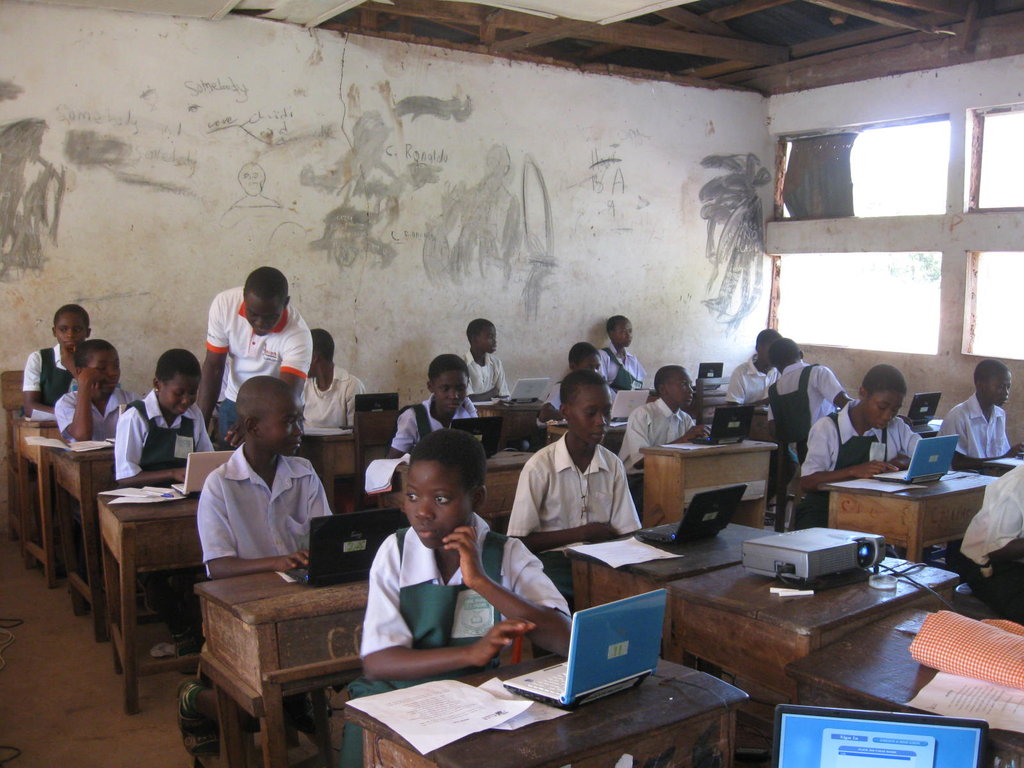
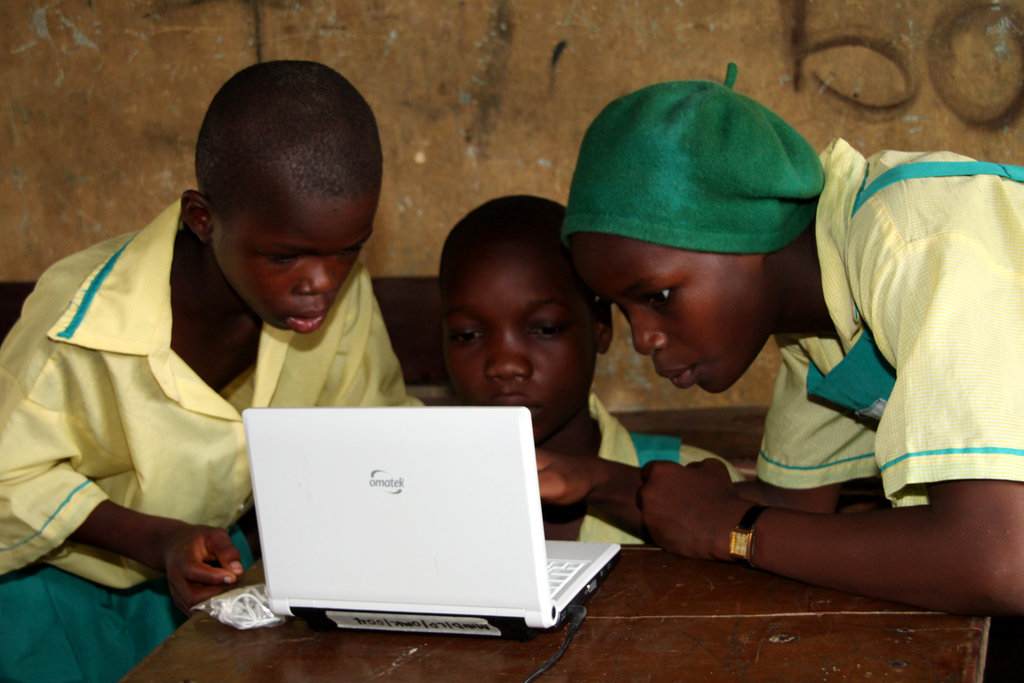
The “Empower 200 Girls in Rivers State with STEM Skills” project has reached an important milestone. What began with introductory coding lessons has grown into a hands-on learning experience where girls are not only learning how websites are built but are also using their new skills to create digital projects of their own.
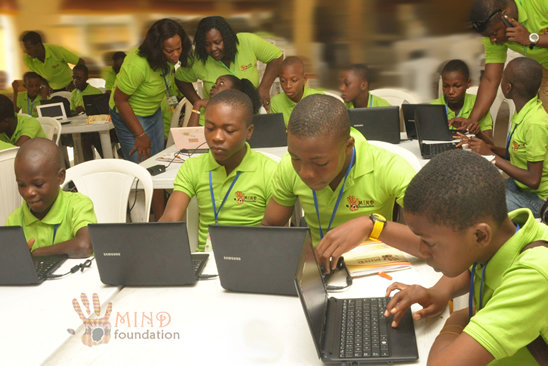
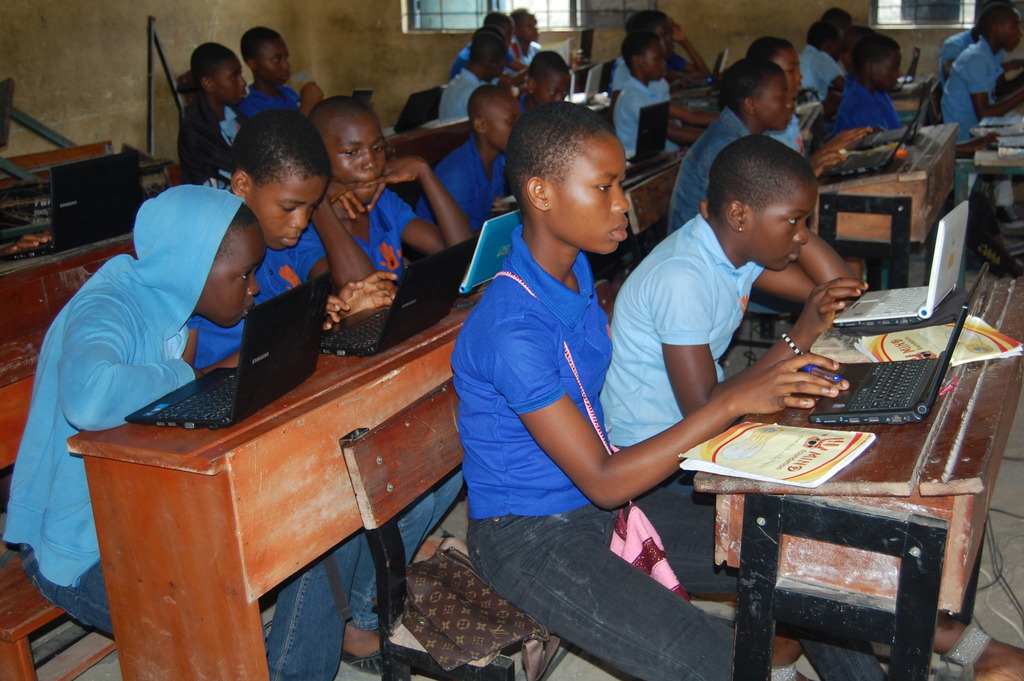
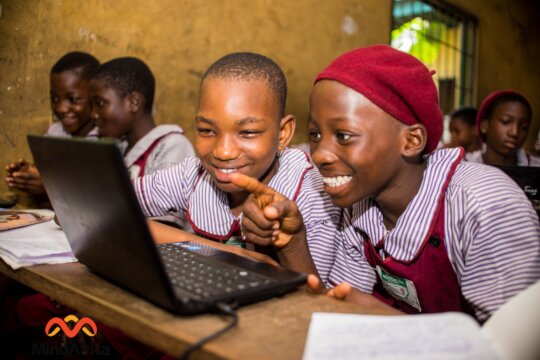
Following the foundational HTML training highlighted in our previous update, 106 girls across three schools continued their learning through structured sessions in HTML and CSS. Through practical exercises, guided instruction, and collaborative projects, participants gained a deeper understanding of how websites are structured, designed, and presented.
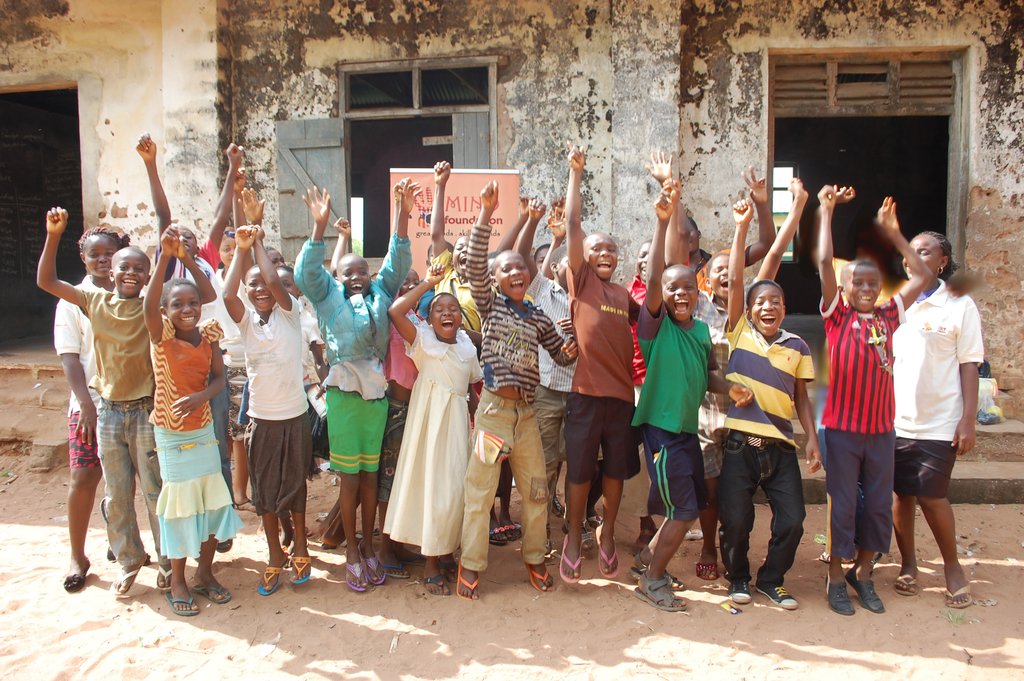
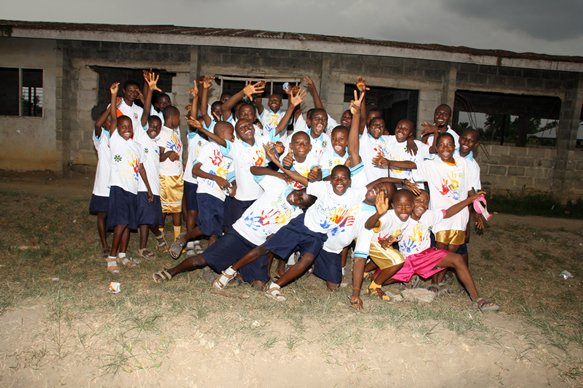
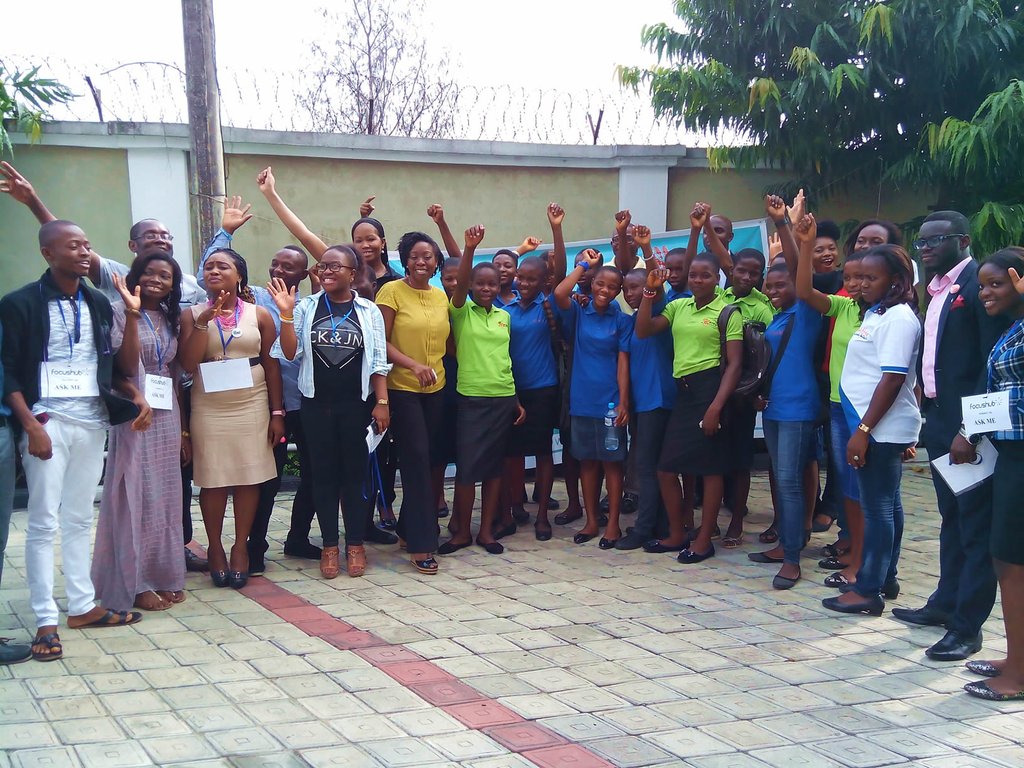
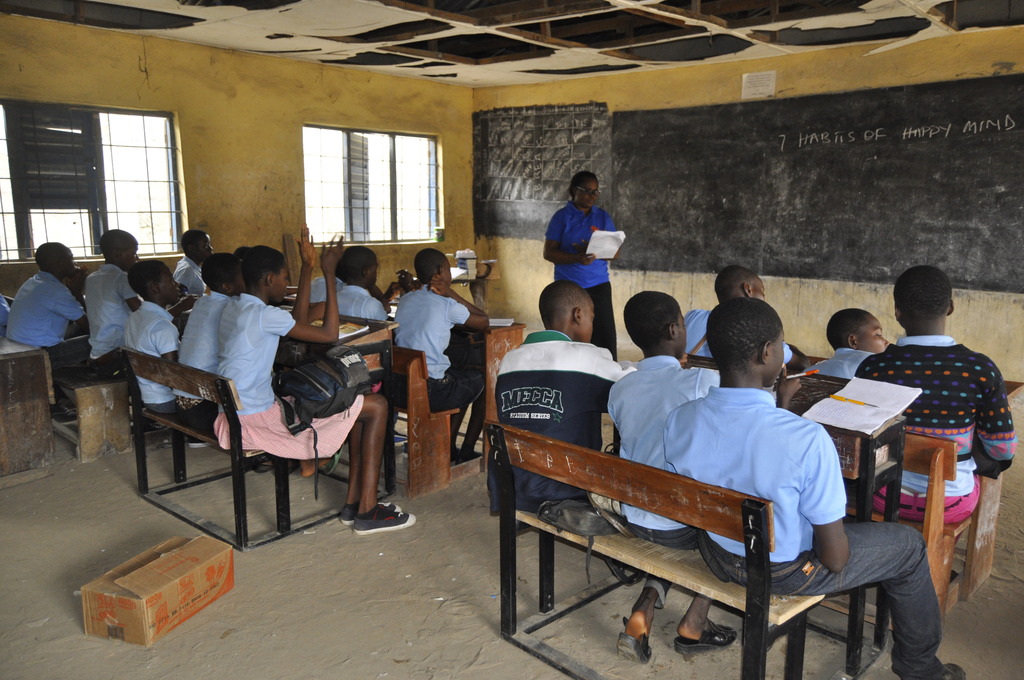
The training cycle for Cohort 1 concluded with closing-out activities that brought together the girls, teachers, facilitators, and partners to reflect on the journey, recognize achievements, and celebrate how far the participants had come.
For many of the girls, the Girls Code Club program provided their first opportunity to learn coding in a structured environment. What started with understanding basic HTML elements gradually developed into the ability to create and present simple webpages.
This progression was significant. The girls were not simply learning coding concepts in isolation; they were discovering how technology can be used to transform an idea into something tangible, creative, and useful.
One of the highlights of the training was the opportunity for participants to apply their knowledge through collaborative group projects. Working in teams, the girls developed simple landing pages inspired by familiar businesses, services, and community needs. Their projects included webpages for:
Developing these projects required more than writing code. The girls had to think about the information their webpages should communicate, organize their content, decide how their ideas should be presented, and work together to bring their concepts to life.
Through this process, coding became more than an abstract technical skill. It became a tool through which the girls could express ideas, solve problems, collaborate with others, and create something of their own.
For the participants, seeing their webpages take shape provided a tangible demonstration of what they were capable of achieving. A lesson that began with writing lines of HTML and CSS could now result in a webpage they could point to and say, “I created this.”
For Chidinma, the journey was not always easy.
Before joining the Girls Code Club program, she believed coding was mostly about numbers and complicated symbols—something that only the smartest people could understand. Without a computer or internet access at home, she had little opportunity to explore her interest in technology and design.
When the Girls Code Club launched at her school, she decided to join, although she was unsure whether she belonged. “After the first class, I wanted to drop because I didn’t understand anything,” she recalls. “But my teacher convinced me to stay and gave my classmates and me extra guidance.”
That encouragement made a difference. Chidinma stayed with the program, continued practising, and gradually became more comfortable with coding.
Today, she can confidently say that she has learned HTML and CSS and built her first website. But her experience has also shaped what she hopes to do next. Chidinma now dreams of developing an offline coding platform for students in rural communities in Nigeria, where limited internet access can make it difficult for young people to explore digital learning opportunities.
Her vision reflects something larger than the completion of a coding course. It demonstrates how access to learning can help young people move from being learners to imagining themselves as future problem-solvers and creators.
The completion of this training cycle represents more than the end of a series of coding lessons. It is a step toward creating pathways through which girls can develop the skills, confidence, creativity, and interest needed to participate more meaningfully in an increasingly digital world.
Through the Girls Code Club, participants had an opportunity to experience technology not simply as something they consume, but as something they can understand, create, and use to solve problems.
Every girl who writes her first line of code, every webpage she helps create, every teacher equipped to support STEM learning, and every student who discovers the confidence to say, “I can create this,” represents a meaningful step toward a more digitally inclusive future.
The program’s assessment results provide further evidence of this progress. The proportion of participants demonstrating the targeted learning outcome increased from 19% at baseline to 78% at endline, indicating substantial improvement in participants’ understanding and application of the skills introduced during the program.
To support continuity beyond the training period, teachers were engaged throughout the program and equipped to continue encouraging participants’ interest in STEM and digital learning within their schools.
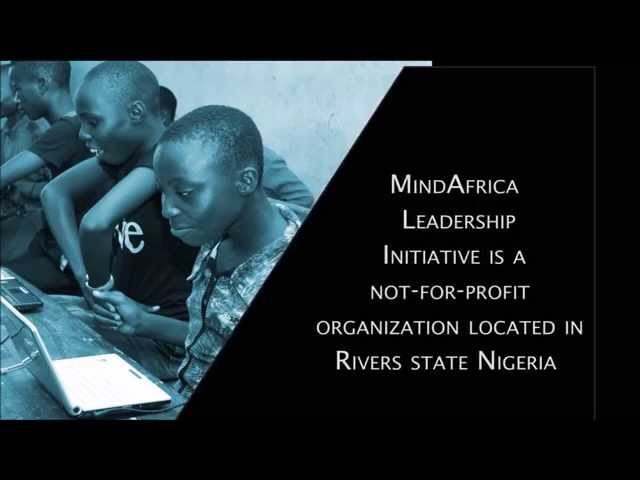
MindAfrica Leadership Initiative is grateful to the donors and partners whose support made these learning opportunities possible. Your investment has helped create a space where girls can explore technology, overcome uncertainty, develop practical skills, and begin to imagine new possibilities for themselves and their communities.
Thank you for joining us in creating pathways for girls to learn, create, innovate, and build the confidence to participate and lead in an increasingly digital world.
By Olere Iluebbey | Project Leader
By Olere Ileubbey | Project Leader
Project reports on GlobalGiving are posted directly to globalgiving.org by Project Leaders as they are completed, generally every 3-4 months. To protect the integrity of these documents, GlobalGiving does not alter them; therefore you may find some language or formatting issues.
If you donate to this project or have donated to this project, you can receive an email when this project posts a report. You can also subscribe for reports without donating.