By Olere Ileubbey | Project Leader
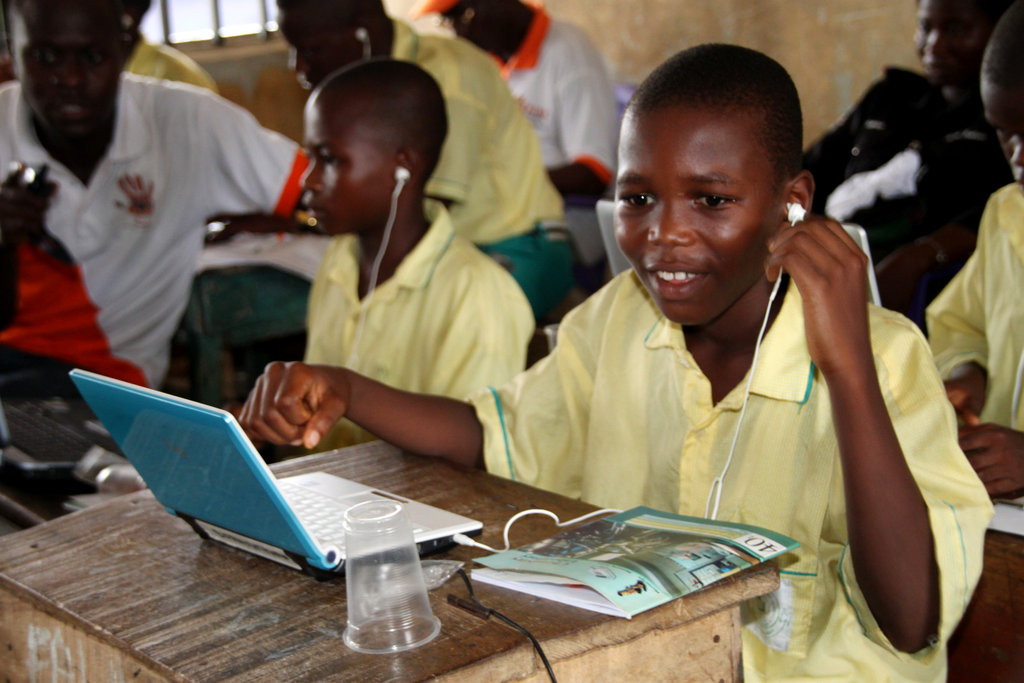
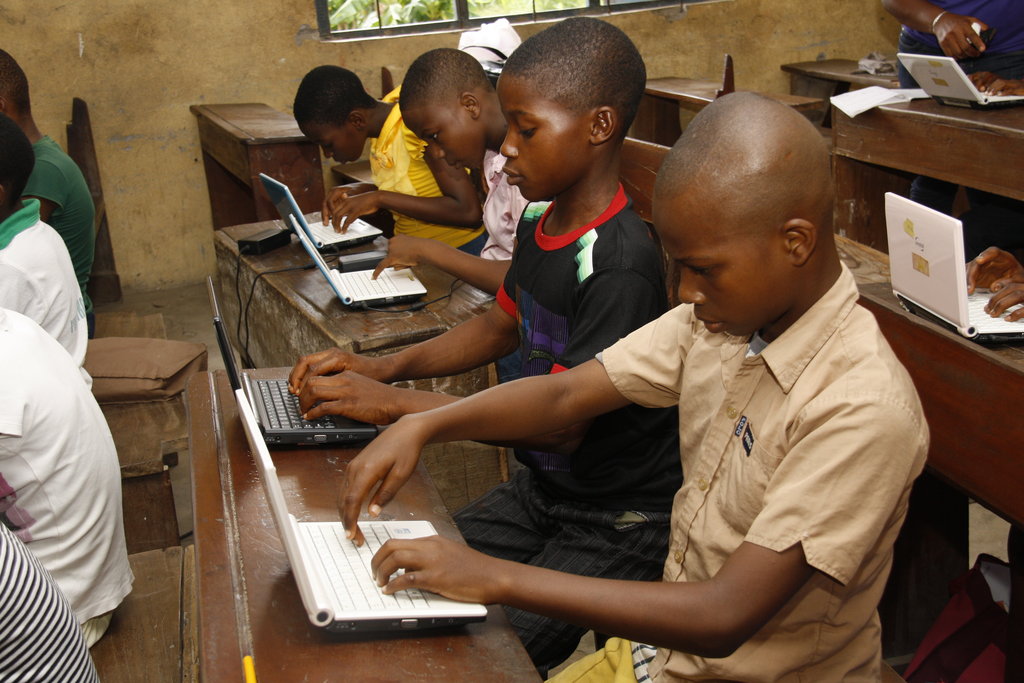
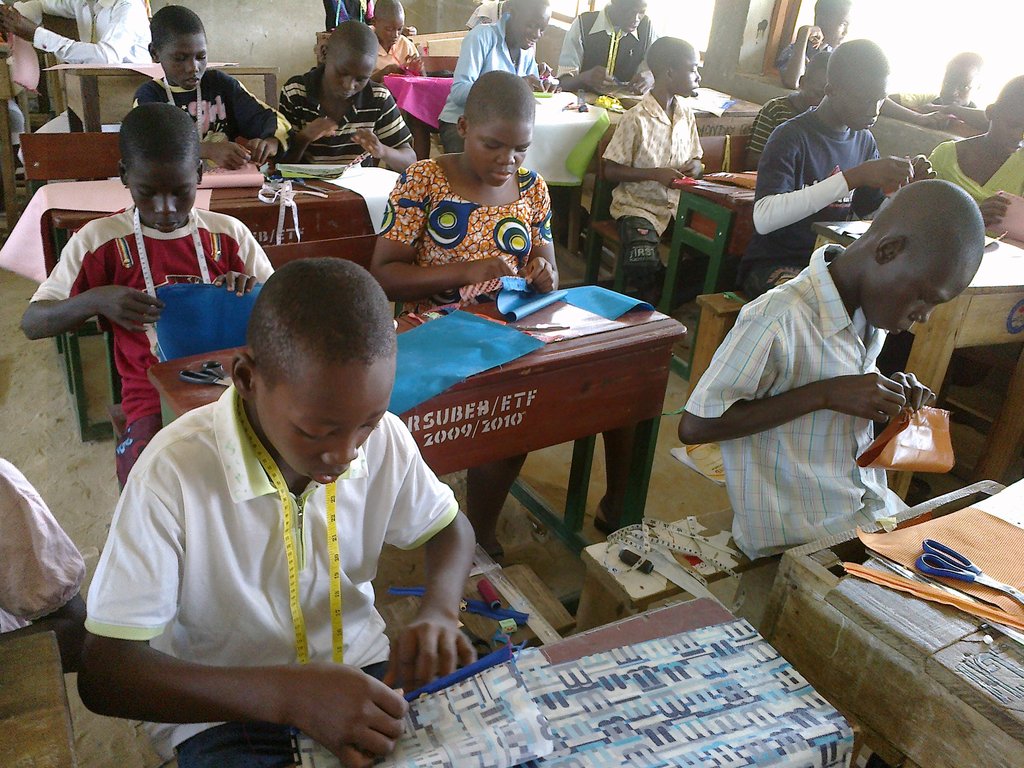
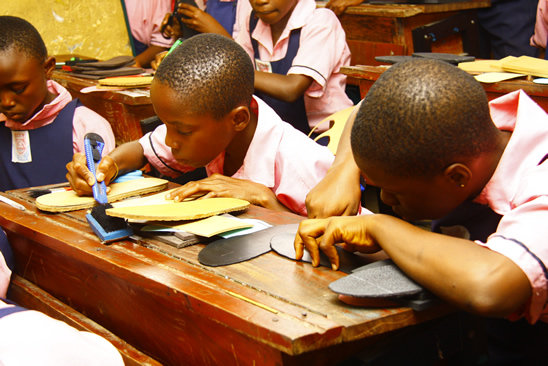
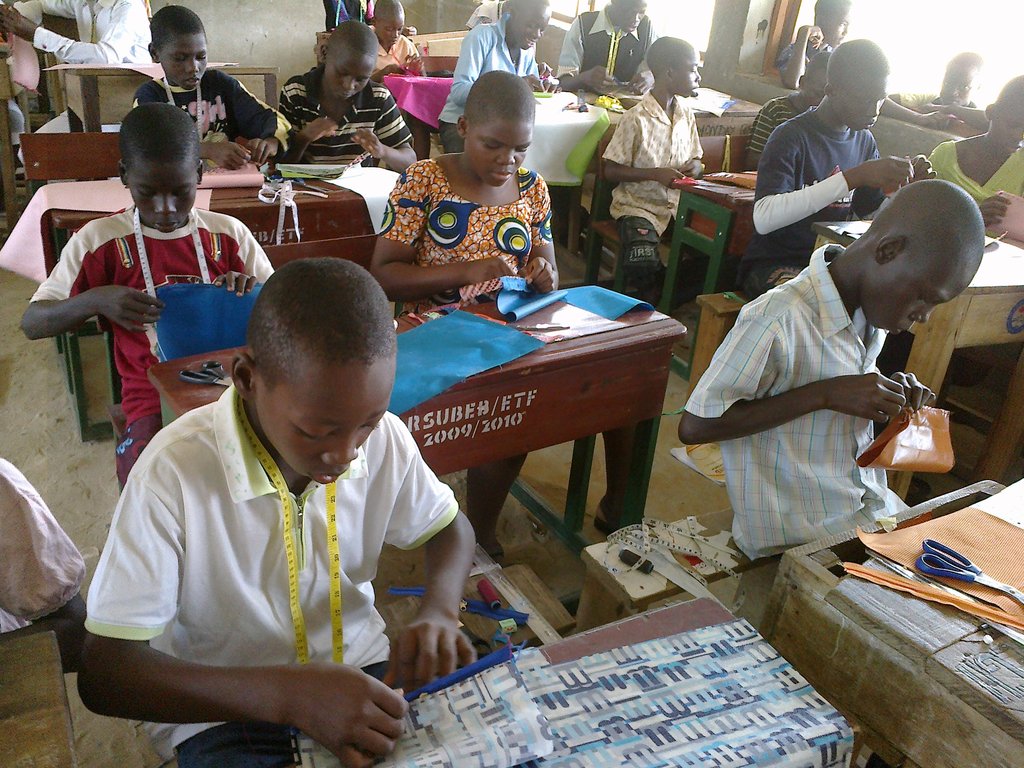
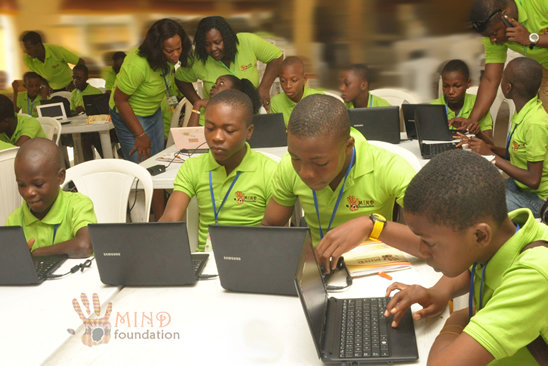
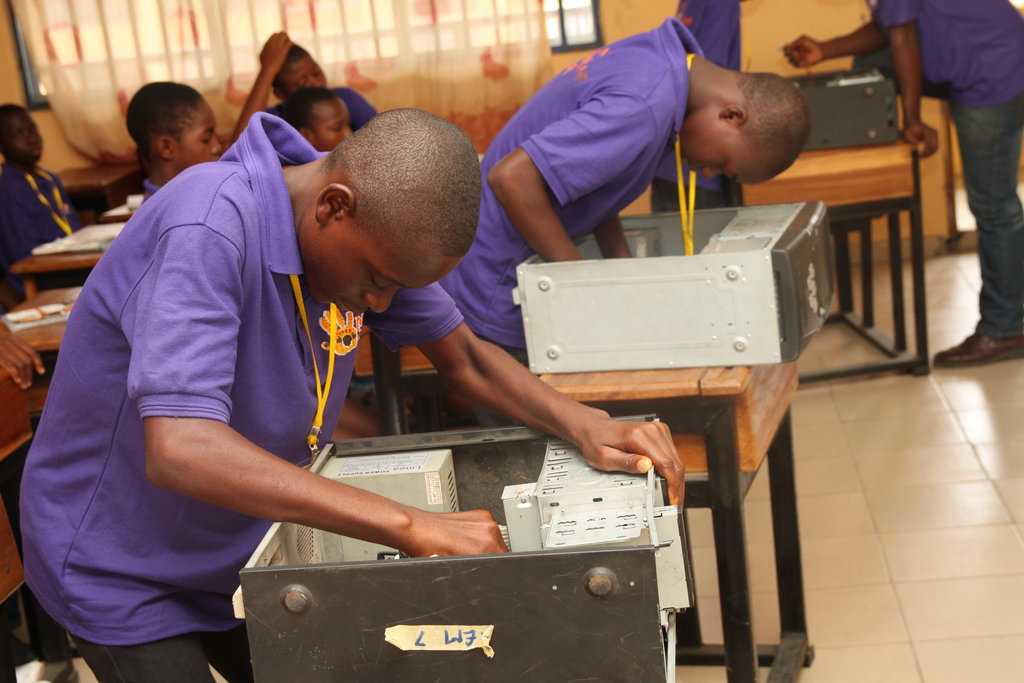
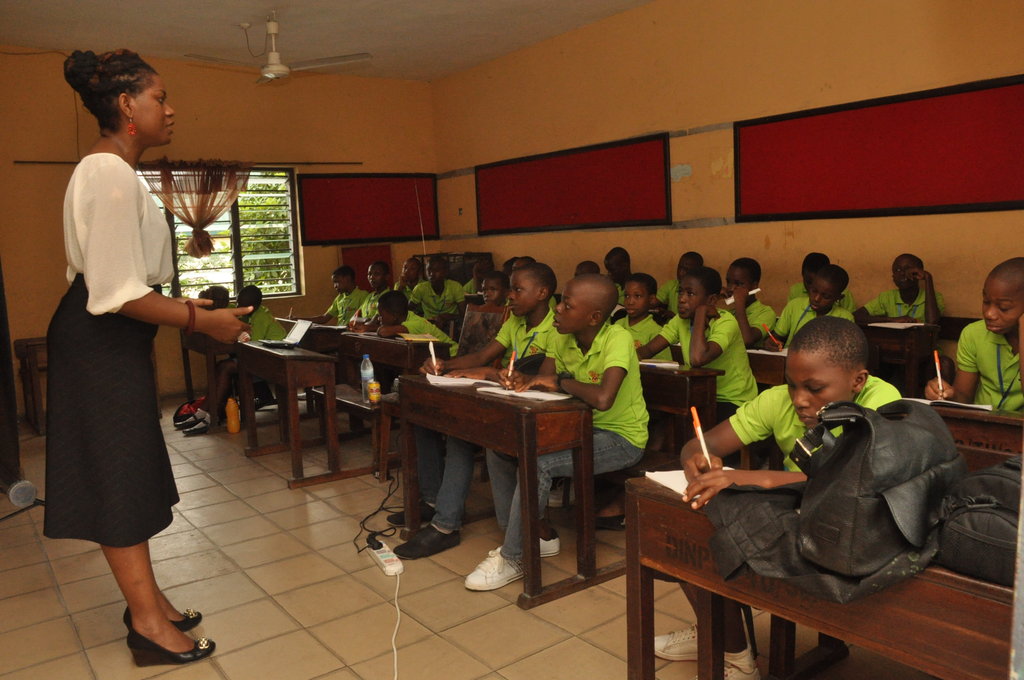
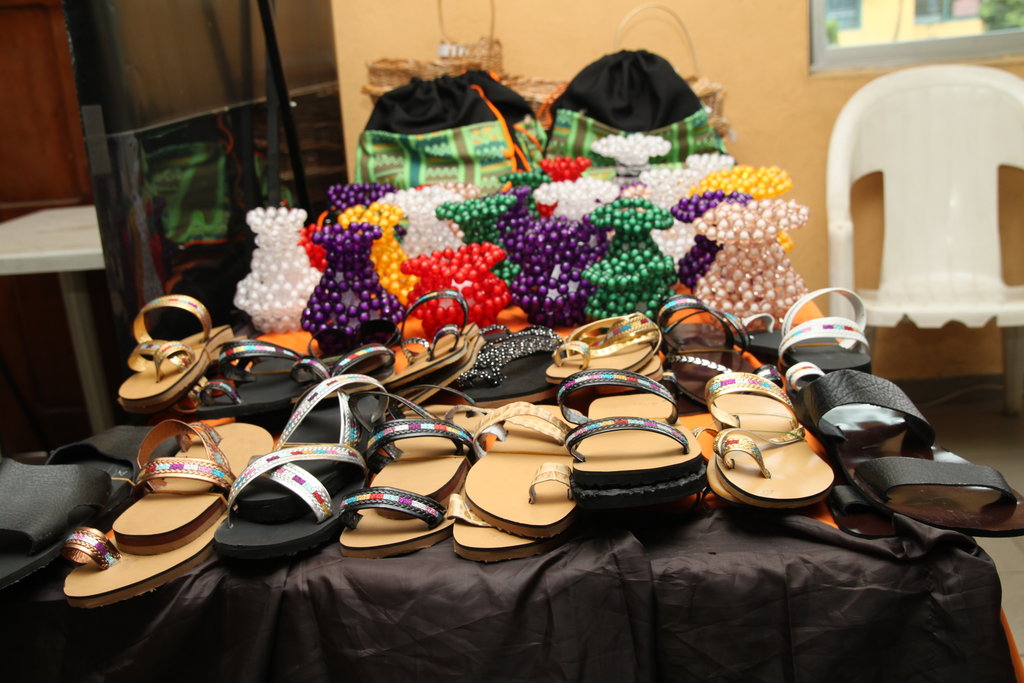
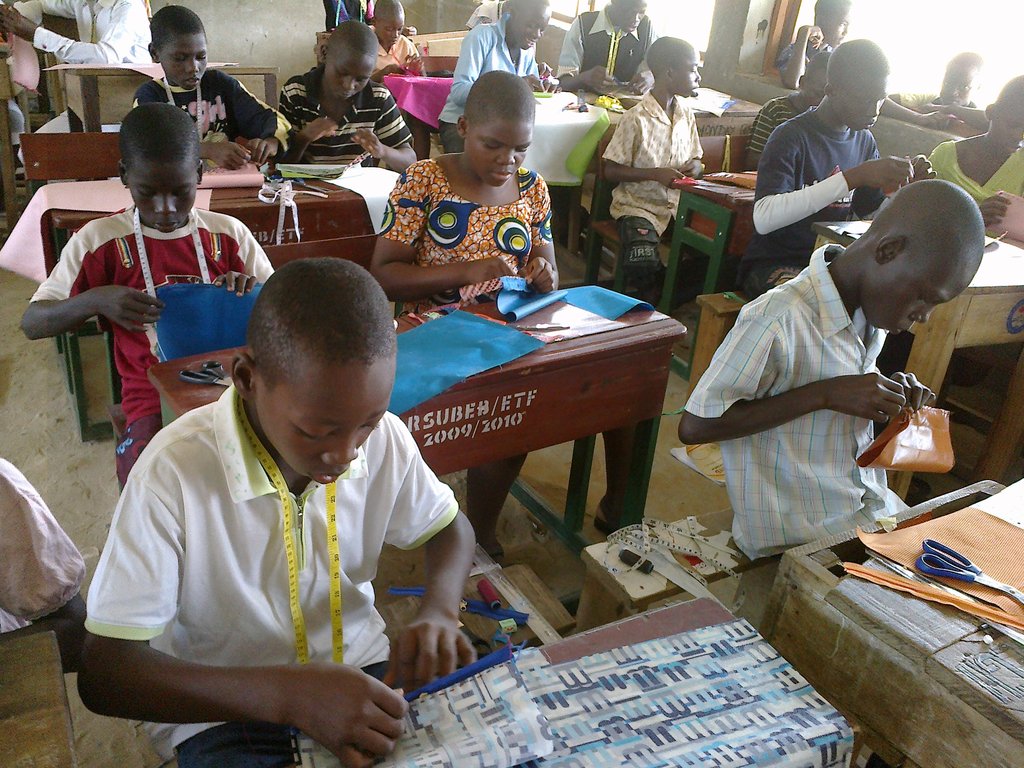
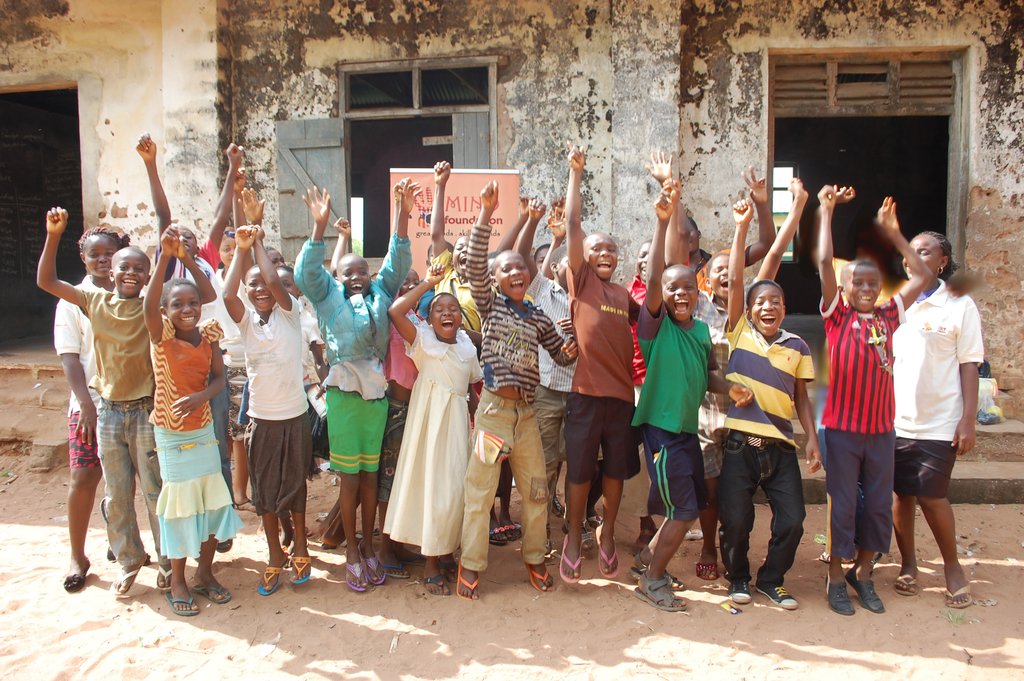
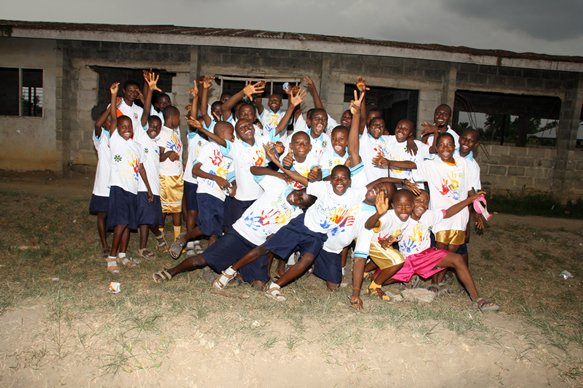
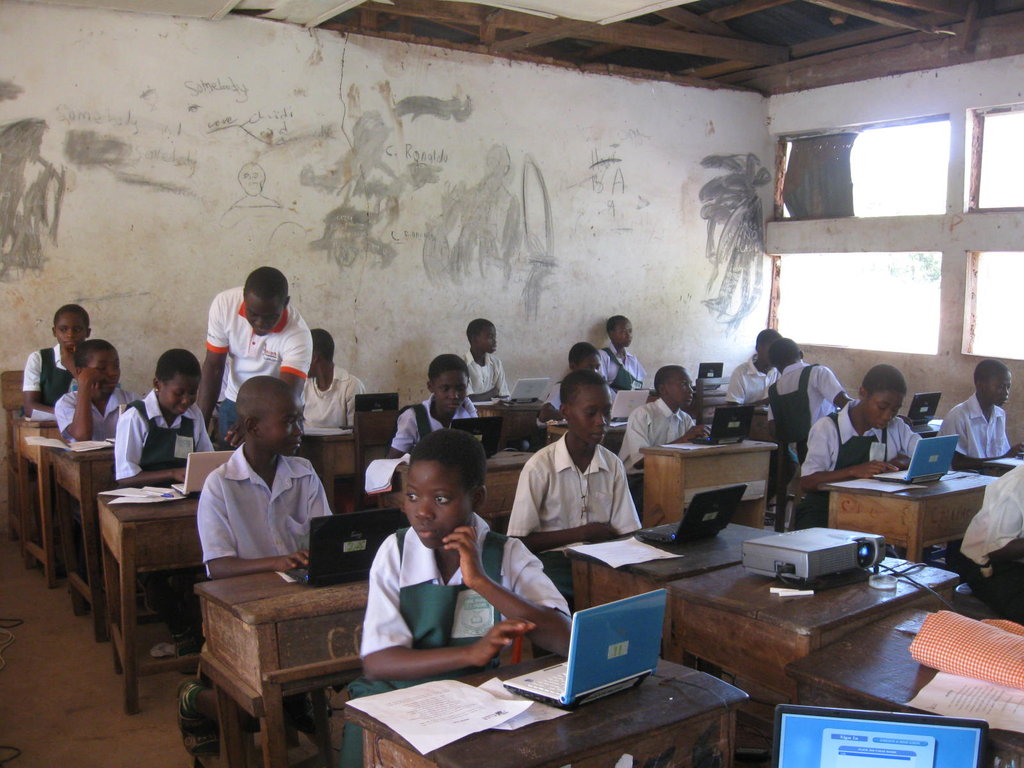
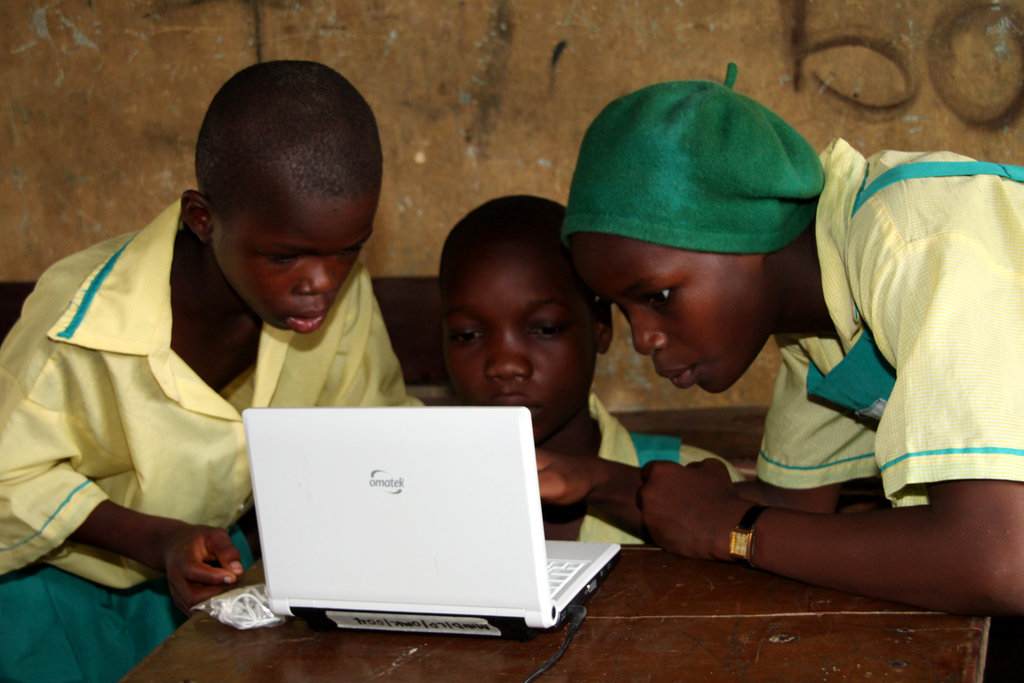
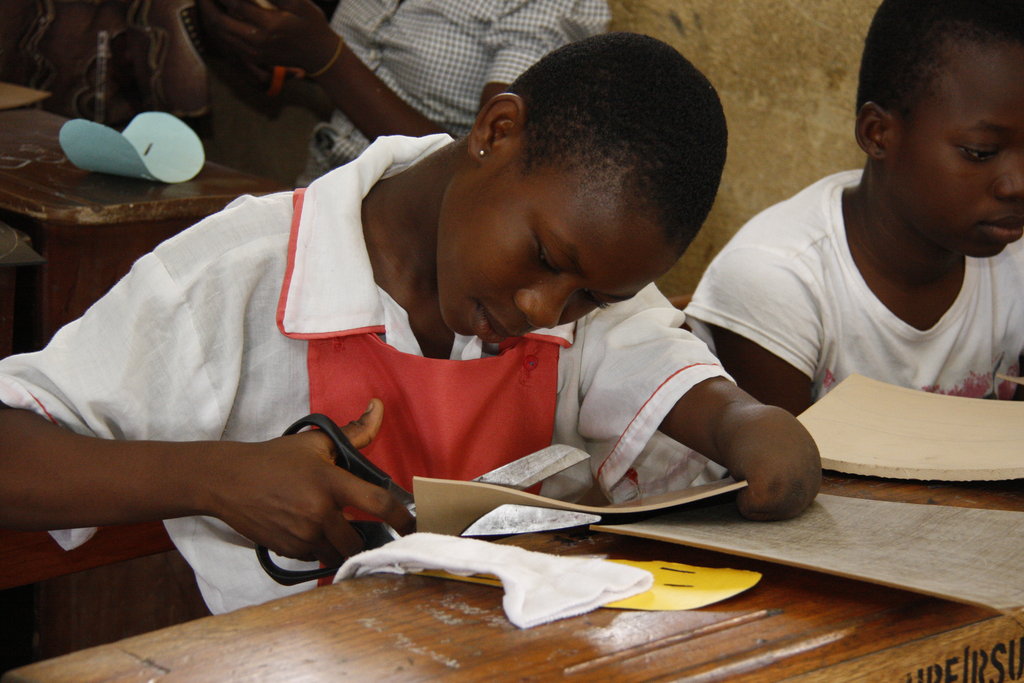
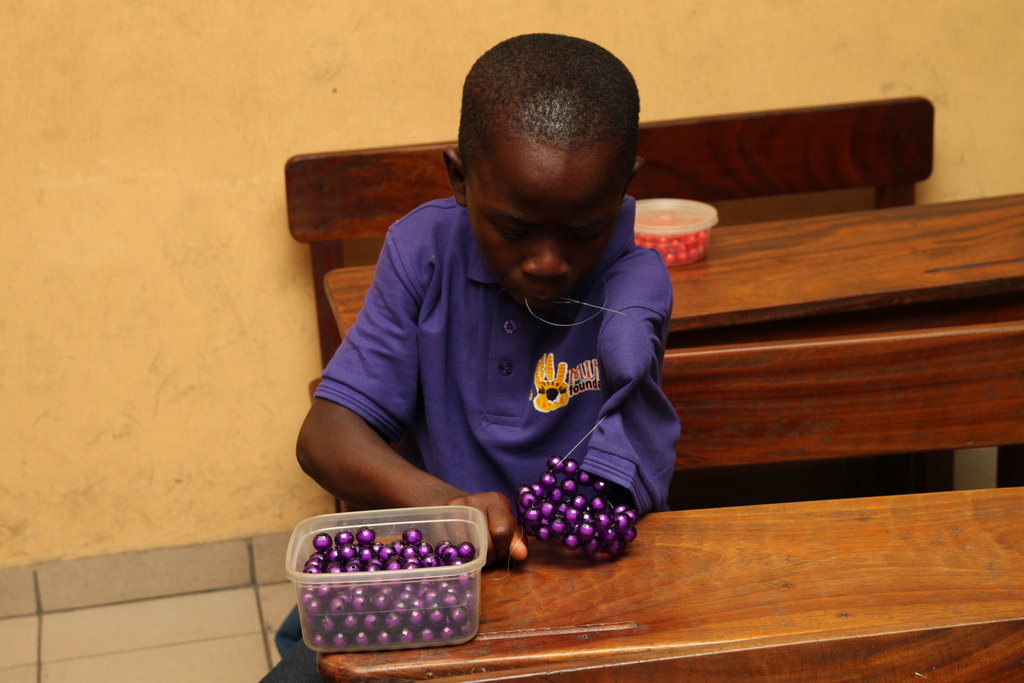
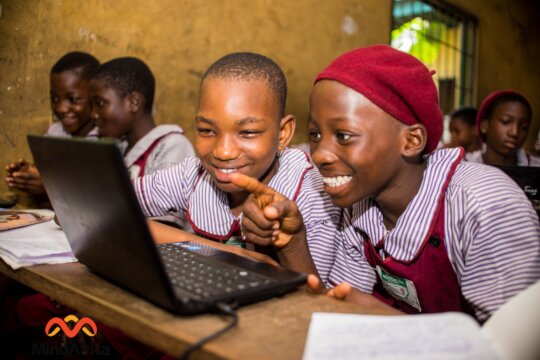
Thank you for your continuous support to our vision of “Empowering rural Nigerian Children with ICT”. We currently live in an age where everything gets thrown away. From cartons to bottled water cans. This "out with the old, in with the new" lifestyle has a tremendous cost. There is an environmental price we pay which contributes to pollution, impacting the quality of the water we drink and the air we breathe especially in developing countries like ours (Nigeria). Combating the impacts created from this trend of waste is a major challenge, but there are ways to fight back and students participating in MindAfrica’s after school program are learning to reuse everyday waste. Using the knowledge gained from the program, students researched on chosen projects using the internet and educational software located on their computers and went ahead to implement the “zero waste” concept producing useable household items in the process.
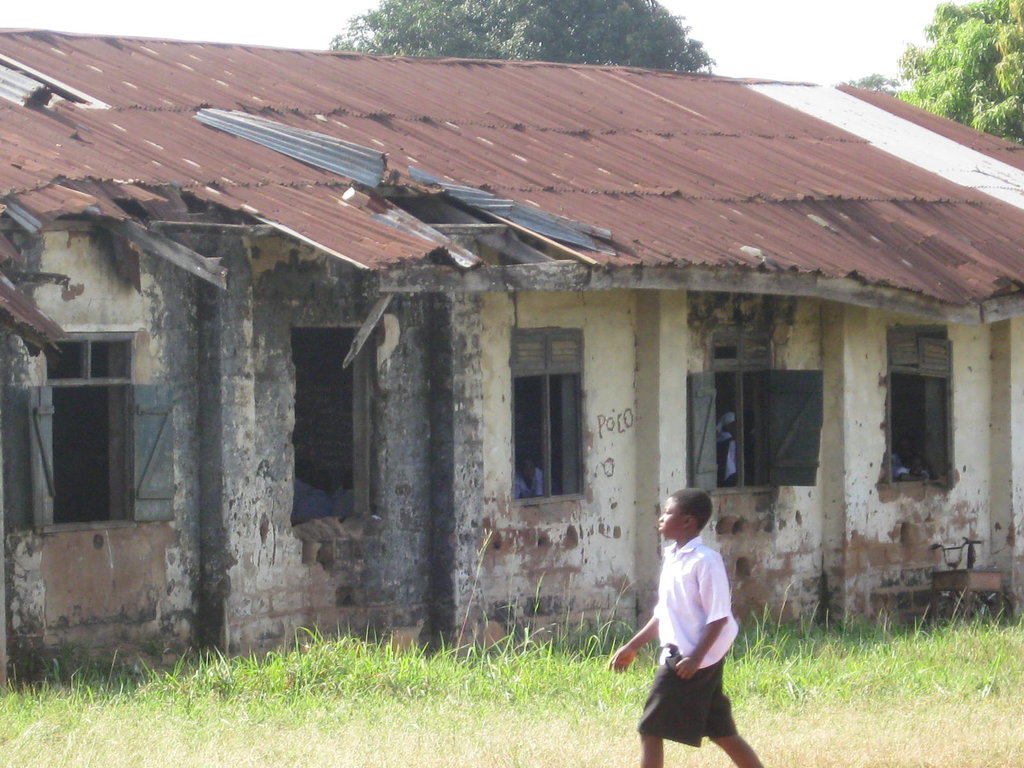
In a Community Secondary School situated in Aluu community of Rivers State Nigeria, students participating in the MindAfrica after-school program sought to implement their newfound knowledge on recycling, reusing and basic electricity. These students were taught the basic concept of how electricity works and how to merge that with everyday waste to produce usable house hold items, As a result the students designed and built several project which include a bed side/reading lamp, a battery powered train, an electric fan and a moving toy car.
Imagine a fan with blades made out of cartons and standing on a floater with some wires connected to a controller and batteries. That was one of the projects carried out by a group of students on the MindAfrica after-school program. This was done with simple wastes items like used cartons, rotary motors from damaged DVD players, floaters, wires, and batteries. Another group of students on this program went ahead to create an electric lamp using cartons, an electric bulb, bulb holders and wires. The MindAfrica team was filled joy, excitement and a lot of appreciation to our supporters, when the students presented their fully functional projects made from the basic principle of electricity and everyday waste items around them.
Yes when students are part of the learning process and not just spectators, there is no telling what they can achieve. This self-discovery stays with students throughout their lifetimes and motivates them to explore.
Project reports on GlobalGiving are posted directly to globalgiving.org by Project Leaders as they are completed, generally every 3-4 months. To protect the integrity of these documents, GlobalGiving does not alter them; therefore you may find some language or formatting issues.
If you donate to this project or have donated to this project, you can receive an email when this project posts a report. You can also subscribe for reports without donating.