By Regina N. Muhasa | Executive Director (AC)
REPORT FOR THE PERIOD: December 2023- March 2024
SUBMITTED TO GLOBALGIVING ACCELERATOR
BY REGINA N. MUHASA- Executive Director
Executive Summary
“Menstrual Hygiene Management (MHM) is defined by the United Nations as the use of clean menstrual management products to soak menstrual discharge by women that are changeable in privacy as required, with proper access to water, soap, and disposable methods. If hygienic practices are not followed during menstruation like changing pads after every 4 hours, washing and drying our re-usable sanitary towels properly in the sun, and washing hands after handling the used sanitary pads, then the chances of getting Urogenital Tract Infections increases many folds.”[1]
“Statistics indicate that 25.8 percent of teenage girls in Budaka district get pregnant before the age of 18. Our target sub-county, Iki-Iki is one of the sub-counties with the highest teenage pregnancies that is 156. The saddest issue is that some of these girls give in to men just to get a packet of pads, and end up with unwanted pregnancy.”[2]
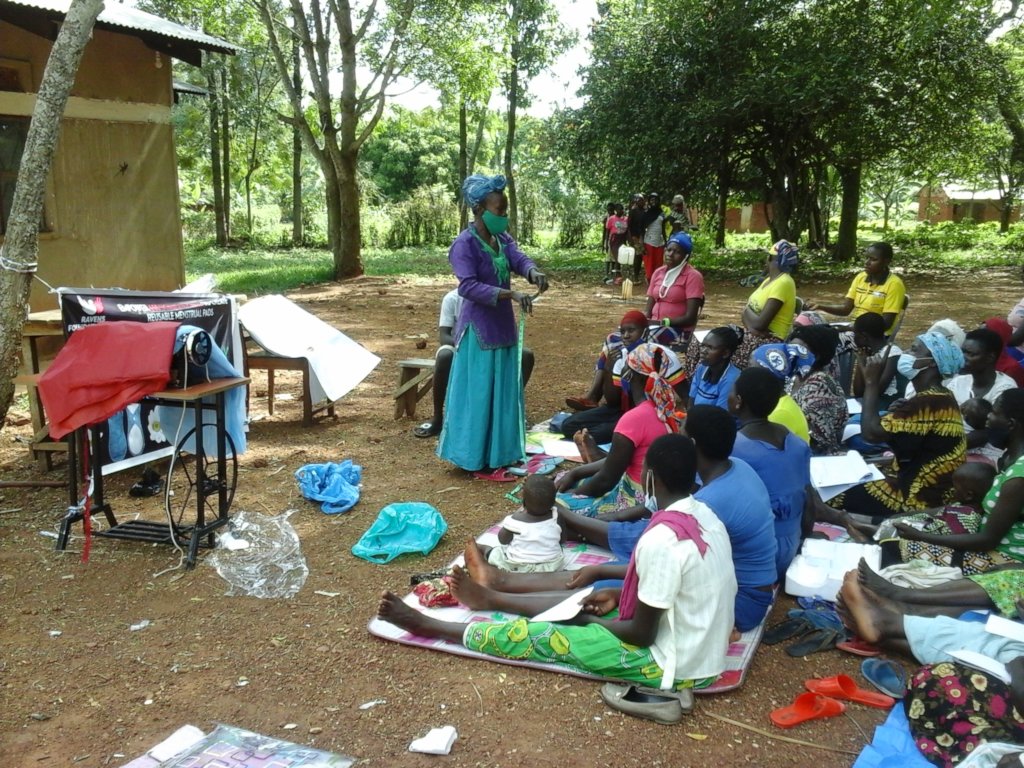
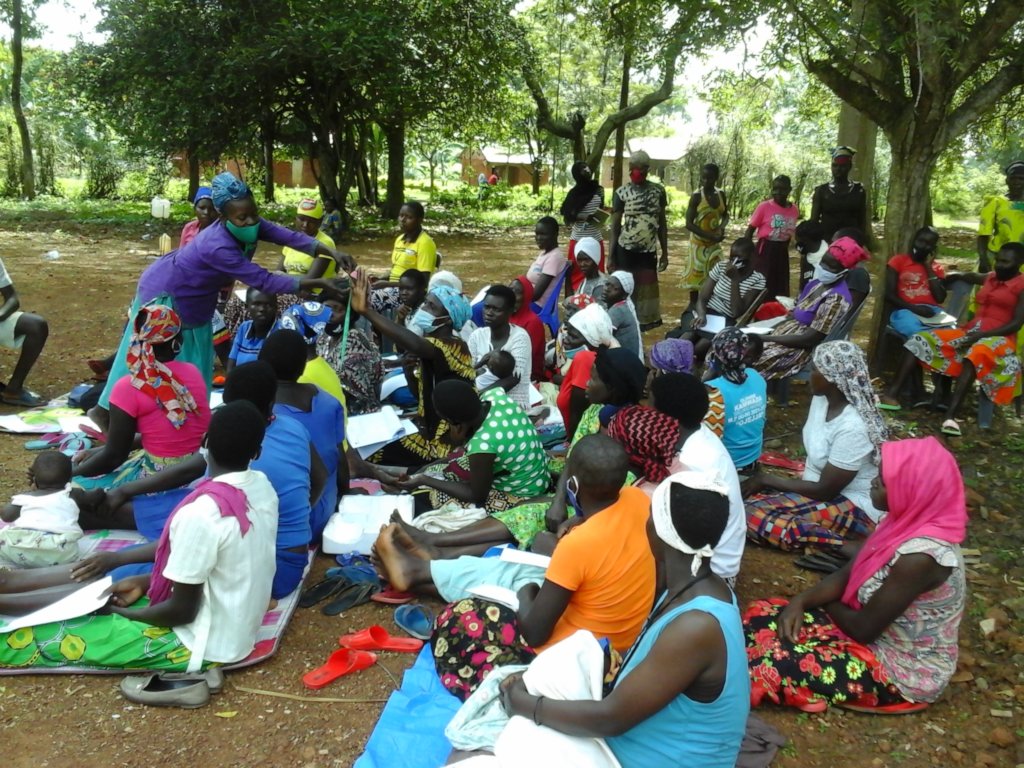
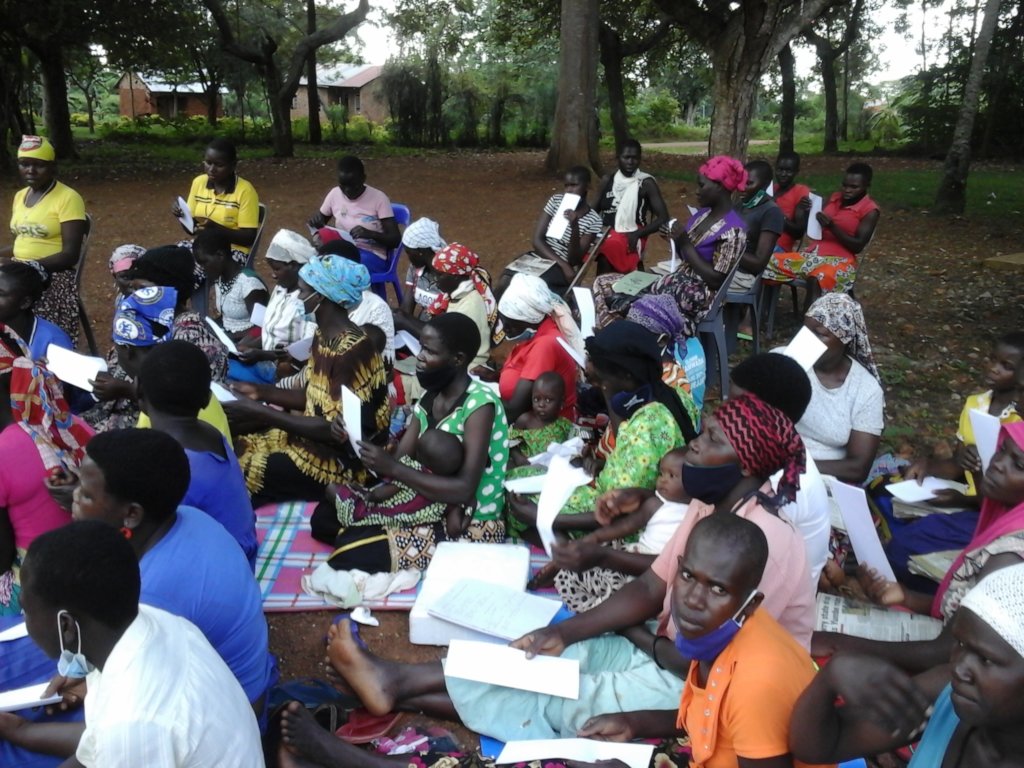
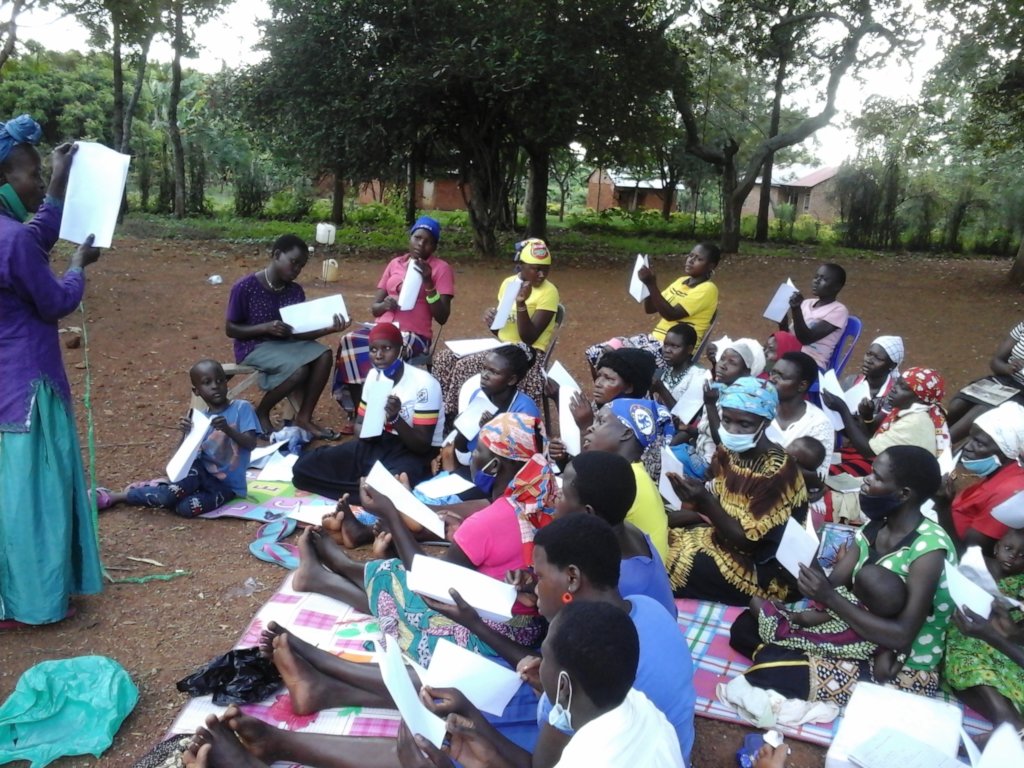
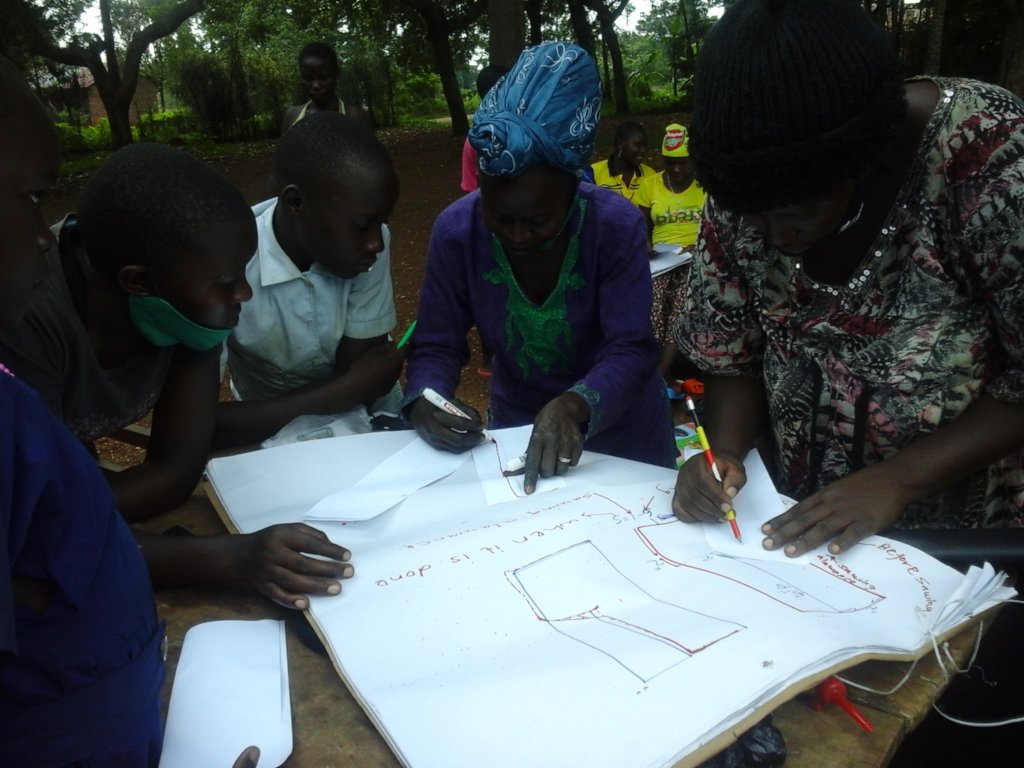
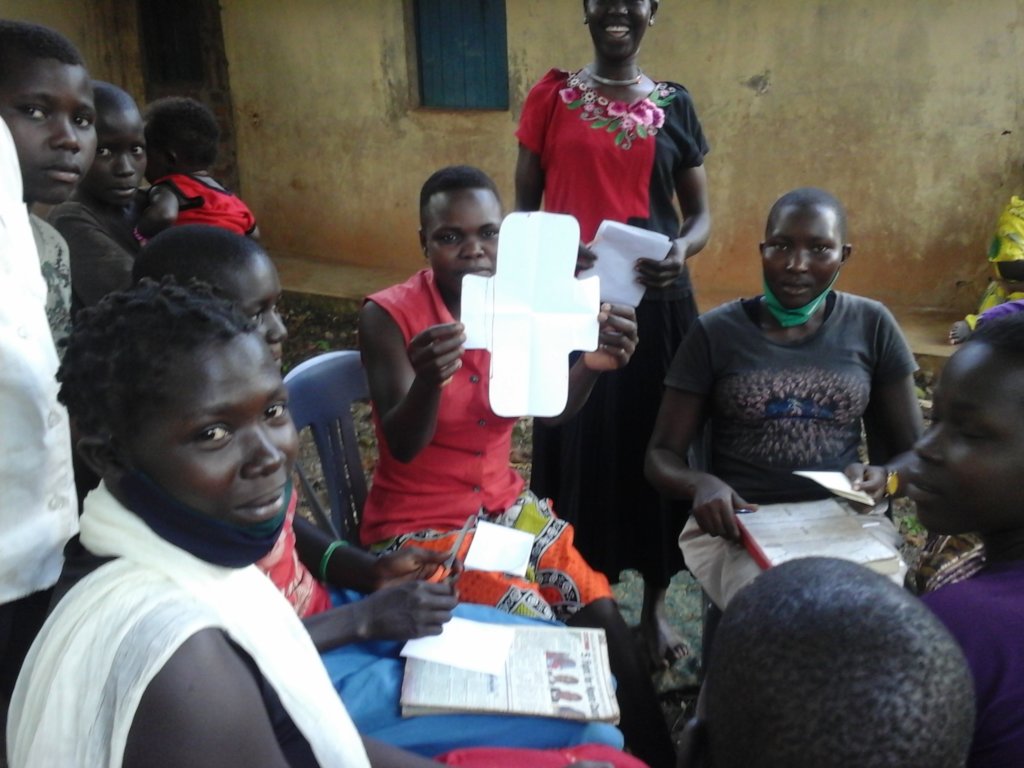
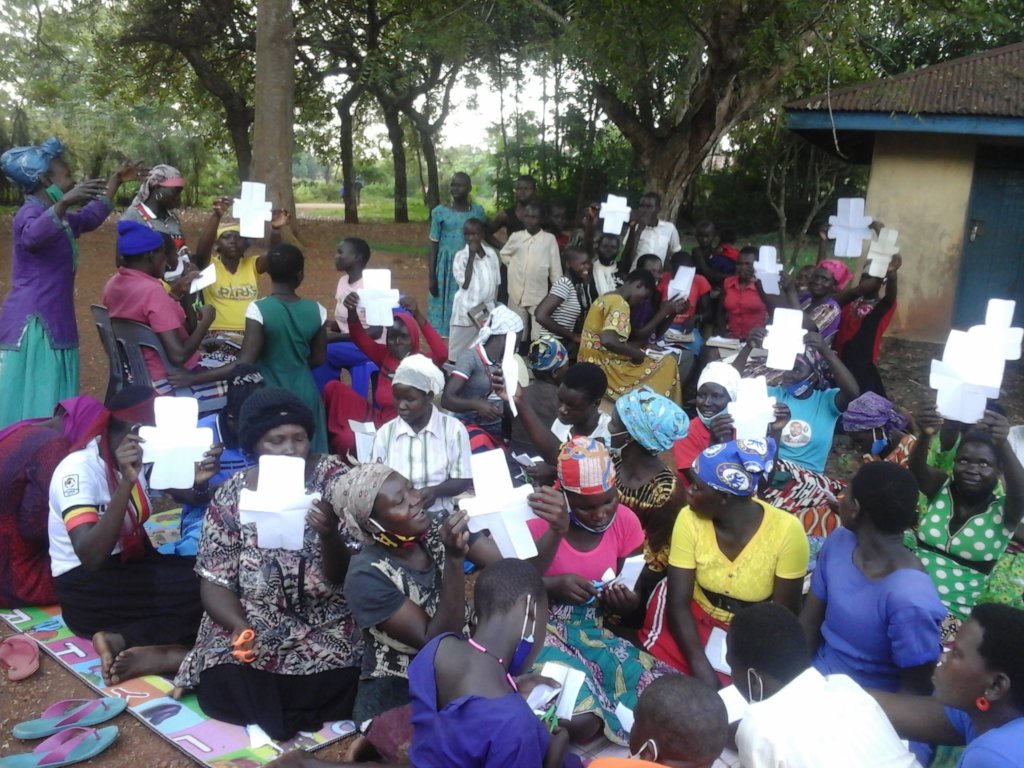
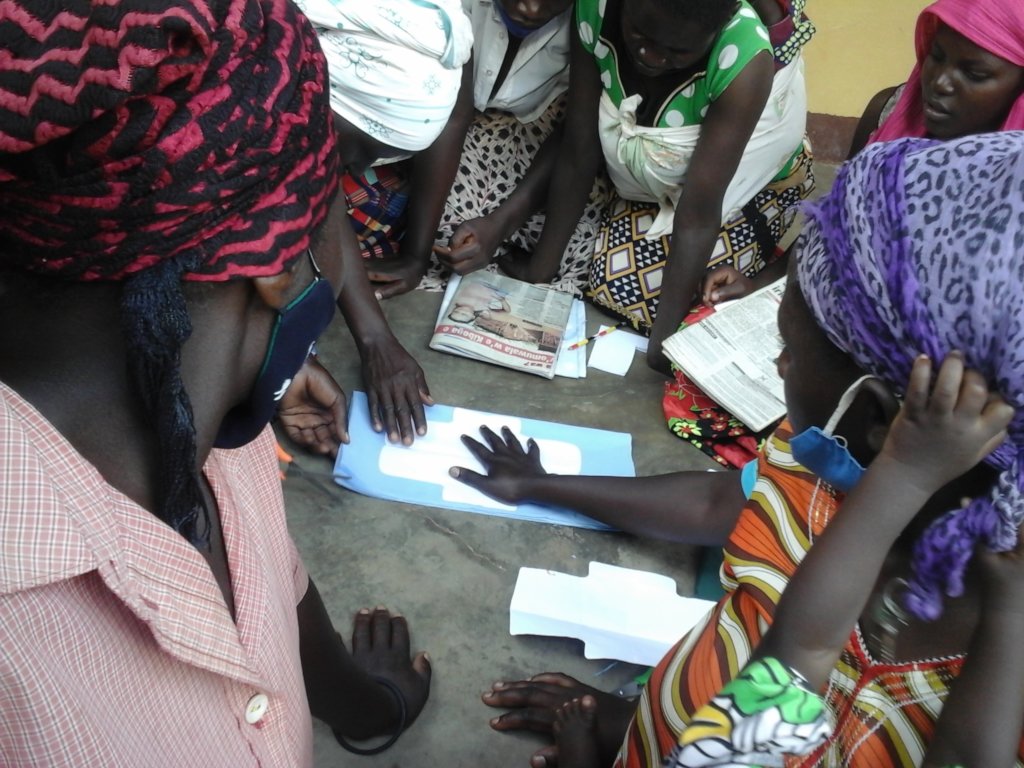
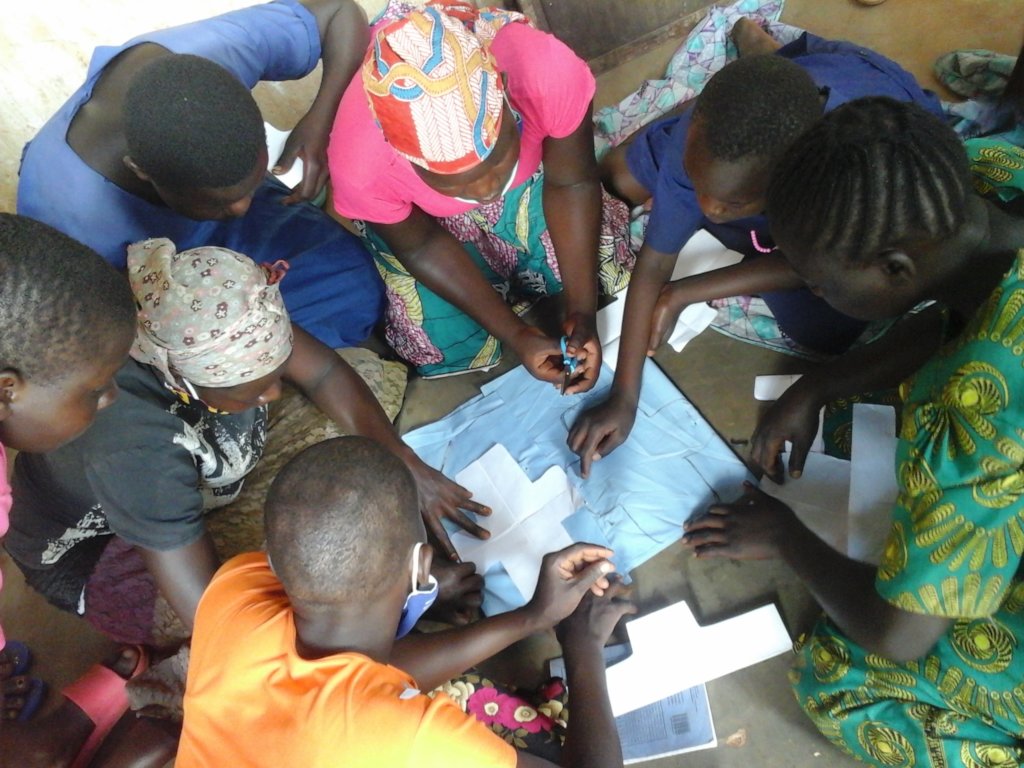
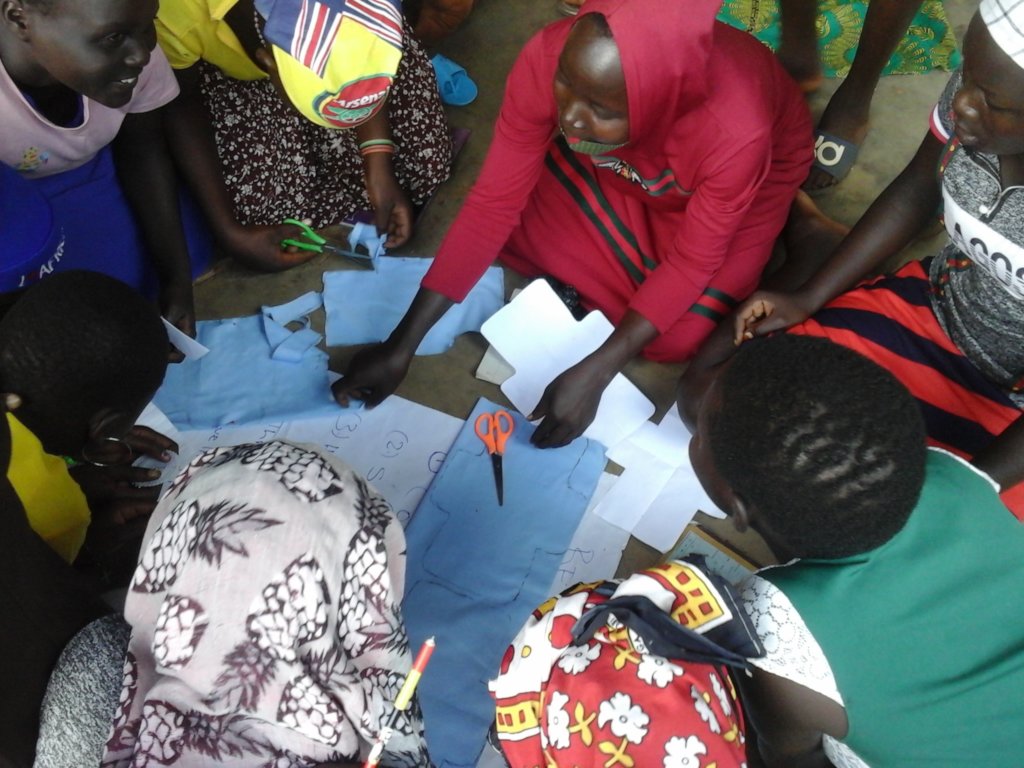
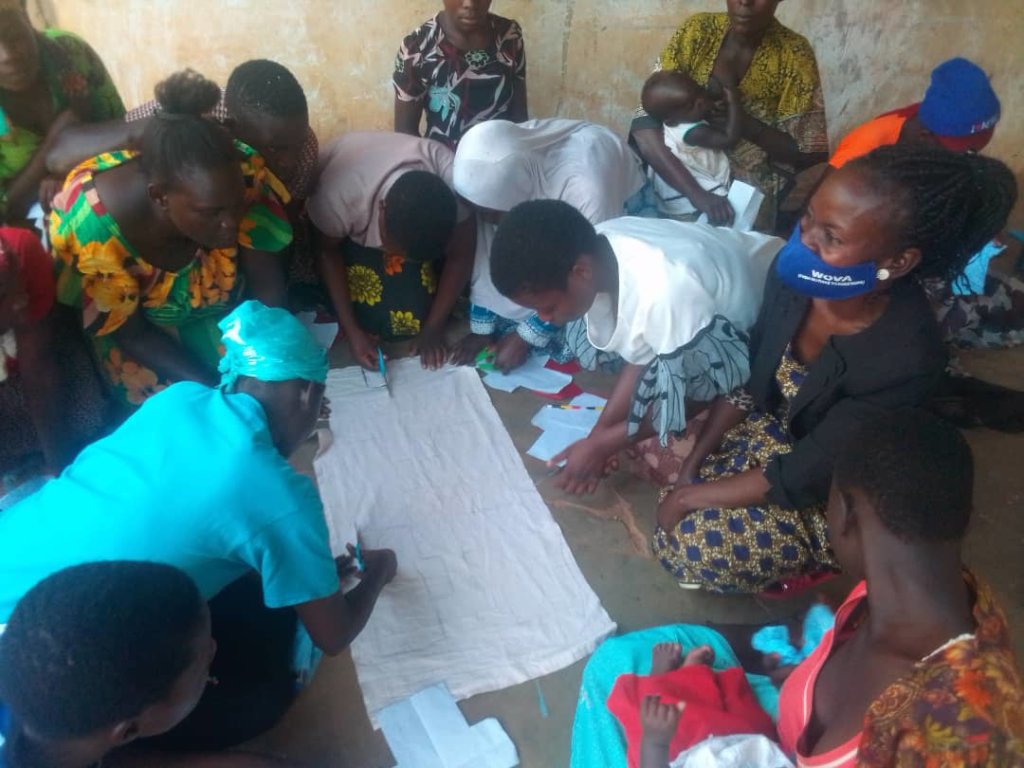
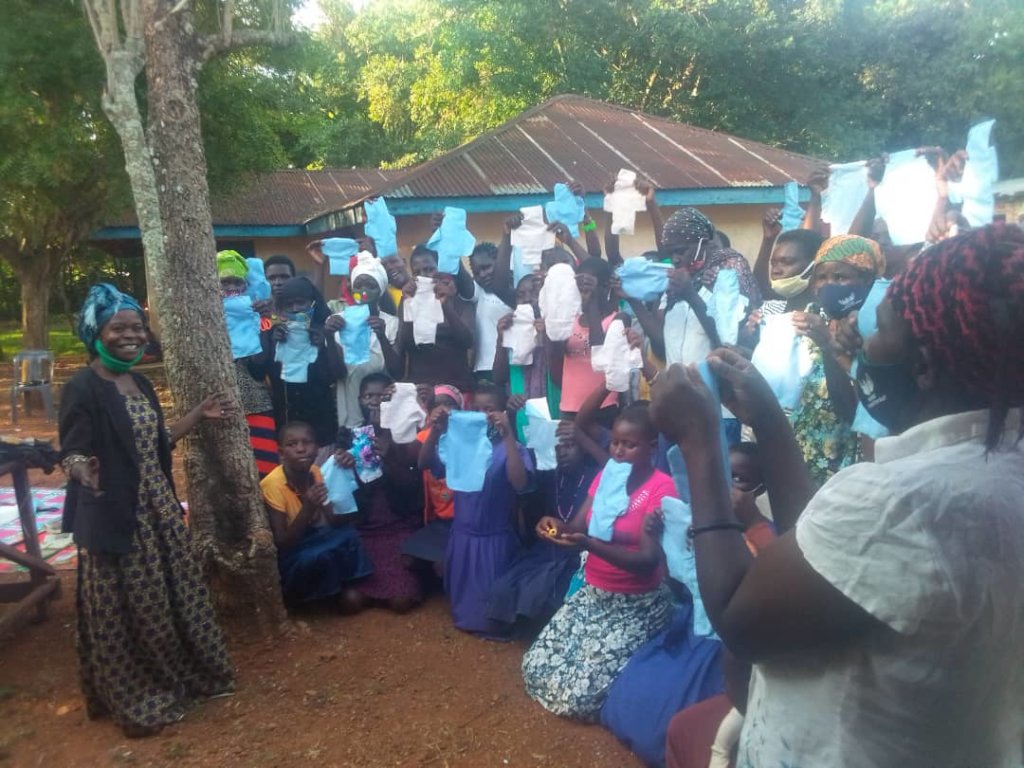
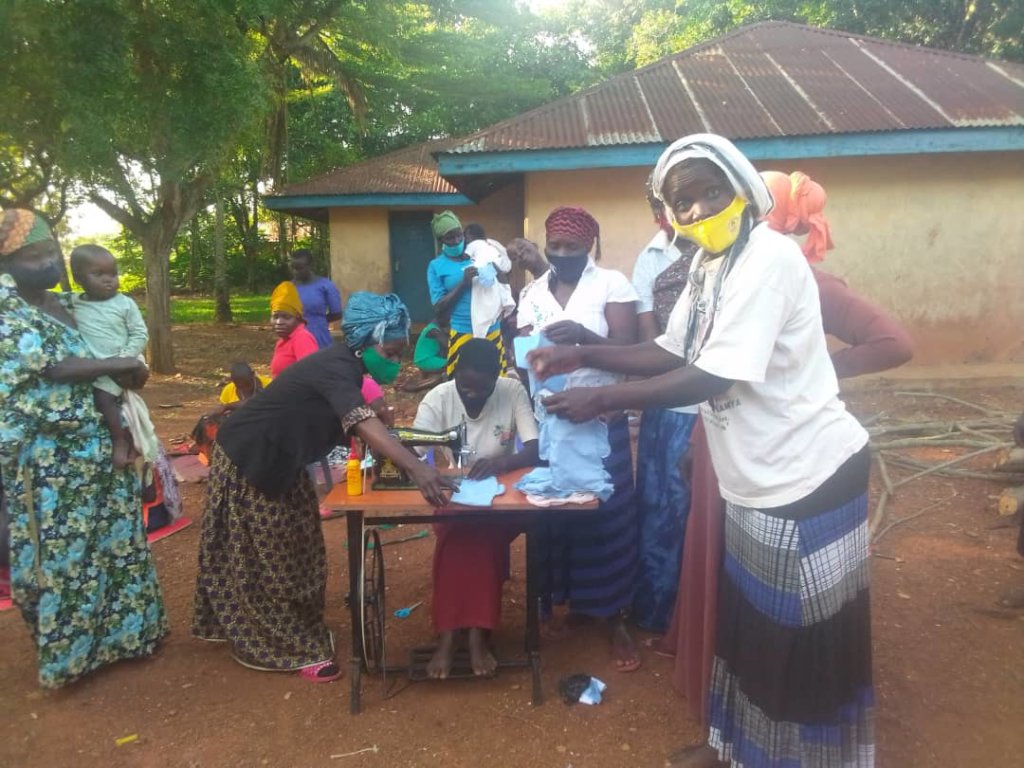
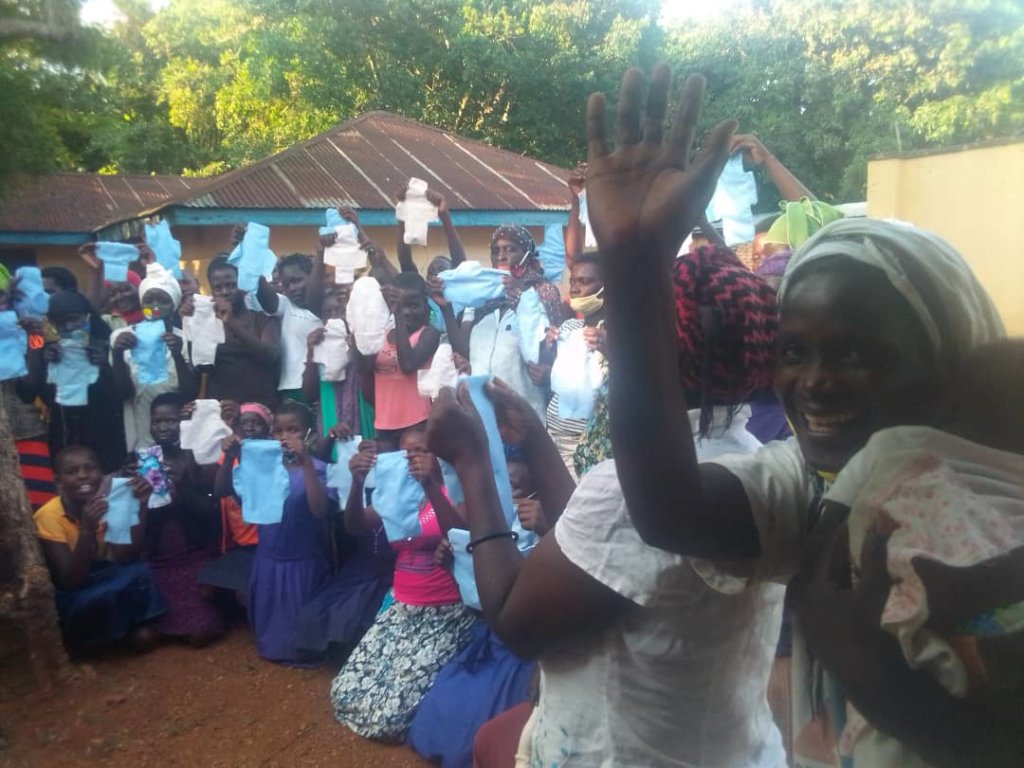
Moreover, because of extreme poverty girls and young mothers use dirty pieces of cloth, dry banana leaves, and other unhygienic materials around them when in their menstrual cycle. So equipping them with skills in making re-usable sanitary pads not only improves their menstrual hygiene but also boosts their self-esteem, and may even help keep more girls in school longer.
Introduction
RAVENS FOUNDATION (RAF), is an indigenous non-government organization founded in 2018, with the aim of contributing to the process of transformational development in the lives of adolescent girls, teenage mothers, other vulnerable women and entire communities.
VISION: Fanning the Wisdom of Motherhood and Nobility of Womanhood.
MISSION: RAVENS FOUNDATION (RAF) exists to develop and impact women especially young mothers with the love of Christ through sharing the word of God, counseling, life skills training and social services provision, hence enabling them to become women of noble character who continually build their homes.
Background
Menstrual hygiene is essential to girls’ and women’s health and well-being. Unfortunately, millions of girls and women worldwide lack access to proper menstrual hygiene facilities and products. The situation is worse in developing countries like Uganda.
According to the UN Sustainable Development Goals (2015-2030), all nations should work towards ensuring healthy lives and well-being for all at all ages (SDG 3); and ensure availability and sustainable management of water and sanitation for all (SDG 6). In an effort to ensure dignity for women and girls, the United Nations in (2014), declared May 28th of every year a Menstrual Hygiene Day that aims to create awareness and highlight the importance of MHM to different stakeholders. The 2023 Menstrual Hygiene day theme was “Making menstruation a normal fact of life by 2030. The overarching goal is to build a world where no one is held back because they menstruate. But talking about this in a country like Uganda seems like a far-fetched dream that can never be achieved because of the difficulties that girls and women face in accessing clean water, sanitation facilities, and affordable menstrual products. These issues are further compounded by cultural barriers and stigmatizing attitudes, often leading to social exclusion and lack of education on menstrual health.
At Ravens Foundation, our goal is to grow the making of reusable menstrual products into a sustainable social business. We are intentionally building this entity with our focus on impact, and providing decent menstrual products to girls and women within the community at affordable costs. We believe that this will greatly improve their general health and also help to keep girls in school.
All our products will continue to be produced locally in Bukomolo village in Budaka district, by local Ugandan women. We plan to expand the project and diversify so that we produce various reusable products including the following;
This report covers a period of four months, December 2023 to March 2024. As reported previously, one of the founders allowed us to use her premises to set up a skills training centre. Ravens Foundation still has a limited financial base and so we depend heavily on the good will of our founders. Renovation of the building has stalled because we run out of funds. We are still soliciting for the funds and the last four months have not brought in any changes as yet.
Strategic Planning: December being a festive season, we didn’t have any activities running. But as the year 2024 began, we embarked on the process of writing a three year strategic plan for the period 2024-2026, and now the draft copy is ready, we are awaiting a meeting of the Board to approve both the strategic plan and annual plan, and we will get going again. Below is a copy of the Draft strategic plan, but I will share a final copy after approval.
Challenges Encountered
[1] Situational-Analysis-Study-on-MHM-in-Uganda-2020-eng.pdf (ungei.org
Project reports on GlobalGiving are posted directly to globalgiving.org by Project Leaders as they are completed, generally every 3-4 months. To protect the integrity of these documents, GlobalGiving does not alter them; therefore you may find some language or formatting issues.
If you donate to this project or have donated to this project, you can receive an email when this project posts a report. You can also subscribe for reports without donating.



Support this important cause by creating a personalized fundraising page.
Start a Fundraiser