By Lori Brister | Resource Development Officer
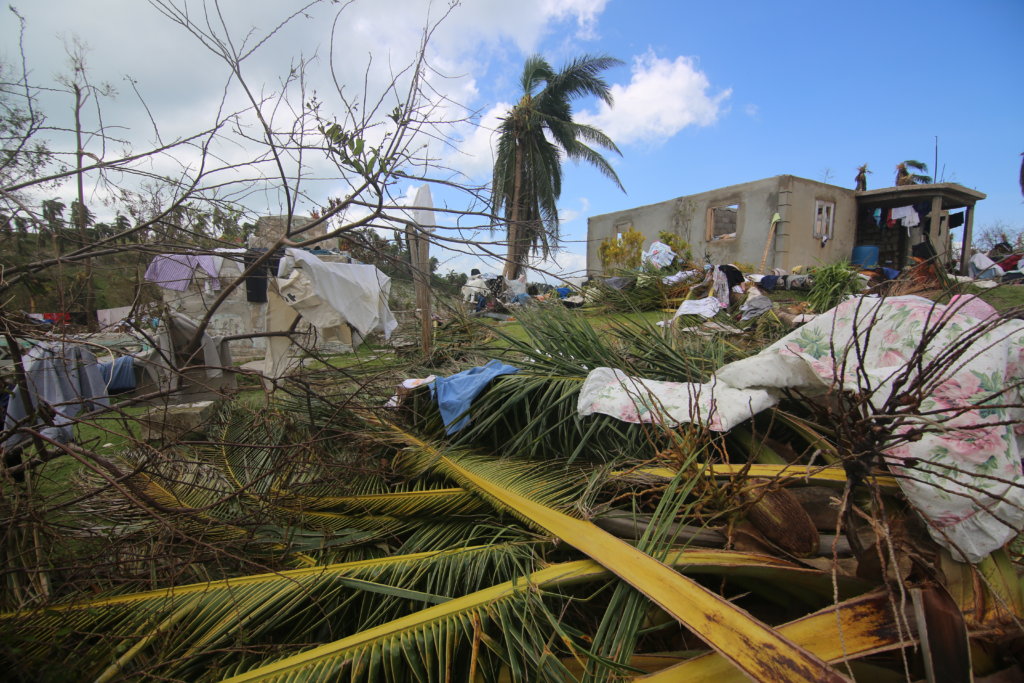
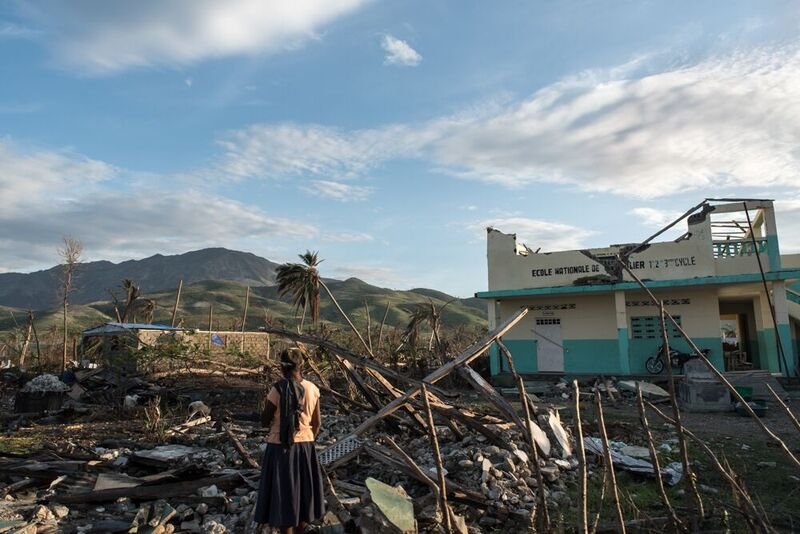
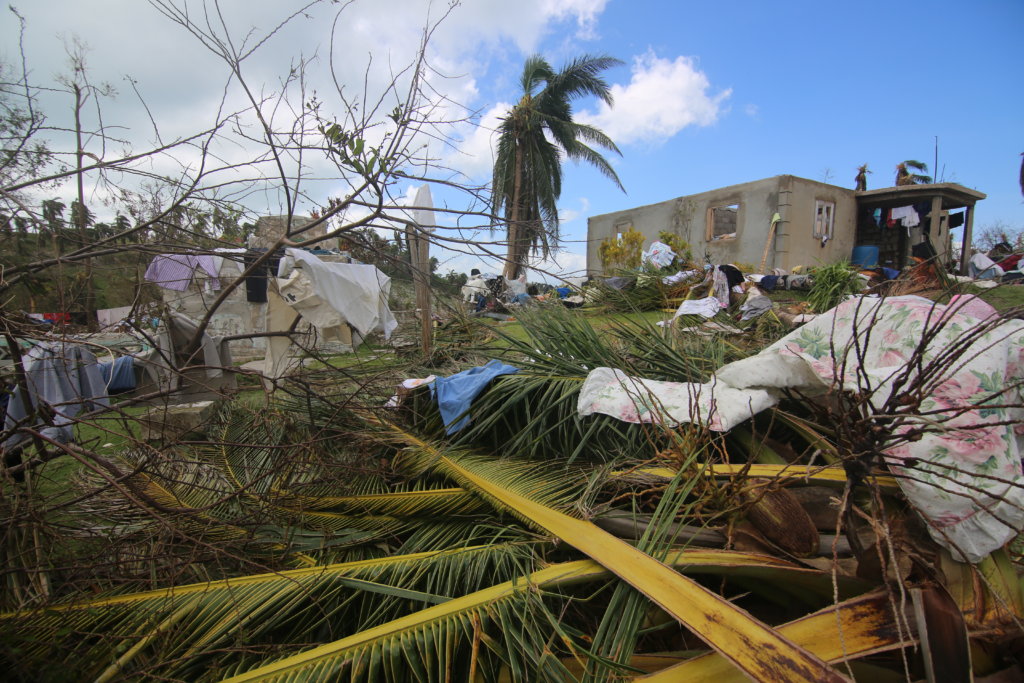
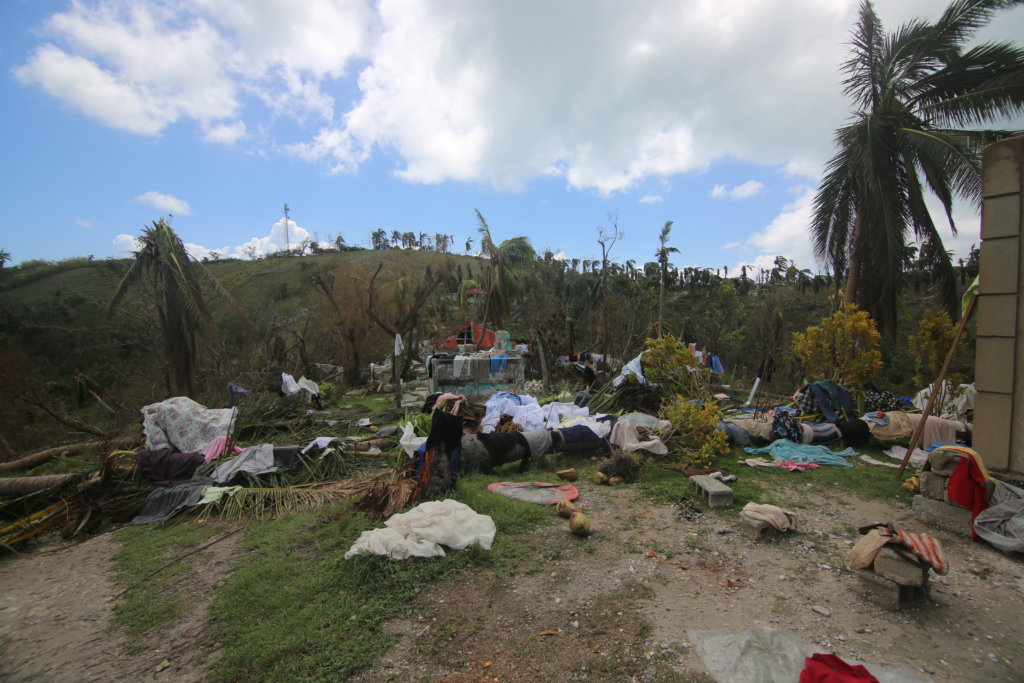
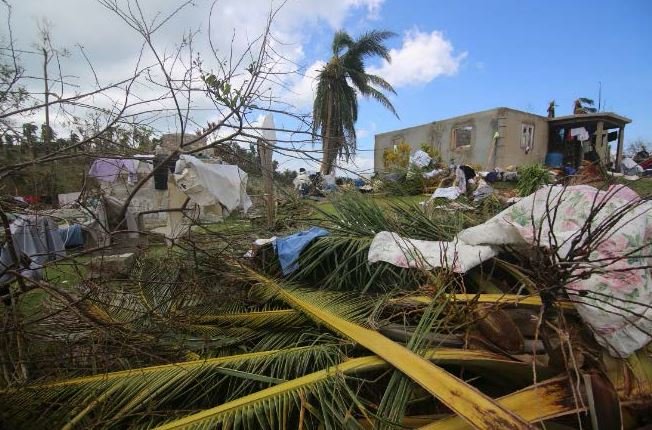
On October 4, 2016, Hurricane Matthew made landfall on the south-westernmost tip of Haiti as a Category 4 storm with maximum sustained winds of 145 miles per hour. The storm brought heavy rains of 15 to 25 inches with as many as 40 inches in isolated areas. A storm surge of up to ten feet crashed against the shore, levelling everything in its path.
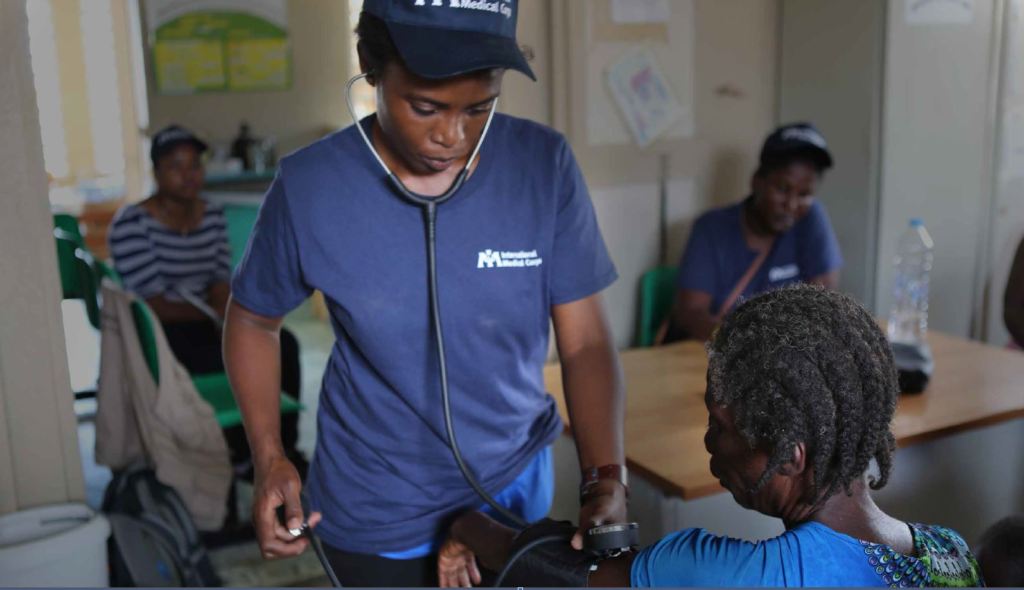
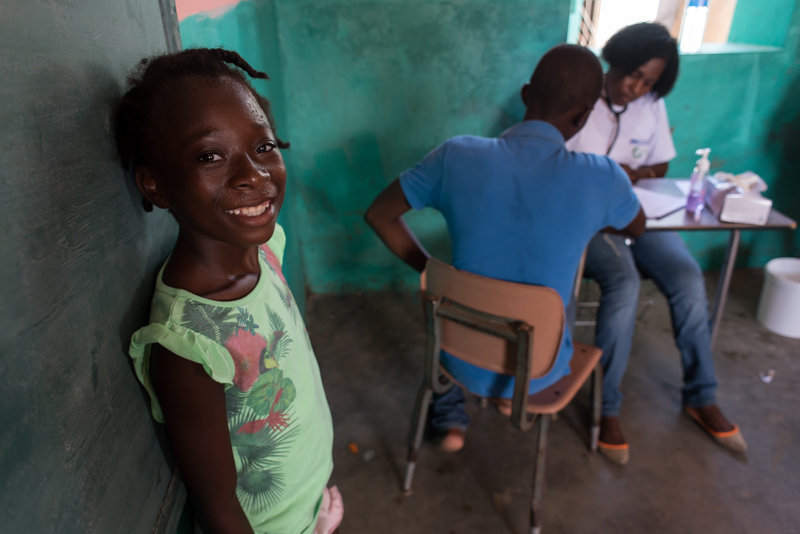
To respond to the most urgent needs of the affected population, we deployed nine mobile medical teams to provide primary care. Each team included two physicians and two nurses, who were accompanied by hygiene staff, nutrition officers, and experts in gender-based violence prevention—depending on local needs. Between October 2016 and January 2017, our mobile teams conducted a total of 18,006 medical consultations, reaching even the most remote communities in southern Haiti.
In the aftermath of the devastating hurricane, the people of south-western Haiti faced a potentially worse tragedy: cholera. Cholera is an acute bacterial infection which causes severe vomiting, diarrhea and dehydration, and, if left untreated, can kill within hours. “Immediately following Hurricane Matthew, we were aware of the significant risk of an increase in cholera cases. The communities were only too aware of this as well, and there was a fear of a repeat of the huge cholera outbreaks of previous years,” explains Dr. Jude, the lead physician of our emergency response team.
Most cases of cholera can be linked to contaminated water, a common problem after natural disasters like earthquakes and hurricanes. Dr. Jude says that, “Water pipes and pumps had been destroyed and waste water had been washed into rivers.” As the number of suspected cases began to rise, our teams established three cholera treatment centers at Les Anglais, Cavaillon and Aquin, plus three temporary satellite facilities. Through January 31, 2017, our staff admitted a total of 750 patients with acute diarrhea across these facilities. To prevent further spread of disease, our teams also provided hygiene kits and provided home-disinfection for the patients and close neighbors in their communities.
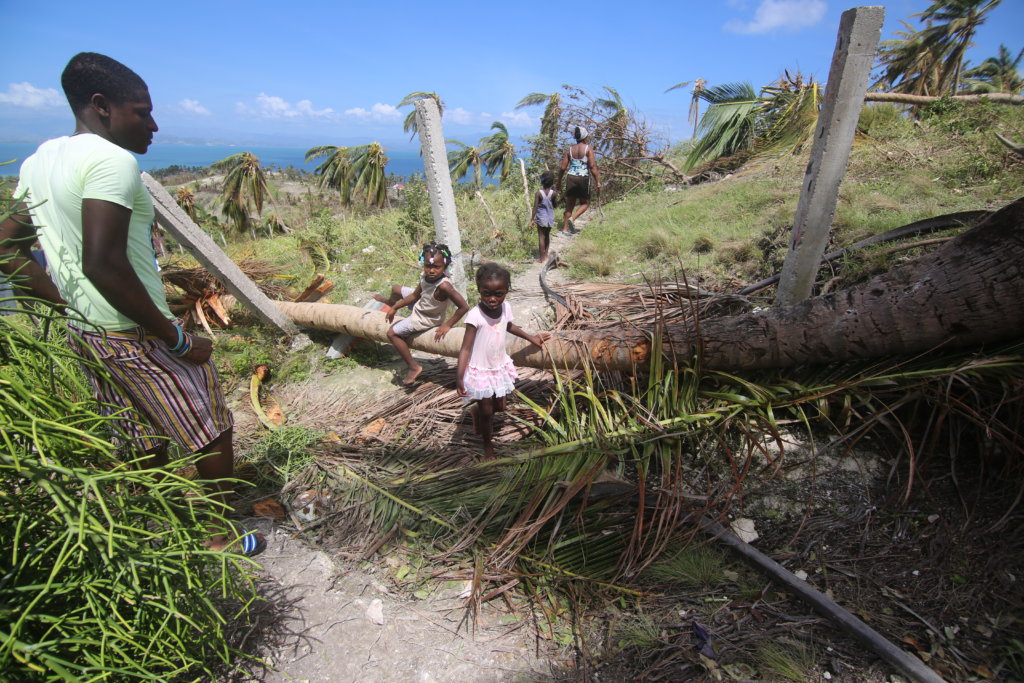
In more remote and mountainous regions, where there was little or no access to cholera treatment centers, we established 15 oral rehydration points—small, tented stations providing chlorinated handwashing and oral rehydration salts to quickly and safely alleviate symptoms. Dr. Jude recalls that, “Our water, sanitation and hygiene teams and health teams set about walking to villages in the mountains, along damaged mountain paths to find the sources of outbreaks that had been reported to the team.” By understanding the source of contamination, our teams helped prevent further infection.
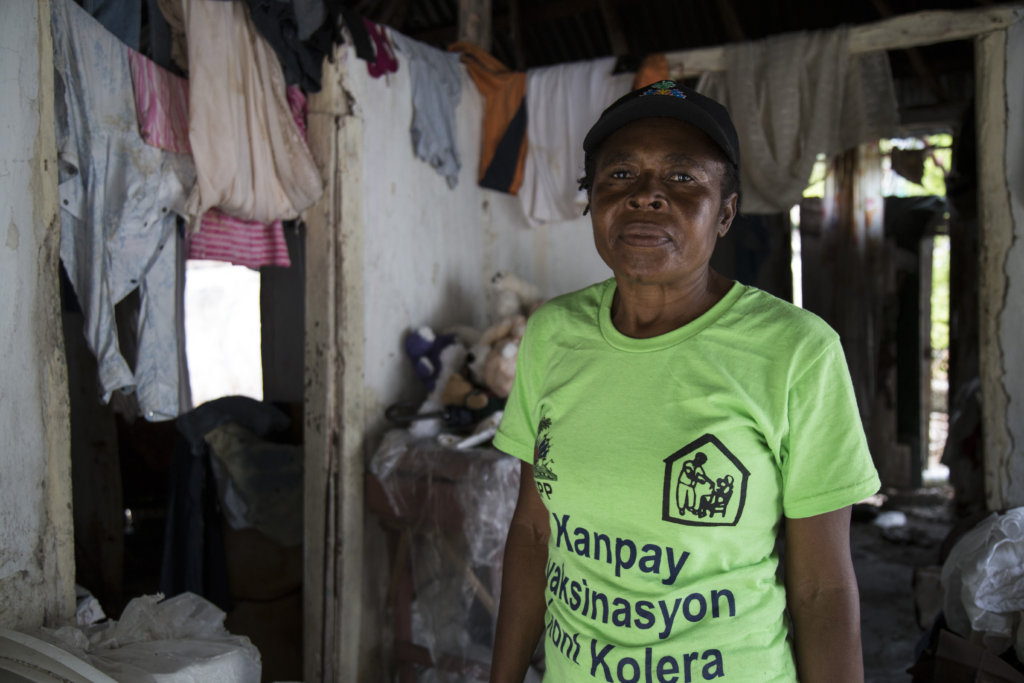
In the weeks following Hurricane Matthew, we partnered with the government of Haiti and technical experts at the WHO and the CDC to conduct a one-dose oral cholera vaccination campaign to thwart the spread of cholera in the two departments most affected by the hurricane: Sud and Grand’Anse. This campaign—the largest ever conducted in the world—covered 16 communes and reached more than 735,000 men, women and children over one year of age.
We would like to thank the GlobalGiving community for supporting our teams throughout our emergency response to Hurricane Matthew. You have helped us save lives and inspire hope among people who lost their homes or their livelihoods—and even friends and family members.
By Lori Brister | Resource Development Officer
By Kimberly Laney | Resource Development Officer
Project reports on GlobalGiving are posted directly to globalgiving.org by Project Leaders as they are completed, generally every 3-4 months. To protect the integrity of these documents, GlobalGiving does not alter them; therefore you may find some language or formatting issues.
If you donate to this project or have donated to this project, you can receive an email when this project posts a report. You can also subscribe for reports without donating.