By Lori Brister | Resource Development Officer
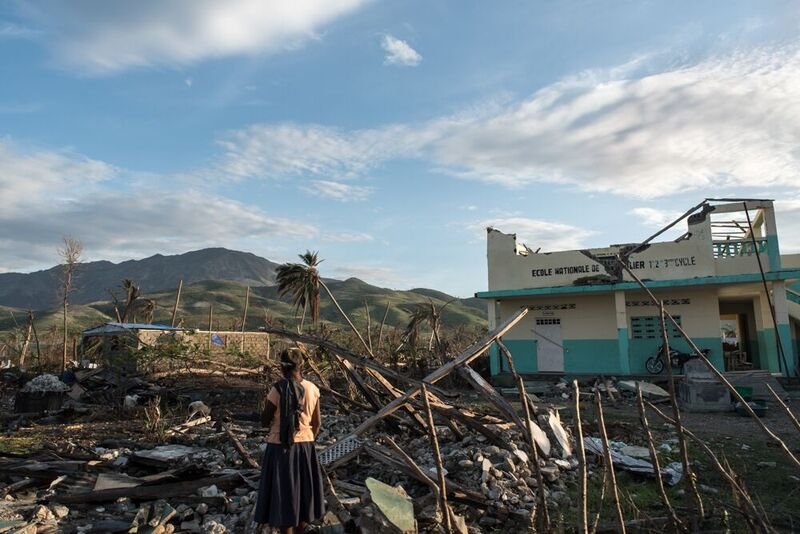
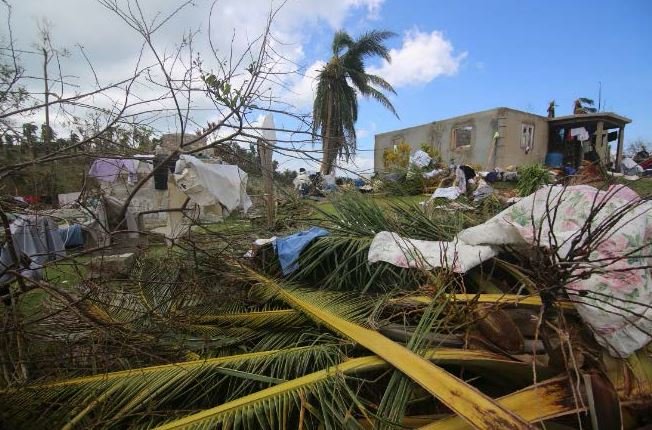
Marie did not expect the storm to be so powerful. With Hurricane Matthew bearing down on Haiti, she gathered her children and huddled inside the home where she had lived for the past 16 years. Then the winds picked up, devastating her hometown, Rendel, nestled high in the mountains of Haiti. A tree crashed down across Marie’s home, smashing the roof, walls and the bed where her children normally slept. She and her children ran to a neighbor’s home to wait out the storm. When they emerged the next morning, Marie saw that everything they owned had been completely destroyed. “I didn’t save anything,” she said. “I couldn’t save it.”
Hurricane Matthew made landfall in Haiti on October 4th as the most powerful storm to hit the Caribbean in over 50 years. An estimated 1.4 million people were affected, including some 600,000 children. Shelters and health centers were damaged, and infrastructure was destroyed, cutting off access to relief. Then another disaster unfolded – cholera. The disease has been active in Haiti since six months following the 2010 earthquake, but the storm ignited a surge in cases. More than 4,500 new cases have been reported in the southwest, the region where Marie lives. In isolated communities, like Rendel, cholera has been particularly deadly for lack of care. Marie explained, “After the hurricane, people kept dying of cholera. It is our biggest problem.”
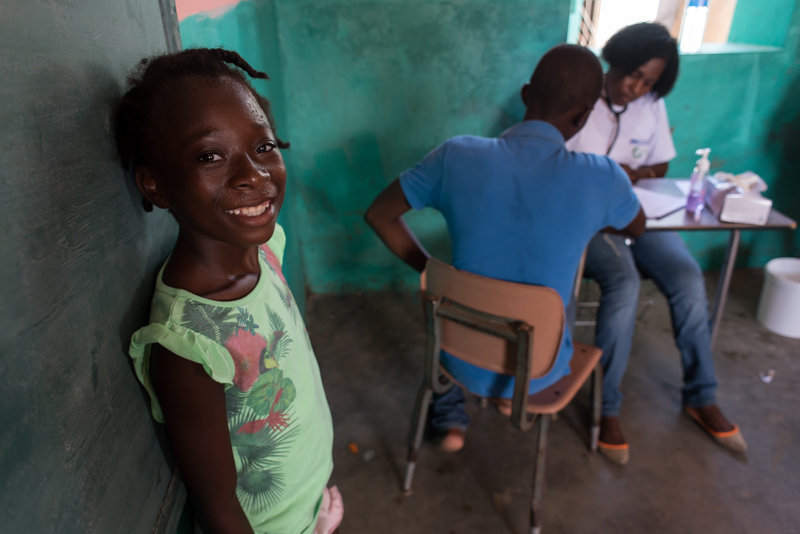
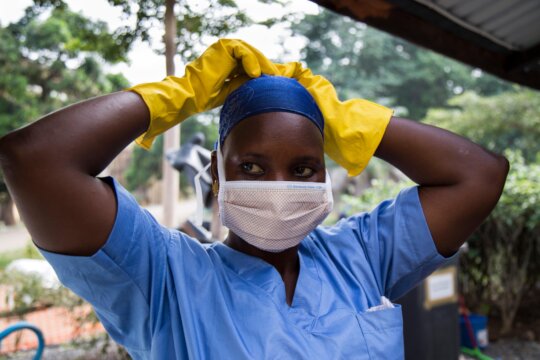
International Medical Corps is focusing on reaching the hardest hit communities in the Sud and Grand’Anse departments in southwestern Haiti, where accessing isolated communities like Rendel is possible only by donkey, on foot or by helicopter. We are providing primary health care and nutrition screenings with mobile medical units in 15 communes. We have also made preventing and treating cholera a major priority. Our staff in special oral rehydration points and cholera clinics in the Sud are saving the lives of those suffering from aggressive cholera symptoms, and following up with patients with prevention services. In shelters and schools, we have been providing clean water, sanitation and hygiene supplies to help prevent the spread of disease. In November, we also helped the Haitian government and WHO implement a large-scale cholera vaccination campaign.
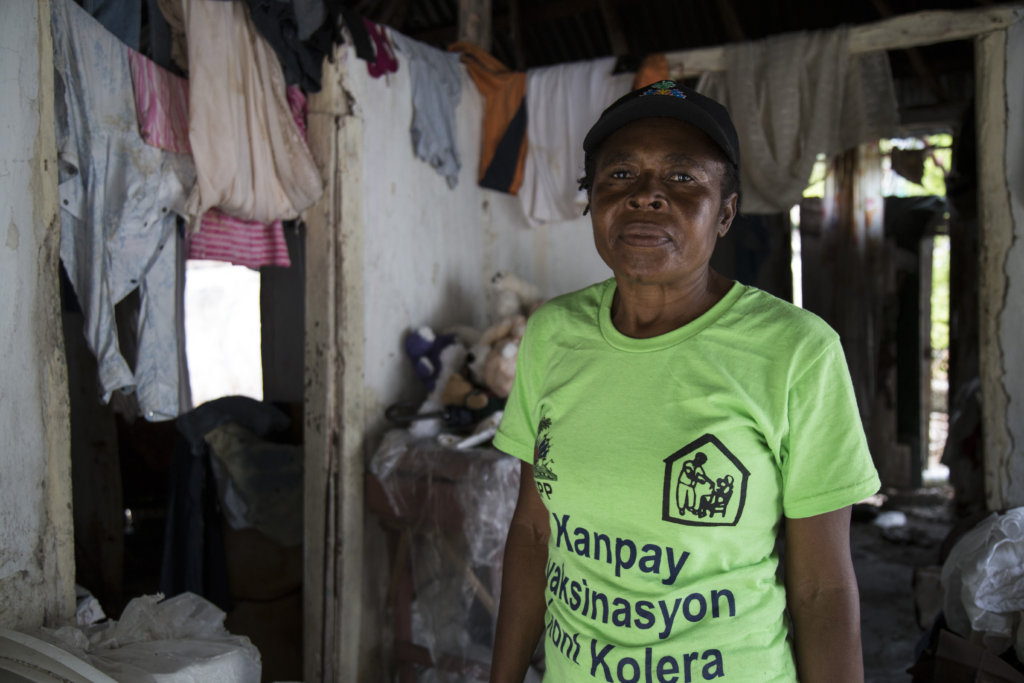
Marie was one of the people hired by the Ministry of Health to administer doses of the oral cholera vaccine to the people of Rendel. The vaccine will help keep her family and neighbors safe from cholera, as well as giving her some much-needed income. “I have been living in Rendel my whole life,” she said. “This was our worst disaster.”
We want to thank the GlobalGiving community for your support as we help the people of Haiti recover from Hurricane Matthew.
Project reports on GlobalGiving are posted directly to globalgiving.org by Project Leaders as they are completed, generally every 3-4 months. To protect the integrity of these documents, GlobalGiving does not alter them; therefore you may find some language or formatting issues.
If you donate to this project or have donated to this project, you can receive an email when this project posts a report. You can also subscribe for reports without donating.