By Victoria Cornelio | Communications Manager
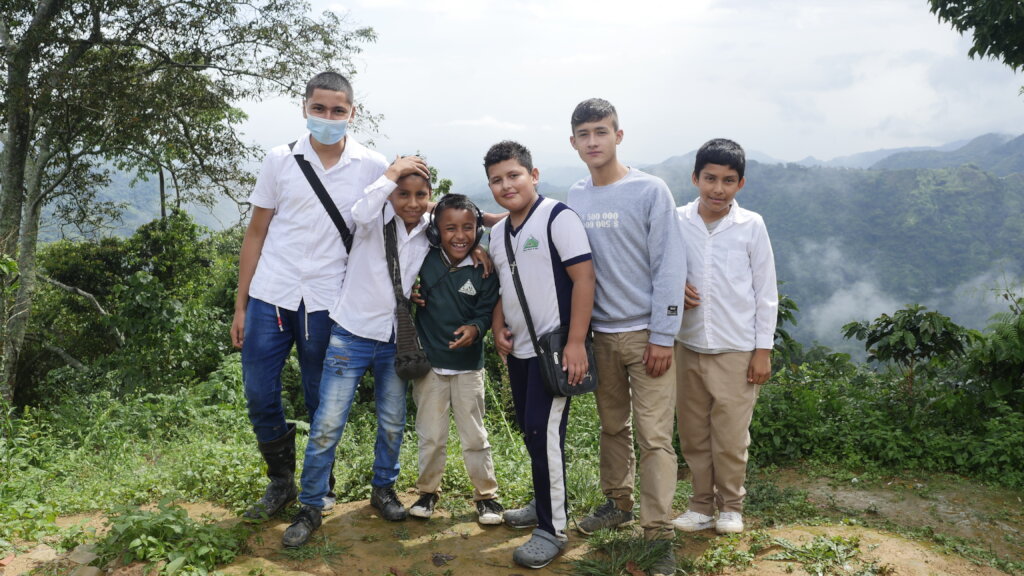
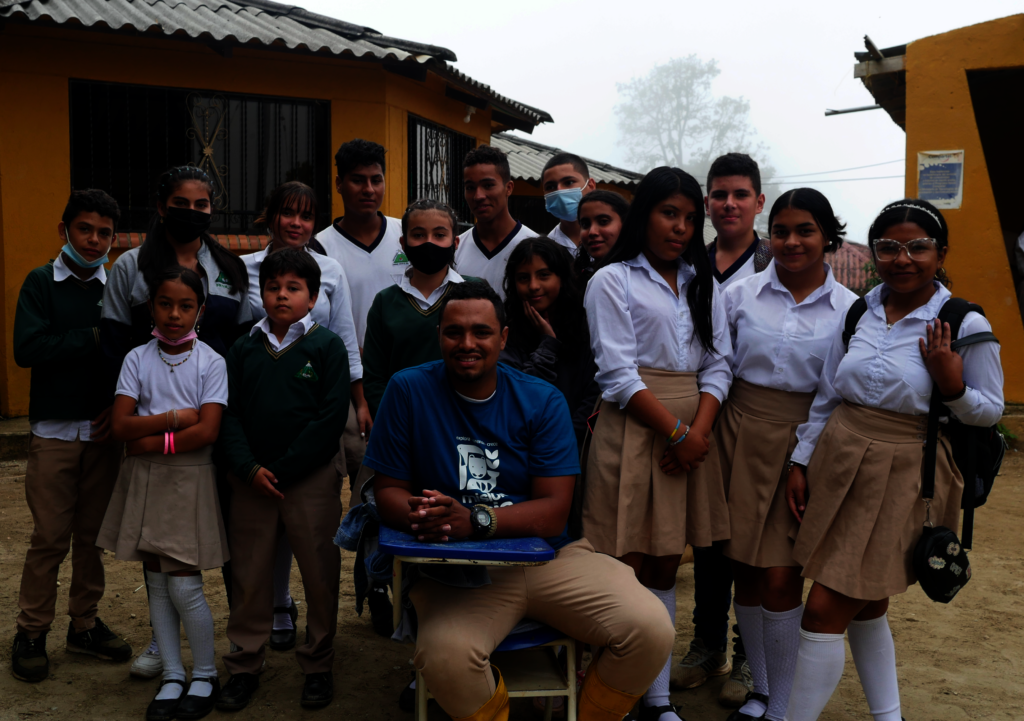
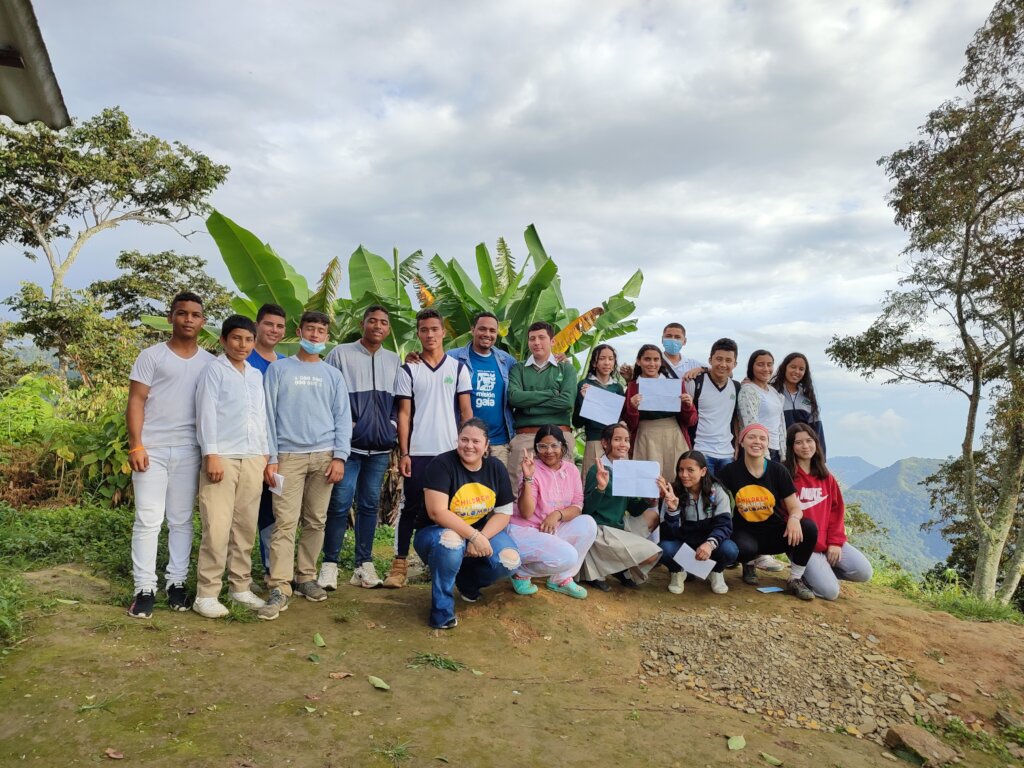
For children growing up in the rural communities of the Sierra Nevada de Santa Marta, the natural environment around them is home, but years of conflict and the presence of armed groups have also made parts of the territory feel unsafe.
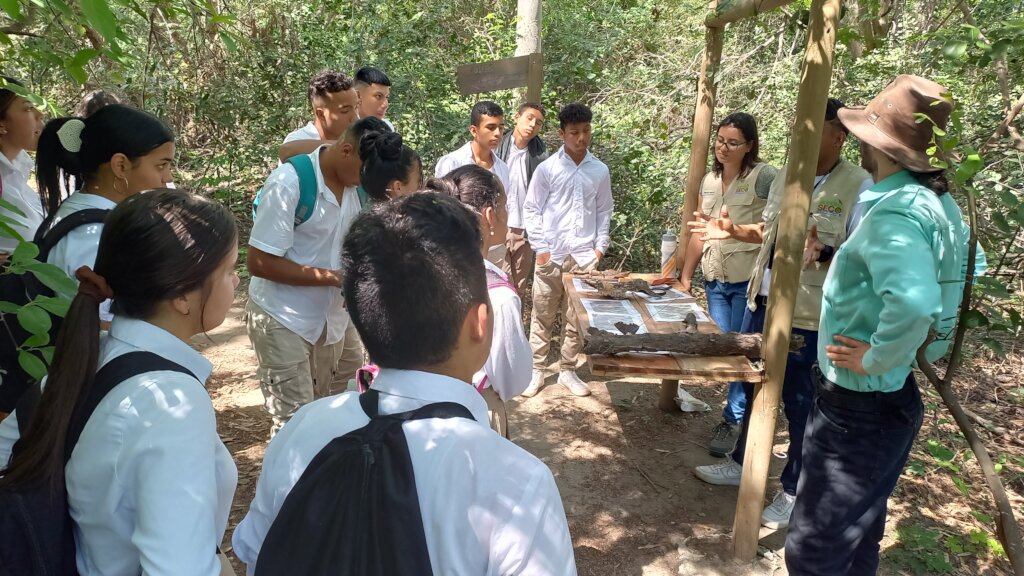
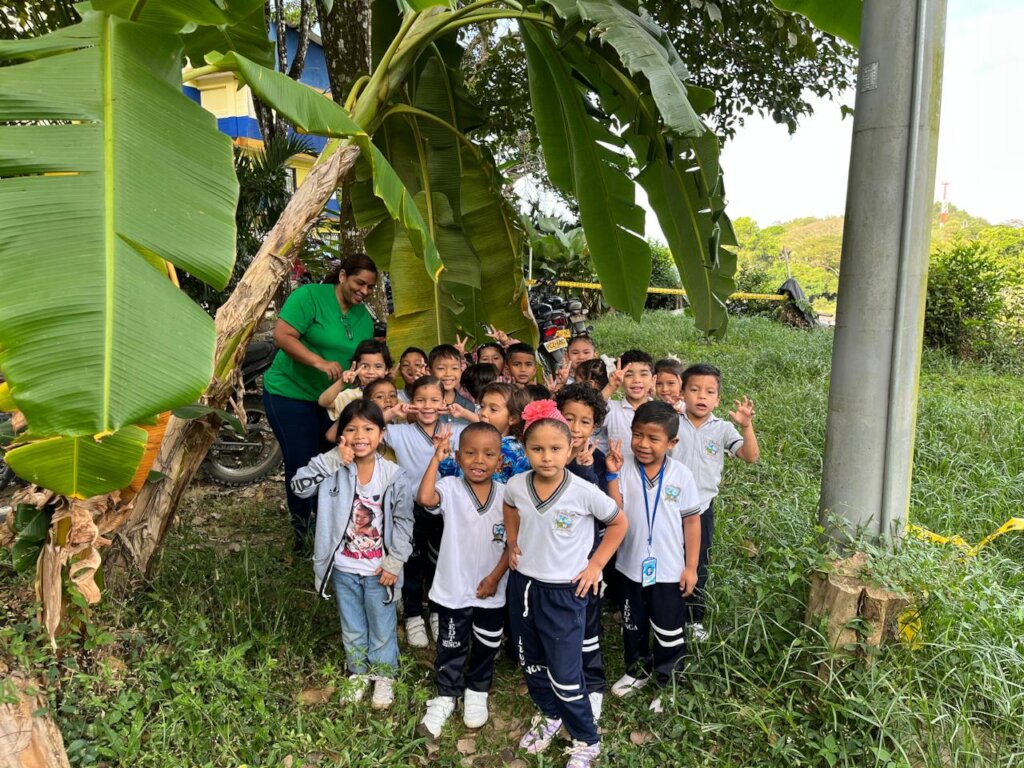
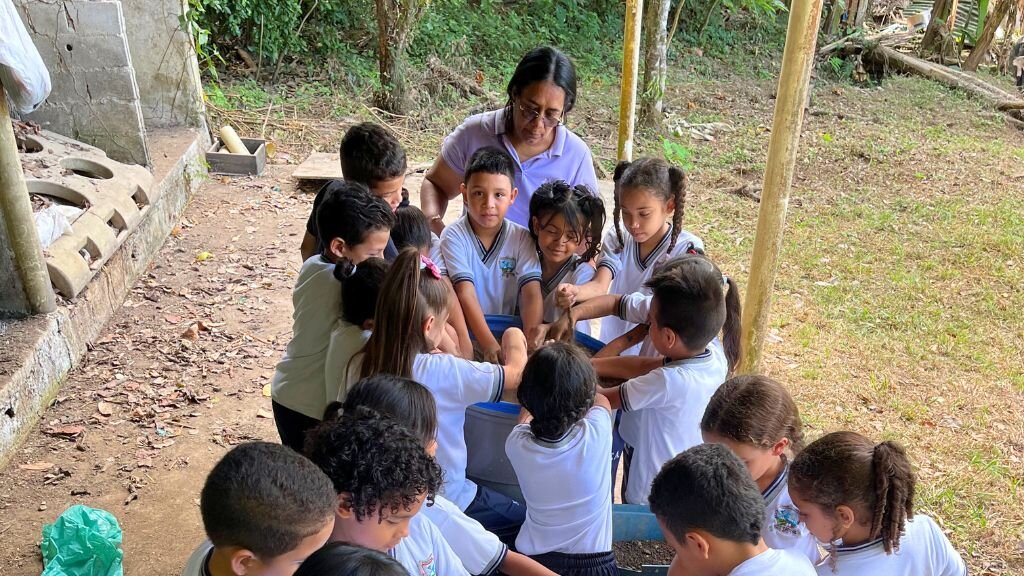
Through our work with rural communities, we are helping children reconnect with the landscape around them through birdwatching and environmental education. What begins as learning to identify a bird or listen for its call can become something much bigger: a way for children to rediscover the beauty of their surroundings, build confidence and imagine new possibilities for their futures.
The Sierra Nevada is one of Colombia’s most biodiverse regions, home to unique ecosystems and species found nowhere else. By helping children understand and appreciate this incredible environment, we are encouraging them to see their territory not only as a place affected by conflict, but as a place of knowledge, opportunity and pride.
Birdwatching also opens doors to new skills and potential livelihoods. Learning about local biodiversity can help children develop knowledge that could support future opportunities in areas such as ecotourism, environmental conservation and community-based tourism, providing alternatives that can help break the cycle of poverty.
Most importantly, these activities give children the opportunity to experience their environment in a positive and meaningful way. In communities where fear and violence have changed how people interact with the land around them, creating safe opportunities to explore, learn and connect can help rebuild a sense of belonging.
Our goal is not simply to teach children about birds. It is to help them recognise the value of their territory, discover their own potential and imagine a future in which they can thrive without being defined by poverty or conflict.With you r support, we can continue creating educational opportunities that help children feel connected to their communities, develop new skills and see a future filled with possibilities.
By Victoria Cornelio | Communications Manager
By Victoria Cornelio | Communications Manager
Project reports on GlobalGiving are posted directly to globalgiving.org by Project Leaders as they are completed, generally every 3-4 months. To protect the integrity of these documents, GlobalGiving does not alter them; therefore you may find some language or formatting issues.
If you donate to this project or have donated to this project, you can receive an email when this project posts a report. You can also subscribe for reports without donating.



Support this important cause by creating a personalized fundraising page.
Start a Fundraiser