By NASIRA HABIB | Project Leader
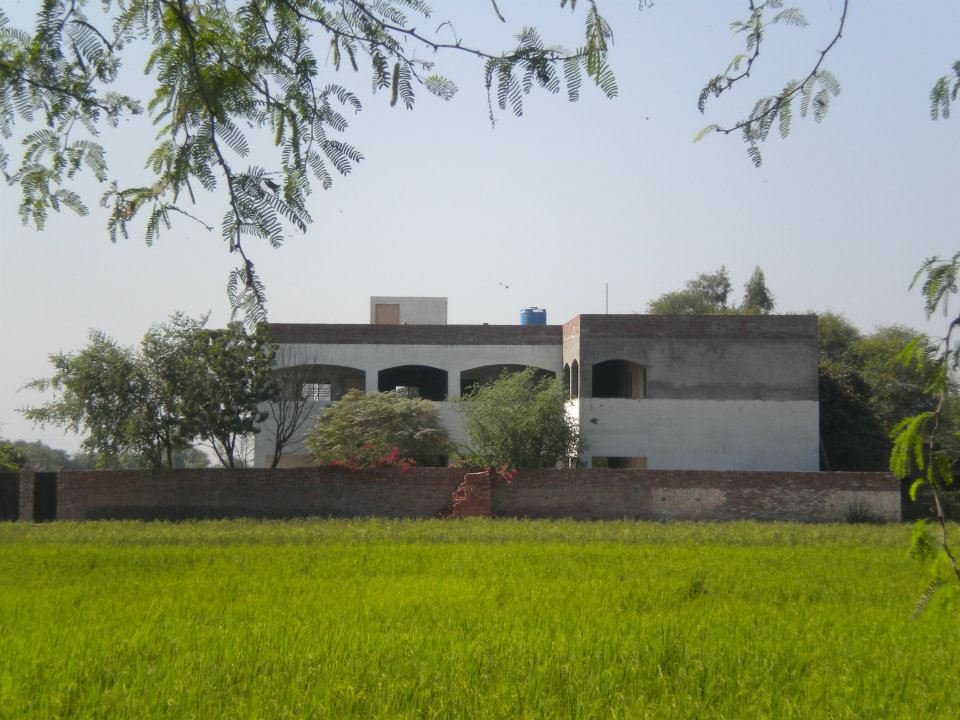
Khoj School is located in the middle of agricultural farmland, where providing a safe and hygienic learning environment requires proper planning and infrastructure facilities. In 2025, the three school bathrooms were reconstructed as their floors had settled and become unstable, making them unsuitable for use. However, during the reconstruction, a proper wastewater disposal system, including a septic tank and soak pit, could not be developed. As a result, the need for an effective waste management system for bathroom wastewater remained a priority.
To address this need, in June 2026, Khoj initiated the construction of a septic tank and soak pit to ensure proper disposal and management of wastewater. The project aimed to establish a sustainable sanitation system that would prevent water accumulation, maintain cleanliness, and provide a healthier environment for students and staff.
The construction work started with the excavation of the septic tank, followed by the digging of the soak pit. After completing both structures, excavation was carried out for the installation of connecting pipes between the septic tank and soak pit. The pipes were properly placed, and four inspection chambers were constructed along the pipeline to ensure smooth functioning and easy access for future checks. After completing all construction work, the entire area was properly filled, plastered, and levelled to restore the flooring and make the surroundings safe and usable.
With the completion of this project, Khoj School now has a proper wastewater management system for its bathrooms, ensuring improved sanitation and a healthier environment for students and staff.
Khoj sincerely appreciates the generous support of its donors, whose contribution made this essential project possible. Their support continues to help the organization create better facilities and improve the learning environment for children.
By NASIRA HABIB | Project Leader
By Nasira Habib | Project Leader
Project reports on GlobalGiving are posted directly to globalgiving.org by Project Leaders as they are completed, generally every 3-4 months. To protect the integrity of these documents, GlobalGiving does not alter them; therefore you may find some language or formatting issues.
If you donate to this project or have donated to this project, you can receive an email when this project posts a report. You can also subscribe for reports without donating.



Support this important cause by creating a personalized fundraising page.
Start a Fundraiser