By Beatrice K | Project Officer
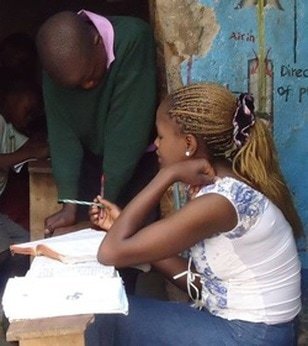
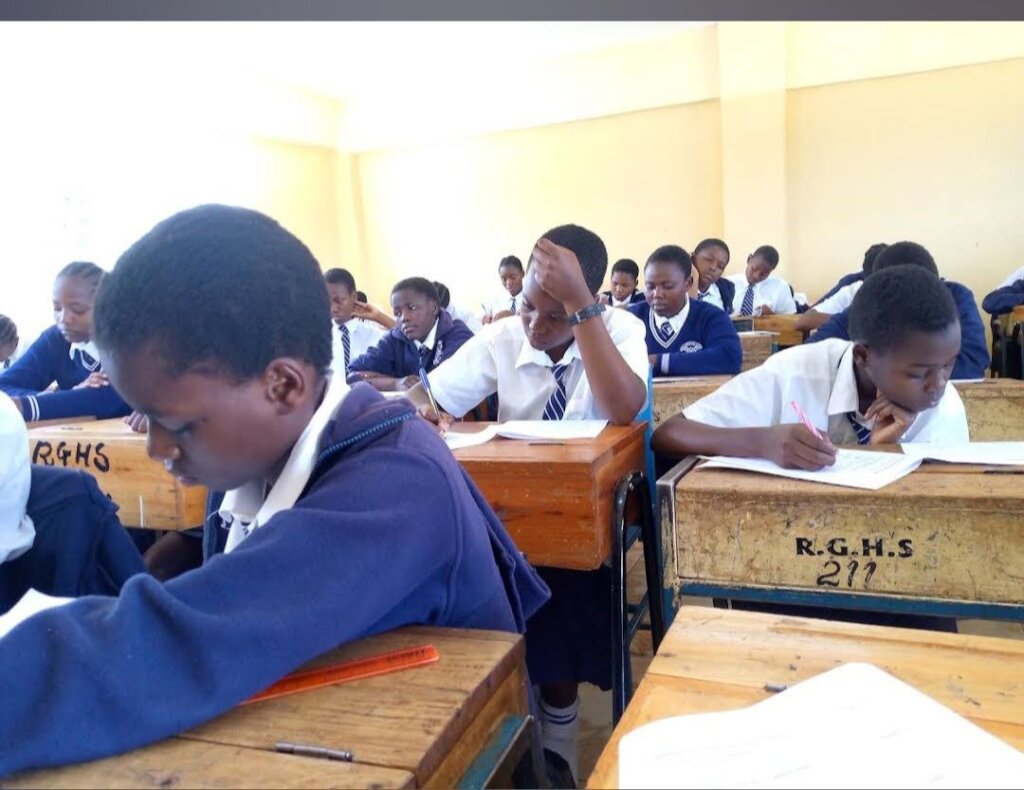
For years, Teacher Akinyi watched girls disappear from her classroom, some because of pregnancy or early marriage, others because they left school to look for work or school fees. Often, she and her colleagues only realized that a girl was in serious difficulty after she had already dropped out. By then, the barriers to returning were much harder to overcome.
Through EEO’s efforts to strengthen referral pathways linking families, schools, health facilities, and protection services, Teacher Akinyi and her colleagues learned to recognize early warning signs. These included frequent or unexplained absences, sudden changes in behaviour, declining participation, signs of distress, and reports of relationships that could place girls at risk. Instead of waiting for a crisis, teachers could now raise concerns early and connect girls and their families with the right support.
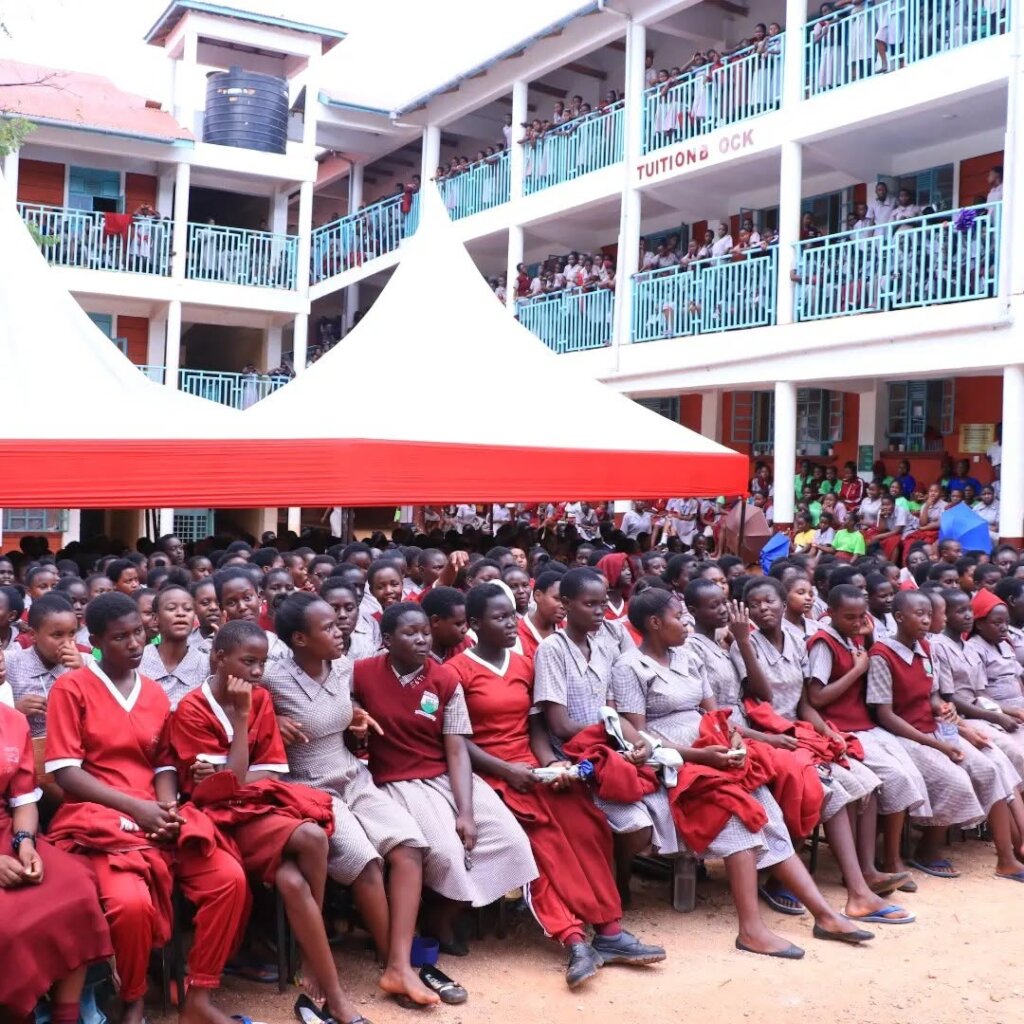
Angino Mixed Senior School began holding regular discussions with parents, mentors, and community volunteers to review the needs of learners at risk. Together, they explored the reasons behind absenteeism and identified appropriate responses. Depending on each girl’s circumstances, support could include counselling, family mediation, assistance with school-related costs, referral to health or protection services, and continued follow-up.
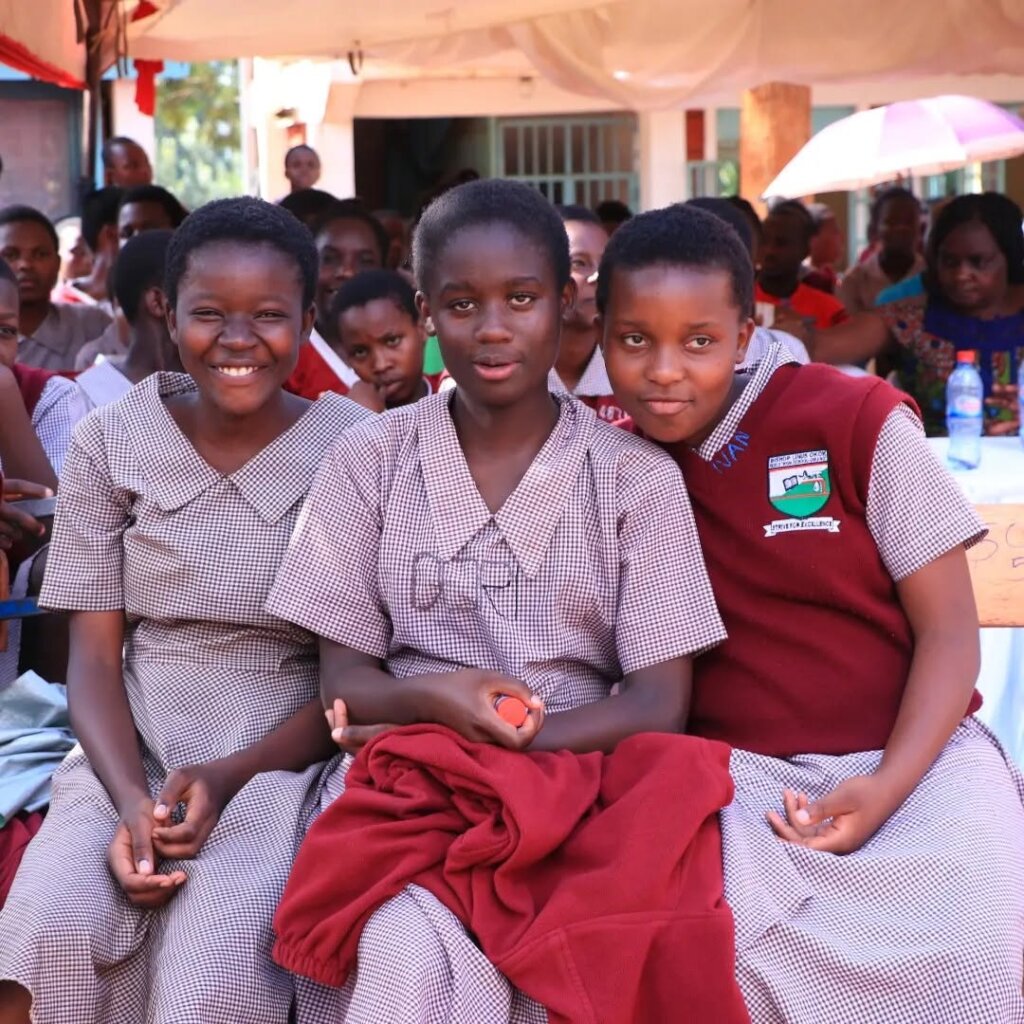
This coordinated approach has helped shift the school’s response from reacting to dropout to preventing it. Girls who might once have left school are receiving timely support to remain enrolled, continue their education, and pursue their aspirations. The process has also strengthened collaboration among teachers, families, community members, and service providers, ensuring that responsibility for girls’ education does not rest with schools alone.
“Now we act before it is too late. We do not wait until a girl is gone. We work together to keep her in school.”
— Teacher Akinyi, Angino Mixed Senior School=====================================================================
Mama Achieng, a mother of three from Kamuga Location, grew up believing that boys’ education mattered more than girls’ education. In her community, when household finances were strained, girls were often the first to be withdrawn from school. Early marriage and teenage pregnancy were common, yet these issues were rarely discussed openly, leaving many girls without the protection and support they needed.
EEO’s community dialogues created a safe space for parents, teachers, local leaders, and girls to examine these beliefs and their consequences. Through discussions on gender equality, girls’ rights, and harmful practices, participants explored the long-term benefits of educating girls and the risks associated with early marriage, teenage pregnancy, and school dropout. Facilitators used personal stories, local experiences, and evidence to encourage reflection and challenge attitudes that had been accepted for generations.
For Mama Achieng, the conversations prompted a profound change in perspective. She began to view her daughters’ education not as optional or secondary, but as an essential investment in their future. She started checking their homework, attending school meetings, and taking a more active interest in their progress. When relatives suggested that her older daughter should marry early, Mama Achieng challenged the idea and advocated for her daughter to remain in school.
Her change in attitude also influenced other families. She began speaking with mothers in her village about the importance of keeping girls in school, supporting their ambitions, and protecting them from early marriage and other harmful practices. Her voice helped turn a private change in belief into broader community action.
Mama Achieng’s experience shows how dialogue can transform deeply rooted attitudes. When parents recognize that girls deserve the same opportunities as boys and are willing to speak up families become stronger advocates for girls’ education, safety, and future aspirations.
“We used to keep quiet. Now we speak up for our daughters. We know their future matters as much as their brothers’.”
— Mama Achieng
By Betty K | Project Officer
By Betty Kemboi | Project Coordinator
Project reports on GlobalGiving are posted directly to globalgiving.org by Project Leaders as they are completed, generally every 3-4 months. To protect the integrity of these documents, GlobalGiving does not alter them; therefore you may find some language or formatting issues.
If you donate to this project or have donated to this project, you can receive an email when this project posts a report. You can also subscribe for reports without donating.



Support this important cause by creating a personalized fundraising page.
Start a Fundraiser