By Alecia Thomson | Head of International Programs
1. Overview
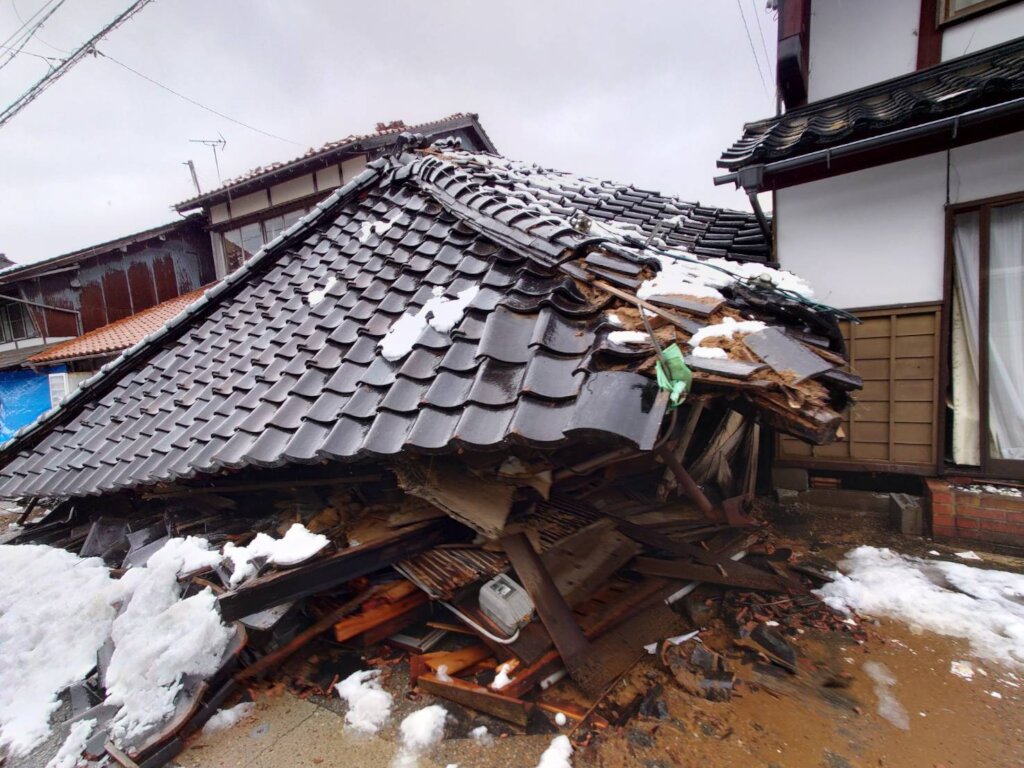
More than two and a half years after the January 1, 2024 Noto Peninsula earthquake, many survivors continue to face the long-term effects of displacement, isolation, loss, and uncertainty.
While emergency relief needs have decreased, the need for emotional and psychosocial support remains significant. Many residents are still living in temporary housing, while others are rebuilding their lives in permanent housing or continuing to live as home-based evacuees. For some, the loss of familiar communities and the prolonged disruption to daily life have contributed to loneliness, anxiety, depression, and withdrawal.
From May through August 2026, Operation Blessing Japan (OBJ) continued to shift its focus from primarily material assistance toward listening, mental health support, community connection, and strengthening local support networks.
Working closely with local social welfare councils, community organizations, and partner groups, OBJ provided counseling, home visits, listening support, mental health education, community activities, and practical assistance to people who might otherwise remain isolated.
Our approach continues to be:
Deliver – Listen – Connect
2. Our Activities
Mental Health Education and Community Programs
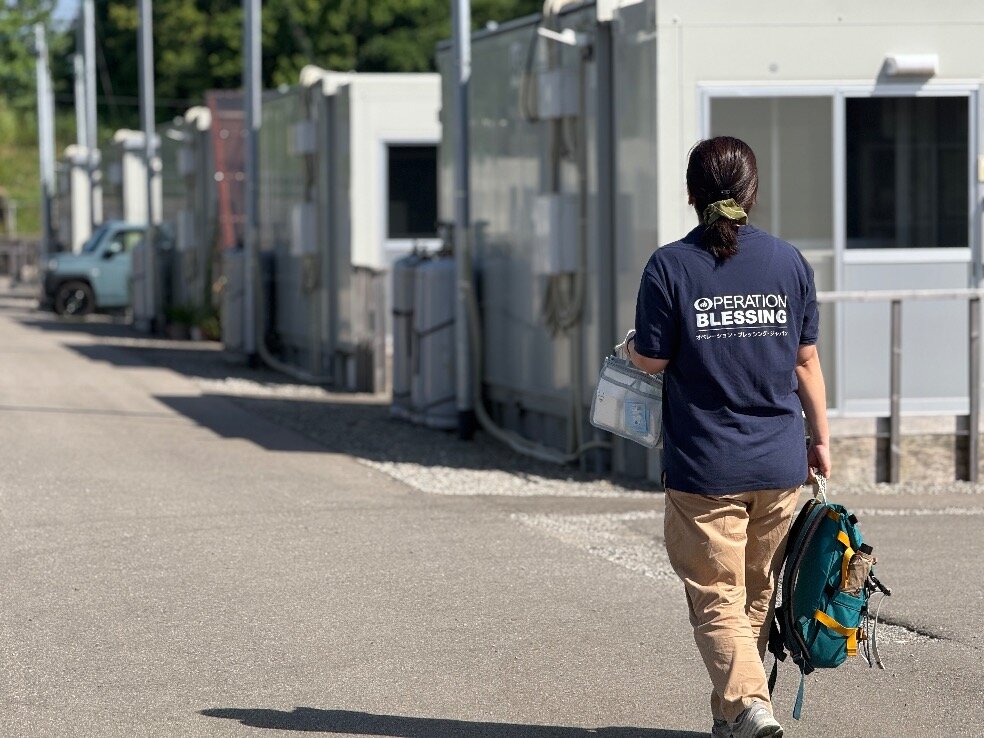
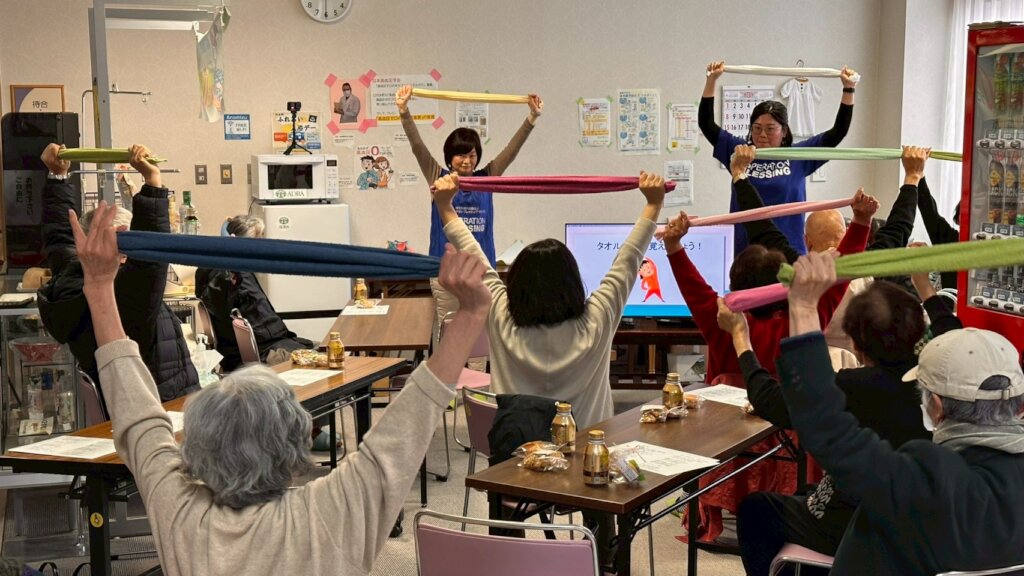
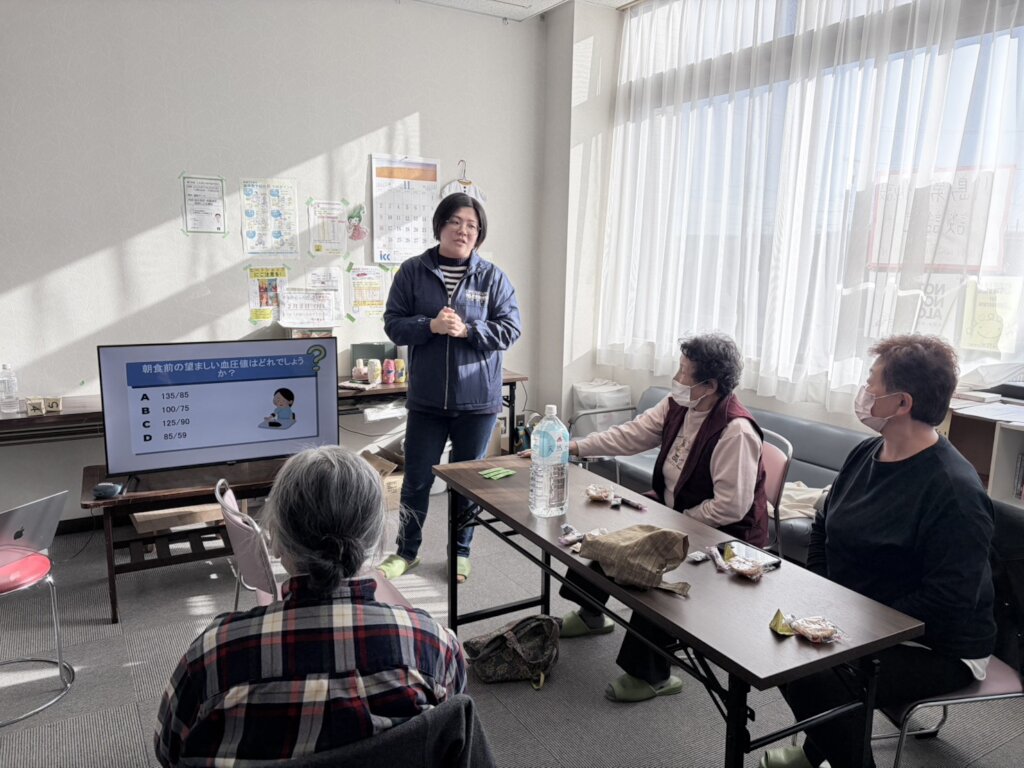
OBJ continued working with partner organizations to provide mental health education in temporary housing communities.
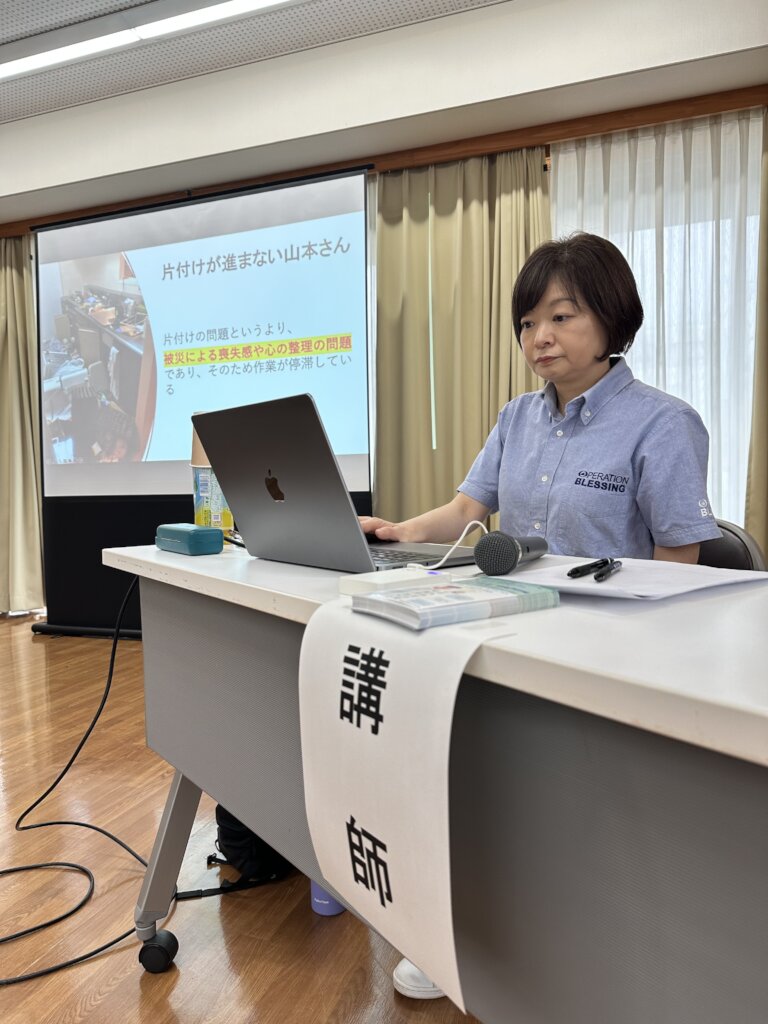
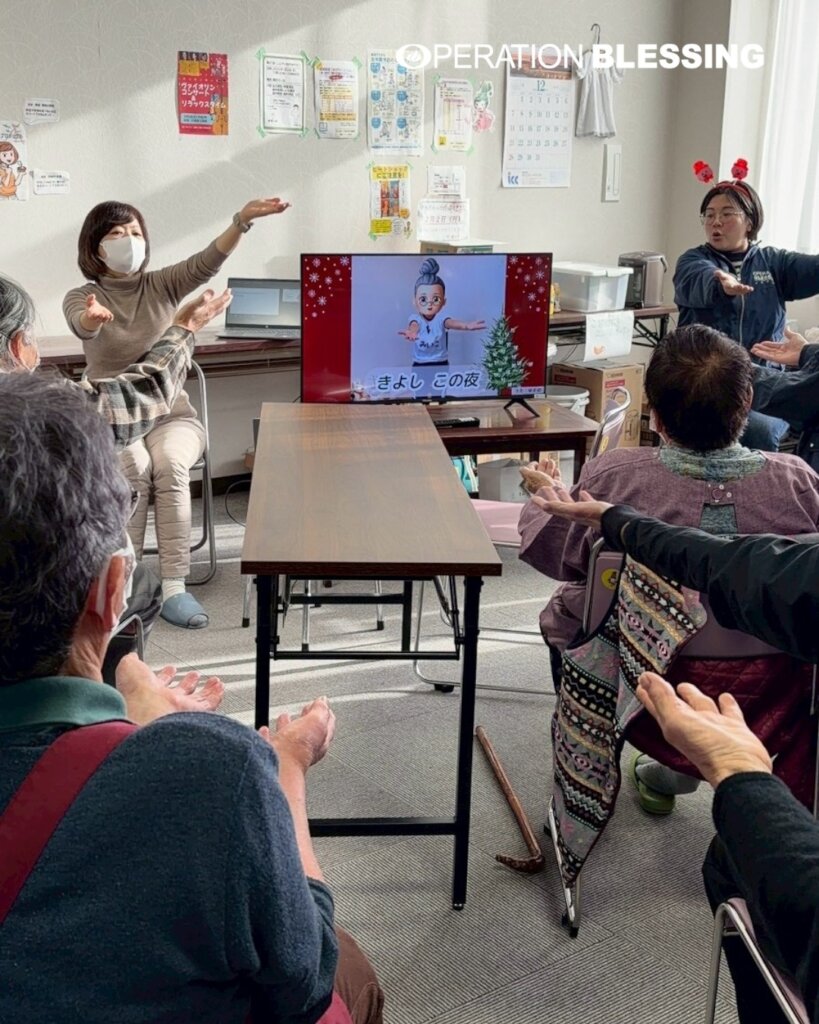
During the reporting period, community sessions were held for residents on topics including stress, the autonomic nervous system, relaxation, breathing, and simple physical exercises that can be practiced at home.
Participants were encouraged to learn practical ways to manage stress while also having an opportunity to gather, talk, and enjoy time together.
Participants commented:
“I had never heard about this before.”
“This was my first time doing the exercises.”
“I learned a lot.”
These simple programs provide practical tools for emotional wellbeing while creating opportunities for residents to reconnect with others.
Listening Support and Material Assistance
OBJ continued to combine practical assistance with emotional support, recognizing that material needs and emotional wellbeing are closely connected.
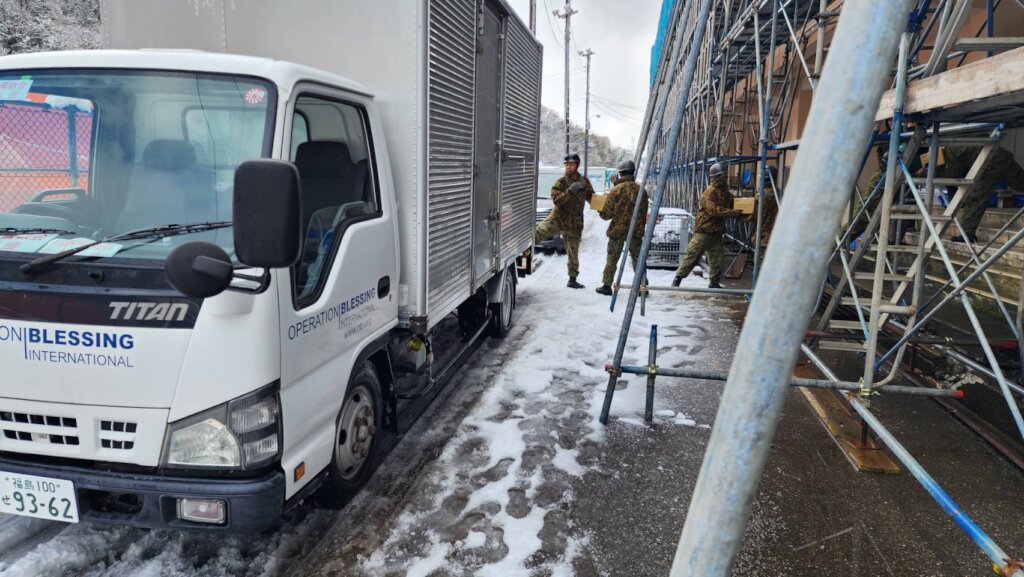
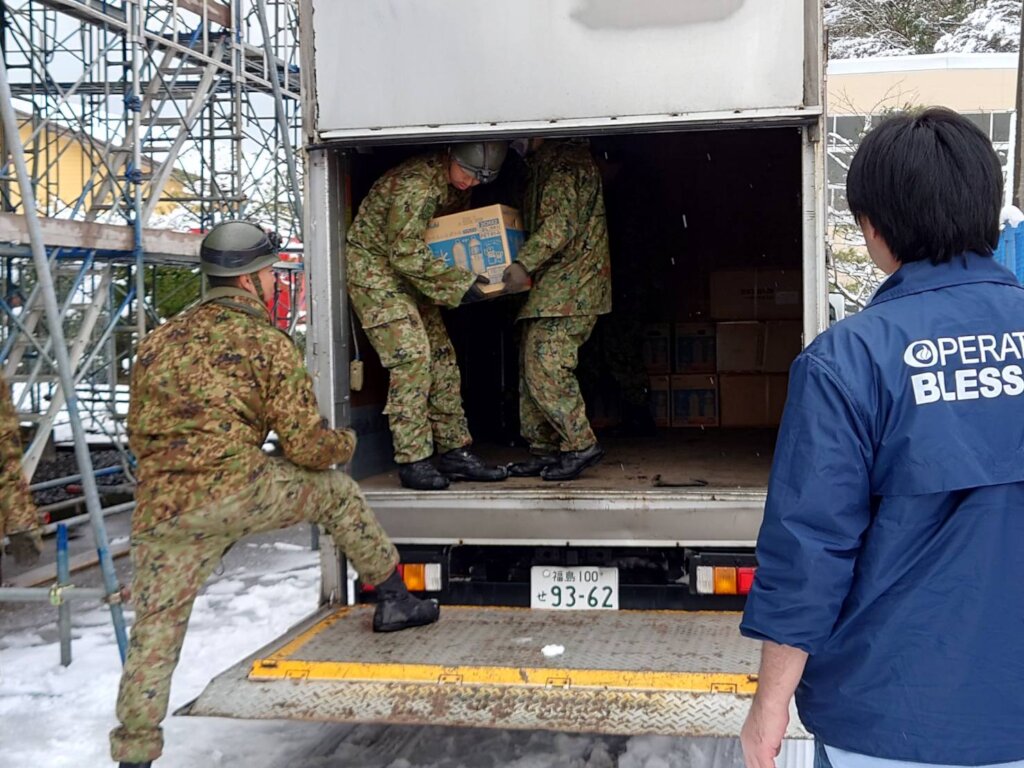
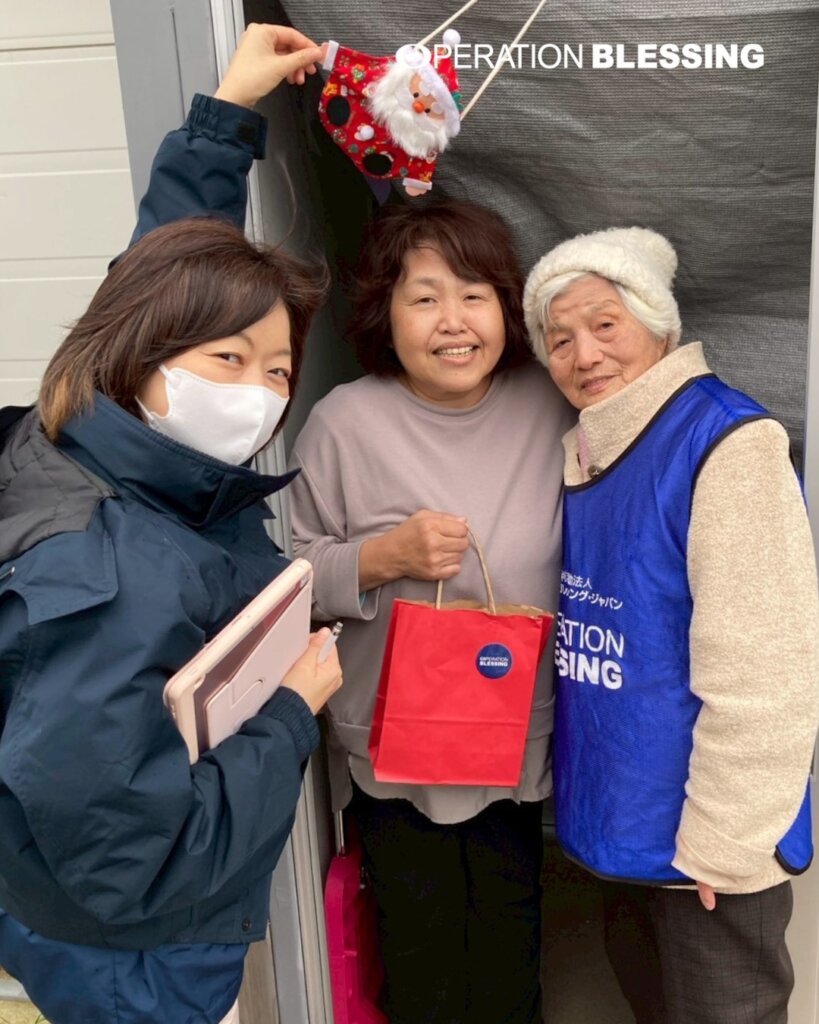
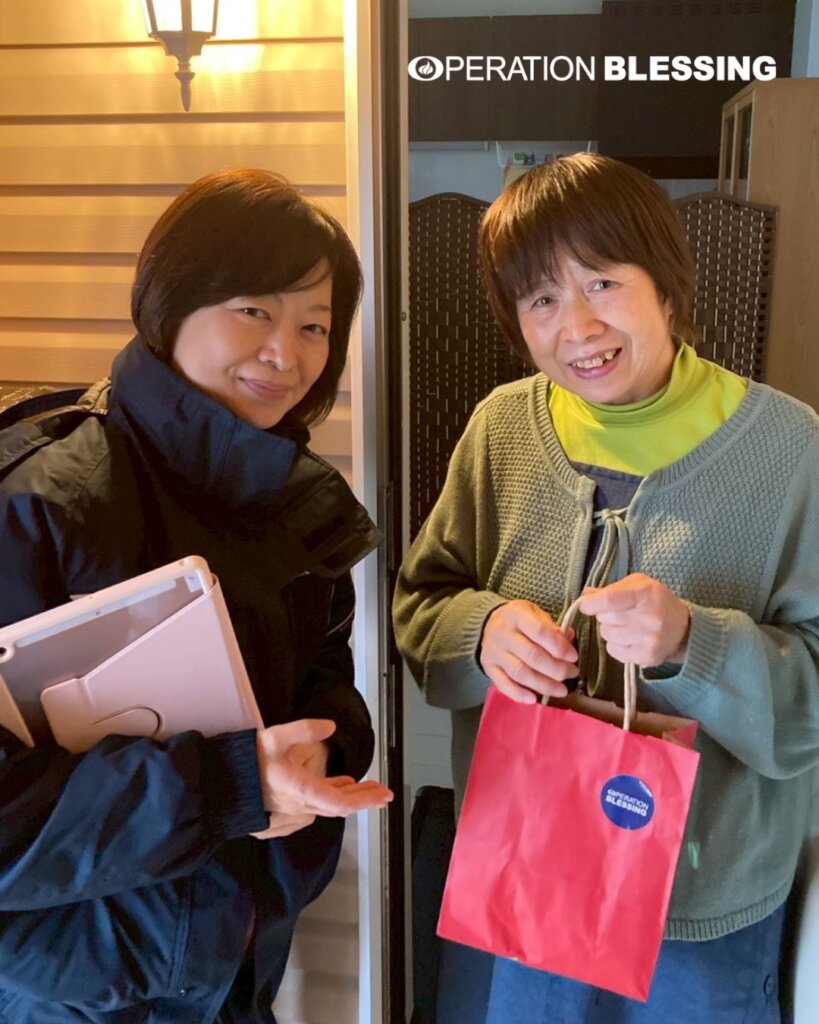
During the reporting period, OBJ distributed rice and other essential supplies to vulnerable households, including approximately 80 households during one distribution and additional support to home-based evacuees.
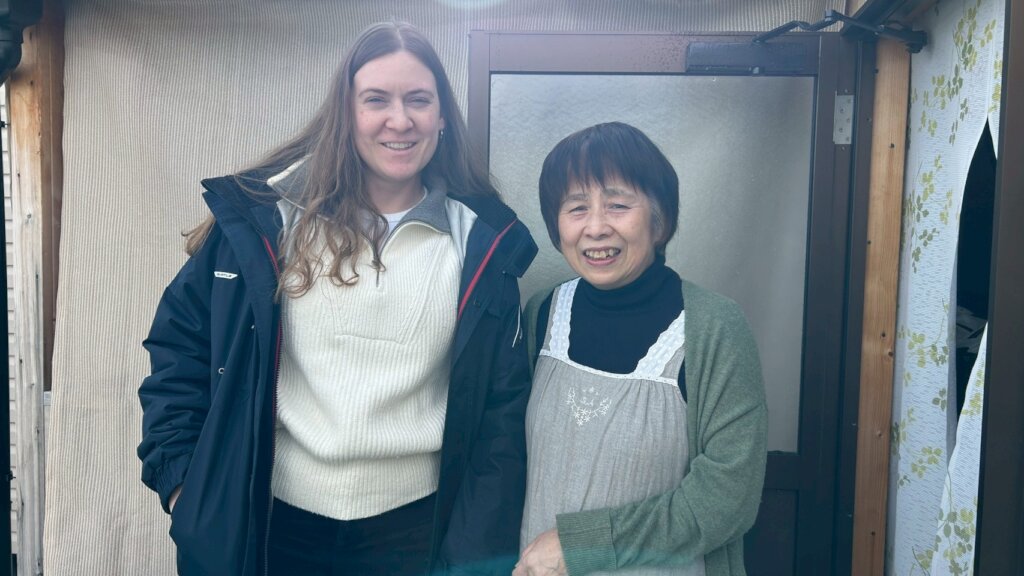
Community cafés and other gatherings also provided opportunities for OBJ staff to spend time with residents, listen to their concerns, and build relationships.
These interactions are particularly important because people living outside temporary housing communities can be difficult to identify and reach through conventional support programs.
Rather than simply delivering supplies and leaving, OBJ seeks to use these opportunities to ask how people are doing, listen to their stories, and identify those who may need additional support.
3. Individual Counseling and Psychosocial Support
OBJ continued providing individual counseling to disaster survivors as well as local staff and community supporters.
During the reporting period, counseling addressed a wide range of concerns, including depression, developmental difficulties, family relationships, workplace stress, uncertainty about the future, and social isolation.
One survivor who had previously received counseling returned after several months. After experiencing difficulties at work and worsening emotional symptoms, he had left his job and was receiving ongoing medical care.
He described difficulty communicating his feelings to his family and becoming impulsive when frustrated. Counseling focused on assertive communication and healthy ways of expressing emotions, helping him consider ways to communicate his needs without harming himself or others.
Another young adult sought support regarding significant workplace stress and uncertainty about his future. He was struggling with the responsibilities of supporting disaster-affected residents while also carrying concerns about his family and his own future.
These cases demonstrate that the psychological impact of a disaster can extend far beyond the initial event. Survivors, family members, local workers, and community supporters can all experience significant emotional strain during a prolonged recovery.
4. Reaching People Experiencing Isolation
One of OBJ’s priorities has been reaching people who are particularly difficult to engage through conventional community activities.
Staff conducted listening visits with elderly residents who had become socially isolated and were experiencing difficulties in their relationships with others.
OBJ also continued working with a socially withdrawn young man living alone in temporary housing.
5. Home Visits to Vulnerable Residents
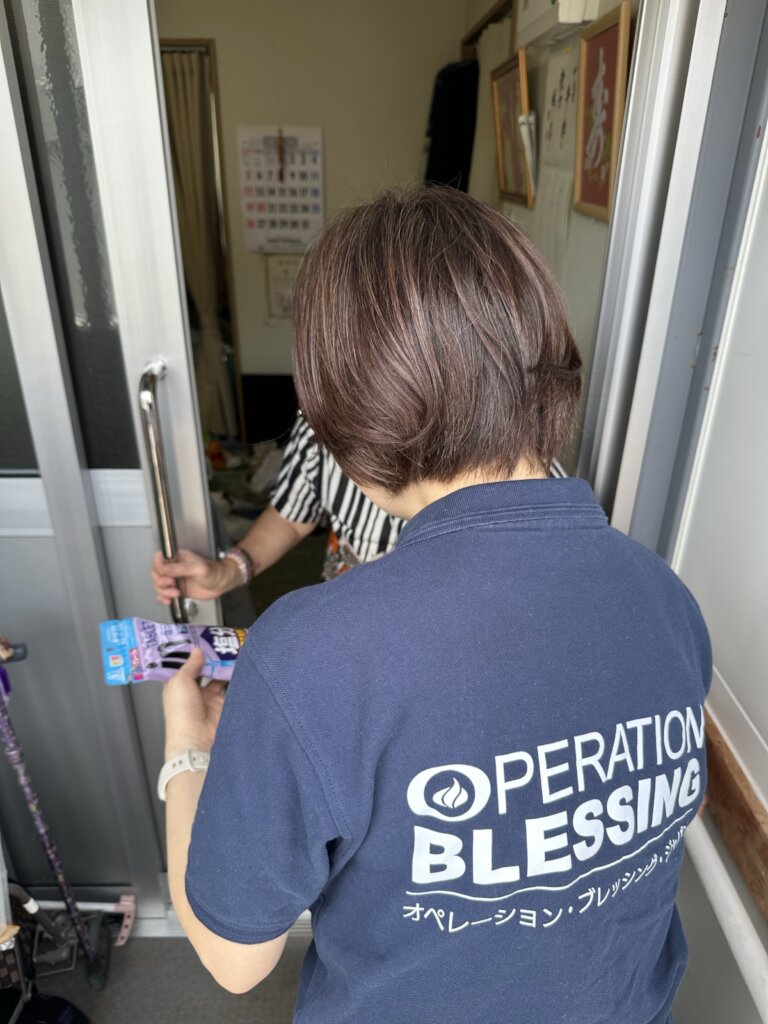
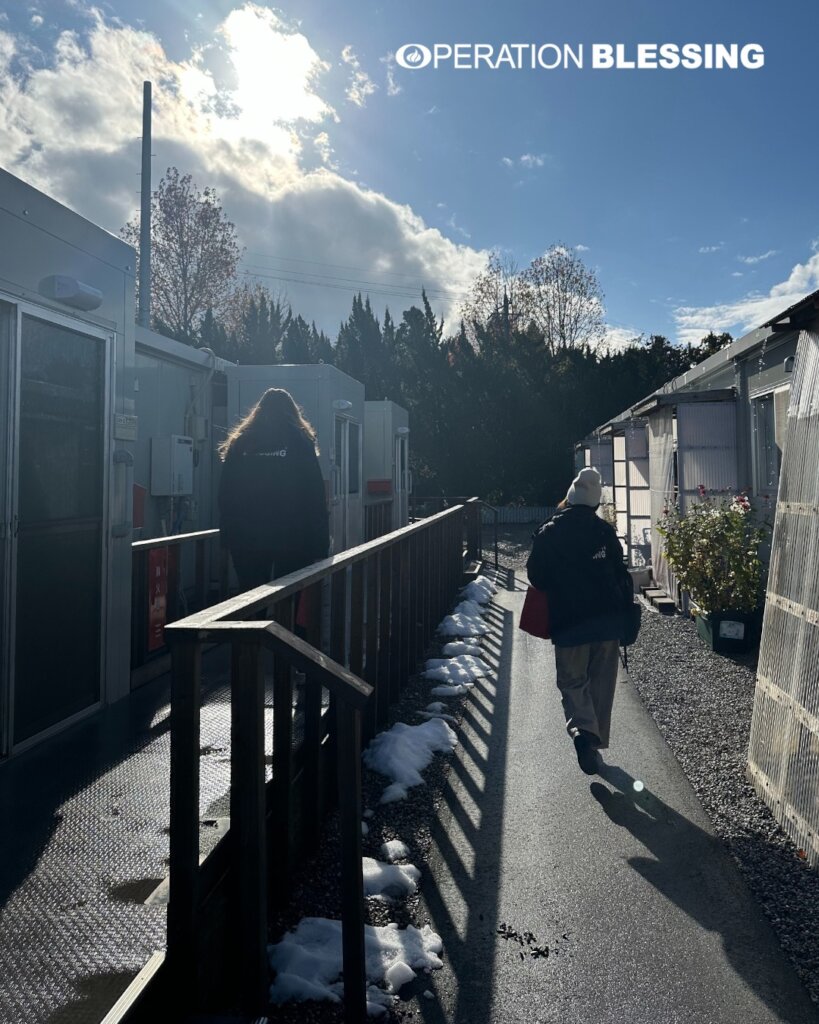
OBJ continued conducting home visits to residents who have difficulty accessing community services.
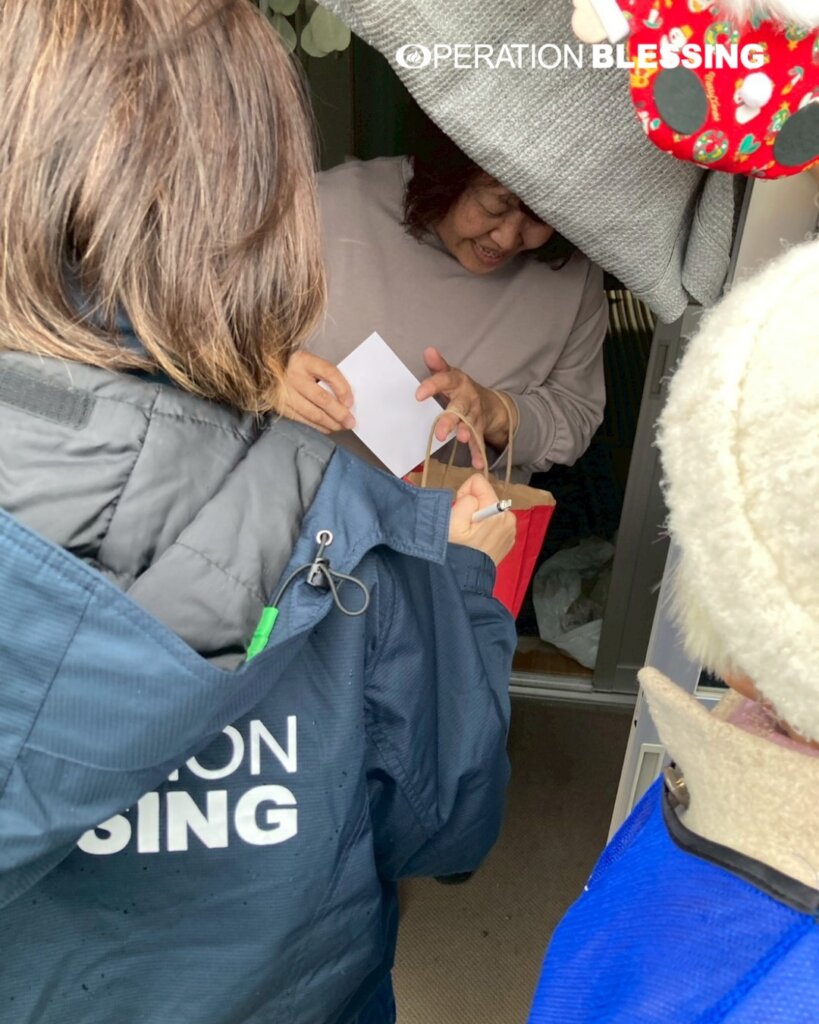
These visits included wellbeing checks, listening support, delivery of essential supplies, and practical assistance.
In one case, staff visited a resident living alone who was managing serious health challenges and had recently returned home after hospitalization. Staff checked on his condition, listened to his concerns, and assisted him with organizing his living environment.
In other visits, staff encountered residents who were experiencing challenges related to alcohol dependence, cognitive or psychological symptoms, and difficulties with daily living.
Not every visit resulted in a long conversation. Sometimes the most important achievement was simply making contact, confirming that the person was safe, delivering needed supplies, and reminding them that someone had not forgotten them.
This patient and consistent outreach is especially important for people who may not actively seek help.
6. Strengthening Local Support Networks
OBJ also continued investing in local organizations and community leaders who will remain in the region long after outside organizations reduce their activities.
During the reporting period, OBJ provided training for local community supporters on:
“Listening Support for Disaster Survivors Living at Home.”
The training included basic knowledge about active listening, practical case studies, and role-playing exercises.
Participants discussed how they might respond to survivors in difficult situations and practiced both speaking and listening.
The session also created an opportunity for participants to interact with one another in a relaxed atmosphere. One participant commented that they had expected to be shy and speak very little, but were surprised by how much they were able to communicate and interact during the training.
By equipping local supporters with listening skills, OBJ hopes to strengthen the community’s ability to recognize and respond to people experiencing isolation and emotional distress.
7. Building Community Through Shared Activities
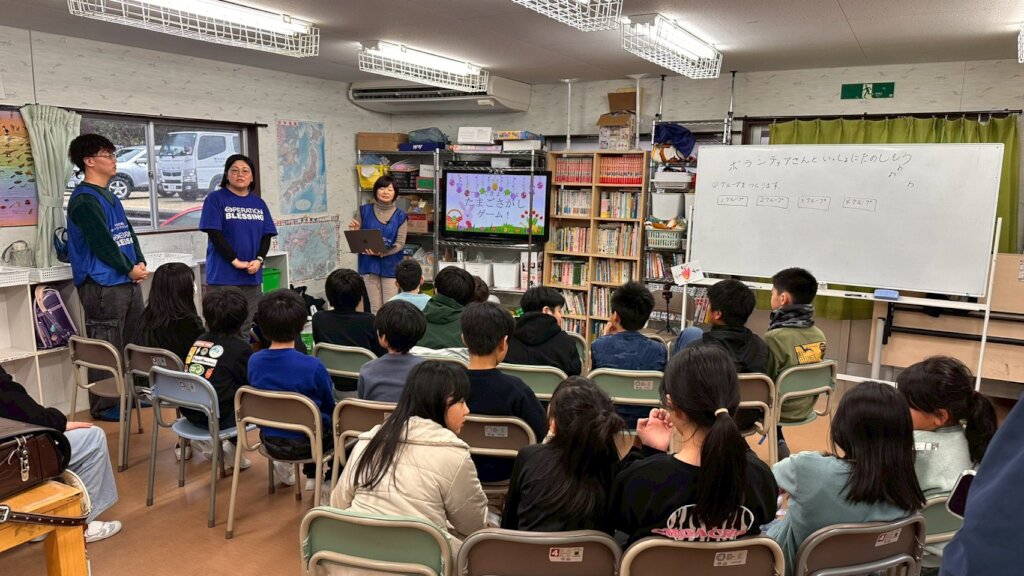
OBJ also participated in community cafés and other gatherings where residents could share meals, participate in activities, and spend time together.
One such gathering brought together approximately 30 local residents, many of whom regularly attend because they look forward to the opportunity to eat together and participate in activities.
For residents in communities where population decline has accelerated following the earthquake, opportunities to leave home, meet others, and enjoy shared activities can make an important contribution to emotional wellbeing.
Many residents, particularly those living in temporary housing, have limited opportunities for recreation and social interaction. A simple gathering can therefore provide much more than a meal—it can provide a sense of belonging and something to look forward to.
OBJ is exploring opportunities to contribute mental health education sessions to these community gatherings, potentially involving nurses and psychologists from OBJ’s psychosocial support team.
8. The Importance of Long-Term Presence
The activities of the past several months have reinforced an important lesson from the Noto recovery process:
Recovery is not only about rebuilding houses. It is also about rebuilding relationships, confidence, purpose, and hope.
As temporary housing continues, communities shrink, and people face uncertainty about their future, some survivors become increasingly isolated.
The people we meet are not always those who actively seek help. Some rarely leave their homes. Some are hesitant to talk. Others may appear physically well while carrying significant emotional burdens.
For this reason, OBJ continues to prioritize presence and relationship-building.
A home visit, a shared meal, a game, a counseling session, or simply taking time to listen can become an important point of connection.
Through these ongoing relationships, OBJ also hopes to demonstrate God’s love and create opportunities for people to encounter the hope found in the Christian faith, while respecting each person’s beliefs and circumstances.
9. Looking Ahead
As the recovery of the Noto Peninsula continues, OBJ will remain focused on three areas:
Deliver
Continue providing practical assistance to people who remain vulnerable, particularly isolated and home-based evacuees.
Listen
Continue individual counseling, home visits, listening support, and mental health education for survivors, families, and local support workers.
Connect
Strengthen community gatherings and partnerships with social welfare councils, churches, community organizations, and local volunteers so that support can increasingly be sustained within the community itself.
We are particularly interested in expanding opportunities for mental health education in community cafés and other gathering places, while continuing individual support for people experiencing isolation or significant psychological distress.
10. Thank You
None of this work would be possible without the generosity of our supporters and the cooperation of local partners.
Thank you for continuing to stand with the people of Noto as they rebuild their lives and communities.
By Alecia Thomson | Project Leader
By Haruka Tachibana | Program Reporter
Project reports on GlobalGiving are posted directly to globalgiving.org by Project Leaders as they are completed, generally every 3-4 months. To protect the integrity of these documents, GlobalGiving does not alter them; therefore you may find some language or formatting issues.
If you donate to this project or have donated to this project, you can receive an email when this project posts a report. You can also subscribe for reports without donating.



Support this important cause by creating a personalized fundraising page.
Start a Fundraiser