Project Report
| May 4, 2017
Early Intervention for Childhood Disabilities!
By S.Sankararaman. | Secretary
![]()
The idea behind EIC is to intervene as early as possible and minimize disability so that the child can reach the highest potential. Research has shown that the period from birth to 6 years are the most critical years for all children, and more so for children with disabilities. Growth and development of a child is at its greatest in the first two to three years. During this phase of cognitive development, foundations of intelligence and behaviour begin to evolve. Additionally, ability of brain to affect structural and functional changes is at its best in this period. If the child misses this opportunity, further learning will be slow and / or inadequate. Early intervention programs work towards quicker inclusion of these children into the mainstream.
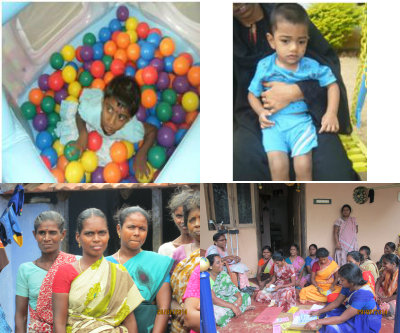
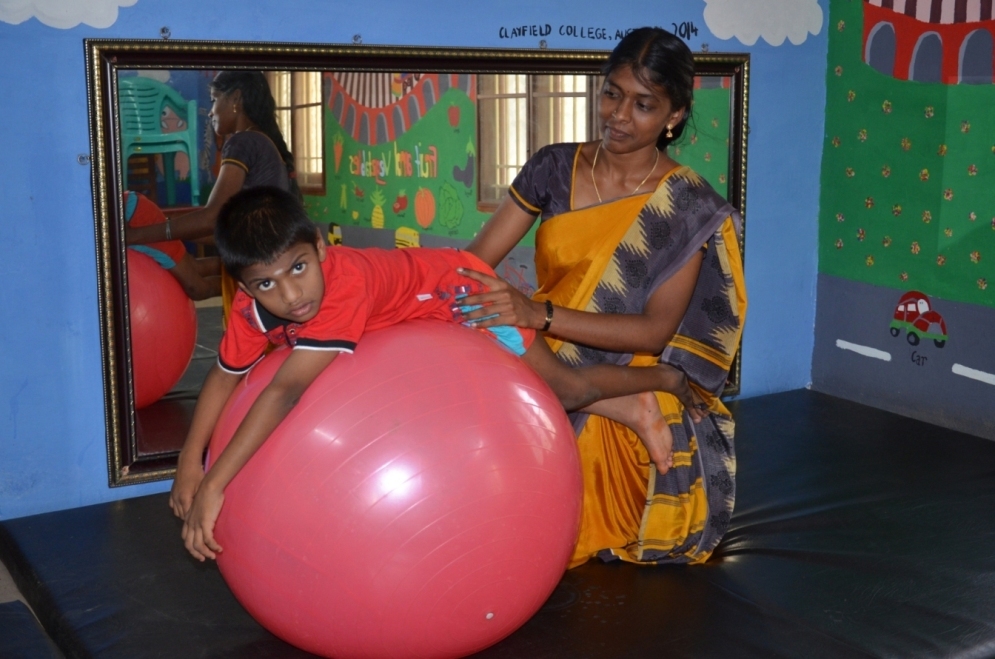
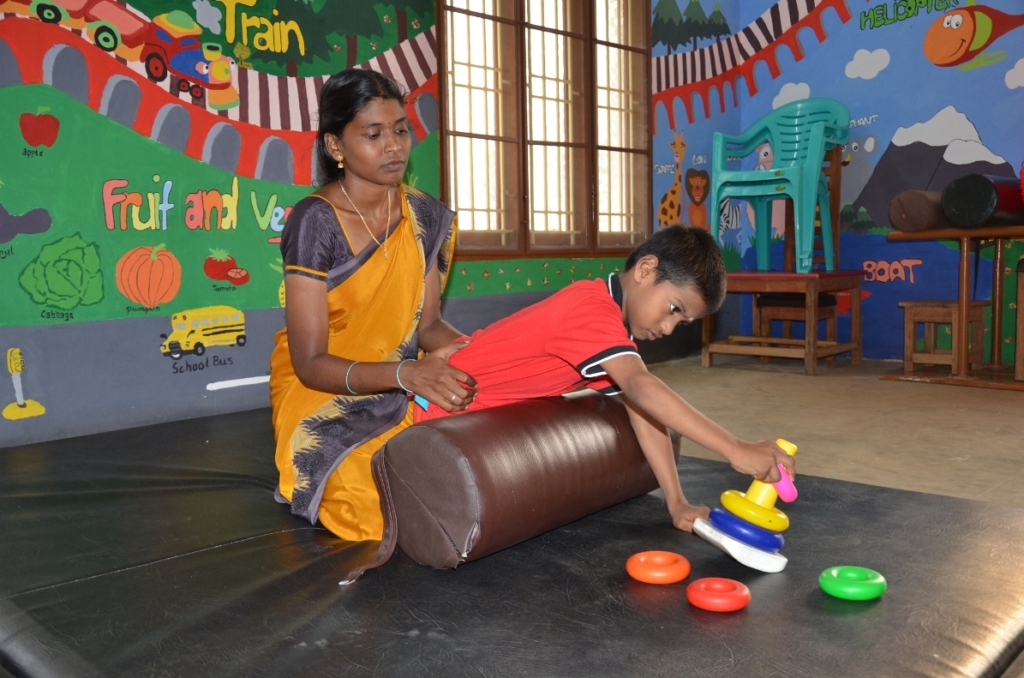
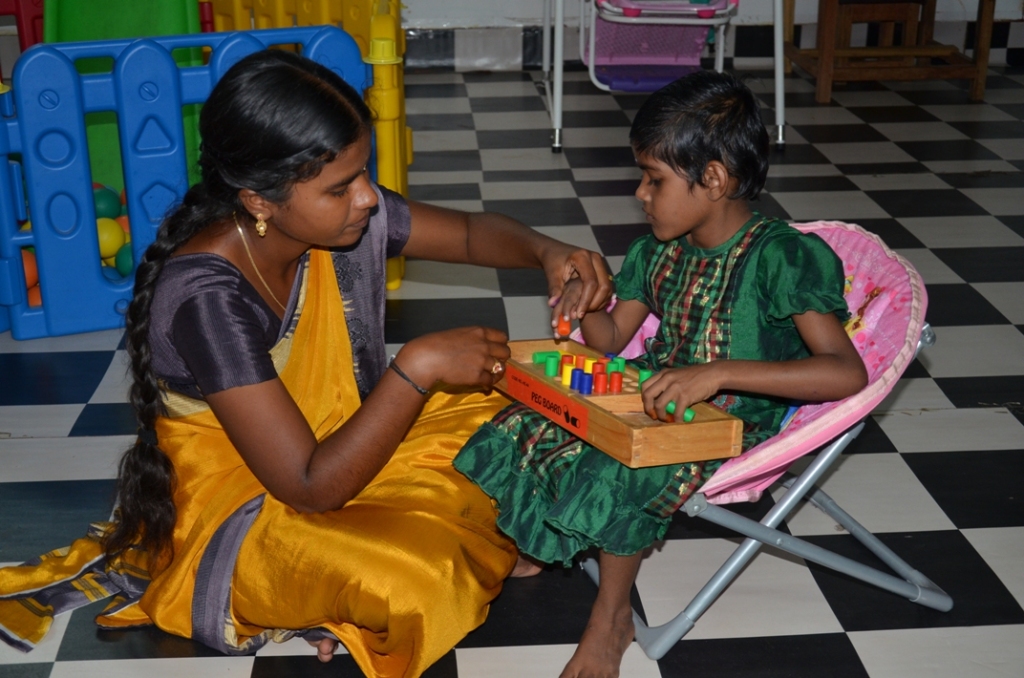
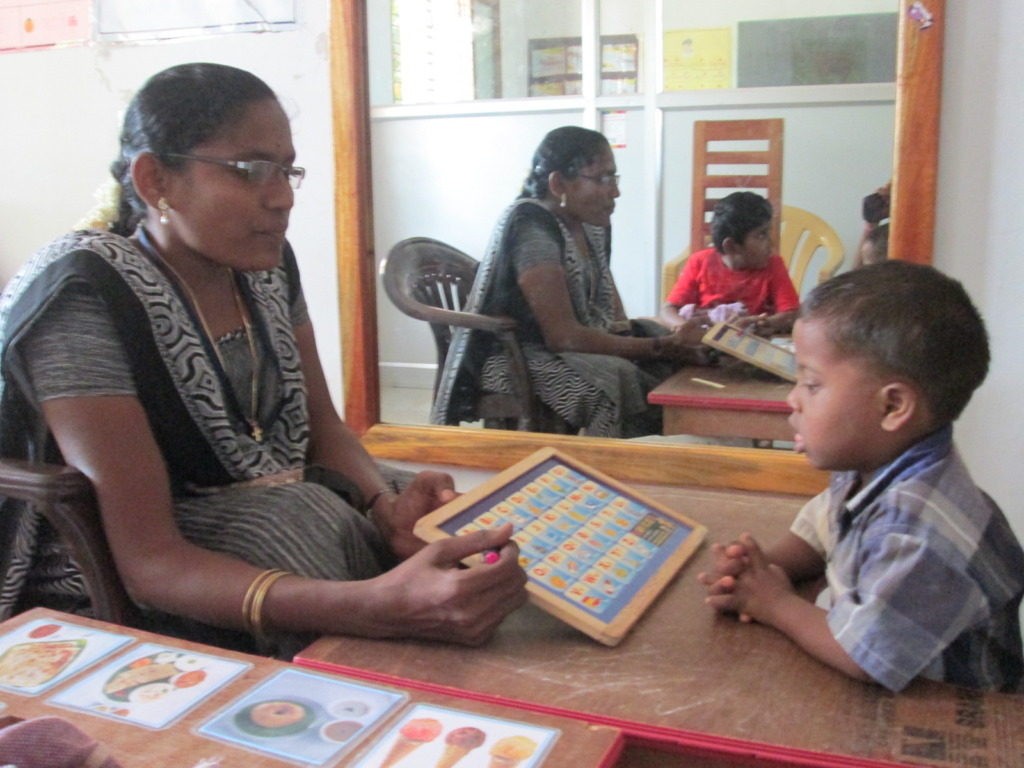
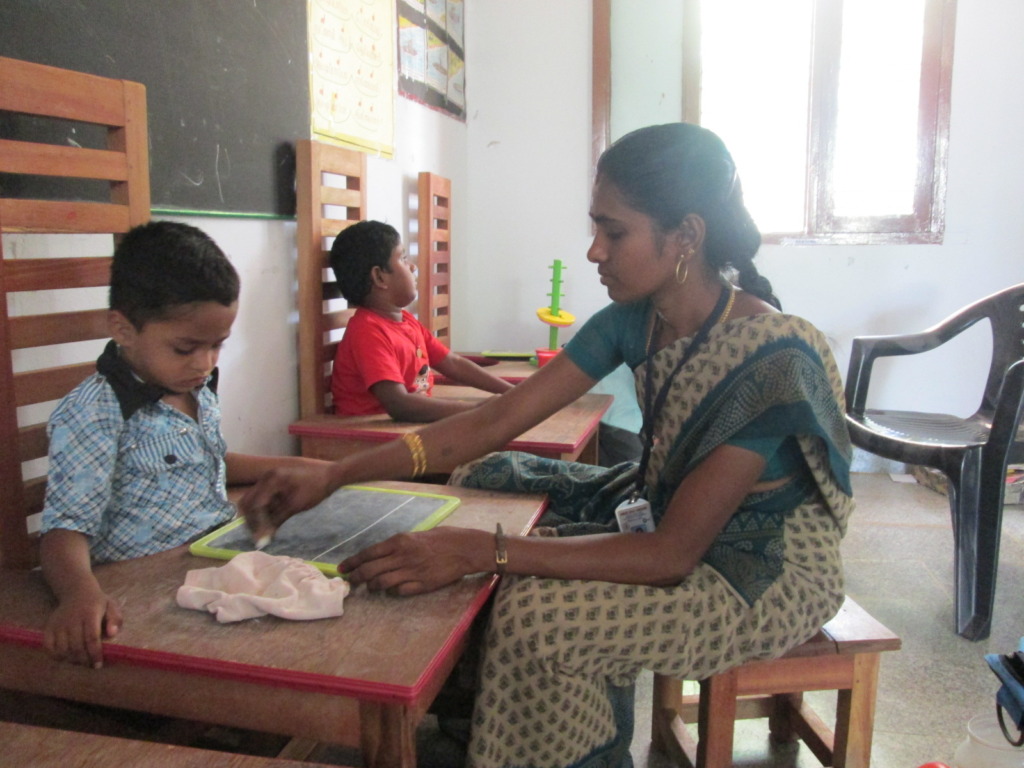
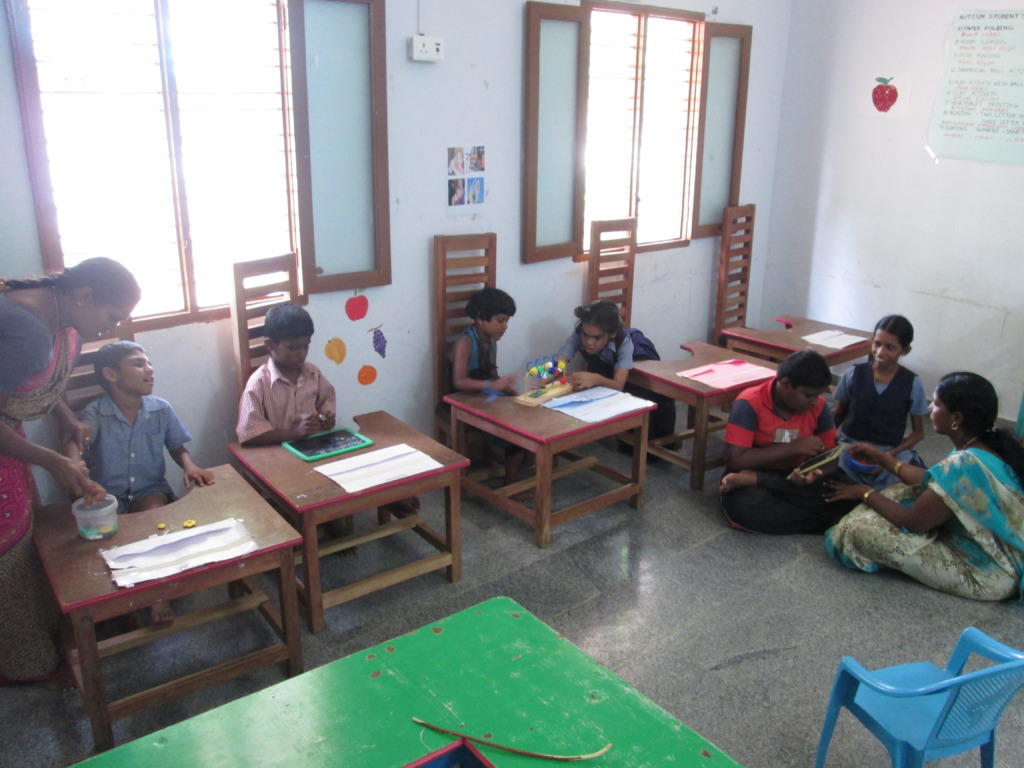
The infrastructure so created includes a Physiotherapy room and a Special sensory integration room. 2 Special education class rooms and a Speech therapy room.
EIC’s role transcends over a very wide spectrum of activities ranging from New born screening, early identification of issue, holistic assessment, diagnosis, interventions, prevention and goes into psycho-social interventions.
Once the children are ready to cope up with general curriculum, they are shifted to our Primary school where they continue studies with general students including physically challenged. The teachers are fully apprised of taking care of the needs of the Special children. Our resource teacher also helps them to carry on their basic academics so that there is a smooth transition.
In case they cannot assimilate into the main stream yet, then after the age of 5, they are shifted to Sangamam, our school for special children for the age of 6 to 16
![]()
![]()
Links:
![Share on Twitter]()
![Share on Facebook]()
Feb 6, 2017
EARLY INTERVENTION FOR CHILDHOOD DISABILITIES
By S.Sankararaman. | Secretary
![Speech therapy]()
Speech therapy
The idea behind EIC is to intervene as early as possible and minimize disability so that the child can reach the highest potential. Research has shown that the period from birth to 6 years are the most critical years for all children, and more so for children with disabilities. Growth and development of a child is at its greatest in the first two to three years. During this phase of cognitive development, foundations of intelligence and behaviour begin to evolve. Additionally, ability of brain to affect structural and functional changes is at its best in this period. If the child misses this opportunity, further learning will be slow and / or inadequate. Early intervention programs work towards quicker inclusion of these children into the mainstream.
The infrastructure so created includes a Physiotherapy room and a Special sensory integration room. 2 Special education class rooms and a Speech therapy room.
EIC’s role transcends over a very wide spectrum of activities ranging from New born screening, early identification of issue, holistic assessment, diagnosis, interventions, prevention and goes into psycho-social interventions.
Once the children are ready to cope up with general curriculum, they are shifted to our Primary school where they continue studies with general students including physically challenged. The teachers are fully apprised of taking care of the needs of the Special children. Our resource teacher also helps them to carry on their basic academics so that there is a smooth transition.
In case they cannot assimilate into the main stream yet, then after the age of 5, they are shifted to Sangamam, our school for special children for the age of 6 to 16.
![Special education]()
Special education
Links:
![Share on Twitter]()
![Share on Facebook]()
Nov 14, 2016
Early Intervention for Childhood Disabilities.
By S.Sankararaman. | Secretary
![]()
EIC is to intervene as early as possible and minimize disability so that the child can reach the highest potential. Research has shown that the period from birth to 6 years are the most critical years for all children, and more so for children with disabilities. Growth and development of a child is at its greatest in the first two to three years. During this phase of cognitive development, foundations of intelligence and behaviour begin to evolve. Additionally, ability of brain to affect structural and functional changes is at its best in this period. If the child misses this opportunity, further learning will be slow and / or inadequate. Early intervention programs work towards quicker inclusion of these children into the mainstream.
The infrastructure so created includes a Physiotherapy room and a Special sensory integration room. 2 Special education class rooms and a Speech therapy room.
EIC’s role transcends over a very wide spectrum of activities ranging from New born screening, early identification of issue, holistic assessment, diagnosis, interventions, prevention and goes into psycho-social interventions.
Once the children are ready to cope up with general curriculum, they are shifted to our Primary school where they continue studies with general students including physically challenged. The teachers are fully apprised of taking care of the needs of the Special children. Our resource teacher also helps them to carry on their basic academics so that there is a smooth transition.
In case they cannot assimilate into the main stream yet, then after the age of 5, they are shifted to Sangamam, our school for special children for the age of 6 to 16.
![Share on Twitter]()
![Share on Facebook]()