By S.Sankara Raman | Secretary
Early Intervention project under Village Based Rehabilitation Initiatives (VBRI)
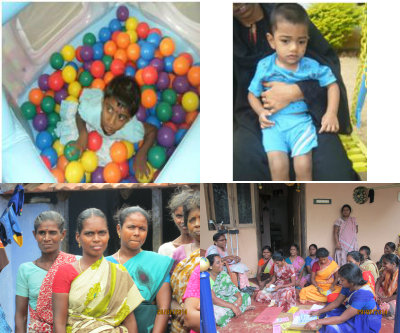
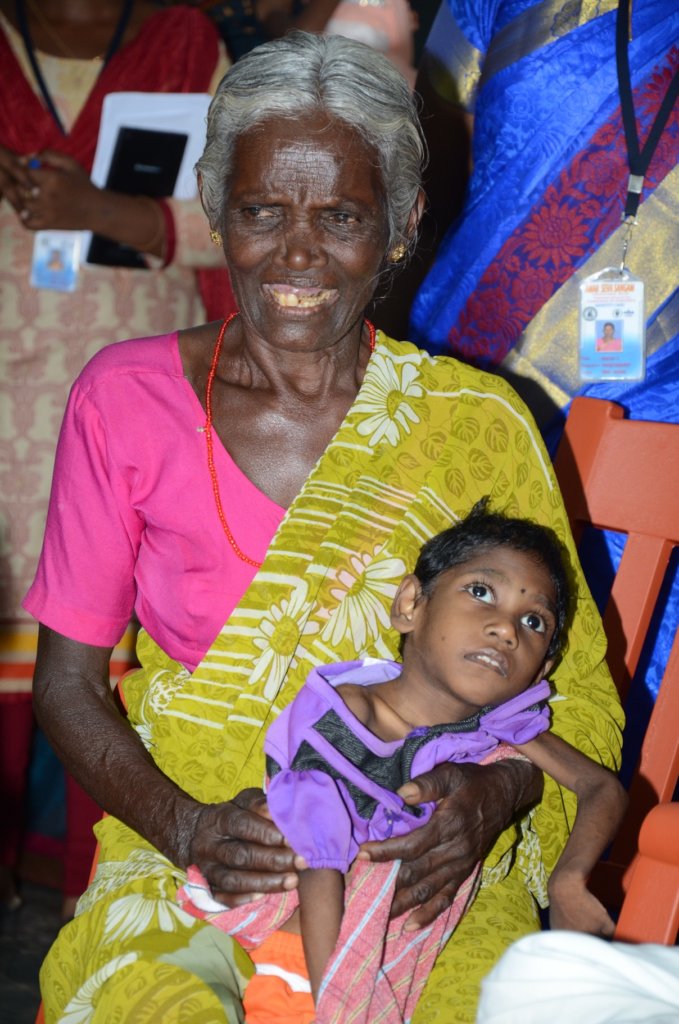
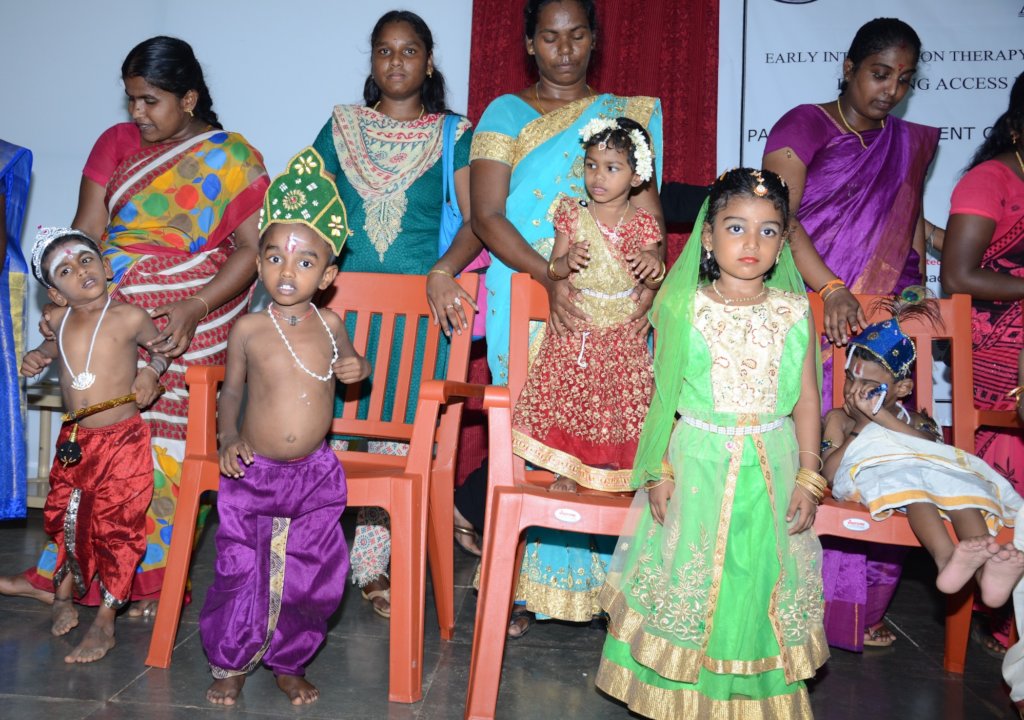
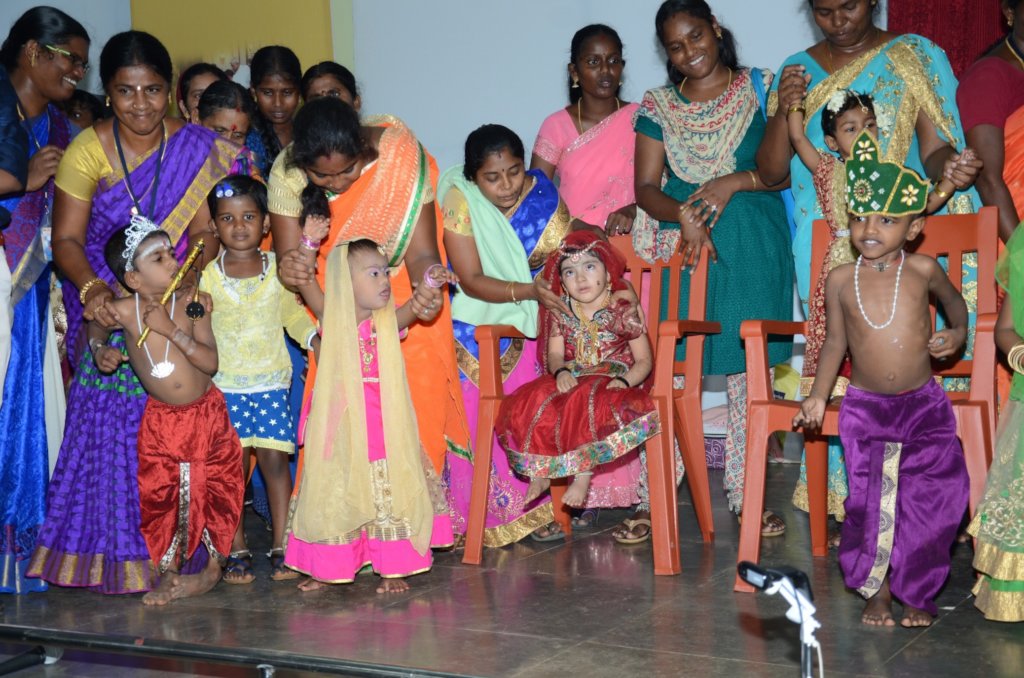
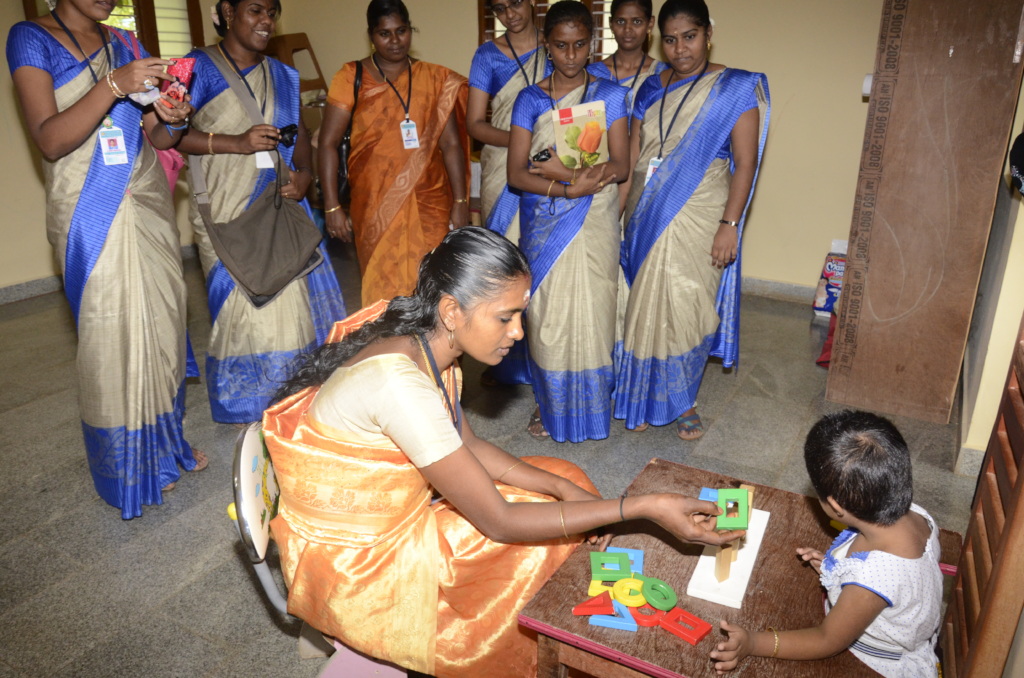
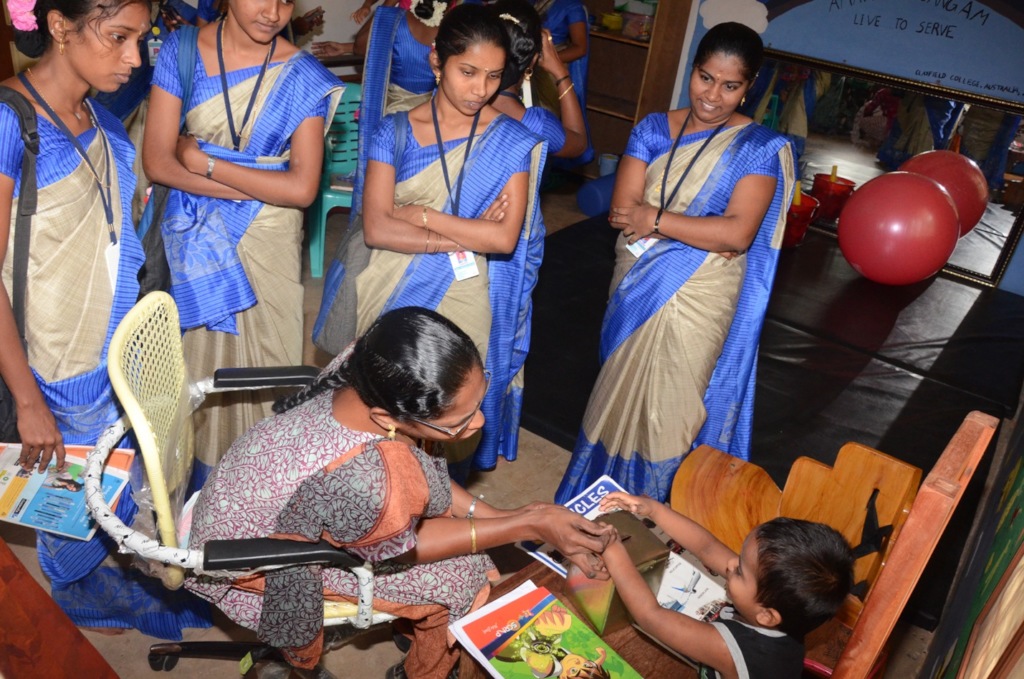
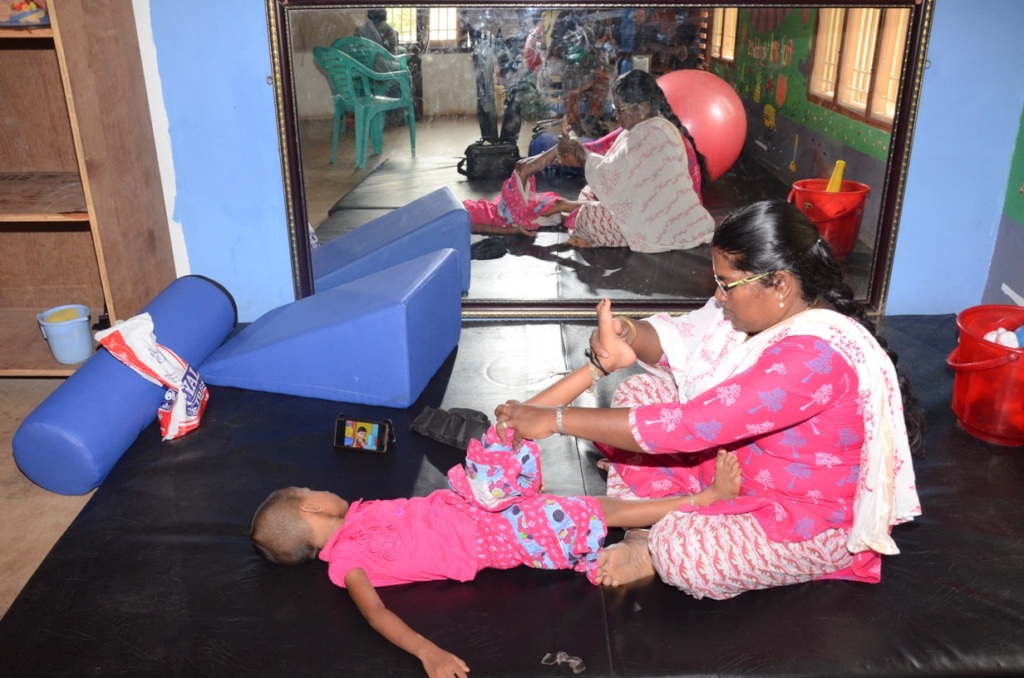
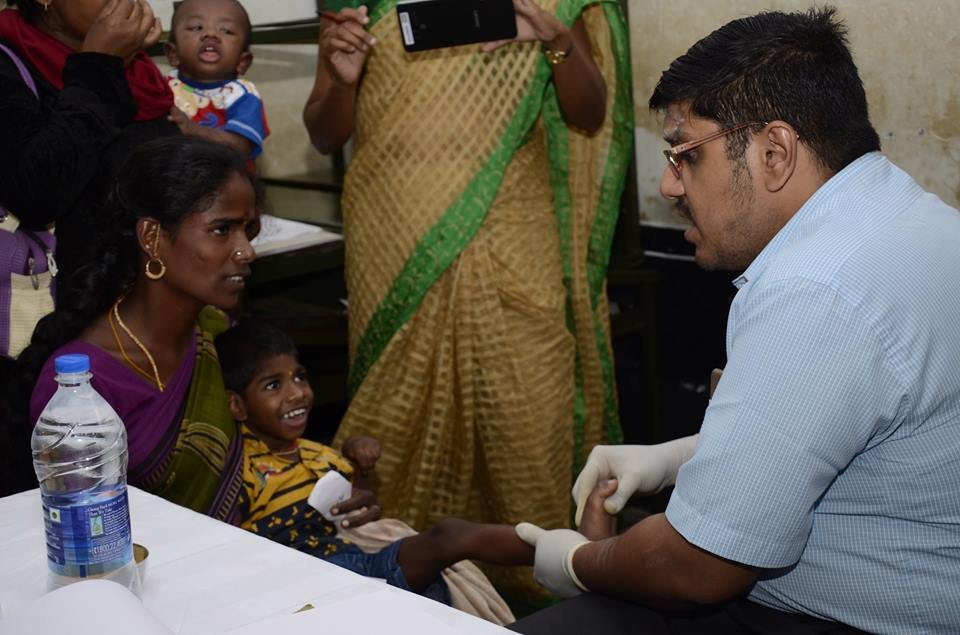
VBRI is directly working with 512 children and their family members in eight blocks of Tirunelveli District, 13 Town bodies and 3 Municipalities. “Community participation in Early Intervention” is the highlight of the Village Based Early Intervention project.Therapy is offered at various village based rehab centres as well as at the homes of the children, whose conditions are severe and unable to travel to the rehab centres. Other children are bused to the centres with their mothers or fathers for 6 days a week, where they receive:
Specialized Physio, Speech and Occupational therapies.
Sensory integration (involving sensory stimulation for hearing, seeing, feeling and tasting) in a special “Sensory integration room”.
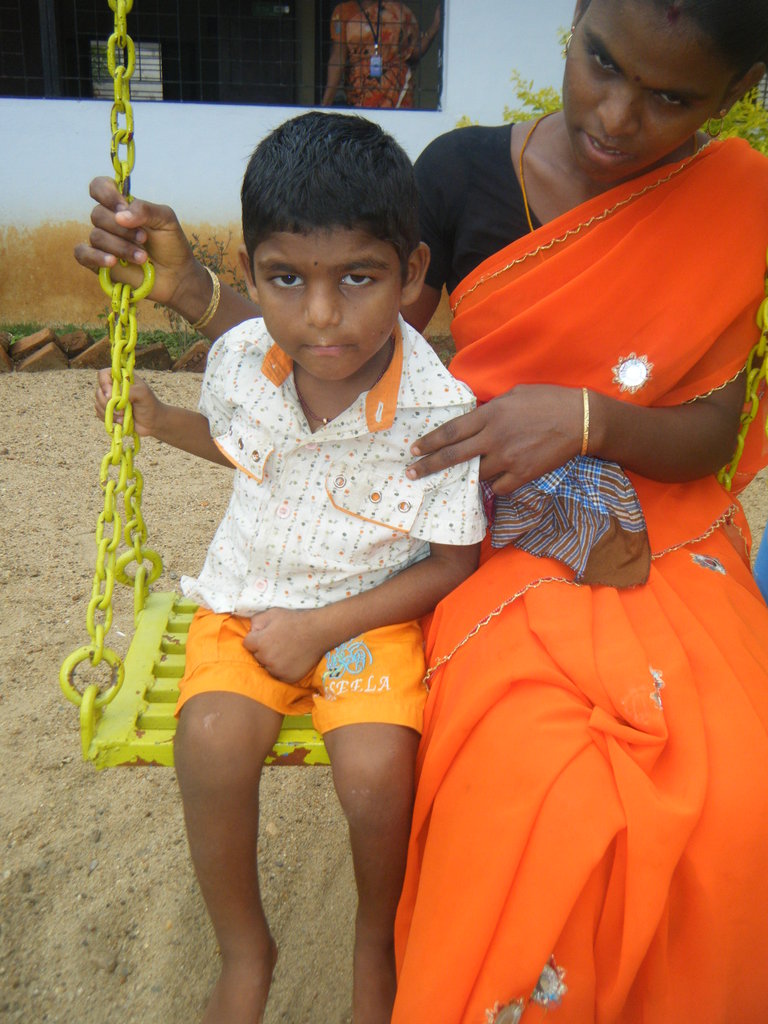
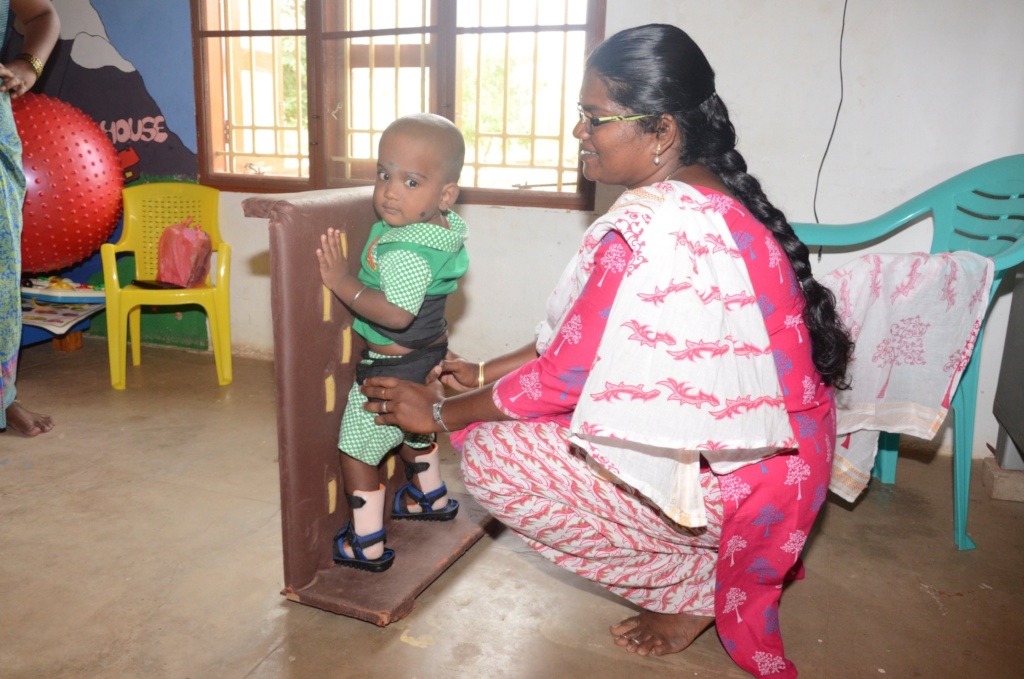
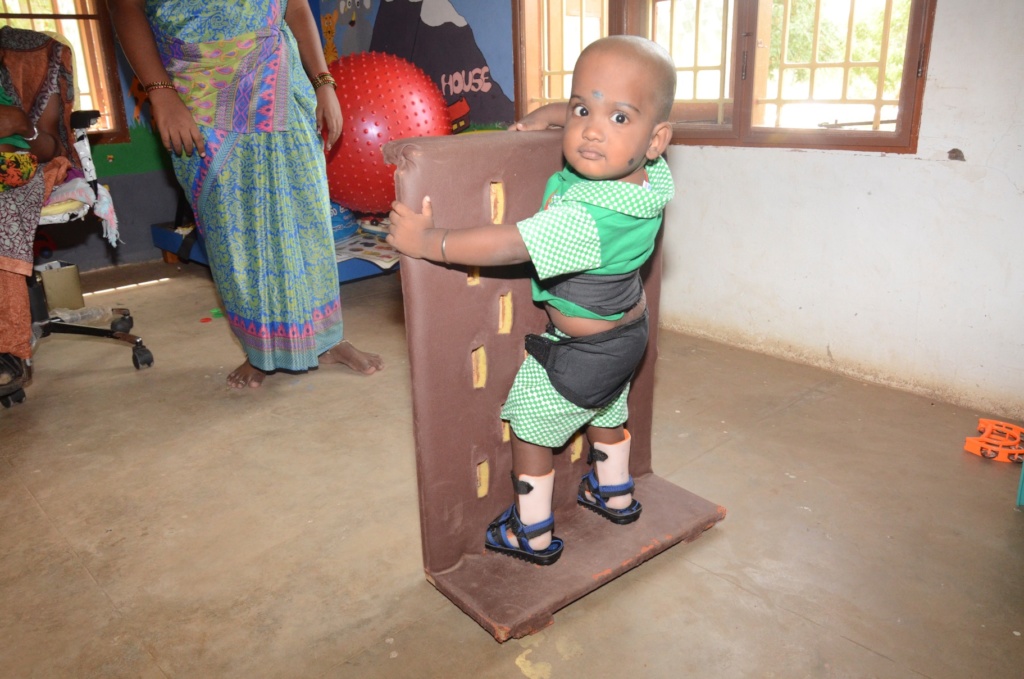
v The children are trained in adaptive equipment (each one costing several hundred dollars) such as standers, walkers, posture training chairs, slope climbers, and a number of other equipment for successful training.
v They are given toilet training and self feeding training. The parents are trained alongside to continue the practice at home.
Mother trains the child daily
CRW visits once in a week
Specialist visit once in a month
Evaluation team visits once in six months.
B. Early Intervention Centre at ASSA
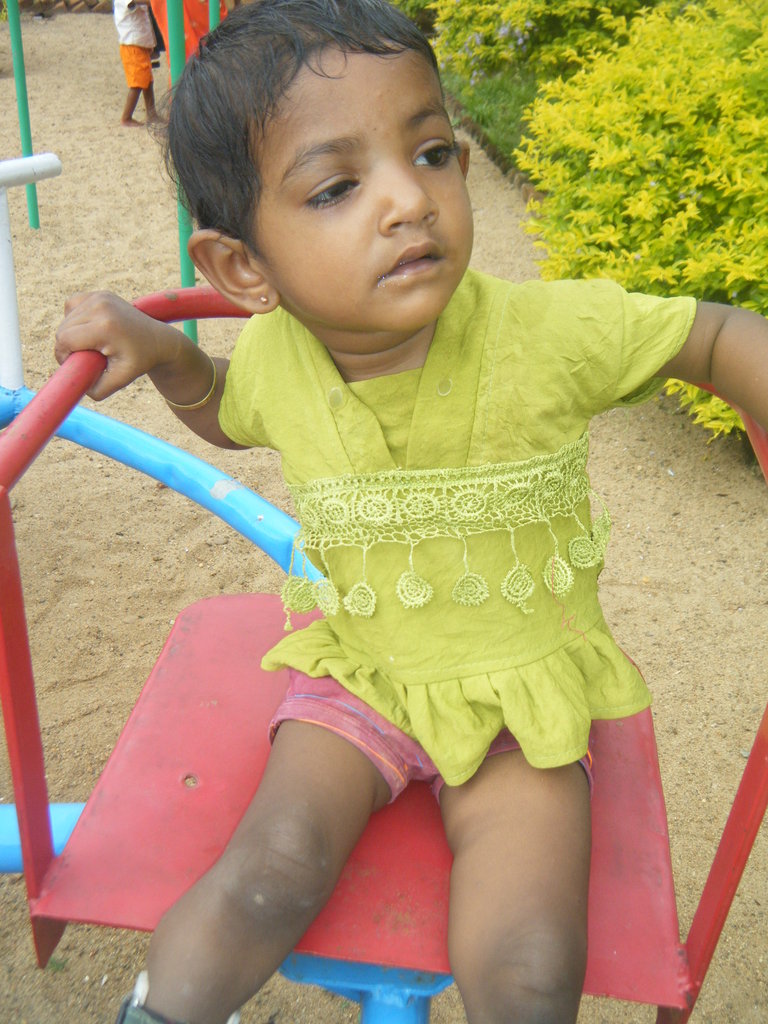
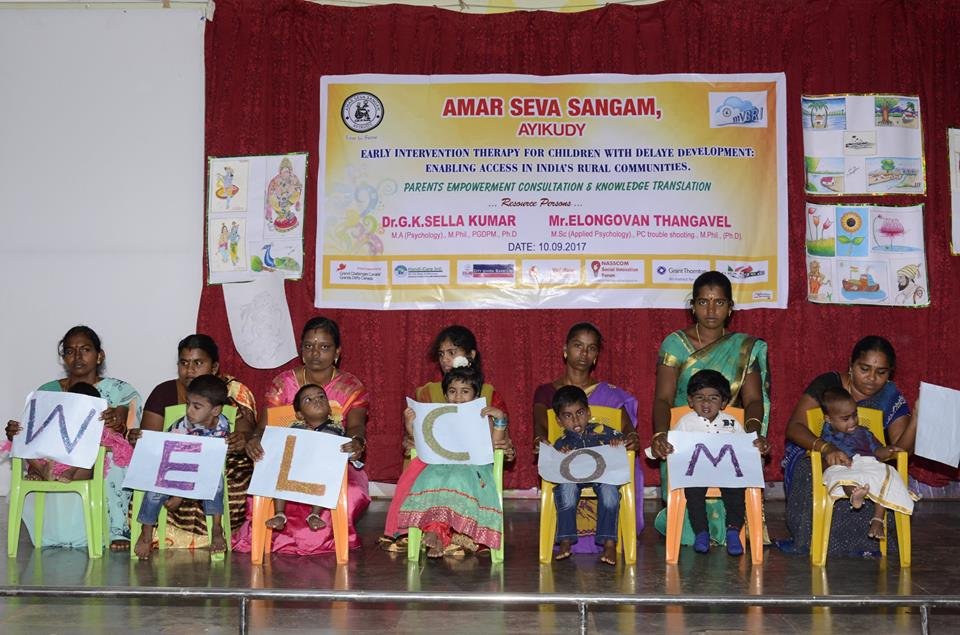
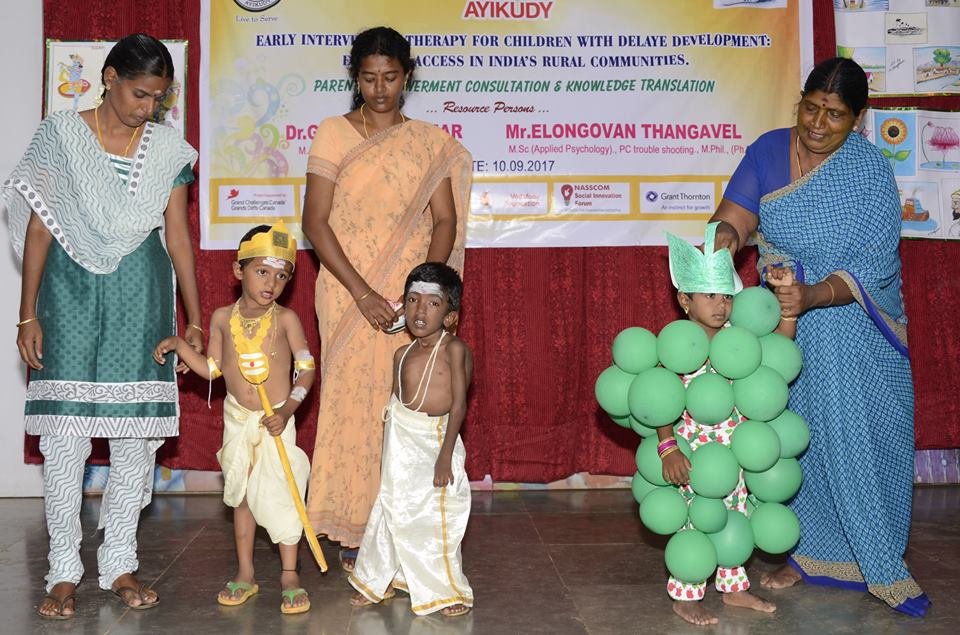
After the useful service of Sangamam – our school meant for special children in the age group of 6 to 16 – for over a decade, it was decided to “Catch them young to rehabilitate fast”. Hence, Early Intervention Centre (EIC) was inaugurated in February 2013 to cater to the needs of Special children in the age group up to 6.
Early intervention program for infant and children helps to equip with motor, communication, social, self-help and cognitive skills from 0 to 6 years. This will help the children with multiple needs to maximize their developmental growth potential. Children with different developmental needs are trained and placed in normal school. This program has helped many children to minimize the symptoms and get back to normal life. Research has shown that the period from birth to 6 years are the most critical years for all children, and more so for children with disabilities. Growth and development of a child is at its greatest in the first two to three years. During this phase of cognitive development, foundations of intelligence and behaviour begin to evolve. Additionally, ability of brain to affect structural and functional changes is at its best in this period. If the child misses this opportunity, further learning will be slow and / or inadequate. Early intervention programs work towards quicker inclusion of these children into the mainstream. In other words, Early Intervention means finding specific ways to help a child become as functional normally as possible.
By S.Sankara Raman | Secretary
By S.Sankararaman. | Secretary
Project reports on GlobalGiving are posted directly to globalgiving.org by Project Leaders as they are completed, generally every 3-4 months. To protect the integrity of these documents, GlobalGiving does not alter them; therefore you may find some language or formatting issues.
If you donate to this project or have donated to this project, you can receive an email when this project posts a report. You can also subscribe for reports without donating.



Support this important cause by creating a personalized fundraising page.
Start a Fundraiser