![]()
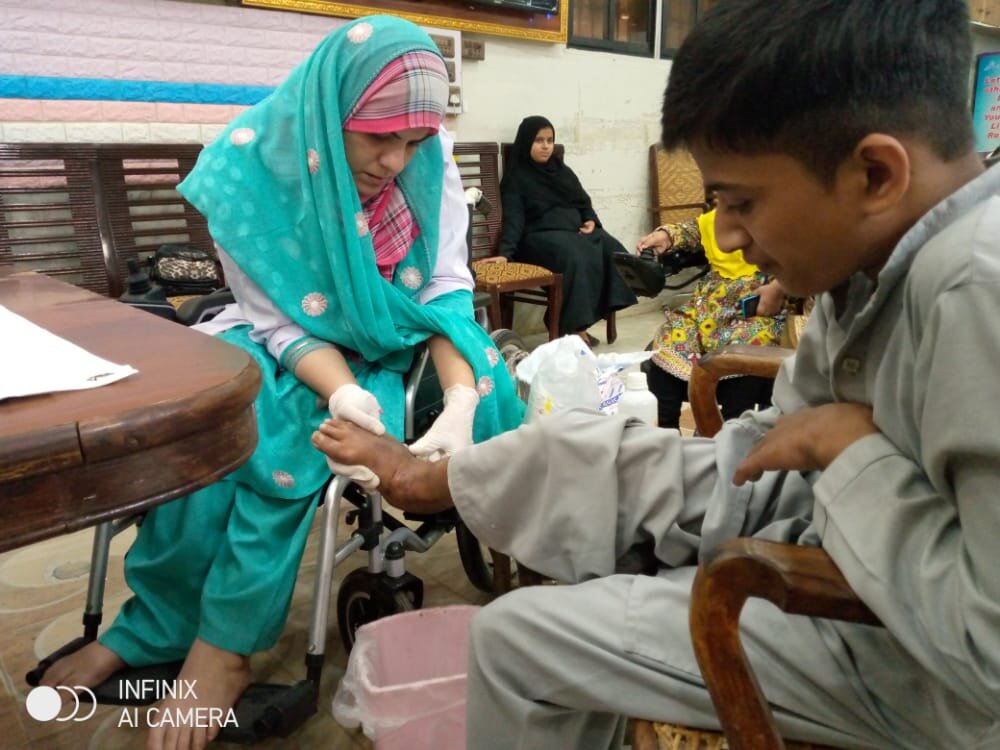
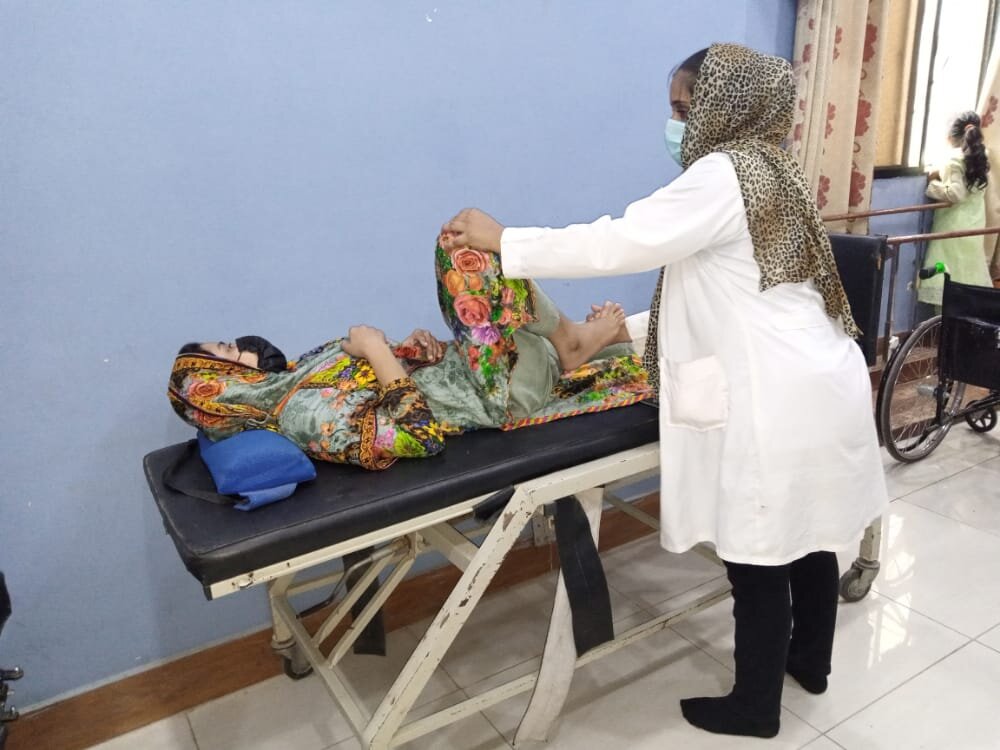
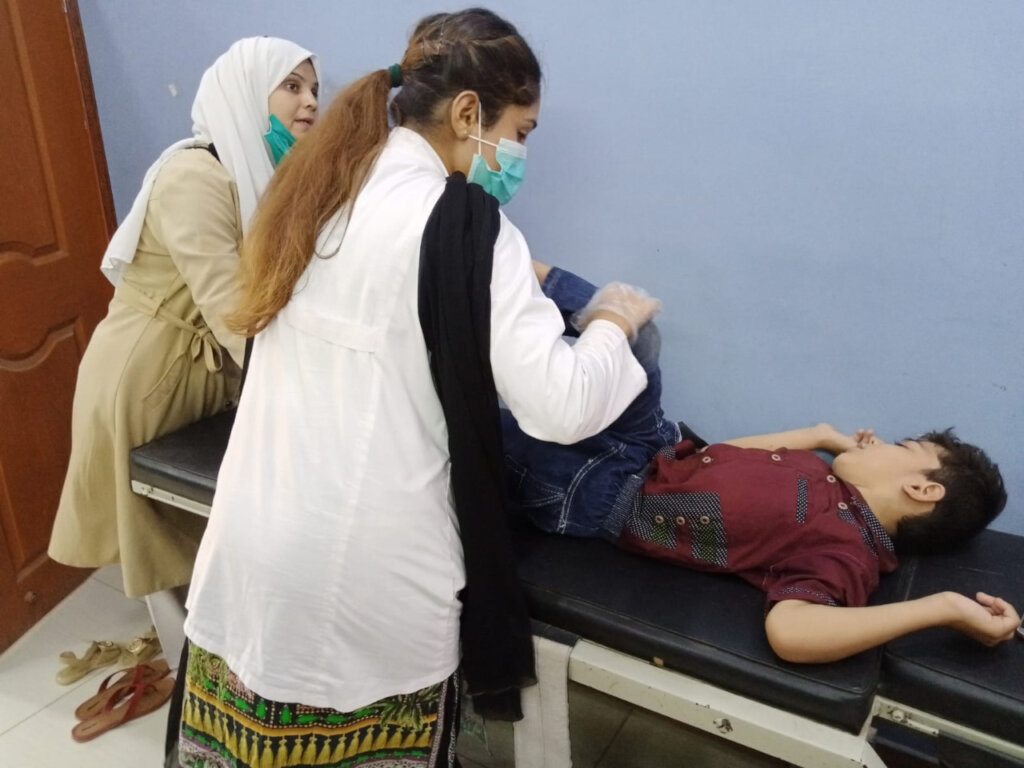
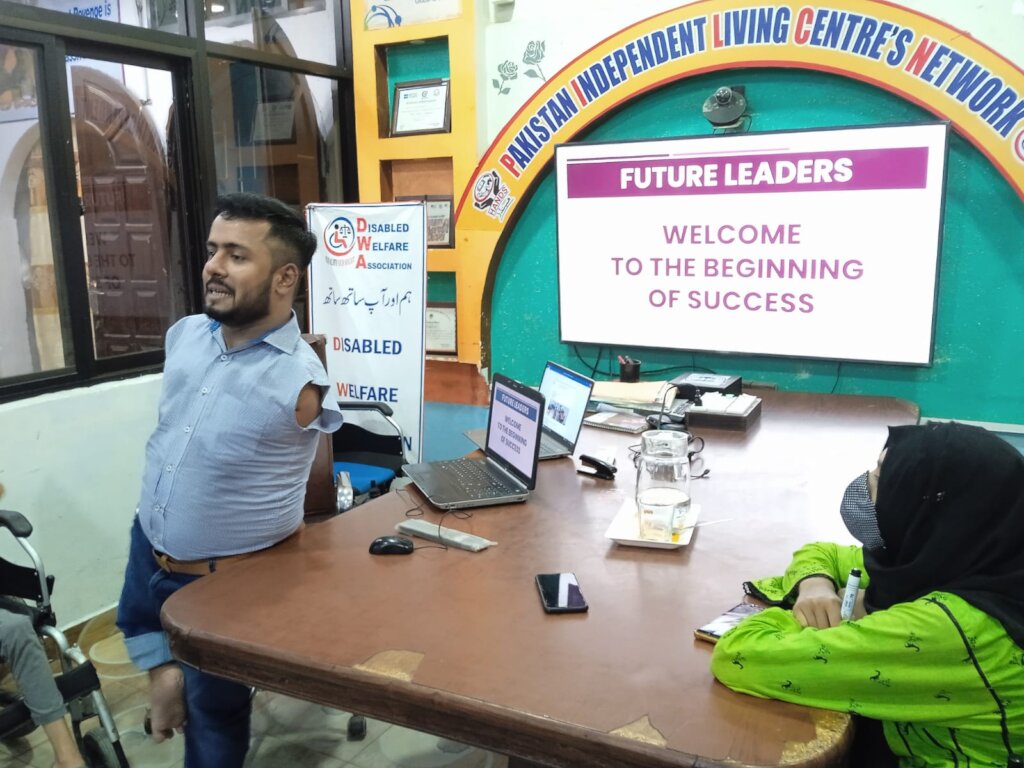
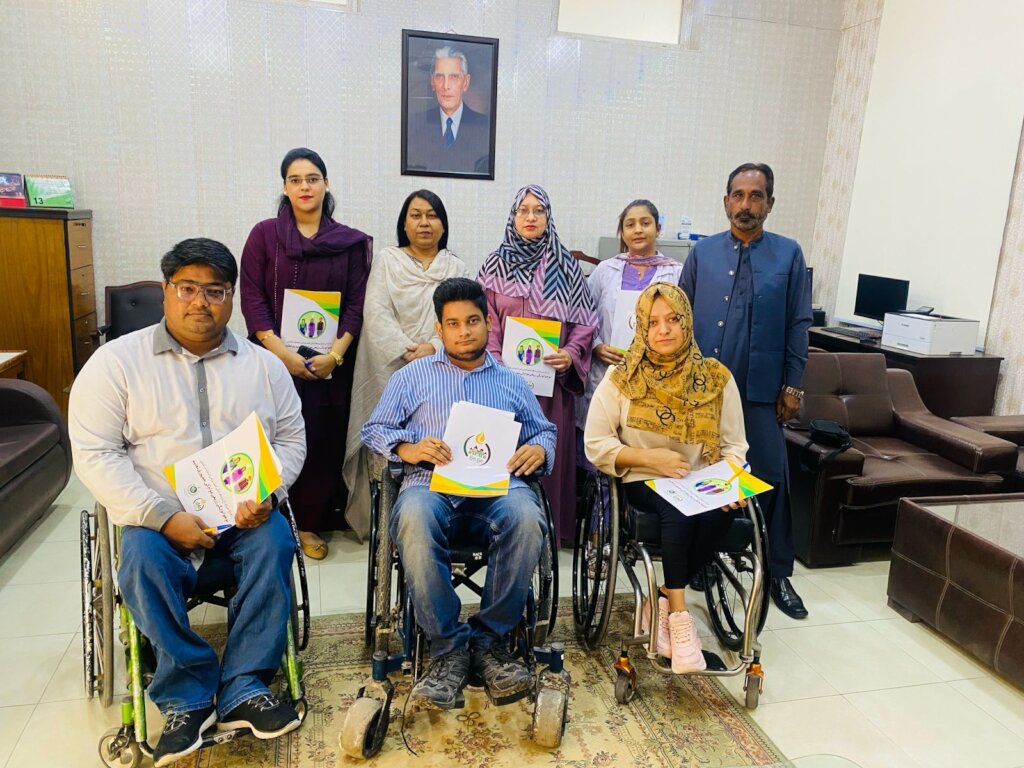
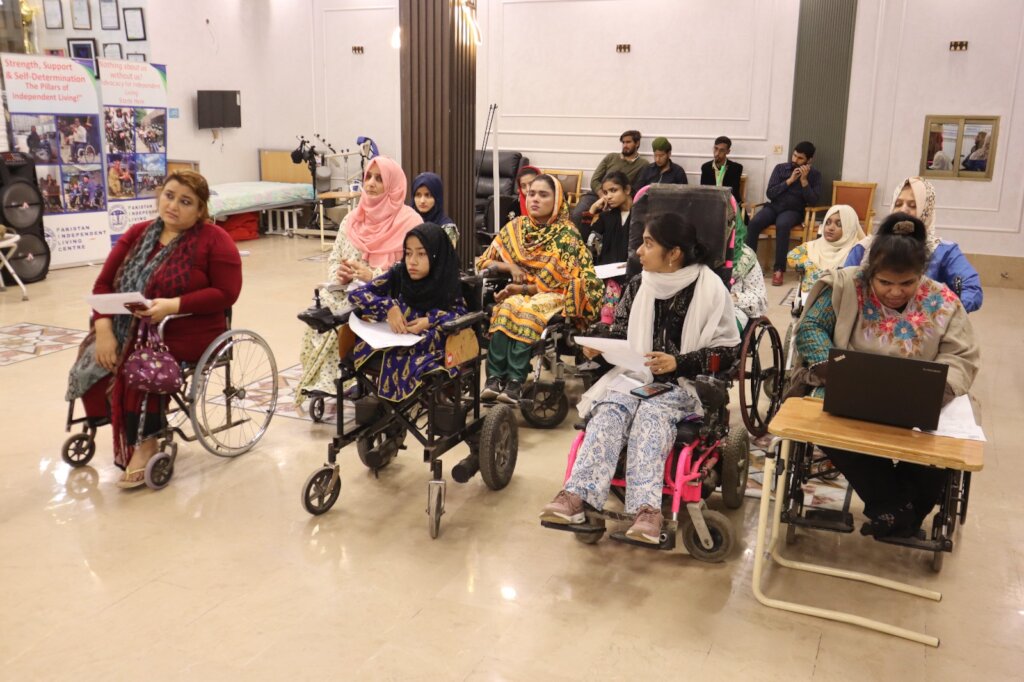
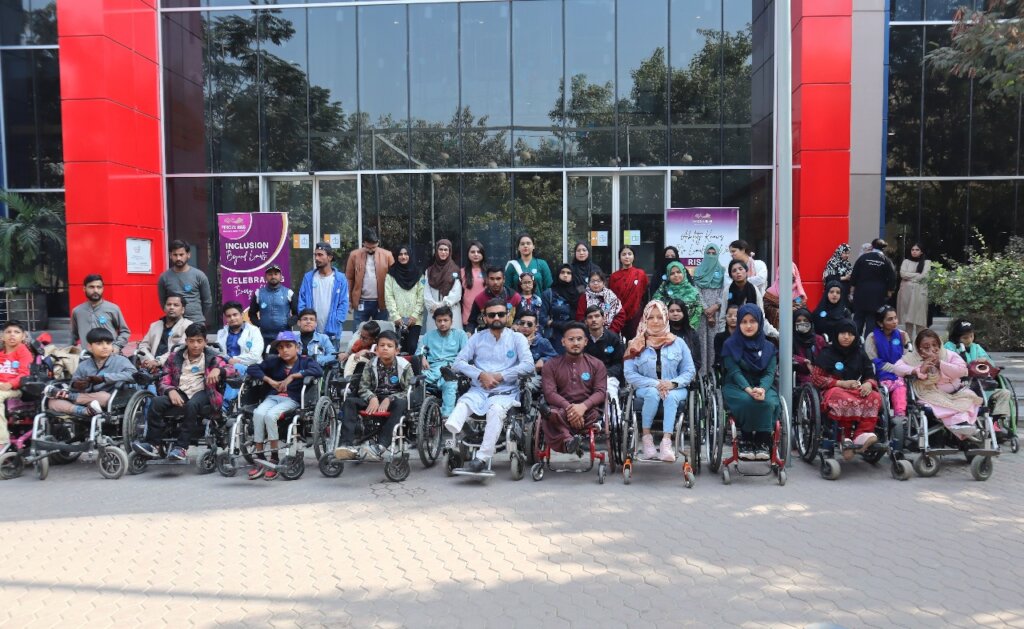
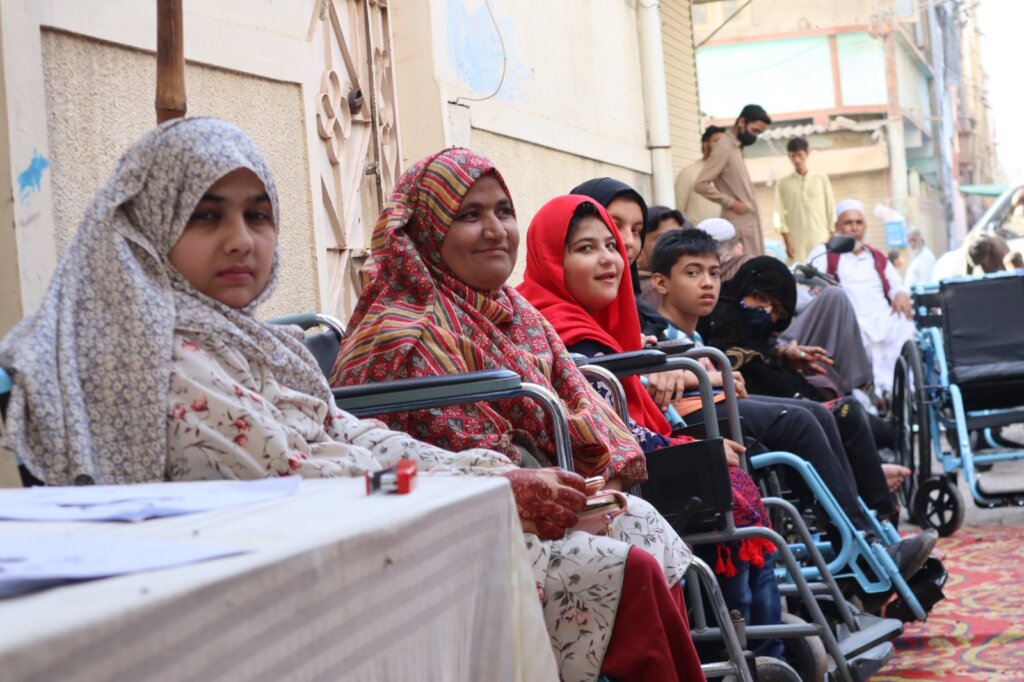
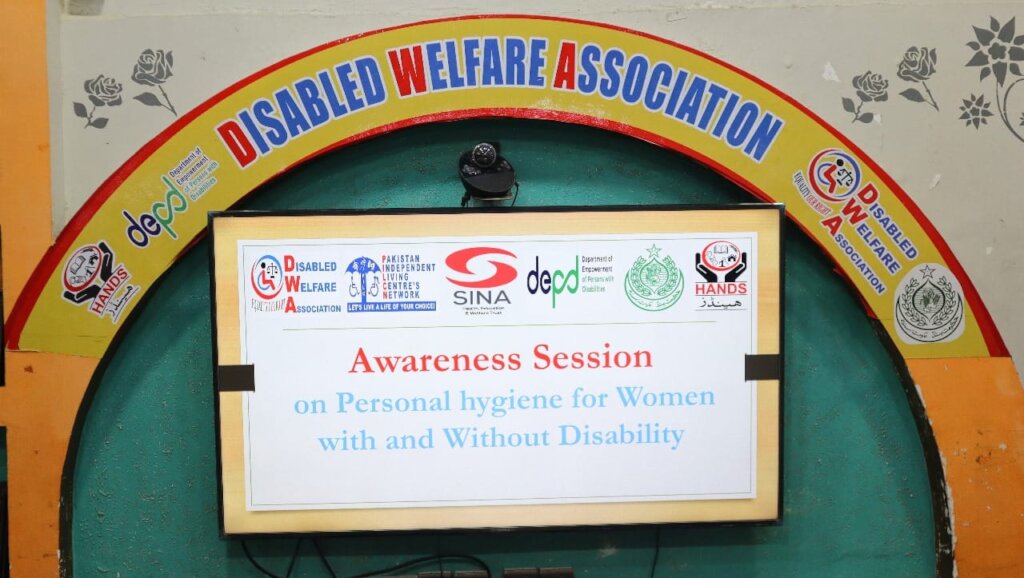
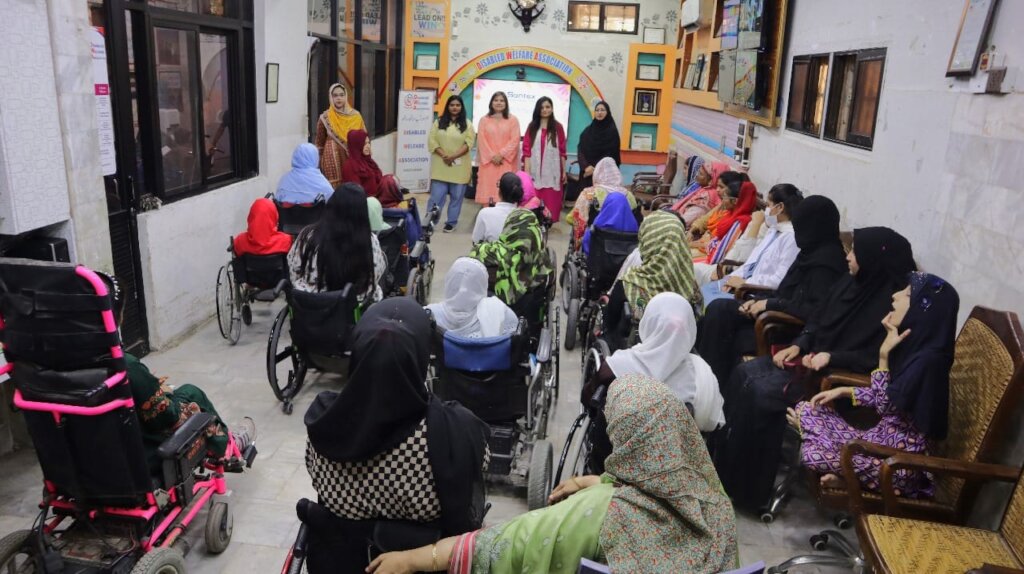
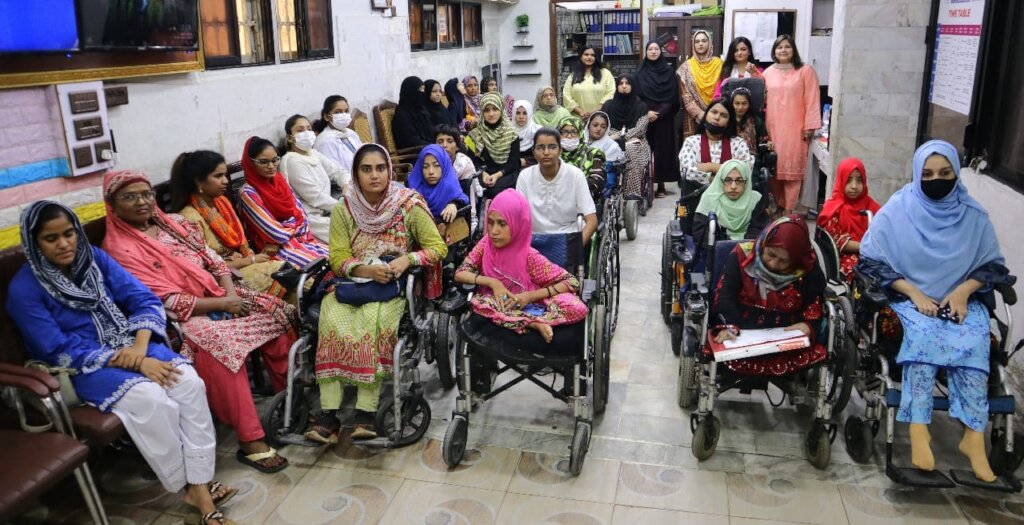
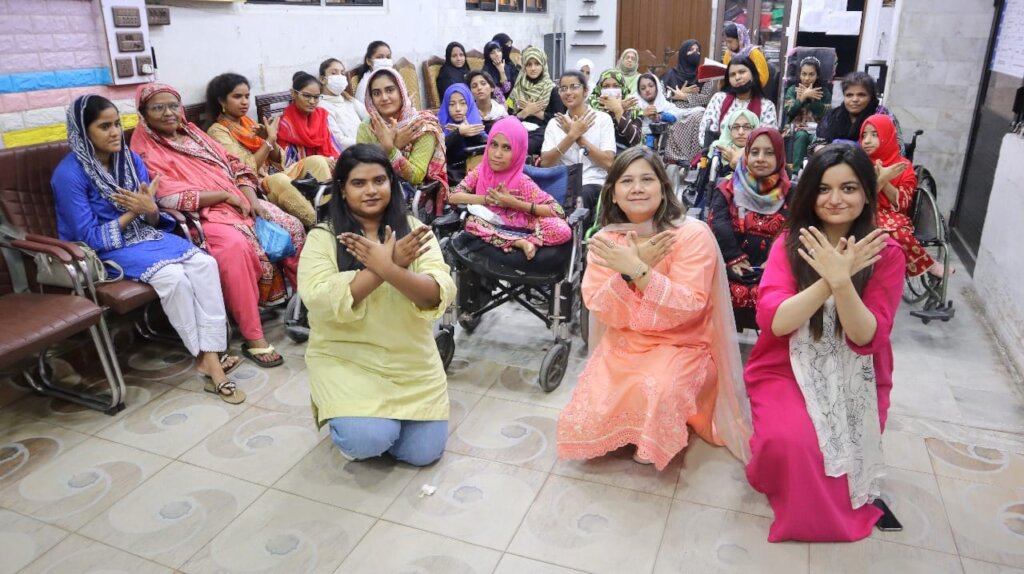
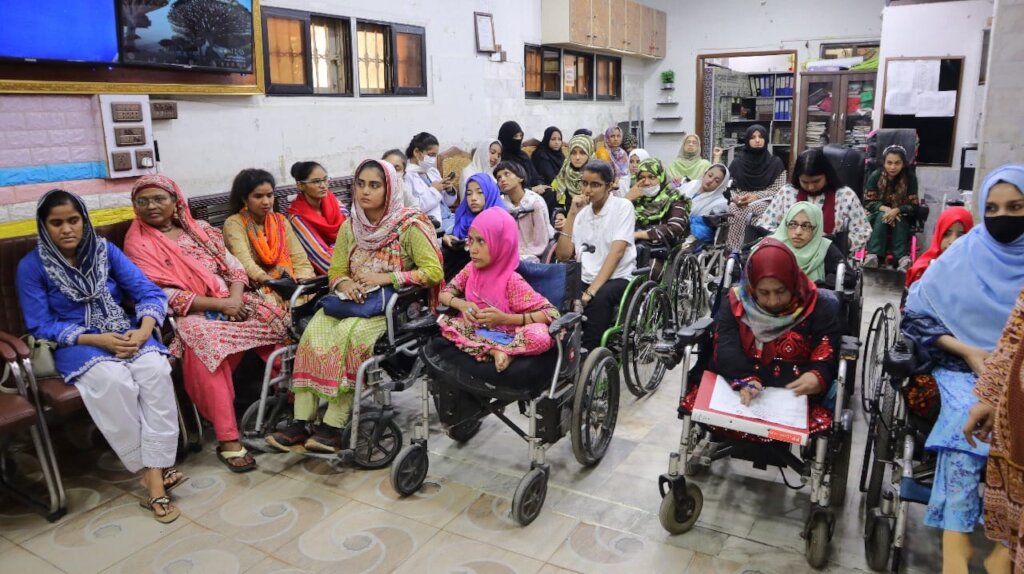
The Disabled Welfare Association (DWA), in partnership with HANDS, DWA Independent Living Centre (ILC), and SINA Health, Education & Welfare Trust, successfully organized a comprehensive awareness session on Personal Hygiene for Women with and without Disabilities. The session, held at the DWA facility, aimed to provide essential knowledge about personal hygiene care, promote healthy practices, and address the unique challenges faced by women, particularly those with disabilities, in maintaining hygiene. The program also included the distribution of hygiene kits to all participants. Objectives of the Session The primary goal of the session was to raise awareness among women with and without disabilities about the importance of personal hygiene. For women with disabilities, there are often additional barriers and challenges in maintaining personal cleanliness, including limited mobility, access to appropriate facilities, and a lack of tailored health information. By focusing on these issues, DWA aimed to empower women by providing practical tips and strategies for overcoming these challenges, while promoting their right to health, dignity, and well-being. The specific objectives were: Educating women on hygiene practices: To provide basic yet essential knowledge on maintaining personal hygiene, including menstrual hygiene, proper handwashing techniques, and general cleanliness. Addressing the challenges faced by women with disabilities: To highlight the unique personal hygiene issues that women with disabilities encounter and provide specific recommendations to overcome them. Distributing hygiene kits: To equip women with practical tools, including sanitary products, soaps, and other essential items that they can use to maintain their hygiene. Encouraging open discussion: To create a safe and inclusive environment where women could ask questions, share their experiences, and discuss sensitive topics related to their personal health and hygiene. Highlights of the Session The session was attended by a diverse group of participants, including women with physical and cognitive disabilities, as well as women without disabilities from the local community. Facilitated by healthcare professionals and experts from SINA Health, Education & Welfare Trust, and HANDS, the event included interactive presentations, demonstrations, and discussions on various aspects of personal hygiene. Key topics covered during the session included: Menstrual Hygiene Management: The importance of proper menstrual hygiene and the use of sanitary products, especially for women with disabilities who may face difficulties in accessing appropriate materials or facilities. Personal Care for Women with Disabilities: Strategies to manage personal hygiene for women with limited mobility, including adaptive tools and methods for easier hygiene maintenance. Handwashing and Disease Prevention: Demonstrating the correct techniques for handwashing to prevent the spread of infections and ensure overall health. Precautions and Care: Addressing the importance of maintaining hygiene in specific situations such as during menstruation, illness, or when using assistive devices like wheelchairs. The session was designed to be interactive, encouraging participants to share their personal experiences and ask questions about the challenges they face in maintaining hygiene. This open dialogue helped address common misconceptions and provide tailored advice to the participants. Collaboration and Support The collaboration between DWA, HANDS, DWA ILC, and SINA Health, Education & Welfare Trust was instrumental in the success of this session. Each organization brought valuable expertise and resources to the program: HANDS provided expertise in community health and social development, contributing their knowledge in addressing hygiene concerns at the grassroots level. DWA Independent Living Centre (ILC) played a vital role in facilitating the participation of women with disabilities and ensuring that the content of the session was accessible and relevant to their needs. SINA Health, Education & Welfare Trust provided healthcare professionals who led the session, offering medical insights and practical guidance on maintaining hygiene. Distribution of Hygiene Kits As part of the initiative, hygiene kits were distributed to all participants. These kits included sanitary napkins, hand sanitizers, soaps, face towels, and other essential items. For women with disabilities, the kits also contained specific products that cater to their unique needs, such as easy-to-use hygiene products and items designed to aid in personal care. Impact and Outcomes The session was well-received by the participants, with many expressing gratitude for the valuable information and practical advice they received. The program not only increased their awareness about the importance of personal hygiene but also equipped them with the tools and knowledge to maintain their health and dignity. Women with disabilities, in particular, found the session empowering, as it addressed the specific challenges they face and offered practical solutions to improve their quality of life. Future Plans Based on the positive feedback from participants, DWA plans to organize similar awareness sessions in the future, with a focus on broader health topics and reaching more communities, particularly in underserved areas. DWA also aims to continue distributing hygiene kits and working with partners like HANDS and SINA to promote health and hygiene practices among women with disabilities. In conclusion, the Personal Hygiene Awareness Session was a significant step toward improving the well-being of women with and without disabilities. Through education, empowerment, and collaboration, DWA remains committed to enhancing the lives of women in our communities by promoting health, hygiene, and dignity for all.
![]()
![]()
![]()
![]()
![Share on Twitter]()
![Share on Facebook]()