Project Report
| May 26, 2024
Empowering Individuals with Severe Disabilities
![]()
1. Executive Summary
The first quarter of our initiative aimed at empowering 500 individuals with severe disabilities in Pakistan has been marked by significant progress and impactful outcomes. Our two-fold approach, comprising Attendant Services and Independent Living (IL) Training, has begun to break the cycle of isolation and neglect experienced by many participants. This report outlines the activities, achievements, challenges, and future plans for the project.
2. Objectives and Goals
- Objective 1: Provide Attendant Services to individuals with severe disabilities to improve their daily living conditions.
- Objective 2: Offer IL Training to equip individuals with skills for independent living and increased self-sufficiency.
3. Key Activities and Achievements
A. Attendant Services
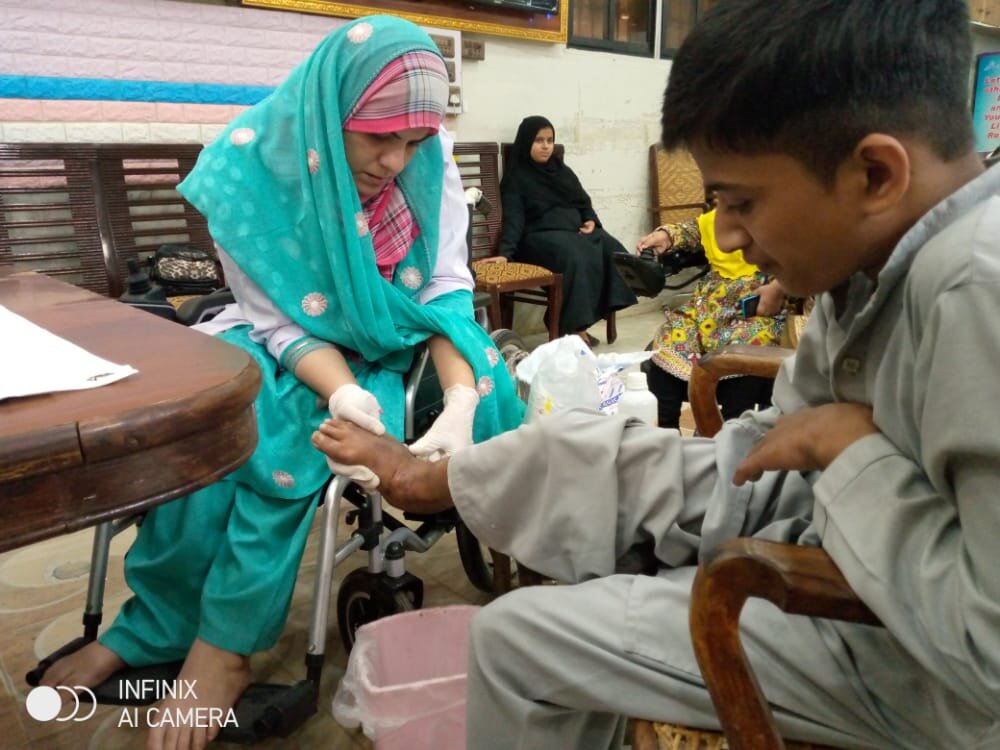
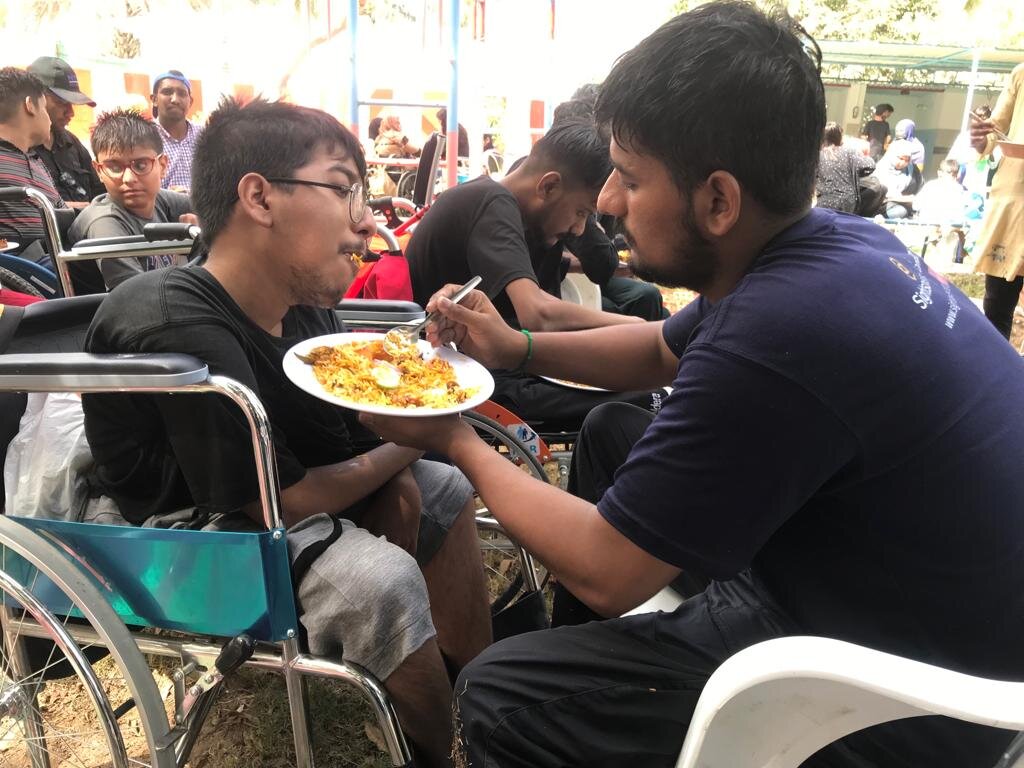
- Recruitment and Training: We recruited and trained 50 attendants, emphasizing empathy, care techniques, and emergency response.
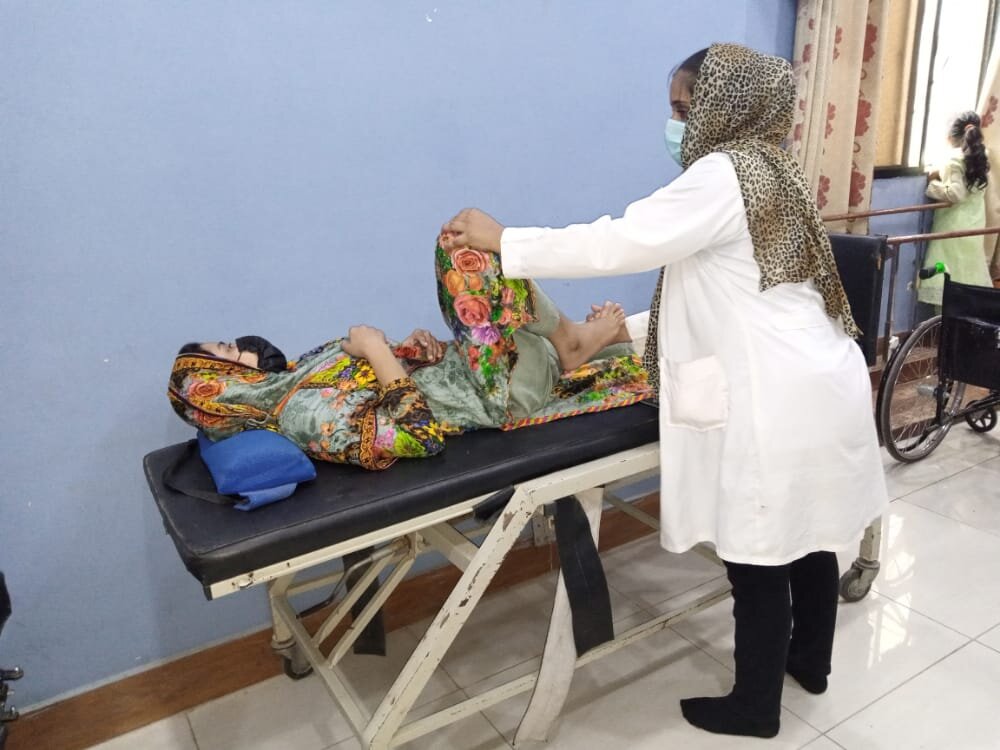
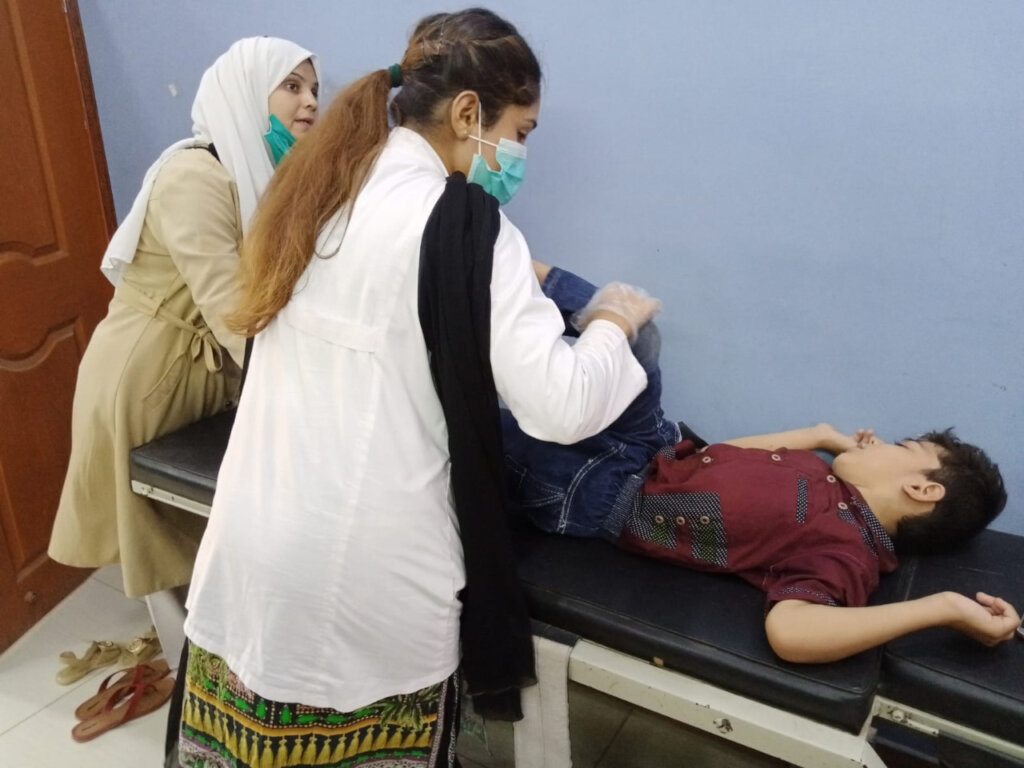
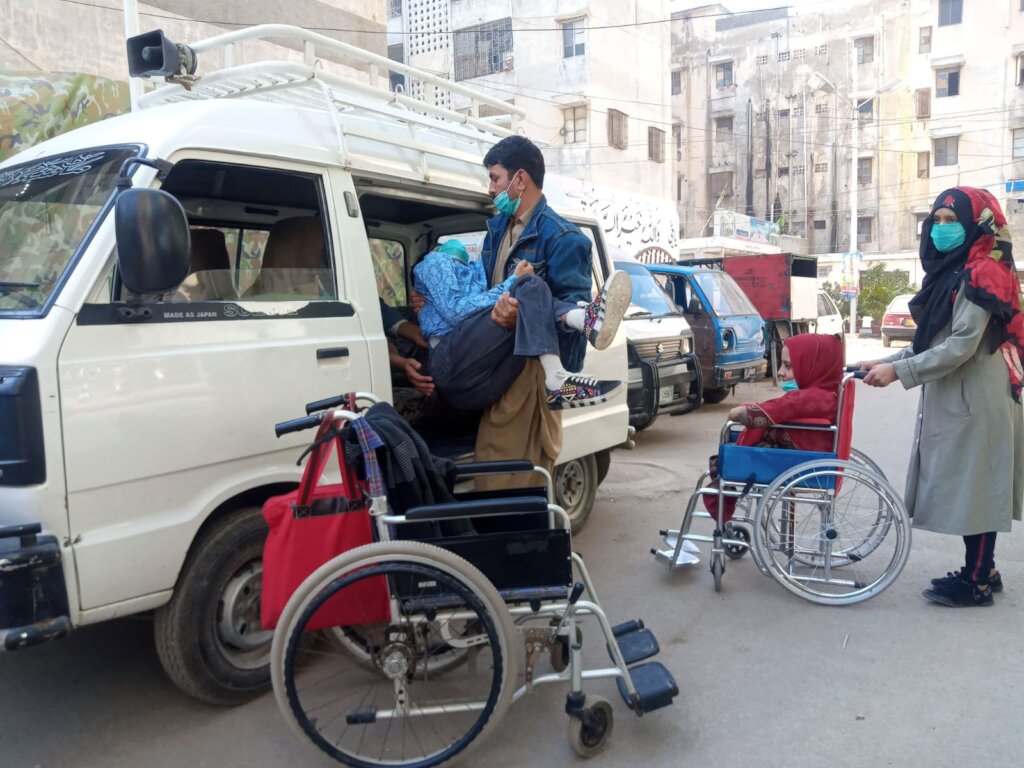
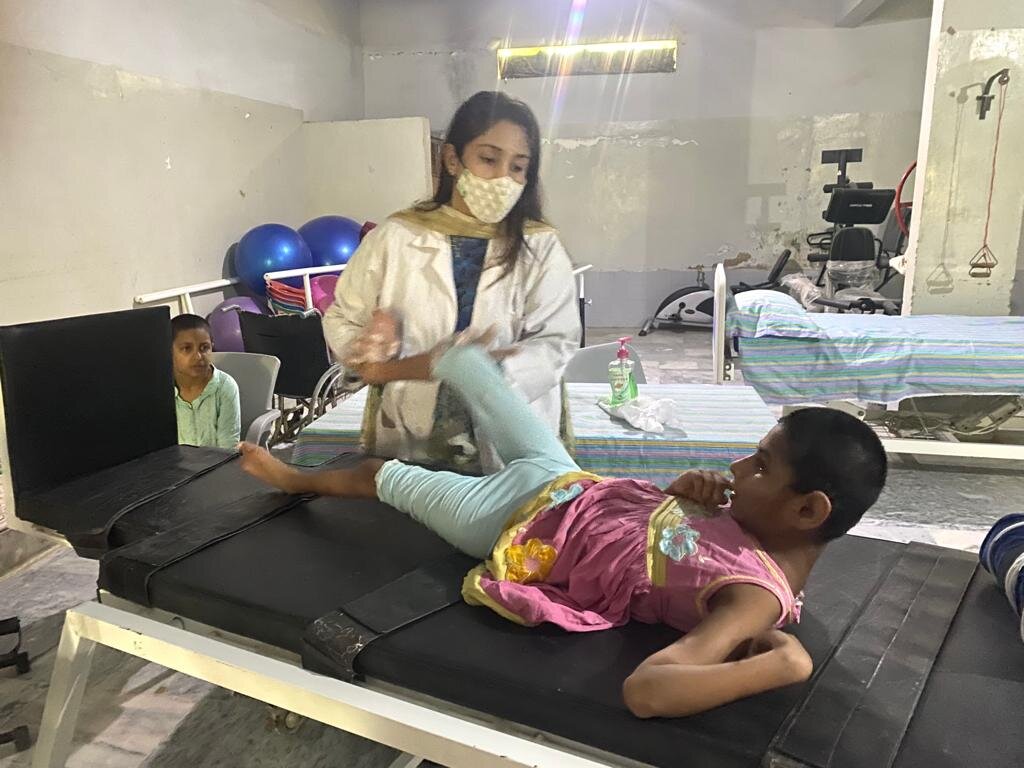
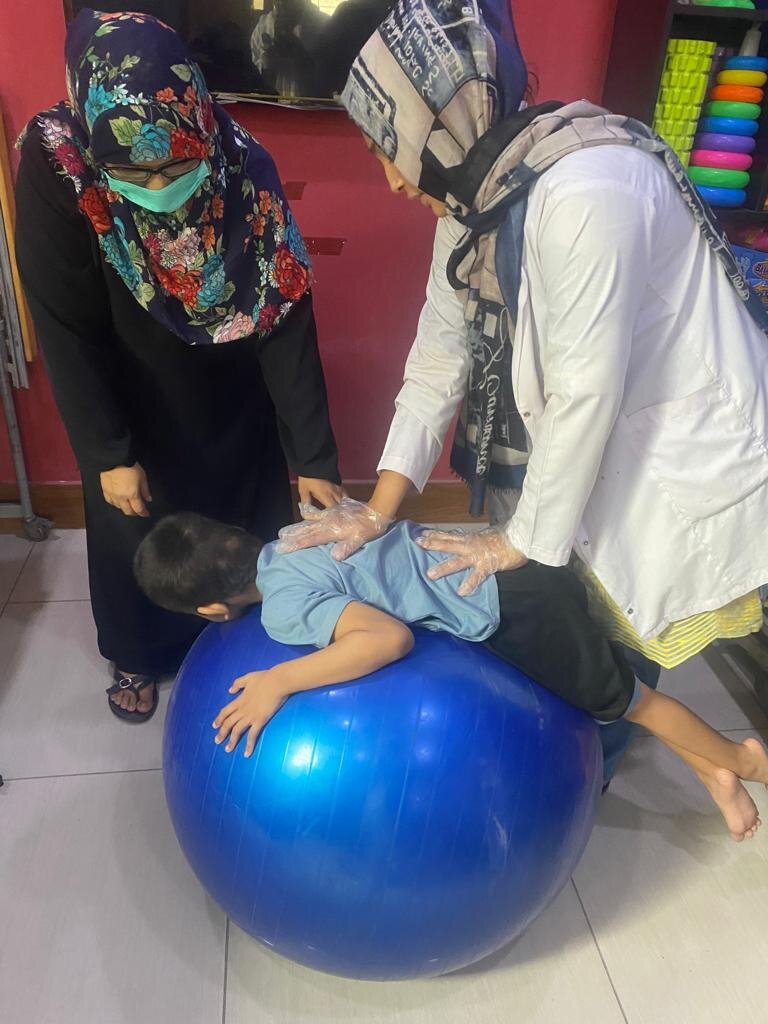
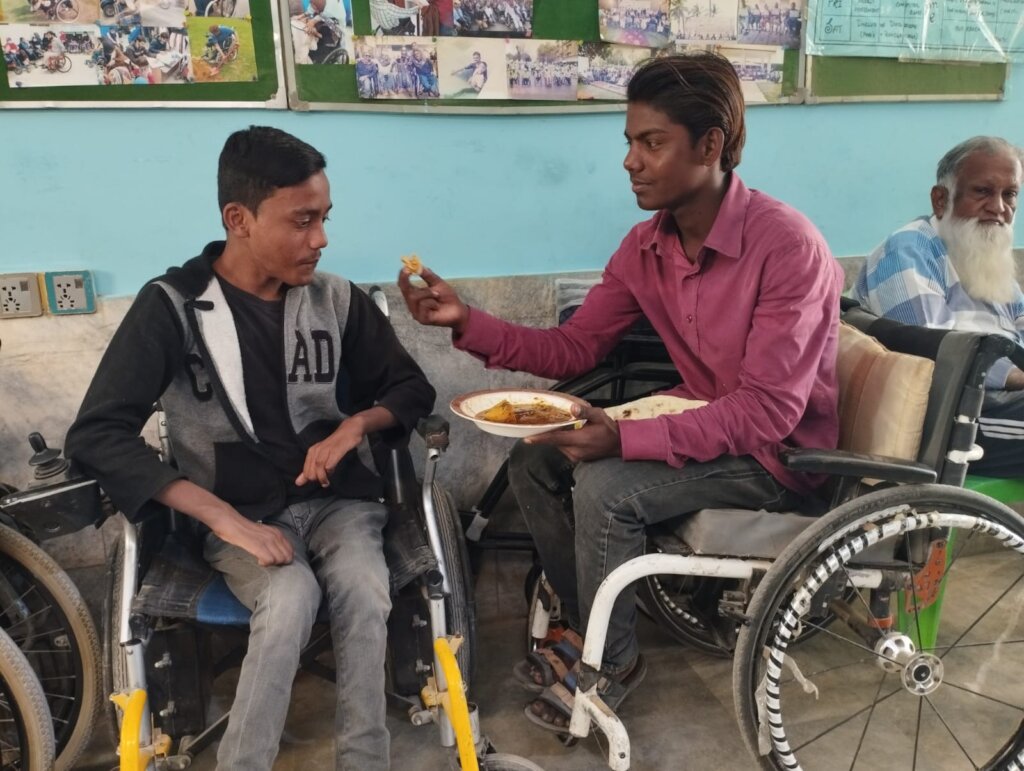
- Service Delivery: Attendant services were initiated for 200 participants, focusing on daily personal care, mobility assistance, and companionship. Feedback has been overwhelmingly positive, with many reporting improved quality of life and reduced isolation.
B. Independent Living Training
- Curriculum Development: A comprehensive IL training curriculum was developed, covering areas such as personal care, financial management, communication skills, and vocational training.
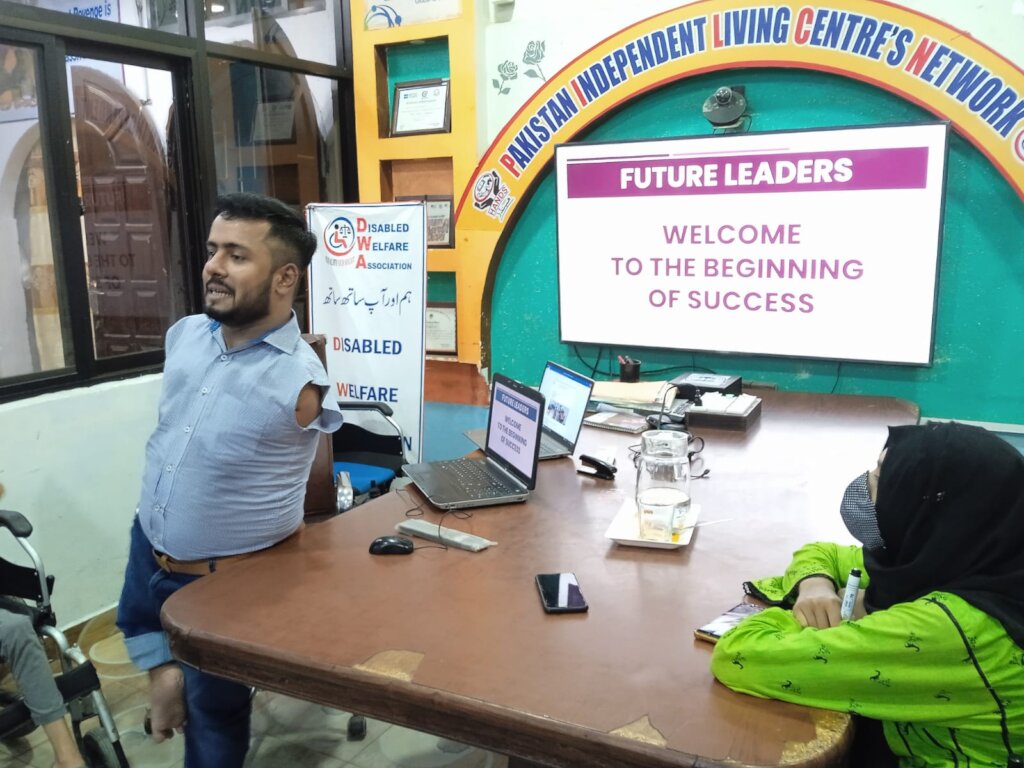
- Training Sessions: We conducted 10 training sessions, each attended by an average of 20 participants. Participants learned essential skills, which have already led to increased confidence and autonomy.
4. Success Stories
- Case Study 1: A participant named Ayesha, who had been confined to her home for over five years, is now actively engaging in social activities and pursuing a small home-based business after receiving attendant services and completing the IL training.
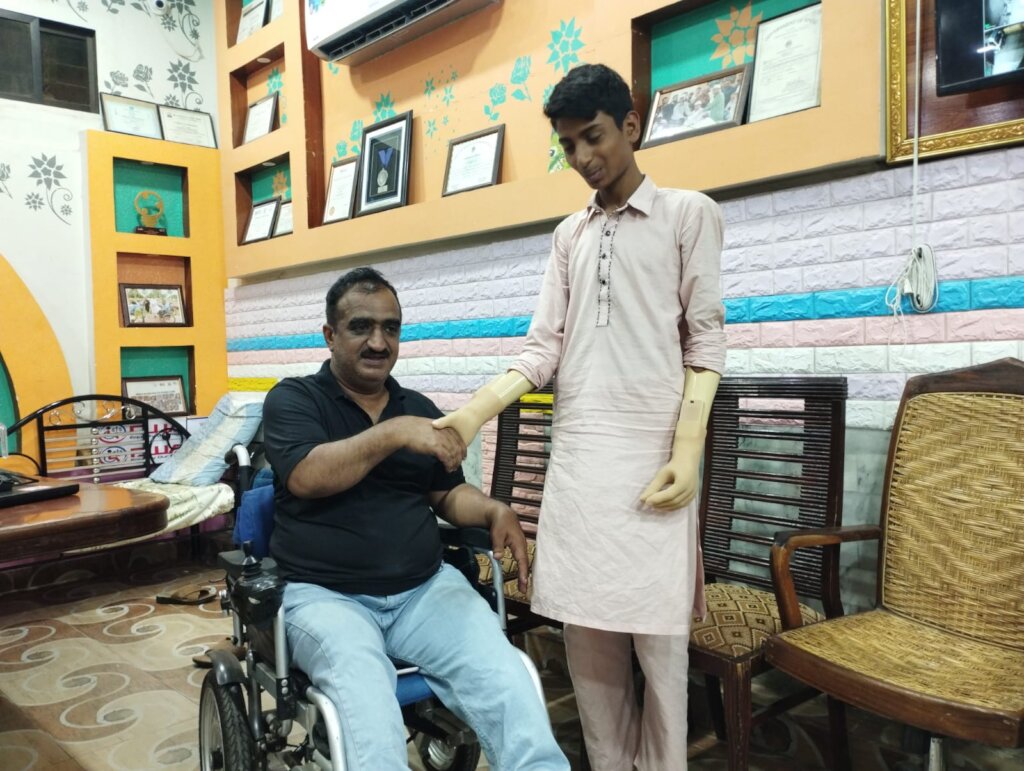
- Case Study 2: Ali, a young man with severe mobility issues, successfully learned to use assistive devices and manage personal care independently, significantly reducing the burden on his family and improving his self-esteem.
5. Challenges and Mitigations
- Challenge 1: Cultural Stigma: There was initial resistance from families who were skeptical about the benefits of the program.
- Mitigation: We conducted community awareness sessions to educate families about the importance of independent living and the positive impact on their loved ones.
- Challenge 2: Logistics: Ensuring attendants reached participants in remote areas was challenging.
- Mitigation: We established local coordination centers and utilized technology for better communication and logistics planning.
6. Monitoring and Evaluation
- Participant Feedback: Regular feedback was collected through surveys and interviews. Over 90% of participants reported satisfaction with the services provided.
- Impact Assessment: Preliminary assessments indicate a 60% increase in participants' ability to perform daily tasks independently and a 70% improvement in their social interactions.
7. Future Plans
- Expansion: Plan to extend services to an additional 150 participants in the next quarter.
- Enhanced Training: Introduce advanced modules in the IL training curriculum to cover digital literacy and small business management.
- Community Engagement: Increase community outreach efforts to further reduce stigma and gain broader support for the initiative.
8. Conclusion
The first quarter has been a testament to the transformative power of dedicated support and training for individuals with severe disabilities. Our project is on track to achieve its goals, thanks to the collective efforts of our team, participants, and their families. We look forward to building on this success in the coming months and continuing to empower more individuals towards independent and fulfilling lives.
![]()
![]()
![]()
![]()
Links:
![Share on Twitter]()
![Share on Facebook]()