By Julie Cole | Fundraiser, HOPE UK
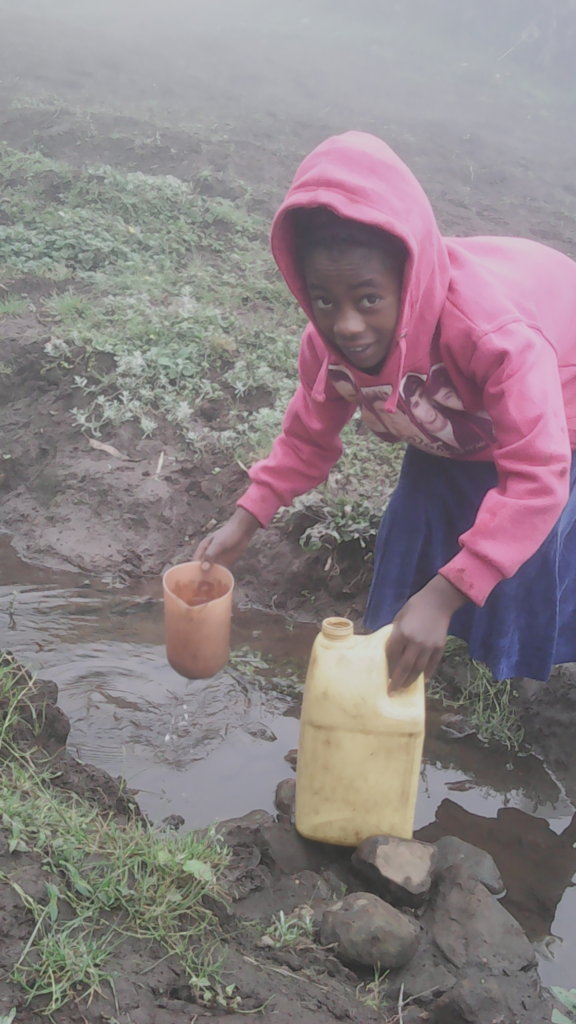
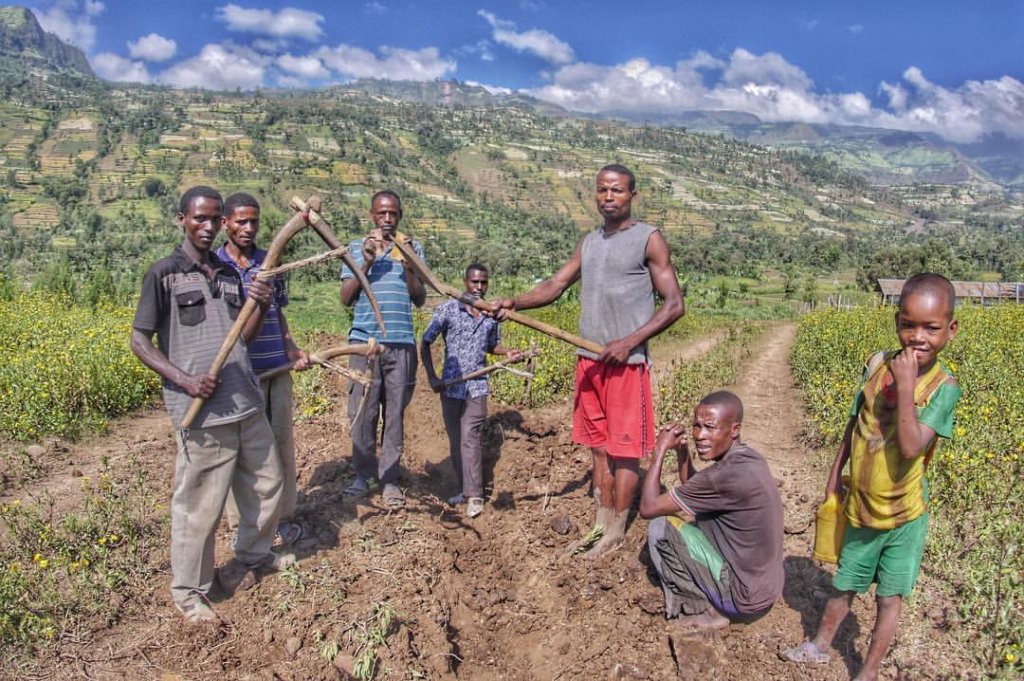
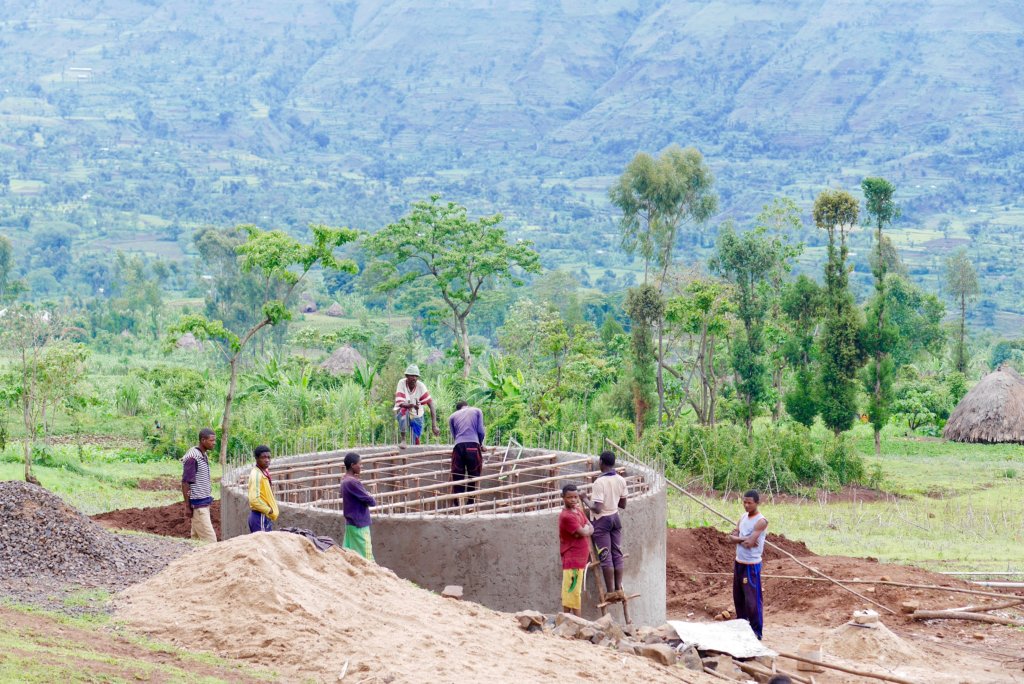
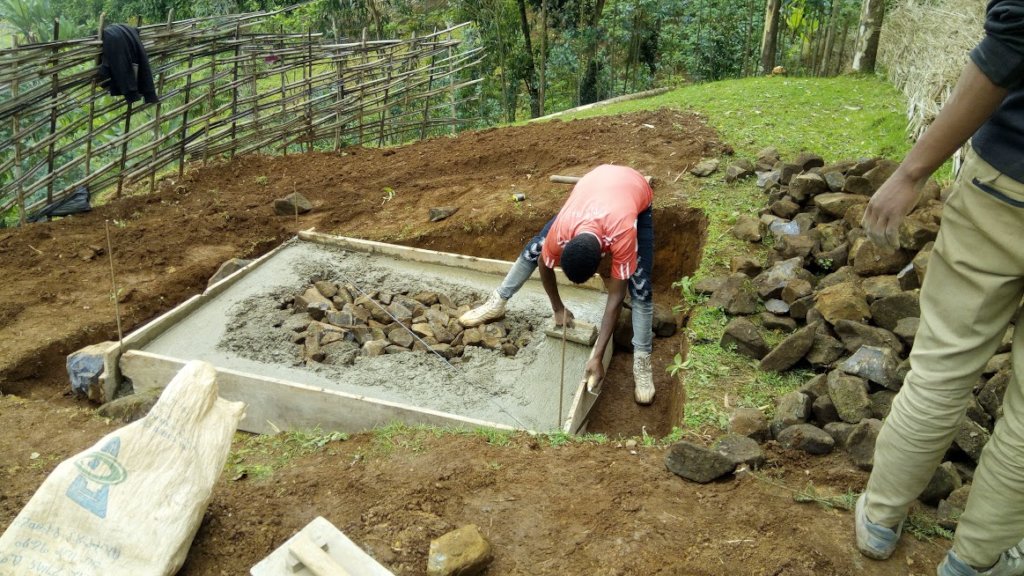
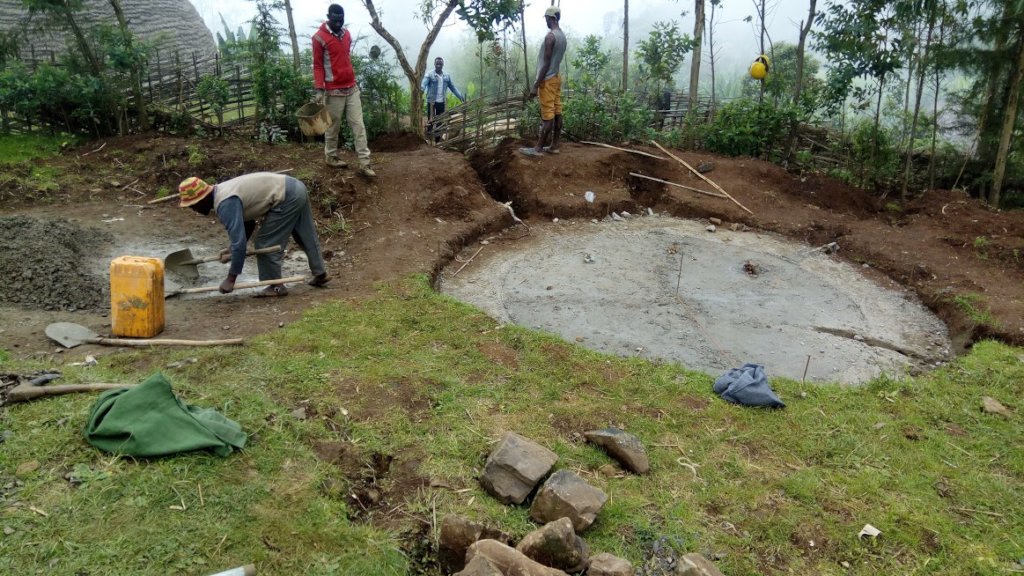
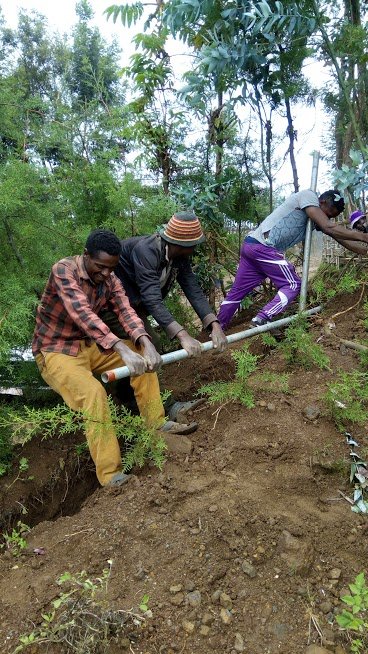
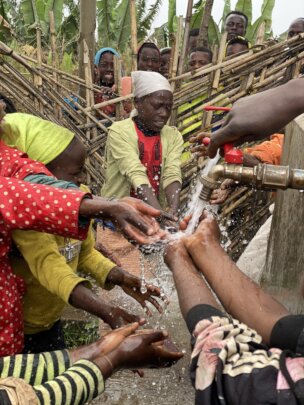
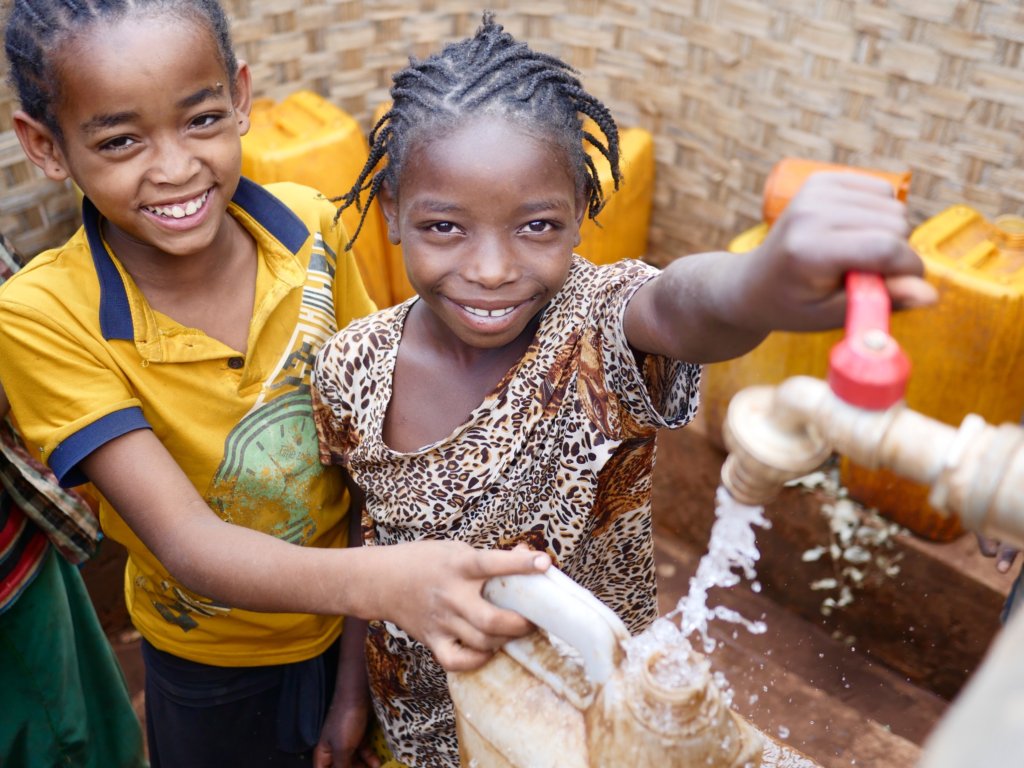
The taps will soon be turned on in Alugude & Durbe! Clean, safe water will soon flow from the eight newly installed water points in the villages, now just minutes from their home. This will be life changing for that community, allowing their time to instead be spent in school and earning needed money for their families. Never before has the future looked so bright for these 1,986 people!
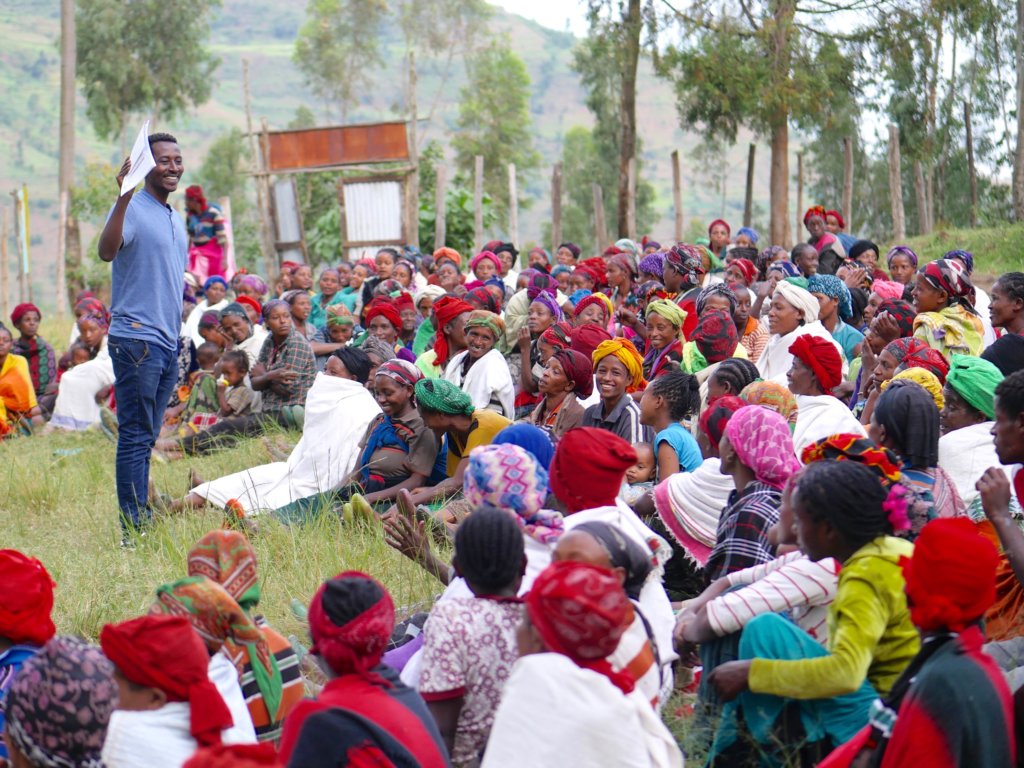
After the construction is completed, in addition to providing basic business skills to 200 women, the focus of the project will be on health and sanitation education. HOPE's Community Mobiliser will continue to support and facilitate the locally appointed Community Health Workers, who will visit different households each day and regularly follow-up to ensure that habits are changing and their health is improving as a result. Their overall purpose is to bring an end to illnesses that have caused much distress and uncertainty for these families. All have suffered from diarrhea and stomach aches on frequent occasions and sadly, many families have also had a child die due to contracting a waterborne disease. In any month, one of two family members were often sick, sometimes lasting as long as a week. This meant much time was spent being ill or taking care of those who were and little work was able to be done. In addition, often the little money each family has was spent on medication. Often, they would get better, only to drink the unsafe water again, and get sick all over. Unfortunately, their livestock and animals are often ill too, for the same reasons.
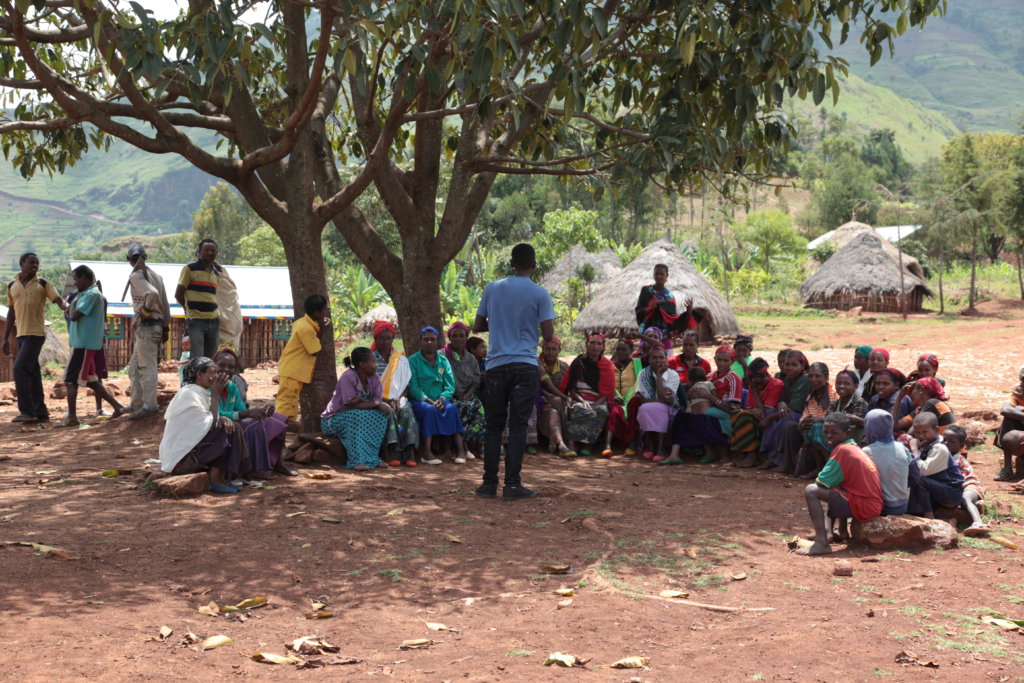
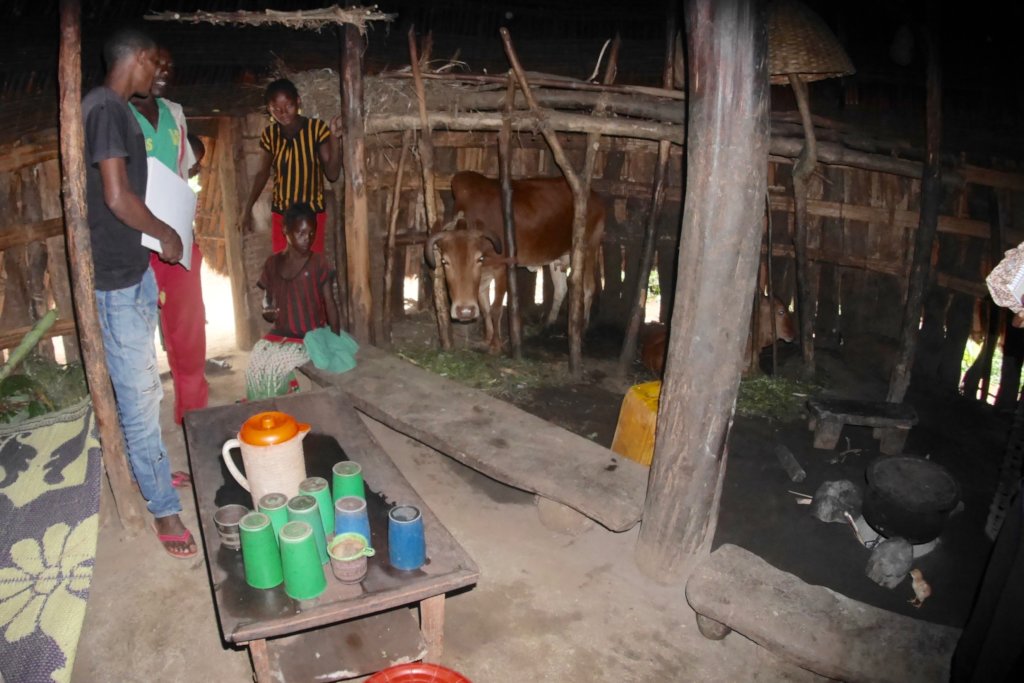
Learning about sanitation is essential. HOPE staff teach about methods of handling water safely at every step of the chain, during collection, transport, storage and use. They provide guidance on constructing hand-washing stations near food preparation areas and near their newly built latrine. Like others in rural Ethiopia, prior to this training, many people from Alugude & Durbe were not aware of germs and how diseases are spread. Often there are cultural habits that are deeply embedded that need to be challenged. For example, in this region it is not uncommon to have the same living space for animals and people. It is assumed that animals will keep the family warm at night and that they will benefit from the breath of the humans. Families feared that if animals were kept separate, their health would suffer and they would be less productive. Moreover, when cows, for example, bring mud in the homes on their feet and tails, filth can be spread around the floor and walls and leave germs. In addition, often animals defecate and urinate in the same space where families sleep and eat, further spreading germs. HOPE staff have explained this to the local people. As a result, many families in Alugude & Durbe now have a barrier for the animals to remain separate from the humans or have built separate homes for them entirely. Many have been surprised that the animals did not suffer and they realised their homes remained cleaner and family was healthier.
It is these lessons that will be contributing to a new life in Alugude & Durbe, bringing health and a new future. Thank you for contributing to this transformation and for giving them a new future!!
If you would like to do the same for the community in Chano Dorga, please follow this link.
Project reports on GlobalGiving are posted directly to globalgiving.org by Project Leaders as they are completed, generally every 3-4 months. To protect the integrity of these documents, GlobalGiving does not alter them; therefore you may find some language or formatting issues.
If you donate to this project or have donated to this project, you can receive an email when this project posts a report. You can also subscribe for reports without donating.