By Swarnlata Mahilkar and K. Vaishnavi | Program Coordinator and Program Associate
Update for Global Giving
June 2019 – August 2019
It’s My Body: Advancing Sexual and Reproductive Health and Rights of Adolescent Girls through Sports
A community-based program led by CREA and co-implemented with 5 partner CBOs[1] in Jharkhand and Uttar Pradesh.
Who has access to public spaces?
What time one could access those spaces and what should they wear?
For what purposes one should go out and for whom these spaces are ‘safe’ spaces?
These are important questions one need to reflect and analyse to understand the access, control and the politics of public spaces. There are several norms, which limit women and girls to access public spaces and services freely. These norms reinforce that their primary place is inside the house; they do not need to go out, they must have someone accompany them, preferably a male and must have a reason to go out.
On the other hand, Men from the privileged social positions control, own and occupy the public spaces and very few norms of control, apply to them. They rather make these norms, which control the everyday lives of women and girls and their access to public spaces. These norms get further validation from the society, which reinstates the power of these norms and control by men over women’s lives and mobility. Therefore, when girls and women dare to go out, they are under constant gaze and surveillance. As women and girls break these norms, they are under a constant threat of violence.
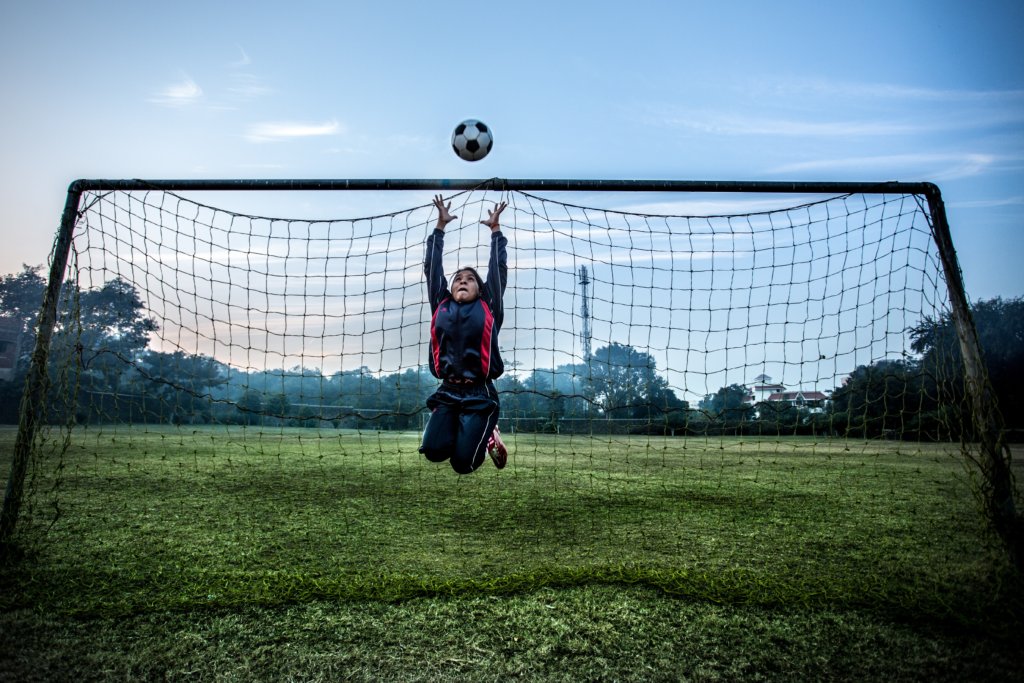
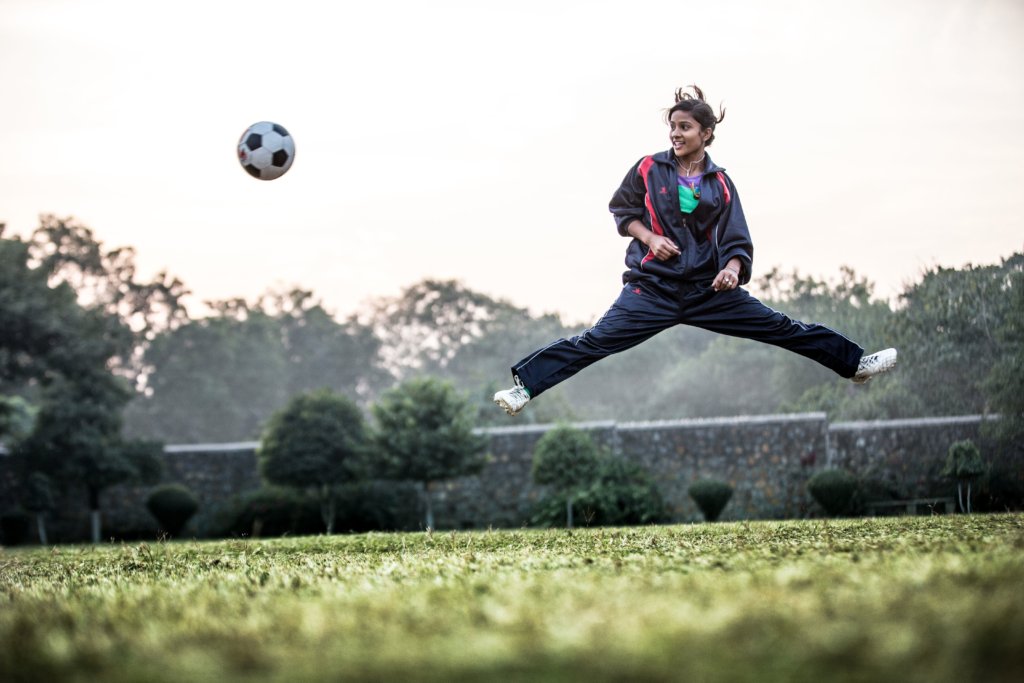
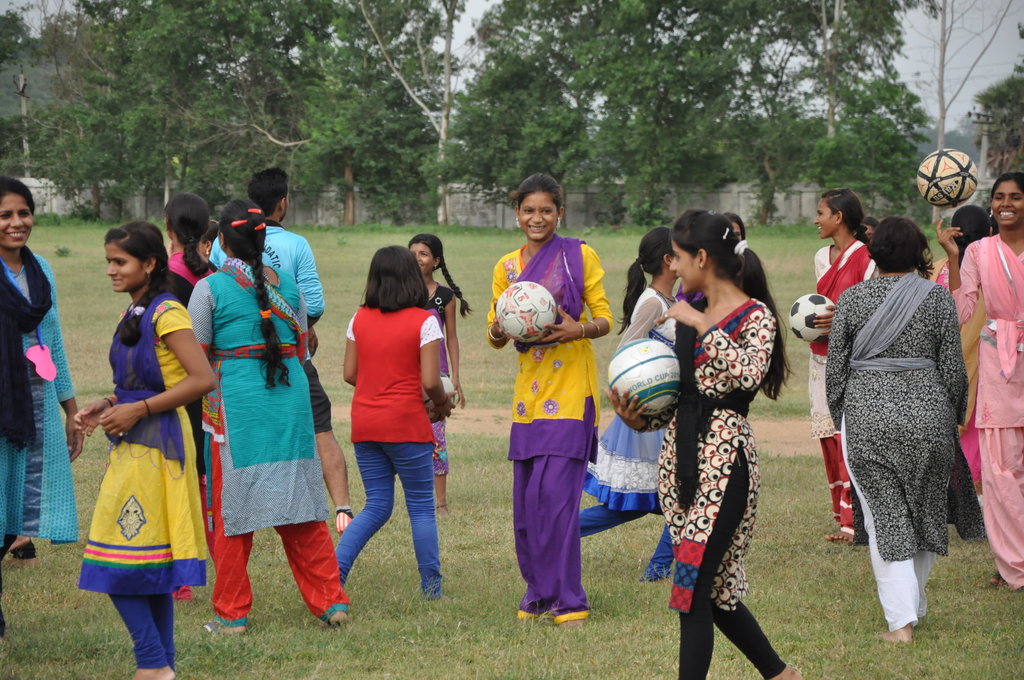
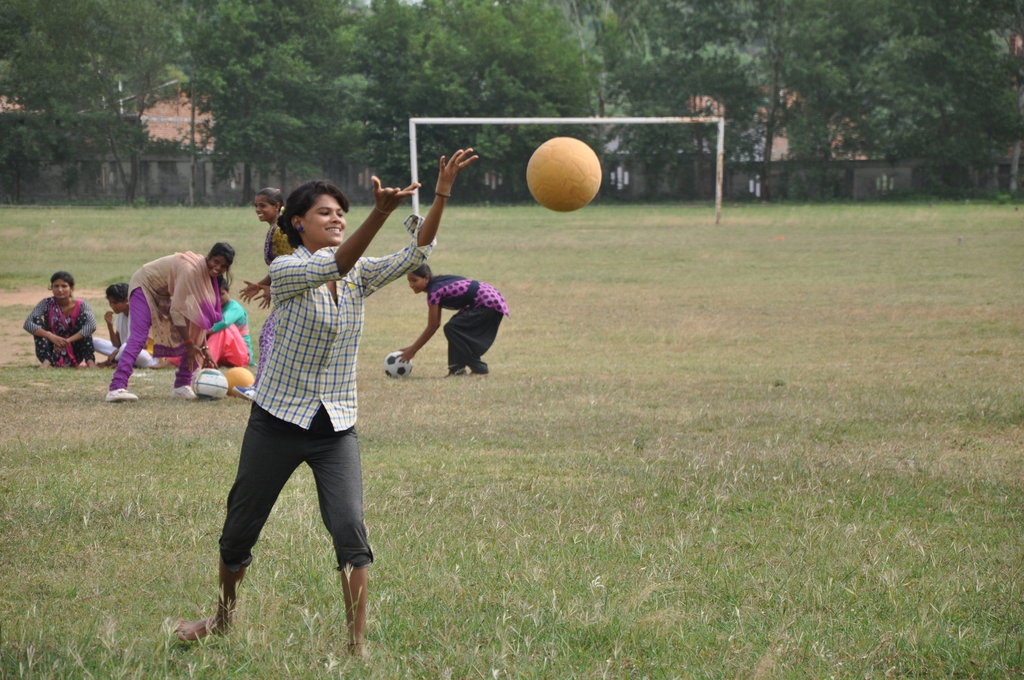
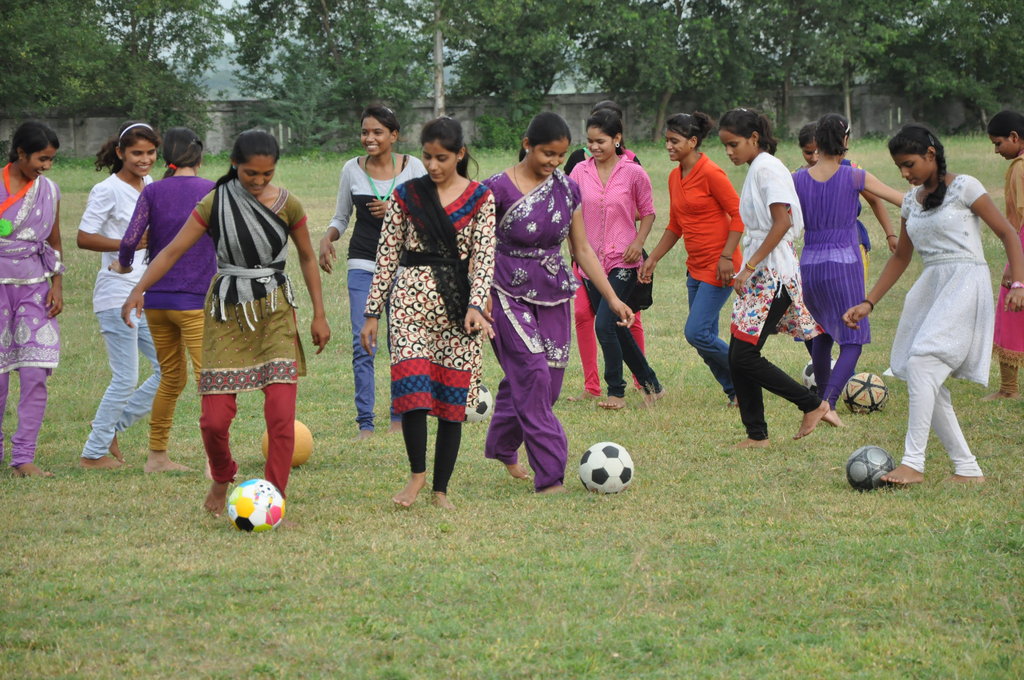
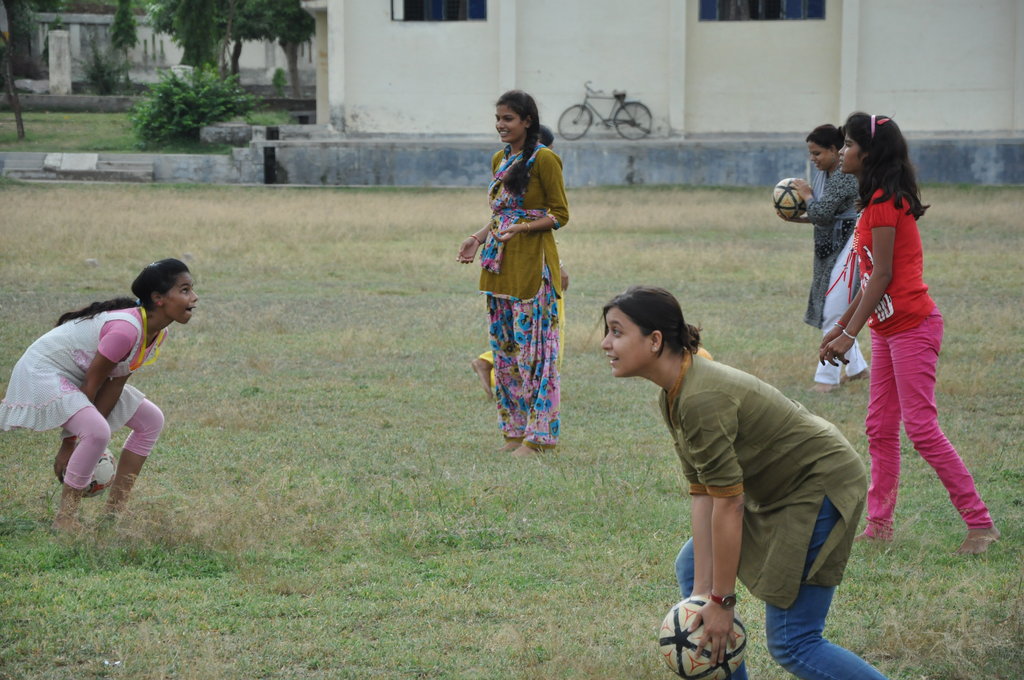
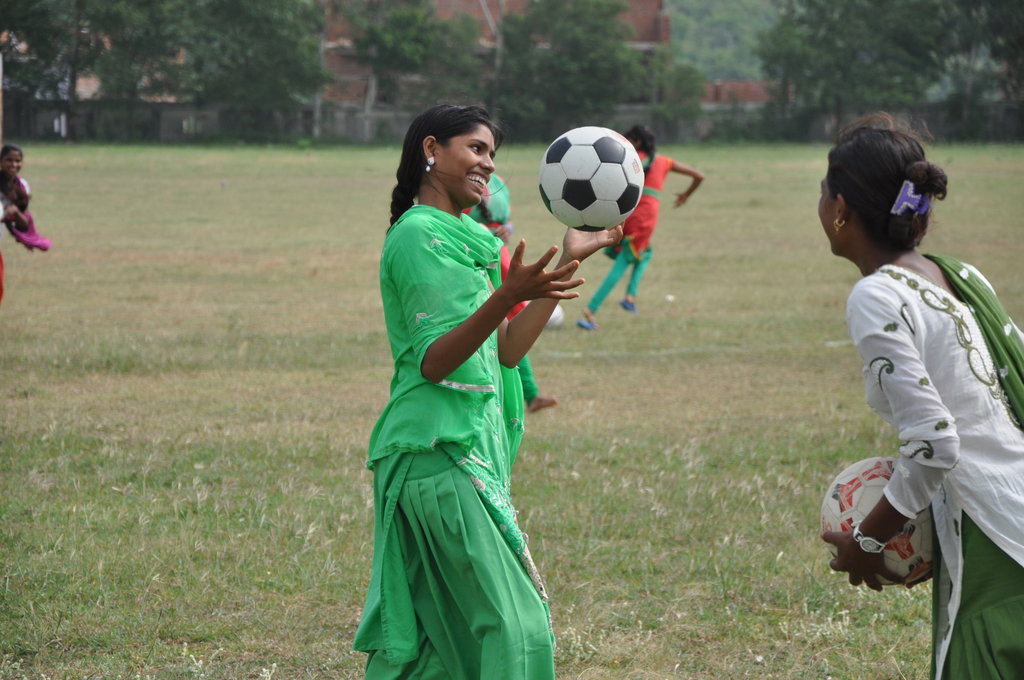
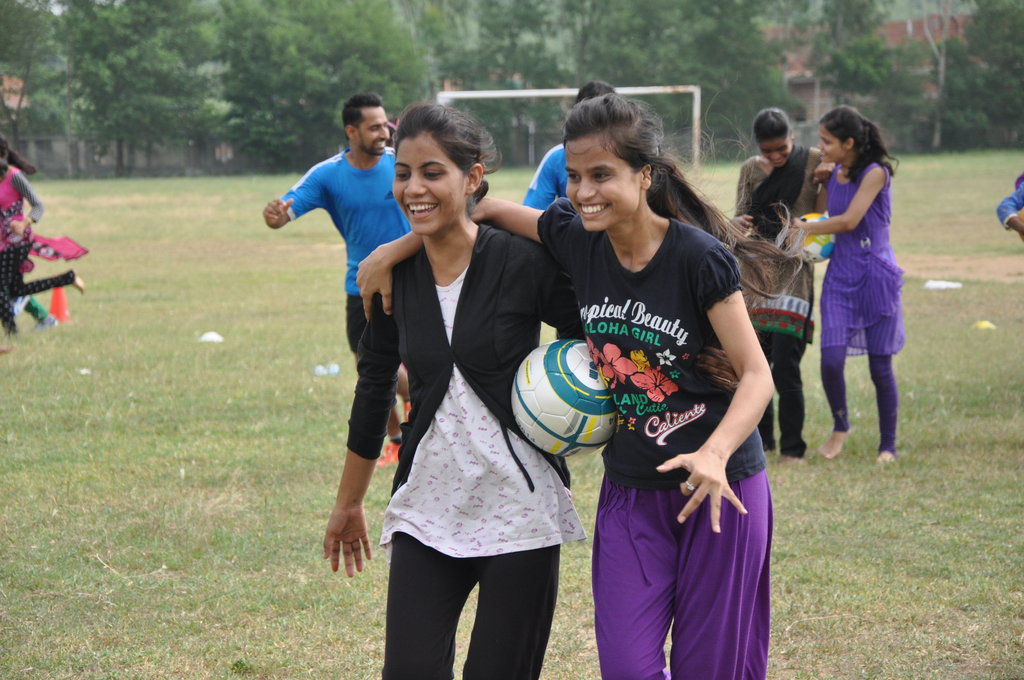
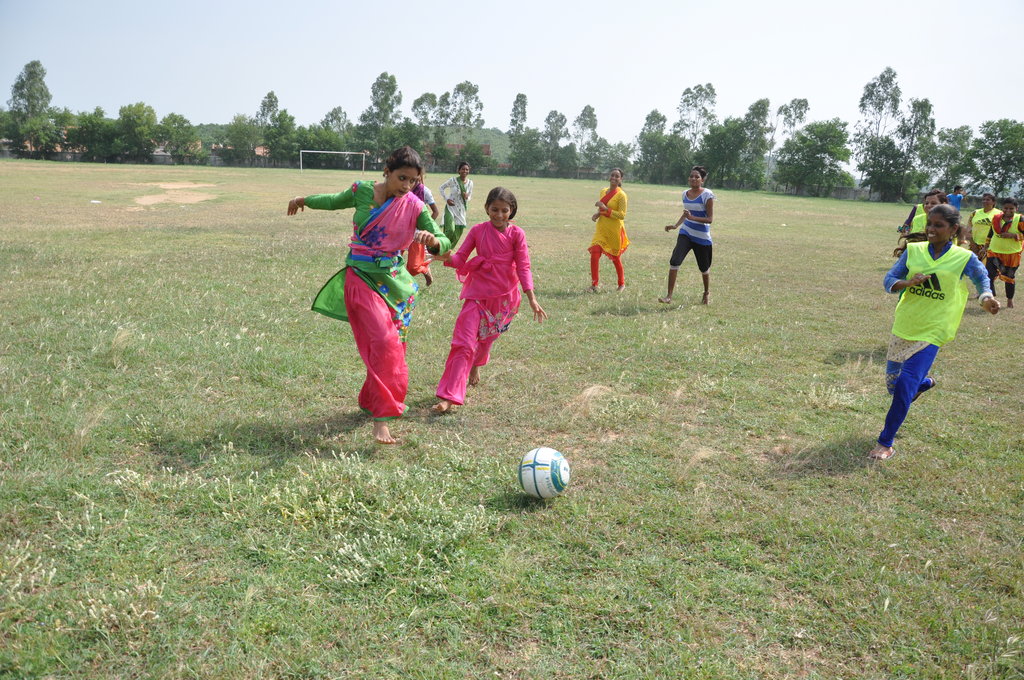
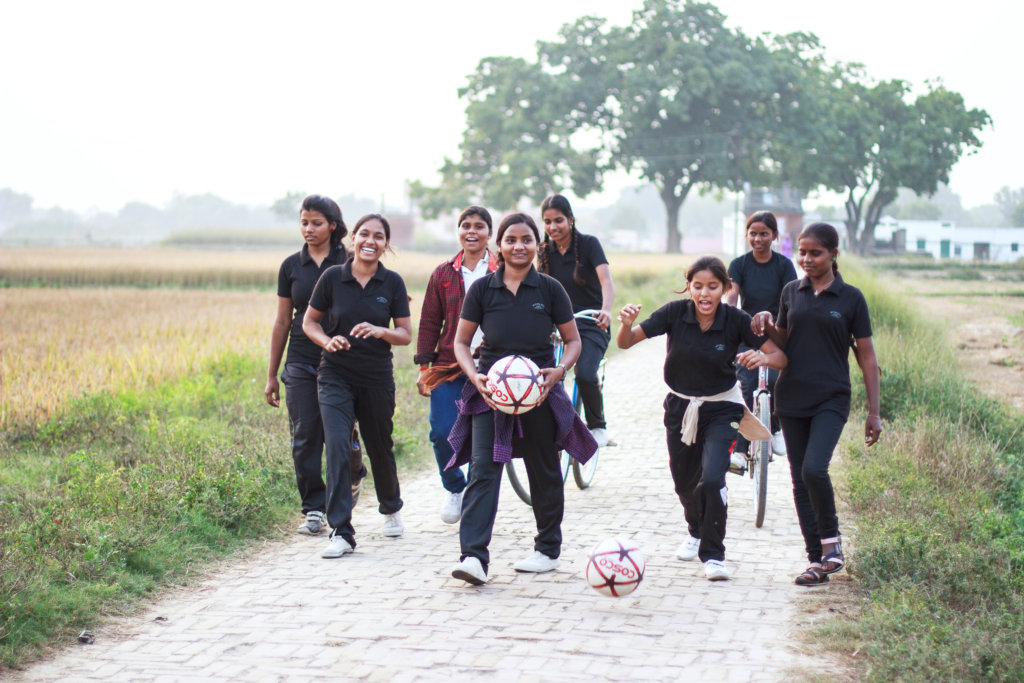
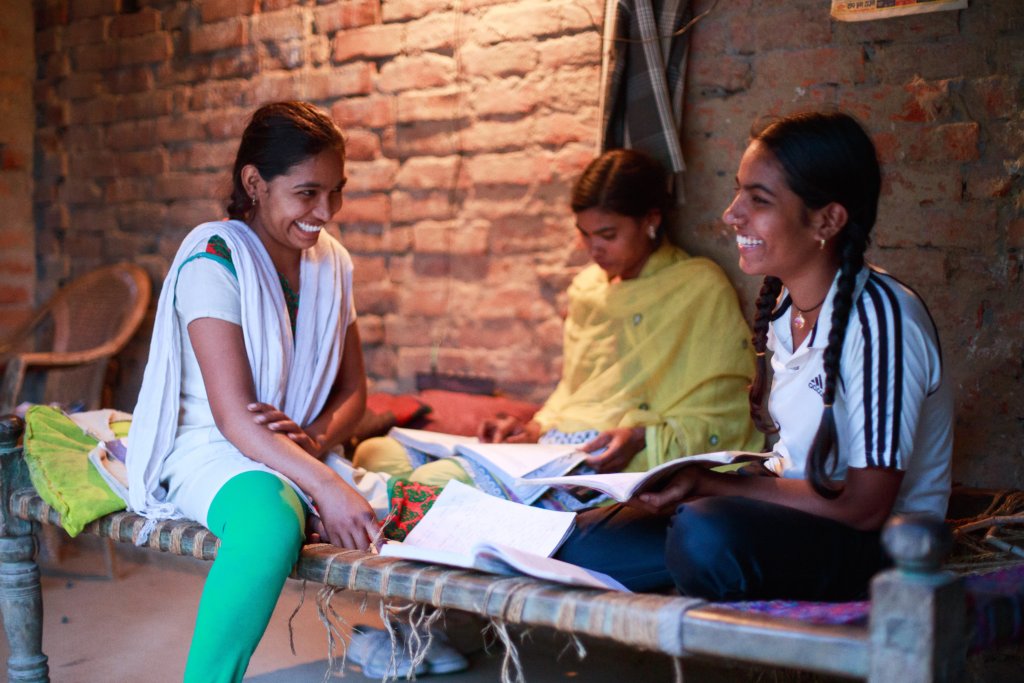
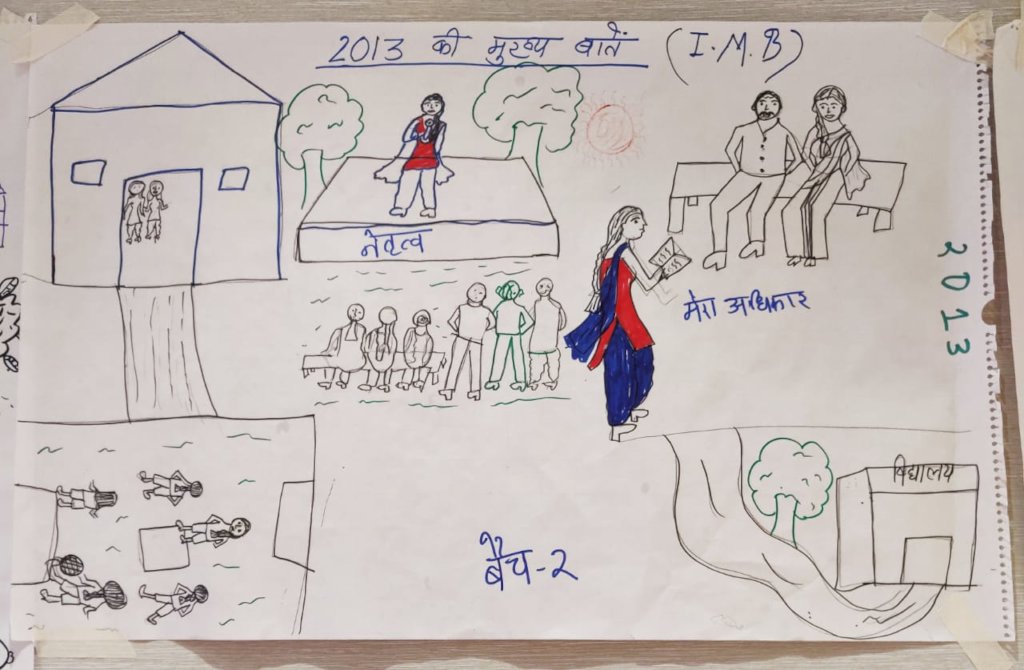
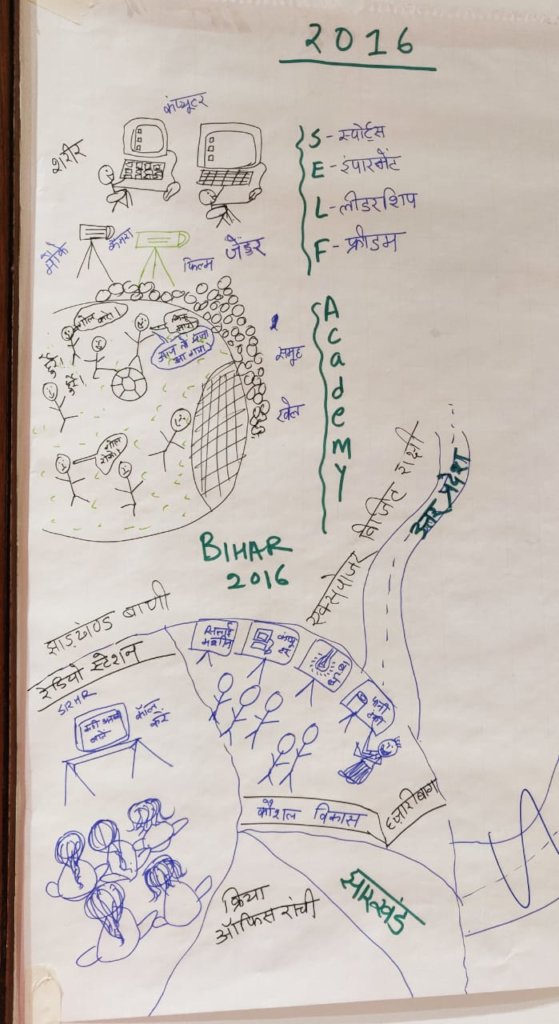
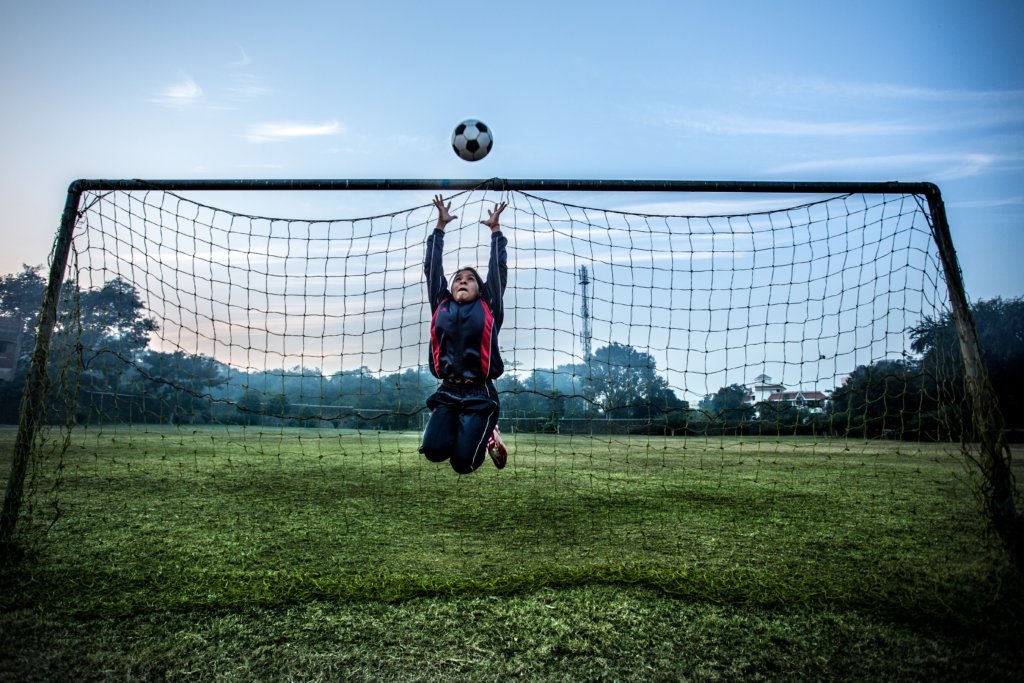
Reflecting and questioning these norms is one of the important aspects of CREA’s work with girls and young women. The ‘It’s My Body’ (IMB) program has been working in three states of Jharkhand, Bihar and Uttar Pradesh from almost a decade now. One of the most important social norms, which it aims to work to change with thegirls, is about the access to public spaces. The program tries to do this by working with the girls to realise their agency. The right to go out, occupy, and reclaim public spaces, enjoy freedom, feel comfortable & confident about themselves without any fear in these spaces. The program uses sports to do this and work closely with girls’ collectives to increase their visibility in spaces, which are considered as spaces, which belong to men. Sports, especially football acts not just as a means to access the common playgrounds and space but also to challenge norms around gender, body and sexuality.
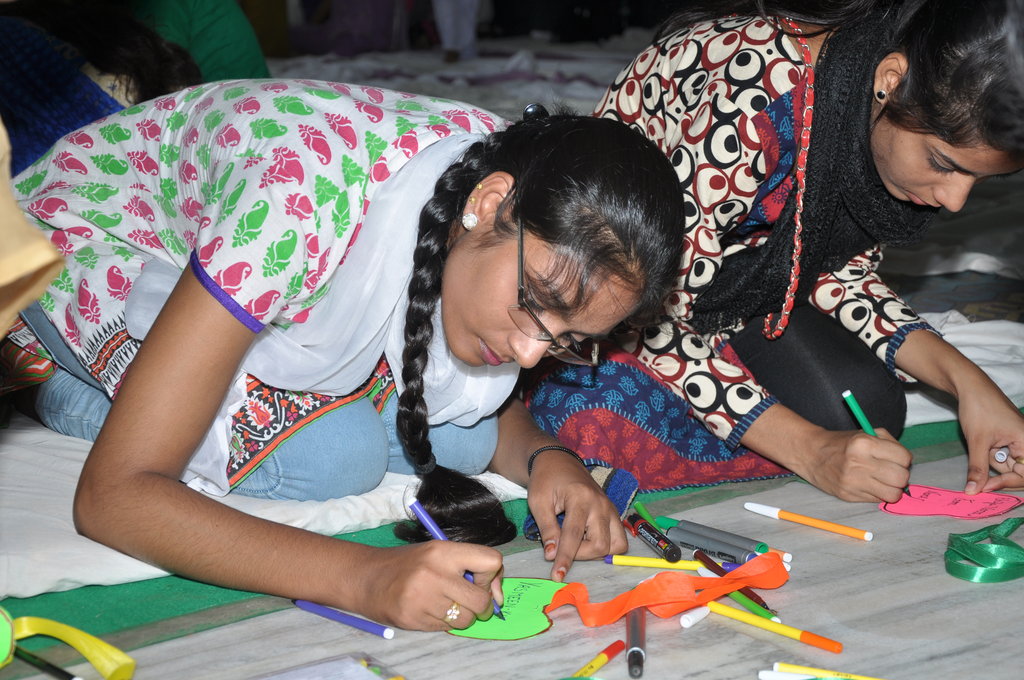
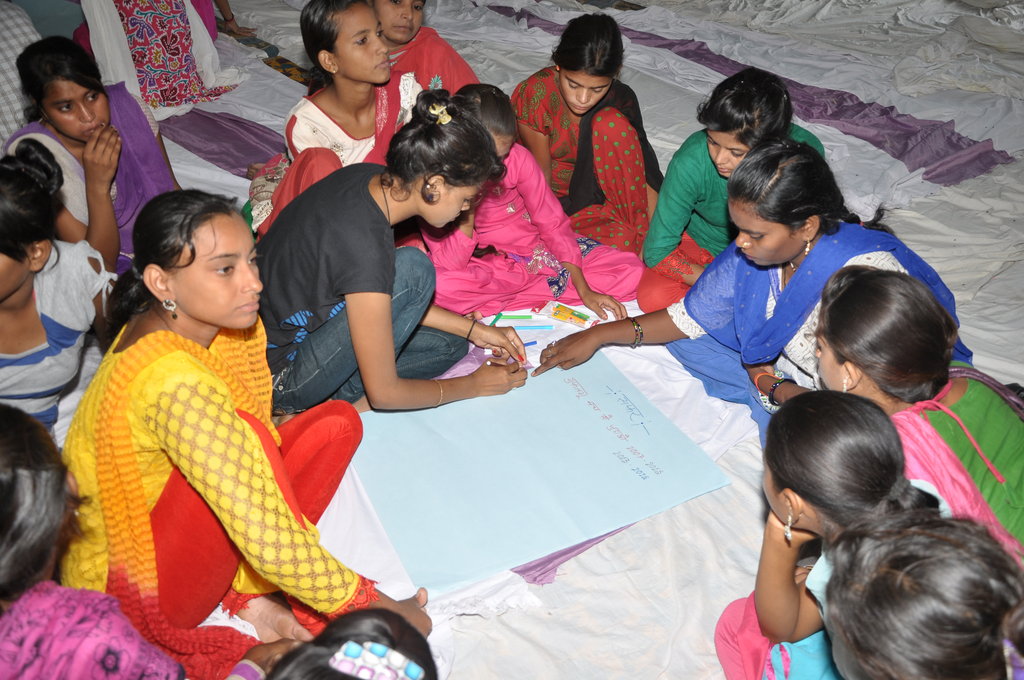
In April 2019, CREA and its partners started the new phase of the IMB program. Five community based partner organizations co-implement the IMB program across five districts of Jharkhand and Uttar Pradesh. To start the program in the community, CREA conducted the training of trainers (ToT) to do perspective building of the trainers to understand gender and sexuality with the intersection of caste, class, religion, disability. The aim was also to build an understanding of the politics and challenges of access to public spaces and services for people at the intersection of these multiple marginal identities especially in the changing socio-political situation of the country.
Critically analysing the idea of public spaces and exploring some of the spaces in a comparatively new city was one of the activities conducted as part of a 5- day long training of trainers organized in July 2019. The activity helped everyone to reflect on the discrimination and control women and girls experience when they break gender norms, go out and access public spaces and services. The trainers were divided into different groups to do different tasks; a group had to buy condoms. One group had to go to the government liquor shop to enquire about the prices of beers, one group was asked to spend some time at a paan shop (small roadside shops), and another group was asked to enjoy and sing romantic songs loudly at the Railway station. The experiences of doing this were both thrilling and uncomfortable for participants and helped them critically reflect on the issues connected to the access and control of women and girls to these spaces.
Groups of women going together and performing these tasks took people by surprise. People gave them those suspicious looks, some judged them and many did not respond to them when they asked for condoms, beer or a big paan (chewing leaf) or just sang loudly at the railway station. Almost all the participants said how they felt hesitant, conscious of the gaze in the beginning. Gradually, they collectively responded to the gaze by questioning them back or loudly talking to each other calling the people out. This also helped them to reflect on the public spaces as a space for controlling women and girls. One of the participants said –
“When we go out, loiter and enjoy in the public, they judge our characters. Women and girls are not given permission to enjoy in public. I ask why?”
“Girls or women enjoying in public is taken as provocative behavior. It is the people’s perspectives which translates to violence when we access and use public spaces”.
Later in the discussion, everyone wondered if they would be able to do these tasks in spaces where people knew them (like their villages)? Is it necessary to be anonymous in order to access public spaces as women?
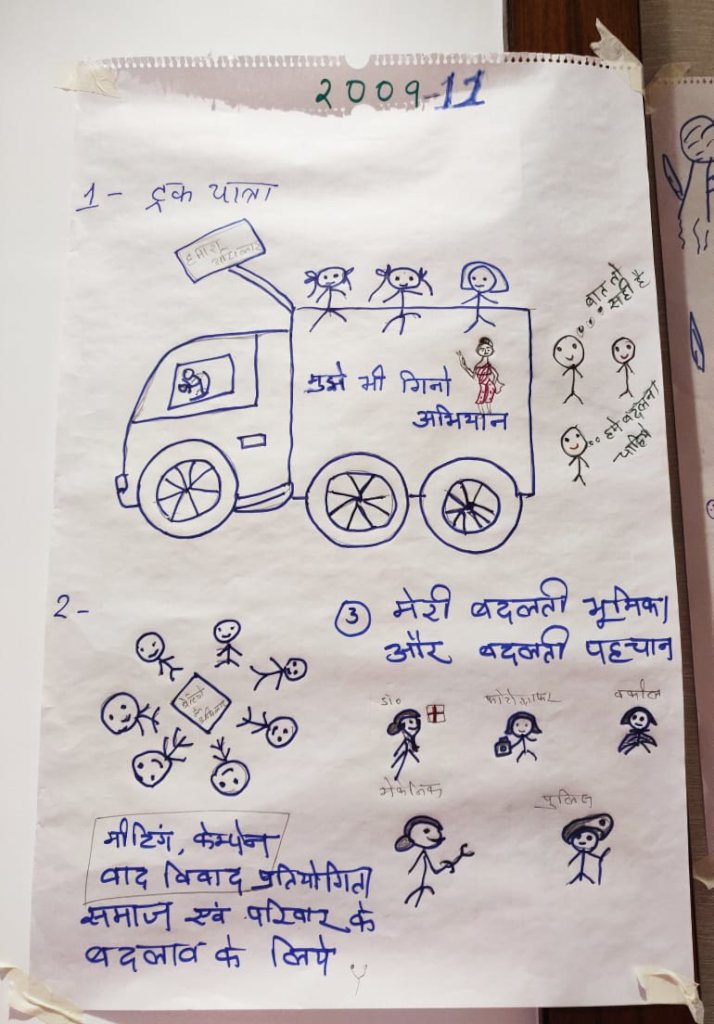
Adding to this discussion, a participant recalled her story from the time of CREA’s Count Me In! Campaign[2] in 2009 to 2012 in which a Truck yatra (travelling by a truck for campaign) was taken out. The participant was actively involved in yatra, she would organize and go to many villages and talk about gender based discrimination and violence of various forms. As the truck reached her village, she said she could not do the campaign there, as it was her marital home.
She said –
“This duppatta (Scarf) seems like a part of my body which I need to wear when I am in my village…especially when I was newly married to keep myself covered. Now, here in the ToT, it seems like a noose. The meanings and associations, and our idea of freedom keeps changing with changing times and spaces. I used to go for trainings to faraway places from my village but I could not gather the courage to drink tea at a tapri (little tea stall) outside my NGO office in my village. I would think what would my community and people at my marital home think?”
Through the program, we try to reflect together, introspect and question, making the personal political. For change to take place, it is important to change the ways of seeing the world around us, to unlearn and relearn. CREA with its partners engages in this exhaustive process of social change through change in changing perspectives. Many such stories and narratives come up through the program as the girls realize that it is not just about them being able to access public spaces. It is to understand the larger politics of control of a woman’s sexuality to keep social structures like patriarchy and caste alive through various socio cultural norms. To question and challenge these deep-rooted structures is not easy at all, but to see the perspectives changing gives hope that the change is happening motivating all of us to keep working and not give up.
[1]Lok Prerna Kendra, Hazaribagh and Chatra; Mahila Mukti Sansthan , Hazaribagh; Yuva, Jamshedpur in Jharkhand
Mahila Swarozgaar Samiti, Varanasi; Sakar, Bareilly in Uttar Pradesh
[2] https://www.youtube.com/watch?v=M517ZwngoTg
Project reports on GlobalGiving are posted directly to globalgiving.org by Project Leaders as they are completed, generally every 3-4 months. To protect the integrity of these documents, GlobalGiving does not alter them; therefore you may find some language or formatting issues.
If you donate to this project or have donated to this project, you can receive an email when this project posts a report. You can also subscribe for reports without donating.