By Anuradha Chatterji | Director, Resource Development
It’s My Body: Advancing Sexual and Reproductive Health and Rights of Adolescent Girls through Sports
A community-based program led by CREA and co-implemented with 12 partner CBOs in Bihar, Jharkhand and Uttar Pradesh.
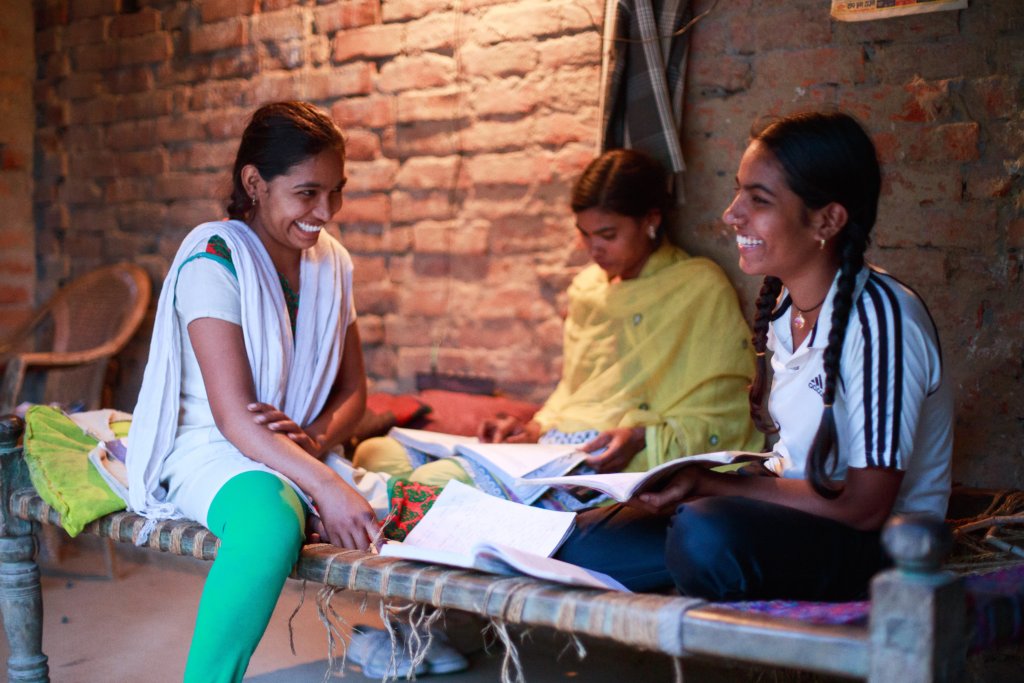
“IMB sessions helped me see and understand and question discriminatory practices that were part of my family and my life, which were quite normal for my parents and even for me before joining IMB. My parents would allow my brother to continue school but for me the plan was to find a groom and marry me off. I did not want to get married so soon, so I protested. I realised that it is important to speak to my parents and make them understand why I don’t want to get married now and study instead. I had many discussions with them to share the reasons for not getting married, continuing and completing my education and getting a job. I gave examples of other girls from my village as well as other villages who after completing education were working. It was not easy to convince then but after regular discussion with my parents they finally agreed. This courage and confidence to speak up has come after I joined IMB sessions.” - IMB participant from Jharkhand.
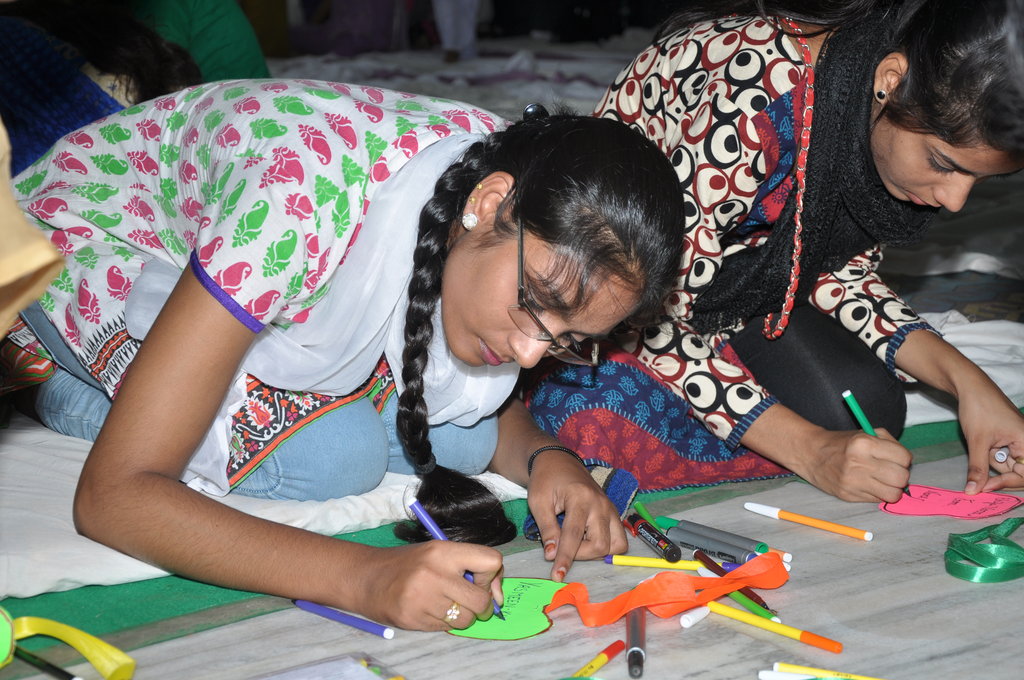
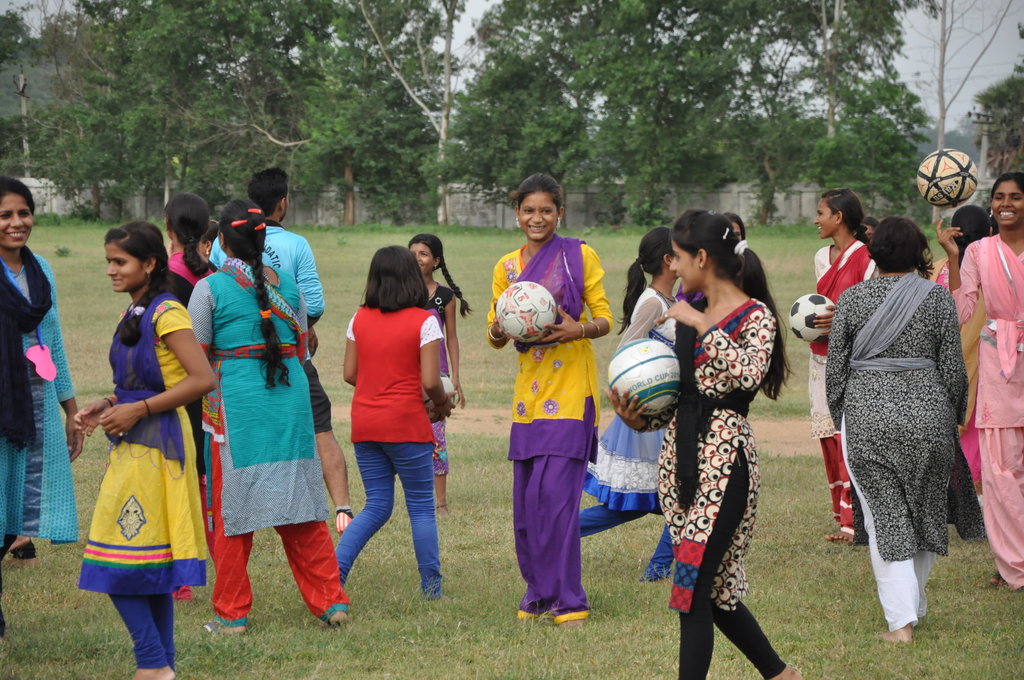
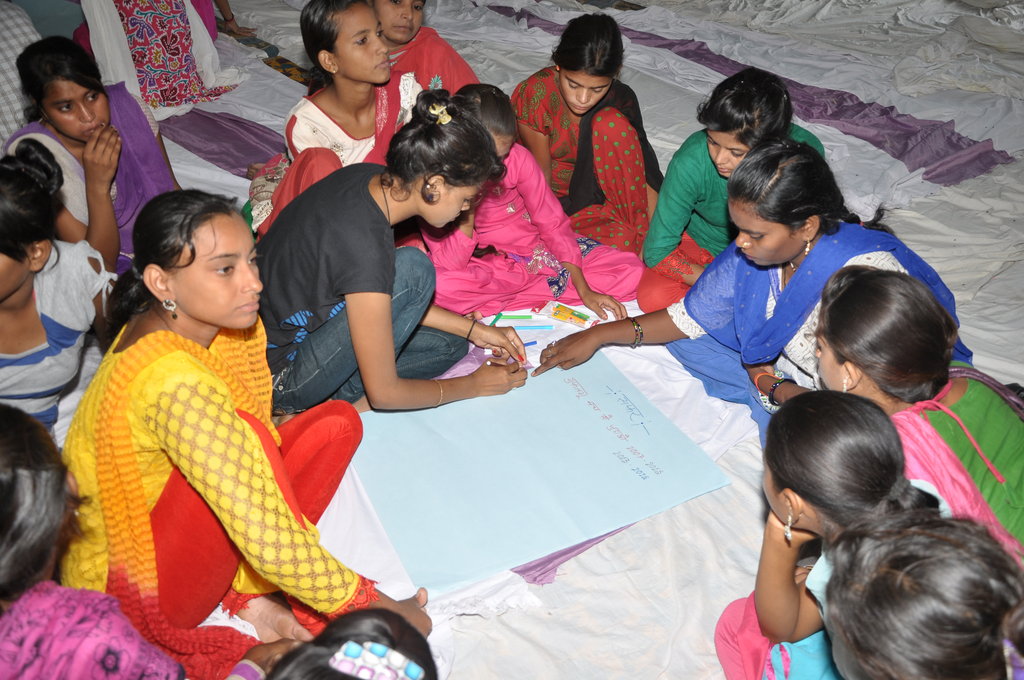
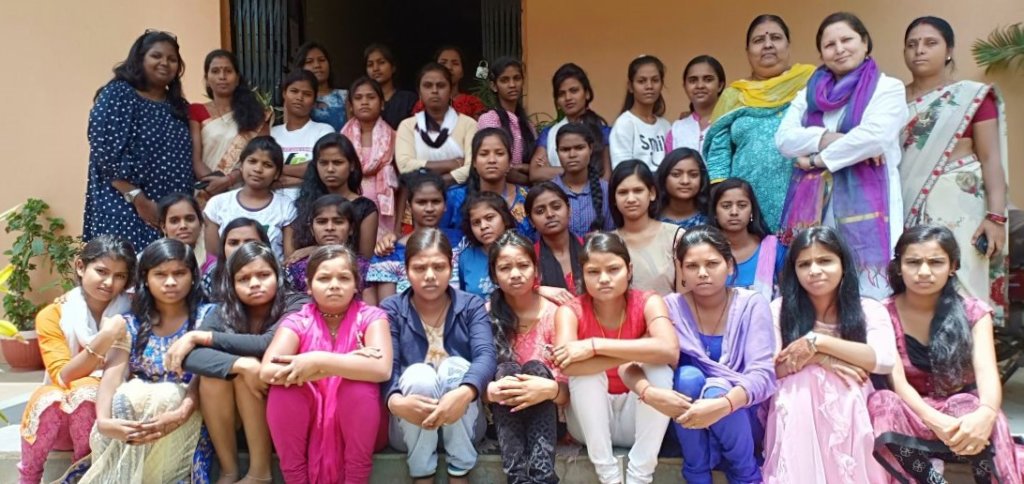
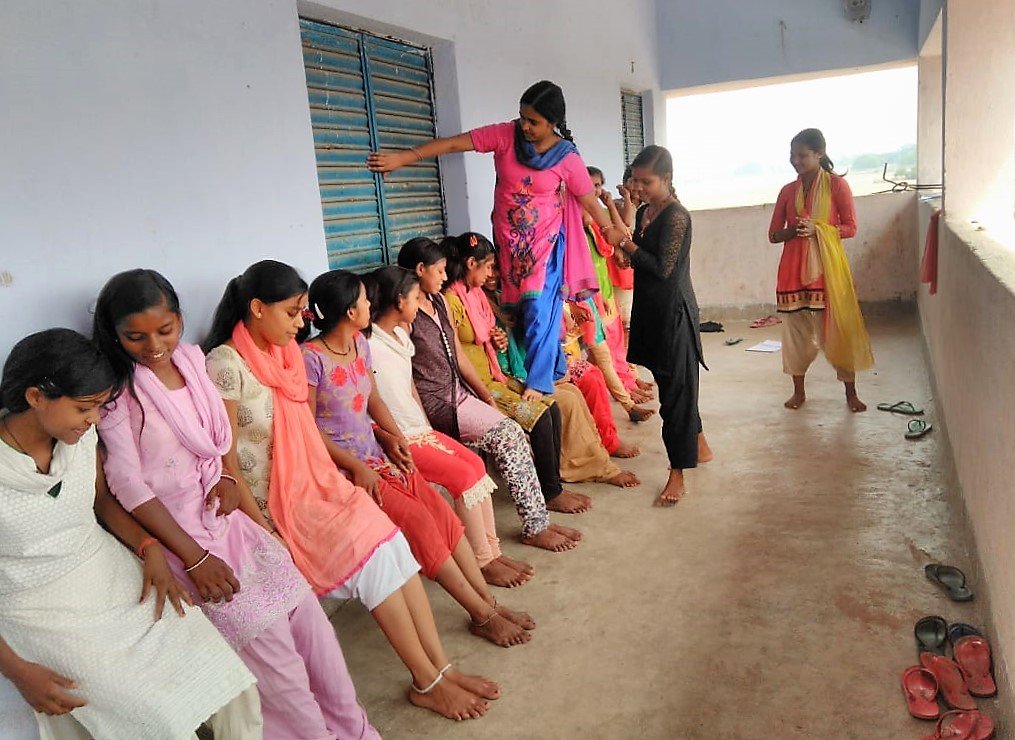
In this quarter, CREA conducted 2 leadership camps for 60 girls between the ages of 15-17 years from Jharkhand and Bihar. The most important strategy used in this camp was the inclusion of skills, which would directly build leadership in the girls, and would prepare them to take initiatives in their lives and communities, like perspective building on concepts of leadership, collective leadership and skills building for effective communication, identifying issues, problem solving, planning and action. Residential camps provide girls a safe space to reflect and discuss issues related to gender, discrimination, mobility, sexuality, and to share personal experiences from their life.
The girls come from very traditional and conservative contexts where norms of sexuality and gender are very deep rooted and strict, so much so that activities like a simple welcome ritual for them to the camps was special for the girls. They shared that for the first time they felt respected.
“The way we were welcomed, nobody has ever done it before. I felt that for the first time we were getting respect from others. We have been always asked to respect others even if we did not get the same respect back. Also, nobody has asked about our dreams before.” – A participant from Bihar.
Their participation in the rest of the activities at the camp was excellent. They took a lot of interest in different activities conducted for perspective building, so that they not only reflect on their own lives, but also get a broader understanding of their communities and contexts. They had very rich discussions around collective leadership, women leaders, need for team building and team work, gender and sexuality and social norms etc. The concepts of leader and leadership were understood from a gender lens. It was stark that none of them selected a female leader as their favourite during one of the activities. They shared during the discussion that they either didn’t know about them or even if they knew names, they were not aware of the work they have done. They realised that there should be more discussion about women and girl leaders as there are many of them at village, community, districts, national and international levels.
Leading to this discussion was the session on “learning from the leaders”. Young leaders from IZAD a woman led organisation in Bihar, which is working with women, girls and children from Dalit and Minority communities on education, skill building and empowerment, interacted with the participants to share their personal journeys of learning. These community leaders, who were from Muslim communities, shared that they were not even allowed to go to school, and that only after joining the organisation did they get the chance to learn at a later age. Their stories were inspiring and motivated the girls.
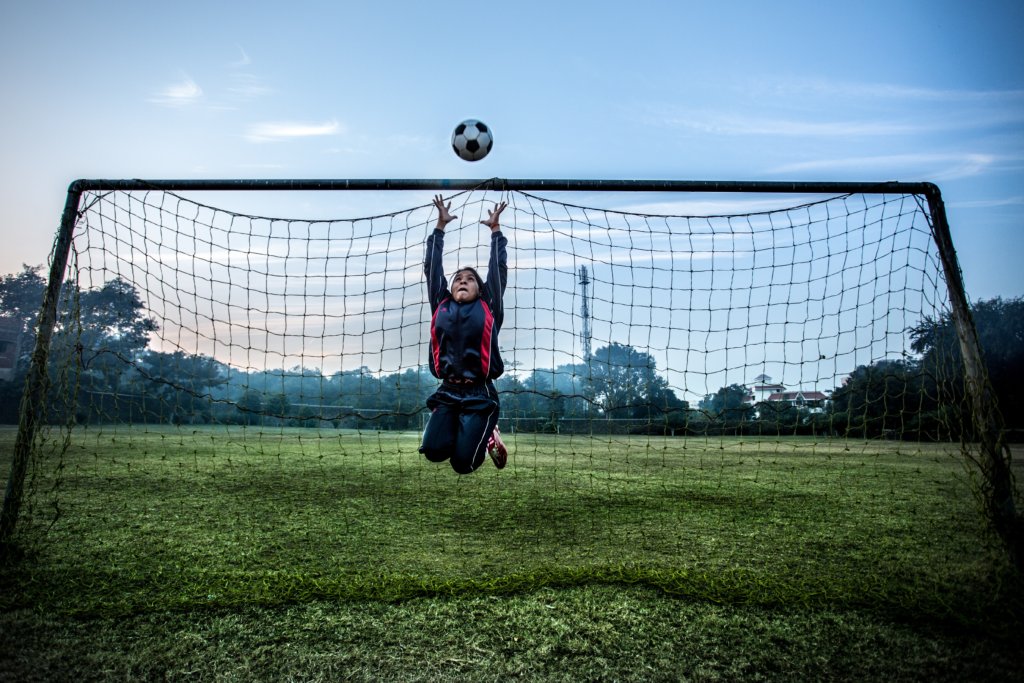
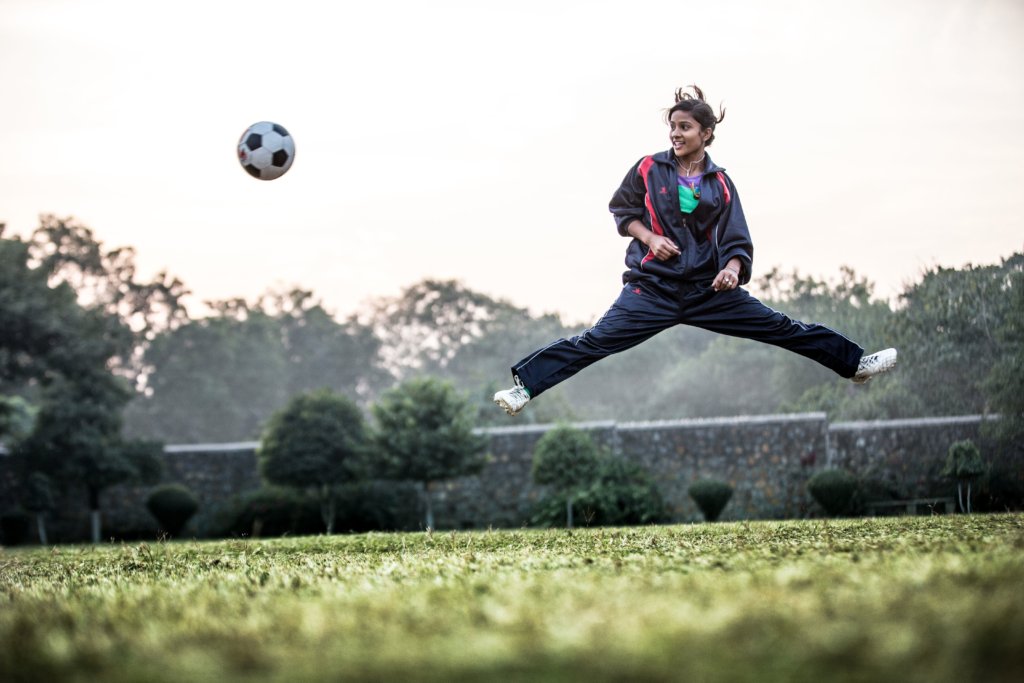
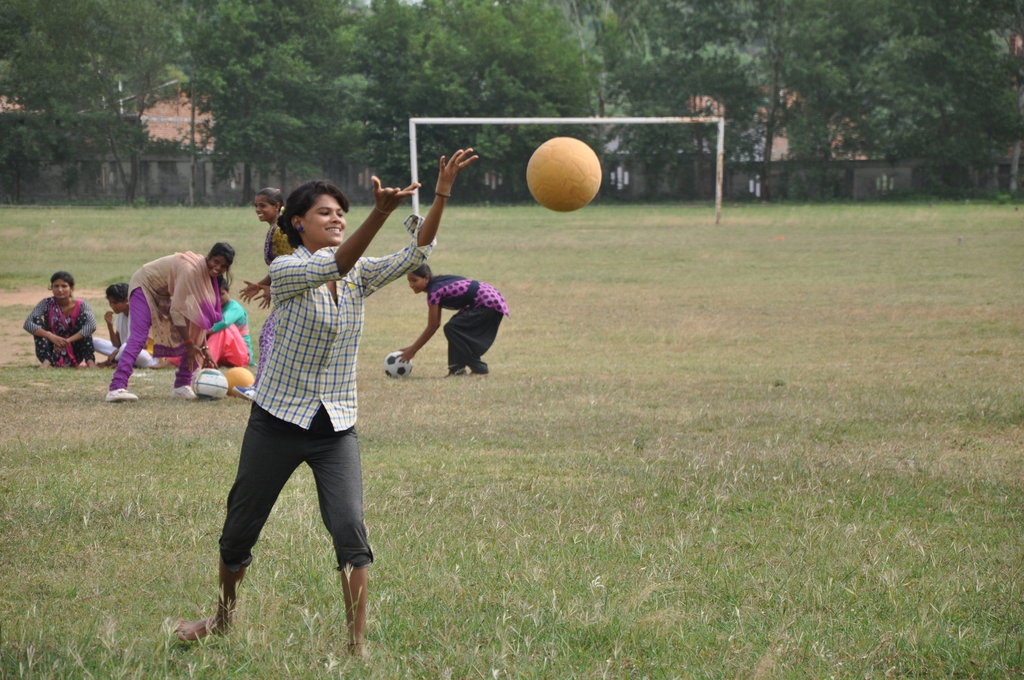
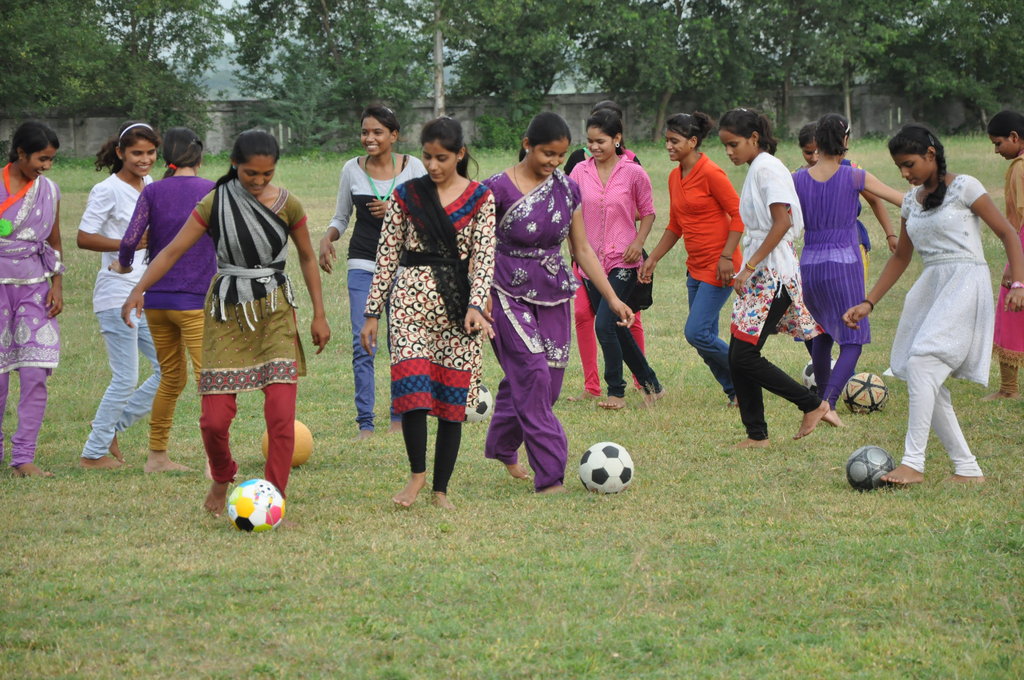
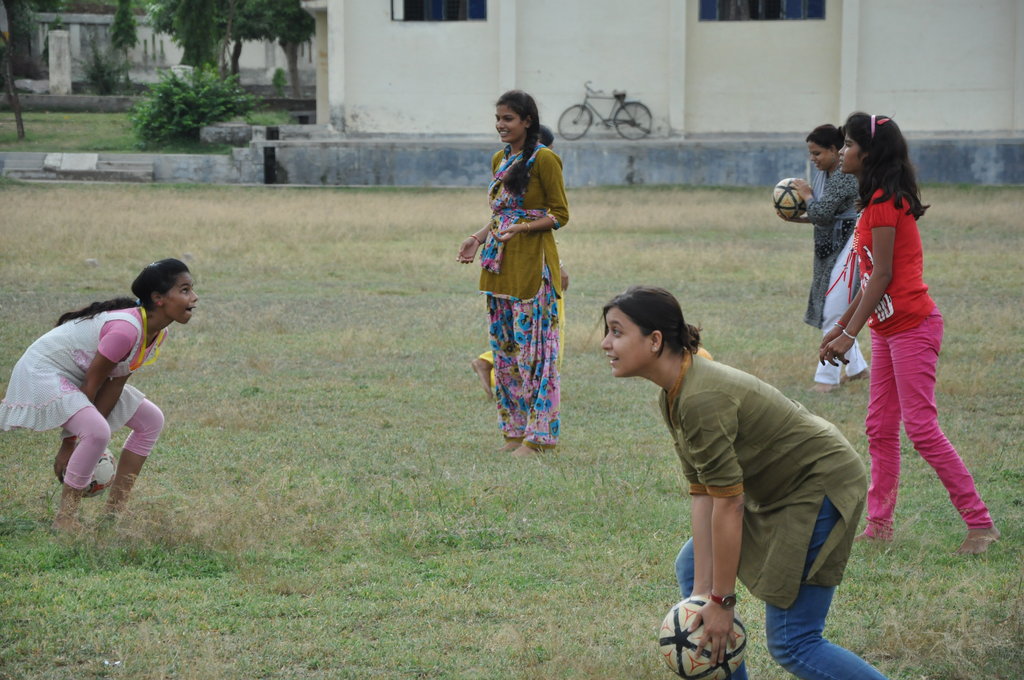
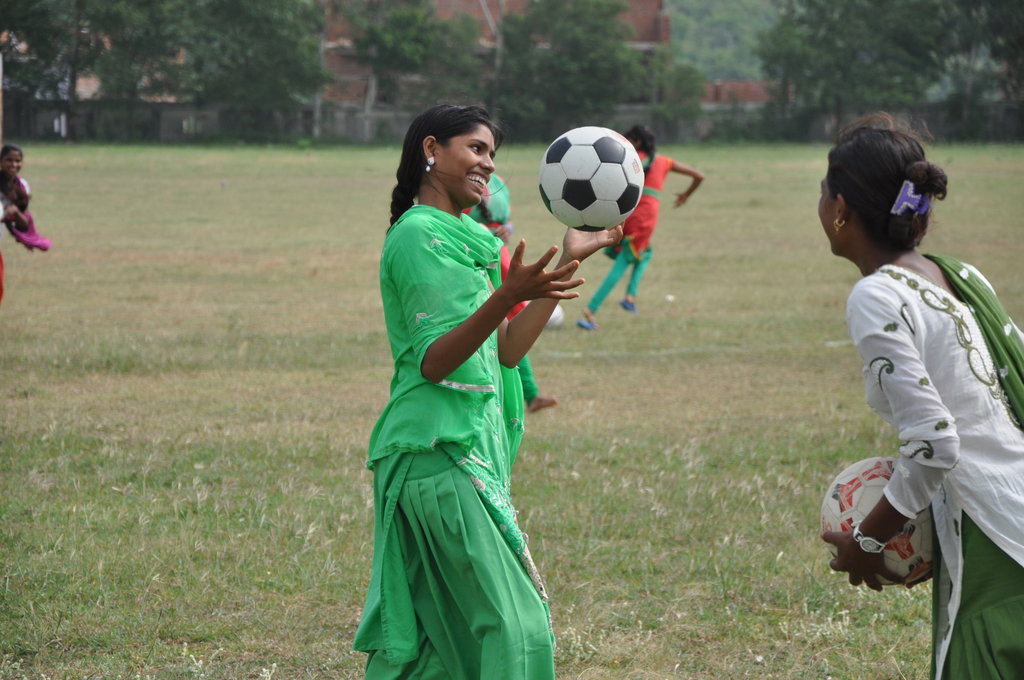
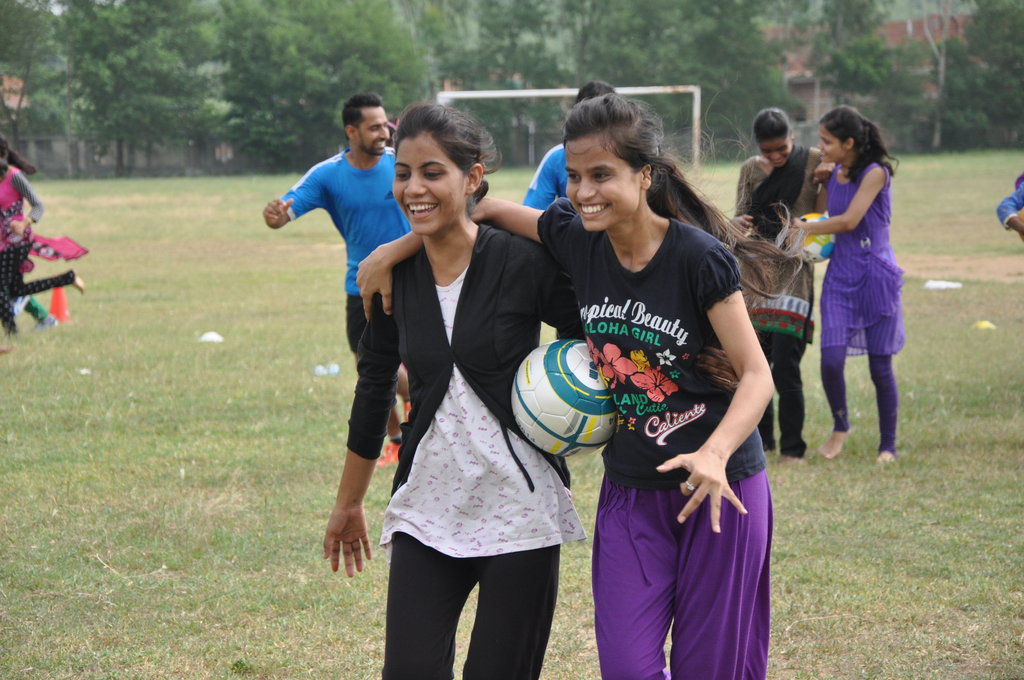
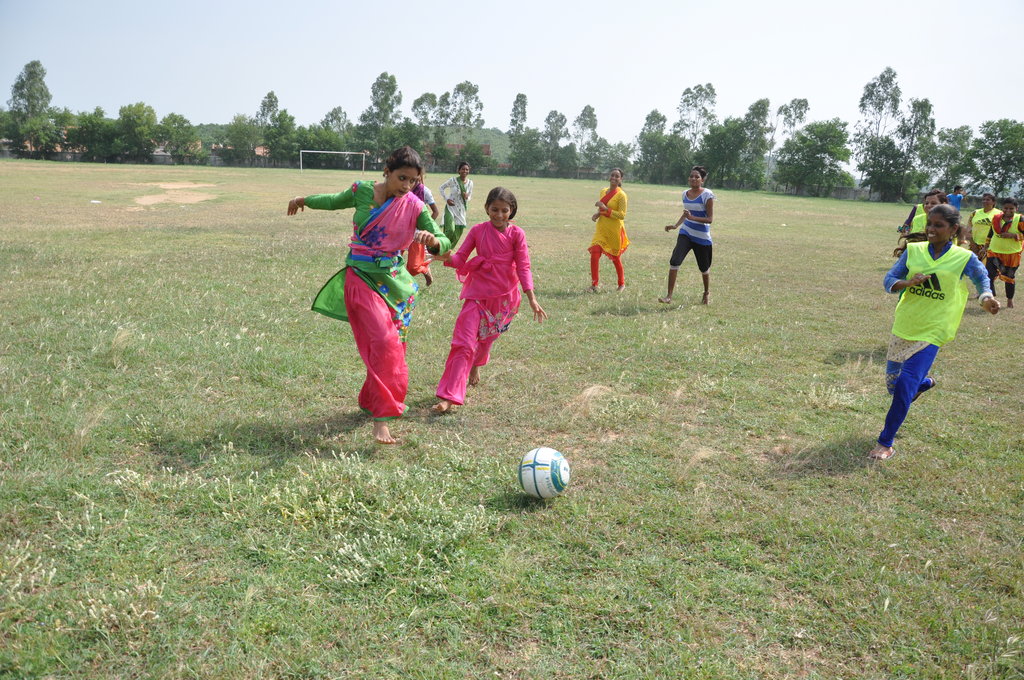
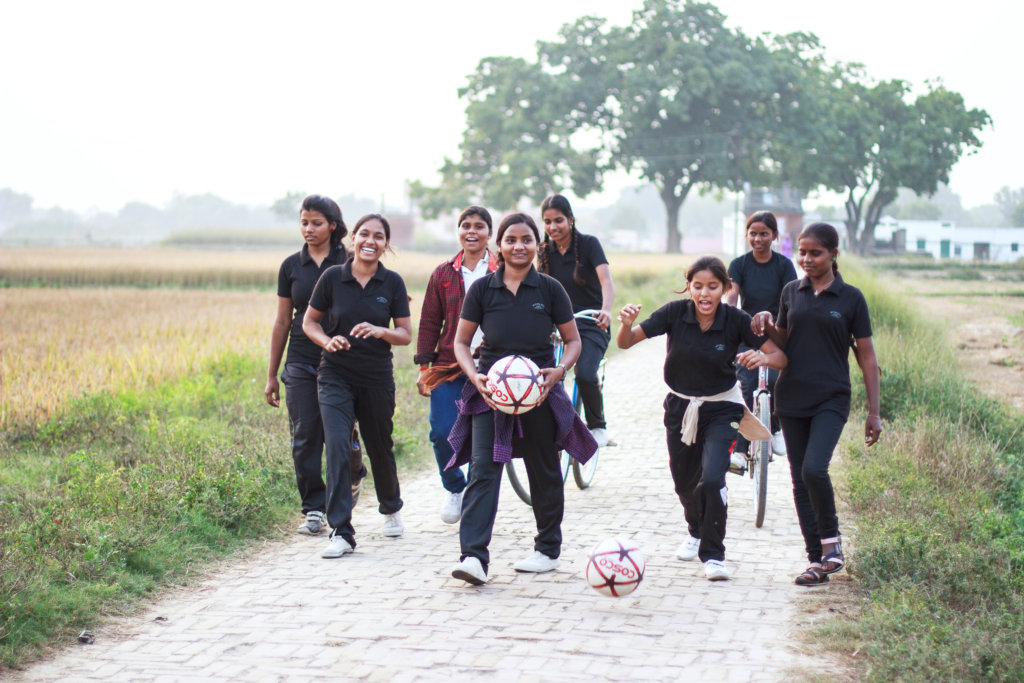
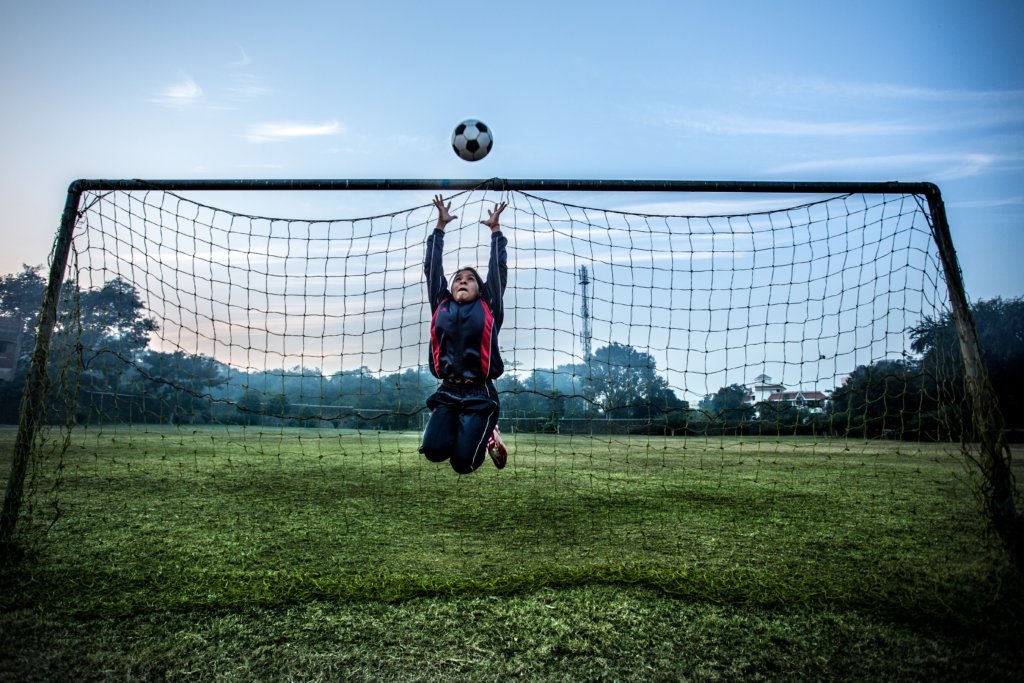
In the process of learning all participants worked on conceptualizing and developing small community based ‘action’ projects to go back with and work in their communities during the period of next 6 months. Girls planned that they will be building their skills of playing football by meeting them regularly. This will provide them a platform to talk about gender discrimination and rights of girls.
The camp was successful in enhancing self-confidence, understanding and skills of girls for taking on new leadership roles in their communities.
Project reports on GlobalGiving are posted directly to globalgiving.org by Project Leaders as they are completed, generally every 3-4 months. To protect the integrity of these documents, GlobalGiving does not alter them; therefore you may find some language or formatting issues.
If you donate to this project or have donated to this project, you can receive an email when this project posts a report. You can also subscribe for reports without donating.