Project Report
| Jul 8, 2021
Capacity Development to Counteract Disasters
By Md. Shanewas Hossain | Project Contributor
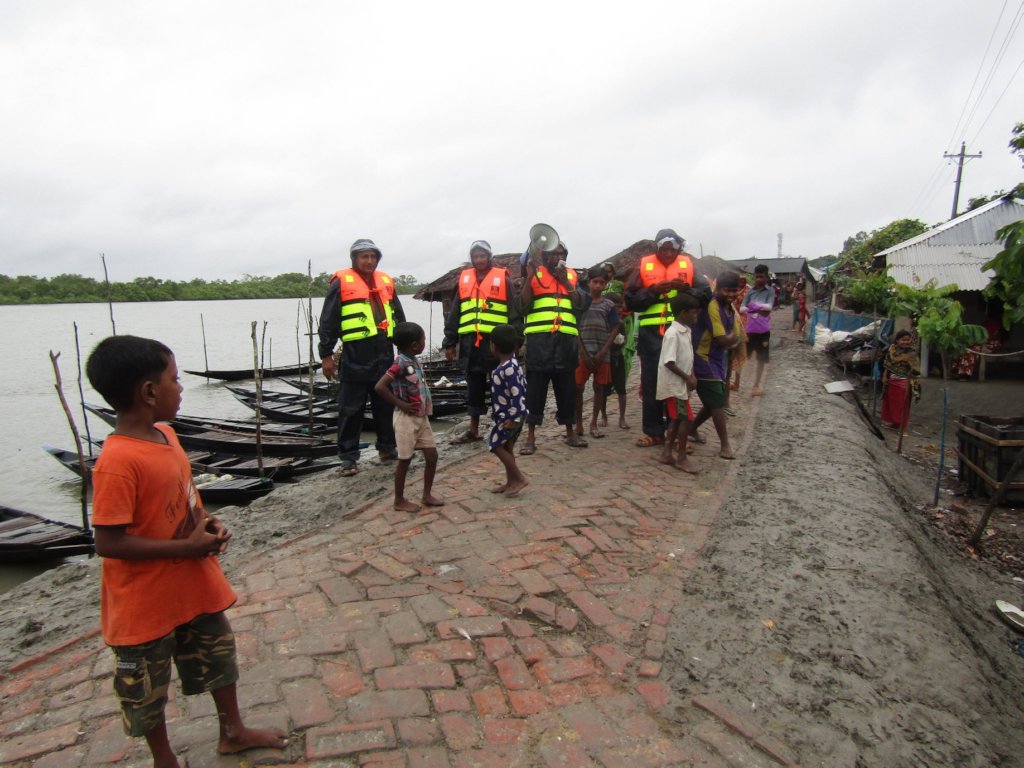
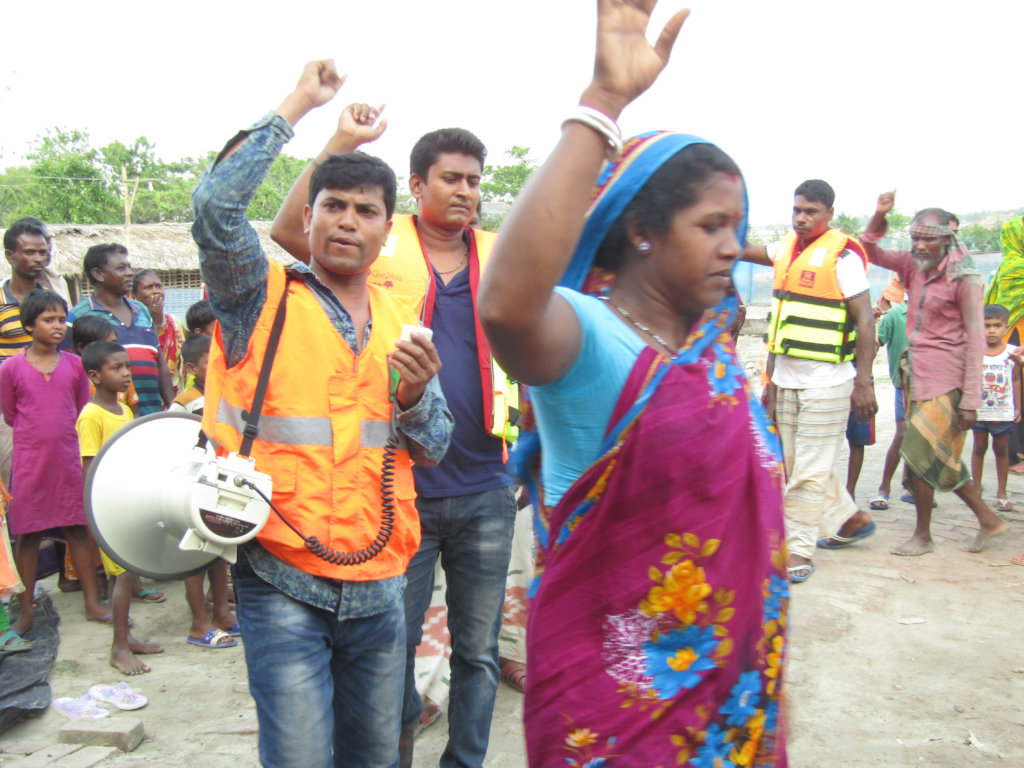
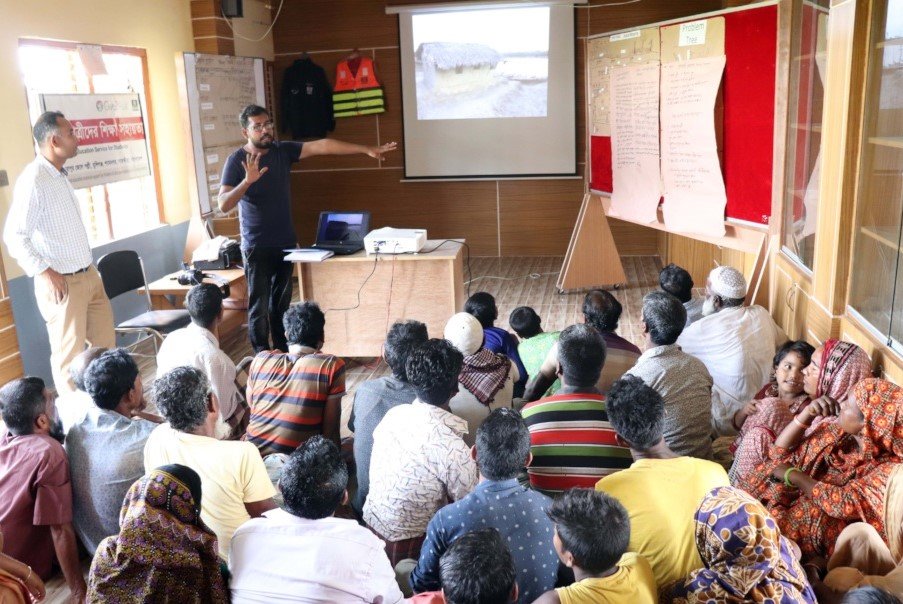
![Training on disaster preparedness]()
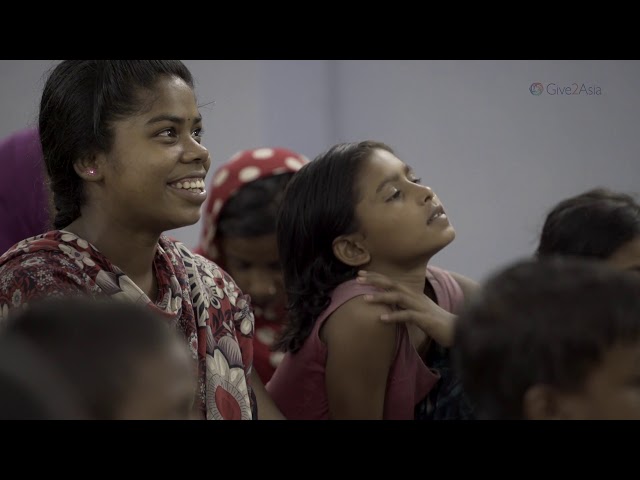
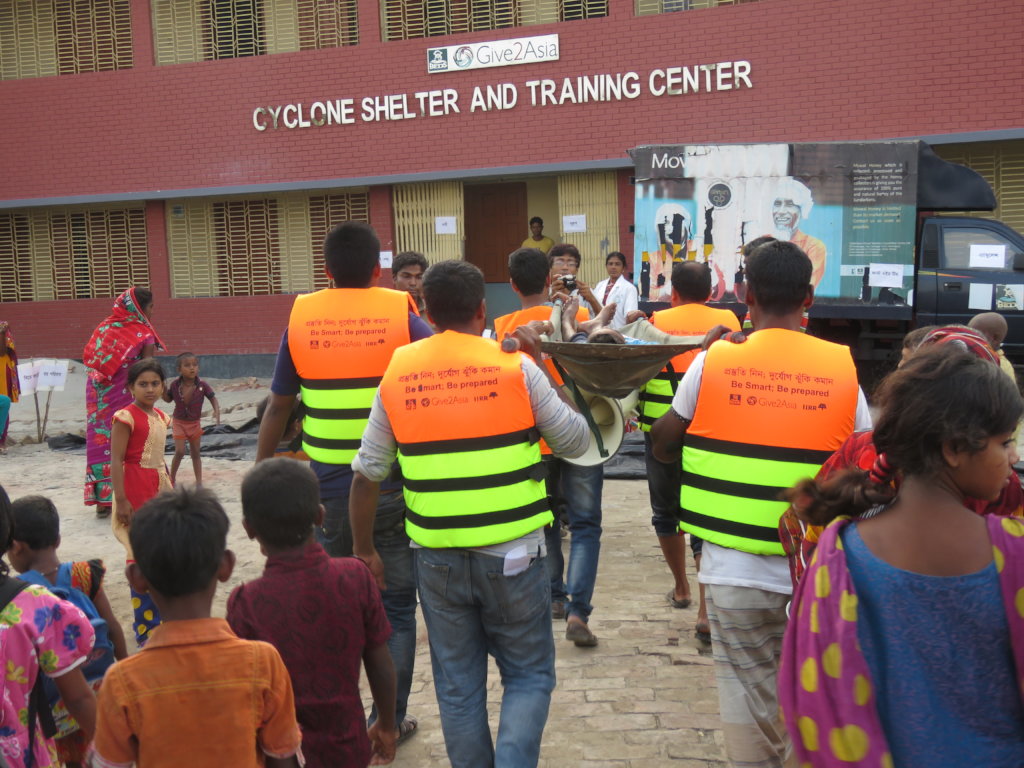
Training on disaster preparedness
Bangladesh is one of the most vulnerable countries to climate change, as well as one of the most disaster-prone countries. This is said that “A person living in the region is 4 times riskier than those in Africa and 25 times than in Europe or North America”. The Sundarbans (the world’s single largest mangrove forest and UNESCO World Heritage Site) is situated in a region prone to a high incidence of cyclonic storms. Over the past two centuries the coastal areas and offshore islands of Bangladesh, to which the majority of the Sundarbans belong, have been affected by more than 35 severe cyclones and storm surges.
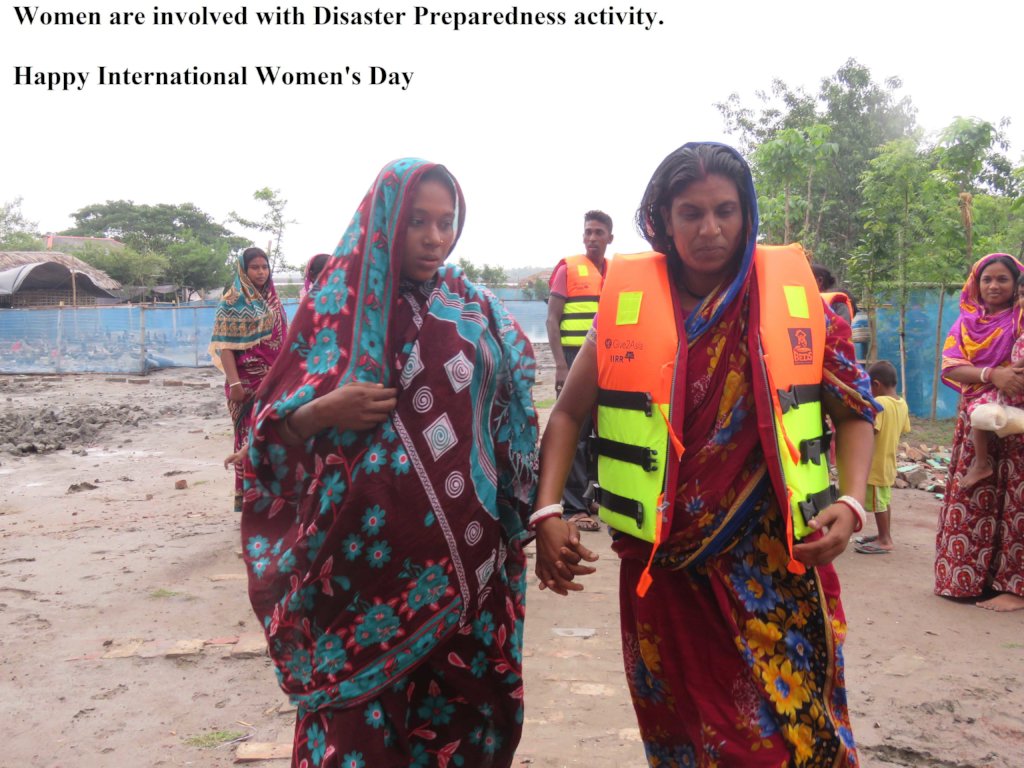
In response to climate change and frequent catastrophic events BEDS together with Village Disaster Management Committee (VDMC) members are working to strengthen the capacity of local coastal villagers who are more susceptible to damage due to cyclones. They are teaching them pre-during and post-disaster preparedness so that the villagers can mitigate the loss due to natural disasters. We are extremely grateful to our donors for their continuous support.
We would like to request all our donors to start monthly recurring donations for our project. We are requesting all our donors to start monthly recurring donations. Please click the following link;
https://www.globalgiving.org/projects/climate-change-disaster-risk-reduction-bangladesh?show=recurring
![Share on Twitter]()
![Share on Facebook]()
Jul 1, 2021
Training people to make climate-adaptive house
By Md. Shanewas Hossain | Project Contributor
![Training people to make climate-adaptive house]()
Training people to make climate-adaptive house
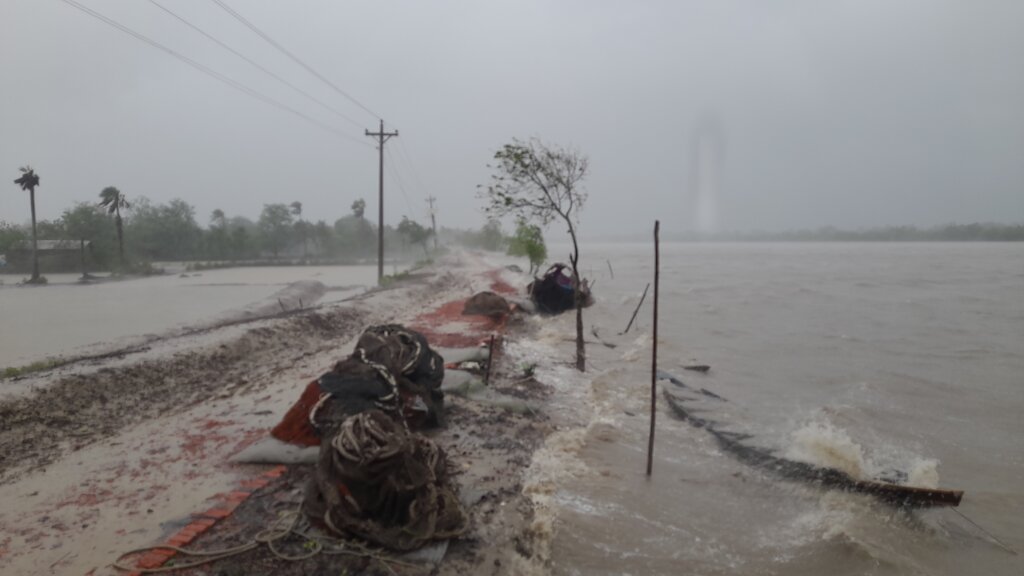
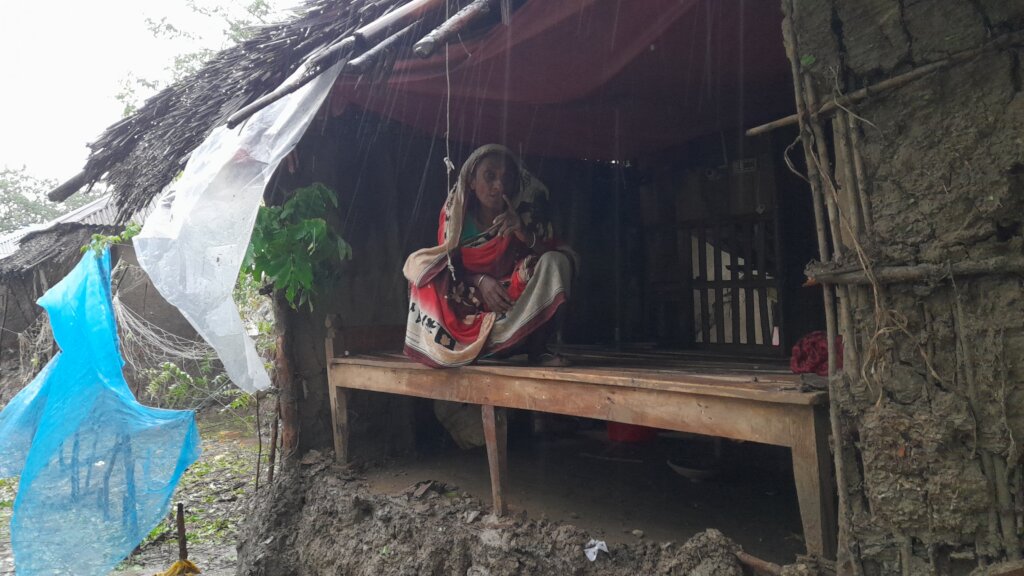
Catastrophic cyclone YASH recently created huge devastation in the Sundarbans coastal region of Bangladesh. Many crop-land washed away due to water surges. And in some aquaculture farms become in sea waterlogged condition. Natural disaster regularly affects the Sundarbans coastal area and a huge economic and life loss happen. Many people’s houses destroyed due to the cyclone.
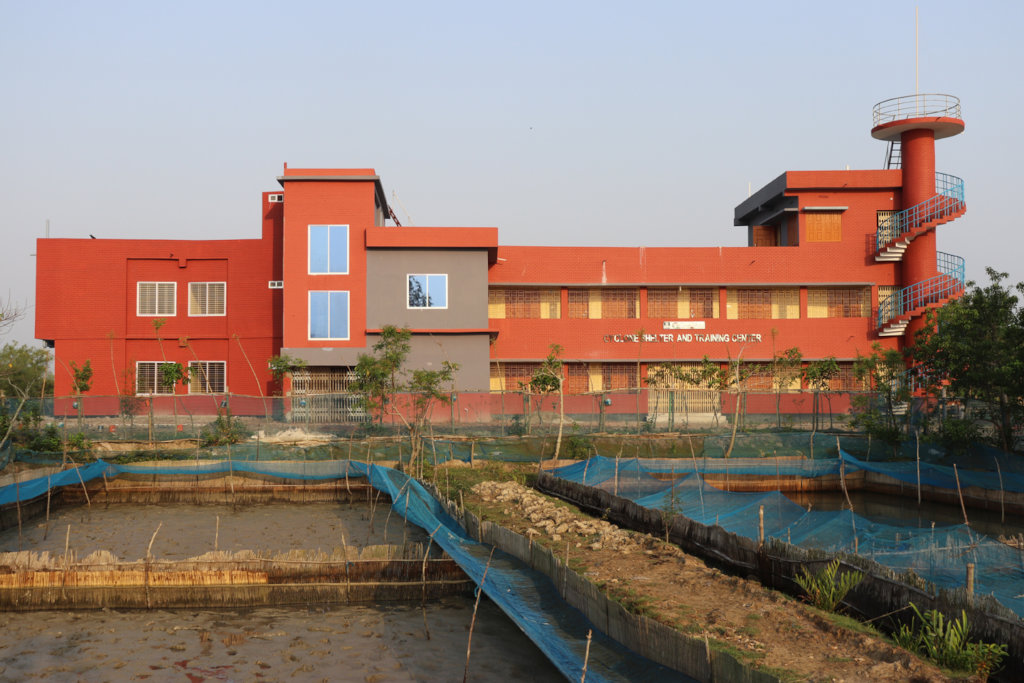
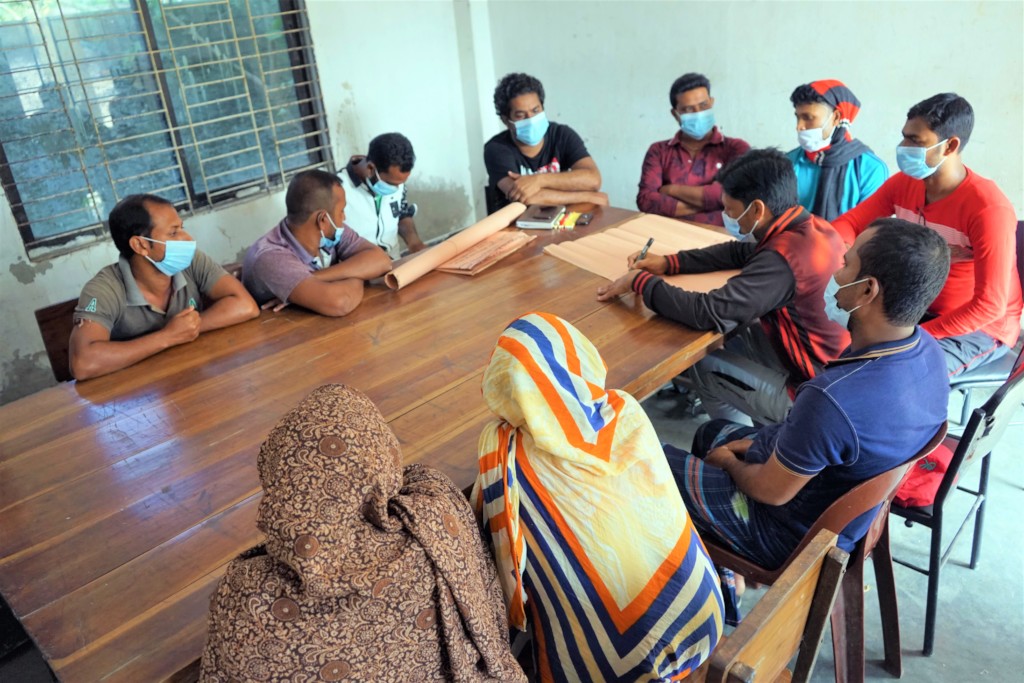
BEDS has made a design of climate-adaptive house using local equipment with the suggestion of experts. BEDS regularly provides training and suggestions to the local climatic vulnerable people on climate adaptive housing. BEDS together with the Village Disaster Management Committee (VDMC) working to mitigate the loss due to catastrophic events.
We are extremely grateful to our donors for their continuous support. We would like to request all our donors to start monthly recurring donations for our project. We are requesting all our donors to start monthly recurring donations. Please click the following link;
https://www.globalgiving.org/projects/climate-change-disaster-risk-reduction-bangladesh?show=recurring
![Share on Twitter]()
![Share on Facebook]()
Jun 24, 2021
Stretching hands for cyclone YASH affected people
By Md. Shanewas Hossain | Project Contributor
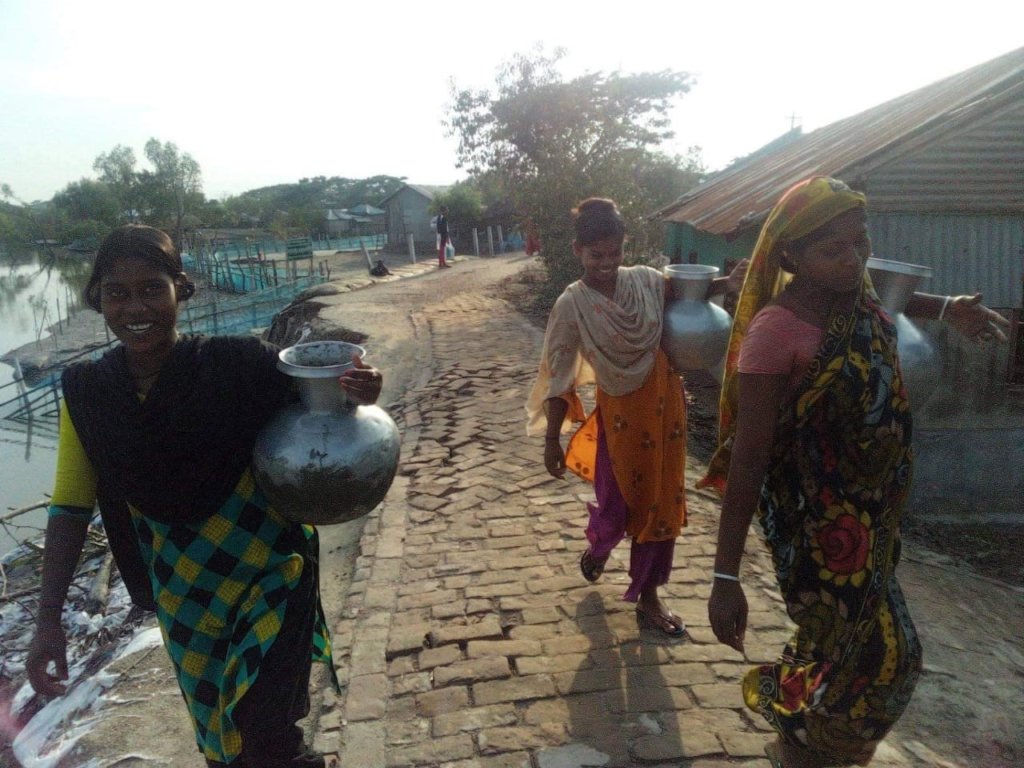
![Coastal people getting safe water]()
Coastal people getting safe water
Bangladesh is one of the most vulnerable countries to climate change, as well as one of the most disaster-prone countries. Bangladesh’s flat topography, low-lying and climatic features, combined with its population density and socio-economic environment, make it highly susceptible to many natural hazards, including floods, droughts, cyclones and earthquakes.
The Sundarbans (world’s single largest mangrove forest and UNESCO World Heritage Site) is situated in a region prone to a high incidence of cyclonic storms. Recent disastrous cyclone Yash has created a deep sore to the life of local community. BEDS, together with the Village Disaster Management Committee (VDMC) members are working to mitigate the misery of vulnerable people. They are providing drinking water and first aid support to the vulnerable people. Also trying to raise fund for their rehabilitation. Beside that disaster preparedness program is going on regularly.
We are extremely grateful to our donors for their continuous support. We would like to request all our donors to start monthly recurring donations for our project. We are requesting all our donors to start monthly recurring donations. Please click the following link;
https://www.globalgiving.org/projects/climate-change-disaster-risk-reduction-bangladesh?show=recurring
![Share on Twitter]()
![Share on Facebook]()