By Md. Anisur Rahman | Project Coordinator
Another Milestone Achieved!
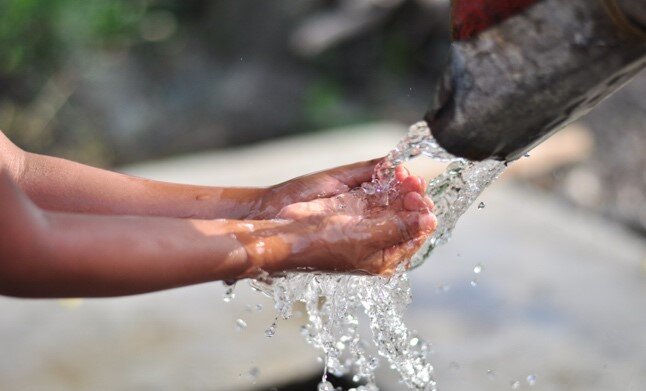
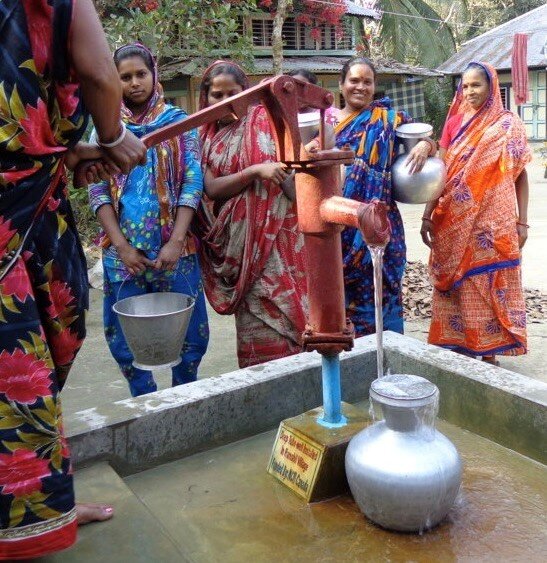
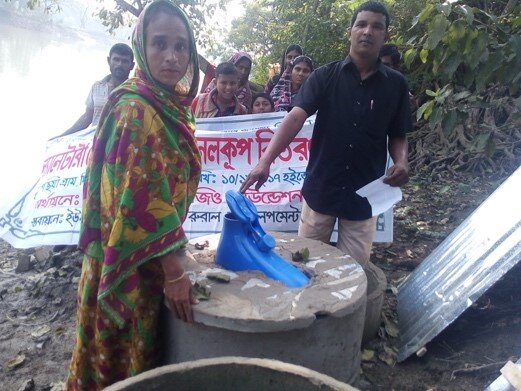
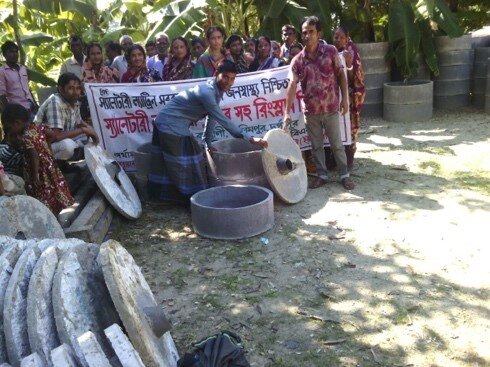
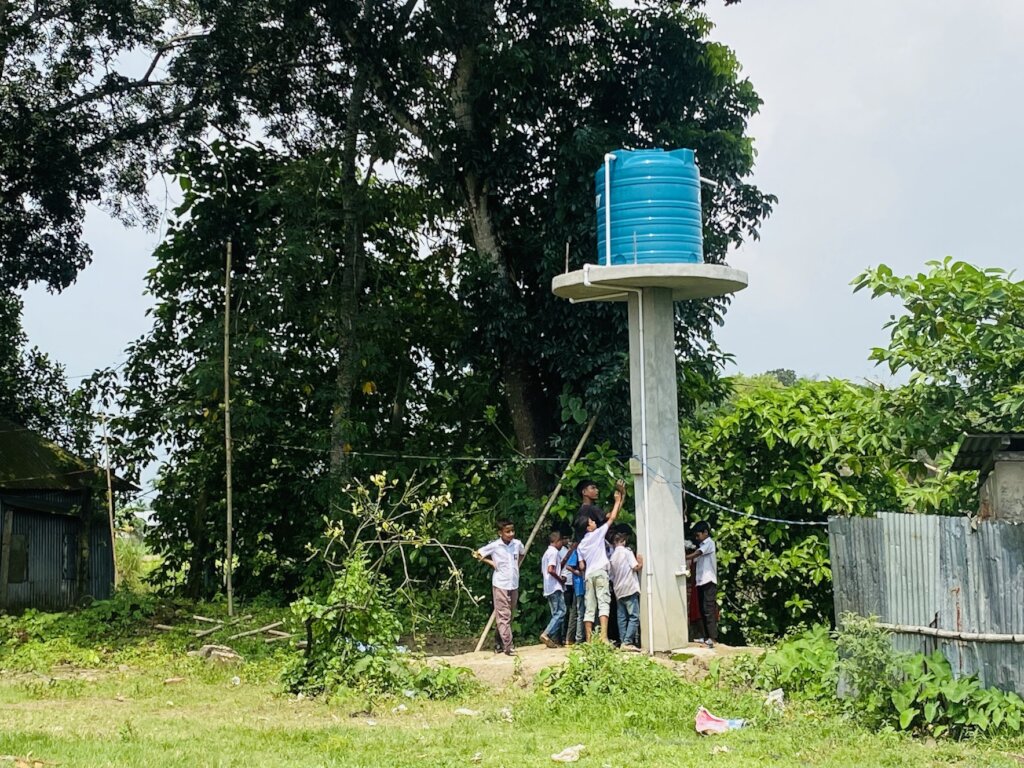
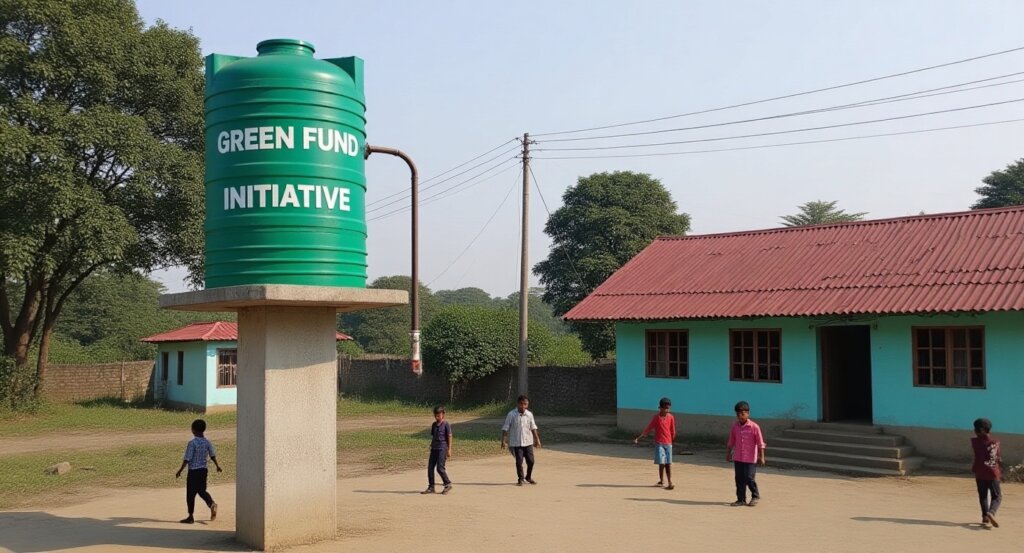
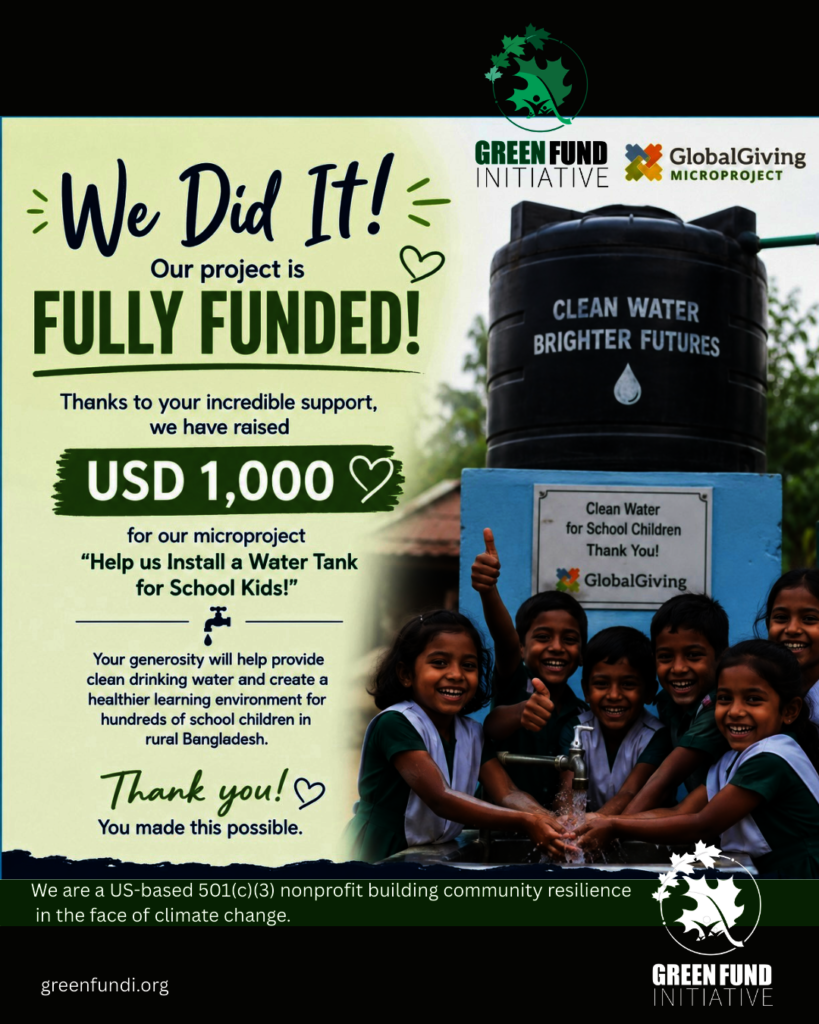
We are pleased to share an important achievement under our ongoing “Provide Clean Water & Sanitation in Bangladesh” project. With the generous support of GlobalGiving donors, Green Fund Initiative (GFI) has successfully completed the “Help Us Install a Water Tank for School Kids!” microproject at a rural school in Netrokona District, Bangladesh.
The project involved installing a 1,000-liter water storage tank on a 20-foot concrete pillar, improving water availability for more than 500 schoolchildren who previously faced challenges accessing a reliable water supply.
Making a Difference
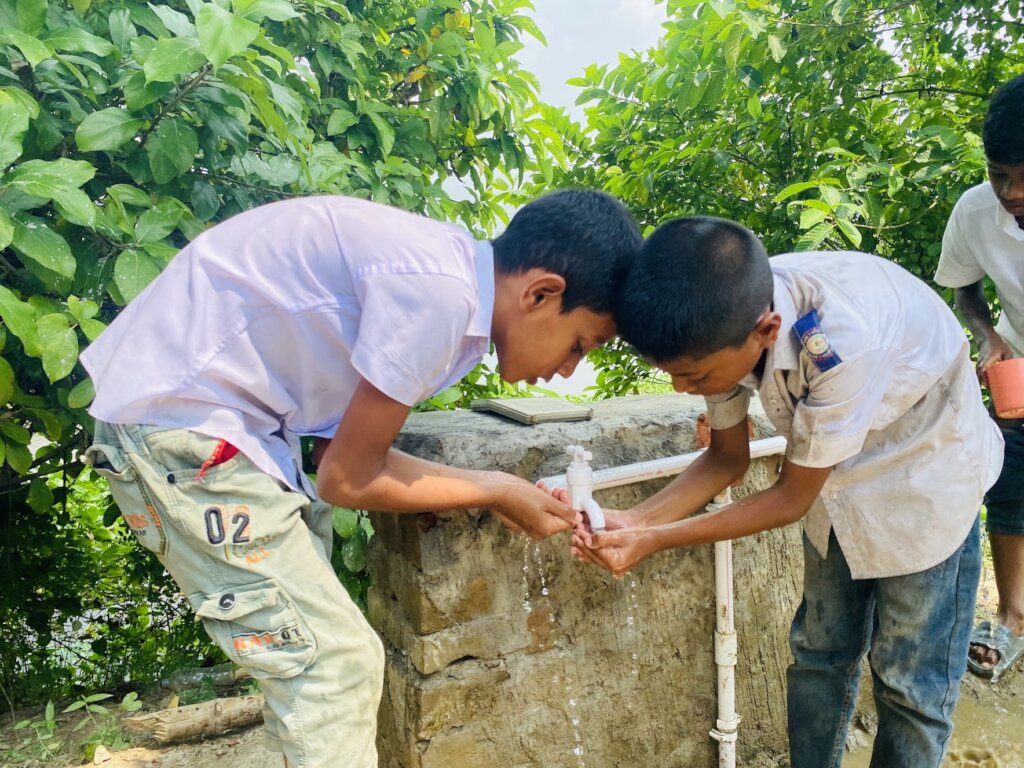
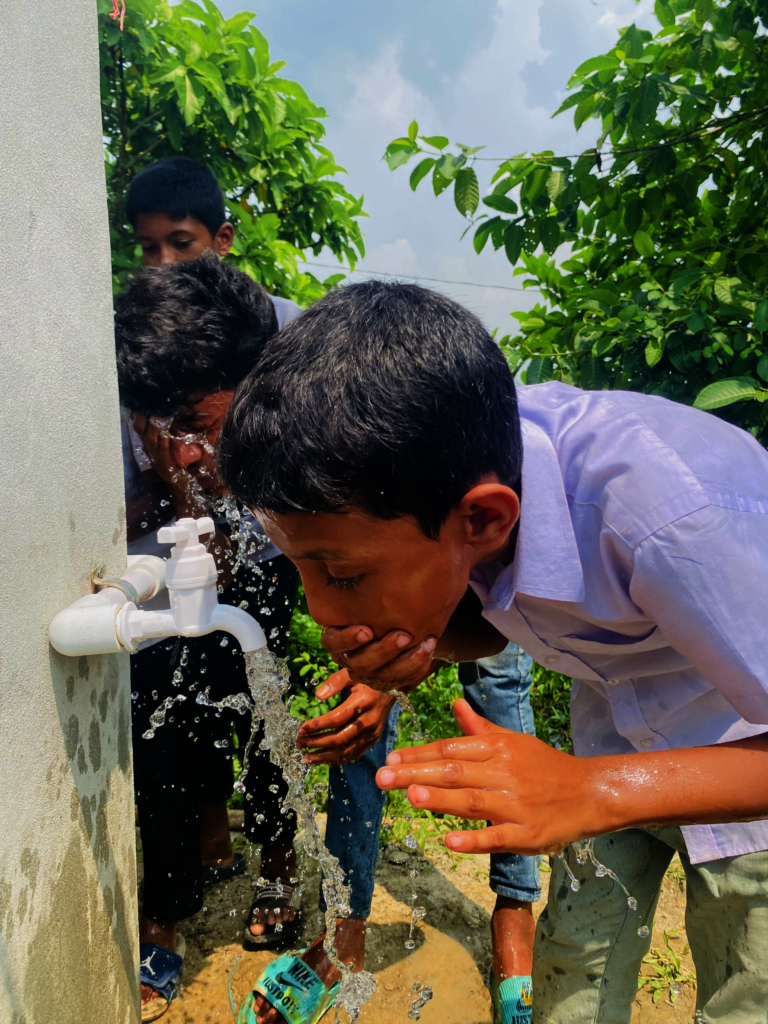
The newly installed water tank provides an essential water storage facility for the school, helping ensure water availability for drinking and daily needs, particularly during periods of shortage.
This improvement will help students stay hydrated, practice better hygiene, and enjoy a healthier and more comfortable learning environment. The facility is expected to benefit both current students and future generations.
Overcoming Challenges
Project implementation was delayed due to heavy rainfall and river flooding. The school is located beside a river that overflowed, with floodwater reaching the schoolyard and temporarily preventing construction activities.
To ensure safety and construction quality, installation work was postponed until conditions improved. We sincerely apologize for the delay in completing the project and submitting this report.
We are happy to confirm that the installation has now been successfully completed.
Our Work Continues
This achievement represents another important step toward improving water and sanitation facilities in underserved communities.
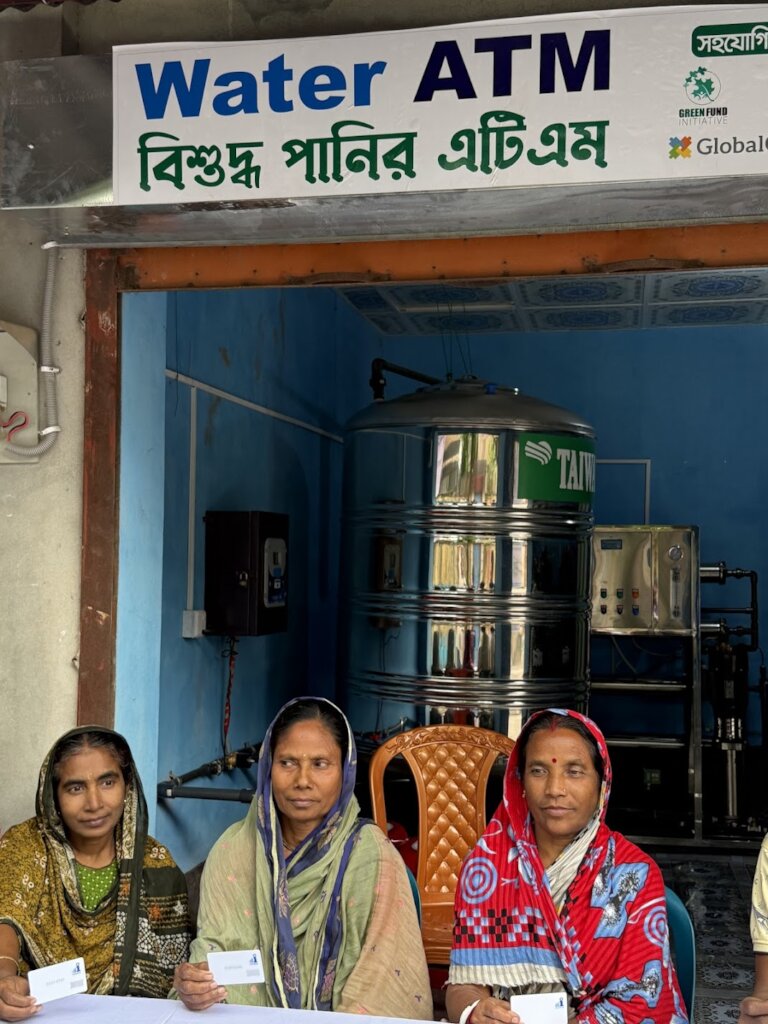
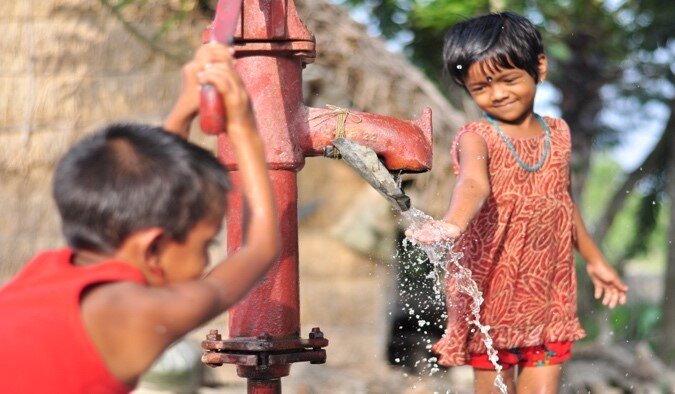
However, many rural schools and communities in Bangladesh still lack reliable access to water and adequate sanitation facilities. Through our ongoing project, GFI remains committed to addressing these challenges and strengthening community resilience to climate-related risks.
Thank You for Your Support!
We sincerely thank our GlobalGiving donors for making this achievement possible.
Your generosity has helped improve water access for more than 500 children, creating a healthier school environment and a lasting benefit for the community.
With your continued support, we hope to reach more vulnerable children and families across Bangladesh.
Together, we can bring clean water, better sanitation, and brighter futures to more communities!
Links:
By Mohammad Nurul Huda | Project Coordinator
By Mohammad Nurul Huda | Project Coordinator
Project reports on GlobalGiving are posted directly to globalgiving.org by Project Leaders as they are completed, generally every 3-4 months. To protect the integrity of these documents, GlobalGiving does not alter them; therefore you may find some language or formatting issues.
If you donate to this project or have donated to this project, you can receive an email when this project posts a report. You can also subscribe for reports without donating.



Support this important cause by creating a personalized fundraising page.
Start a Fundraiser