By Alison Filler | Program Associate
Dear Lifeline supporters,
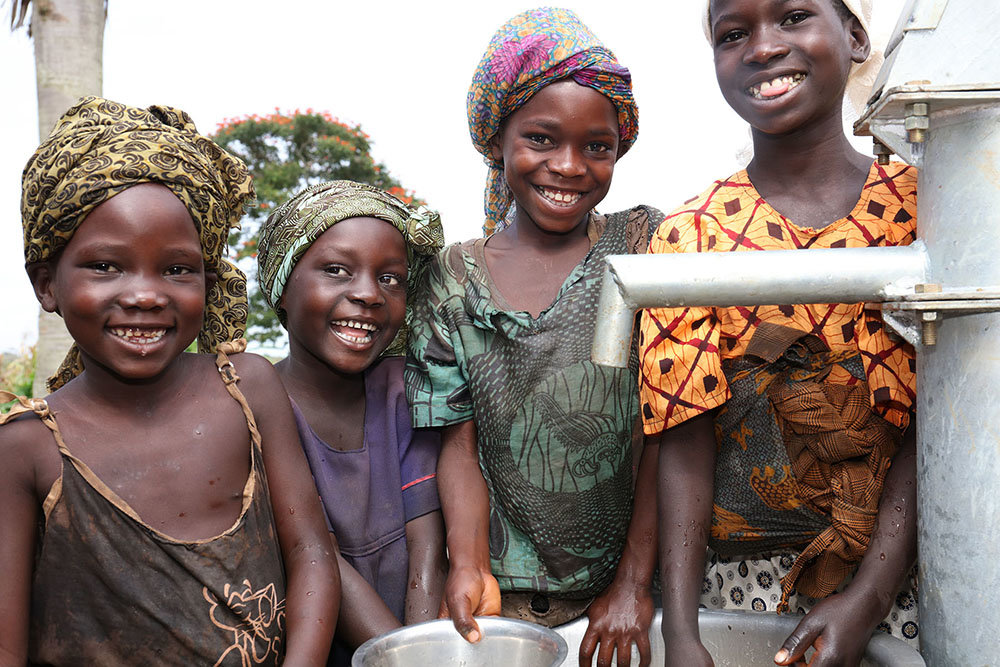
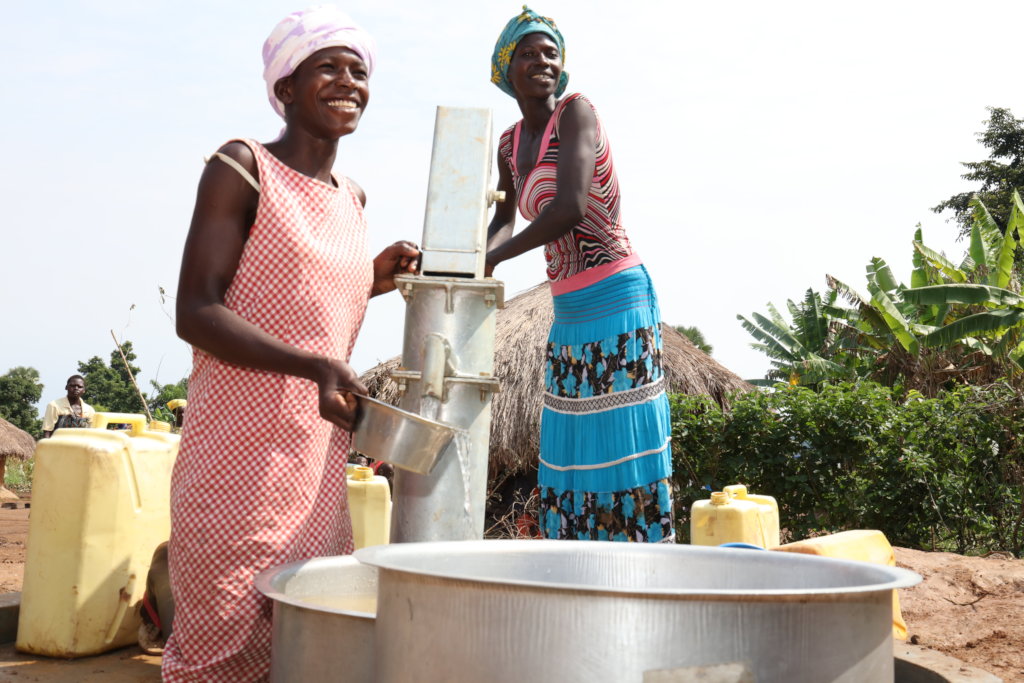
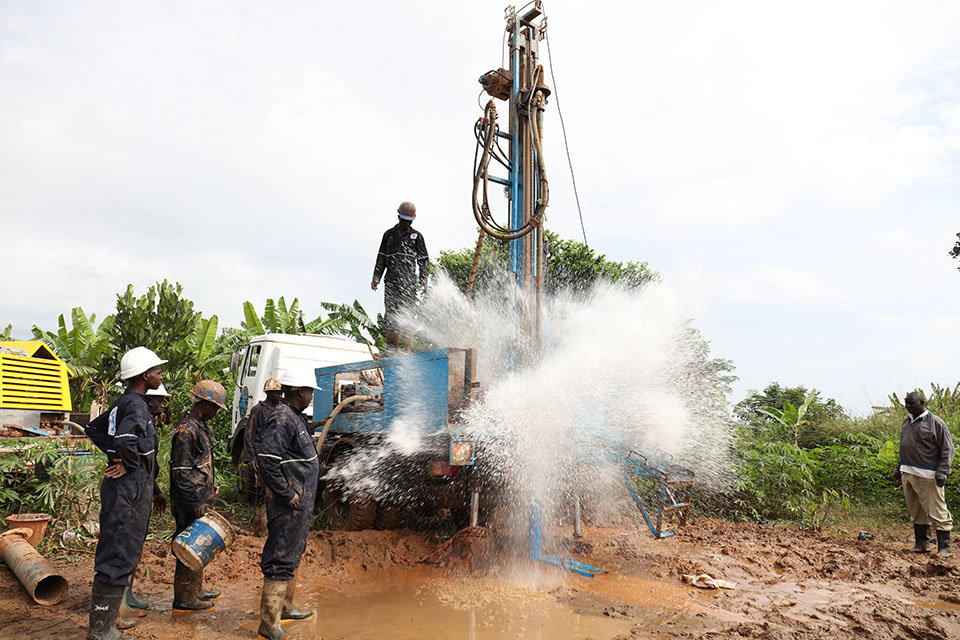
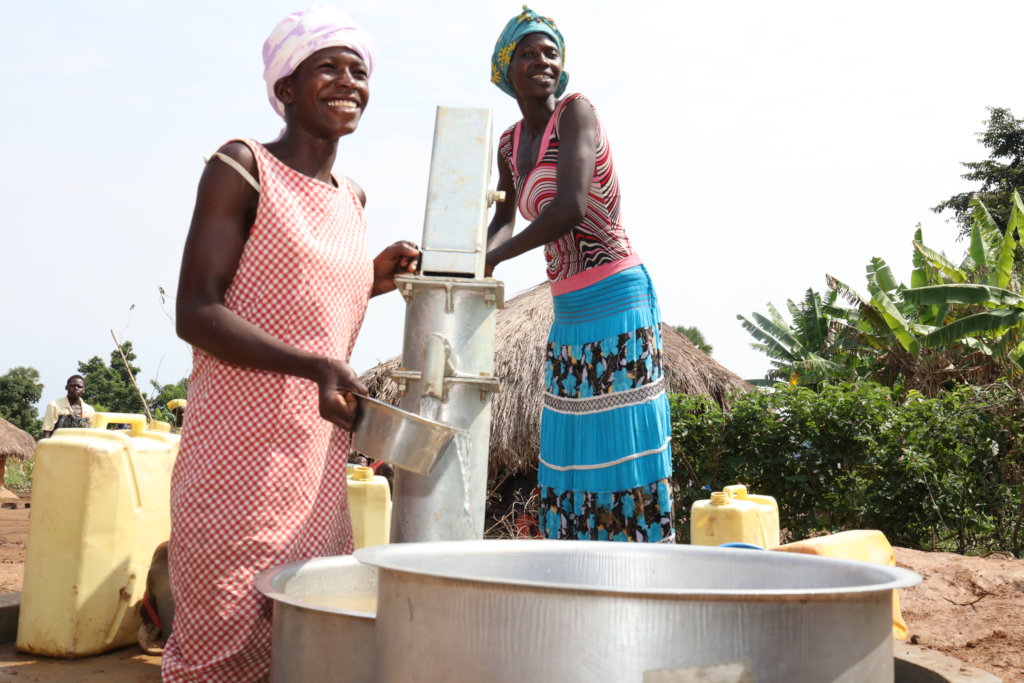
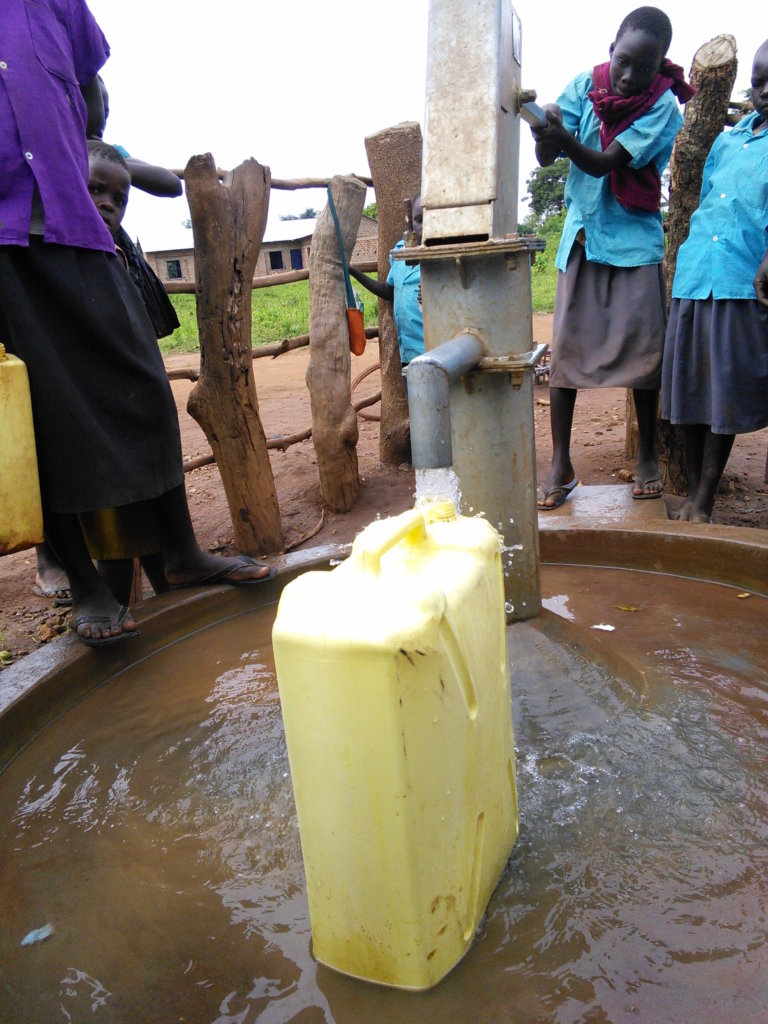
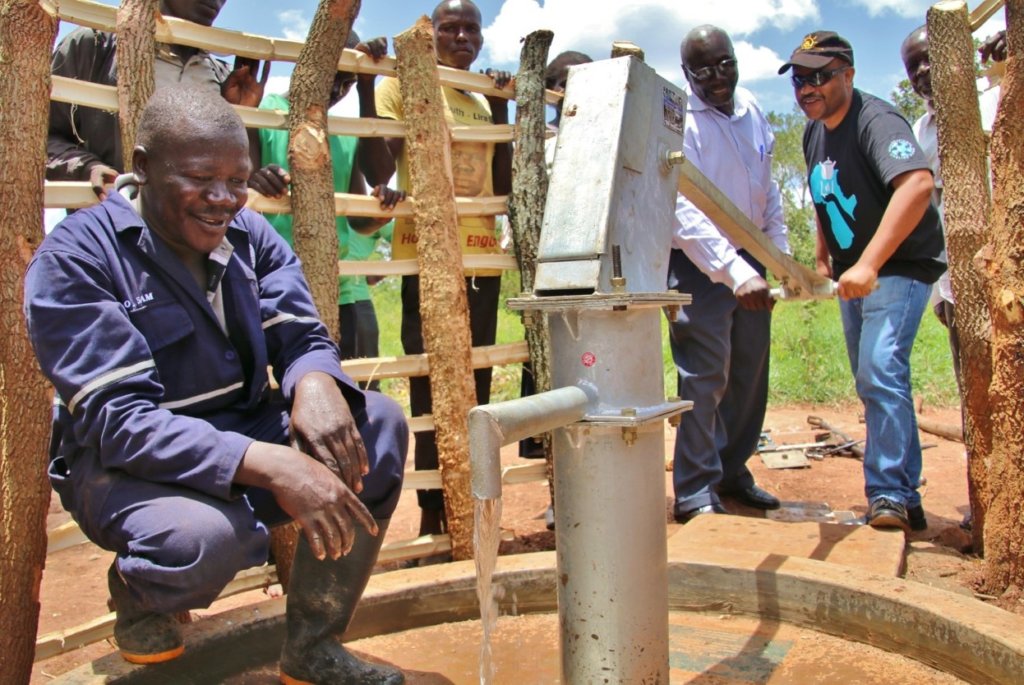
This summer, progress has continued in our mission to provide universal access to safe water in the Apac District of Northern Uganda. In June, Lifeline finished installing the hardware components to rehabilitate and upgrade thirteen water wells in Apac in partnership with Thrive Networks. As a result, more than 7,000 household beneficiaries and over 3,000 school children have gained improved access to drinking water.
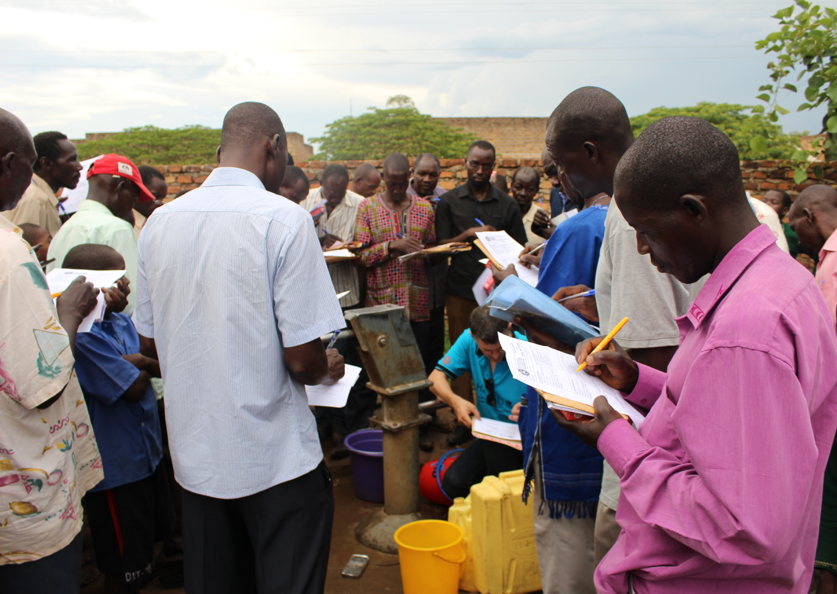
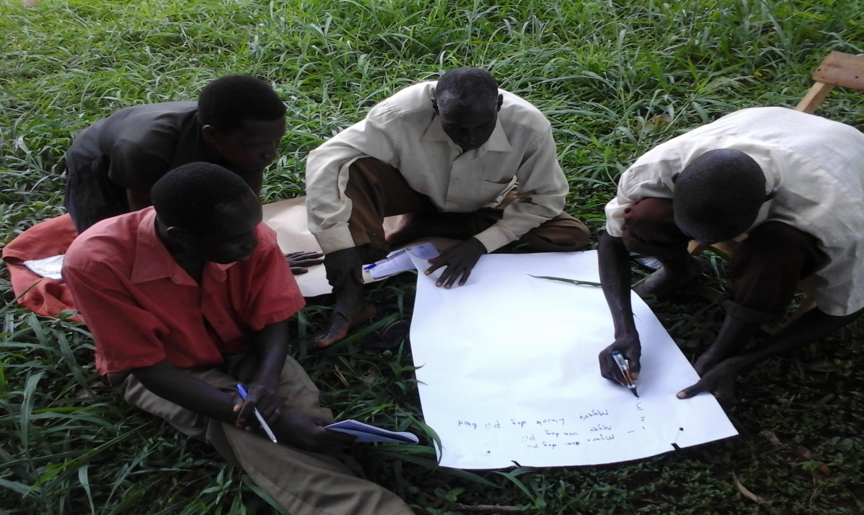
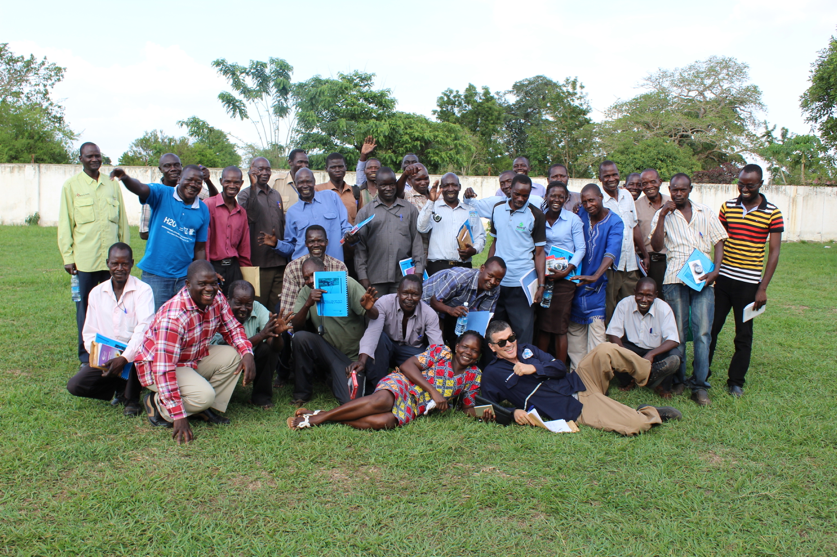
At the onset of the project, three wells were completely non-functional and not delivering water, while the other ten were presenting widespread structural damage, functionality issues, and potentially corrosive pipes. In order to improve the performance of these hand pump-equipped wells and prevent them from falling into future disrepair, Lifeline installed rust-proof stainless steel pipes and rods at all thirteen wells, and even fully replaced the pump heads at two sites. Community members were also engaged to take active roles in the long-term oversight and management of their wells to ensure this project has a lasting impact. For more information on Lifeline’s community training and preventative maintenance initiatives in this project, see our May 2017 field note.
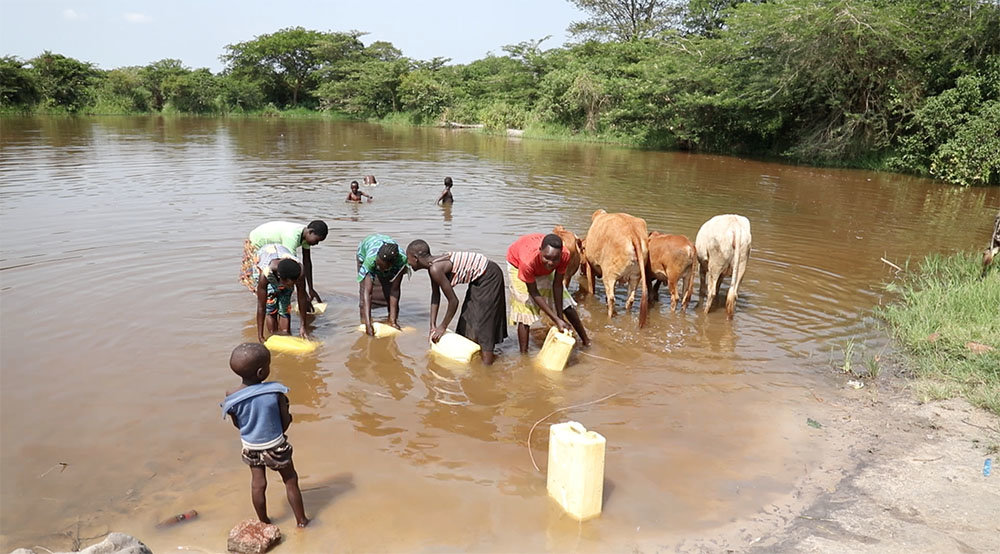
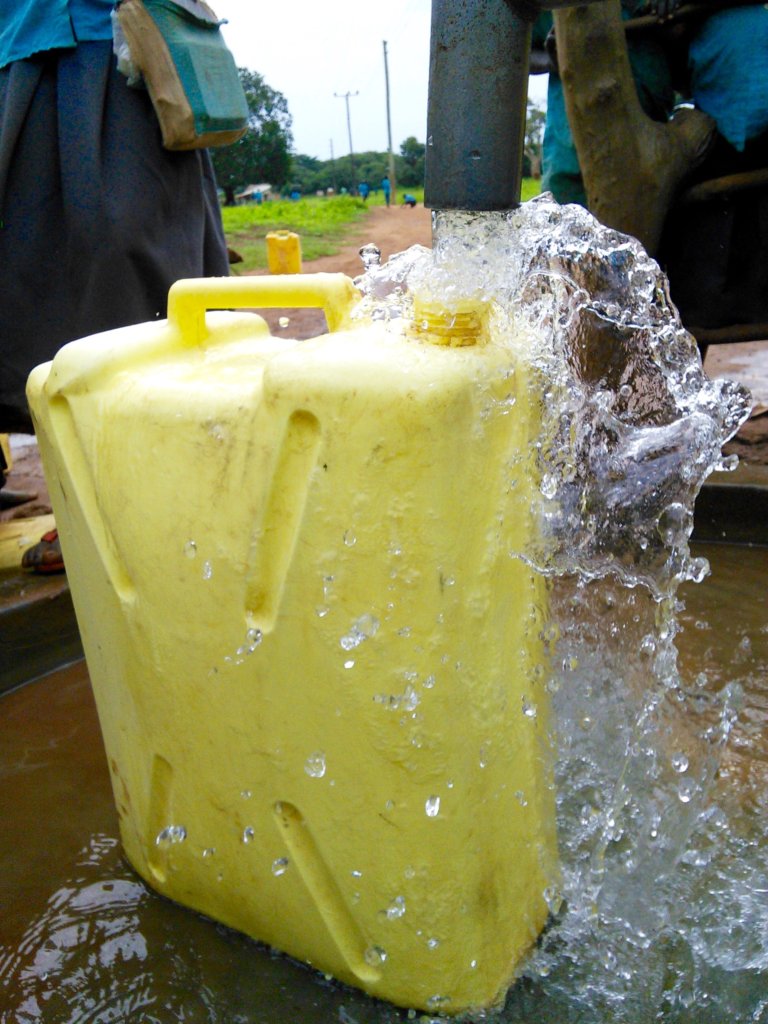
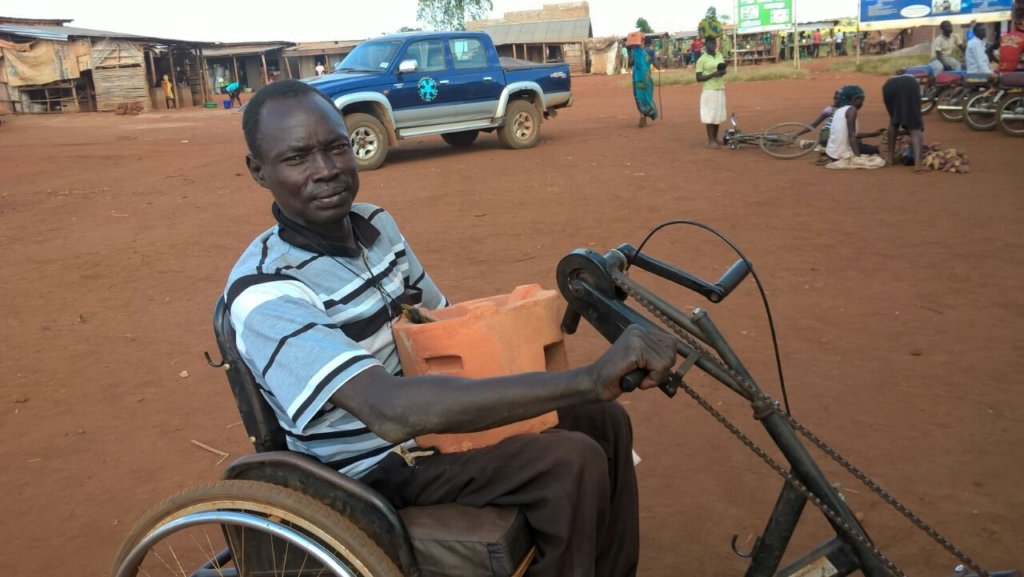
The hardware improvements have already made a significant impact in terms of the distances residents are traveling to collect water. Prior to the intervention, residents with non-functional wells most commonly reported traveling between 1-3 kilometers (.6 to 1.8 miles) each way to collect water from other sources. Since these wells are centrally located in the communities and have now been repaired, 98% of survey participants indicate their distance traveled to collect water has been reduced to 1 km (.6 mi) or less, with 38% only traveling within 400 m (.25 mi) of their homes. A standard 20-liter jerrican weighs 40 lbs when completely filled at the well, so shortening the distance to collect and carry this water makes a meaningful difference in the lives of Apac families.
By reducing the distances that families – particularly women and young girls – are forced to travel to collect water, communities are now benefitting from time savings, as well. Before the project, most residents indicated spending over two hours each trip to collect water. Lifeline’s intervention has cut this time in half, with 89% of surveyed households reporting a maximum of 1 hour spent per water collection trip, nearly half of whom are able to complete the task in 30 minutes or less. With this time saved collecting water for their homes, women and girls in Apac are now able to spend more time learning in school, earning household income, and connecting with their families and communities.
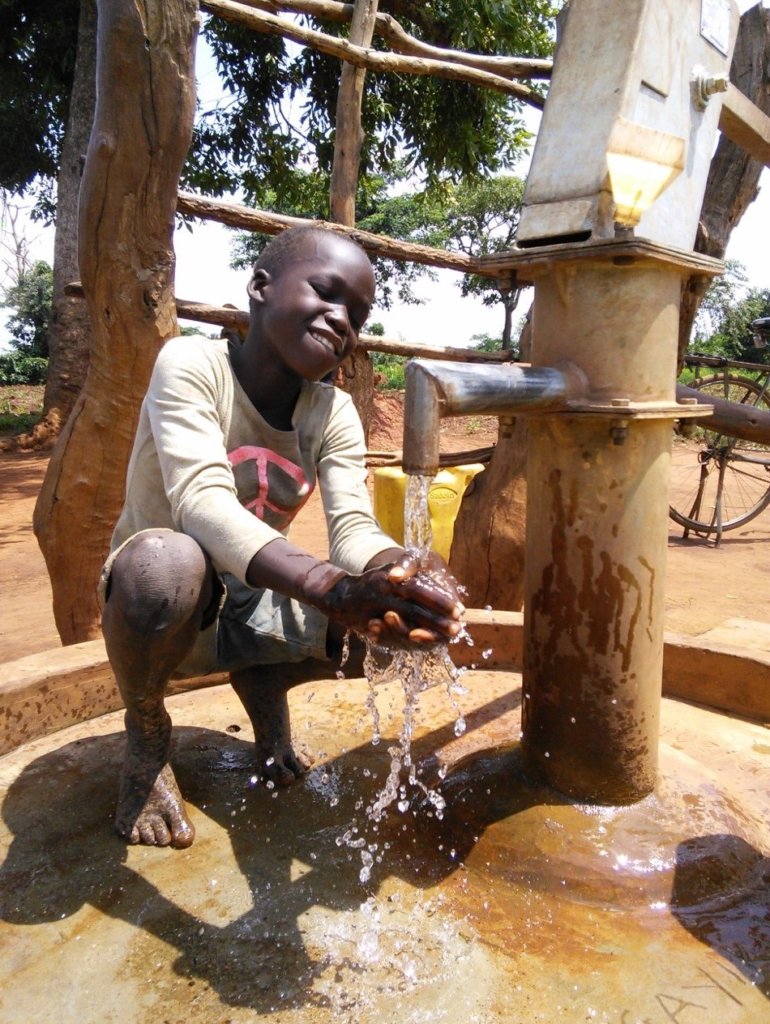
Improving the hardware materials of these wells has likewise resulted in improved water quality for the thirteen villages. During the baseline survey, community members reported issues with bad water color, smell, and taste, as well as rust in the water. Since the repairs and pipe upgrades were completed, reports of these issues have dropped by up to 90%, and overall 95% of survey participants across all thirteen villages rate their water quality as good.
We celebrate these successes not only for Lifeline and its partner communities, but for all of those who have generously donated to make this work possible. Thank you for supporting families in Apac to live healthier lives and build stronger communities through sustainable access to water.
Sincerely,
The Lifeline Team
By Alison Filler | Program Associate
By Alison Filler | Program Associate
Project reports on GlobalGiving are posted directly to globalgiving.org by Project Leaders as they are completed, generally every 3-4 months. To protect the integrity of these documents, GlobalGiving does not alter them; therefore you may find some language or formatting issues.
If you donate to this project or have donated to this project, you can receive an email when this project posts a report. You can also subscribe for reports without donating.