By Alison Filler | Program Associate
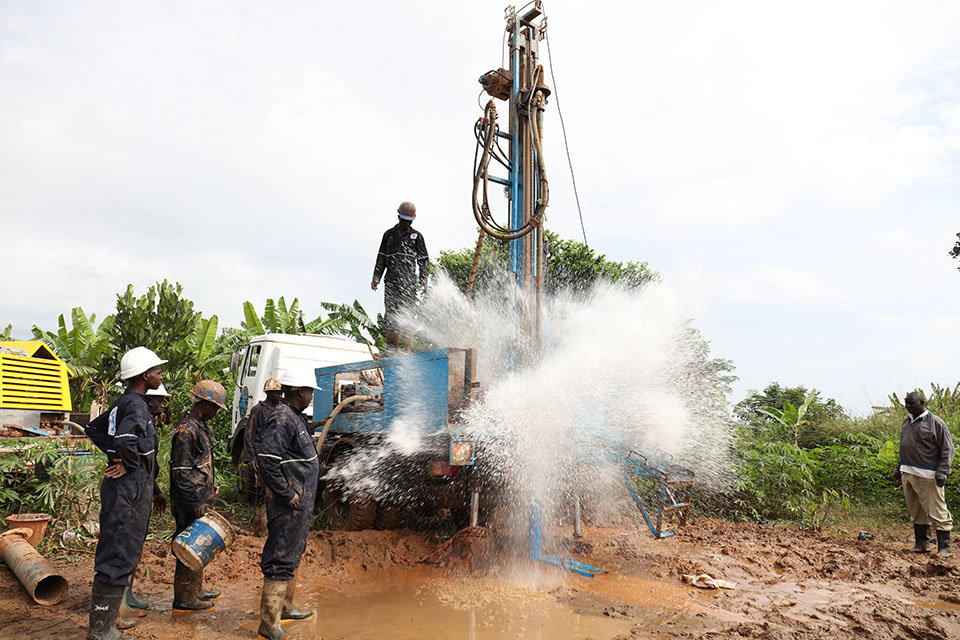
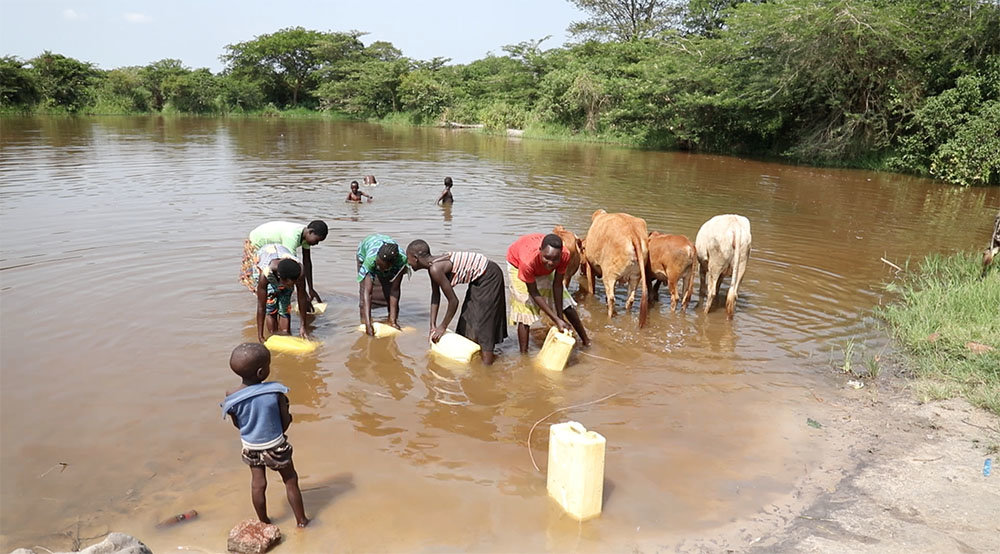
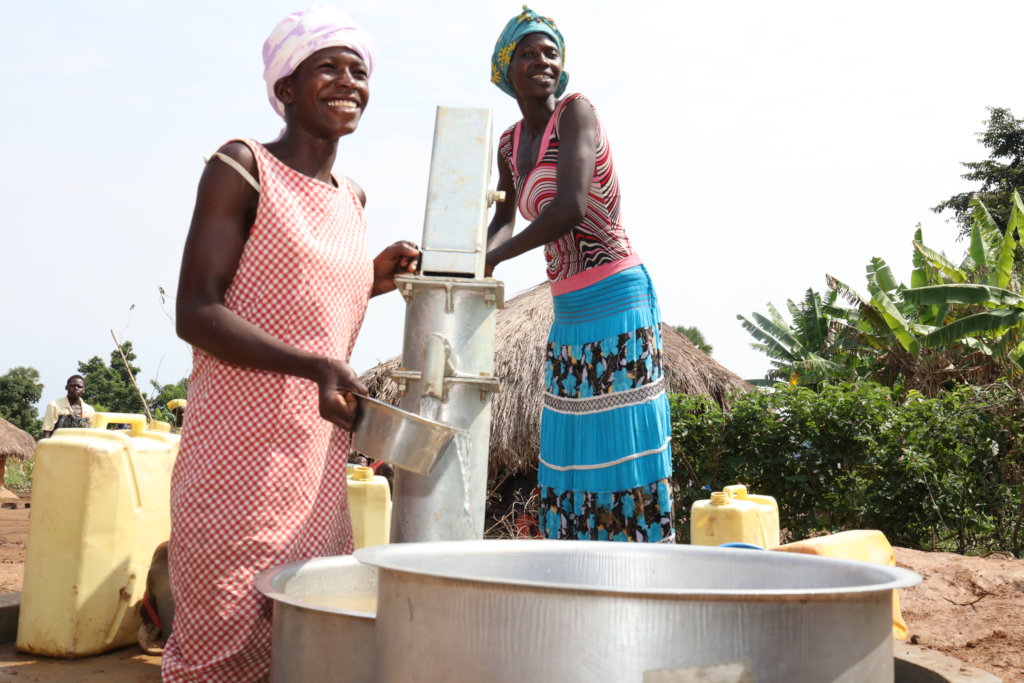
At the core of Lifeline’s work in rural communities of northern Uganda is a goal to empower villagers to independently maintain their water infrastructure for years to come. This aim towards sustainability requires looking beyond immediate water access to plan for the long-term maintenance of rural water wells.
In partnership with Thrive Networks, Lifeline is now piloting a preventative maintenance framework in the Apac District of northern Uganda to fix existing gaps in the local maintenance infrastructure. What exactly does this mean?
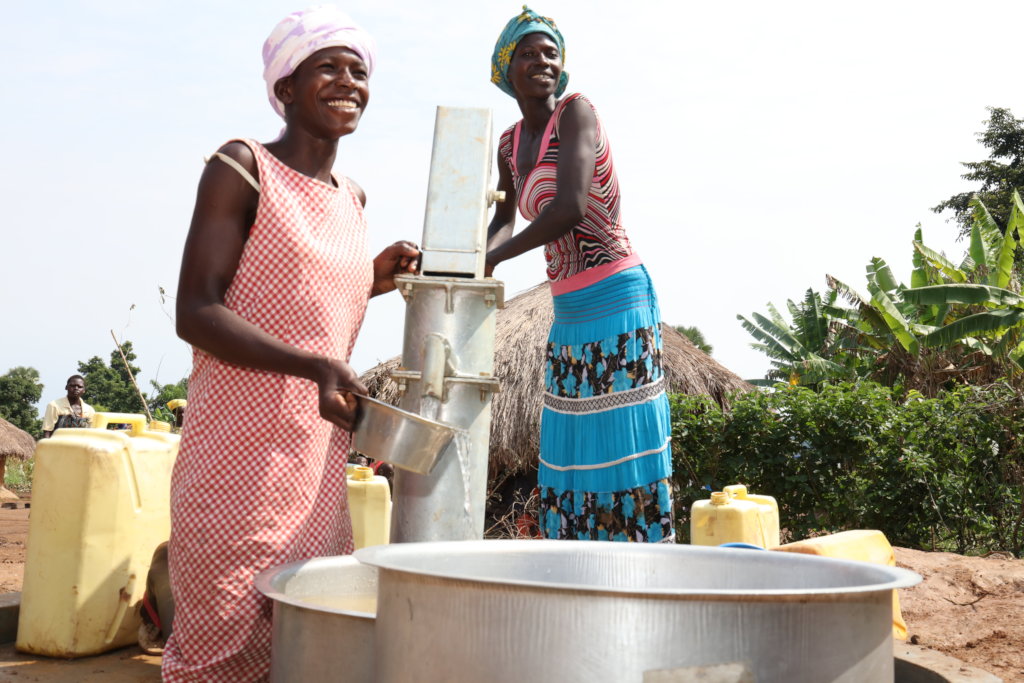
In many ways, a newly drilled water well is similar to a new car. Over time, both a car and a well become subject to wear and tear and will require maintenance. To maintain a car, you would simply take it to a mechanic every few months to change the oil, replace the air filters, and rotate the tires. Failure to do so may cause the car to suffer mechanical issues and shorten the lifespan of the vehicle. A well in rural Uganda likewise requires routine maintenance to function properly and avoid falling into disrepair; chains must be greased, washers replaced, and bolts tightened. However, access to water well maintenance in rural Uganda is not so readily available. When a well breaks down in Apac, a community will face a complex web of challenges to repair it, including:
Lifeline’s newly launched project with Thrive Networks involves a combination of construction and community training initiatives to prolong the lifespan of local water wells and prevent breakdowns from disrupting community water access. In order to prevent wells from malfunctioning, Lifeline is rehabilitating and upgrading pipes at wells in 13 villages with rust proof stainless steel and PVC materials that last longer than traditional galvanized iron pipes. These hardware upgrades will improve access to safe water for 7,244 household beneficiaries and 3,257 school children.
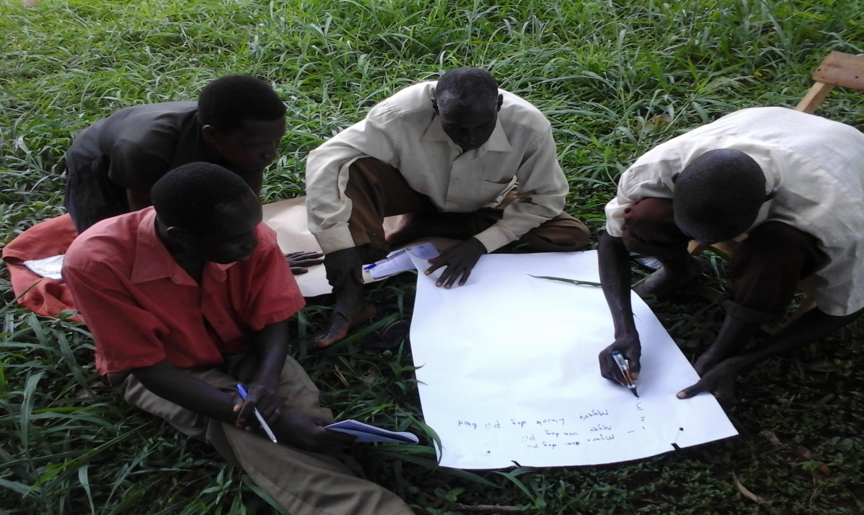
To ensure the surrounding communities are prepared to manage these upgraded water wells, from January to March, Lifeline trained each Water User Committee (WUC) from the 13 villages (50 women and 67 men in total) on how to promptly report pump malfunctions and routinely collect and deposit community maintenance funds in a village bank account. Additionally, a total of 494 community members were sensitized on the importance of operations and maintenance procedures and the communication ladder to report breakdowns.
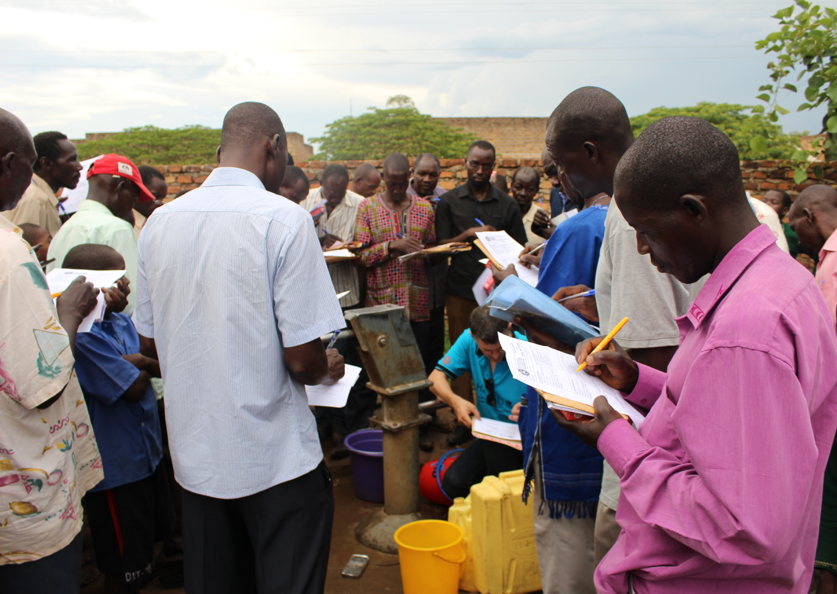
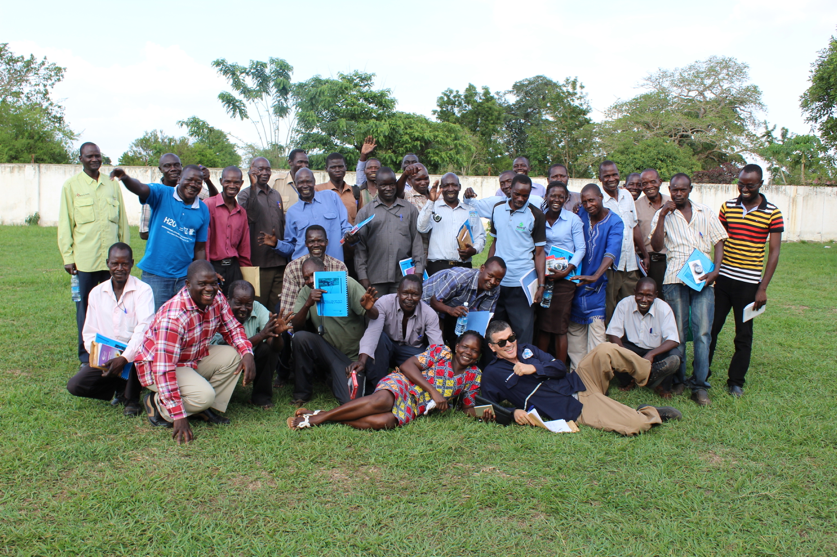
In addition to these community engagement initiatives that involve residents in the upkeep of their wells, Lifeline seeks to strengthen the capacity of local hand pump mechanics to maintain wells across Apac. To this end, from March 28-30, Lifeline’s Senior Technical Advisor and hydrological crew conducted a 3-day training program for 27 local mechanics. The program involved hands-on participation and lessons covering basic units and calculations, well construction, basic principles of mechanics, diagnosis, troubleshooting, repairs, and record keeping. Participants’ comprehension of the material was then examined in the form of a written test. In the coming weeks, these mechanics will conclude the training program by participating in the five well rehabilitations and eight pipe upgrade activities under this project.
With continuing support from our generous donors, Lifeline will work closely with district government officials and the Apac Hand Pump Mechanics Association to scale this project and bring high quality maintenance services to more villages across the district. Thank you to all of those who enable Lifeline to deliver clean water and long lasting community impact.
- The Lifeline Team
Project reports on GlobalGiving are posted directly to globalgiving.org by Project Leaders as they are completed, generally every 3-4 months. To protect the integrity of these documents, GlobalGiving does not alter them; therefore you may find some language or formatting issues.
If you donate to this project or have donated to this project, you can receive an email when this project posts a report. You can also subscribe for reports without donating.