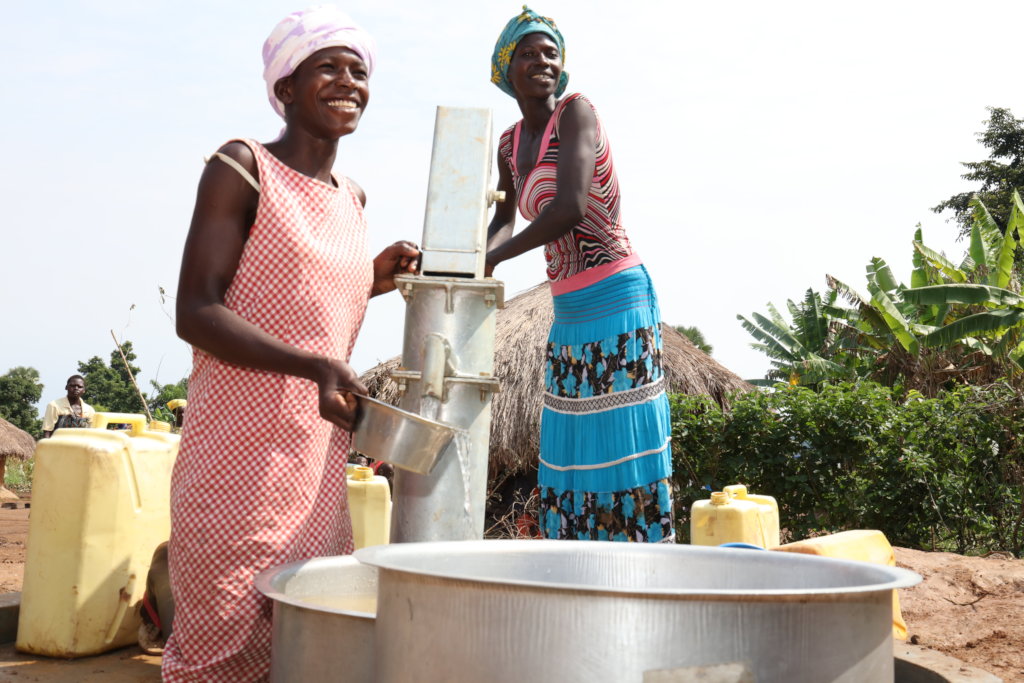
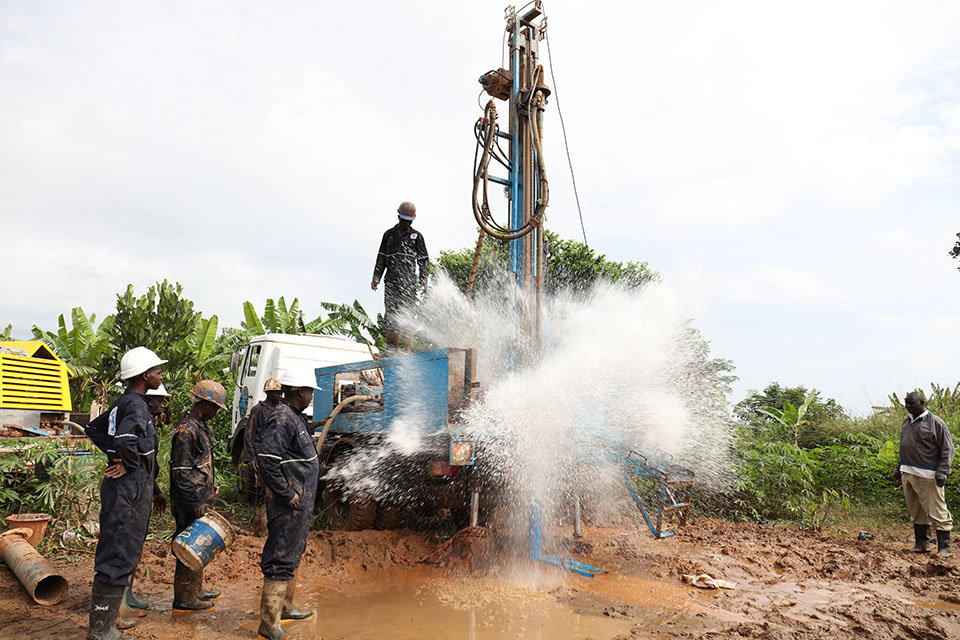
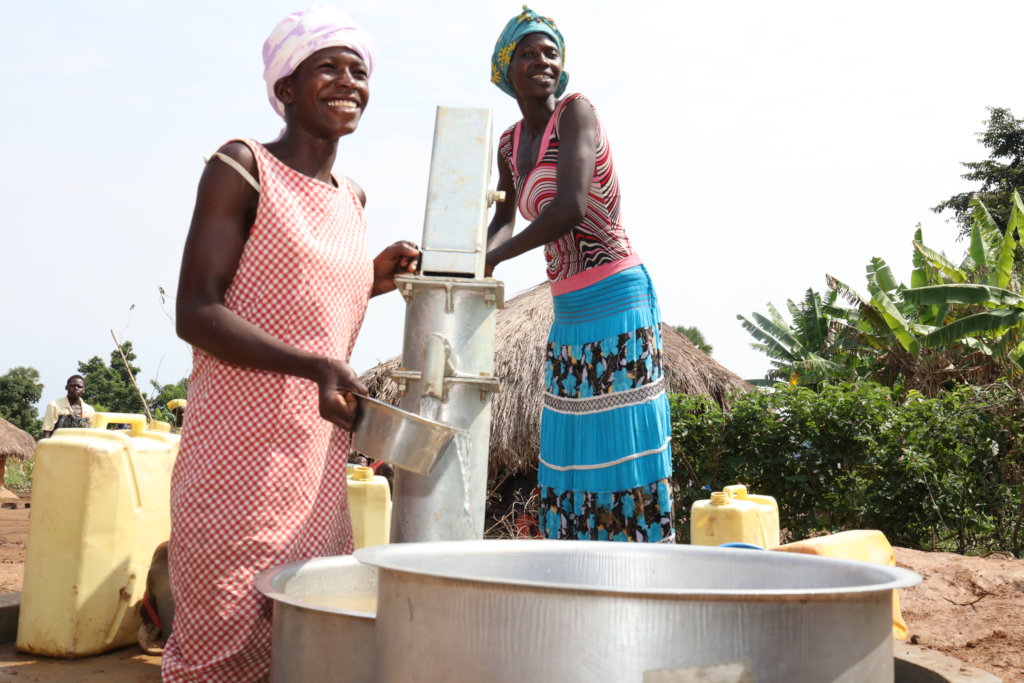
Lifeline seeks to transform the lives of rural Northern Ugandans through a holistic, highly replicable model for service delivery and the long-term sustainability of water points. This project will rehabilitate boreholes, teach proper hygiene and sanitation practices and provide income generation training in order to combat poverty and eliminate preventable water-borne diseases.
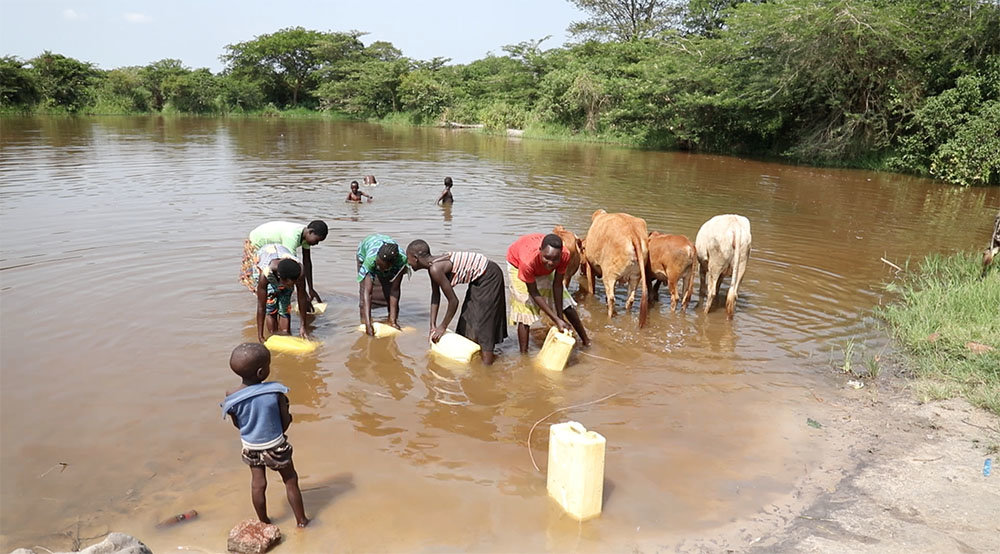
In Northern Uganda, about 40% of the population lacks access to clean water and is forced to drink from unprotected water sources. Even when water points are established, there is a failure of projects to sustain water points and behavioral change over the long term.
In order to ensure the long-term sustainability of its water points, Lifeline will take a multi-faceted approach to its project implementation. The approach includes but is not limited to: mobilizing communities to lead their own behavior changes, assigning responsibility and creating structures in which each stakeholder has clearly defined responsibilities and establishing infrastructure using basic technologies that ensure accountability, transparency and sustainability.
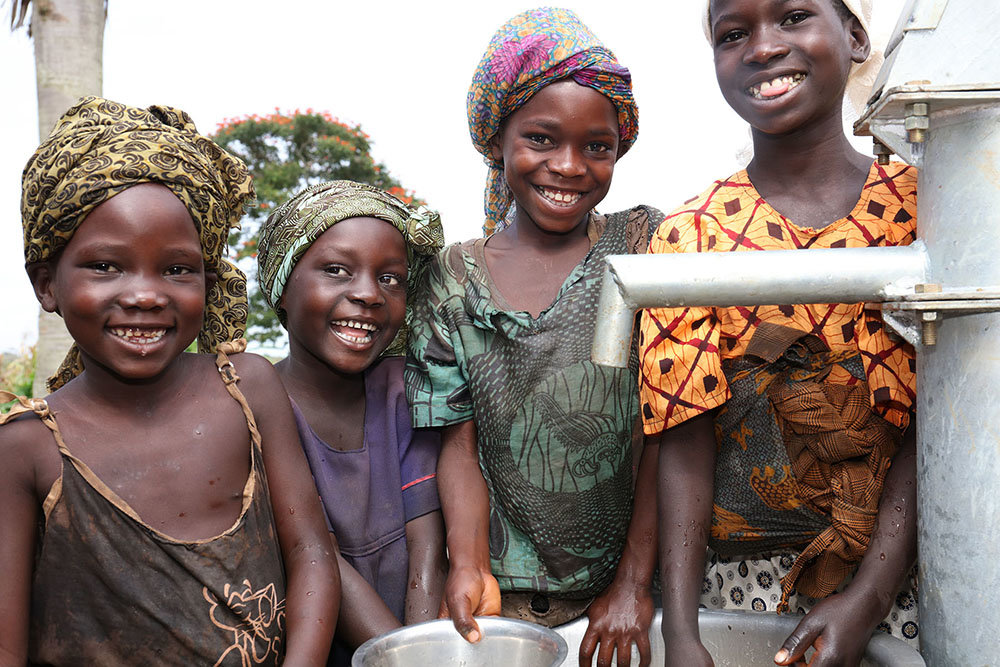
Access to clean water has life altering impact. Interventions that provide clean water and improve hygienic practices can prevent 94% of water-borne diseases. In addition to the overwhelming health benefits, young women and girls can be empowered to attend school, start small business and participate in civic activities instead of spending hours collecting water.