By Alison Filler | Progam/Development Assistant
Dear Lifeline Supporters,
We are excited to share with you the news of Lifeline’s recent achievements and dynamic partnerships. As we grow our organization and impact, we are grateful for your continuing support that allows Lifeline to empower individuals and communities to create and maintain long-term solutions for clear water, clean cooking and good health.
WASH Program
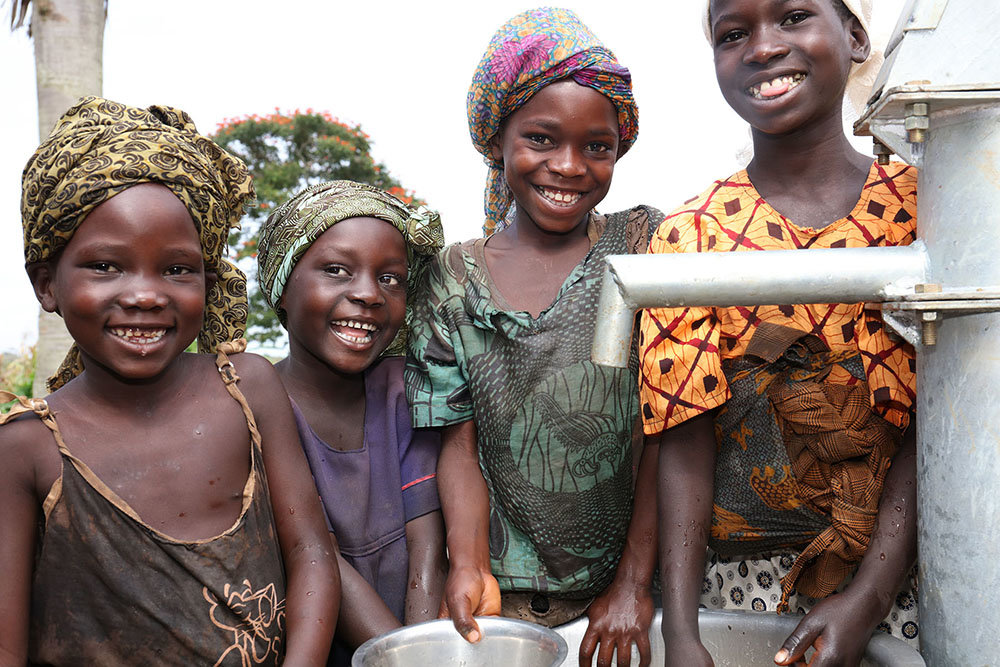
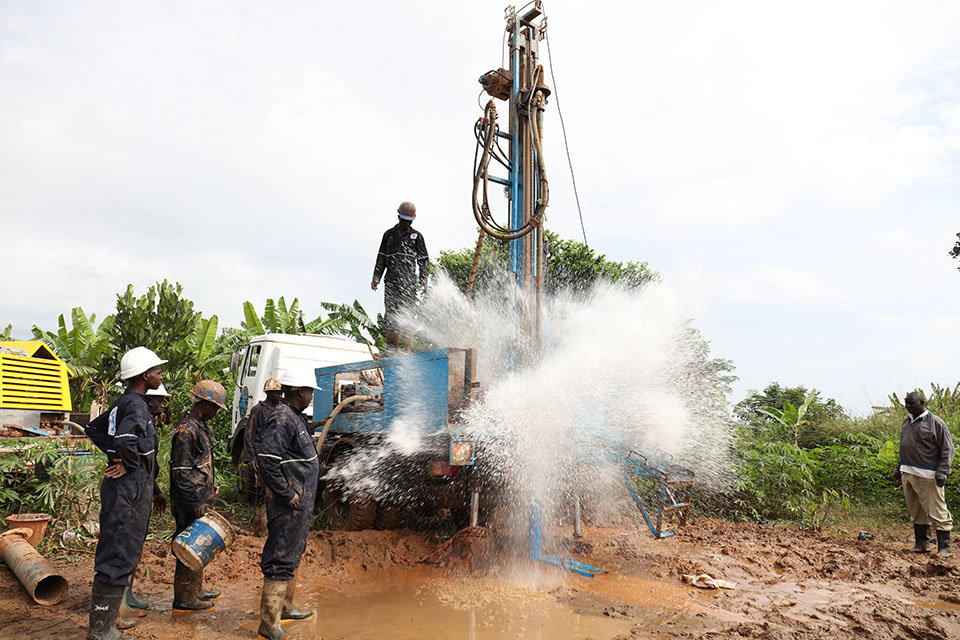
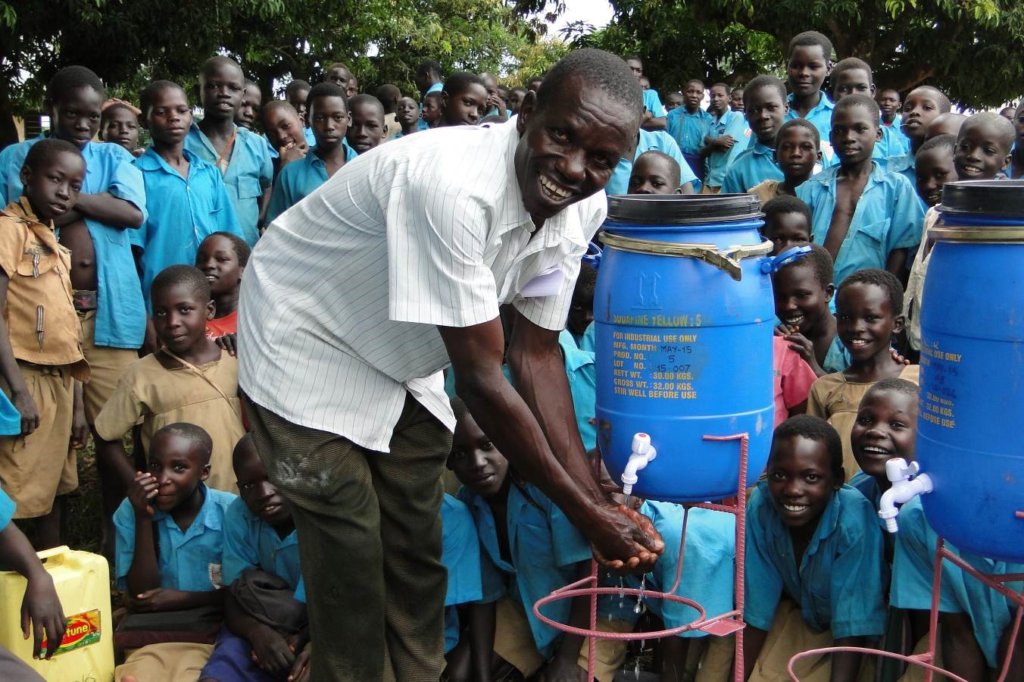
During the final quarter of 2015, Lifeline completed the drilling of three additional deep borehole wells, the training on income generation activities in 10 communities, the assessment of the impact of 75 Community Health Clubs (CHCs) that focus on health and hygiene education, and the introduction of School Health Clubs (SHCs) in 10 primary schools. Similar to the CHCs, the school health clubs train children on best practices in water, sanitation, and hygiene with a strong emphasis on the importance of hand washing. Each school received hand washing stations for students and teachers alike to implement the skills and knowledge attained in their health clubs. Lifeline requested and received flash cards from UNICEF to enhance both its SHC and O&M training.
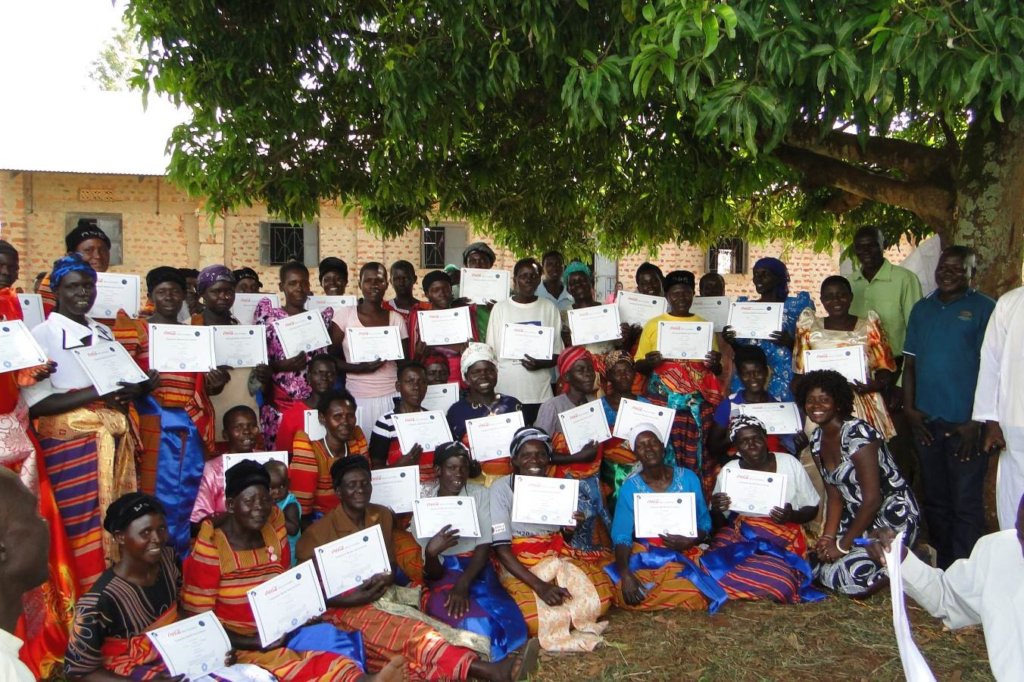
In addition,31 CHCs completed their health and hygiene programs and 1,362 CHC members (1,087 female and 275 male) participated in graduation ceremonies and were issued certificates of completion. Further, seven additional savings accounts were opened by Water User Committees in December, bringing Lifeline’s Apac intervention to a year end total of 61 accounts accessible through an innovative mobile banking platform in partnership with Centenary Bank. The Community Health Club curriculum was upgraded to include elements of microfinance and water point sustainability, and going forward the CHCs will be renamed Community Development Clubs (CDCs).
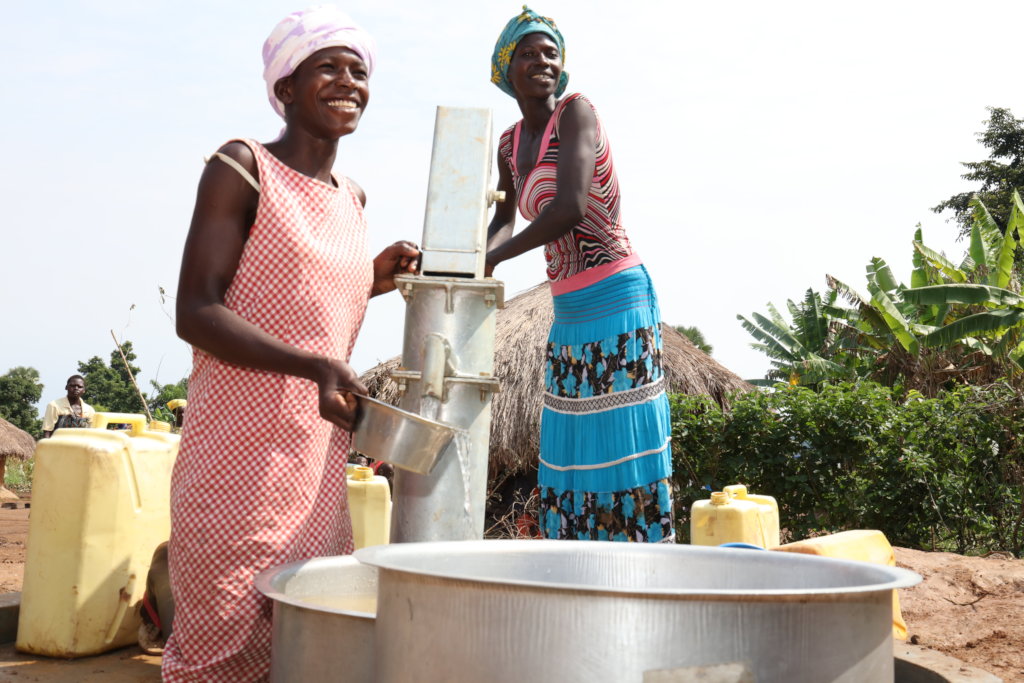
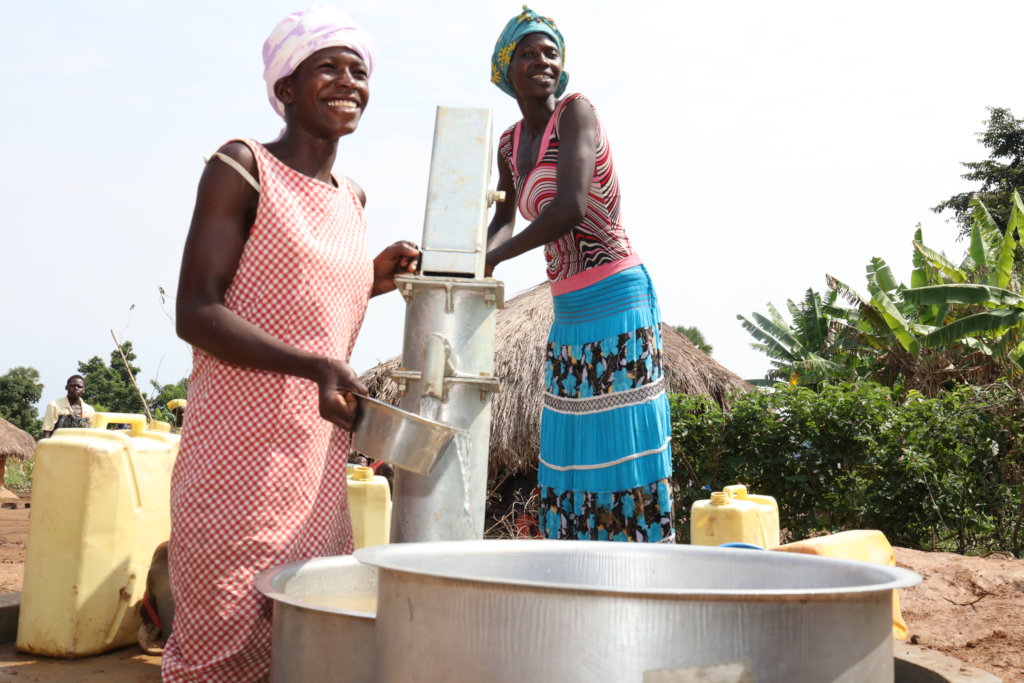
On November 4th and 5th, the Coca-Cola African Foundation (TCCAF) visited Apac District to attend Lifeline’s handover ceremony of 75 water points that were newly constructed and rehabilitated by a coalition of local and international donors (including TCCAF through the Global Environment Technology Foundation, Water to Thrive, Aqua for All, Generosity.org, East African Breweries Limited, S.L. Gimbel Foundation, and Thrive Networks) with the support of the district government. The handover ceremony was attended by Apac District and sub-county officials, international donors, and representatives from communities that received the water points. At the commissioning and handover ceremony, the communities take full ownership and responsibility of their water points.
The Chief Administrative Officer (CAO) of Apac District, Mr. Alya Sarafin, said, “We pledge our support to communities in sustaining the wells and in working with Lifeline who helped them to achieve in one year what would have taken the district three to four years to achieve!’’ Mr. Sarafin then handed the water points to the communities and asked them to maintain and sustain them.
Fuel Efficient Stove Program
On November 10, 2015, Lifeline officially launched The Fair Energy Project in Martissant, Port-au-Prince, Haiti.
The project is being piloted with 36 female participants from very low income households in the Martissant 2 area. With the Inter-American Bank Development funding, the Fair Energy project is a three-month pilot which is being implemented by D&E Green Enterprises in partnership with the Organization of Women Activists for the Protection of Human Rights (OFEMPDH), a woman’s organization in Martissant, Port-au-Prince.
The principal aim of the Fair Energy Project is to address the issue of energy poverty and lack of energy access through the establishment of a community stove cooperative. The co-op will operate under a business model and aims to test a financial mechanism to fund cheaper cooking fuel through indirect credit (allowing participants to reduce their daily expenditures on cooking fuels). The co-op also acts as a savings fund to finance the purchase of fuel-efficient cook stoves, and eventually pave the way for the transition to cleaner cooking fuels that contribute to the overall improvement of the community’s well-being in a sustainable manner.
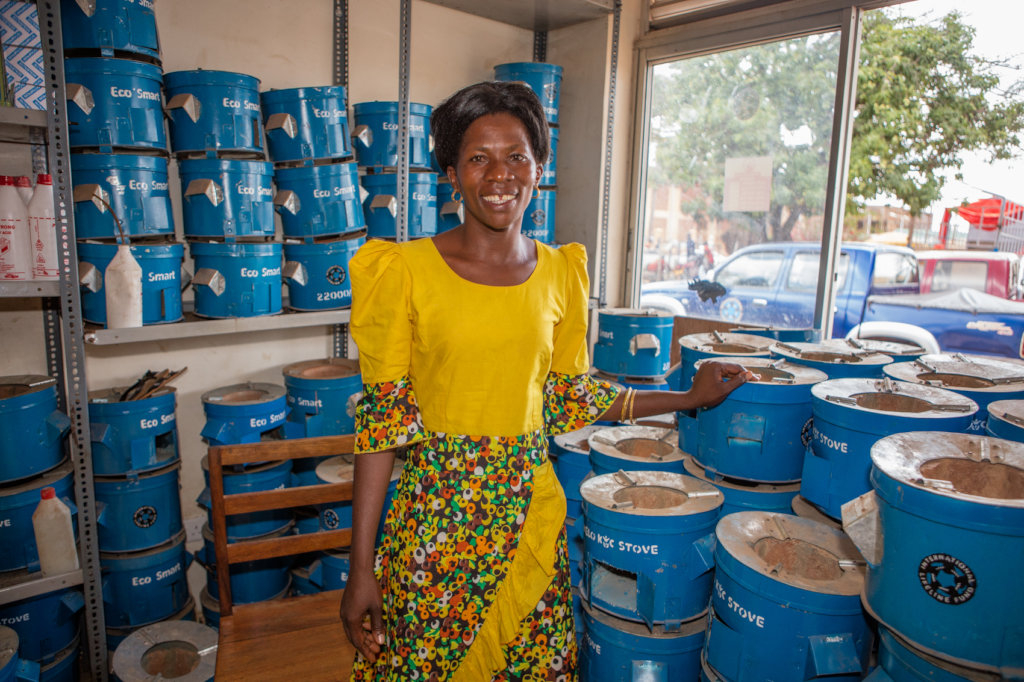
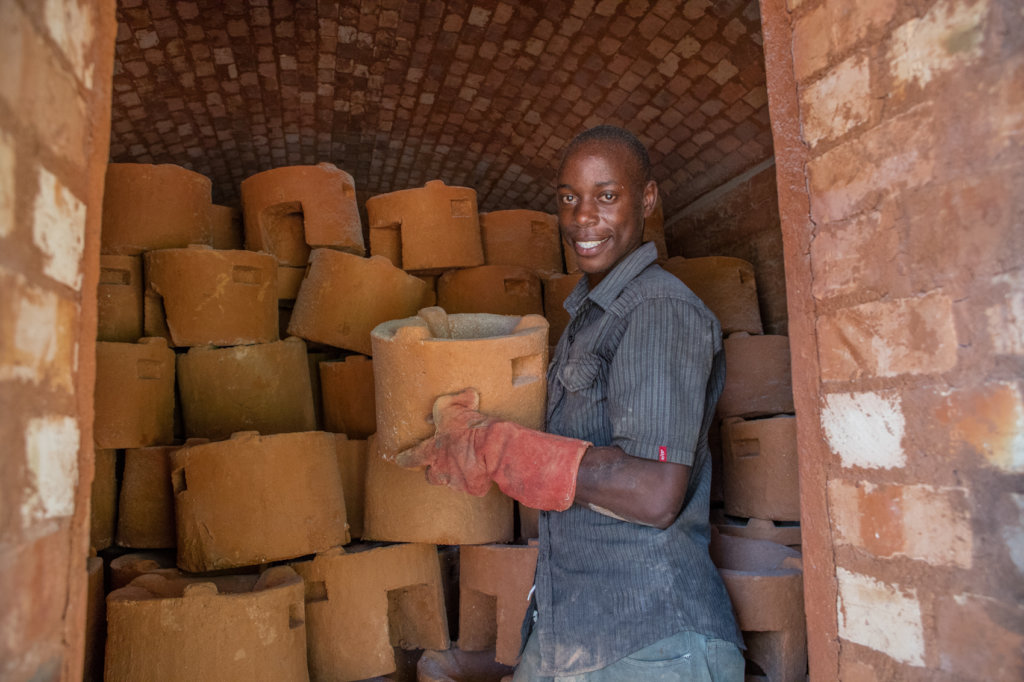
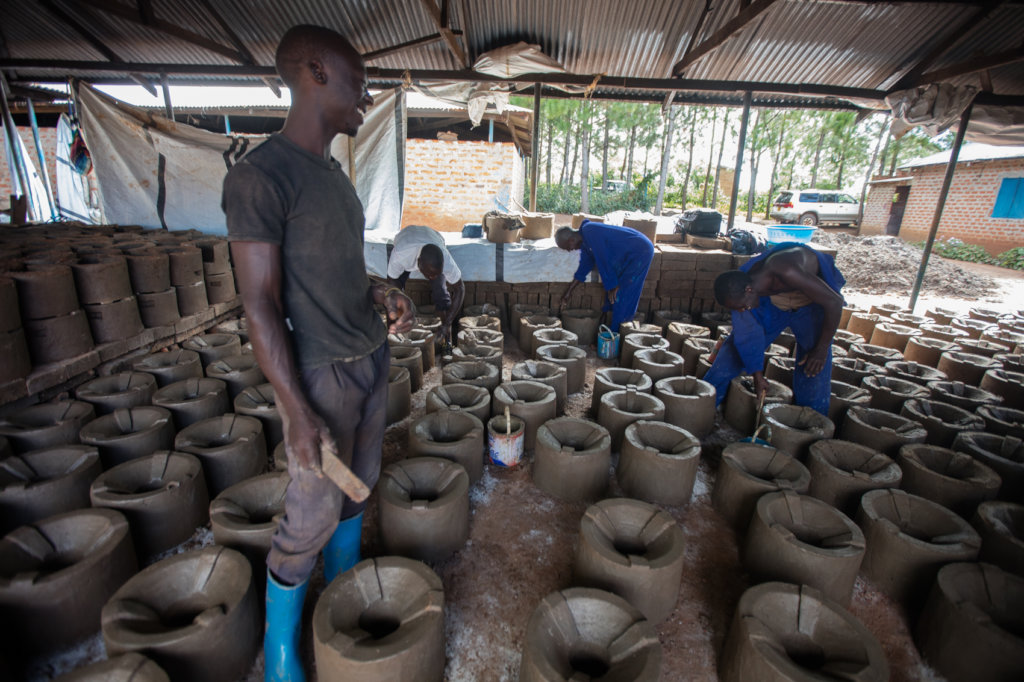
In Lira, Uganda, Lifeline also completed an expansion and upgrade of its stove production facility in order to accommodate increased demand for rural stove production. Further updates on these developments will follow in the coming months.
New Beginnings
On January 1, 2016, Lifeline formally merged with ClearWater Initiative following a successful partnership in the summer of 2015. Founded by the late U.S. Army Captain Benjamin Sklaver in 2007, ClearWater has provided access to clean water to over 13,000 people in Northern Uganda. In honor of Captain Sklaver’s legacy, Lifeline has re-branded its water program going forward as the Clear Water Initiative.
The decision to merge was born from Lifeline’s and ClearWater’s mutual commitment to deep community engagement and helping people lift themselves out of extreme poverty to live healthier and more productive lives. With combined staff and resources, Lifeline and ClearWater will continue their work towards creating and maintaining long-term solutions for clean water and proper hygiene and sanitation practices.
Many thanks for your continuing support,
The Lifeline Team
Stories from the Field
Benson is the head teacher at Amambale PS, one of the schools where Lifeline introduced a SHC. Benson said that before the club was established, all 520 students had to share one handwashing facility. The facility was placed in front of the girls’ latrine, but all of the students used it. Given that it could only hold 10 liters of water, it did not provide enough water for all of the students and this often caused conflict between students since they blamed one another when the water ran out. As an initial step in starting a SHC, members conduct a mapping exercise where they identify the current gaps in sanitation facilities at their school. Benson was a bit surprised, but extremely happy that it was the students that identified the need for more handwashing facilities as one of the gaps.
Once the school received handwashing facilities, Benson was the first to show the students how to properly wash their hands. The students lined up and were very excited. Now, there are handwashing facilities in front of both the girl’s and boy’s latrines.
One of the poems that the students recite states: “My hands, my hands, my hands, are they clean? No, they are not clean! Why are they not clean? Because I forgot to use soap and water. When I give you soap and water will you be clean? Yes I will, but why do you want me to be clean? Because if your hands are not clean, germs will enter your mouth when you eat.”
Benson says that the club has also helped his school improve the cleanliness of the area surrounding their water point. In fact, they built a fence and soak pit, and cleared some of the surrounding bushes. Benson was proud that once again it was the students who identified this need. The club is also constructing a menstrual lab for girls to improve MHM in the school.
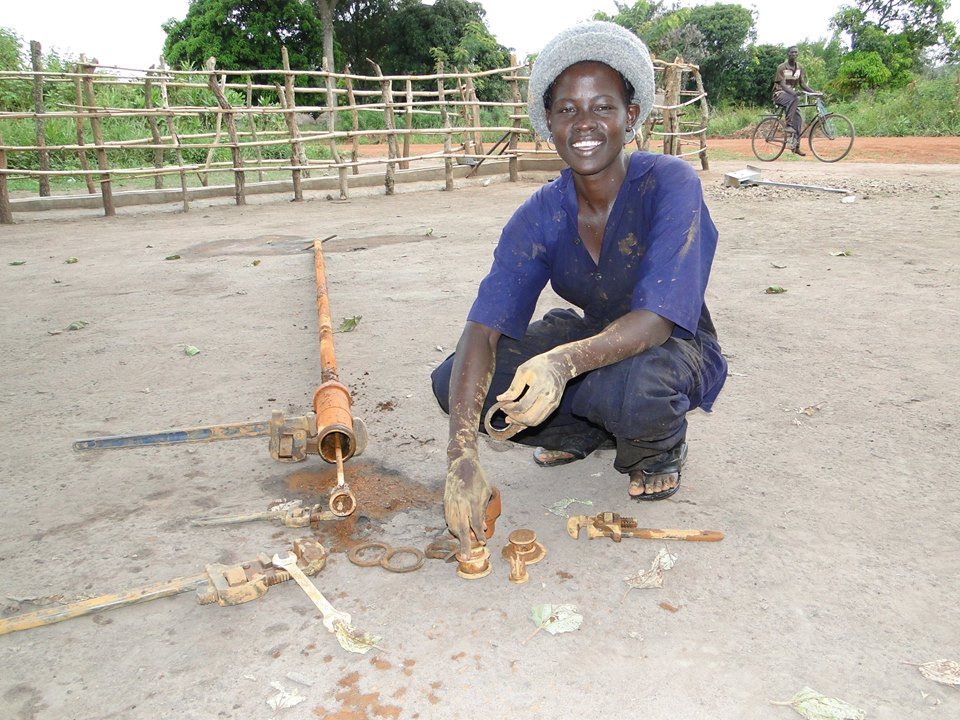
In order to ensure that community members are able to maintain and sustain their water points, Lifeline worked with the Apac District Water Office (DWO) to train pump mechanics from within communities to repair their wells locally when they breakdown. ILF encourages communities to use the services of these pump mechanics, who have been given tools and are able to access spare parts at the DWO’s depot at a subsidized price.
One such mechanic is Doris, the first female pump mechanic in all of the Apac District of Northern Uganda. She is 24 years old and has been working as a pump mechanic since 2012. At this point, Doris has repaired so many wells that she has lost count of the number. Doris is not only earning a viable income, but she says that her work gives her great satisfaction. She feels happy each and every time she can help a community fix their water point.
Doris states “I encourage other women to be trained as pump mechanics since it is the women who suffer the most when a well breaks down. If more women are trained as mechanics, we can fix wells more quickly in our communities.”
On one particular afternoon, Doris repaired a water point that had been rehabilitated by Lifeline in the village of Acekene. Upon arrival, Doris opened the well, removed 18 riser pipes with the help of the community, and diagnosed the cause of malfunction. Doris said that the cylinder was not working well because the pump bucket and rubber sitting valves were worn out. The community needed to pay about UGX100,000 for labor and new parts and Doris was able to fix the water point that day.
Project reports on GlobalGiving are posted directly to globalgiving.org by Project Leaders as they are completed, generally every 3-4 months. To protect the integrity of these documents, GlobalGiving does not alter them; therefore you may find some language or formatting issues.
If you donate to this project or have donated to this project, you can receive an email when this project posts a report. You can also subscribe for reports without donating.