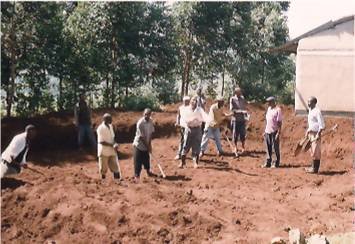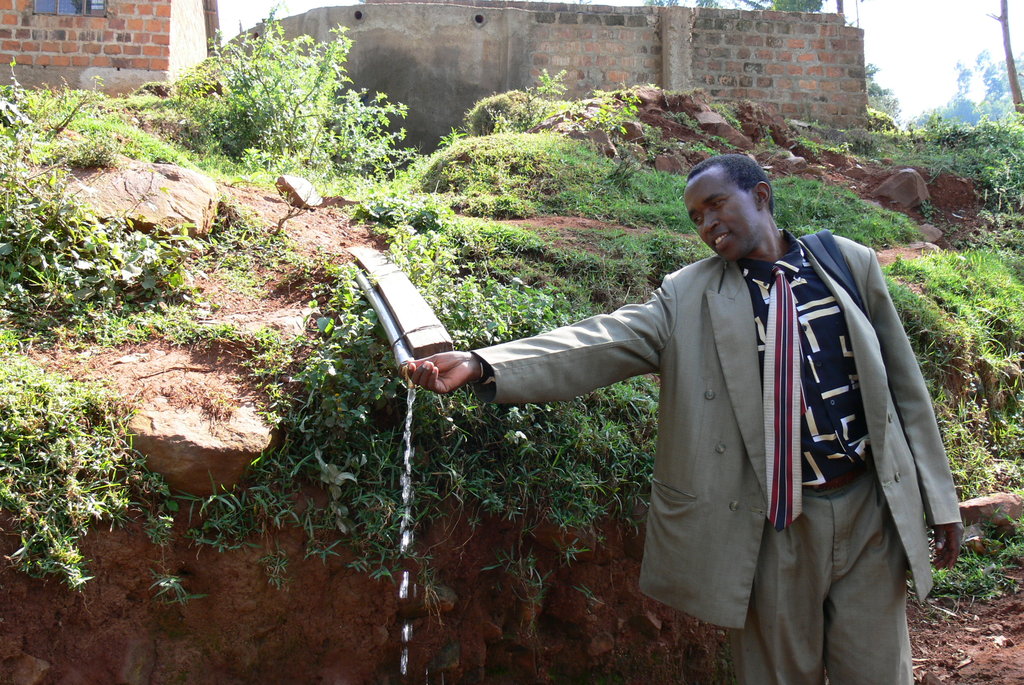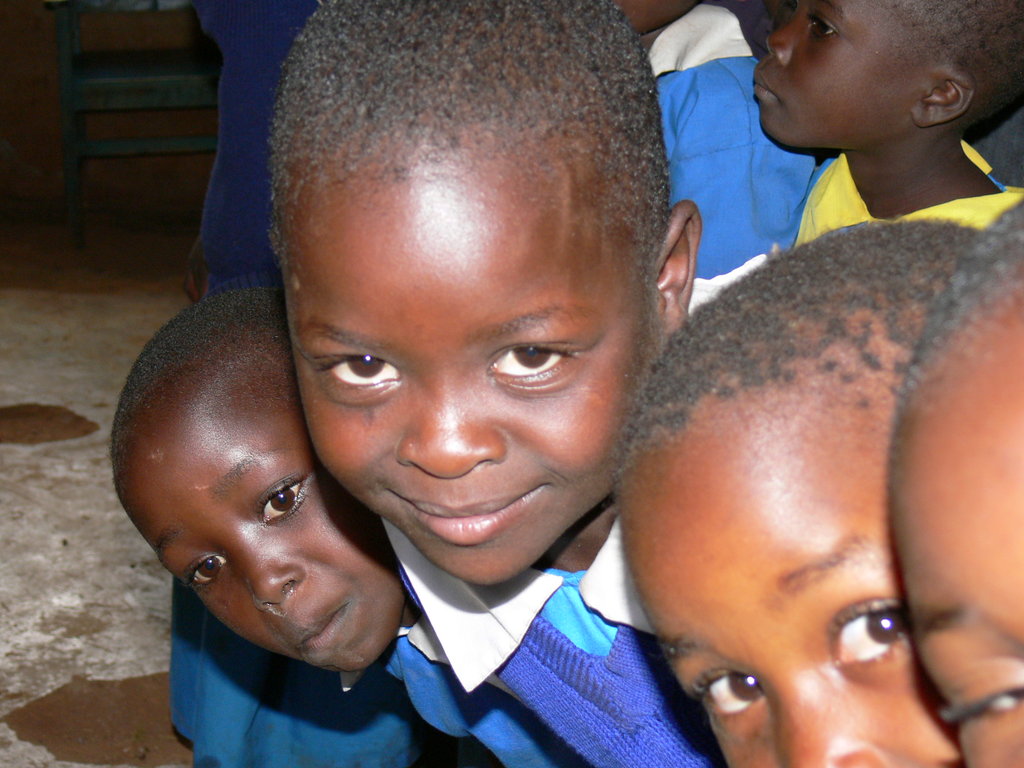
In Kisii Kenya, residents are frequently stricken by life-threatening illnesses caused by water that is contaminated with feces. Children are especially vulnerable, but schools offer a solution. With their extensive roofs, they are well suited to collect water provided by irregular rains. The large, concrete tanks constructed at these sites provide water that is safe to consume, and eliminates the potential for harm to students who often travel several miles to retrieve water.
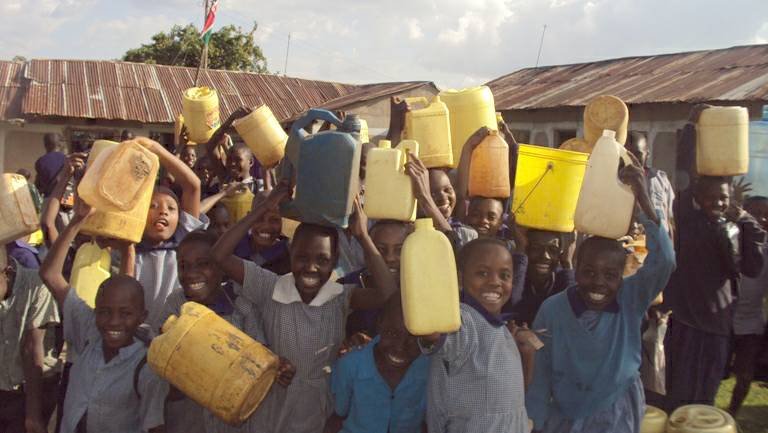
Students sacrifice time and safety to carry water from distant streams. Many of these sources are contaminated by human and animal waste and the impact of using streams for cleaning and drinking. This leads to outbreaks of cholera, typhoid, and other deadly diseases, leading to unnecessary childhood deaths. High, intermittent, and sometimes heavy rains present an opportunity for schools to have safe water while eliminating the negative effects of shortages and contamination.
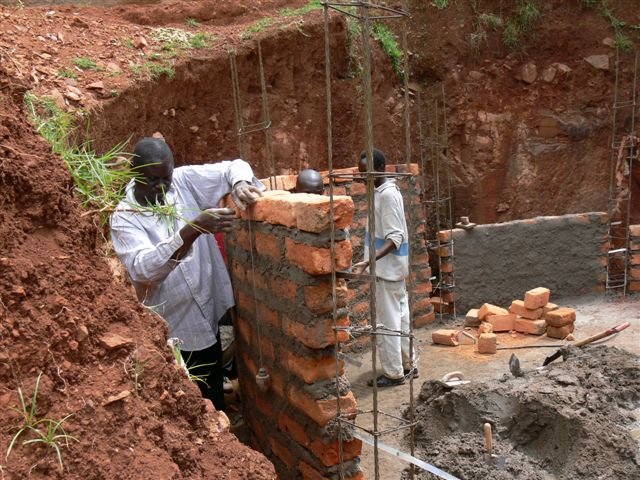
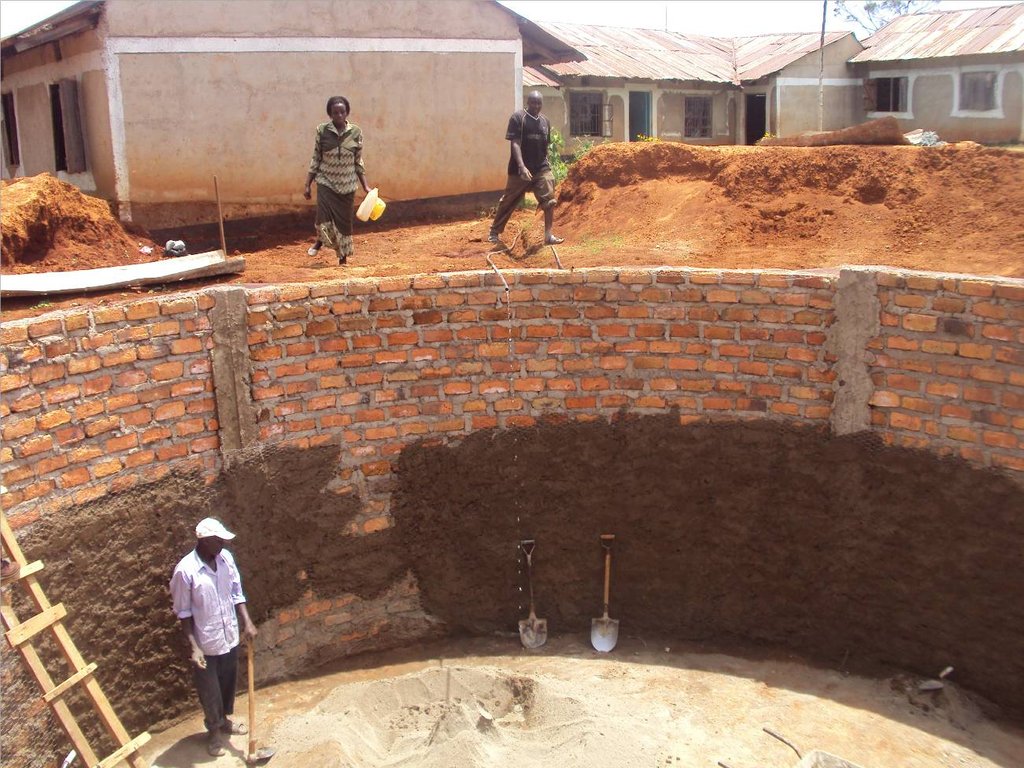
The extensive roof structure at a typical school permits water to be collected and stored in 50,000-gallon cisterns built into the ground. The rainwater is collected by a large gutter system, routed to the tank, and kept at a cool 40 degrees Fahrenheit. Students receive water which keeps them safe and disease free, and enables them to devote time to learning rather than on carrying 5 and 10 gallon water containers throughout the countryside.
Healthier students will be more alert and more successful in the competitive Kenyan education system, increasing their likelihood of progressing past secondary school. Incidents of harm to students who retrieve water will be reduced, particular those who have disabilities like those at Nyakome School for the Deaf. Primarily, there will be a reduction in the number of childhood deaths from water borne diseases.
This project has provided additional documentation in a PDF file (projdoc.pdf).