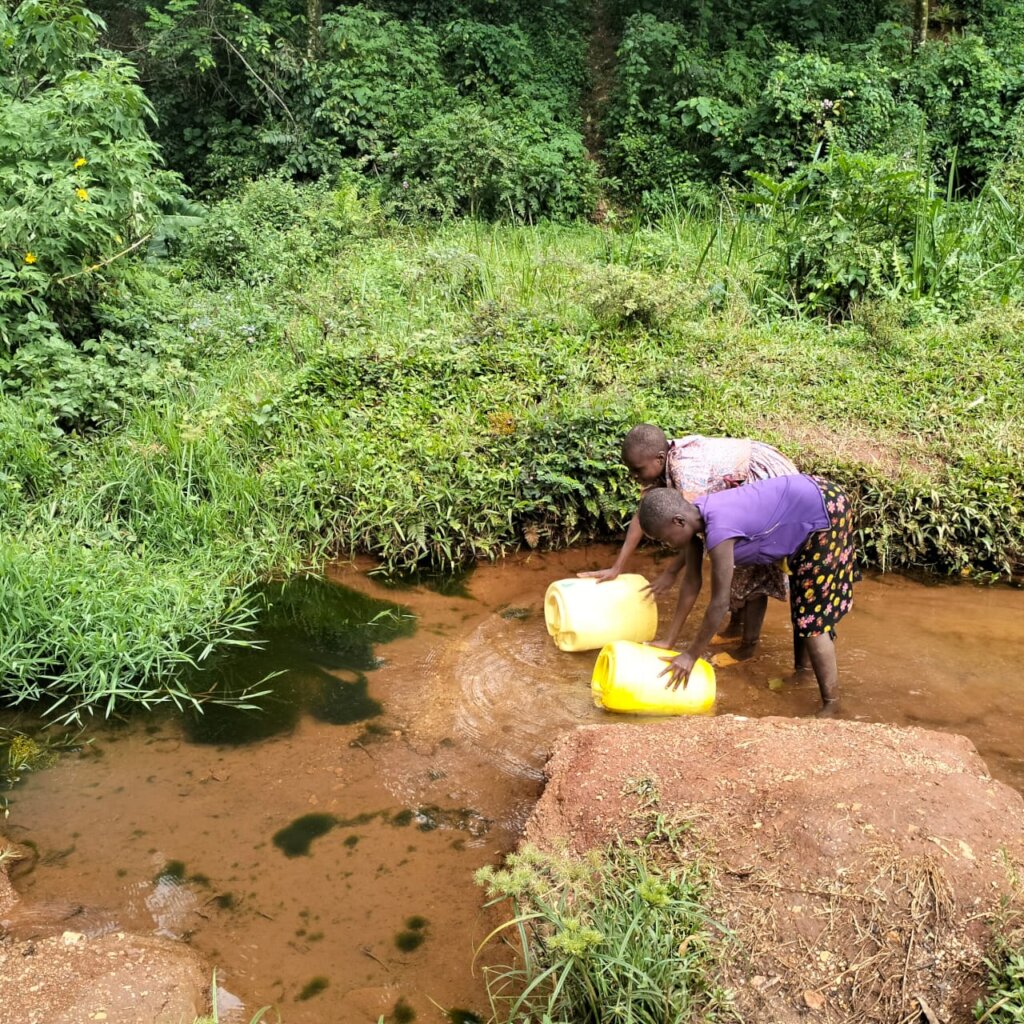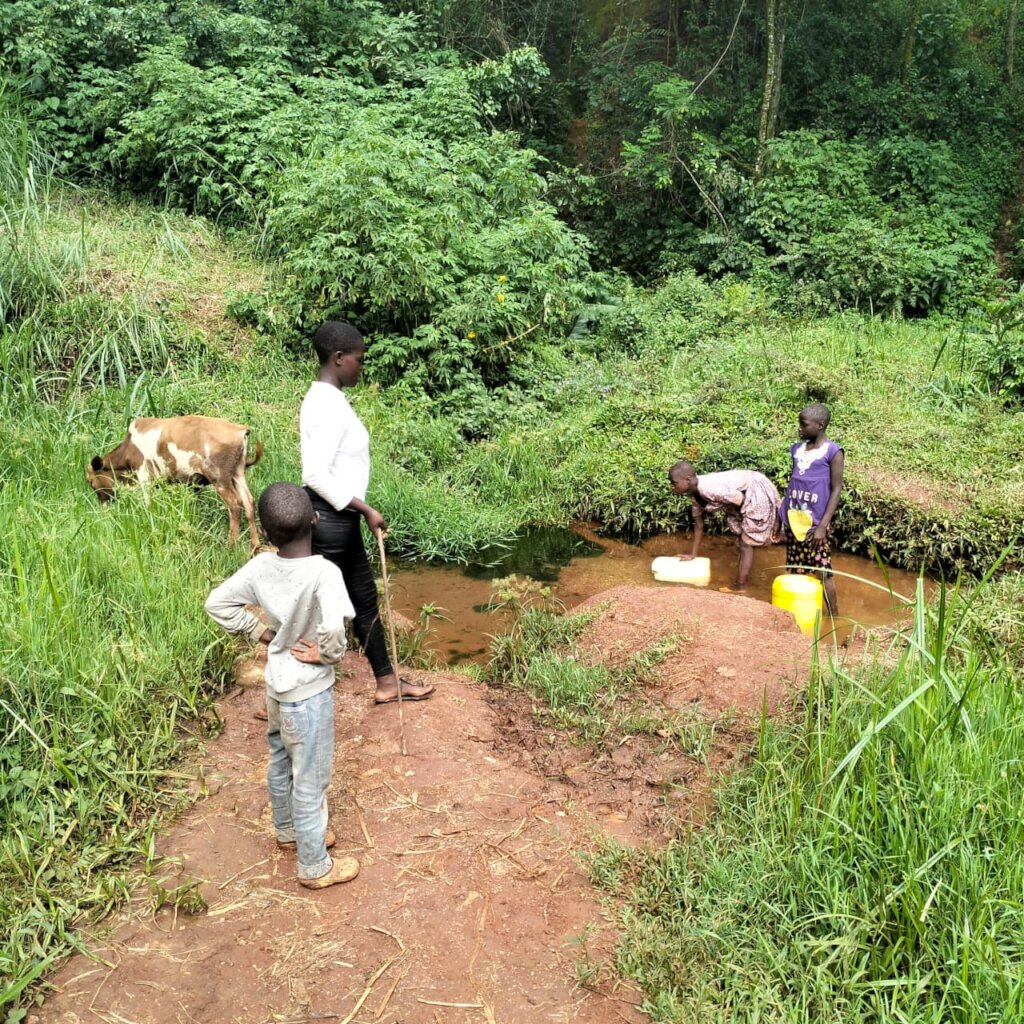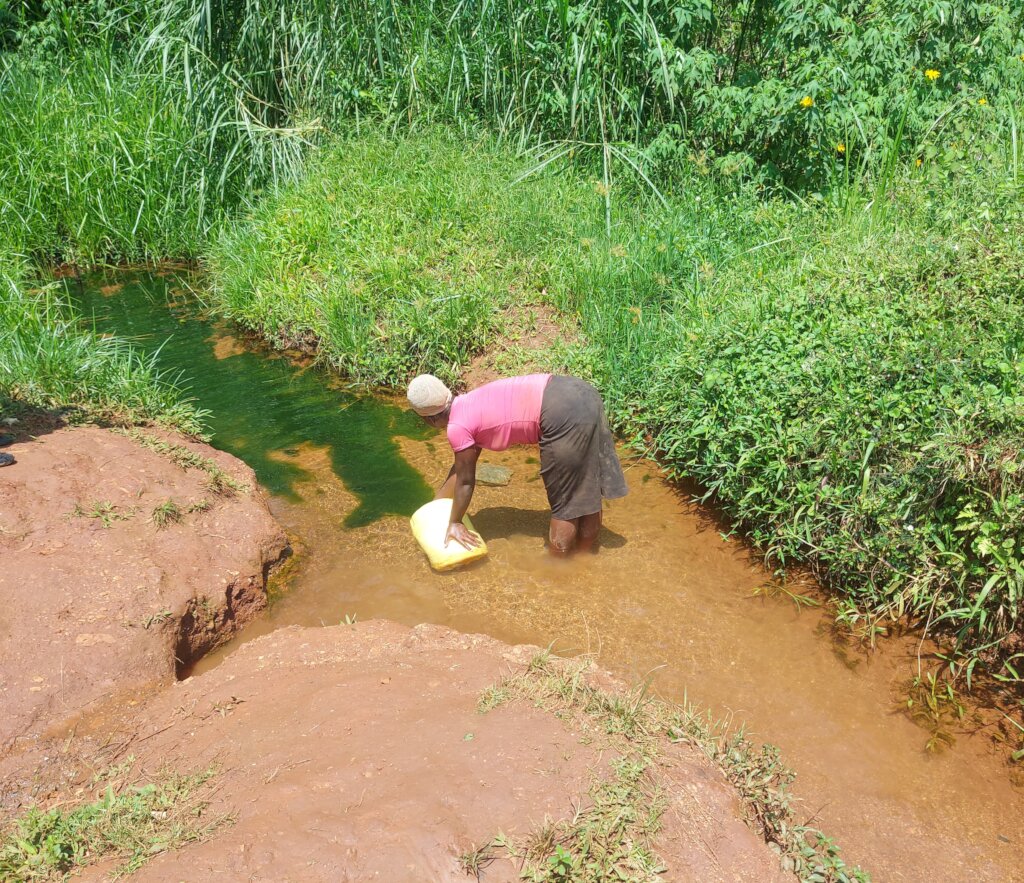
This project seeks to provide safe, clean drinking water to 20,000 people in rural Western Kenya by rehabilitating three springs, building a well, and constructing four water supply points. The initiative aims to address the high risk of waterborne diseases which are prevalent due to the community's reliance on contaminated sources shared with animals.
The community faces a severe water crisis, relying on contaminated springs, rivers, and ponds for water. Without piped water to homes and schools, women and children walk long distances to fetch polluted water. Girls miss school, disrupting their education. These sources are contaminated by animal waste and chemicals from local gold miners. As a result, waterborne diseases cause 60% of hospital visits in the area, placing a significant strain on already limited household incomes, under $2 daily.
This project will repair and restore three springs to prevent contamination and waterborne diseases. A well will be constructed, and water will be piped to three distribution points, with a filtration system installed to ensure clean water access. This will eliminate the need for long, unsafe water-fetching trips that take time away from school and work. Fully implemented, the project will reduce cases of school absenteeism and save families both time and money spent on treating diseases.
In the long term, this project will improve living standards by increasing access to clean, safe water and reducing waterborne diseases. It will lower absenteeism in schools and workplaces, boosting academic performance, especially for girls who won't need to walk long distances to fetch water. The project will enable greater social and economic participation, as time and resources spent on water collection and healthcare are redirected. Improved sanitation will benefit the entire community.
This project has provided additional documentation in a PDF file (projdoc.pdf).