Project Report
| Feb 11, 2021
Clean water and livelihood skills training
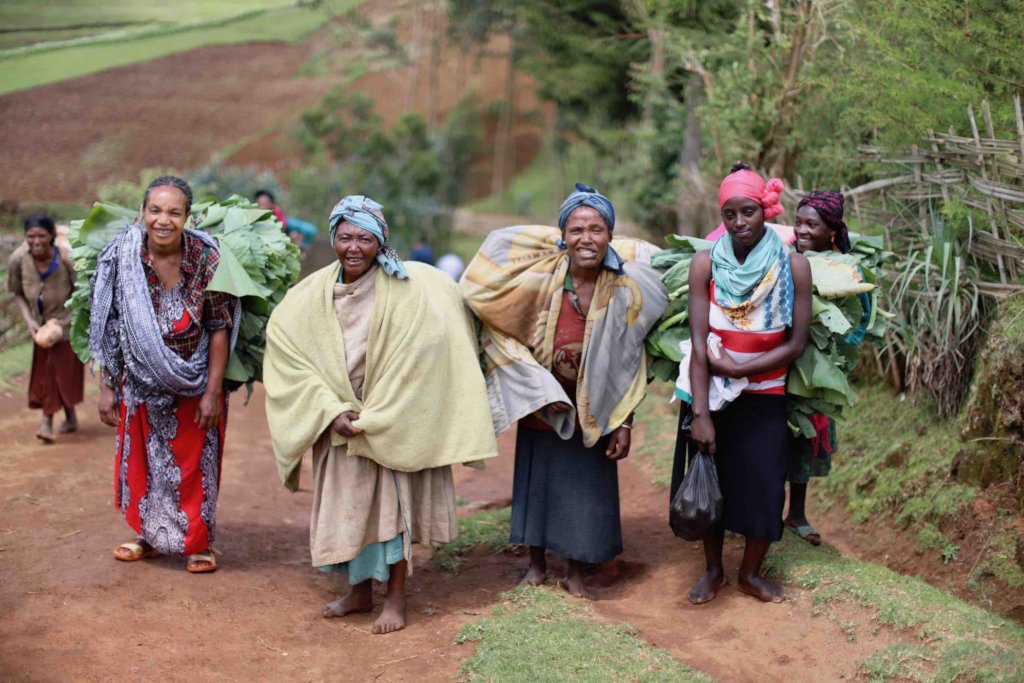
![Clean water for all!]()
Clean water for all!
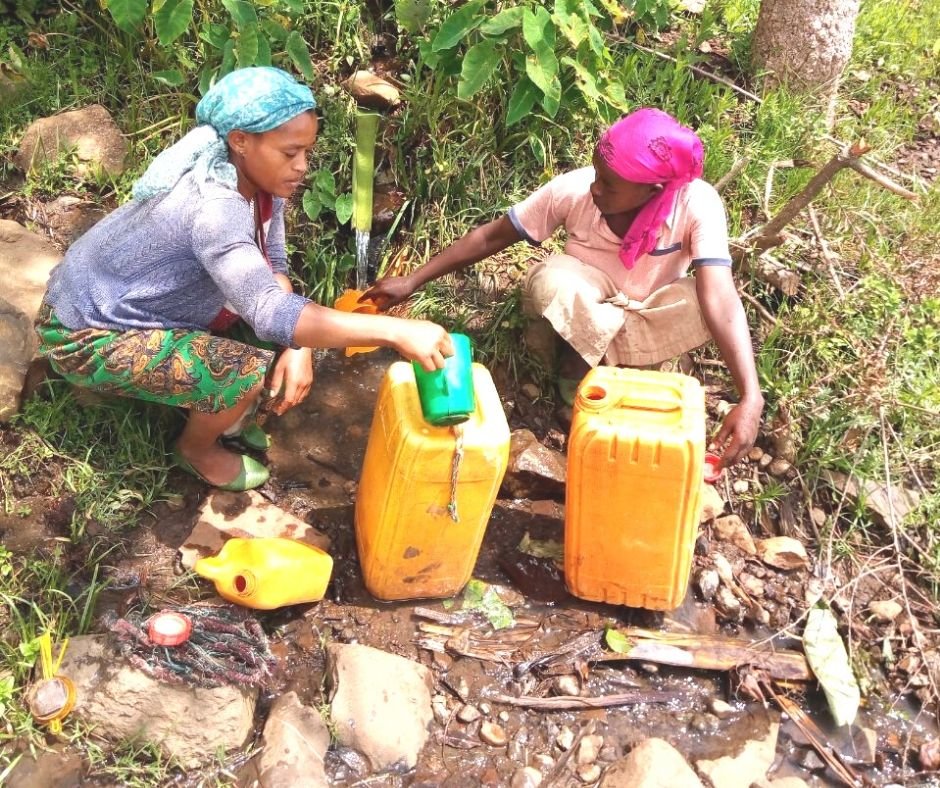
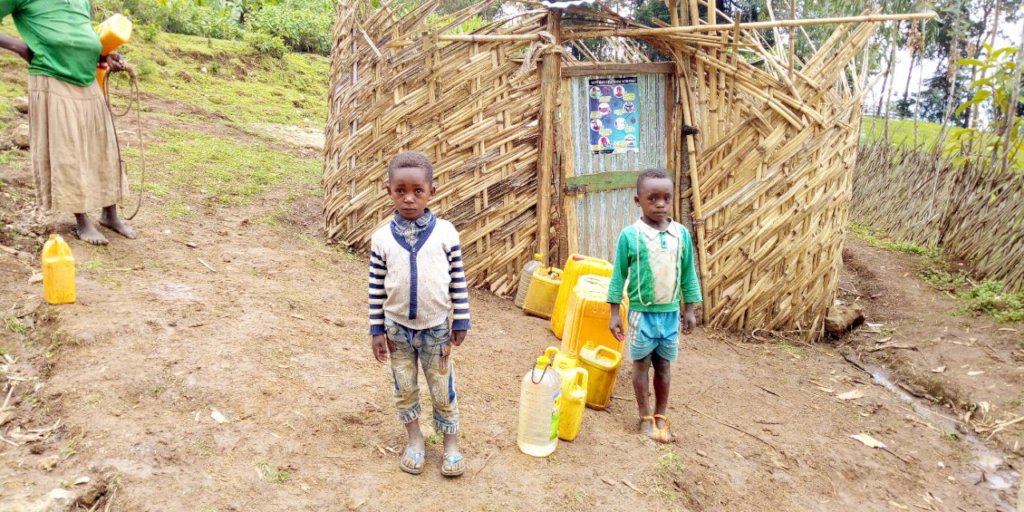
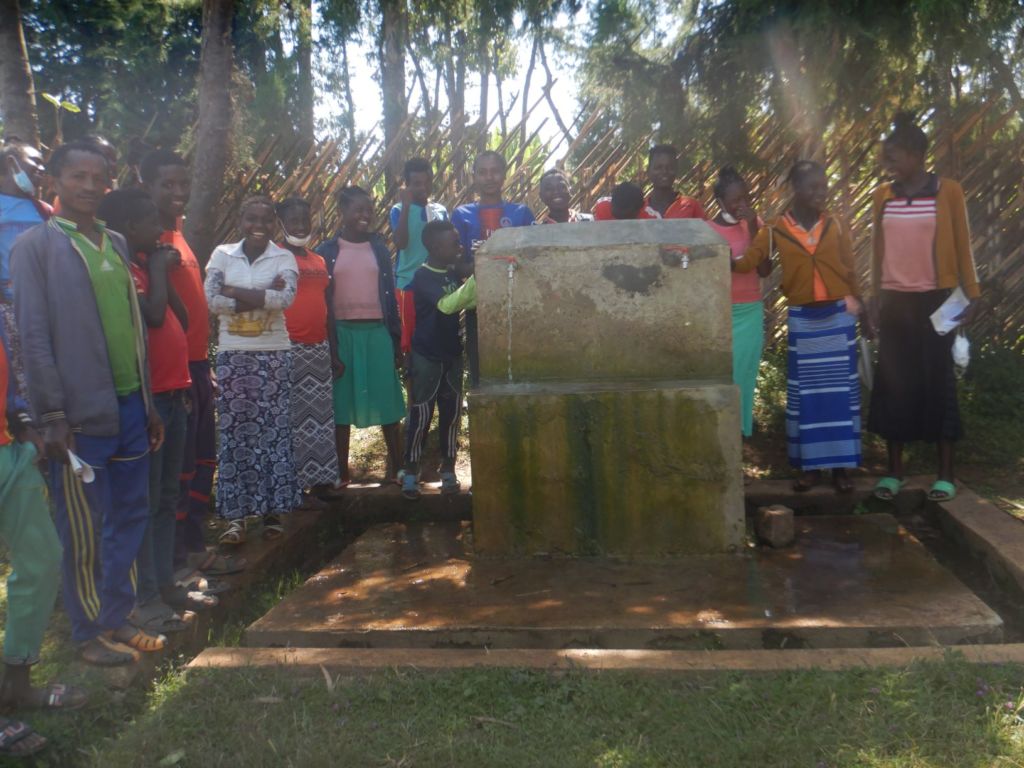
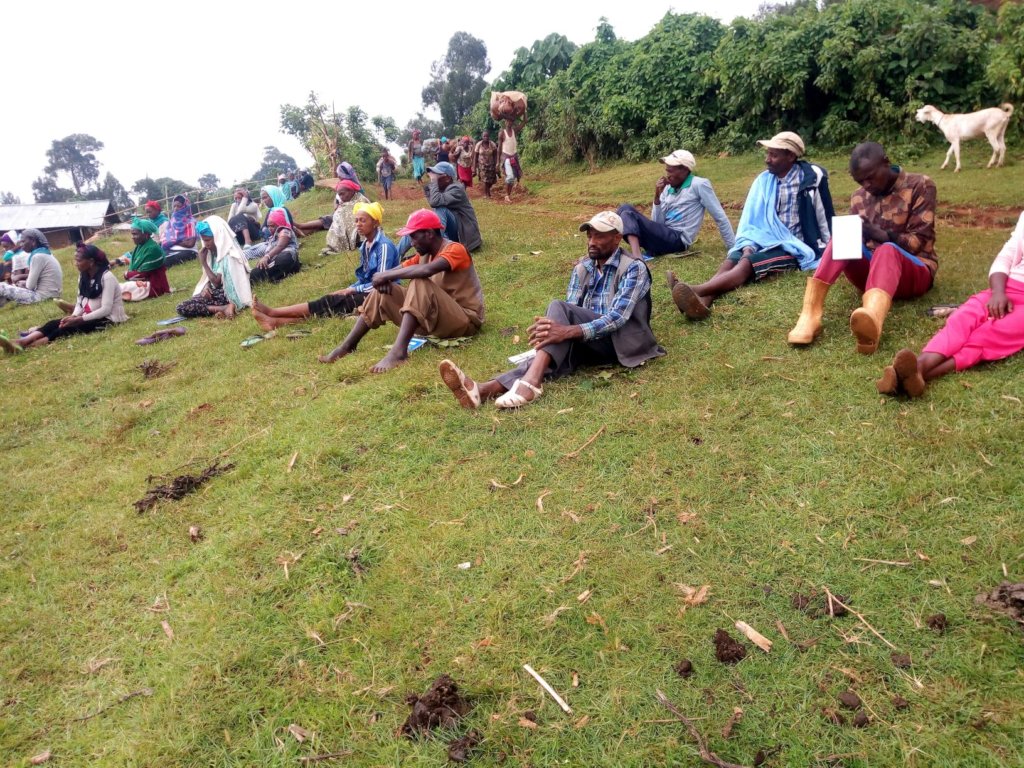
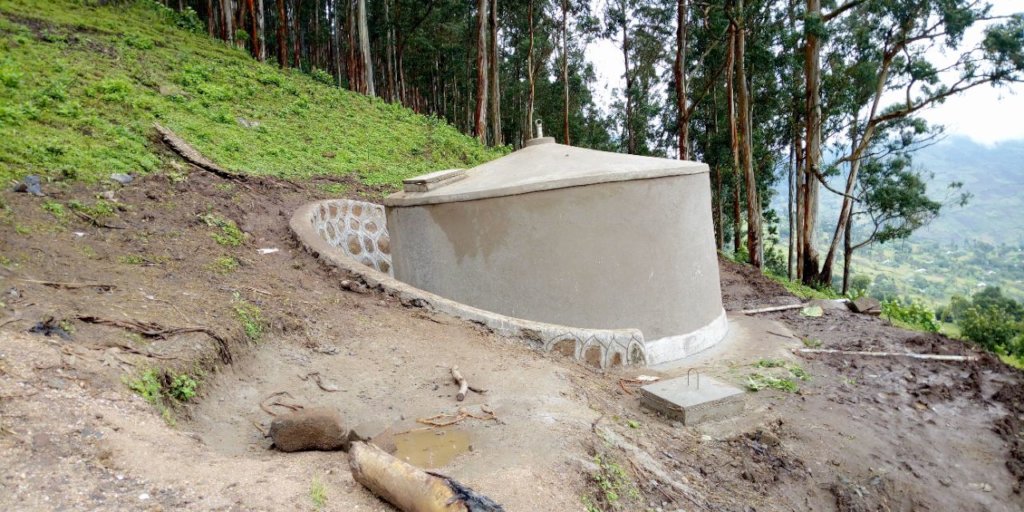
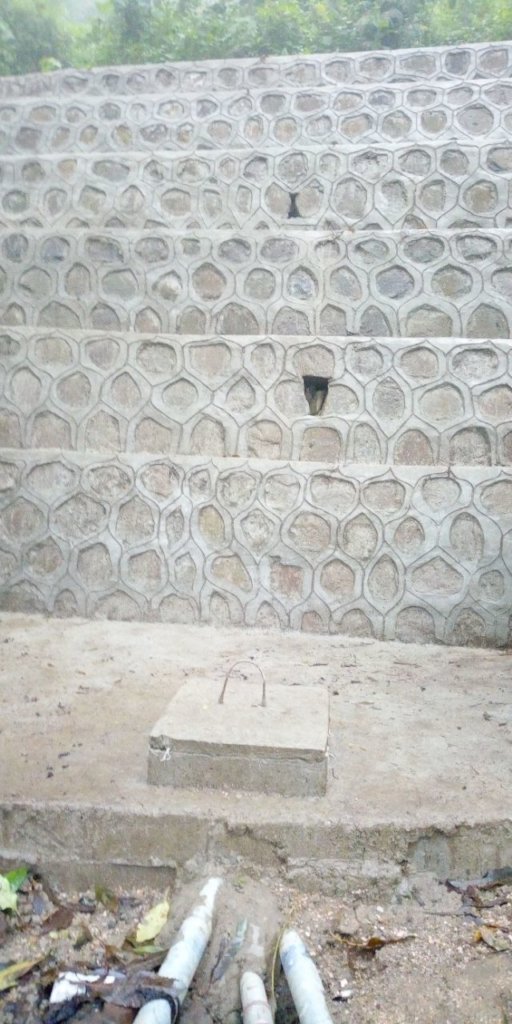
We are delighted to report that the construction of the water system in Garadida is now complete, well ahead of the original schedule for this project, and as a result clean, safe water is now locally available for 1,176 men, women and children near their homes and in local schools. On top of the health and economic benefits that clean accessible water brings, in the context of a global pandemic, it also means that community members are better able to protect themselves against the COVID-19 virus and that schools were able to re-open. Health and livelihood education will continue for the duration of the 24-month project as per our agreed plan.
The following are some initial outcomes that are already evident in Garadida:
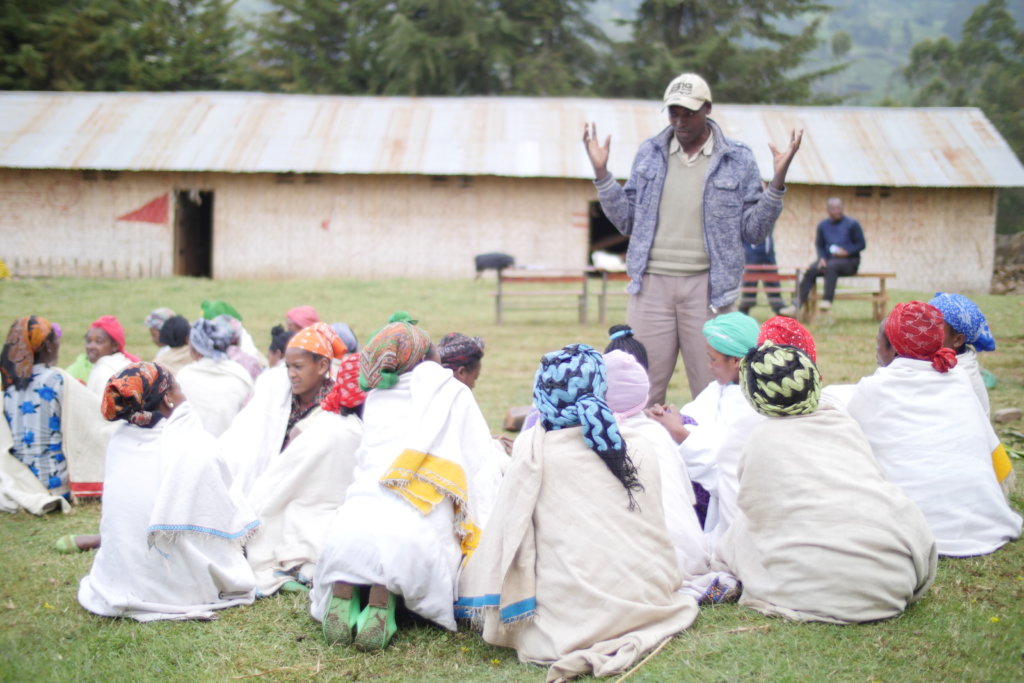
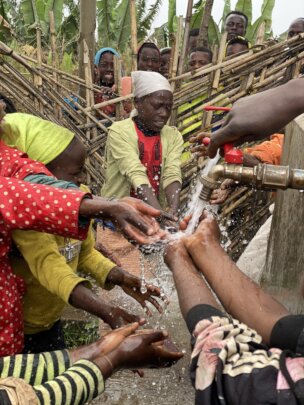
- Health: Since the delivery of HOPE’s health education and the new training on the awareness and prevention of COVID-19, there are examples of changed behaviours in many households in Garadida (washing hands often and properly, cleaning clothes regularly, using a shelf for kitchen materials, using a drying rack for utensils and crockery, plus general improvements in the cleanliness of homes, etc.) and initial improvements in health (fewer reported stomach aches and episodes with diarrhea). In addition, the local health post now has clean water access which helps to prevent disease and germs spreading further when treatment is needed or babies are delivered. Training, guidance and modelling of good health behaviours will continue by HOPE staff until the full 24-month project is complete. In addition, there is evidence that the community is trying to take preventative measures to avoid catching COVID-19 as taught in their training, e.g. using proper hand-washing techniques. However, this will need continuous follow-up training and awareness for the duration of the project as HOPE staff observed that, because the infection rate in rural Ethiopia is very low and currently there have been no confirmed cases of COVID-19 in our project implementing areas, many local people have expressed difficulty believing that COVID-19 could become a problem for them too.
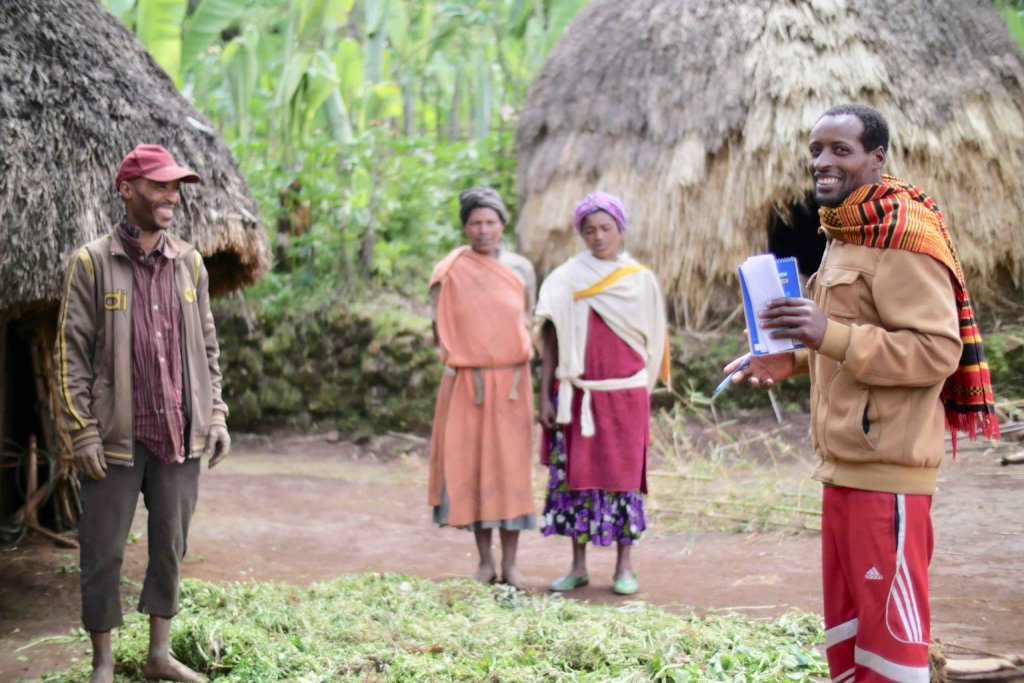
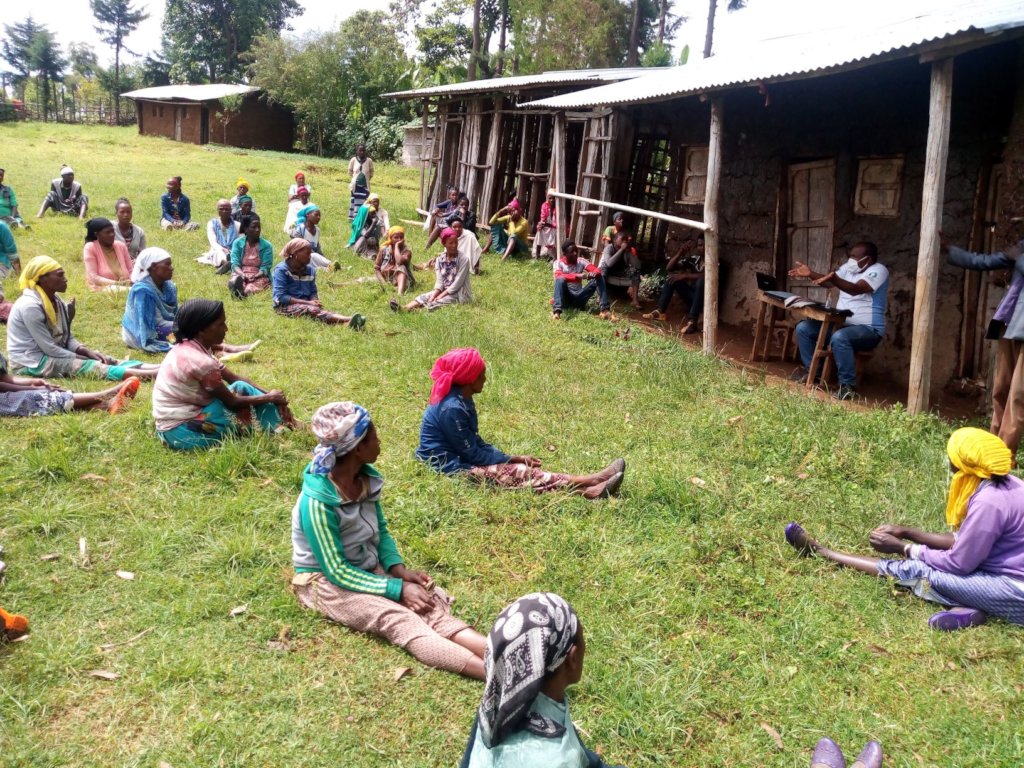
- Economic: Having a local water system has allowed more time for economic activities; local water access has allowed more community members to get involved in earning needed money, especially women. For example, further to the Self Help Group (SHG) training, 100 women are now saving money weekly, a habit that did not exist prior to HOPE’s input. Most members have received loans from their SHGs – either individually or in a group – and are using them for income generating activities such as selling vegetables in the market and rearing and fattening animals for sale, thereby starting to improve the economic conditions of their families and their resilience to external shocks and risks such as extreme weather events, locusts and disease. Many women also report that they have benefitted from the social interaction with their fellow SHG members and that their work habit has increased. Similarly, HOPE staff report that the SHG members have become models to others in their community who are not SHG members. Economic development will continue to progress, with continued weekly support and training within SHGs, for the duration of the project.
- Educational: The local school now has local clean water access and increased hand washing has been reported amongst the children. The school director, Mr Temesgen Yohanis, said that an having a functioning clean water system was one of the most important criteria considered when re-opening schools after their closure due to COVID-19 in March 2020. Therefore, the new water point at the Garadida School provided the necessary element for children to resume their education in September/October 2020.
- Self-reliance: The provision and benefits of clean water has been a significant catalyst of change: local people now have the time, skills and support they need to pursue new opportunities. Most significantly, there is an increased sense of confidence and hope for the future and an emerging culture of women working together, embracing opportunities with each other’s support. The local people have been invested in and they are feeling less neglected, vulnerable and hopeless. They now feel they have a role to play in determining their future and the future of their children and are equipped to fight COVID-19.
At the request of the local government, this project will also integrate two new components:
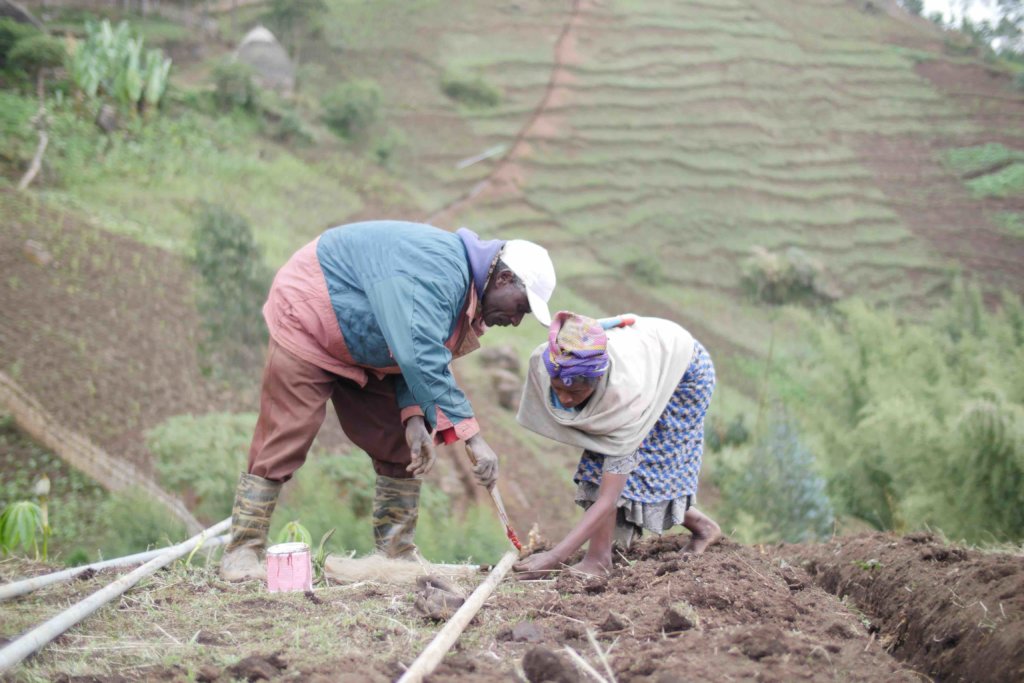
1) training for 150 of the poorest households to improve agricultural productivity, such as growing crops that can adapt to changing weather patterns due to climate change; the provision of seeds, fruit trees and resources required for SHGs to set up nurseries; plus the provision of bee hives for 20 landless families. This is to address increasing concerns of food security.
plus
2) planting of 15,000 trees and the building of a dam by the community to direct excessive, heavy rainfall, which is becoming more common and dangerous, away from homes and land used for growing food. These environmental protection efforts are to address the increasing impacts of climate change.
These two new elements are to ensure each local household can sustainably feed its family members and protect itself, and its livelihood, in increasingly uncertain times.
We are currently raising £10,000 more to fulfil the budget so that these new initiatives can be delivered as per the agreement with the local government. Your continued financial support is appreciated.
Health education (including continued COVID-19 prevention training) and small business start-up support within SHGs will also continue until April 2022, along with these two new components of the project.
In conclusion, we're grateful for your support as we receive stories of positive change like the following:
Terefech is a 15-year old girl and a 5thgrade student. One of her duties is to fetch water for all her family members and to share other household work responsibilities with her mother. She said that before having a new water system in their neighborhood, she was regularly late arriving at school. This was due to the long distance to walk to fetch water. Terefech is now very happy because she now does not miss lessons at school because she arrives on time each day after completing her chores. “Missing school is history,” she reports.
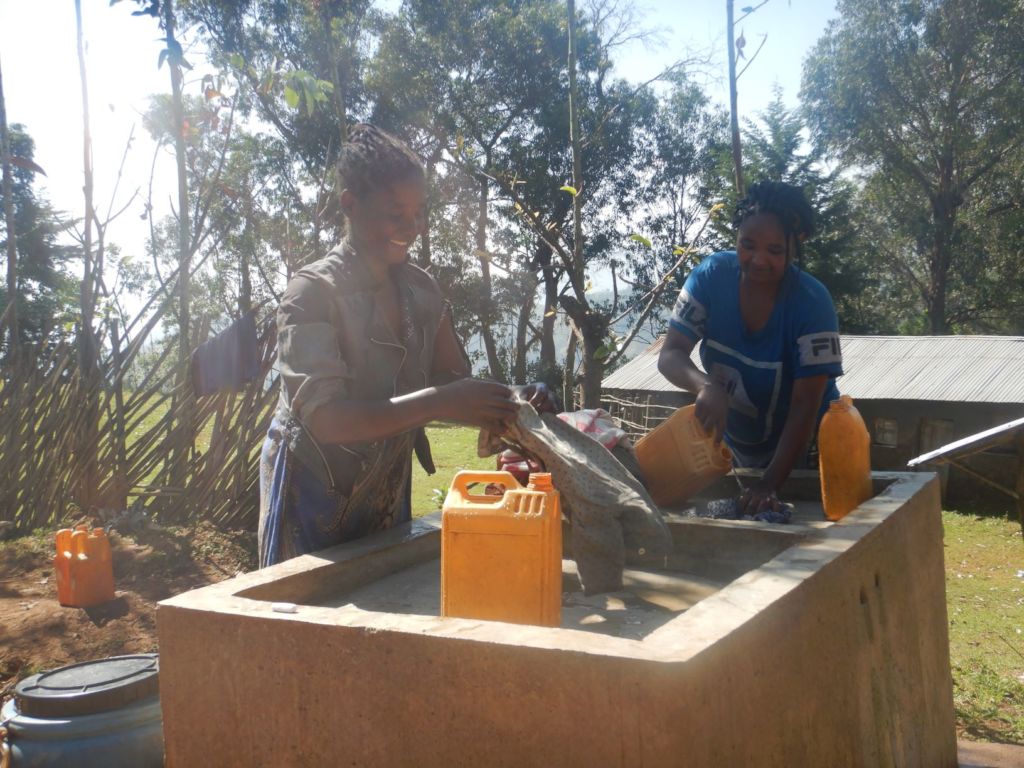
![Using the new wash basins]()
Using the new wash basins
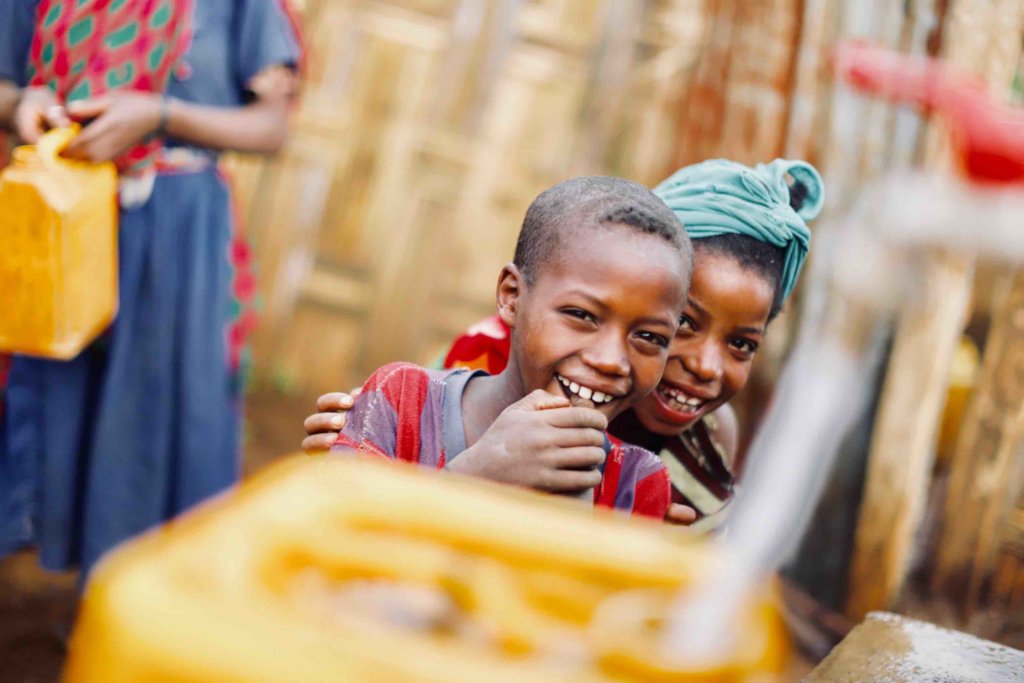
![Queuing for water at the new water point]()
Queuing for water at the new water point
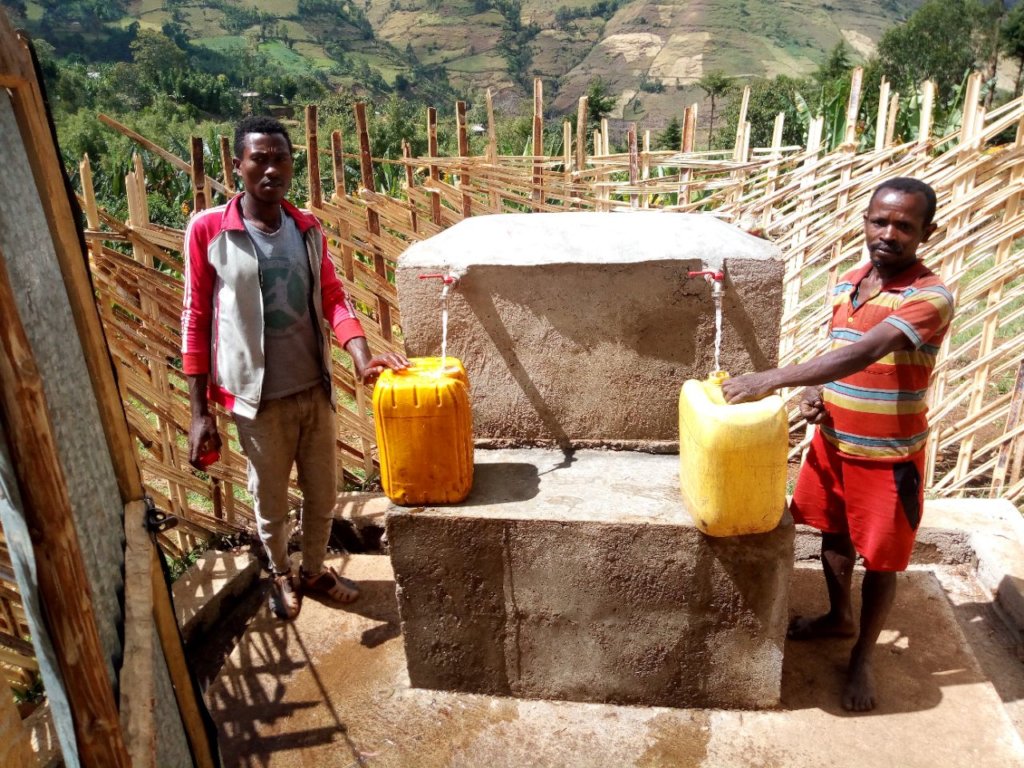
![New water point at the school in Garadida]()
New water point at the school in Garadida
![Terefech collects water and then attends school]()
Terefech collects water and then attends school
![Share on Twitter]()
![Share on Facebook]()