By Hannah Clift | Project Associate
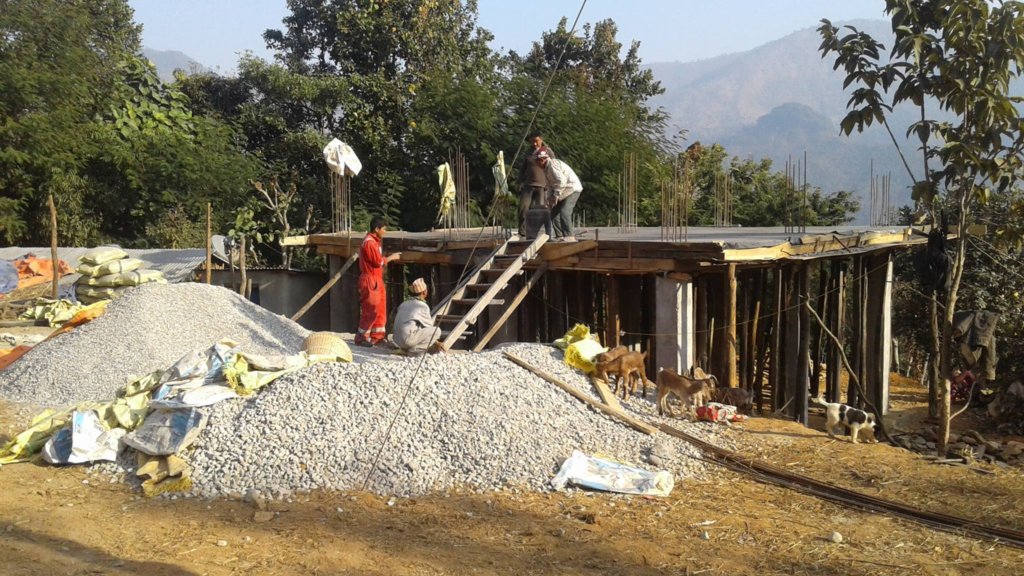
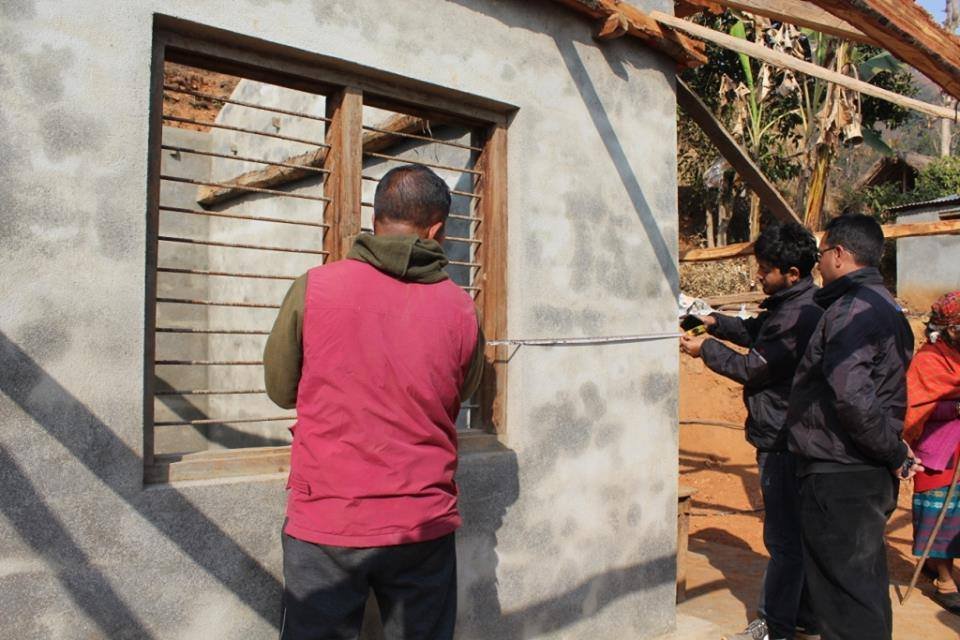
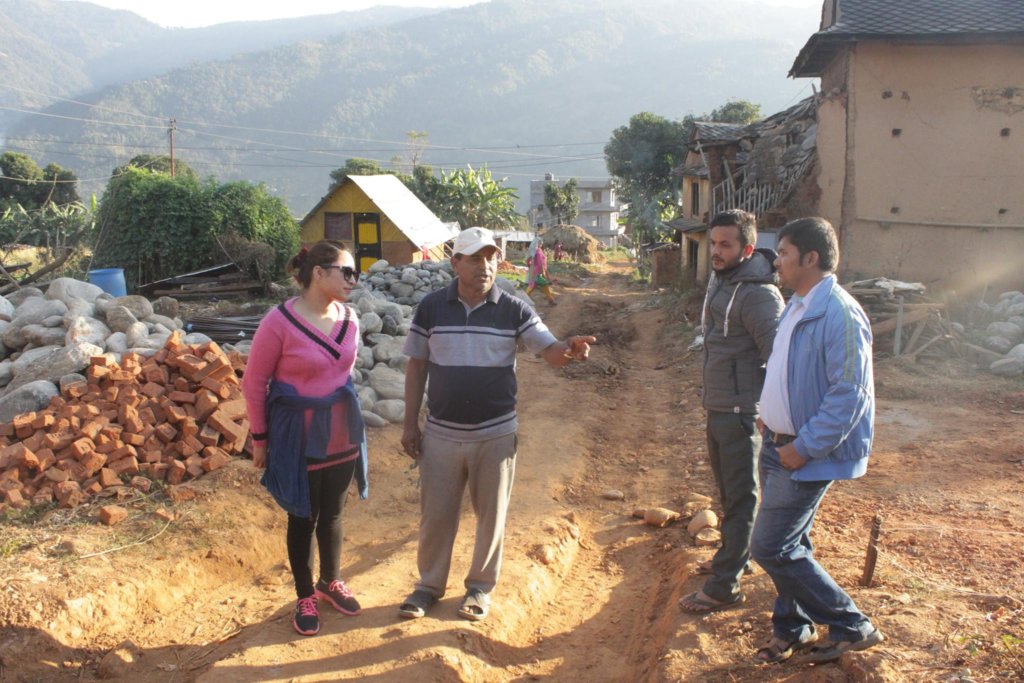
Kabiraj spent nearly two years in living in temporary housing: four tin walls held together with wooden poles, topped with a tin roof weighted down with rocks. While the government of Nepal's relief distribution process following the 2015 earthquakes has been slow, Kabiraj was able to start rebuilding his house in Nayabasti, Dhading from the first installment of the government relief money. But until engineers from the National Reconstruction Authority (NRA) inspect and declare the initial construction eligible under the government criteria, victims of the earthquake do not qualify for the second installment. So, construction stalled for Kabiraj and his family until they could find an NRA engineer and arrange an inspection.
The government of Nepal has approved and released several designs and criteria for rebuilding homes, but many citizens -- especially those in remote villages -- have trouble obtaining this information and are confused about the specific reconstruction requirements. Due to a lack of information or informed officials on a local level, some community members are apprehensive about starting construction of their new home at all, while others who have started construction are now wondering if they must start from scratch to receive funds. Many, like Kabiraj, are in limbo, waiting for inspection to continue rebuilding but unsure about how to find a NRA engineer for the inspection. There are other complex challenges as well. Water and wood shortages have stalled building in many communities, and poor road conditions have made getting those resources difficult. High rates of labor migration have left many villages without the manpower necessary for rebuilding as well.
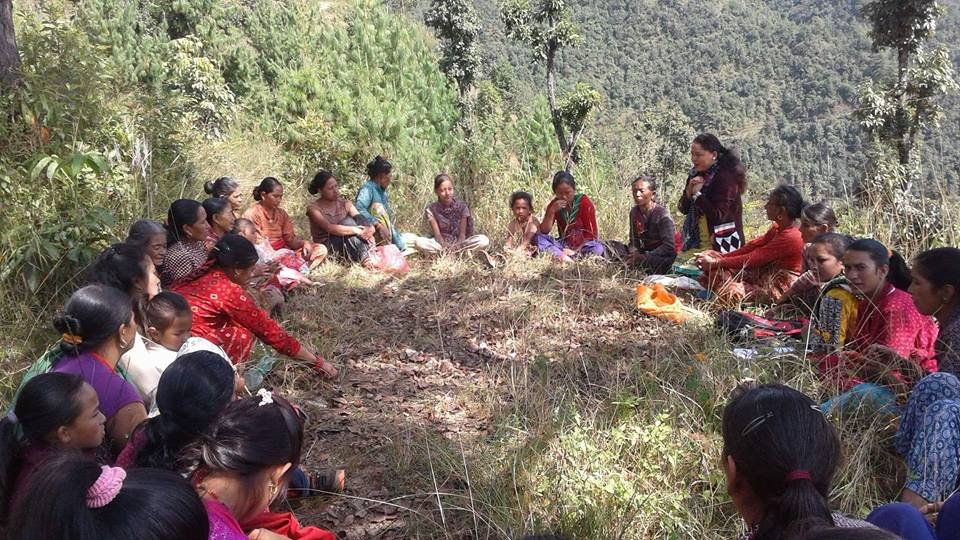
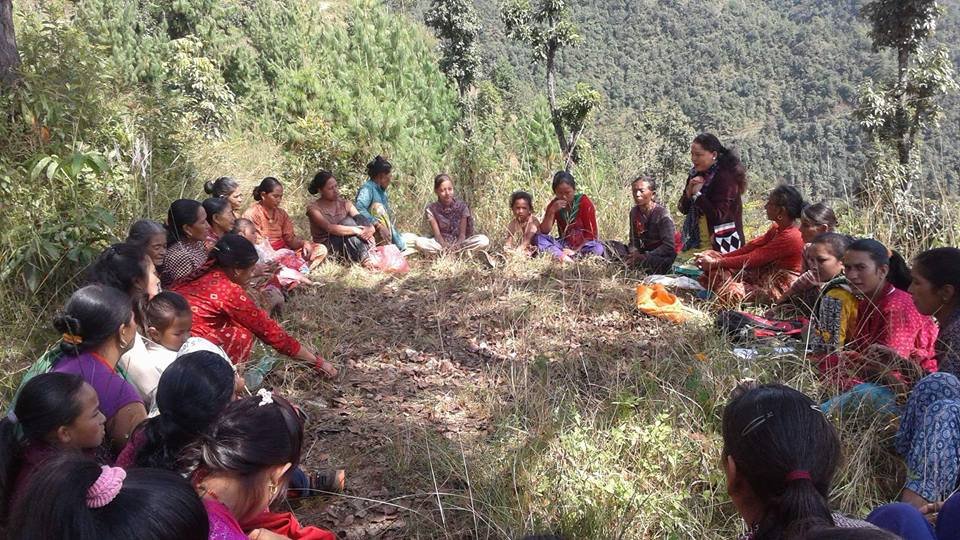
Citizen Helpdesk’s Community Frontline Associates (CFAs) not only work to ensure that licensed engineers and local government officials are present at community meetings, but come to meetings themselves armed with documents, addresses and phone numbers to distribute to community members. In addition to that, community radio programming ensures that the right stakeholders are aware of community concerns and confusion and reaches wider audiences with answers. Recently, community meetings have included officials from the District Forest Office of Dhading who heard these problems and promised to bring in the necessary resources from neighboring Rautahat. Of the 62 community meetings conducted since October last year, 15 community meetings were conducted with women and 7 with youth and marginalized groups, revealing other issues unique to those groups. For example, many women whose husbands are working abroad have requested masonry training so they can rebuild their own homes. A representative from local NGO Sahayatri Samaj Nepal promised to begin providing this training.
By improving access to information and physically bringing the relevant service providers to meetings, Citizen Helpdesk has seen tremendous improvement in some of the communities. At the meetings, several families are usually able to get their homes inspected after which their names are added to government lists of households eligible for the second installment. Some communities have even gotten engineers and officials to begin filling out the forms requesting the second installment for them. Slowly but surely, more people are able to access the information they need to continue moving forward.
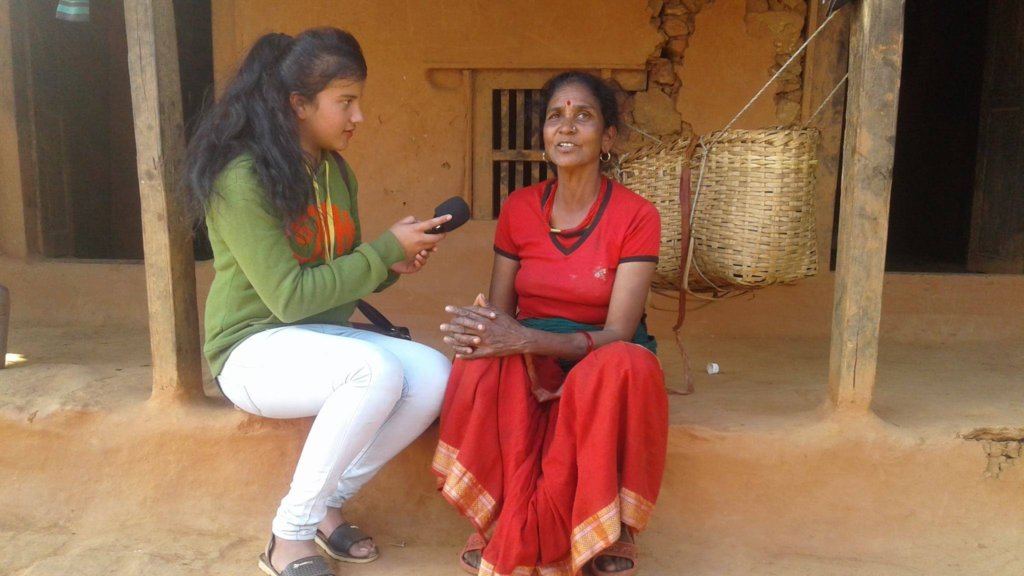
CFAs and radio journalists interviewed Kabiraj’s wife, Chandramaya, at a community meeting attended by local government officials and NRA engineers. Following the meeting, an engineer agreed to follow them to their home and complete an inspection. The family resumed construction, and just one month ago they were able to move into their house. After a long day tending their fields, Kabiraj and Chandramaya can for the first time in nearly two years, return to a real home - one which will hopefully last a lifetime.
Links:
By Kalpana Acharya-Coordinator, Samita Thapa | Resident for Learnings
Project reports on GlobalGiving are posted directly to globalgiving.org by Project Leaders as they are completed, generally every 3-4 months. To protect the integrity of these documents, GlobalGiving does not alter them; therefore you may find some language or formatting issues.
If you donate to this project or have donated to this project, you can receive an email when this project posts a report. You can also subscribe for reports without donating.