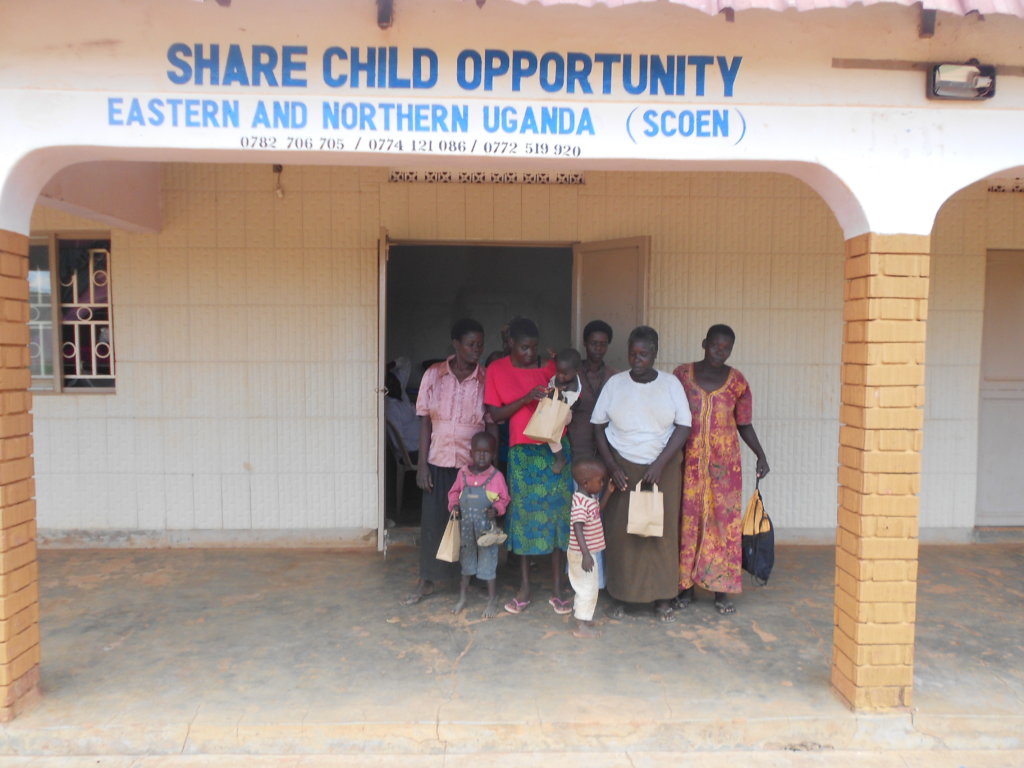
![Caregivers, children being screened for HIV/AIDS]()
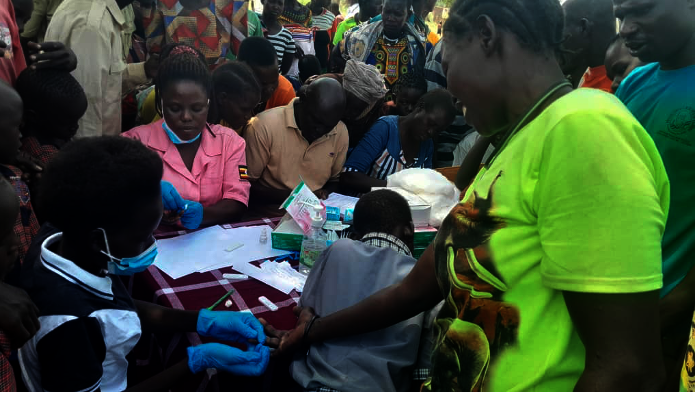
Caregivers, children being screened for HIV/AIDS
On 1st December 1988, for the first time in history, a public day of awareness was celebrated. Called World Aids Day, it served as an attempt by the World Health Organization and the United Nations to bring awareness to a disease that had already killed 45,000 Americans by that point and tens of thousands more worldwide.
It was the first time that the Names Project’s Aids memorial quilt, which memorably included one coffin-sized panel for each person who had died of Aids, was displayed at the same time on multiple continents. Elected officials such as Chicago’s mayor, Eugene Sawyer, used the day as an opportunity to announce ground-breaking HIV/Aids public awareness and education campaigns.
Despite initial misgivings from HIV/Aids treatment activist organizations like Act Up, World Aids Day has evolved into a landmark day of international recognition – both to commemorate those lost and to create a platform for public officials and organizations to announce bold new initiatives to combat HIV/Aids and its spread.
According to the Analysis of the Uganda Aids Commission the statistics show that more than 50,000 new HIV Infections in the last two years have been among young people aged 15-24 years triggering crisis for the country’s future Generation
OBJECTIVES OF THE DAY
- It’s an avenue for campaigning and educating the public on the initiatives of how to combat the HIV aids
- To motivate men and women to talk openly about sex, sexuality, drug use and HIV/AIDS
- To encourage men to take care of themselves, their partners and Families
- Provide good-quality education on sexual health, HIV/AIDS and life skills for Caregivers
- Educate men about their roles as perpetrators and subjects of violence, and their responsibility to stop violence
- To promote programs which respond to the needs of men and women
- Devise messages, activities and interventions that address the needs of men and women
- Provide male-friendly health services, including reproductive health and prevention of mother-to-child transmission of HIV
- Advocate for social, economic and legislative changes to protect the rights of men and women and to challenge the social norms that increase the risk for women
ACTIVITIES FOR THE EVENT:
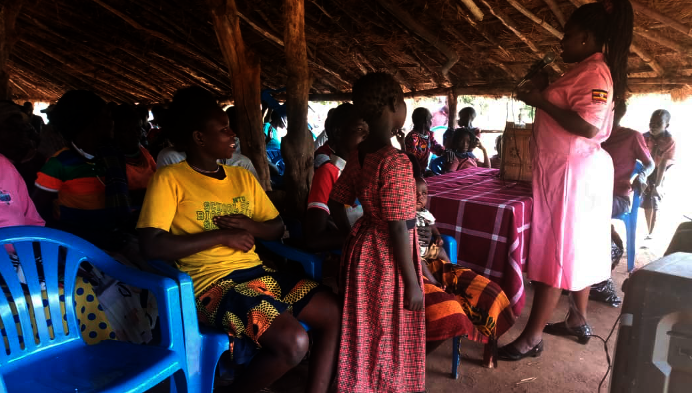
- HIV guidance and counselling
- Mass testing for participants and caregivers
- Receiving of testimonies from the infected persons
ACHIEVEMENTS / WAY FORWARD
- We were able to campaign and educate the caregivers and their children on the initiatives of how to combat the HIV aids and its dangers through poems, stickers, banners and public speech
- Those affected got encouraged during counseling, they were let to know that they can live happily even with the disease only as long as they adhere to timely treatment and feeding well
- Men were encouraged to take care of themselves, their partners and Families by being faithful to their partners
- Female-Friendly health services, including reproductive health and prevention of mother-to-child transmission of HIV was discussed and these equipped the caregivers and the public to understand ways of averting incidences of children from acquiring HIV/Aids during birth/delivery
- We Advocated for social, economic and legislative changes to protect the rights of men and women and to challenge the social norms that increase the risk for women from acquiring HIV /Aids
- We were able to test caregivers and few community members available to know the HIV status, and this shall help the project for planning Purposes
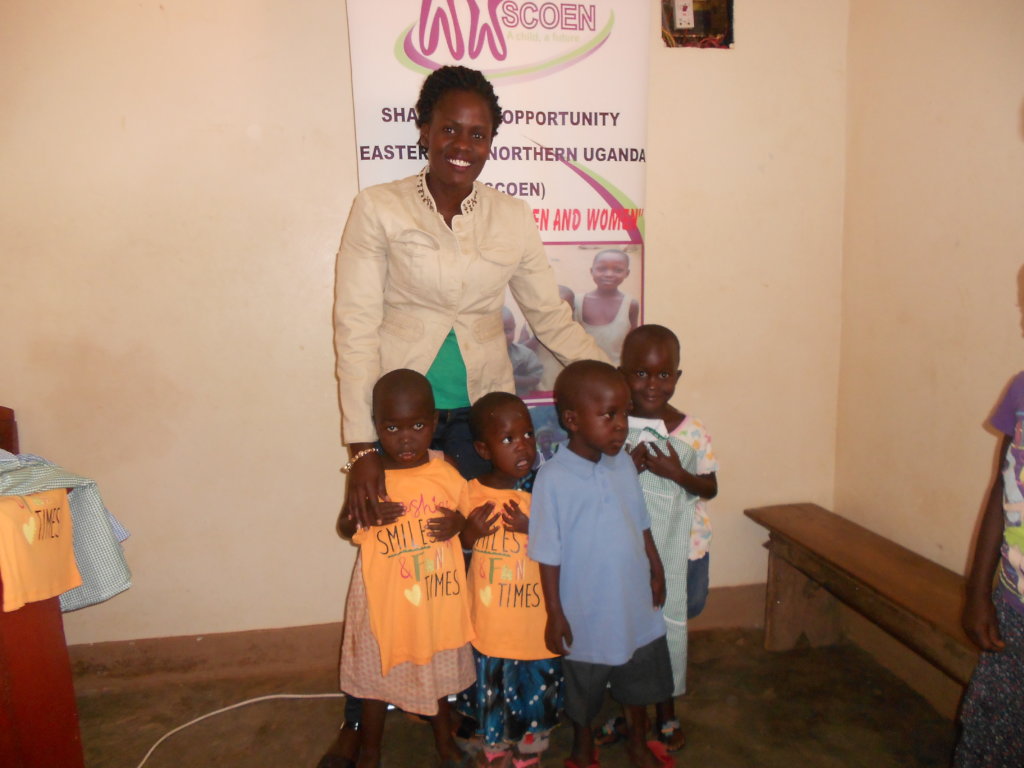
![Counselling of caregivers on stigmatizing]()
Counselling of caregivers on stigmatizing
![Share on Twitter]()
![Share on Facebook]()