By Esteban Reyes | Director
The theories behind the Tiempo de Juego Methodology are taken from the fields of Meaningful Learning, Cognitive Behavioural Psychology and Holistic Education. As a result, social psychology is at its core as it determines the social objectives of the programme above and beyond the various sports, art, training and cultural opportunities that it proposes, focusing its attention on an objective interpretation of reality through simple analyses of problems and situations (violence, forced recruitment, micro-trafficking and gangs) against which children and young people need to develop avoidance measures. It is along these lines that Fundación Tiempo de Juego considers life skills as structural bases for its methodology:
Life skills: The "life skills approach" were founded in 1993, when the mental health division of the World Health Organisation (WHO) launched an international initiative Life Skills Education in Schools with the goal of giving children and adolescents alike training in ten areas considered very much pertinent to their psychosocial development.
Life skills are, therefore, an educational approach focused on the training of 10 very useful skills for confronting the demands and challenges of daily life. They are skills of a psychosocial nature which can be applied in various areas: lifestyle, social relations and community changes.
Education in life skills looks to improve one’s capacity to lead a more healthy and happy life, to act upon health and well-being indicators and to build societies which are more united, just and fair – all this by developing 10 life skills (classed thusly, according to the WHO):
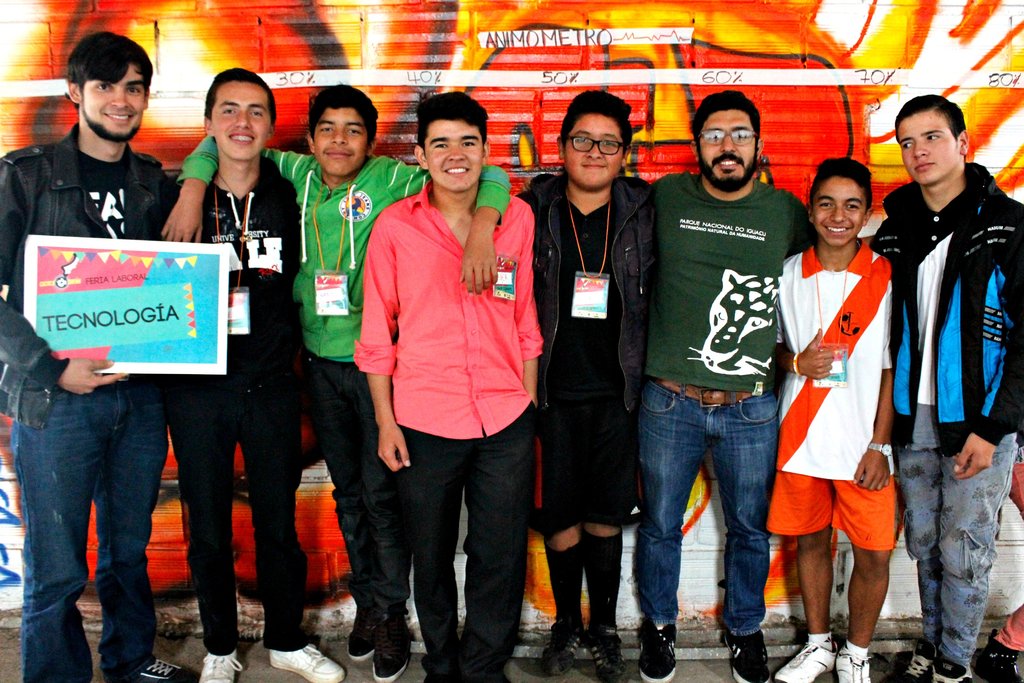
The Three Steps: Tiempo de Juego has adapted the methodology which derived from the model of Soccer for Peace for use in new settings, contributing to a wider range of services in areas like culture, technology, art, job prospects etc. This process consisted of installing as a working practice the application of three stages of development for each activity, for which both professionals (psychological and sports) and monitors would previously have devised a plan.
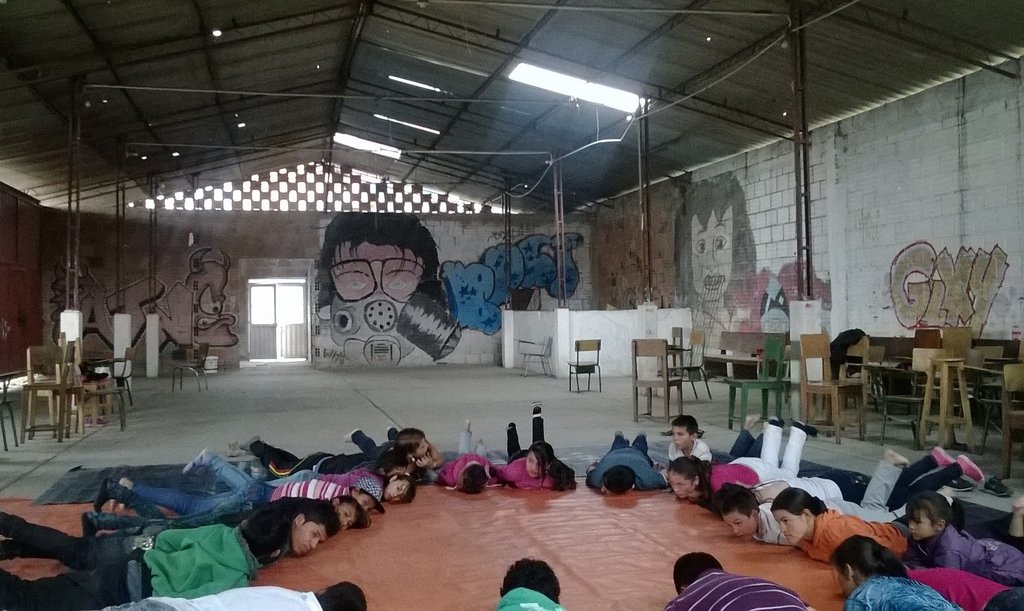
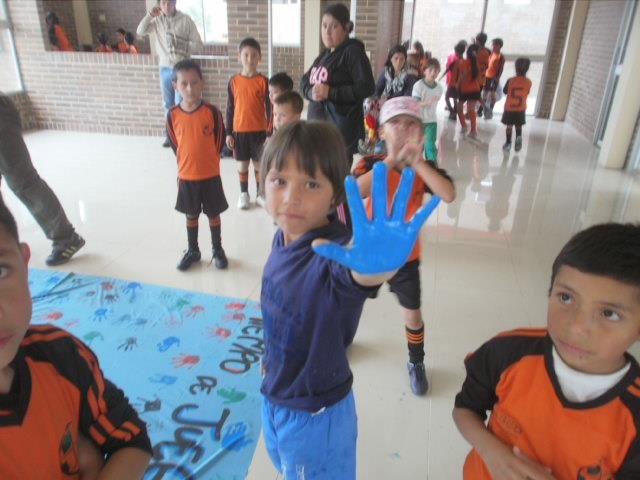
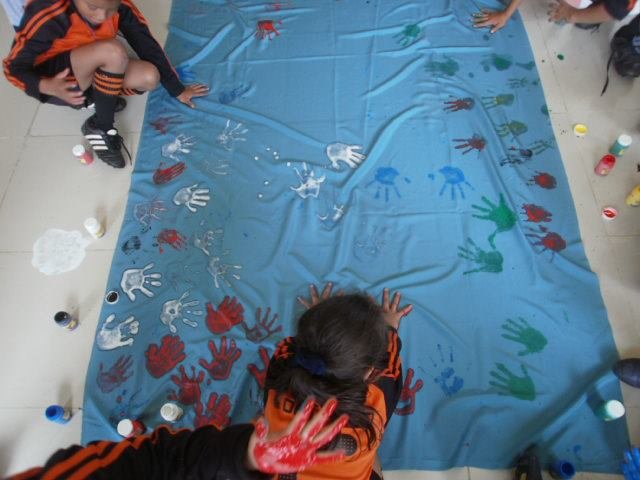
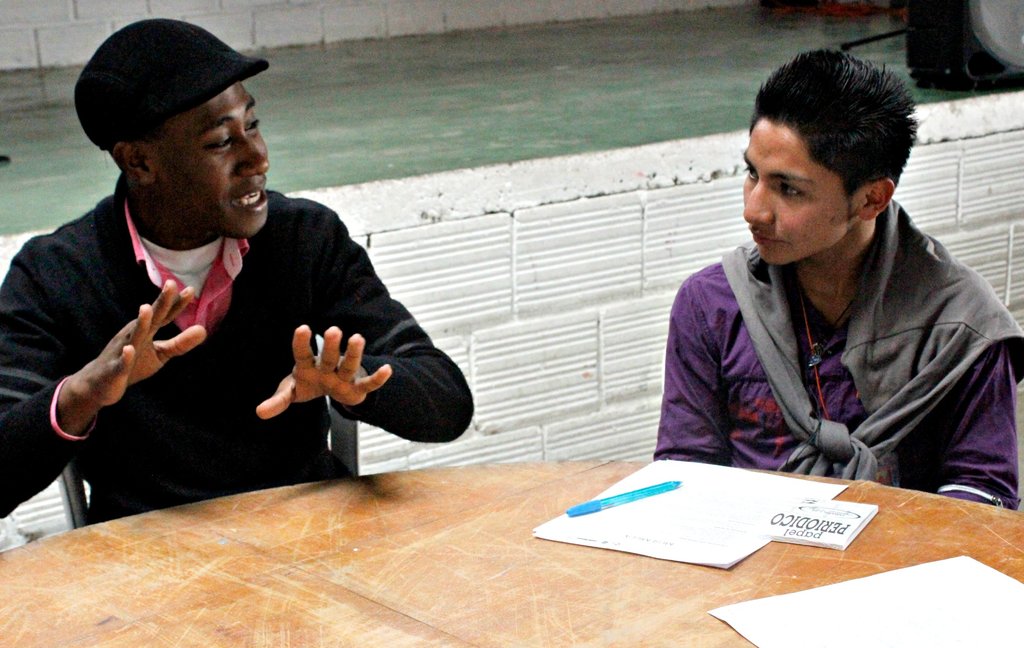
First step – Mini-workshop: In the first stage, participants are received by the monitor, who is the one responsible for receiving and initiating the activity of the day, by giving a brief welcome before addressing the psychosocial theme of the week through an appropriate cartoon. Participants then collaborate to suggest ways in which this can be applied to the activity. These suggestions quickly become agreements of cohabitation which should be adhered to as the activity unfolds.
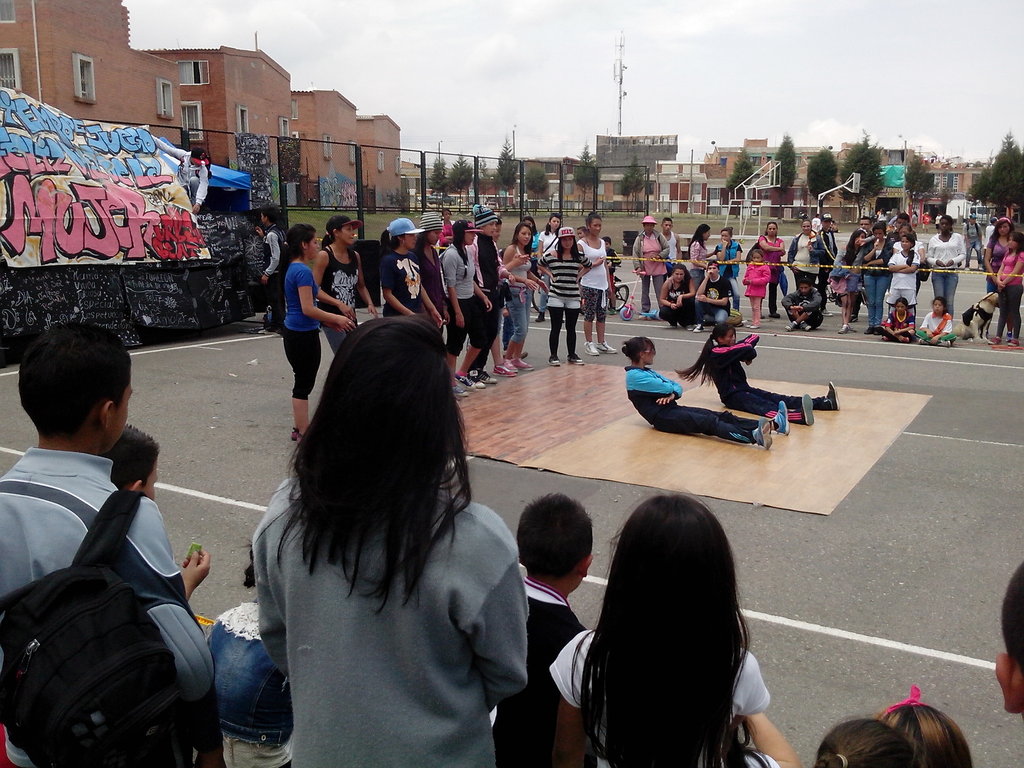
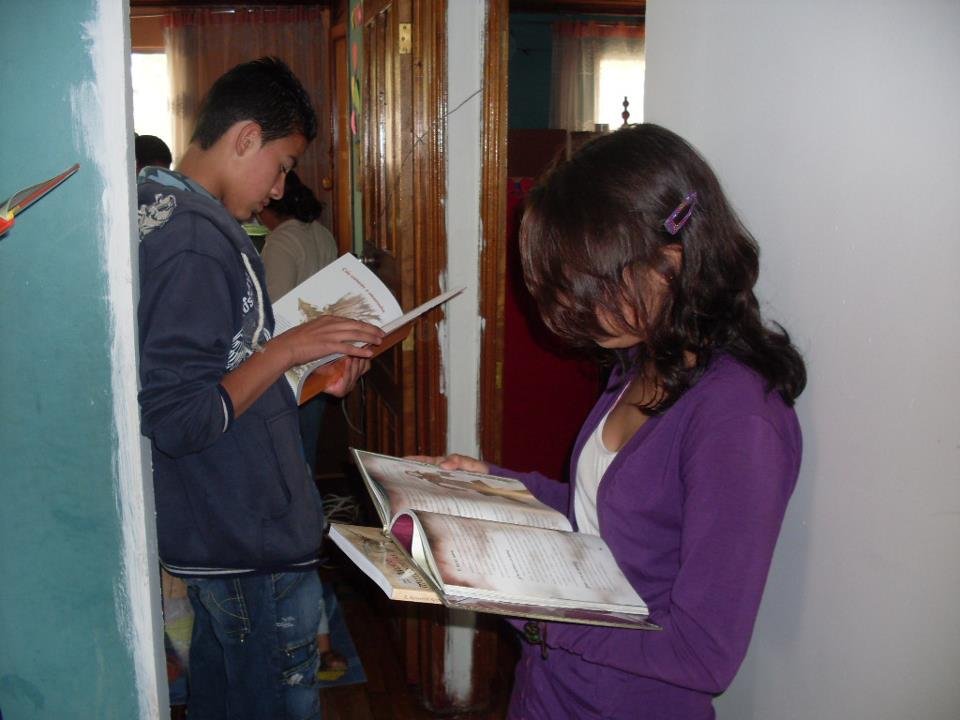
Second step – Activity: The second stage is the execution of the activity, which lasts about 2 hours on average. This sport, art or cultural activity is mediated by the agreements of cohabitation which were brought about by the first step, becoming a life experience that re-enforces the theme of the day.
Third Step – A look back: In the third stage comes the end of the activity, where compliance with the cohabitation agreements is evaluated and how positive the activity was is assessed accordingly. It is important to emphasise that there are no good or bad activities but only life experiences from which certain lessons are learnt. Work is then given out: for the home as well as other environments in which the theme of the day might be applicable. In this way, it is found that lessons learnt by the participants are spread throughout their homes as they bring back an inquisitiveness as well as tasks that can be shared with the whole family.
By Natalia Duarte Caceres | Communications and Resource Coordinator
By Natalia Duarte Caceres | Communications and Resource Coordinator
Project reports on GlobalGiving are posted directly to globalgiving.org by Project Leaders as they are completed, generally every 3-4 months. To protect the integrity of these documents, GlobalGiving does not alter them; therefore you may find some language or formatting issues.
If you donate to this project or have donated to this project, you can receive an email when this project posts a report. You can also subscribe for reports without donating.



Support this important cause by creating a personalized fundraising page.
Start a Fundraiser