By Kennedy Leavens | Executive Director
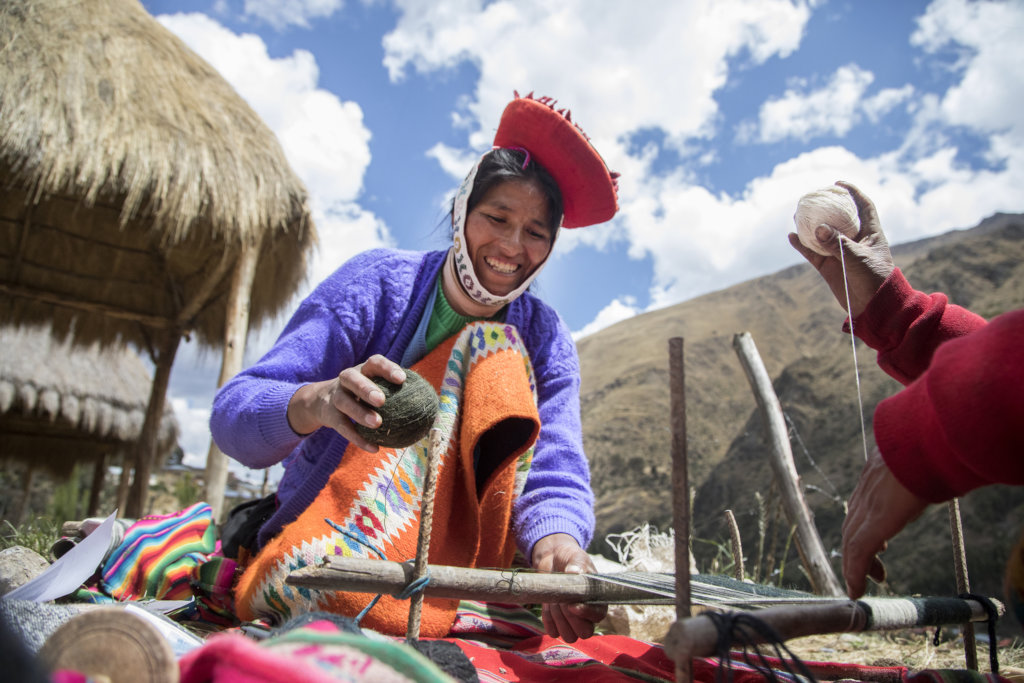
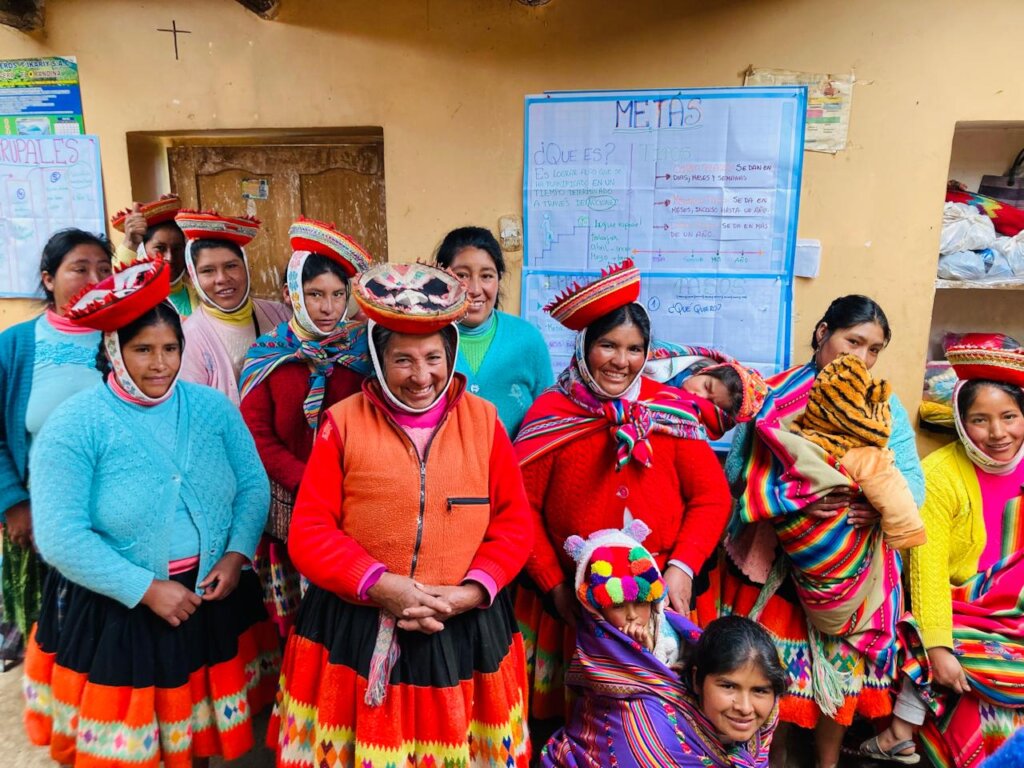
Over the past few months, we’ve been working closely with the women of Kusi Qoyllor, our partner cooperative of spinners in Huilloc, to bring Awamaki’s handspun alpaca yarn project to life. What begins with alpaca fiber involves an incredible amount of knowledge, from preparing and spinning the fiber to dyeing and finishing yarn that can reach new markets.
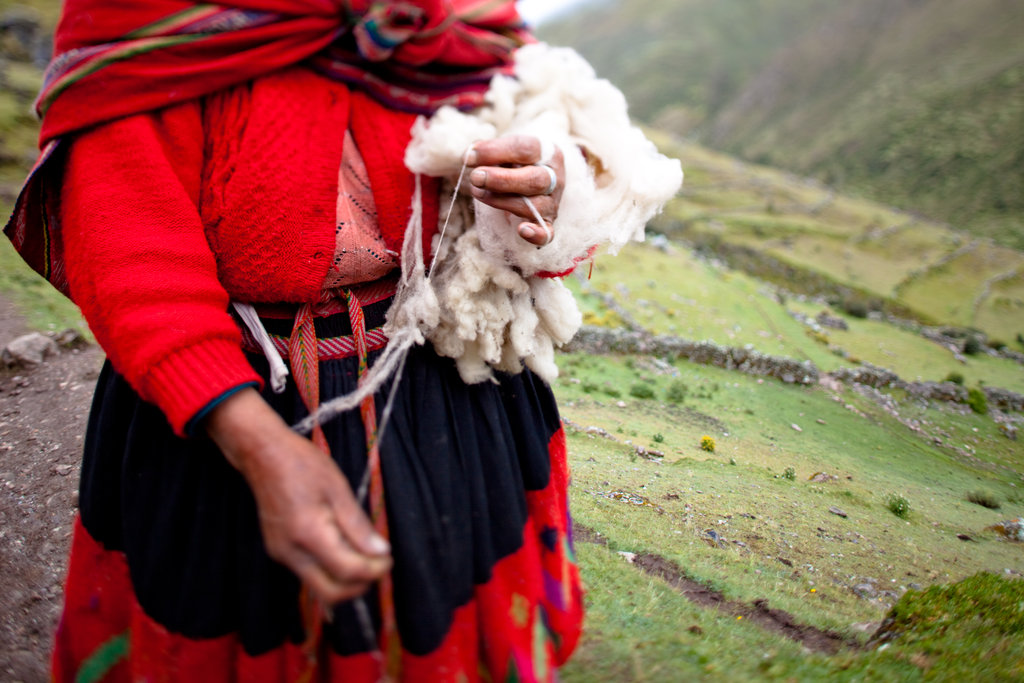
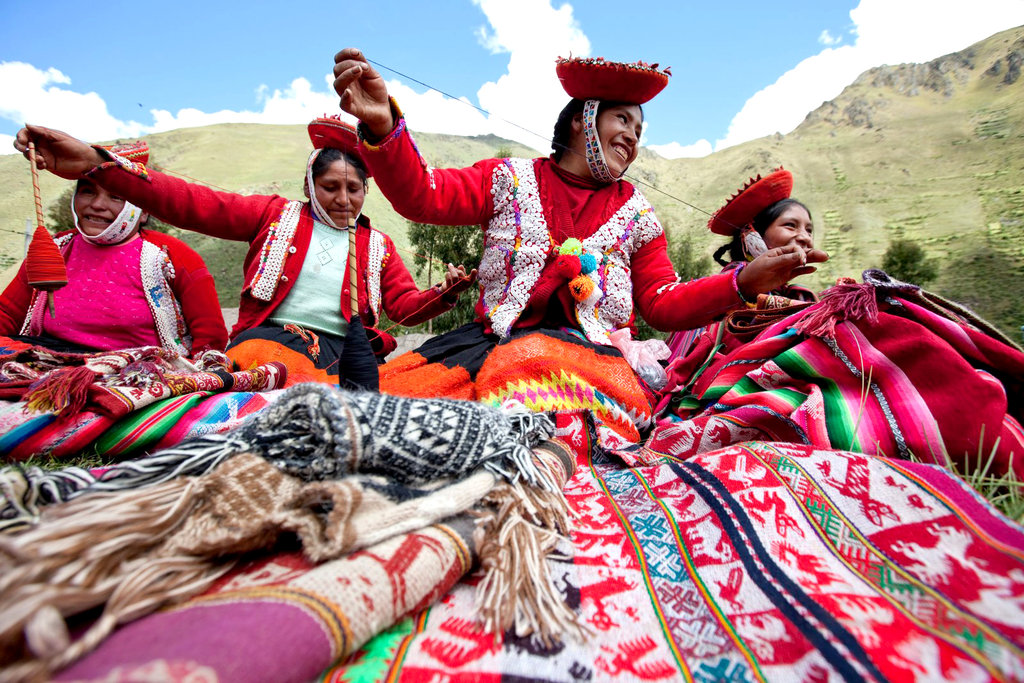
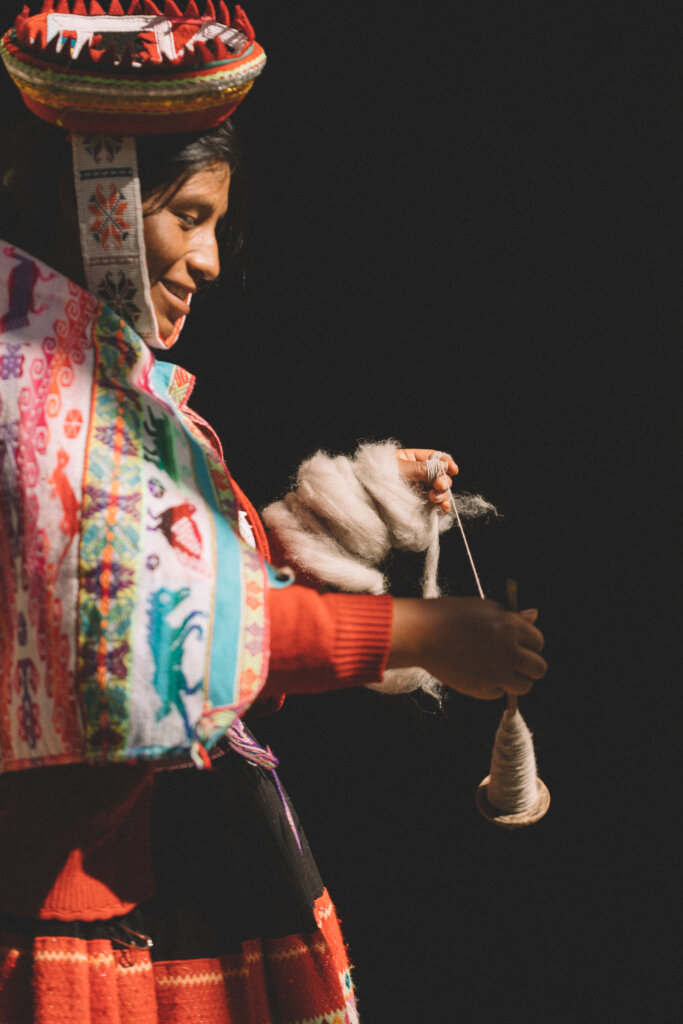
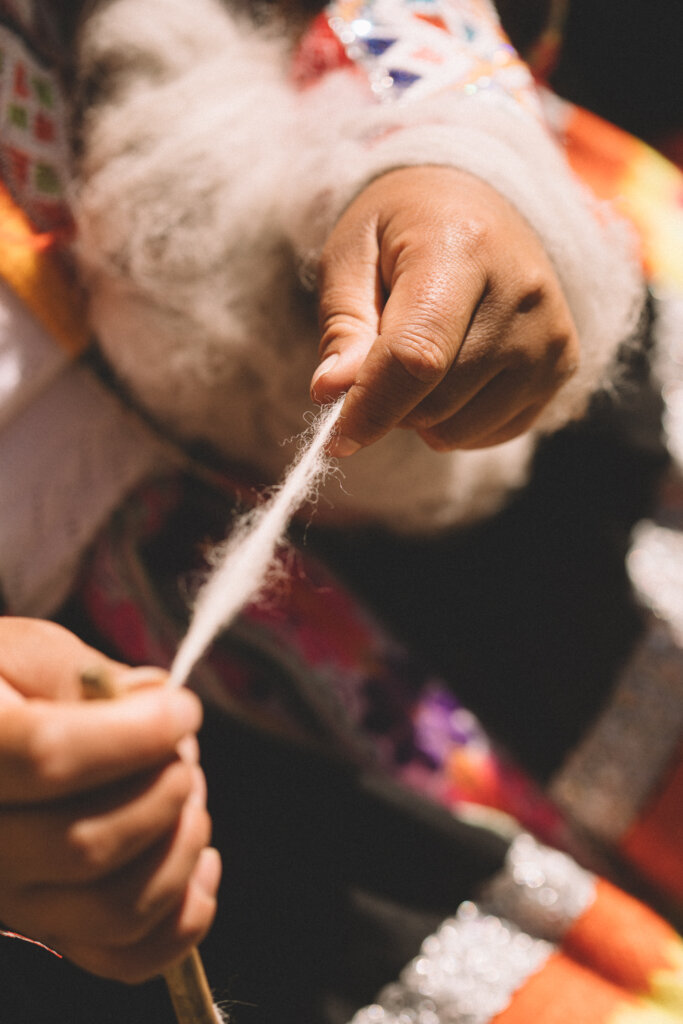
The artisans of Kusi Qoyllor have long known how to spin by hand using the traditional pushka, an ancient Andean drop spindle used to twist raw fiber into yarn. Through this project, we are building on that knowledge by introducing new skills around fiber preparation, quality control, natural dyes, and product presentation so that the cooperative can eventually manage more of the production process independently.
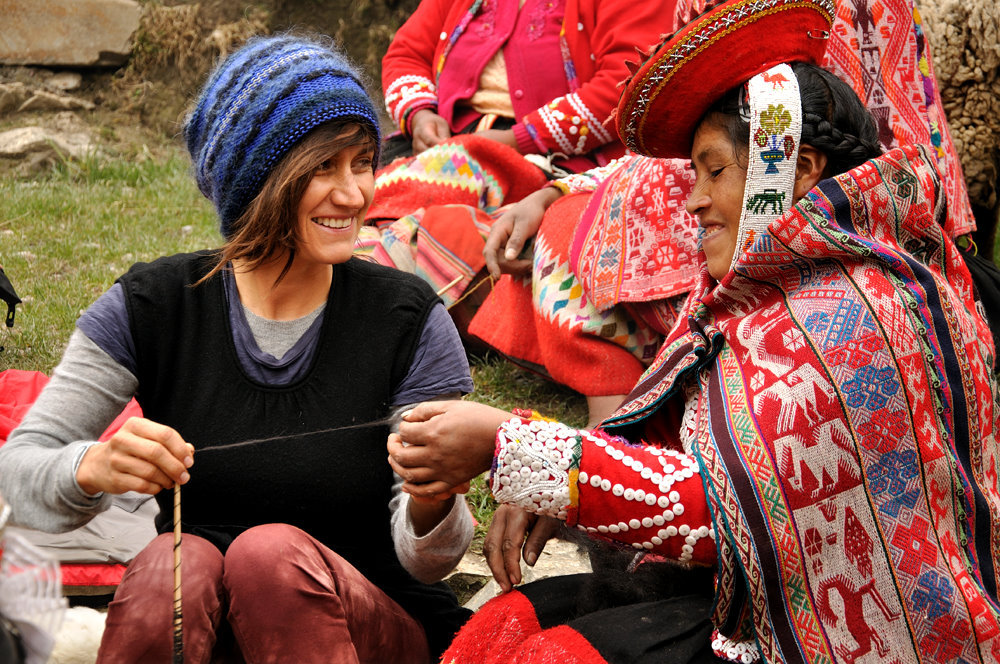
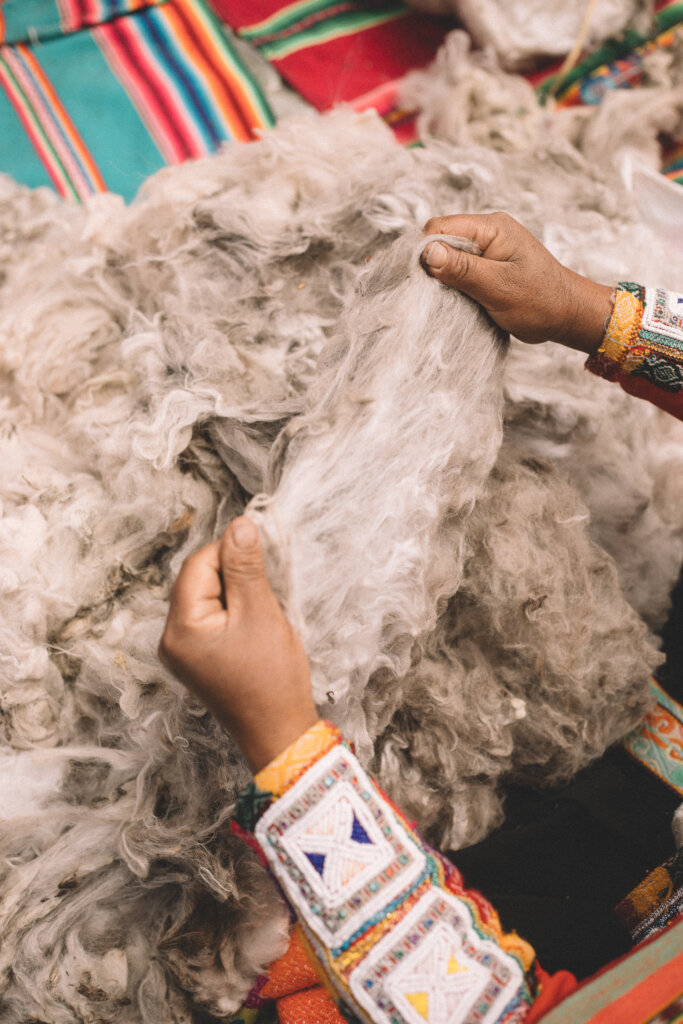
In June, the artisans participated in a four-day training in Huilloc focused on fiber selection, spinning consistency, yarn weights, and product presentation. The training followed the fiber from its earliest stages; artisans learned to identify different grades and types of alpaca fiber, separate the best fiber from the rest, and prepare it correctly before spinning.
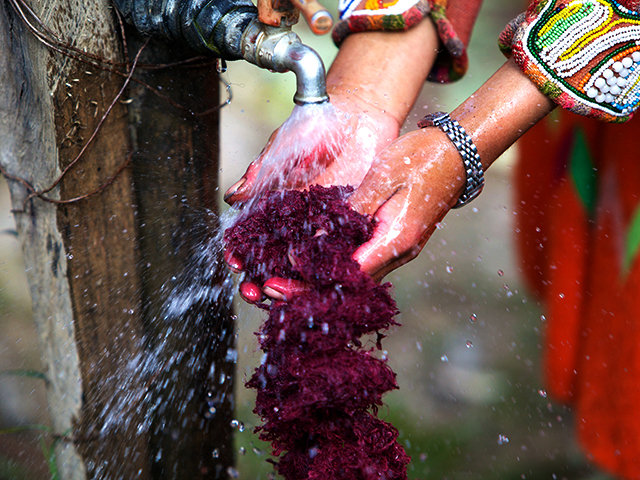
One of the most important lessons has been learning how much the preparation of the fiber influences everything that comes afterward. During an additional hands-on training, artisans practiced washing alpaca fiber while carefully controlling water temperature and detergent quantities, as excessive heat or harsh washing can damage the fiber. They also explored better methods for drying and carding the alpaca before it reaches the pushka. Cleaning the fiber properly before spinning not only produces a cleaner, more consistent yarn; it also allows natural dyes to absorb more evenly later in the process.
We have also been developing a production rhythm that works better for the artisans. Around three kilos per artisan per month allows the project to move forward while respecting the time women also dedicate to farming, family, and other responsibilities.
Those adjustments are already producing results. During the first year of the yarn project, participating artisans earned significantly more from yarn sales than we had initially projected. After several rounds of training and practice, they are also spinning with greater consistency, an important step toward producing high-quality yarn for retail and wholesale markets.
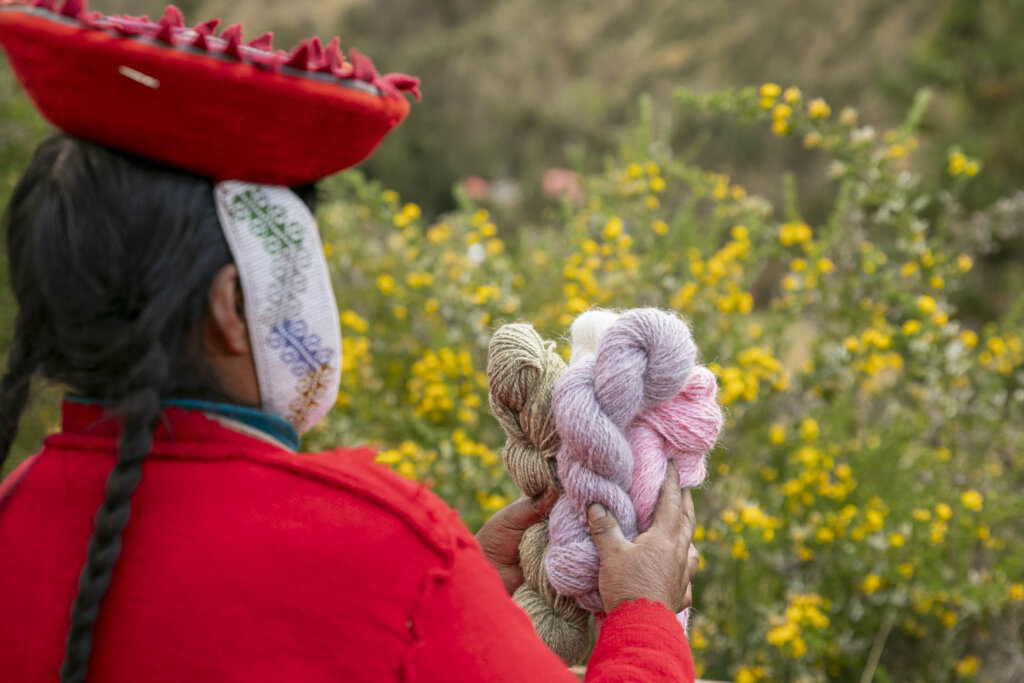
Natural dyeing has been another major focus. Over the past several months, our design intern, Adriana, has continued testing recipes and working with outside dye experts to improve consistency. After months of testing, we can now consistently produce two natural colors using cochineal and eucalyptus. The next step is transferring more of that process directly to the artisans through hands-on natural dye trainings, including practical tools for calculating dye percentages so recipes can be repeated from batch to batch.
The next step is helping the cooperative take on more of the process themselves, from preparing the fiber and checking quality to organizing orders and payments. Alongside technical training, we’re also working with the group on how to divide responsibilities and use new equipment to make production more efficient and reduce waste.
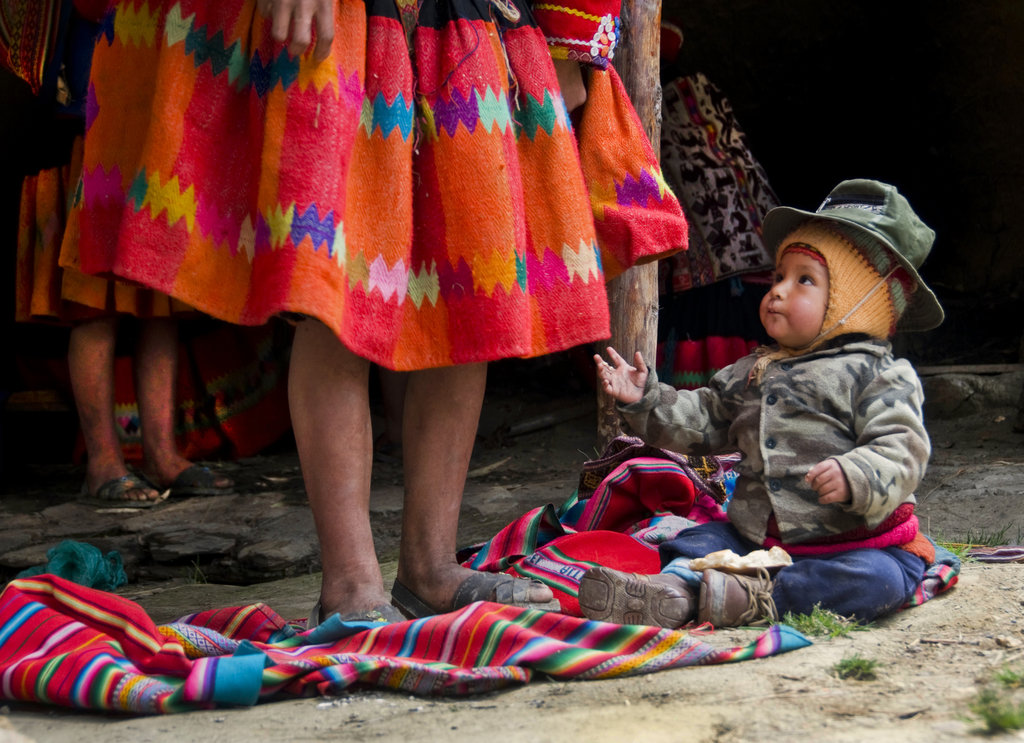
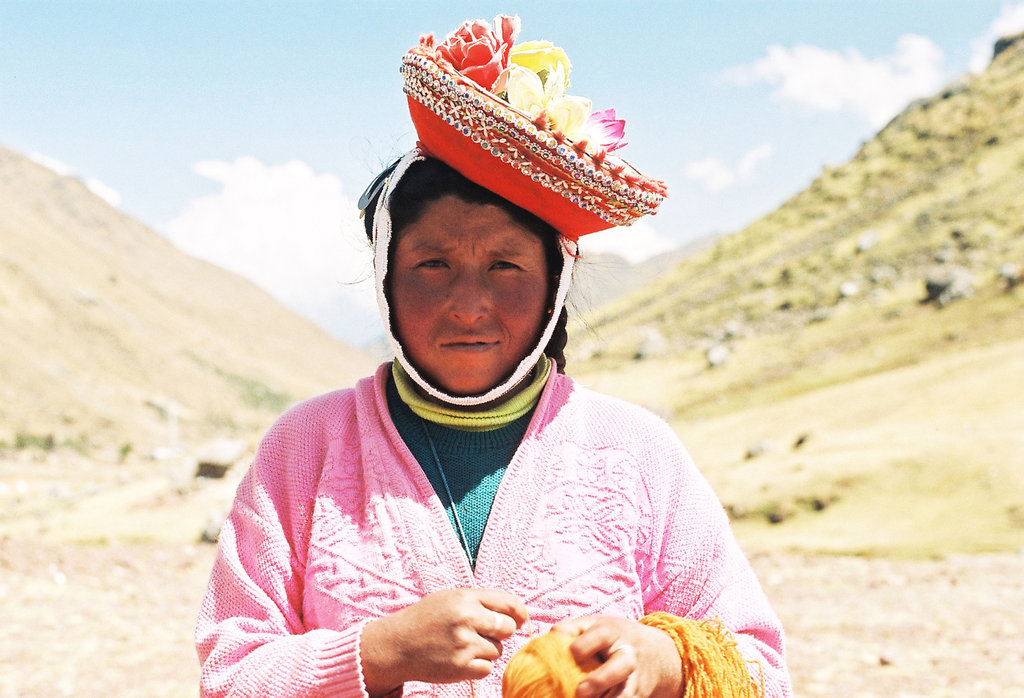
For women like Herminia, one of Kusi Qoyllor’s founding members, this work represents much more than producing a new product. Income earned through the cooperative has given her greater financial independence and helps her support her children’s education. Her eldest daughter is now studying Psychology in Lima, an opportunity that was not available to Herminia when she was growing up in Huilloc.
There is still more ahead, but the direction is clear: the more of this process the artisans can carry themselves, the more opportunity stays in their hands. From dyeing and preparing the fiber to understanding customers and selling their yarn, each new skill helps turn a traditional practice into a stronger source of income and independence for the women of Kusi Qoyllor.
Thank you for supporting this process and for helping us create new opportunities that build on skills and knowledge already deeply rooted in the community.
With gratitude,
Kennedy
By Kennedy Leavens | Executive Director
By M. Kennedy Leavens | Executive Director
Project reports on GlobalGiving are posted directly to globalgiving.org by Project Leaders as they are completed, generally every 3-4 months. To protect the integrity of these documents, GlobalGiving does not alter them; therefore you may find some language or formatting issues.
If you donate to this project or have donated to this project, you can receive an email when this project posts a report. You can also subscribe for reports without donating.



Support this important cause by creating a personalized fundraising page.
Start a Fundraiser