By M. Kennedy Leavens | Executive Director
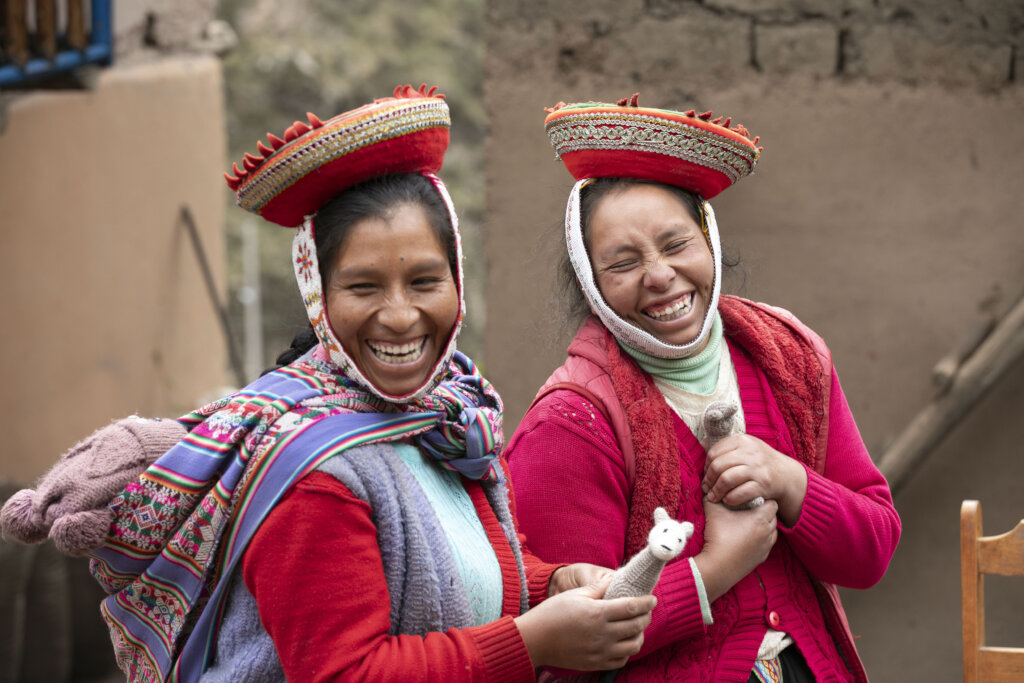
"Not only did I get to practice my Spanish, but I also learned about new parts of the world. My guests enjoyed spending time with my sister-in-law and niece. I’m grateful for the opportunity. I stay in touch with my host children."
-Maria, Awac Phuna Artisan and Tourism Coordinator
Building women’s financial independence is at the heart of what we do. That’s why we co-create sustainable tourism opportunities rooted in respect and reciprocity; supporting artisans, their families, and communities every step of the way.
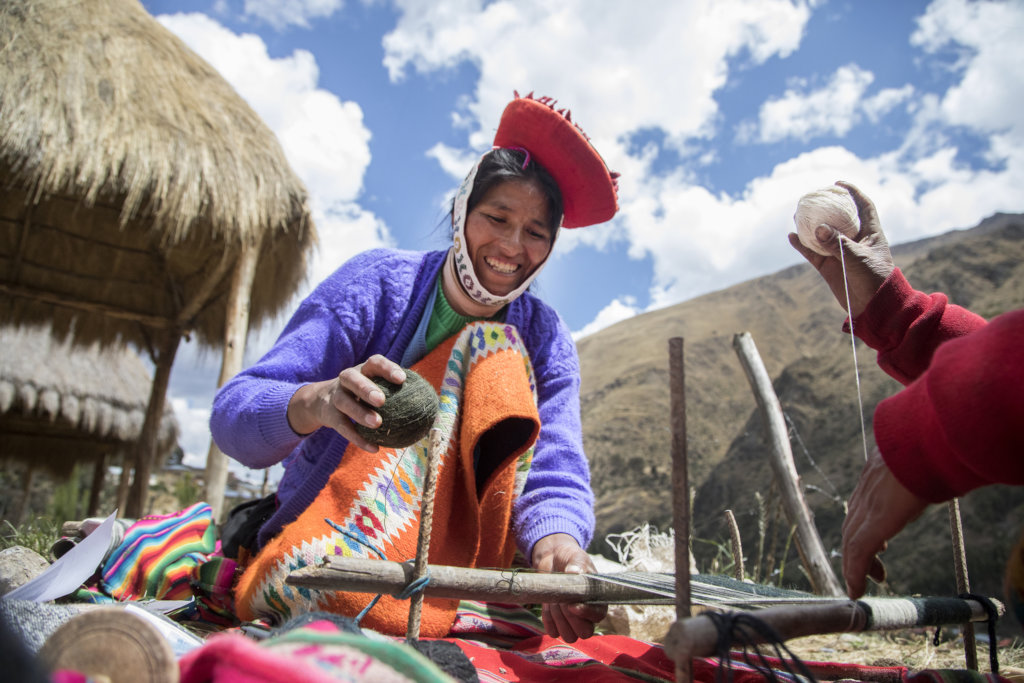
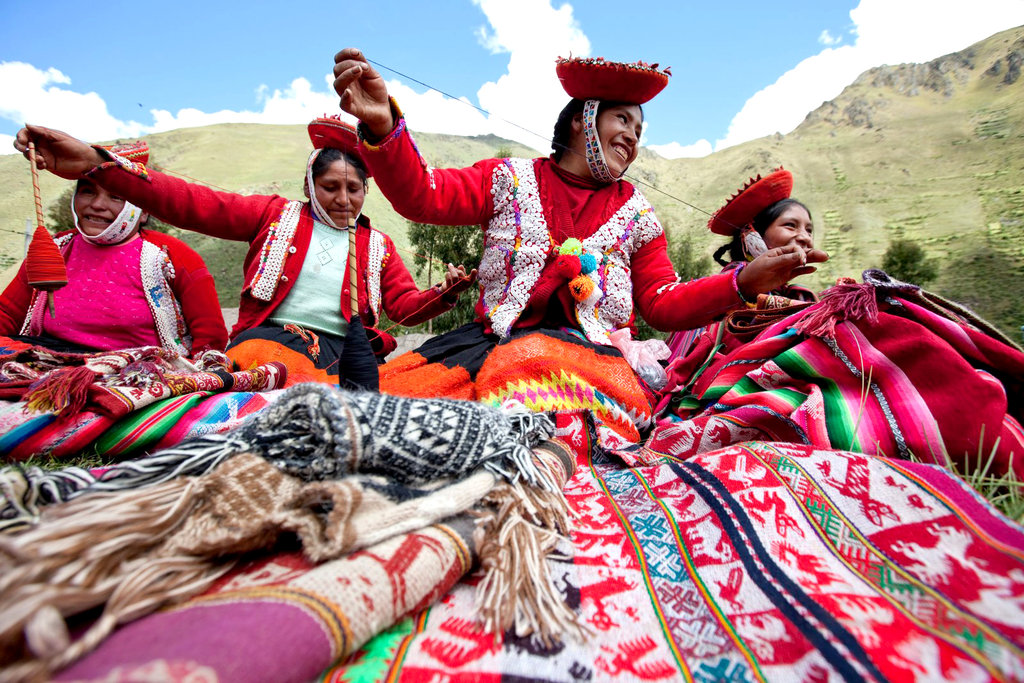
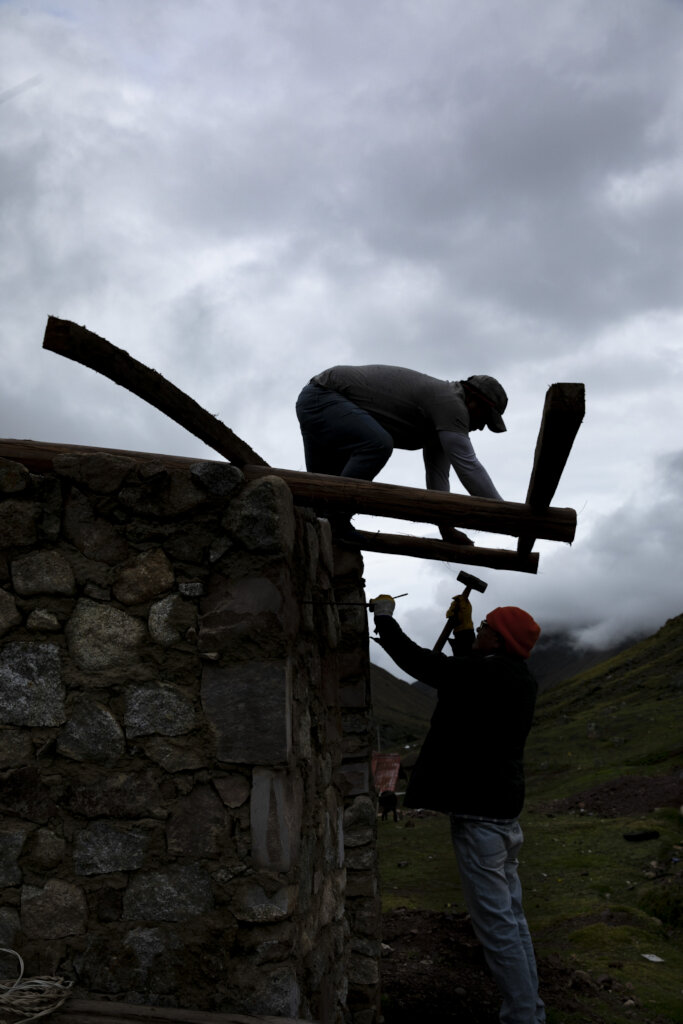
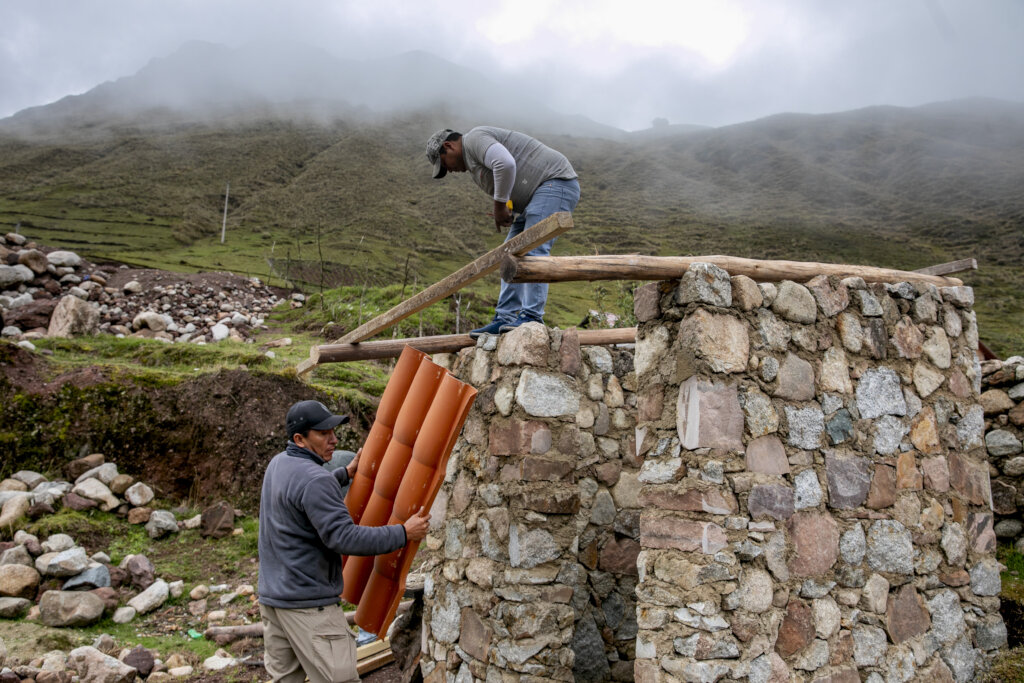
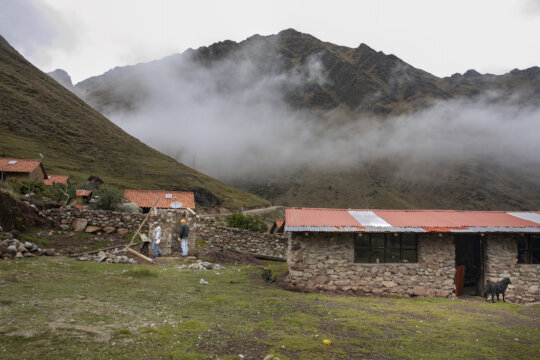
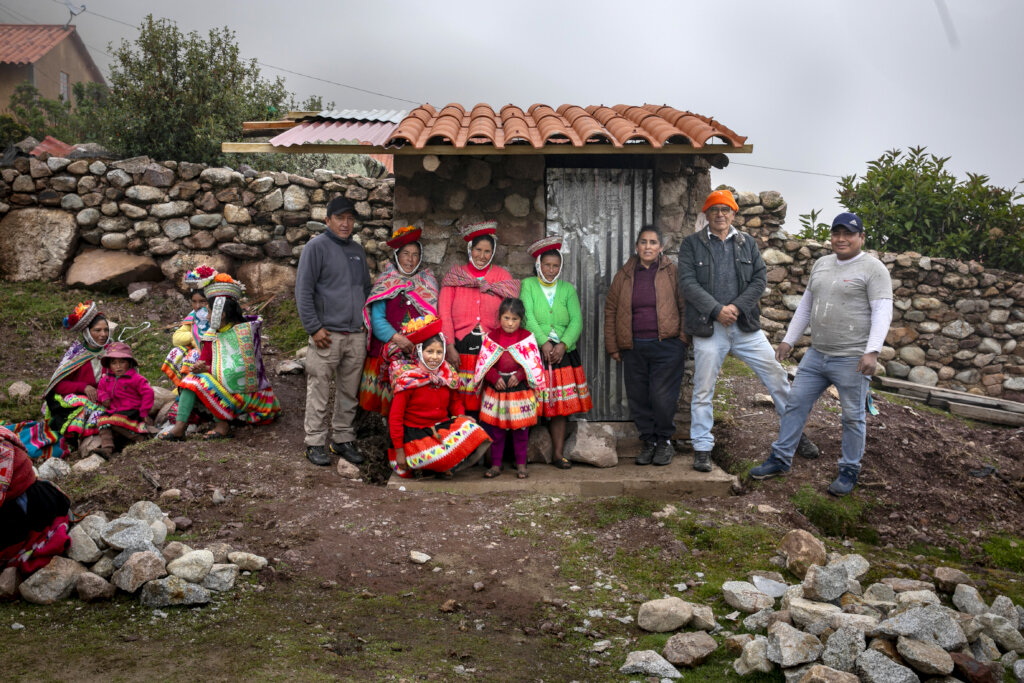
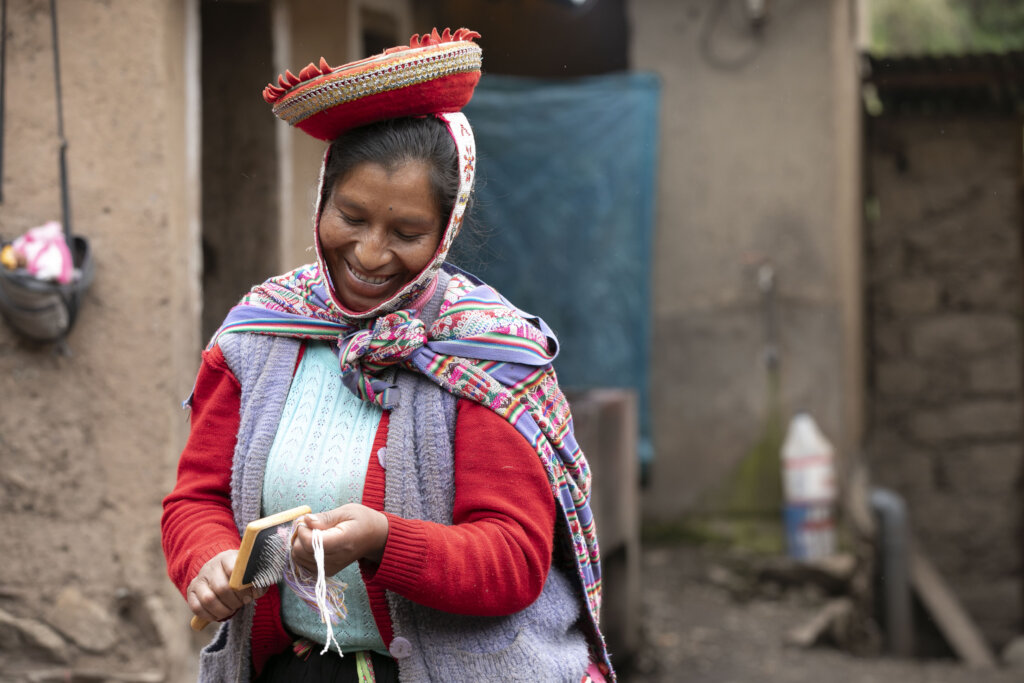
After years of dreaming, planning, and lots of perseverance, the Awaq Phuna cooperative officially opened the doors to their very own weaving center space last year. Now fully functional, the center serves as a vibrant space for trainings, community meetings, and hosting visitors.
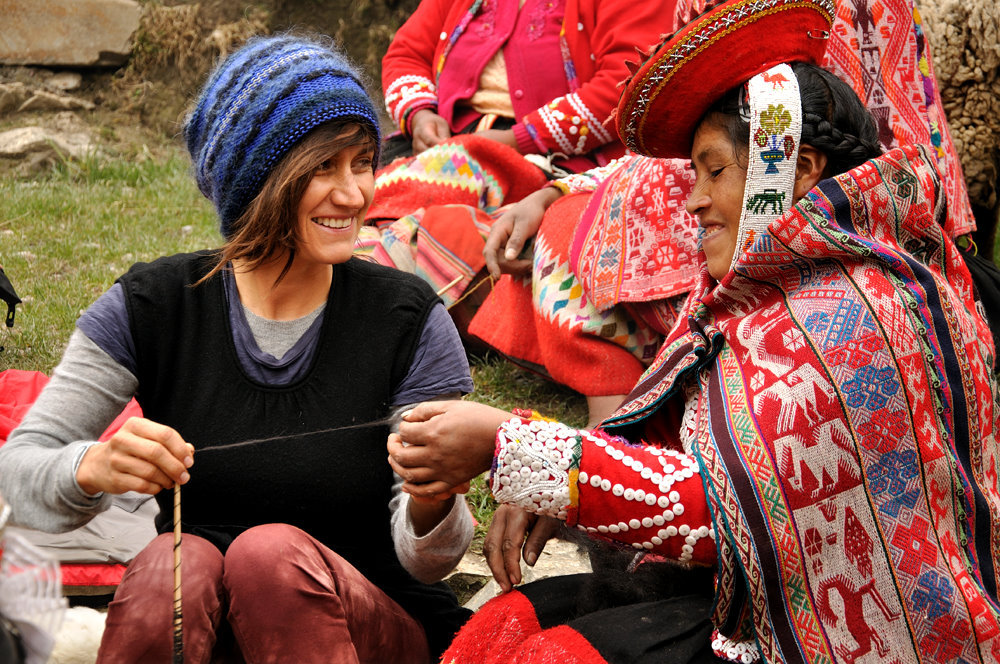
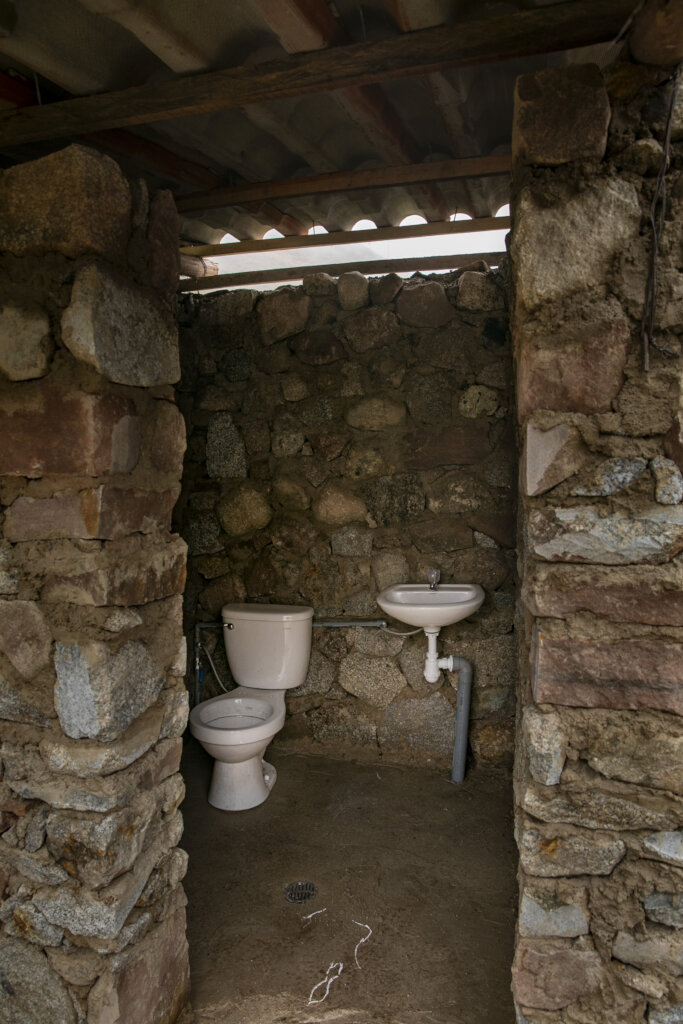
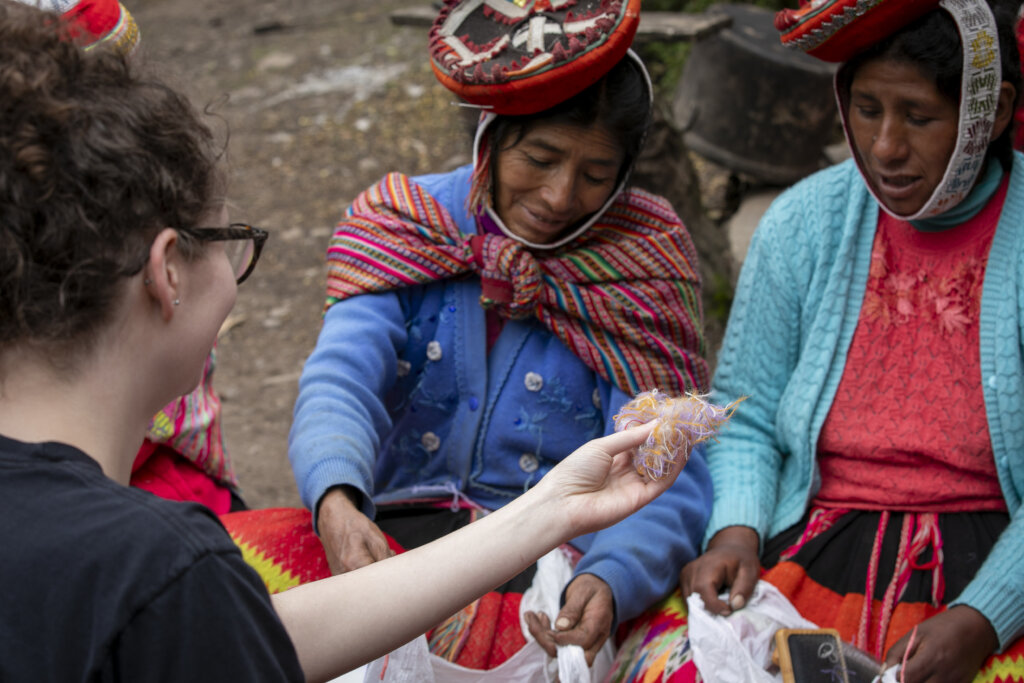
With the return of tourism, the cooperative launched their tourism business and through Awamaki-led trainings on homestays and cultural experiences, members learned to welcome student groups and overnight guests with confidence; gaining skills in home prep, sanitation, meal planning, and leading hands-on activities.
Though this experience brought both challenges and opportunities for growth, one artisan named Maria truly rose to the occasion. Her thoughtful hospitality, strong organization, and warm attention to detail earned her the well-deserved title of Awamaki’s very own super-host. After the visit, Maria officially stepped into the role of tourism coordinator for the cooperative, helping lead and guide future hosting opportunities.
The weaving center is more than a building, it’s a symbol of resilience, community, and the long-term impact of women-led entrepreneurship.
By Jen Harris | Marketing Coordinator
By Jen Harris | Product Sales Manager
Project reports on GlobalGiving are posted directly to globalgiving.org by Project Leaders as they are completed, generally every 3-4 months. To protect the integrity of these documents, GlobalGiving does not alter them; therefore you may find some language or formatting issues.
If you donate to this project or have donated to this project, you can receive an email when this project posts a report. You can also subscribe for reports without donating.



Support this important cause by creating a personalized fundraising page.
Start a Fundraiser