By Santiago Garcia | Project Leader
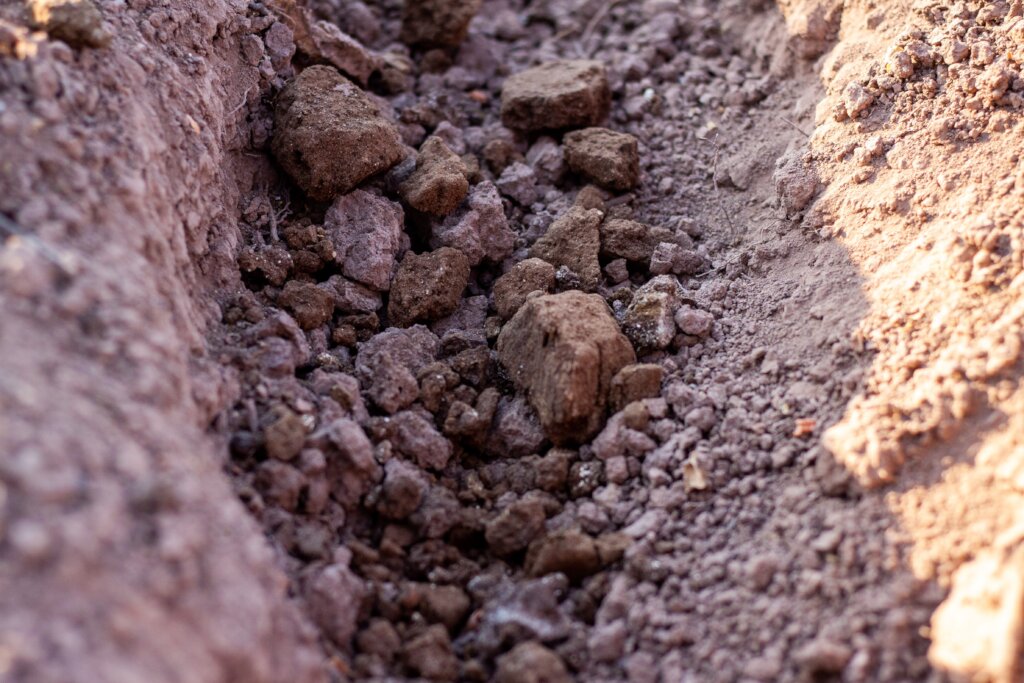
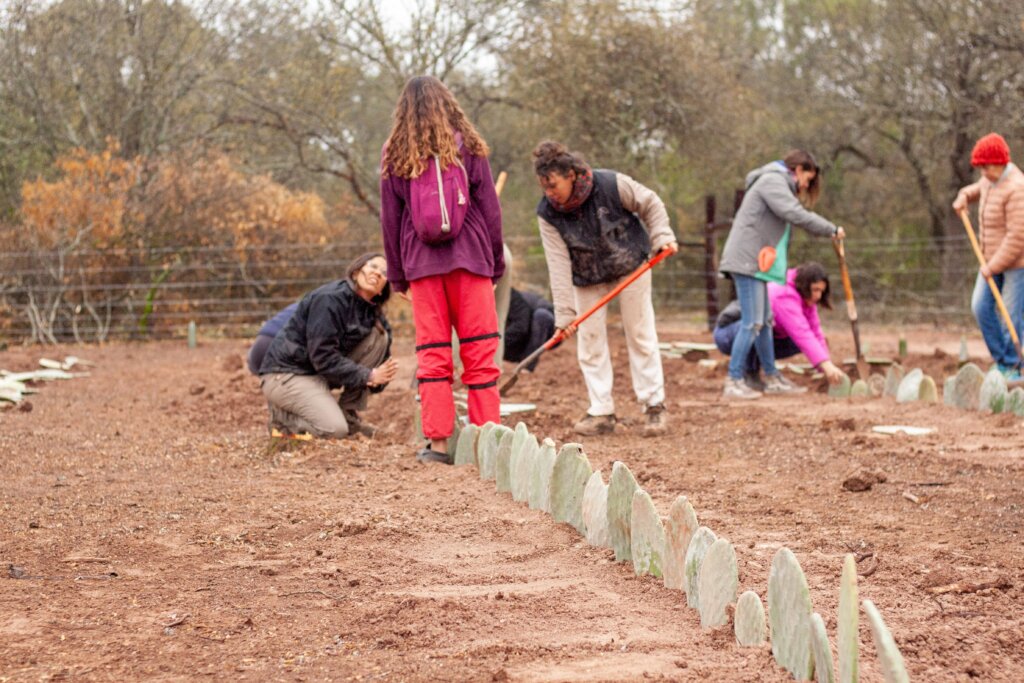
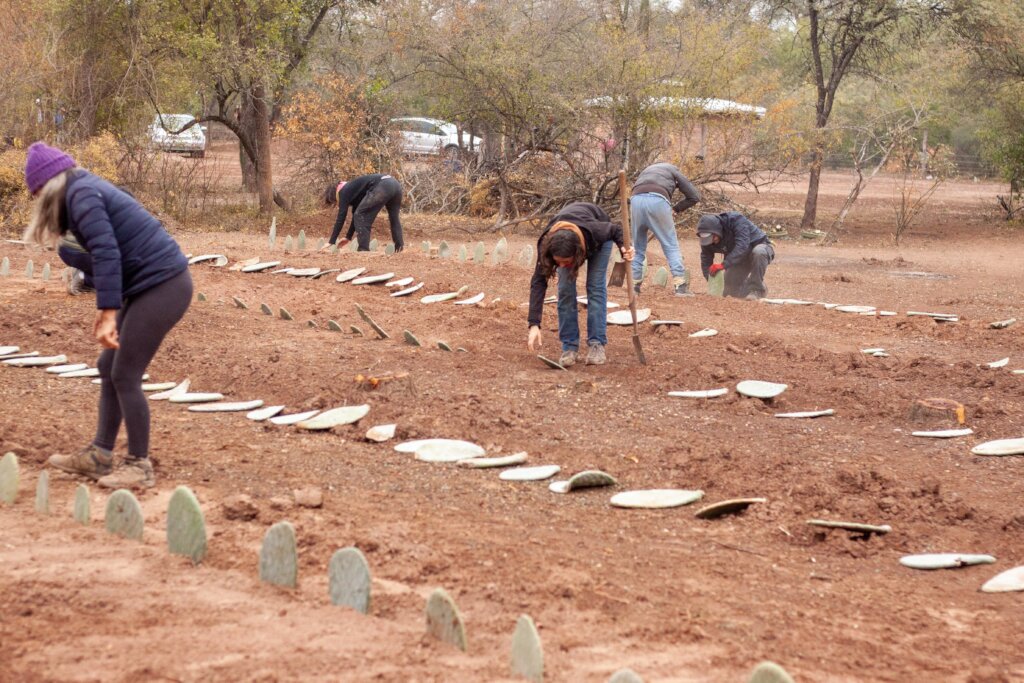
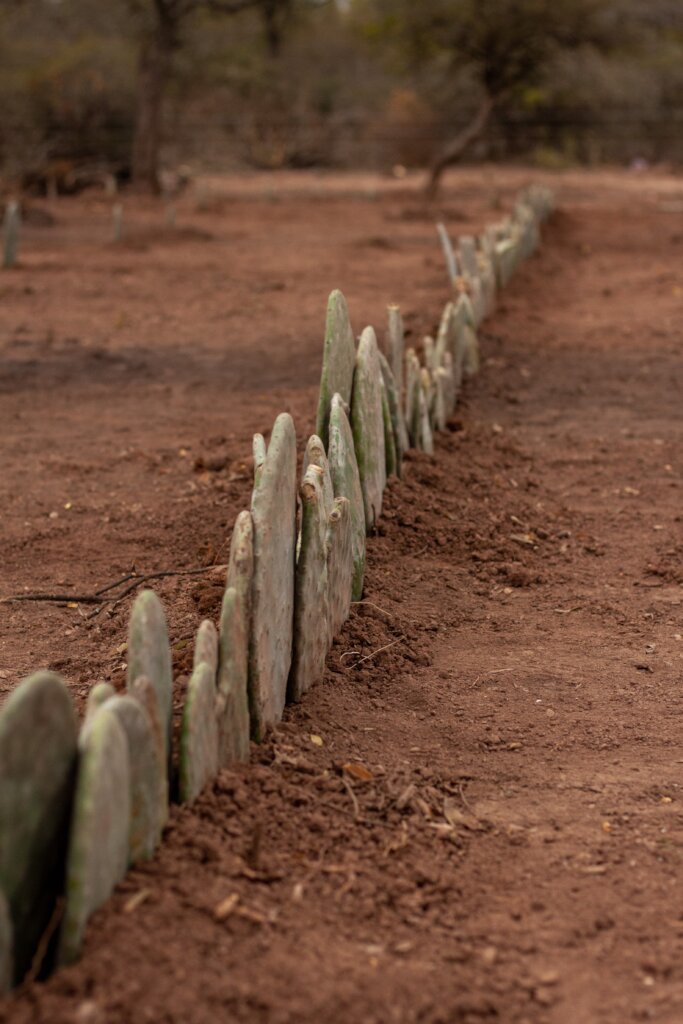
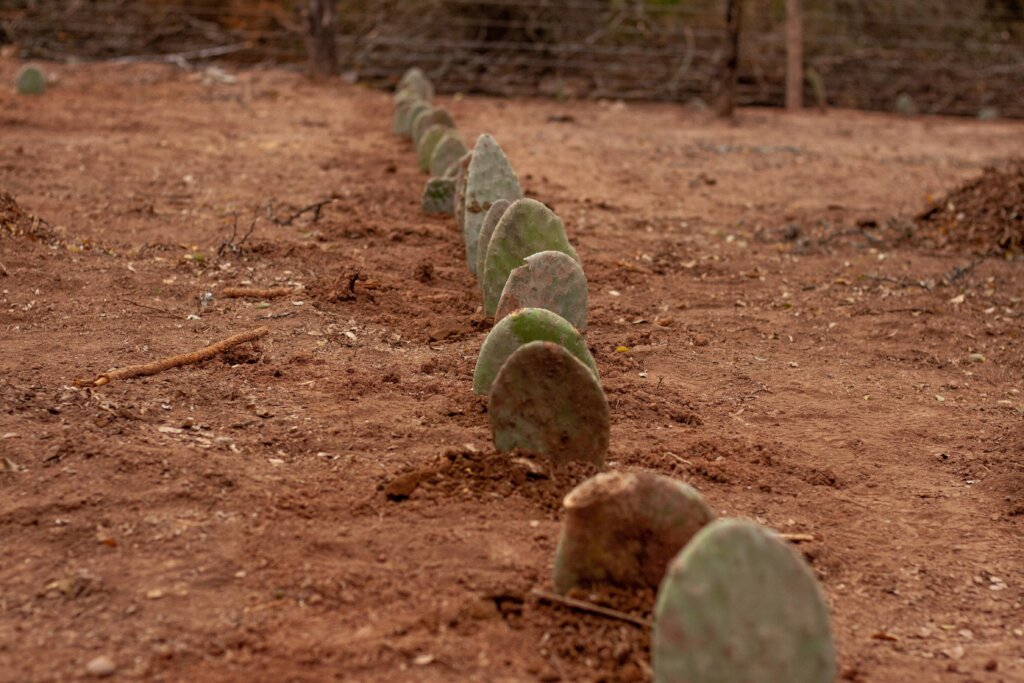
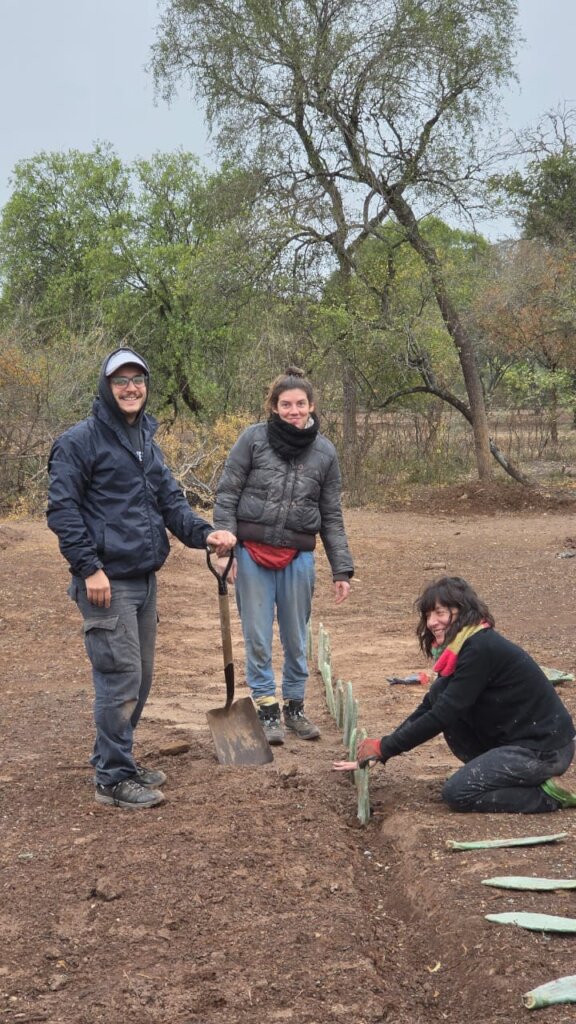
Thanks to the generosity of GlobalGiving donors, Cynnal has reached a new and exciting stage in our prickly pear project. We are currently planting 5,000 prickly pear cacti (Opuntia ficus-indica) in an indigenous community in the north of Santiago del Estero, Argentina.
This new plantation will directly benefit 16 families, creating long-term opportunities to improve both food security and household income in one of the country's most vulnerable rural regions.
Prickly pear is a highly resilient native crop that thrives in the harsh conditions of the Gran Chaco. As the plants mature, families will use the pads as nutritious forage for their livestock during periods of drought, helping them maintain healthier animals while reducing the need to purchase expensive feed.
At the same time, these families will become part of Cynnal's prickly pear jam production initiative. By processing the fruit into jam, they will be able to generate additional income from a product with added value, strengthening their local economy and creating new opportunities for sustainable livelihoods.
The project also has an important environmental impact. By providing families with a productive and profitable alternative, it reduces pressure on the native forest. When communities can earn an income from sustainable crops and improve livestock production on their own land, they are less likely to rely on activities that contribute to deforestation. In this way, every prickly pear plantation helps protect the Gran Chaco forest while restoring degraded land.
None of this would be possible without the support of GlobalGiving donors. Your generosity is not simply funding the planting of 5,000 cacti—it is helping 16 families build a more secure future, improve their livelihoods, and become active stewards of one of South America's most threatened ecosystems.
By Santiago Garcia | Project Leader
Project reports on GlobalGiving are posted directly to globalgiving.org by Project Leaders as they are completed, generally every 3-4 months. To protect the integrity of these documents, GlobalGiving does not alter them; therefore you may find some language or formatting issues.
If you donate to this project or have donated to this project, you can receive an email when this project posts a report. You can also subscribe for reports without donating.



Support this important cause by creating a personalized fundraising page.
Start a Fundraiser