By Santiago Garcia | Project Leader
Six-Month Progress Report
Project: Community Cactus (Opuntia) Cultivation in Piruaj Bajo
Location: Piruaj Bajo, Santiago del Estero, Argentina
Reporting Period: Last 6 months
1. Project Overview
The cactus (Opuntia ficus-indica) cultivation project in Piruaj Bajo continues to demonstrate strong progress as a community-based initiative aimed at improving livelihoods, strengthening food security, and contributing to environmental restoration. The project builds upon the natural presence of cactus species in the region and seeks to transform an underutilized resource into a productive and sustainable asset for local families.
2. Key Achievements
During the last six months, the project has reached important milestones:
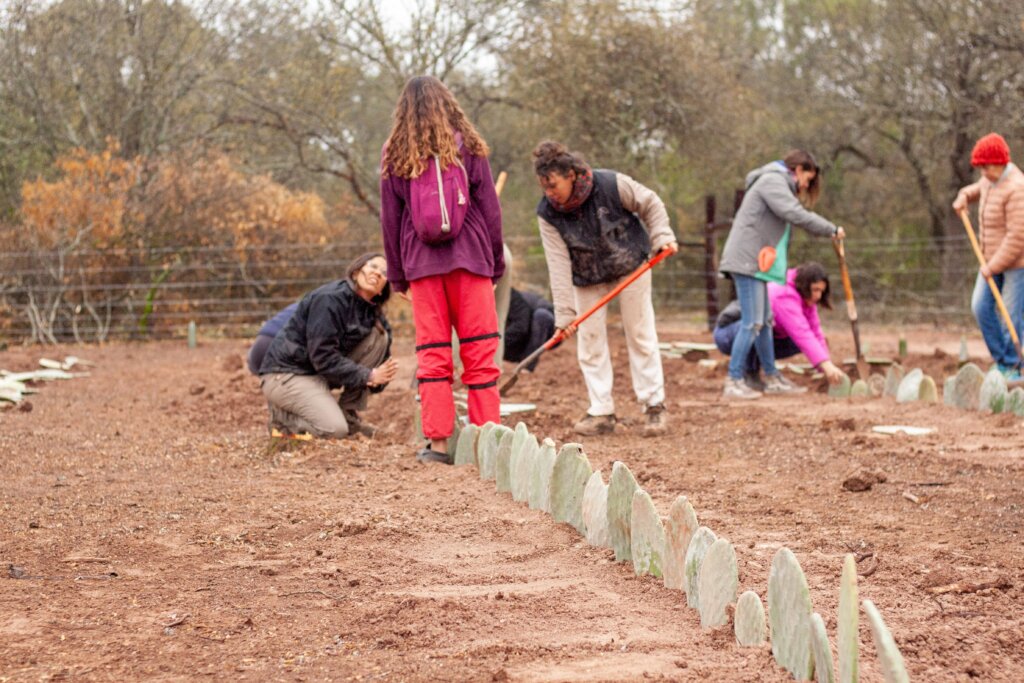
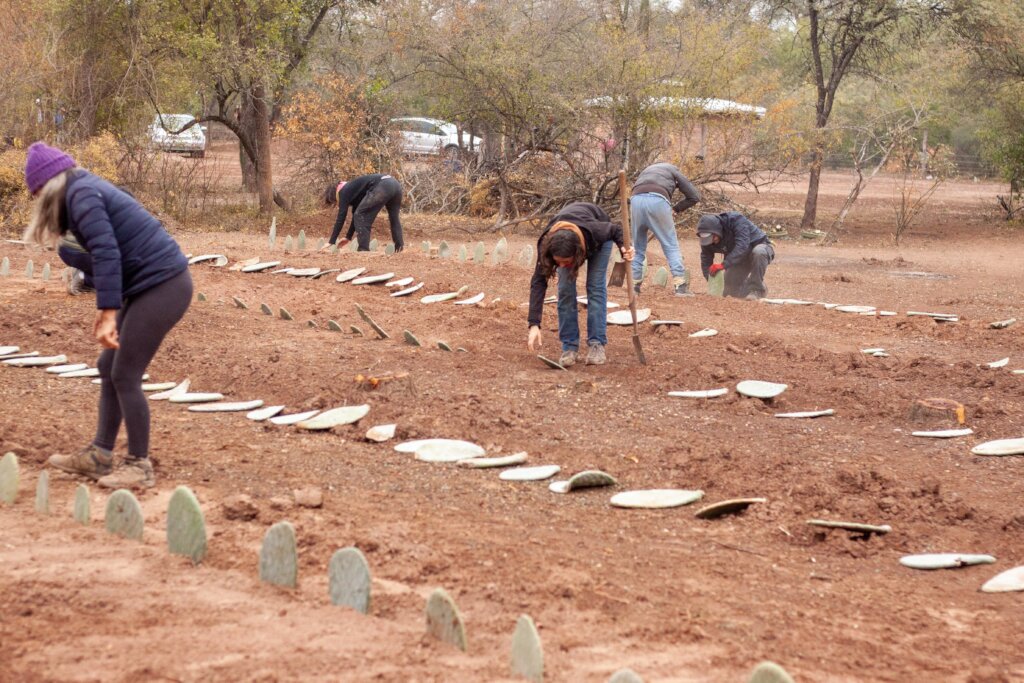
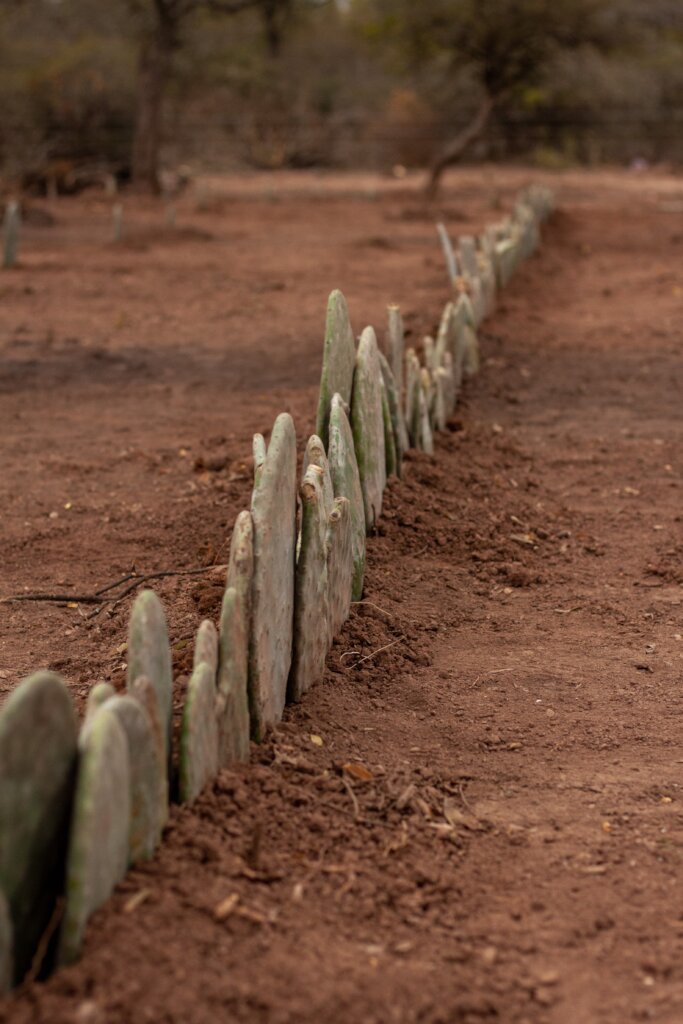
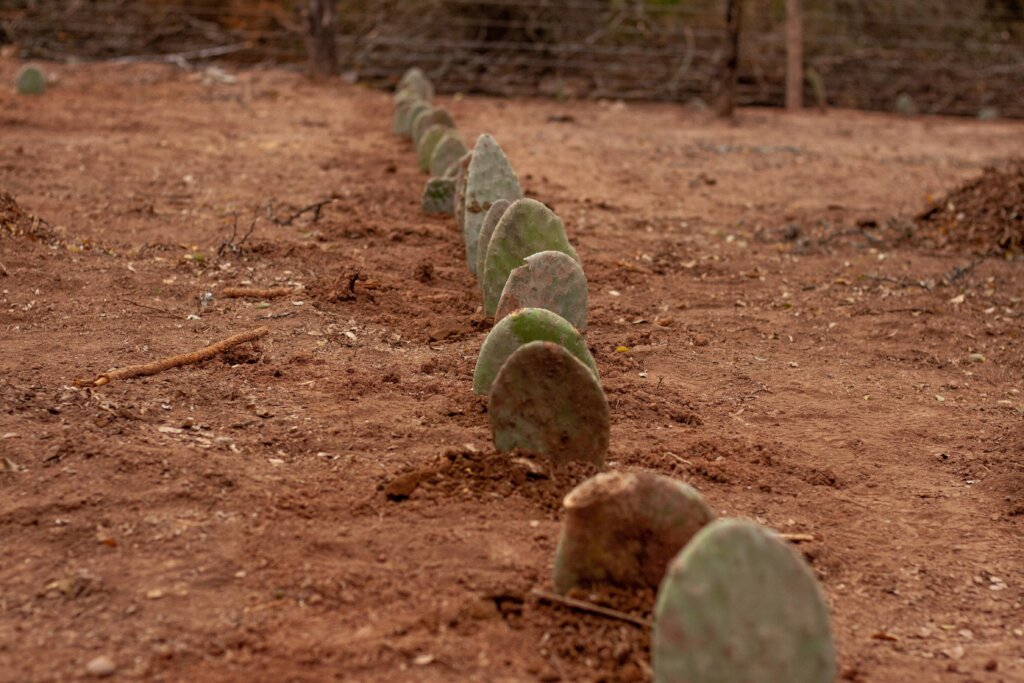
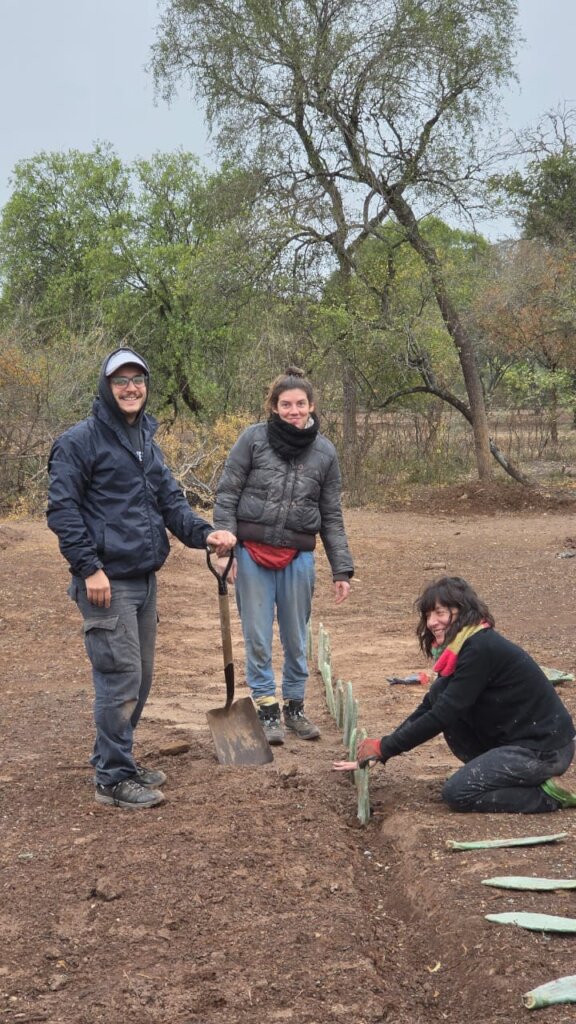
1,700 cactus plants (tunas) were successfully planted, expanding productive capacity in the community.
6 families are currently benefiting directly from the project.
The planted cactus is already being used as a source of animal feed, improving livestock nutrition, particularly in periods of scarcity.
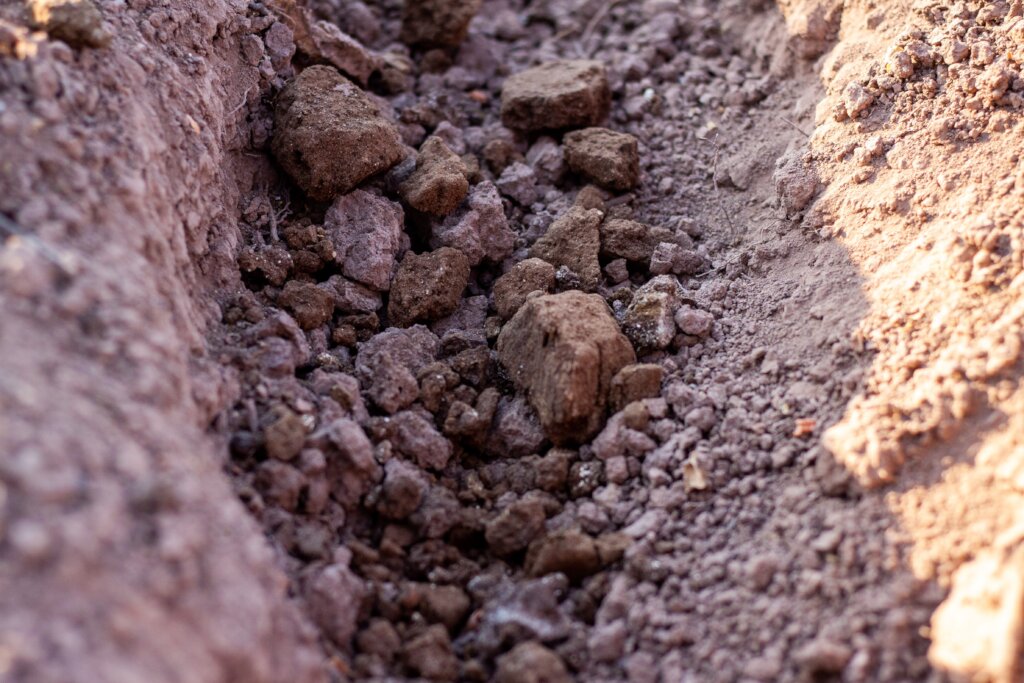
The plantations are contributing to soil regeneration and the protection of the native forest, reinforcing ecological resilience in the area.
3. Productive and Economic Developments
A significant advancement during this period has been the transition from subsistence use to value-added production:
Families have begun processing cactus fruit into jam (mermelada), marking an important step toward diversification of income.
Initial batches of cactus jam have already been commercialized, representing the first concrete income generated from the project.
This emerging value chain demonstrates strong potential for scaling local production and accessing regional markets.
4. Social Impact
The project continues to strengthen community organization and participation:
Families are actively involved in all stages of production, from planting to processing and commercialization.
The proximity of plantations to households has enabled greater family participation, including women and young people.
The initiative is fostering collective learning and knowledge-sharing, which will be key for future expansion.
5. Environmental Impact
The introduction of managed cactus plantations is generating positive environmental outcomes:
Reduction in pressure on native forest resources, as families rely less on extractive practices.
Improved soil conditions, as cactus contributes to nutrient retention and land regeneration.
Increased awareness within the community about the ecological value of native species, reversing previous perceptions of cactus as a low-value plant.
6. Challenges and Next Steps
While progress has been strong, several challenges remain:
Scaling production while maintaining quality standards.
Strengthening commercialization channels for cactus-derived products.
Continuing technical training to optimize yields and processing techniques.
Next steps include:
Expanding the number of beneficiary families.
Increasing production volume of both raw fruit and processed goods.
Consolidating market access for jam and other cactus-based products.
Continuing capacity-building activities focused on sustainable production and entrepreneurship.
7. Conclusion
After six months, the cactus cultivation project in Piruaj Bajo shows clear evidence of impact at multiple levels: productive, economic, social, and environmental. The successful planting of 1,700 tunas and the initiation of jam production and commercialization mark a significant step toward long-term sustainability and community resilience.
The project confirms that locally adapted, low-cost, and community-driven solutions can generate meaningful change in rural contexts.
Project reports on GlobalGiving are posted directly to globalgiving.org by Project Leaders as they are completed, generally every 3-4 months. To protect the integrity of these documents, GlobalGiving does not alter them; therefore you may find some language or formatting issues.
If you donate to this project or have donated to this project, you can receive an email when this project posts a report. You can also subscribe for reports without donating.



Support this important cause by creating a personalized fundraising page.
Start a Fundraiser