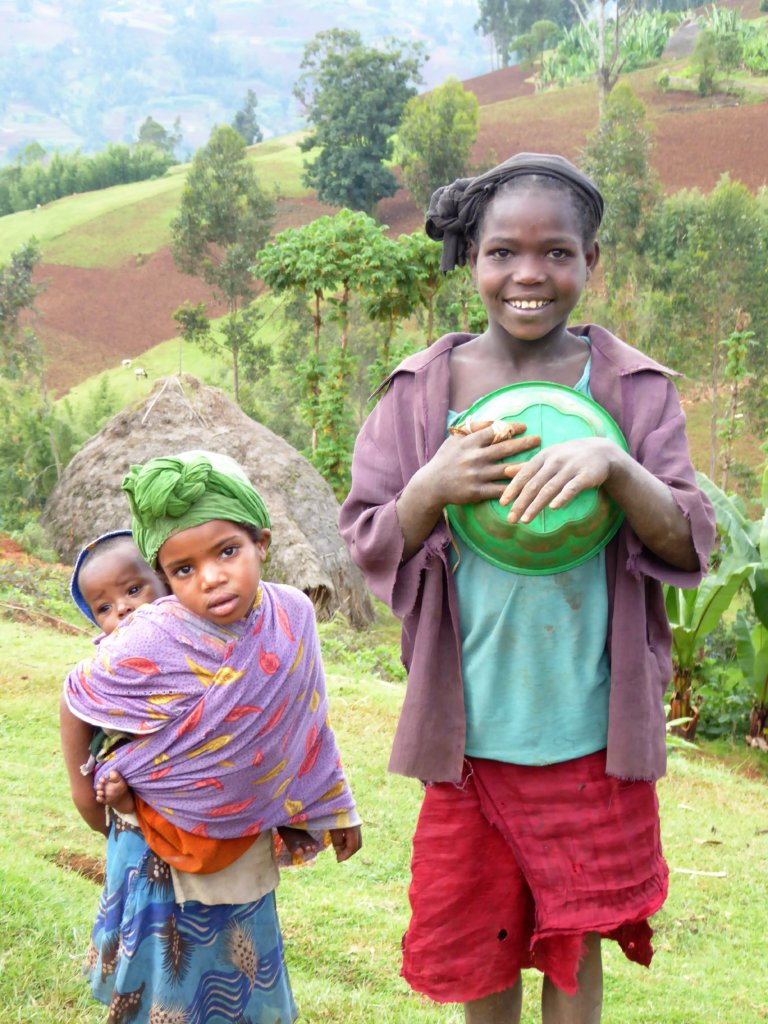
![Coffee being prepared in Ethiopia]()
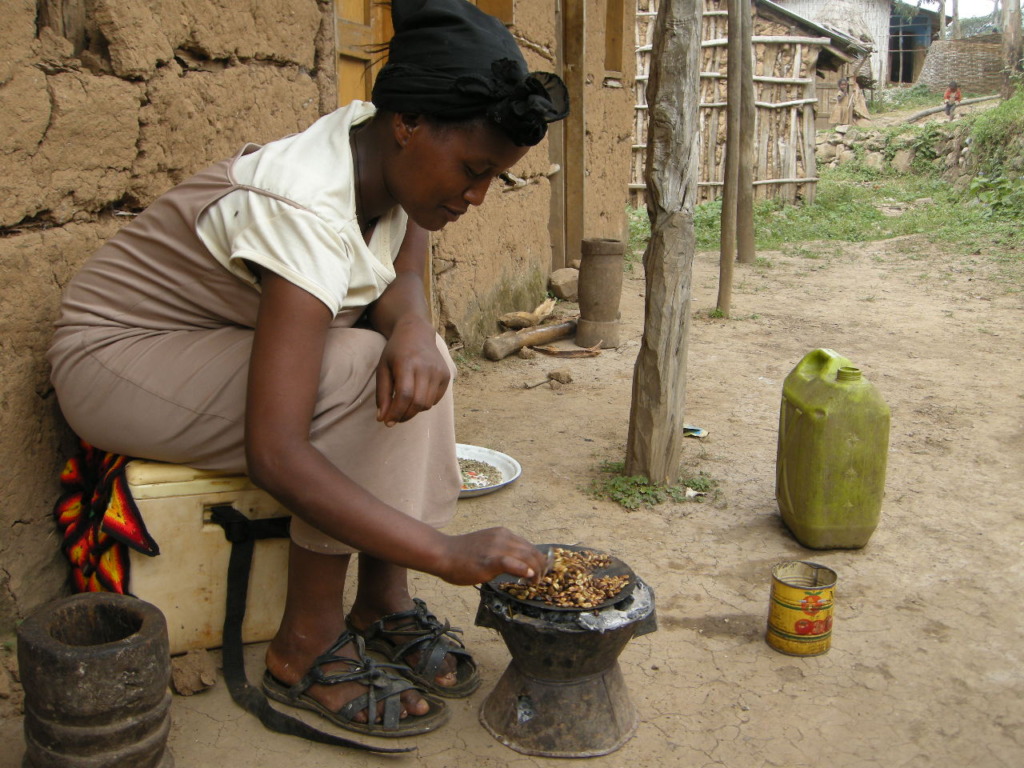
Coffee being prepared in Ethiopia
HOPE is always trying to improve on what we do to further benefit the people we work with in rural Ethiopia. Further to Global Giving's Fail Forward Challenge, the following report is about one of our most obvious 'fails' and what we have done to improve and change as a result.
Like all charities, we are always looking for ways to grow our income. Usually these include hosting events, applying for grants, running campaigns to increase one-off or regular donors, amongst others. Five years ago, however, we pursued another fundraising idea, which ended in failure.
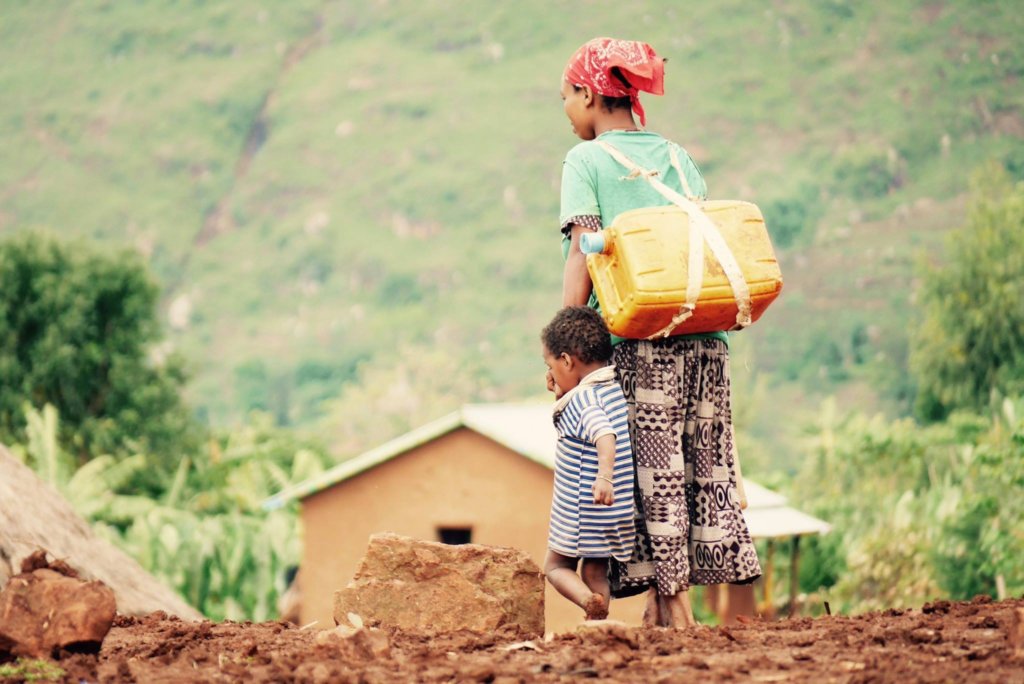
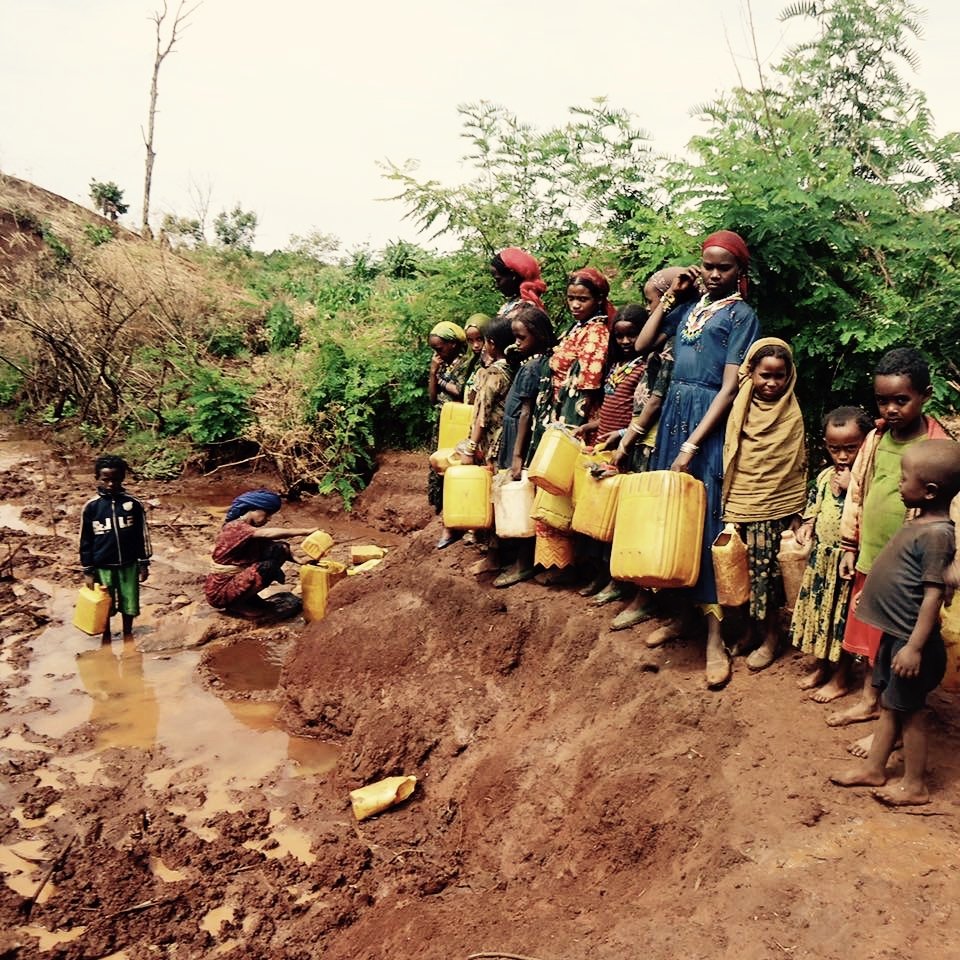
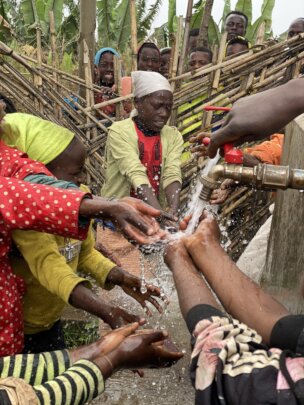
HOPE International Development Agency is a development charity, helping communities in rural Ethiopia gain access to clean water. Once communities have clean water health improves, children can attend school, more crops can be grown and adults have more time to pursue income-generating activities. As well as providing health education, our staff work with communities, women in particular, to develop micro-businesses to be able to financially contribute to their families and help themselves out of poverty. In 2011 HOPE UK decided to take our own advice and set up an income-generating activity of our own to boost the income of the organisation. Hence was born HOPE’s Coffee Club.
The concept of the Coffee Club was that members signed up to receive a bi-monthly supply of Ethiopian coffee direct for a regular donation to HOPE. After the cost of coffee, all proceeds would supplement our income and would be used to provide permanent clean water supplies in the rural Ethiopian communities where we work. The fundraising initiative was advertised through HOPE’s supporter network. For £12 (incl p&p) for 250g pack or £17.50 (incl p&p) for 500g packs HOPE would send members ground coffee or coffee beans, according to their desire. In addition, members were encouraged to run a coffee morning to share the idea of the Coffee Club with others, encouraging them to sign up and further increase HOPE’s income. ‘Buying’ Coffee Club membership as a gift was also suggested.
Any visitor to Ethiopia will tell you how coffee forms a strong component of their culture. For this reason HOPE had done thorough research and decided to work with a coffee trading company that buys from the Ethiopian Commodities Exchange, which was founded by Eleni Gabre-Madhin, a former Ethiopian World Bank economist whose vision was to create a forum that reduced fraud and put more of the money into the pockets of the farmers. HOPE advertised this to members to ensure they had an understanding about where the coffee came from and it was also benefitting Ethiopian farmers. In other words, we felt it was a win-win-win for all.
We also did research on how to set up a Coffee Club, with membership, which in fact was not a business. This was done to ensure we were adhering to the correct trade laws and that we stayed within our remit as a charitable company.
HOPE UK had high hopes that the Coffee Club would be a popular means of supporting HOPE Ethiopia whilst enjoying delicious coffee. However, after only four months of the Club being up and running, the trustees reluctantly concluded that the time, effort and difficulties involved in importing the coffee and meeting UK trading standards meant that the Club was unsustainable and that it would not continue beyond the end of the year. It was very disappointing.
In summary HOPE had discovered that the difficulties of importing and meeting trading standards were huge and absorbed hours and hours of our staff member’s time, which added up therefore to a substantial amount of money compared to what we were going to make on the coffee. An example of the import difficulties is that our staff member had to buy certified scales and check the weight of each bag of coffee. She then discovered that they were short of the weight printed on the bag by more than the allowable percentage, so had to print stickers to put over the top of it. That was just one issue!
In addition, it could have been worth that investment if we had large numbers as Coffee Club members but they were never that big; we had significantly underestimated how long it would take for the Club to grow to be sustainable. Whilst we suggested many ideas on how one could join the Coffee Club, which we thought would make membership attractive to many, we also failed to realise that this made it more complicated to administer than we had thought. Some paid via standing order, others via cheque, some in a lump sum, others as gift (some anonymously, others not) and so on. This was another way that staff time was quickly consumed. Our ‘good idea’ used up too much time and brought in too little money for the charity. Our plan also had not incorporated the time it would take it grow the Club to the size needed to be sustainable.
In the end, overall as a venture it just broke even but it certainly didn’t make any money for HOPE’s water projects! Sadly our very committed staff member who administered the Club resigned shortly after the Club ceased and her health suffered as a result. Only occasionally does she now volunteer for HOPE when, before the Club, she was one of our loudest and most passionate advocates.
The good thing that came out of it was that several people maintained their standing orders after the end of the Club. They continued giving to HOPE’s work without the bimonthly delivery of coffee. We still have 4-5 of them now, five years later, which will have amounted to a few thousand pounds. This is our lasting legacy!
We concluded that although the model seemed really good (‘support HOPE by buying coffee from Ethiopia’), the reality was that people buy coffee from the supermarket and also are happy to support HOPE but the combination didn’t resonate. It created much more work than we ever imagined and required more specialist knowledge in import and trading standards than we possessed.
The failure of HOPE’s Coffee Club also affected morale within the organization and left us slightly fearful of taking fundraising risks. As a result, we now try to pursue fundraisers that don’t have much financial risk to the organization. Fundraising events in private homes or venues that do not charge a fee, reduce our outlay and increase our chances of raising needed funds. We also learnt that all ‘good ideas’ are not worth pursuing. For example, a generous donor to HOPE recently visited our projects in Ethiopia. He returned full of ideas of how money might be increased in that region of rural Ethiopian – eco-tourism and export of locally made craft. Whilst both interesting ideas, we have learnt that these two suggestions would need to fully be investigated and researched by our supporter before HOPE UK commits time into further investigating their economic viability.
We have also learnt the importance of liaising with other charities and bouncing ideas off them. This was one of the attractions of joining up with Global Giving. In addition, our fundraiser has joined various social media groups of fundraisers to get feedback on ideas before launching them and also attends a monthly fundraisers’ group that meets in her city.
The most important thing that HOPE has changed as a result of the failed Coffee Club is that we aim to set up fundraising activities that are not always reliant on our staff member’s time. Instead we try to set up activities that can be co-run by volunteers. We also aim to set up model fundraisers that can be replicated by others. One of the key failures of the Coffee Club was that it was 100% reliant on staff time to administer and as this was far more timely than we had expected, it diverted our staff member’s time solely to this effort, which in the end proved not to raise the funds we desired.
Five years have passed and HOPE UK would like to hope that we have moved on from the painful decision to close the Coffee Club. We have pursued other fundraising opportunities and thankfully have increased our income through these other means, but we know our fundraising failure did leave a lasting sting and has changed how we approach fundraising as a small charity.
![Share on Twitter]()
![Share on Facebook]()