Promoting Health & Equality Issues in Kenya

by Peace Winds Japan
Promoting Health & Equality Issues in Kenya

Project Report | Oct 31, 2025
"Hunger or Return" -Kenya's Kakuma Refugee CampFaces Survival Crisis

By Peace Winds Project | Project Organizer

In the vast, arid land of northwestern Kenya lies the Kakuma Refugee Camp, home to around 300,000 people who have fled conflict and instability in South Sudan, Somalia, the Democratic Republic of the Congo, Burundi, and others. The number of residents continues to rise every year. Yet this place meant to be a refuge for survival — has become a place where simply staying alive has become an everyday struggle.


In March this year, the United Nations World Food Programme (WFP) was forced to cut food rations drastically due to a severe funding shortage. Refugees who need at least 9 kg of food per person per month now receive only about 3 kg. Handed out are only rice, lentils, and a small amount of cooking oil.

Lilian (pseudonym), a South Sudanese mother raising three children, says, “These days, I can only feed my children once a day. They are so hungry they have no choice but to cry themselves to sleep.” The small cash assistance that once allowed families to buy vegetables or meat at the local market has also been suspended, pushing many children into malnutrition.

Local health centers are now overwhelmed by a sharp rise in cases of acute malnutrition. In April 2025 alone, 146 children received treatment and 15 of them did not survive. Mothers wait in exhaustion, holding their babies in their arms, watching over children too weak from hunger to cry. “It’s heartbreaking to see lives that could be saved slipping away because we don’t have enough therapeutic food,” one medical staff member says.


A severe water shortage, reduced food rations, and policy changes have pushed field operations to their limits

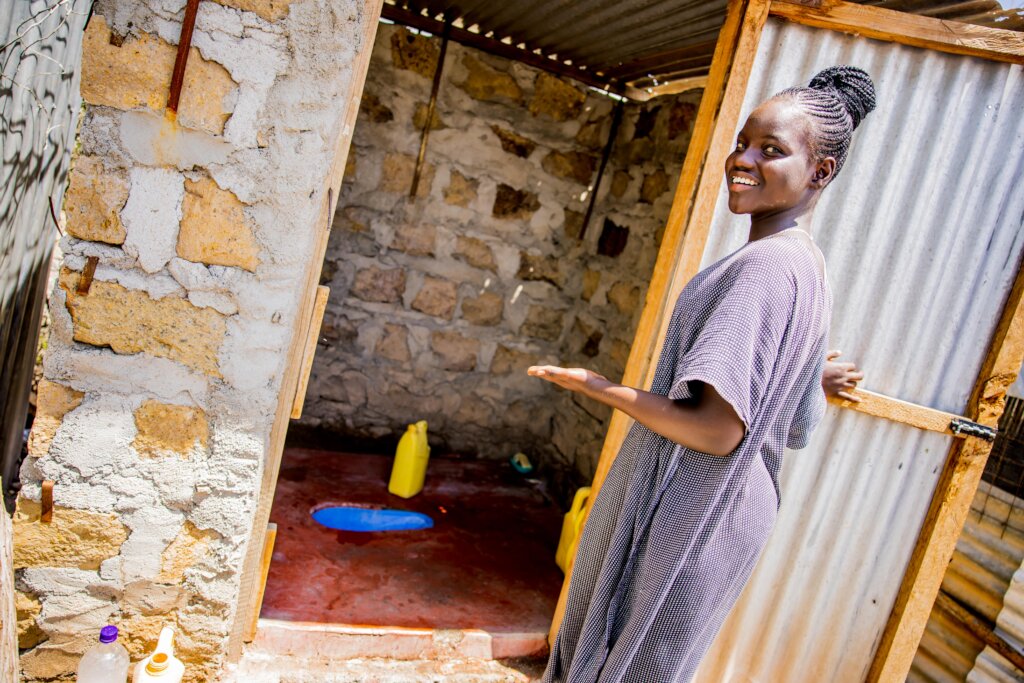
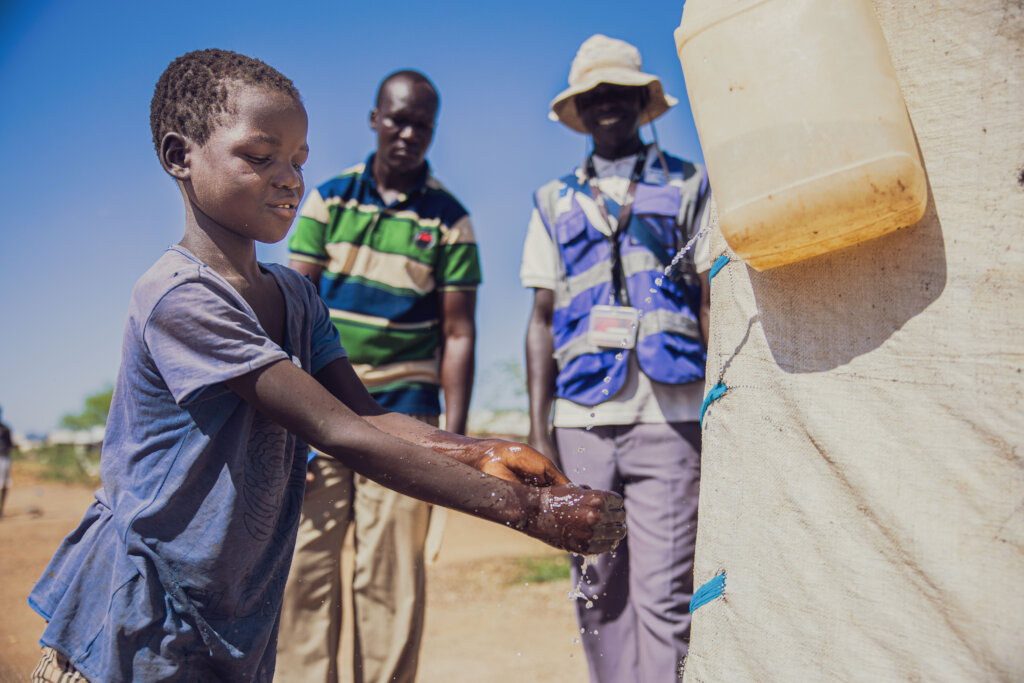
Peace Winds continues to support water and sanitation in Kakuma Refugee Camp through the construction and maintenance of water supply systems, installation of toilets, and promotion of hygiene practices. In terms of water provision alone, the organization manages more than 20 boreholes across the camp and its surrounding areas, pumping groundwater and distributing it through pipelines to over 300,000 people. In Kakuma’s extremely arid environment—where daytime temperatures can approach 40°C—access to sufficient water is a critical matter of survival.

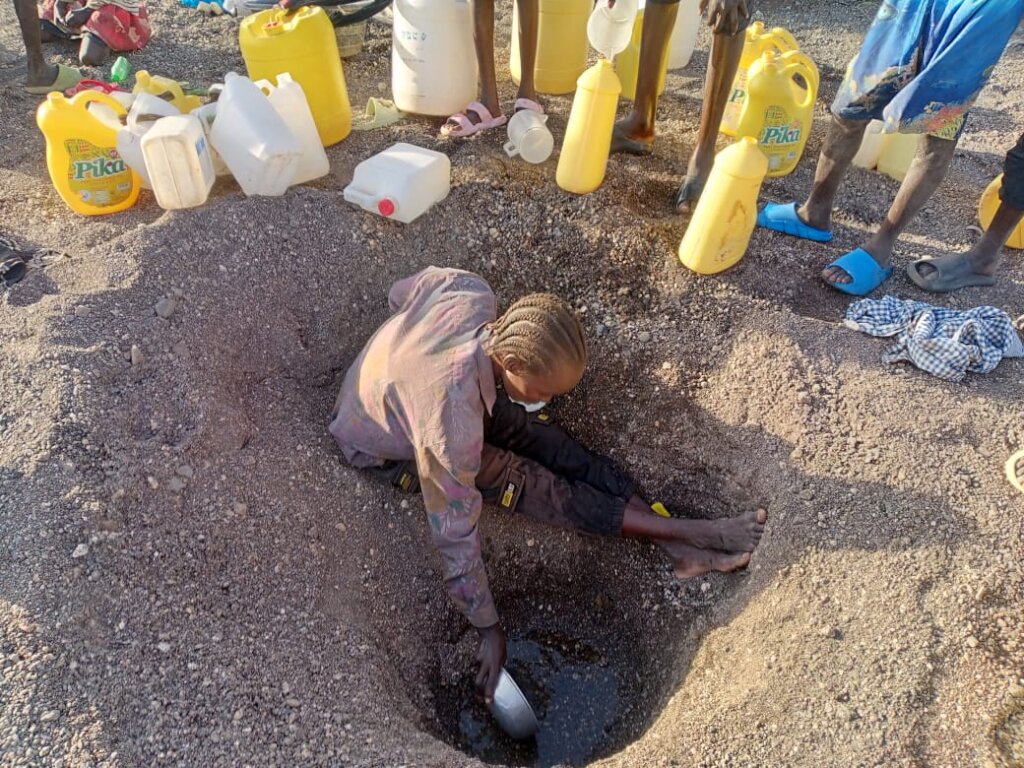
Recently, however, a growing shortage of funds has made it increasingly difficult to maintain this lifeline. There is not enough fuel to power the borehole pumps, nor sufficient staff or replacement parts to repair damaged water pipes and boreholes. As a result, since April 2025, the per capita daily water supply has dropped to just 15 liters, far below the minimum humanitarian standard of 20 liters per day in a post-emergency situation.


A Peace Winds staff member on site reports, “When we can’t repair the water pipes immediately, water stops flowing, which leads to further pipe damage and even less access for the community.” Why are the pipes being destroyed? Water scarcity affects every aspect of daily life, and with both food rations and cash assistance suspended, some desperate refugees have begun puncturing pipelines to steal water, which they then sell for a small amount of money.

Under these harsh conditions, an increasing number of refugees — unable to bear the hunger — are returning from Kenya to South Sudan. Since June, more than 9,300 people have left Kakuma. Yet even in South Sudan, instability, inter-ethnic conflict, and soaring prices make safe and sustainable living conditions far from guaranteed. “Here we starve, but if we return, we might die,” one refugee said. Many are now faced with the impossible choices.

Adding to the challenges, a “Differentiated Assistance” system introduced in August 2025 categorizes refugee households by their level of vulnerability and adjusts food distribution accordingly. Although designed to prioritize limited resources for those most in need, many refugees deemed “self-reliant” and cut off from aid have no stable source of income and are now facing severe food insecurity.

The combined effects of food ration cuts and policy changes have placed the situation in Kakuma at a breaking point. More and more people are falling through the cracks of the aid system, torn between hunger and the uncertainty of returning home.

While the Kenyan government promotes social development that includes refugees and works to build structures for integration, no one has yet presented a fundamental solution to the reality that even basic services can no longer be adequately provided.

In the midst of this deepening crisis, Peace Winds continues to act —mobilizing all available resources, funding, and networks to sustain support across three critical areas: water, sanitation, and food security.

A Peace Winds staff member on the ground shared,
“Even when we secure water and support families in growing vegetables in their home gardens, hunger still advances faster than our assistance can reach. It is so important for people to understand the situation we are facing now.”

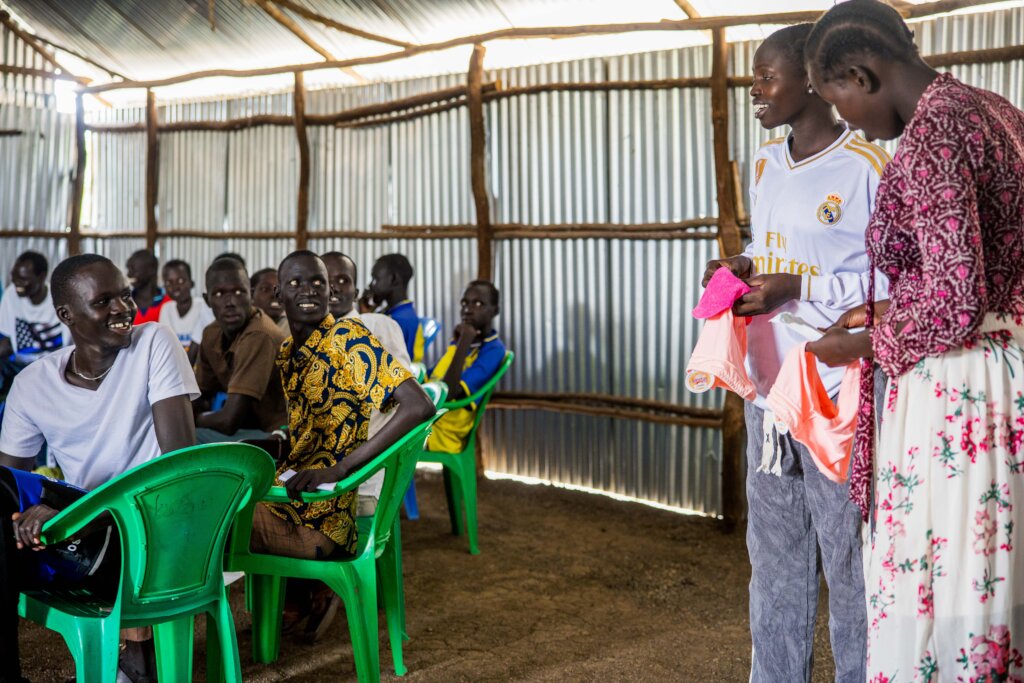
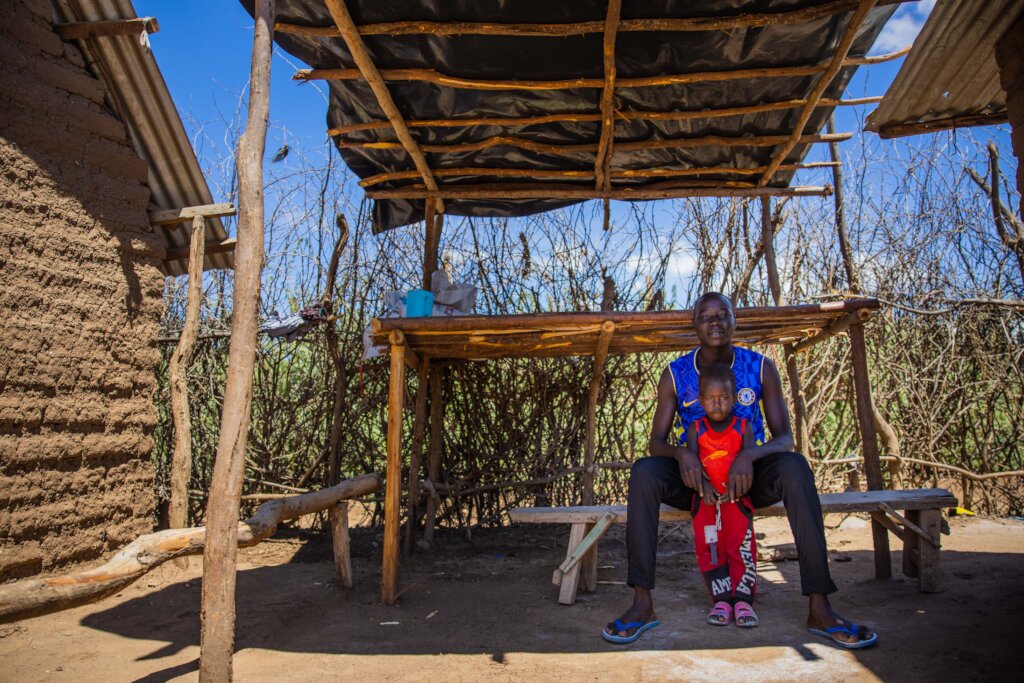
People living in Kakuma
Children dig for water due to the lack of supply
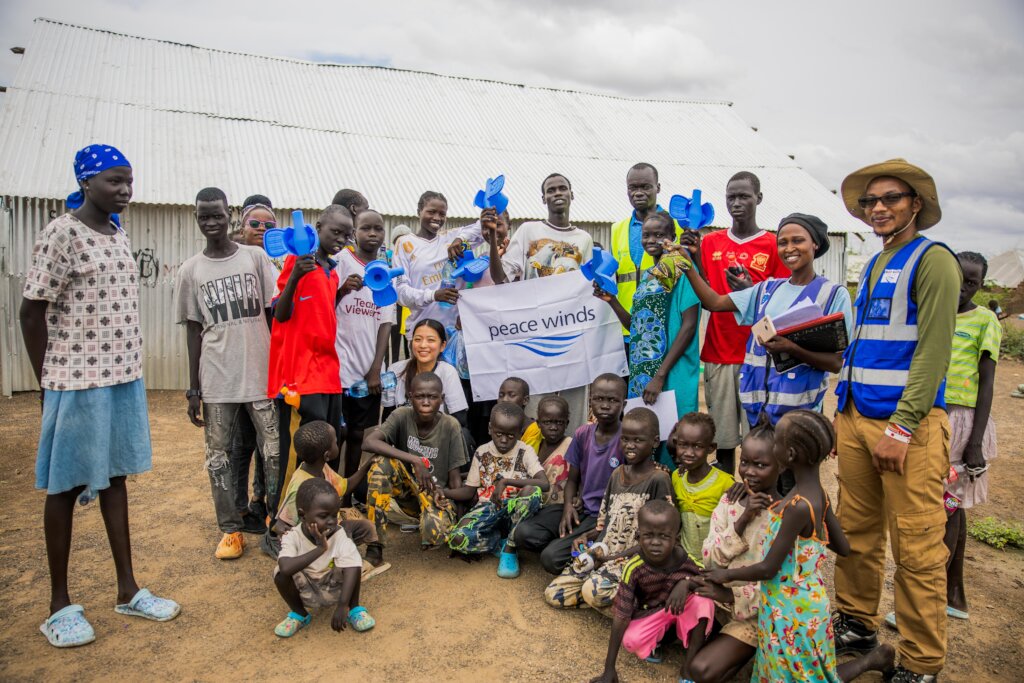
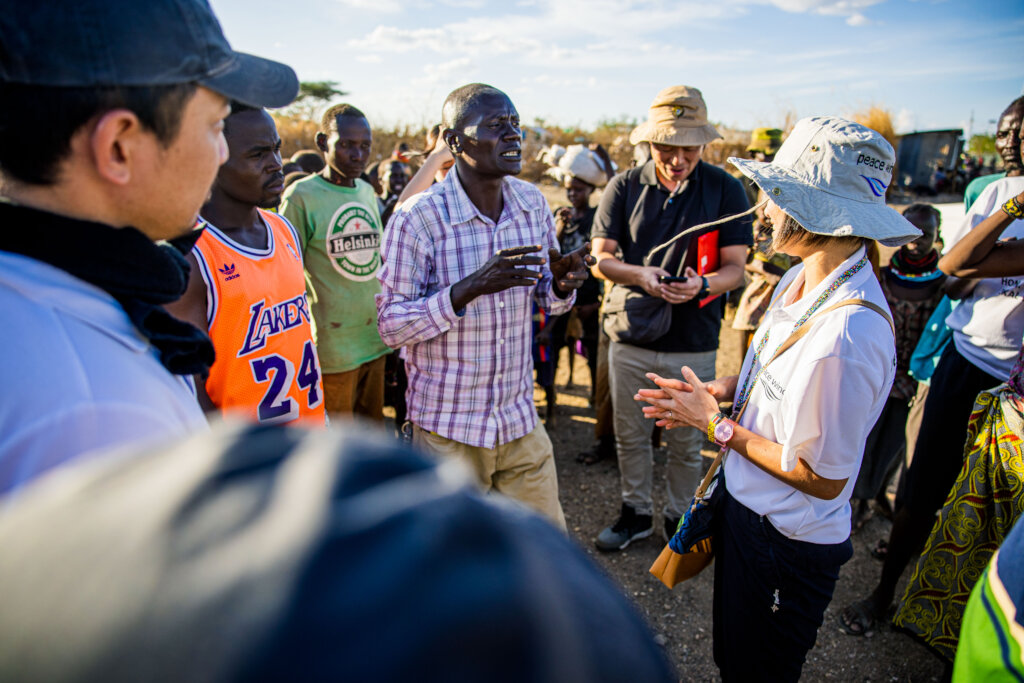
Refugees discuss water supply with Peace Winds
Share on Twitter Share on Facebook

Jul 8, 2025
Tackling Waste Issues Hand-in-Hand with Kenyan Government Officials

By Peace Winds Project | Project Organizer

Mar 10, 2025
Mariam's Journey : Finding Hope in the Dadaab Refugee Camp

By Peace Winds Project | Project Organizer

About Project Reports

Project reports on GlobalGiving are posted directly to globalgiving.org by Project Leaders as they are completed, generally every 3-4 months. To protect the integrity of these documents, GlobalGiving does not alter them; therefore you may find some language or formatting issues.

If you donate to this project or have donated to this project, you can receive an email when this project posts a report. You can also subscribe for reports without donating.

Sign up for updates

Organization Information

Peace Winds Japan

Location: Jinsekikogen-cho, Hiroshima Prefecture - Japan
Website:
Project Leader:
Jangwoo Lee
Jinsekikogen-cho , Hiroshima Prefecture Japan
$169 raised of $50,000 goal
 
9 donations
$49,831 to go
Donate Now

Help raise money!

Support this important cause by creating a personalized fundraising page.

Start a Fundraiser

Learn more about GlobalGiving

Teenage Science Students
Vetting +
Due Diligence

Snorkeler
Our
Impact

Woman Holding a Gift Card
Give
Gift Cards

Young Girl with a Bicycle
GlobalGiving
Guarantee

Get incredible stories, promotions, and matching offers in your inbox

WARNING: Javascript is currently disabled or is not available in your browser. GlobalGiving makes extensive use of Javascript and will not function properly with Javascript disabled. Please enable Javascript and refresh this page.