By Sarah Agcaoili | Program Head of Bantay Kalikasan
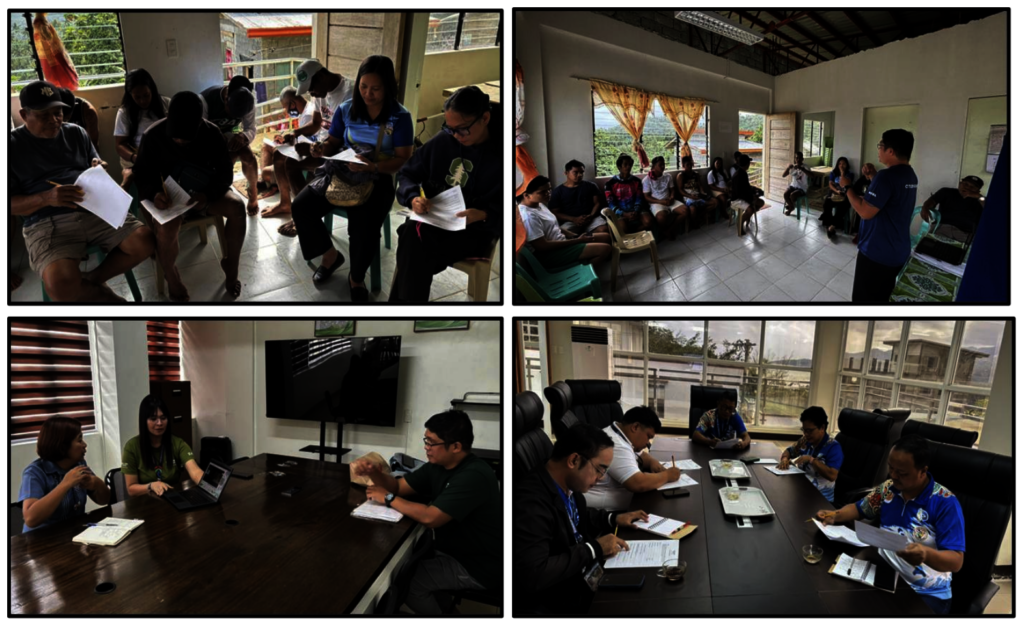
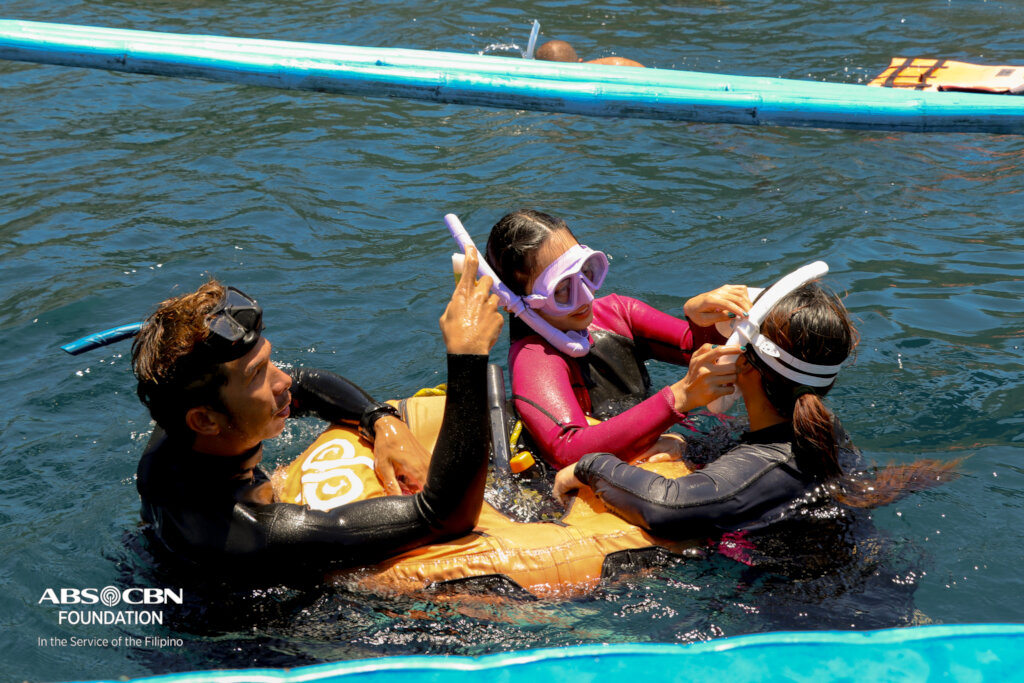
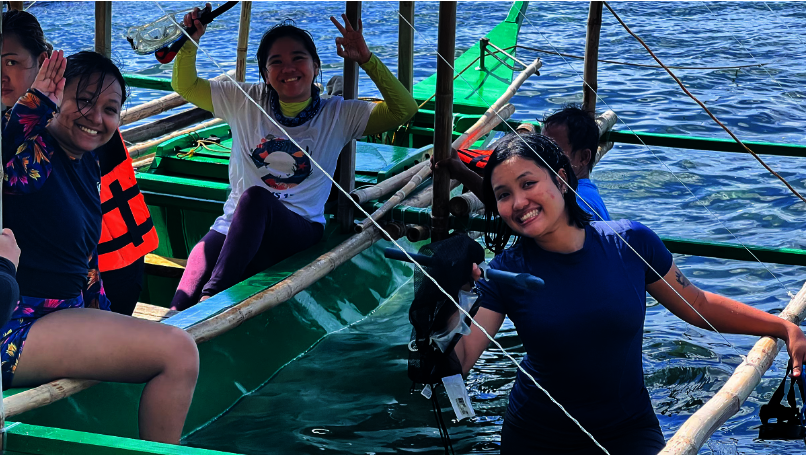
In May this year, a week-long capacity-building on Citizen Science Coral Reef Monitoring using the Alwan Method, a tool for Nature-based Solution and Ecosystem-based Adaptation, was initiated by the project to community members, people’s organizations, and the LGU-Pola representative. This lesson introduces and refreshes stakeholders on key strategies and monitoring tools for MPA managers and co-managers to address local stressors and build the resilience of Marine Protected Area (MPA) coral reef ecosystems in the area, despite unprecedented natural and anthropogenic pressures driven by local and global climate change. The fresher lecture was attended by a total of forty (40) individuals (28 Male/12 Female), comprising various stakeholders from Calibr8, our partner organization for this project, Mindoro State University (MinSU), and people’s organizations from the Barangay. Putting Cacao and Brgy. Misong, an old-trained CS team, a new volunteer recruit, and representatives from MENRO and MAO of LGU-Pola joined this endeavor.
Discussions include the Alwan lecture series and actual reef survey, how to improve the coral reef dashboard, how conservation strategies can enhance reef resilience, and the diverse range of strategies and approaches available to stakeholders to address local threats to coral reef ecosystems, including climate and biotic threats. Several discussions were also included in the lecture series, such as the efficient utilization of nature, conservation, restoration, and the sustainable management of marine ecosystems and biodiversity to address climate impacts on people and livelihoods.
Finalization strategies for the coral reef dashboard were derived from inputs shared by participants. The project will then schedule a series of planning review sessions to consolidate existing efforts, data results, and identify gaps among stakeholders, including the LGU, regarding their ecosystem-related initiatives to further enhance the management of marine ecosystems in Pola, Oriental Mindoro.
Following the actual reef surveys conducted by the new and old trained CS teams in Pola, the results revealed a significant increase across all indicators, as shown in the scorecard below. Back from 2023 and 2024 baseline data collected by the previous INSPIRE team project in conjunction with oil spill responses. It was evident that community members and people living along the
coastline of Pola, Oriental Mindoro, are significantly more aware of and educated about the importance of marine ecosystems to their daily lives and livelihoods.
The project had an opportunity to present these results to the LCE (Local Chief Executive) and department heads of LGU-Pola. Evidently, the LGU-Pola were thankful and amazed by the results
about the current state of their marine ecosystems in the area. It also revealed that one of the monitoring stations, St. John the Baptist Station A, was nominated at the DENR Par El Mar event.
The previous Alwan data were used as a reference for the strict implementation of the community members' MPA management and stewardship approach in the area.
Among the many recommendations drawn from the public data results presentation to the LGU are the LGU's full support for this project, and they will encourage the active participation of community members through biannual monitoring, regular monthly coastal/riverine clean-up drives, and the segregation of domestic waste and trash to prevent them from entering the sea.
Installation of information and education campaign (IEC) materials and signage to help increase awareness and educate the general public, both local and tourist, about the importance of coastal habitats and wildlife in the locality. They also request the provision of suitable, sustainable livelihood opportunities to help the organization gain additional supplemental opportunities beyond dependence on coastal resources. The project will continue to assist partner communities in lobbying for these environment-related solutions through the coral reef dashboard application. A series of meetings and consultations is soon to be planned out to further gather innovative strategies in holistically addressing the development of the coral reef dashboard application.
By Trisha Mandap | Senior Resource Mobilization Officer
By Nicole Andrea Ramos | Resource Mobilization Officer
Project reports on GlobalGiving are posted directly to globalgiving.org by Project Leaders as they are completed, generally every 3-4 months. To protect the integrity of these documents, GlobalGiving does not alter them; therefore you may find some language or formatting issues.
If you donate to this project or have donated to this project, you can receive an email when this project posts a report. You can also subscribe for reports without donating.



Support this important cause by creating a personalized fundraising page.
Start a Fundraiser