By Campbell Plowden | Executive Director
I first got involved with the Alternatives to Violence Project, or AVP, in 2002. For six years, I went into SCI Huntingdon, a Pennsylvania state maximum-security prison, with fellow Quakers to co-facilitate all three levels of AVP workshops with men who were often spending decades or the rest of their lives behind bars. When this program fizzled due to lack of administrative support, our local chapter launched a program at a men’s medium-security federal prison in northwestern Pennsylvania that lasted seven years.
These experiences repeatedly showed me that even people who had committed terrible crimes could still be awesome human beings. In the right environment, they could express their emotions in constructive ways, be vulnerable playing fun games, and muster creativity and empathy to resolve a problem or achieve a common goal. Racial and gang divides sometimes softened at the margins, and men who became regular facilitators increased their sensitivity, openness, inner strength, communication, and organization skills and often became leaders who were respected by fellow inmates and prison staff.
The circumstances in our partner communities in Peru are very different, but those workshops taught me a few key lessons: people can change how they relate to each other when they are offered a few good tools and a safe space to honestly express themselves and risk trusting someone else.
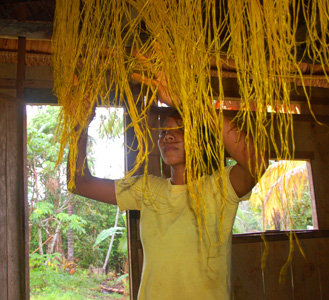
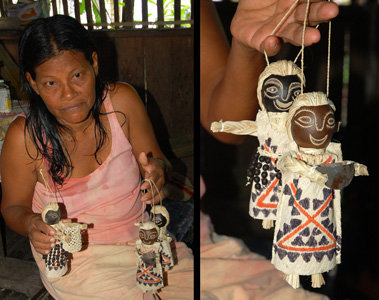
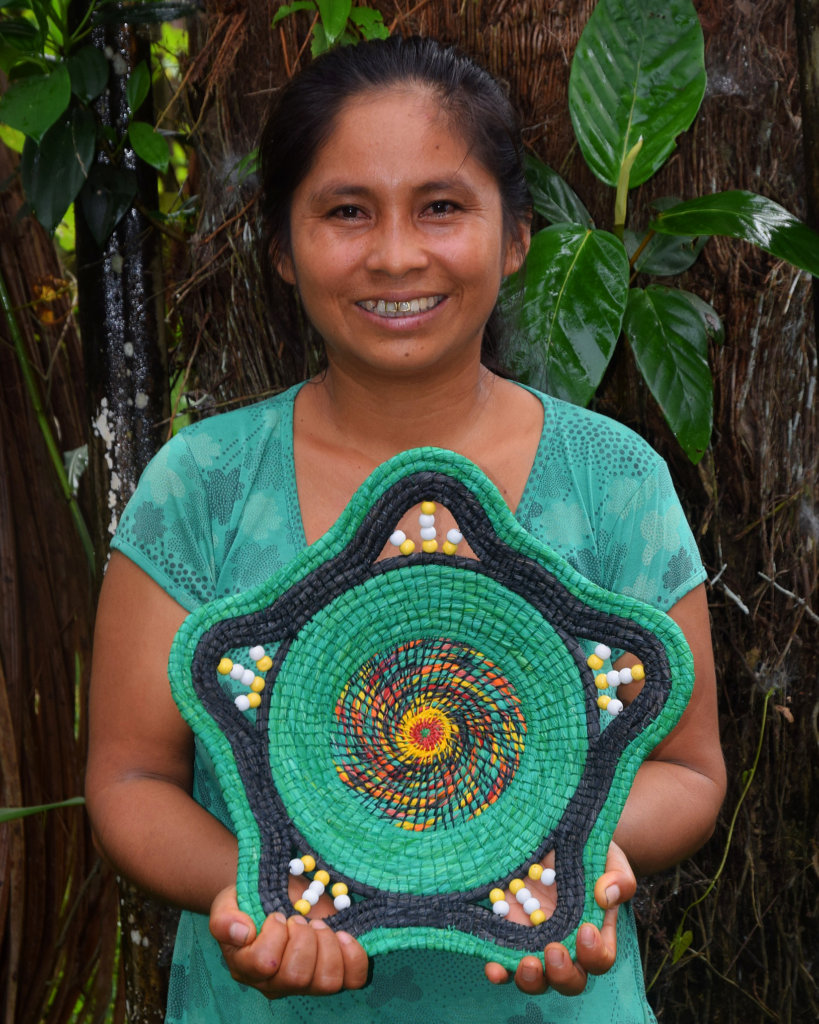
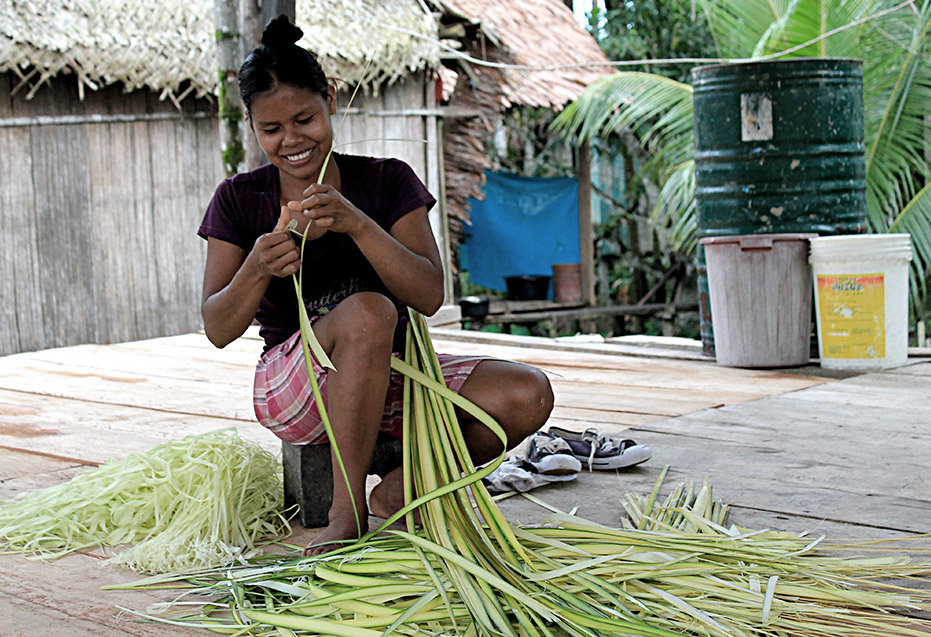
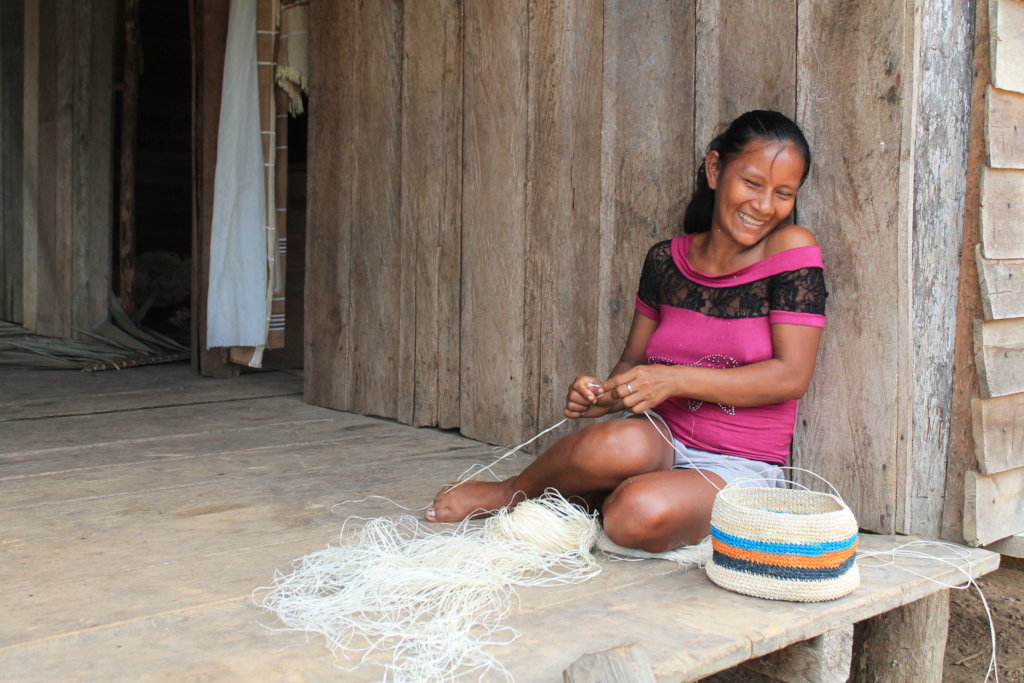
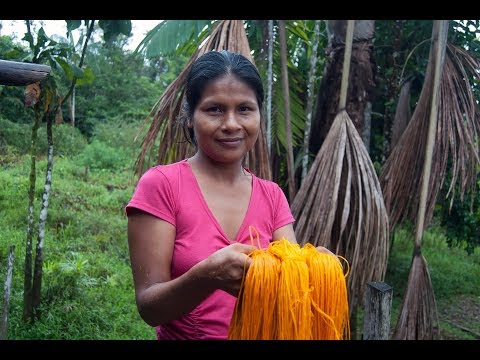
After ten years of working in Peru, I realized that while there were many talented artisans in the communities where we worked, many of them were reluctant to share their knowledge because they often viewed their neighbors as competitors. People could work together to cut the grass in their village, but the lack of leadership skills and trust in anyone outside their immediate family made cooperation on almost any long-term enterprise a seemingly impossible dream.
I was initially reluctant to introduce AVP to our partner communities in Peru because I did not want our partners to think I was trying to impose a foreign set of values onto the norms of their traditional cultures. Over time, though, I recognized that these communities were already deeply affected by outside society and the cash economy. I began by introducing a few simple AVP techniques into artisan meetings, and I was encouraged when a three-hour introductory session in Brillo Nuevo was positively received.
We next raised enough funds to invite the leader of AVP Bolivia to Peru to lead Basic workshops in three of our partner communities. These went so well that we brought her back two more times to complete the cycle of Advanced and Facilitator Training workshops. The program started to slowly grow, but the pandemic shut down our efforts for almost two years. By the time it was safe to resume our field activities, we had to start over.
We are now actively rebuilding our AVP program in our partner communities, and the results are encouraging.
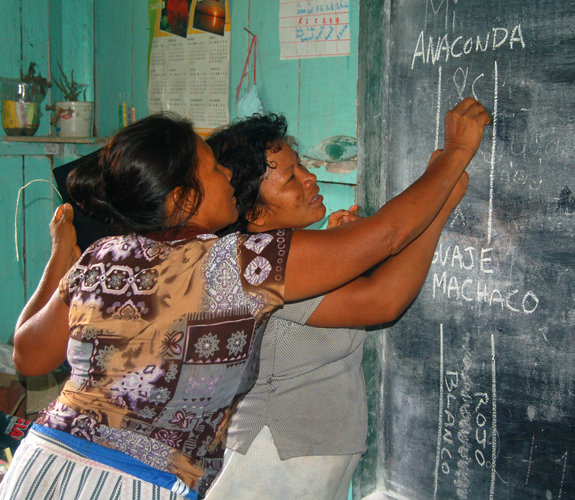
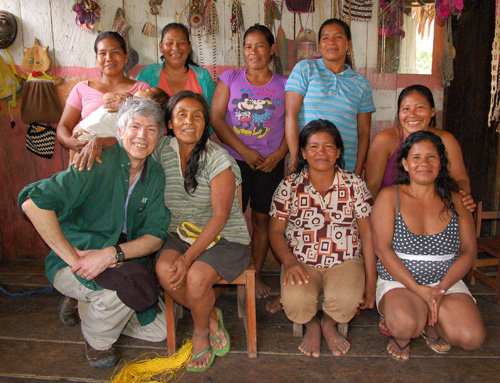
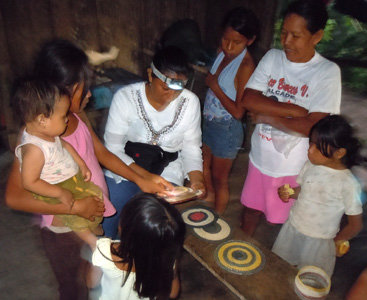
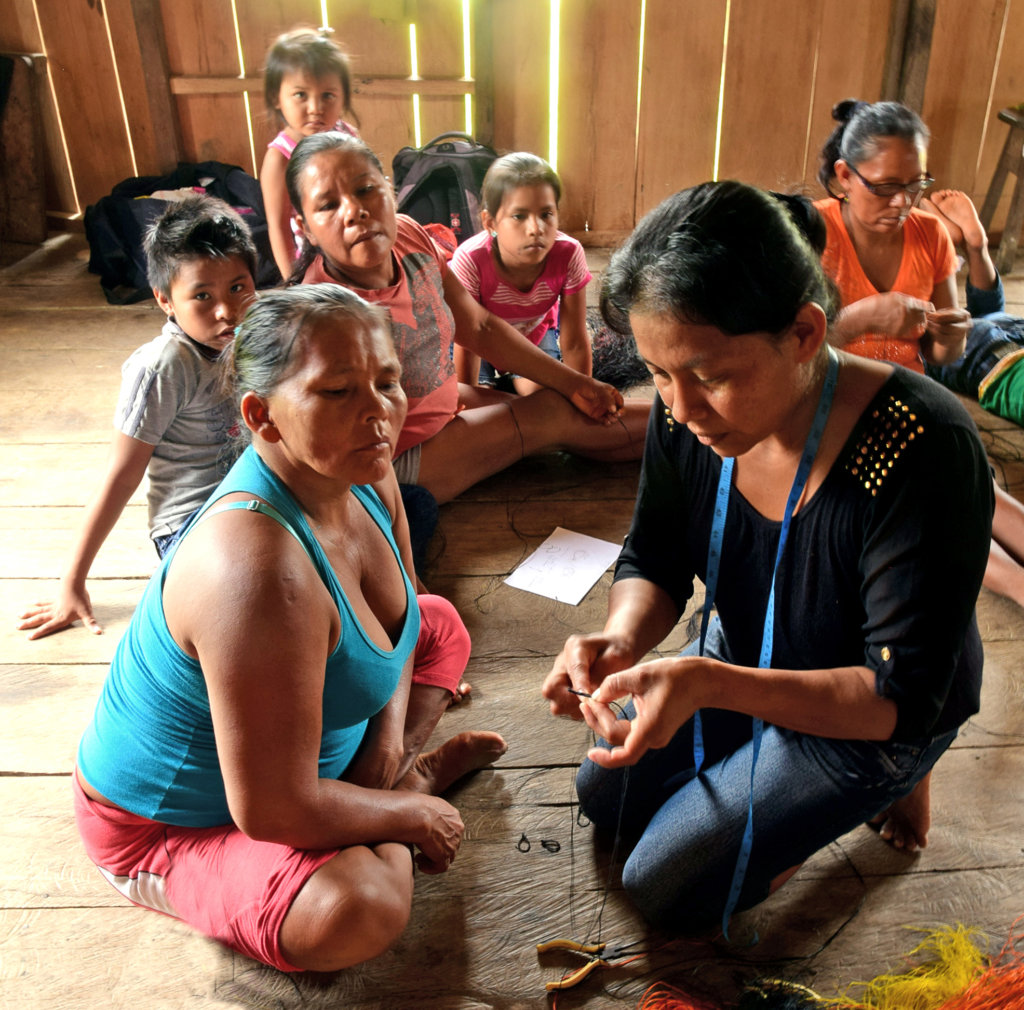
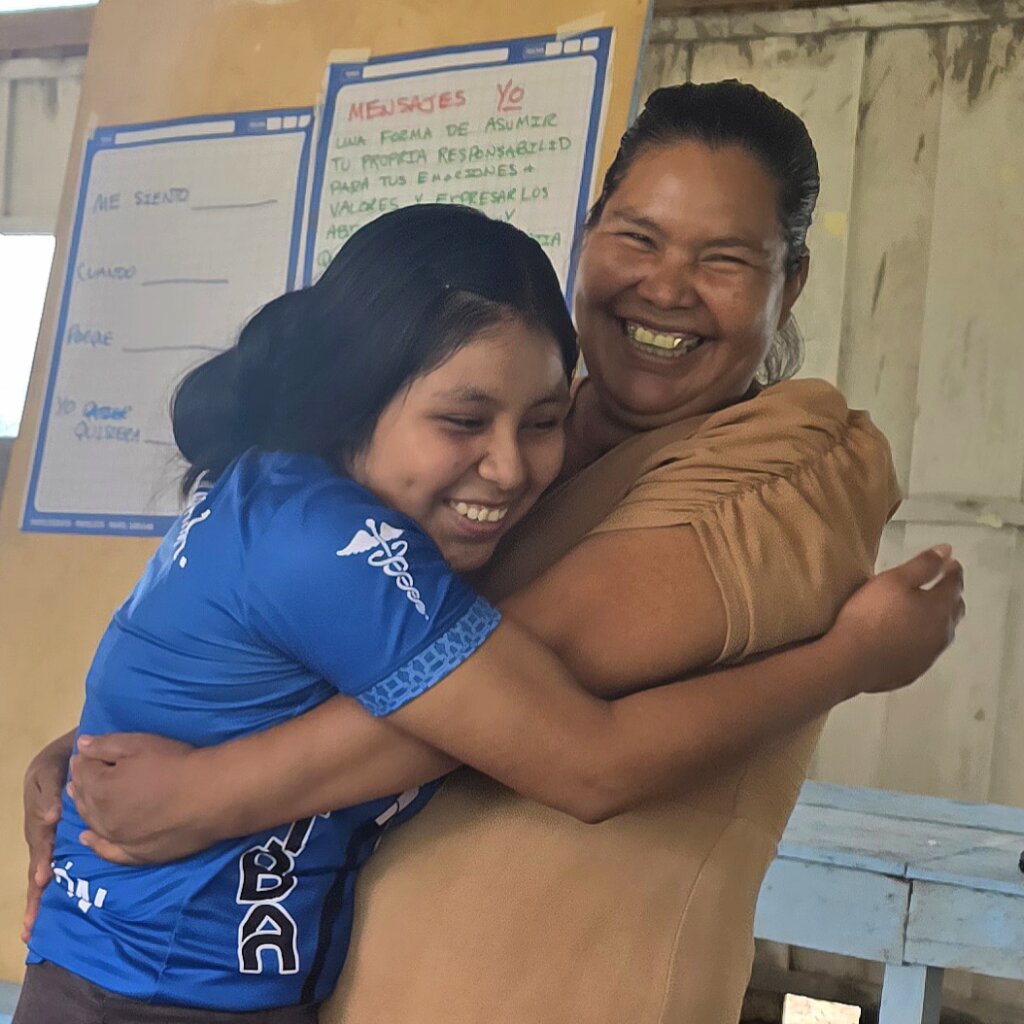
During my recent trip to Peru, I loved co-facilitating a Basic AVP workshop in the community of San Francisco on the Marañón River. It was wonderful to spend three days at a very personal level with artisans outside of our normal roles as craft makers and buyer. This first-level workshop introduced basic ideas including respect for self and others, deep listening, and encouragement to approach differences as chances to practice empathy and find common ground.
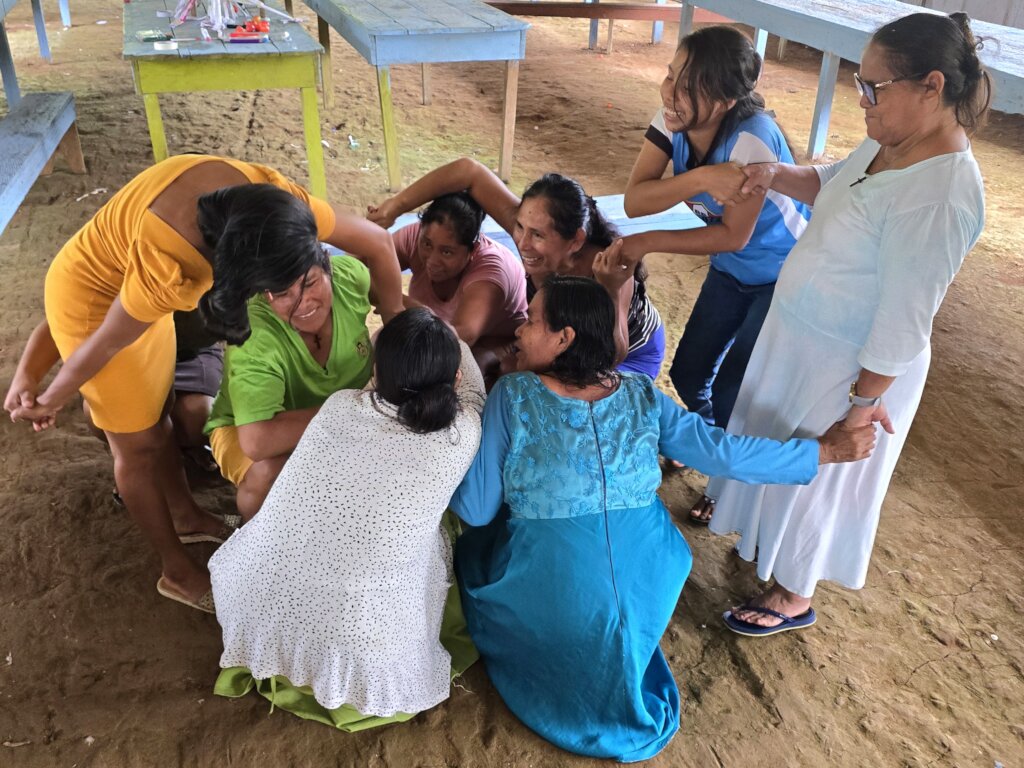
These principles are much easier to write on paper than put into practice, so AVP blends thought-provoking exercises with fun activities that help people feel safe enough to share ideas and feelings of angst, confusion and uninhibited joy. The process builds self-esteem, trust, and a sense of community regardless of age, gender, ethnicity, or religious background.
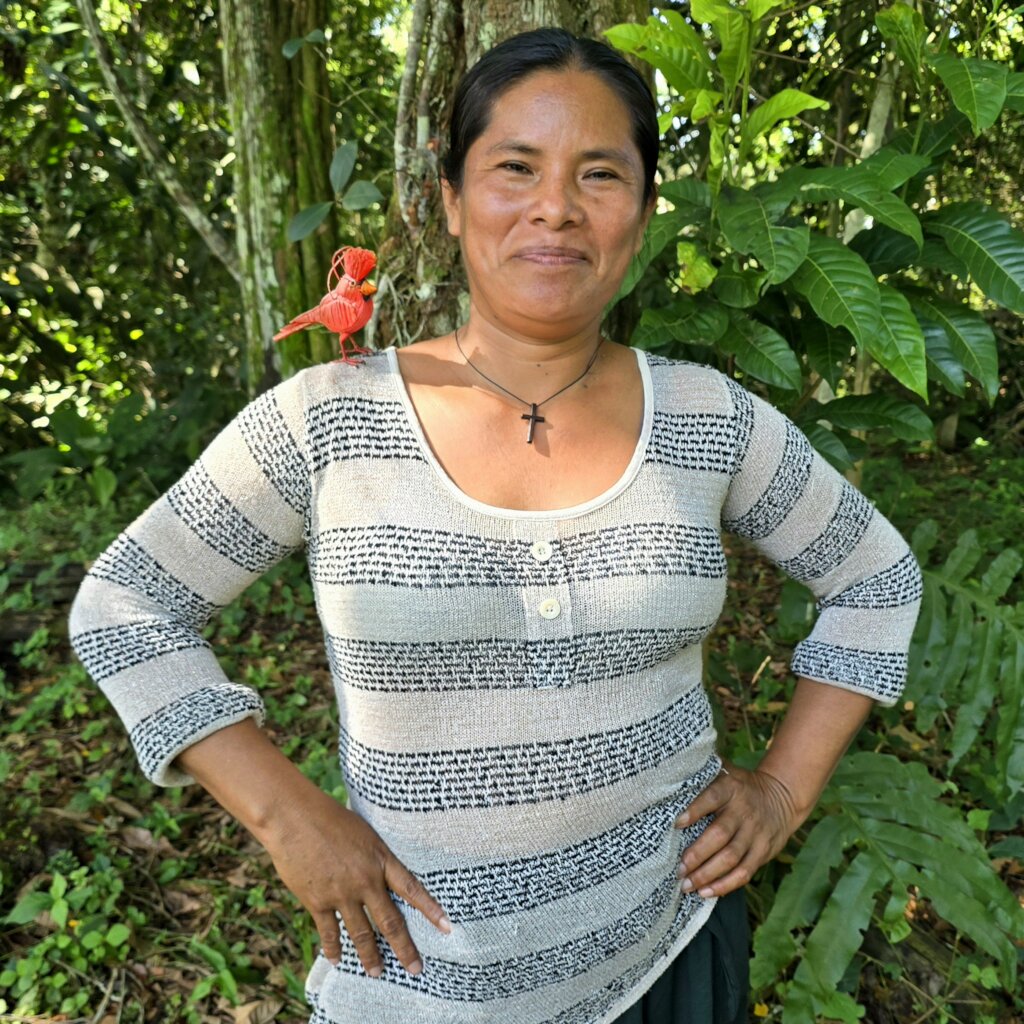
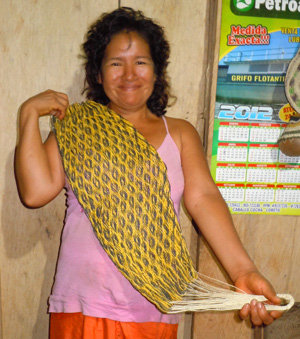
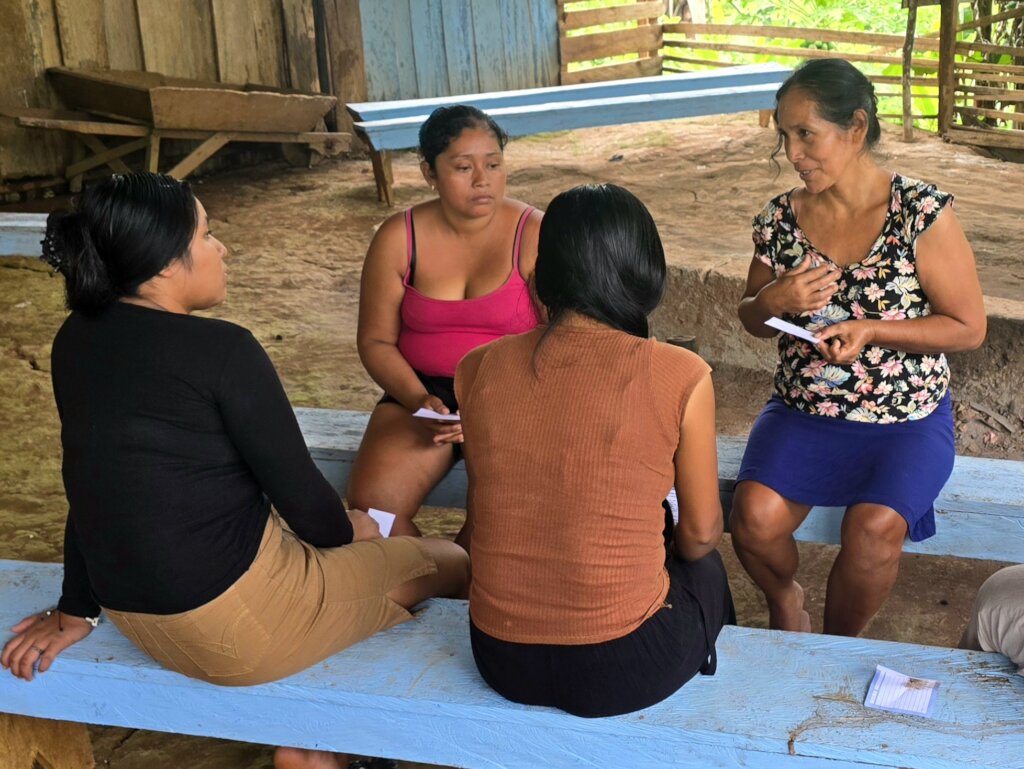
Many women in San Francisco are incredible artisans, but I had mostly seen them working diligently in the background while their husbands were in the forefront dealing with the business aspects of selling crafts. During this workshop, women shared thoughtful reflections, confident achievements, and sometimes tears of anguish about challenges with their children, spouses, and situations in their community. There was still room for growth in the gender dynamics, since small groups almost always chose a man to present their collective opinions or efforts to the full group.
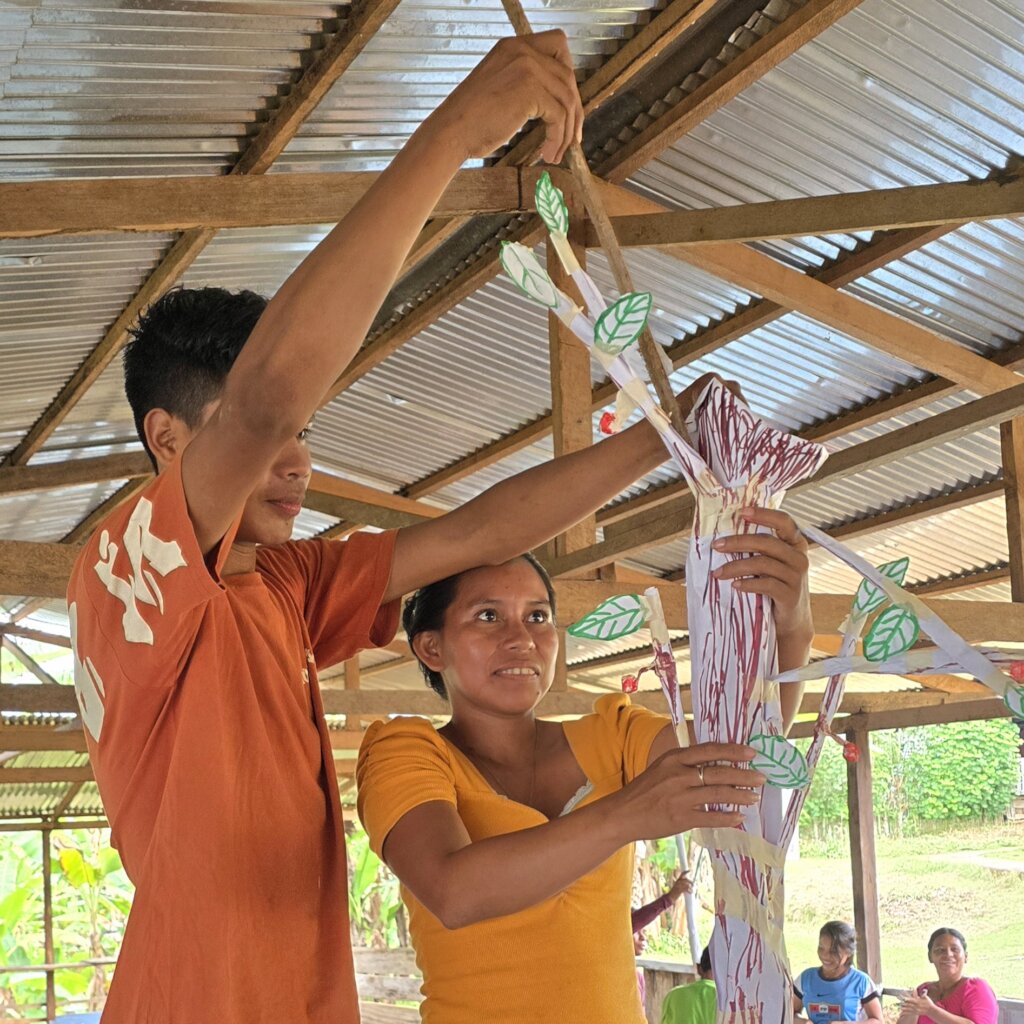
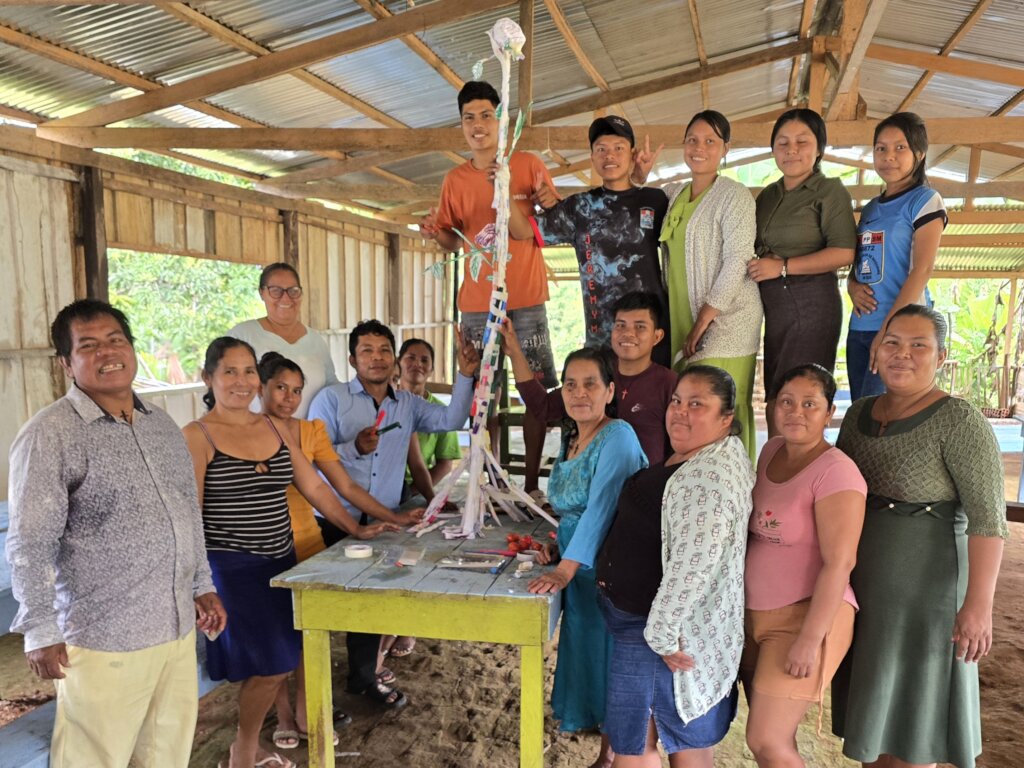
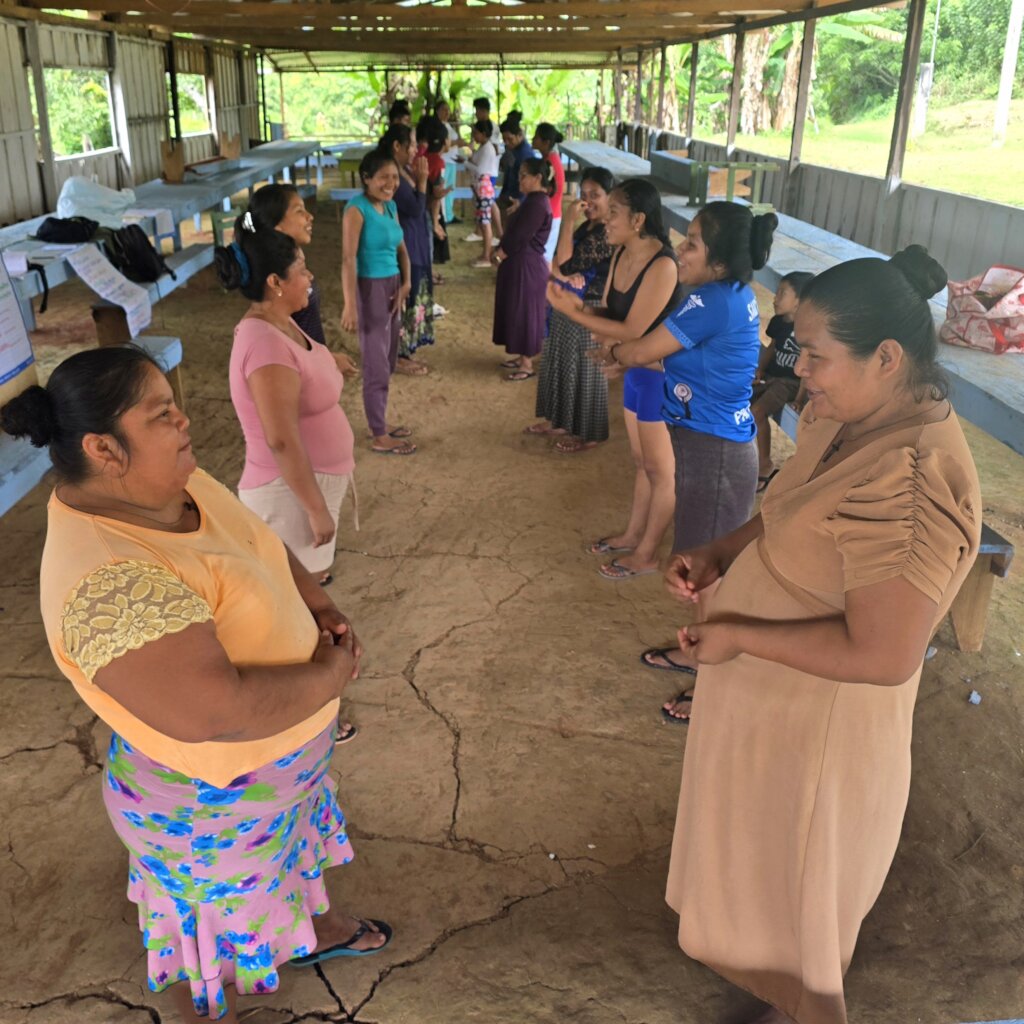
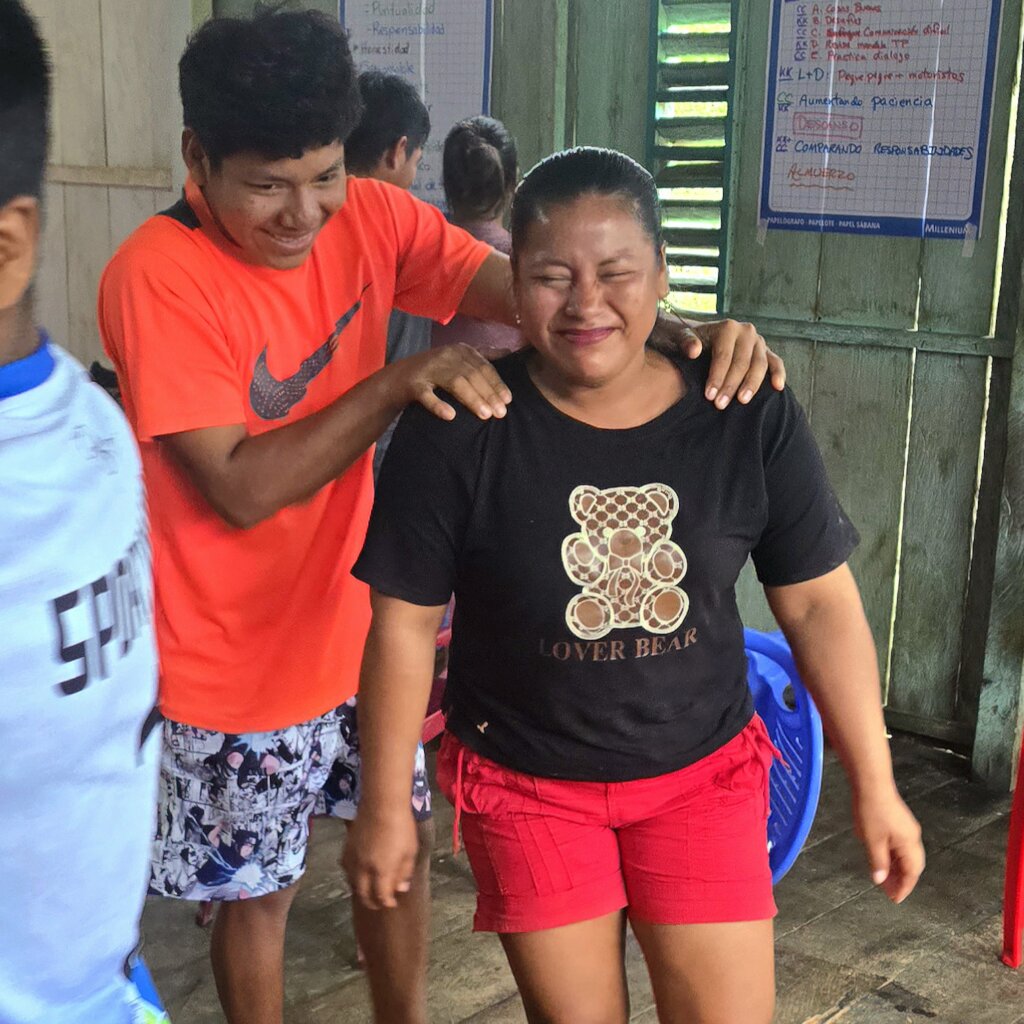
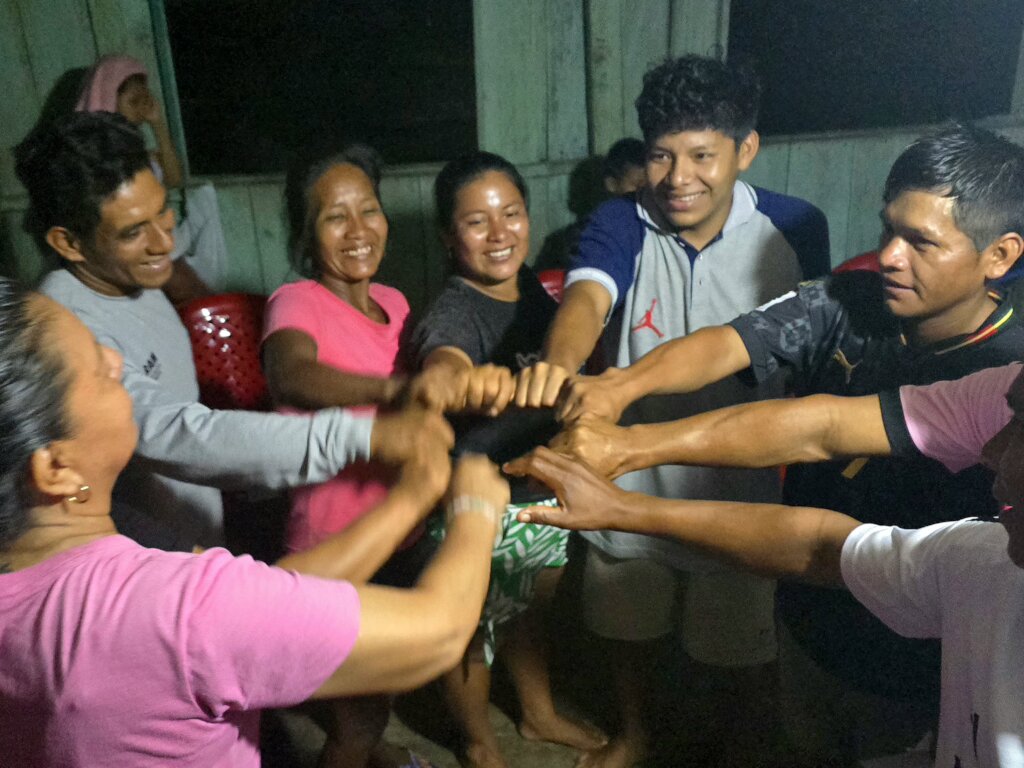
I felt tremendous joy watching people I had mostly seen before with serious demeanors laugh, move, and interact with ease and respect in activities like Knee-to-Knee, Crocodiles and Frogs, Balloon Race, and the Human Pretzel. My favorite moment was watching a group have an “aha” experience when they realized a task they had been given to build a tower tall and strong enough to save a large nest of bird eggs was not possible to complete because they had incorrectly assumed they needed to divide into small groups rather than work together. Once they regrouped, their brainstorming sounded like a beehive, and they achieved their goal.
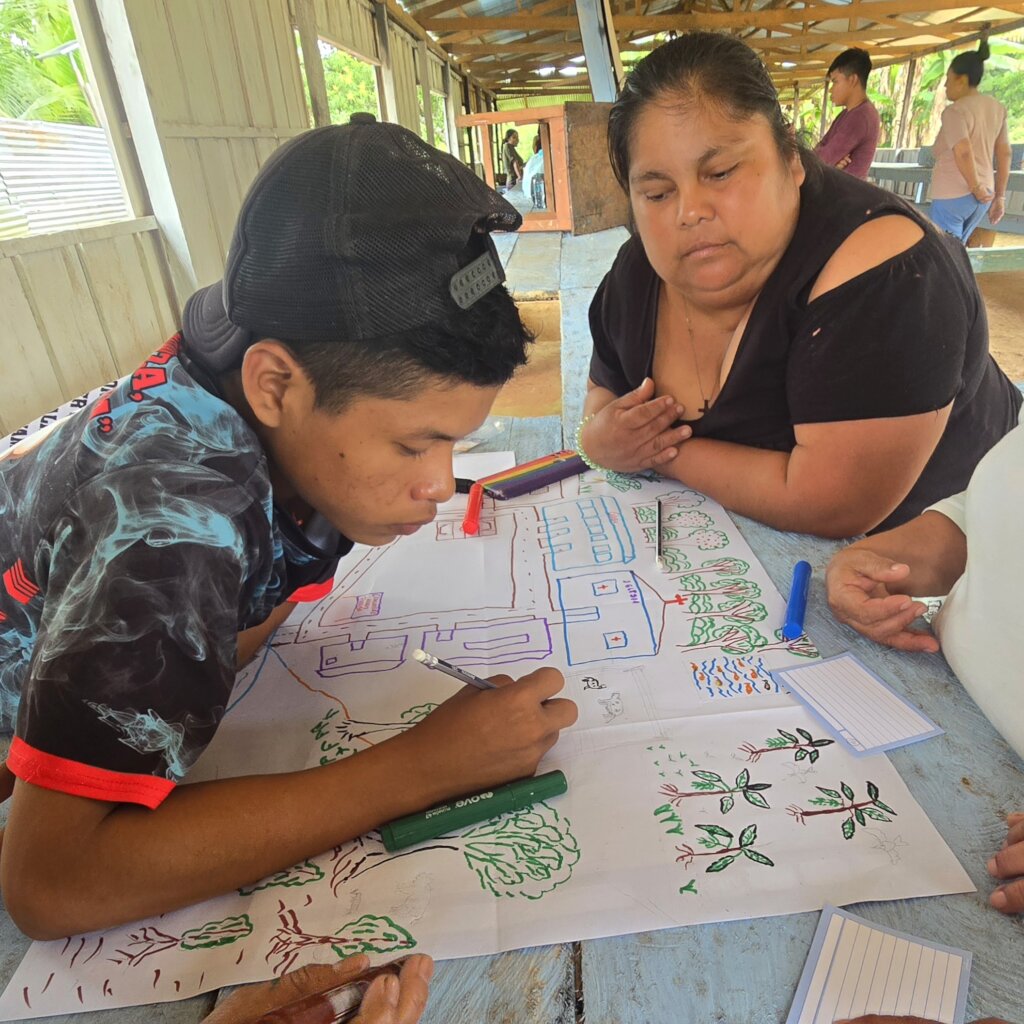
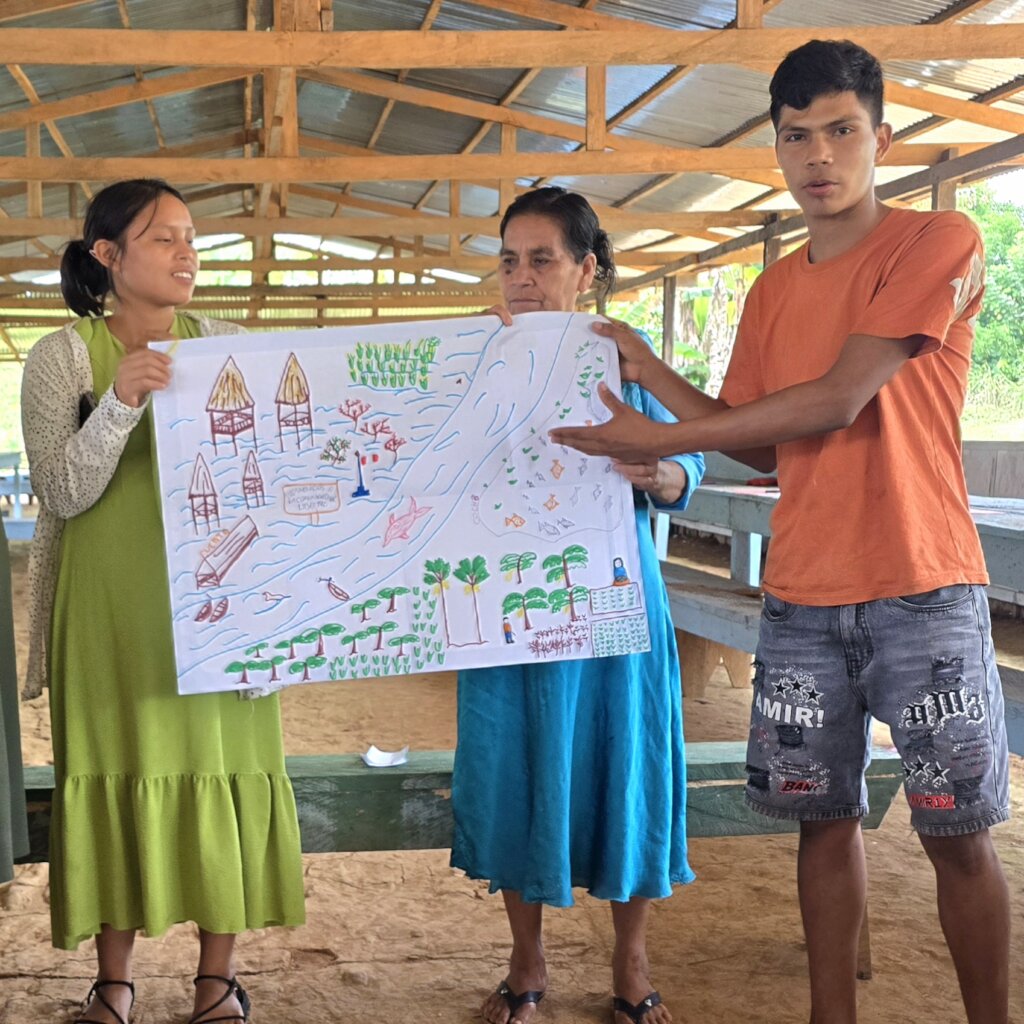
In the final workshop challenge, participants created and drew plans for new communities if catastrophic weather conditions forced them to abandon San Francisco. They appreciated the fresh chance to consider their core values and choose how they would incorporate these into physical structures and social norms for their families and community.
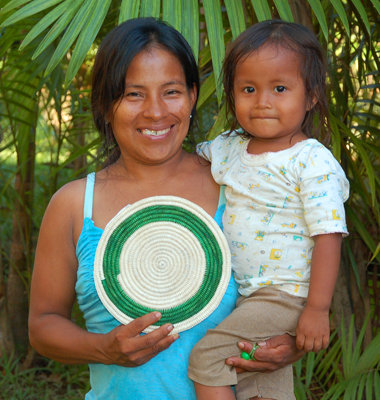
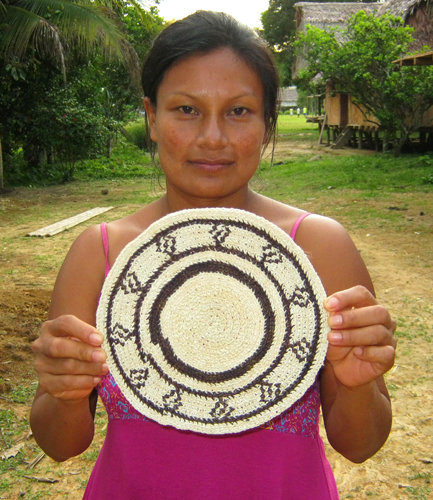
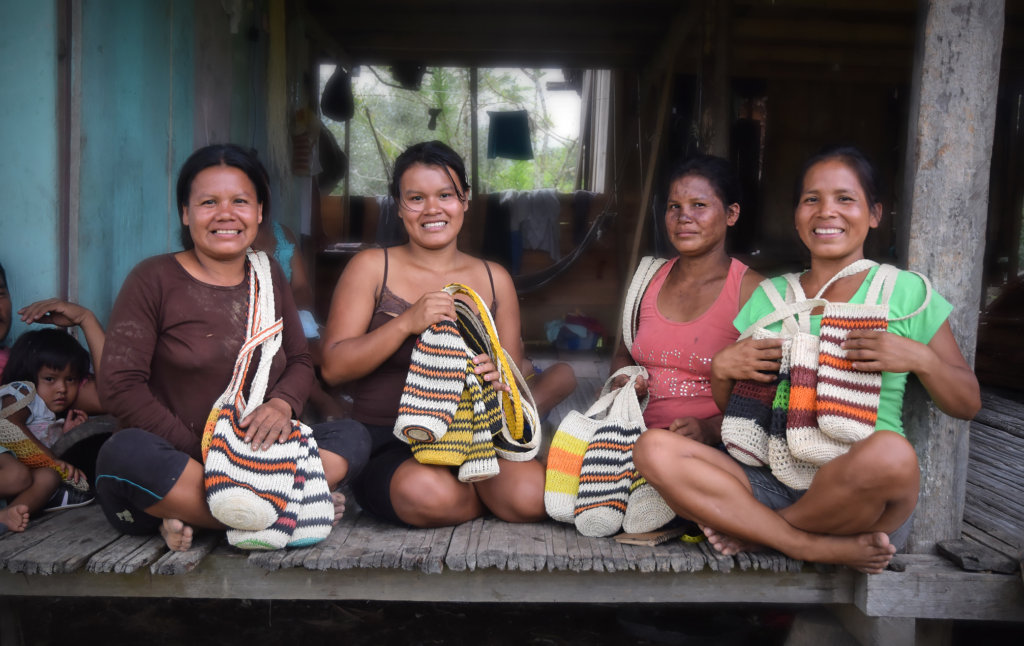
A week later, we held an Advanced AVP workshop in the Bora village of Nuevo Peru, which has an intense history. We first connected with this indigenous community on the Yaguasyacu River around 2010 and bought colorful and well-made woven bottle carriers from half a dozen women artisans. It was difficult, though, for them to complete orders for multiple items in a timely way. We soon realized we were competing for their attention with the much better-paying coca enterprise.
The Bora and other cultures in the region have used coca in traditional ways for many generations. In Nuevo Peru, however, outside drug producers had contracted small-scale farmers to plant large amounts of coca and convert the leaves into paste as the precursor for cocaine. This practice was illegal, but government authorities rarely intervened, and requests from FECONA, the regional Indigenous federation, for them to stop were routinely ignored.
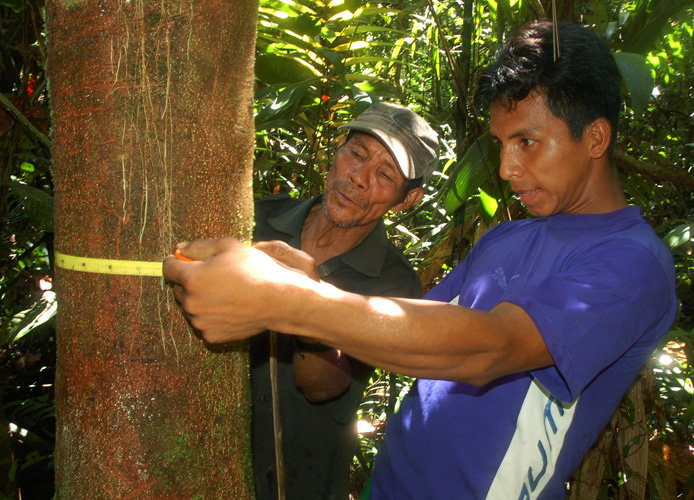
Amazon Ecology halted our work in Nuevo Peru with its artisans for many years because we did not feel safe holding workshops in the village, much less asking our staff to survey chambira palm trees in the forest where they might encounter people or sites connected to the coca business.
I do not know exactly how cocaine markets or politics changed, but after the pandemic, Nuevo Peru told FECONA they would stop growing coca for the drug trade. While these contracts had been very profitable, they realized they were missing opportunities to develop craft-making with Amazon Ecology and forgoing NGO and governmental programs that were benefiting communities not involved with dangerous illegal activities.
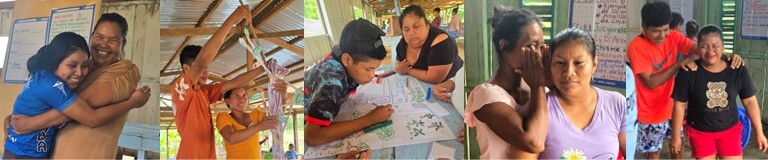
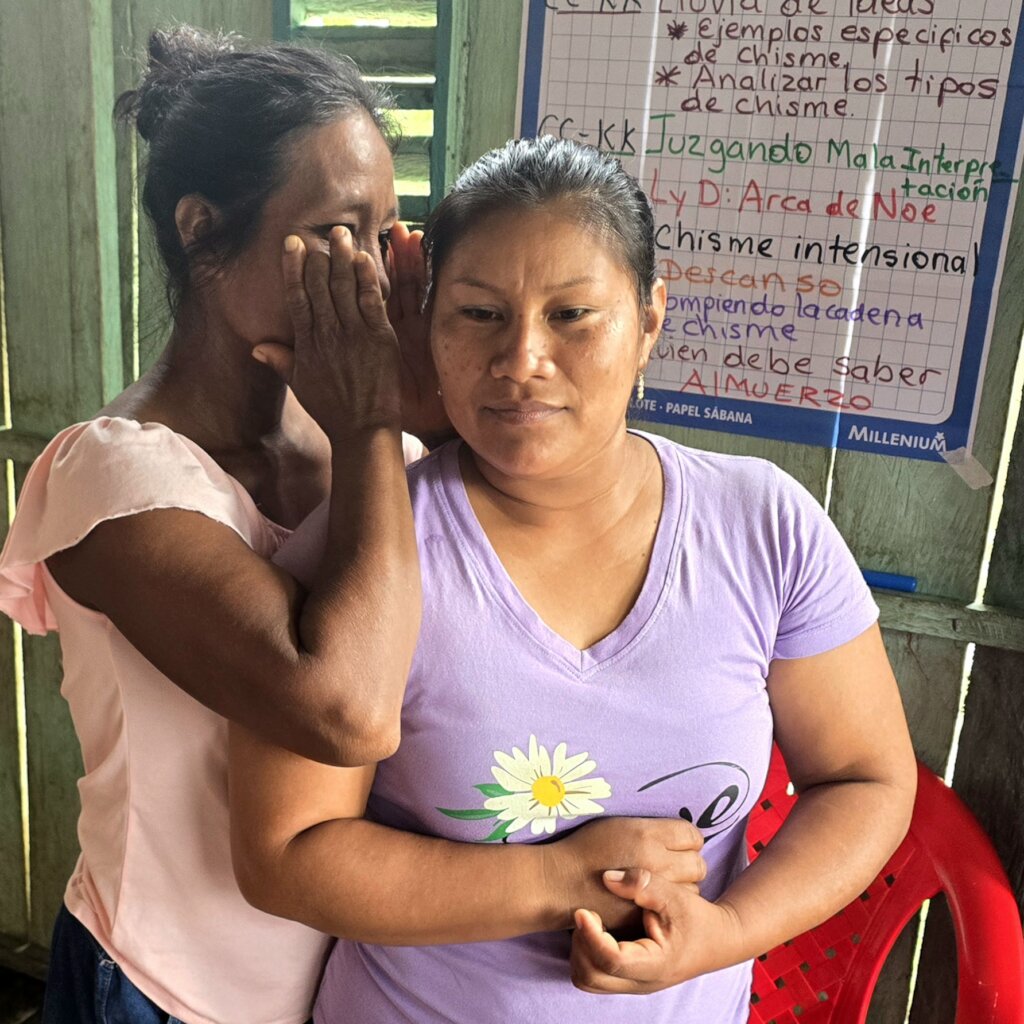
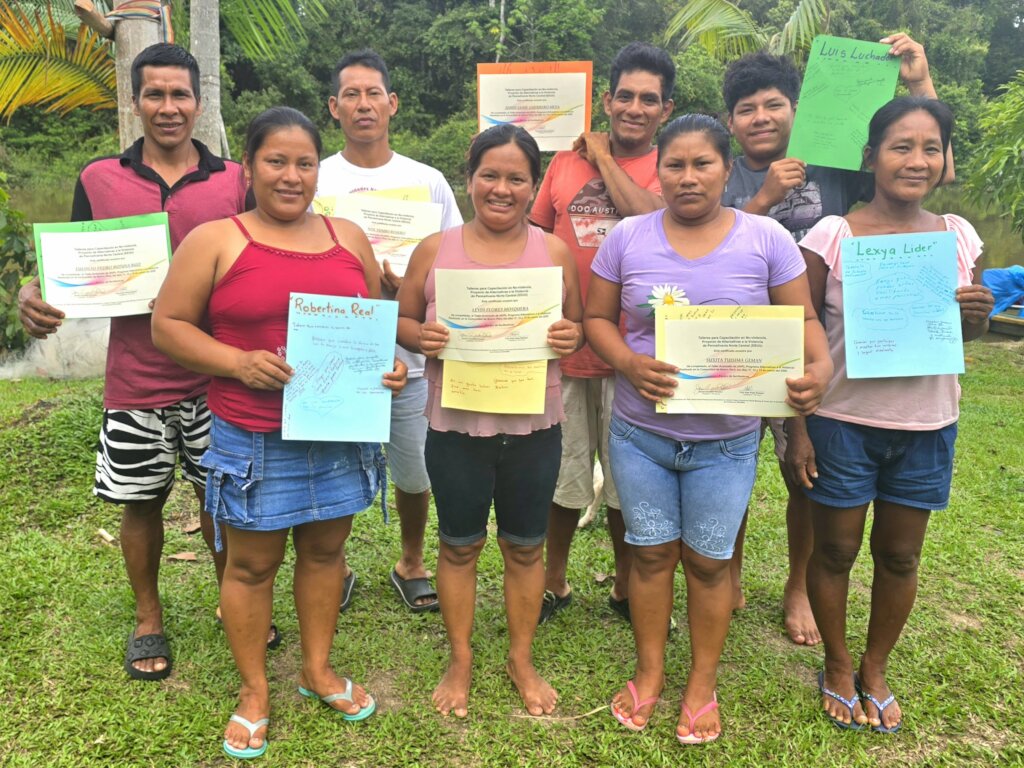
Three years ago, artisans from Nuevo Peru began participating again in our artisan training workshops in nearby Brillo Nuevo, and last spring we held a small but well-received Basic AVP workshop in their community. We returned this March to hold an Advanced workshop. The participants used a consensus process to choose building family harmony and combating venomous gossip as their two focal topics. Once again, the process created an environment where people felt safe to share their thoughts, creativity, deeply personal stories, and enjoy doing fun games together.
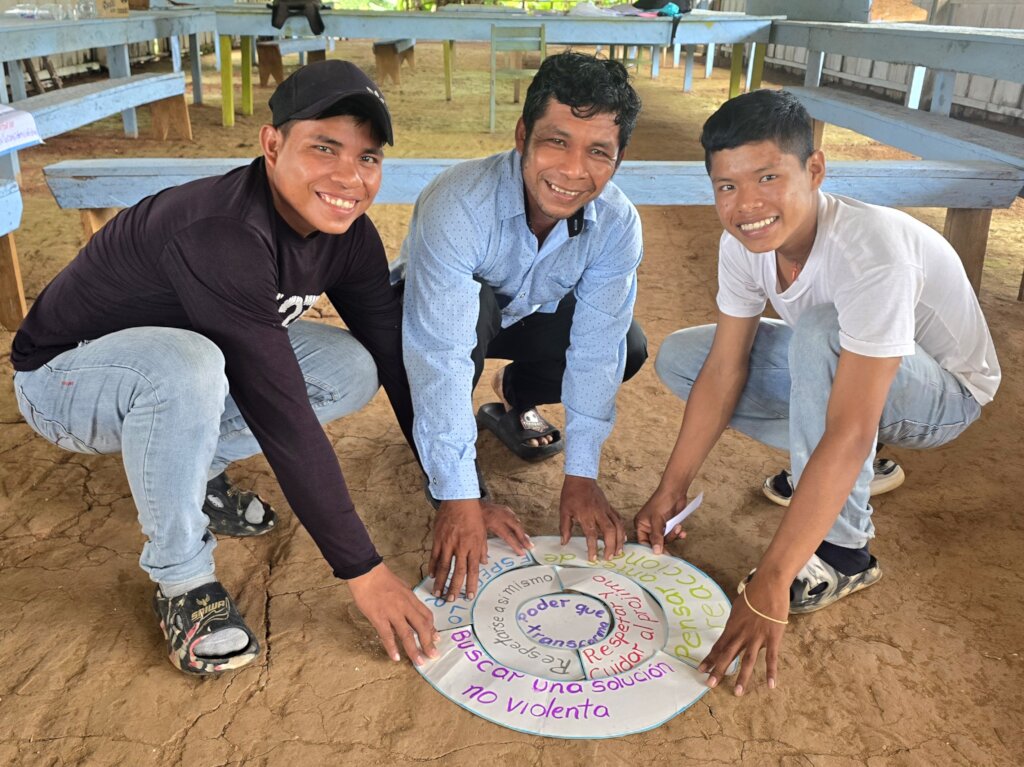
One workshop highlight for me was seeing the posters they made showing their visions of loving cooperation and strength. They honestly reflected on how their assumptions, values, and reactions to certain behaviors could generate contentious and possibly violent outcomes. They also realized and experienced how developing and expressing sincere empathy for someone with a different point of view could lead to mutual understanding and peaceful resolution of potentially volatile conflicts.
I look forward to working with these participants again in the next level, Training for Facilitators, where they can experience the challenges and opportunities for growth involved in co-leading an AVP workshop. We have found that some artisans who become the most effective teachers of their peers are people who first learned to express themselves with clarity, conviction, and compassion in AVP workshops.
Thank you for your support. Whether you have given $10, $2,500, or any amount in between, your contribution helps make this patient, personal, community-rooted work possible. Your support helps create the space where artisans can strengthen the trust, cooperation, and leadership they need to support their families and communities.
Links:
Project reports on GlobalGiving are posted directly to globalgiving.org by Project Leaders as they are completed, generally every 3-4 months. To protect the integrity of these documents, GlobalGiving does not alter them; therefore you may find some language or formatting issues.
If you donate to this project or have donated to this project, you can receive an email when this project posts a report. You can also subscribe for reports without donating.



Support this important cause by creating a personalized fundraising page.
Start a Fundraiser