Project Background
Uganda is ranked 88th out of 142 countries and lowest in the East African region according to the 2014 Gender Inequality Index. Prevalence rates of Gender Based Violence (GBV) in Uganda are high compared to both global and regional averages. Overall, 62.2 % Uganda report experience of physical or sexual violence at least once since the age of 1.
Advocates for Equal Justice Initiative (ADVEJI) has, over a period of time established that poverty is one of the major causative factors of GBV amongst households especially in slum communities. Therefore, it was important that a holistic approach to addressing issues of GBV in communities be adopted. Accordingly, in order to address the issues of GBV and VAC mainly affecting women and children in Kampala slums, ADVEJI organised a series of economic empowerment training workshops to equip women with essential skills that can boast their livelihoods.
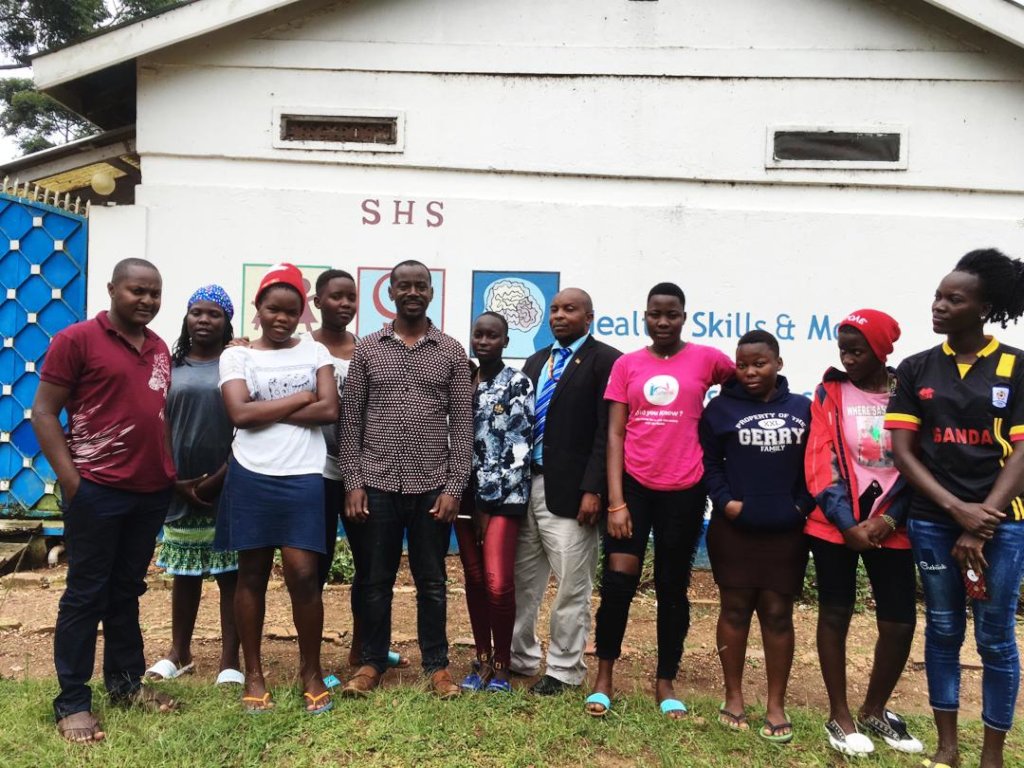
Consequently, ADVEJI conducted trainings for over 50 women from the Kampala slum communities in various vocational and business skills. The objective of the Skills Development training was to build the skills of women in the slum communities of Kampala in shoe Making, Urban farming, weaving, bead making and basic business management skills especially book keeping. This project will NOT solve the social issues of GBV and VAC problem, but it will help many women obtain the skills they badly need to so that they can engage in various Income Generating Activities (IGAs) that will lead to their social and economic empowerment. It is this empowerment that, over a period of time, will emancipate these women and children from the bondage of violations especially under domestic abuse which is one of the commonest form of human rights violation in households in Uganda.
The long-term goal of this project is to build a generation of women, young girls who have requisite social and economic skills and resources and can therefore support themselves, their children and live in communities free from any violence and abuse.
Specific Objectives;
I. To strengthen the social and economic livelihoods of women in the slum communities through life transforming skills development.
II. To address social and economic issues promoting GBV and VAC in slum communities
III. To support community based interventions in amplifying the voice of children and women in slum communities.
Project Activities;
1) Training in African Jewellery making;
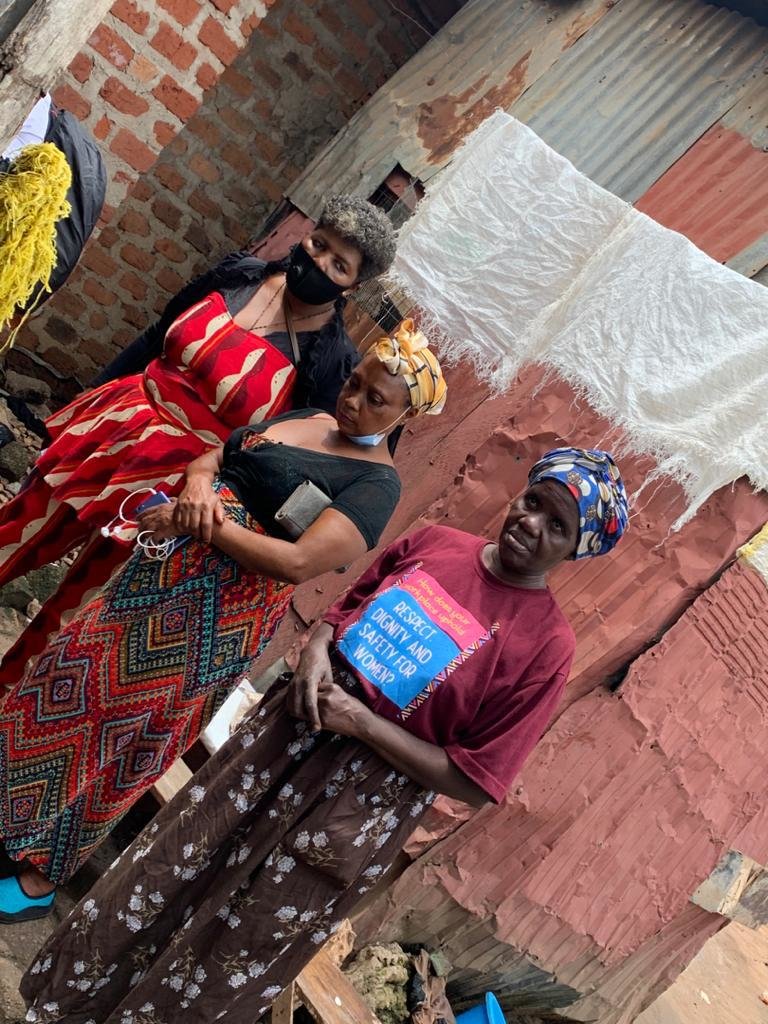
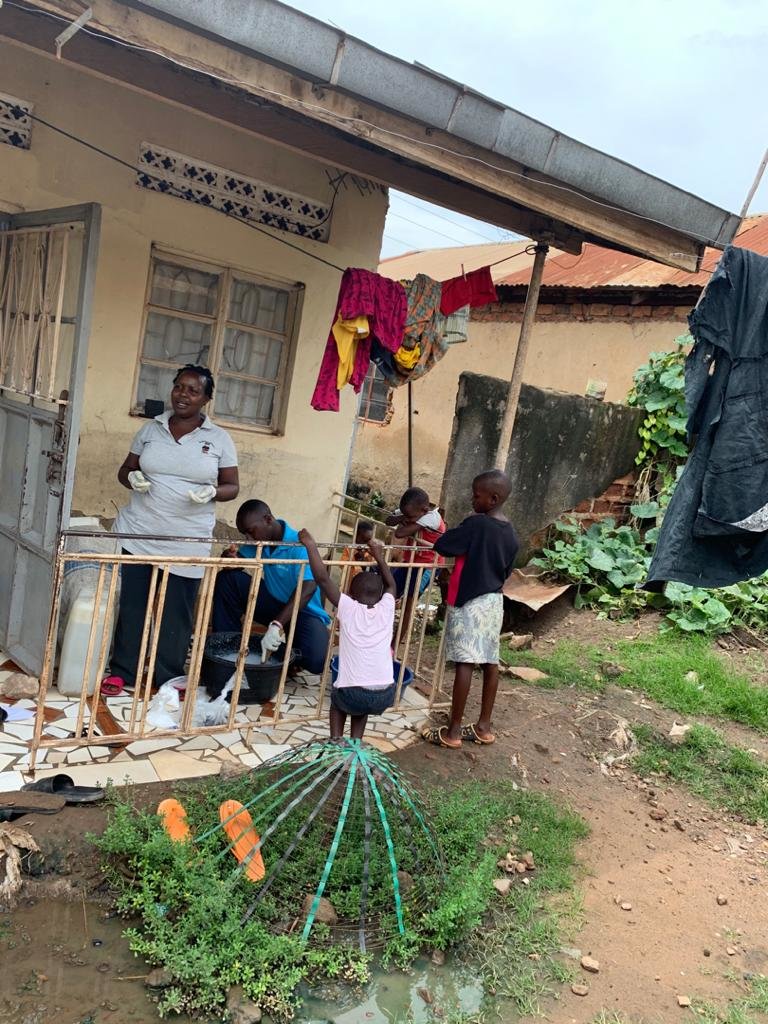
ADVEJI conducted the above activity in Bukoto slum. Majority of our women beneficiaries of our projects in the slums expressed interest in Jewellery making as one of the training areas they needed since African jewellery has great demand from both locals and foreigners visiting the communities.
In order to conduct this activity, an African jewelry specialist was hired to facilitate a one day training of women in bukoto slums. The facilitator took time to train the participants in making bangles, African necklaces, earrings and knitting of pass bags.
The training was conducted using readily available raw materials like plastic bottles, timber, bottle tops, discarded jerricans and other plastic and paper materials.
2) Training in Candle and Liquid Soap Making;
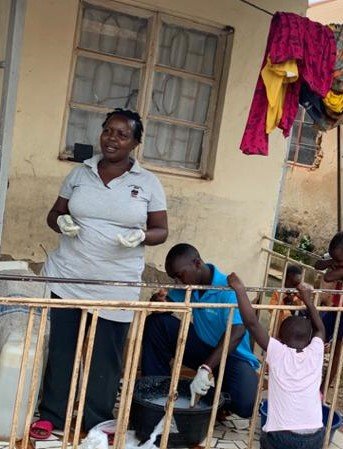
This activity was conducted in Katanga slum, wandegeya near Kampala city and it attracted seventeen (17) women participants. ADVEJI procured all the needed raw materials for candle making including paraffin, beeswax and stearin together with additives and other materials for liquid soap making.
A facilitator from Cream makers Uganda, a company that makes various local soap detergents in Uganda, was recruited to train participants on how to make liquid soap and candles using locally available materials.
Further, Cream Makers Uganda pledged to support the best 10 participants with free materials for candle and liquid soap making. The provision of this support helped some of these women participants to commence small businesses immediately after the training.
3) Training in Book keeping and records Management;
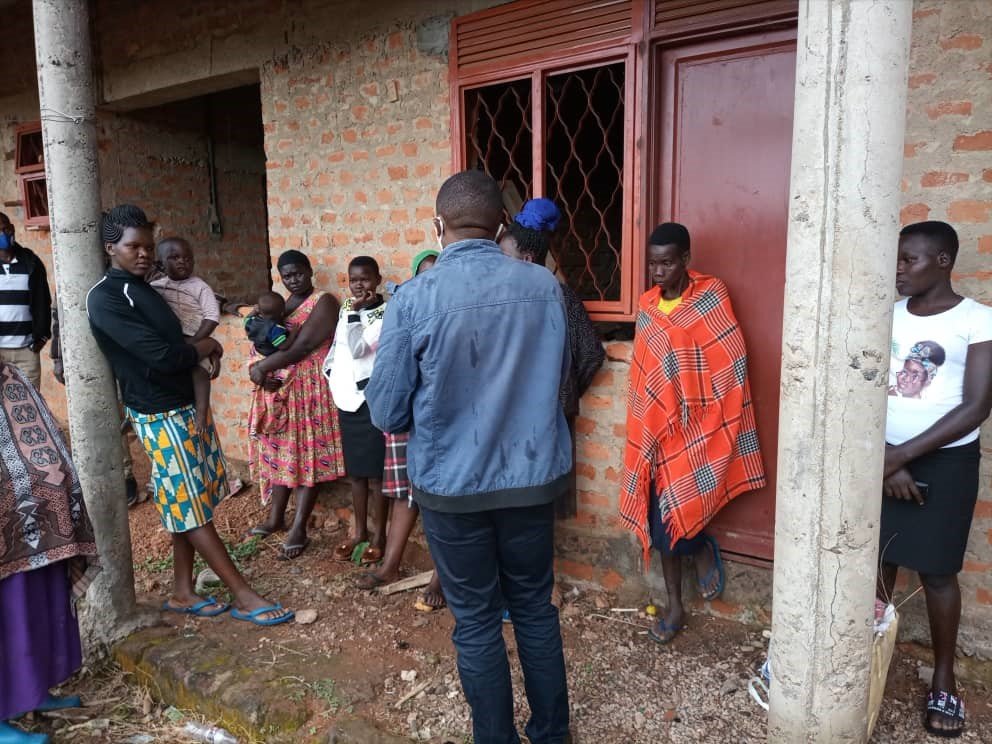
Basic training in record management for small businesses was also conducted at Kamwokya, a Kampala suburb to equip participants with basic skills in managing their small businesses, women savings and other income generating enterprises that the participants would start in future. The training attracted thirteen participants who were running various small businesses ranging from small shops, food stalls, small agro-enterprises and a woman SACCO. This training included some men who identified themselves as gender champions.
During the training, women were equipped with basic record management skills in making entries of incomes and expenses, identifying sources of income, managing credit, filing of taxes and stock taking among others.
Outcome/Achievements;
vOver 50 women equipped with various essential skills that have enhanced their capacity to improve their social and economic wellbeing.
vOver 10 women in Katanga slum supported with capital to start mass production of candle and liquid soap which has boasted their income.
vTraining in record keeping and management has helped women to engage in starting and managing their own savings groups and micro-enterprises.
vOne participant, the cell leader of Kamwokya women group, Ms. Vanilla Kemigisha was given a financial boast of UGX 380,000 (approximately $110) that she has injected into the expansion of her mushroom business. The business is expected to fetch her a monthly income of approximately $70 starting from February 2022.
vThe local council leaderships in the slum communities have pledged support to the project beneficiaries and also promised to support the campaign aimed at ending social issues of GBV and VAC in communities.
Challenges;
One of the biggest challenges during the implementation of these activities was the Covid-19 restrictions which limited the movements of our project team and also severely hampered interactions with communities. Strict adherence to Covid-19 standard operating procedures made it both hard and costly to meet our project beneficiaries since there was need to meet only small number of people. This also required procurement of things like masks and sanitizers which increased the cost of the training sessions.
Further, the project was not able to raise the targeted financial resources during the GlobalGiving fundraising campaign. Less than 10% of the money was raised leading to a significant scale down of the project scope due to resource constraint.
Further, the project scope was also affected in a sense that all the trainees who were initially supposed to be supported with micro-credit support to initiate income generating activities could not be supported due to lack of resources. The majority of the project beneficiaries have had to seek alternative sources of funding.
Recommendations;
During the implementation of the project, there were lessons learned by the project team. From these lessons, a number of recommendations have been mapped to assist in improving our interventions in the project communities in future, some of these recommendations include;
1) There is need to support project beneficiaries through organised groups like women groups.
2) There is also need to train community leaders and group leaders so that these can in turn train fellow community members. This approach will ease both the process and cost of training other groups in communities.
3) Micro-credit support to communities should be through women groups. This helps in easily tracking the beneficiaries and progress. This is because some of the individual beneficiaries do not have permanent places of residences and may be difficult to track after a period of time.
4) There is also need to involve local/community and religious leaders in project activities since these leaders can play a critical role in addressing the social issues like Gender Based Violence and Violence against Children in the project communities.
5) ADVEJI needs to widen its resource mobilization drive so that the organization is able to raise significant resources that will help in creating a bigger outreach of the organization’s interventions.
Links:
Attachments:
![Share on Twitter]()
![Share on Facebook]()