By Mimi Gordon | Director of Marketing
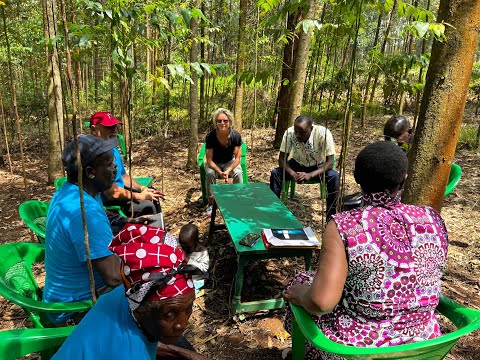
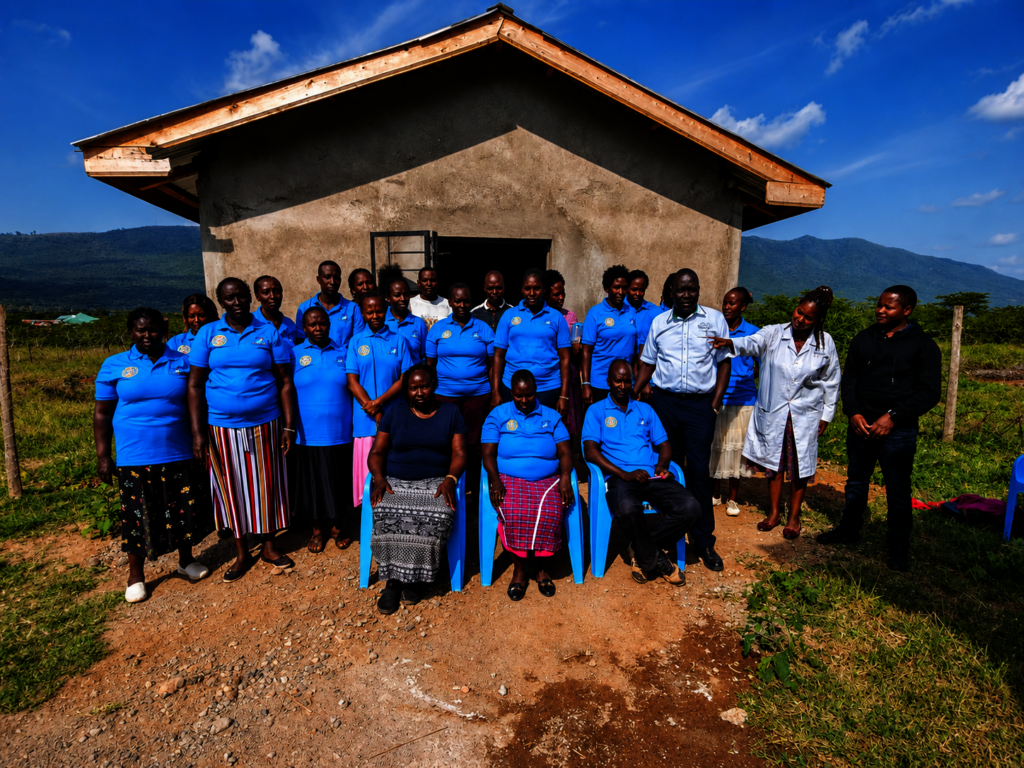
This quarter, the four newest CHECs moved from preparation into action. Income-generating projects are live, savings are growing, and across every village the same pattern is emerging: communities that trained together are now building together—and the results are showing up in fields, coops, savings ledgers, and households.
Here's what's happening on the ground.
Kimuka: Chickens, Savings, and a Community That Built Its Own Future
Kimuka's chicken farming facility is open for business. What was an empty project site just months ago is now a fully operational income-generating farm—and the community built it themselves.
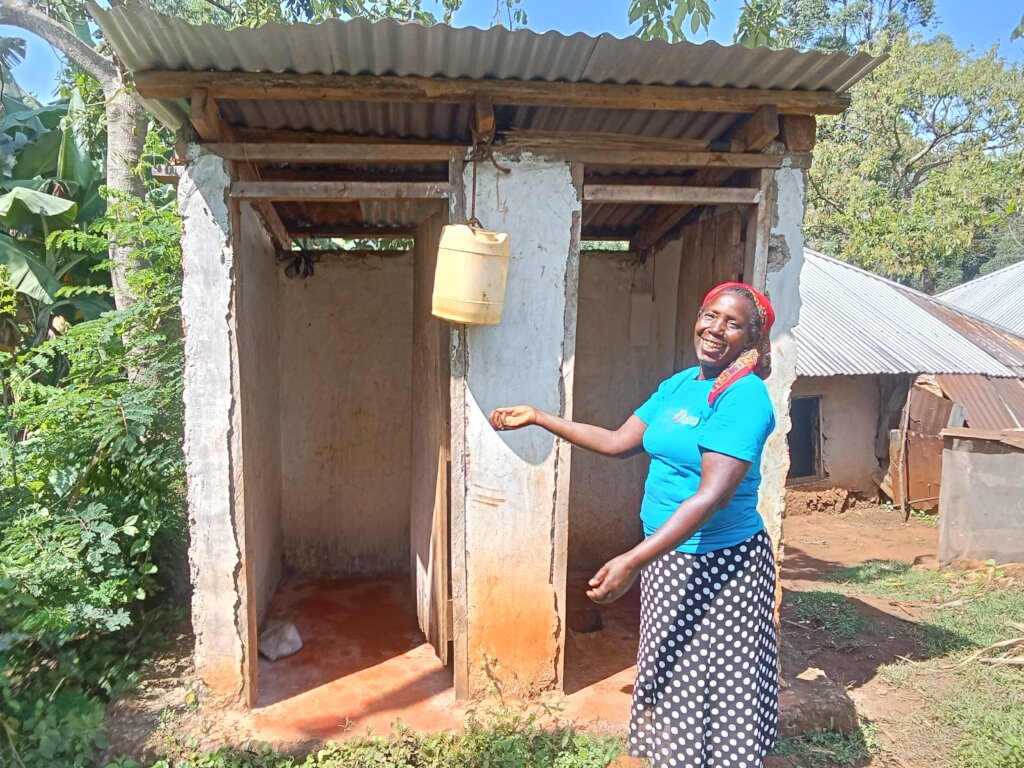
With funding support totaling 2.35 million KSH (~$18,000 USD), CHEC members completed every piece of infrastructure needed to launch: water connectivity from Chief Joseph's borehole, two 10,000-liter storage tanks, perimeter fencing, latrines, a feed storage building, the chicken coop, and trees planted throughout the site. Select members are now receiving specialized training from KALRO (Kenya Livestock & Agricultural Organization) in chicken farming, business management, and daily operations.
Meanwhile, Kimuka's table banking program has reached 200,000 KSH in savings—and members are already looking ahead, with plans to launch a small goat farming project to further diversify the CHEC's income base.
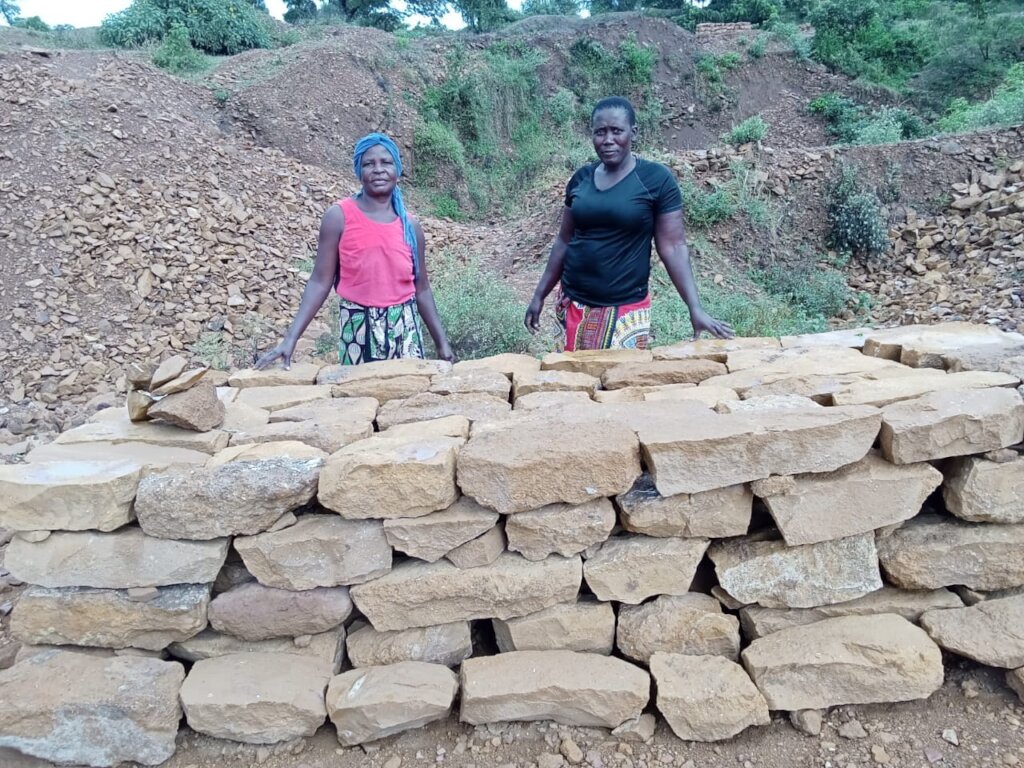
What stands out in Kimuka isn't just what was built. It's that members were part of every step: digging trenches, planting trees, managing the books. This is a community that didn't wait for its future to arrive—it constructed it.
Nyamokenye: Savings Turning into Assets, Rain and All
Nyamokenye is six sub-groups strong and showing what a self-sustaining financial cycle looks like in practice. Over the past four months, CHEC members raised 205,000 KSH through table banking, generating 42,050 KSH in profit and interest.
Those earnings are moving immediately: members are purchasing goats for one another (at 4,500–5,000 KSH each), and additional groups have leased land and planted napier grass to build out future livestock income. Savings are pooled, loans are issued, assets are created, and returns flow back into the system.
Even during heavy rains and periodic flooding that made meeting schedules difficult, participation held steady. The model didn't pause when conditions got hard—it proved it could hold.
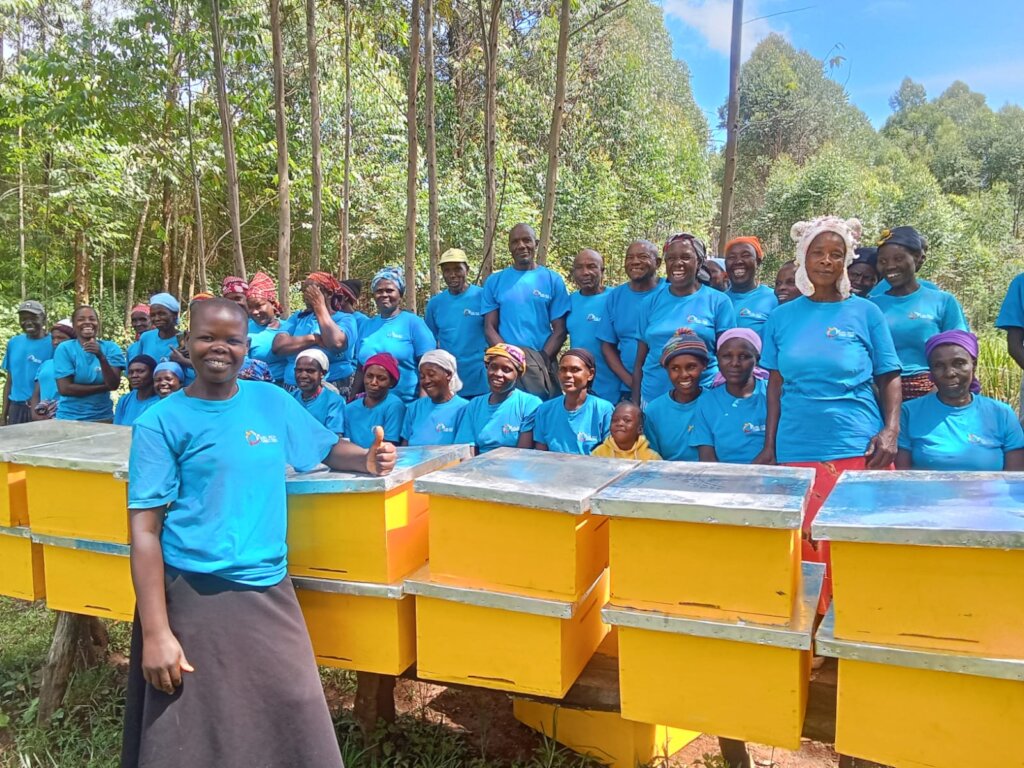
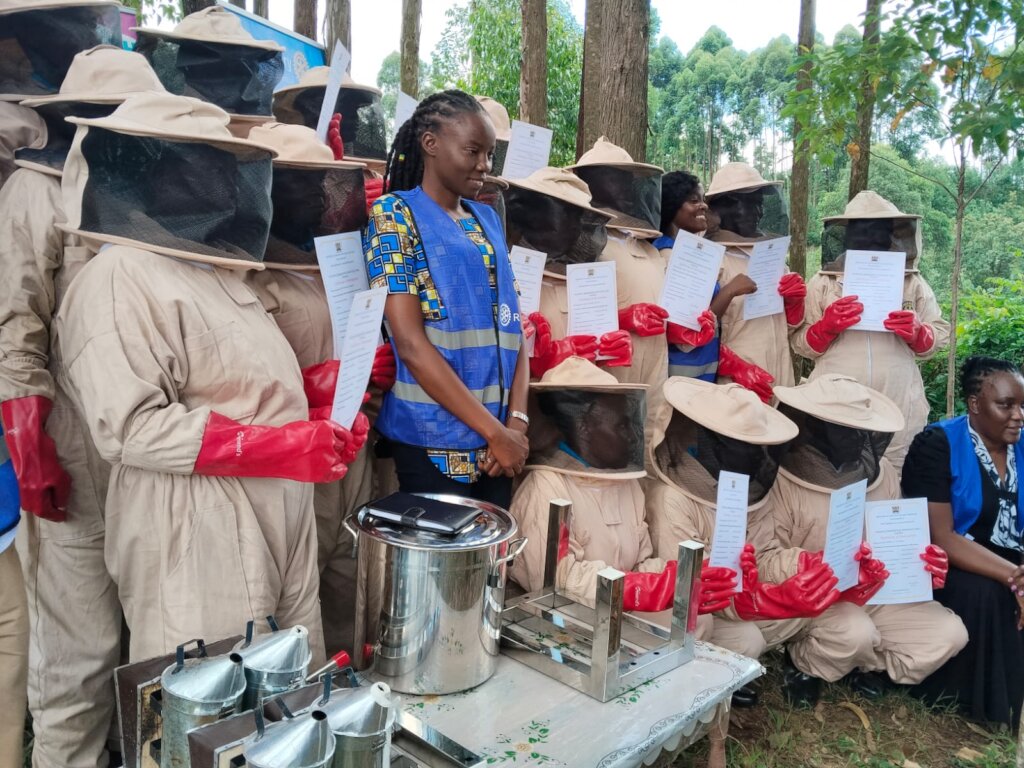
Coming next: GHC will be constructing and equipping Nyamokenye's first community apiary, adding a new income stream to an already active CHEC.
Maugo: Rice Is Coming, and Change Is Already Here
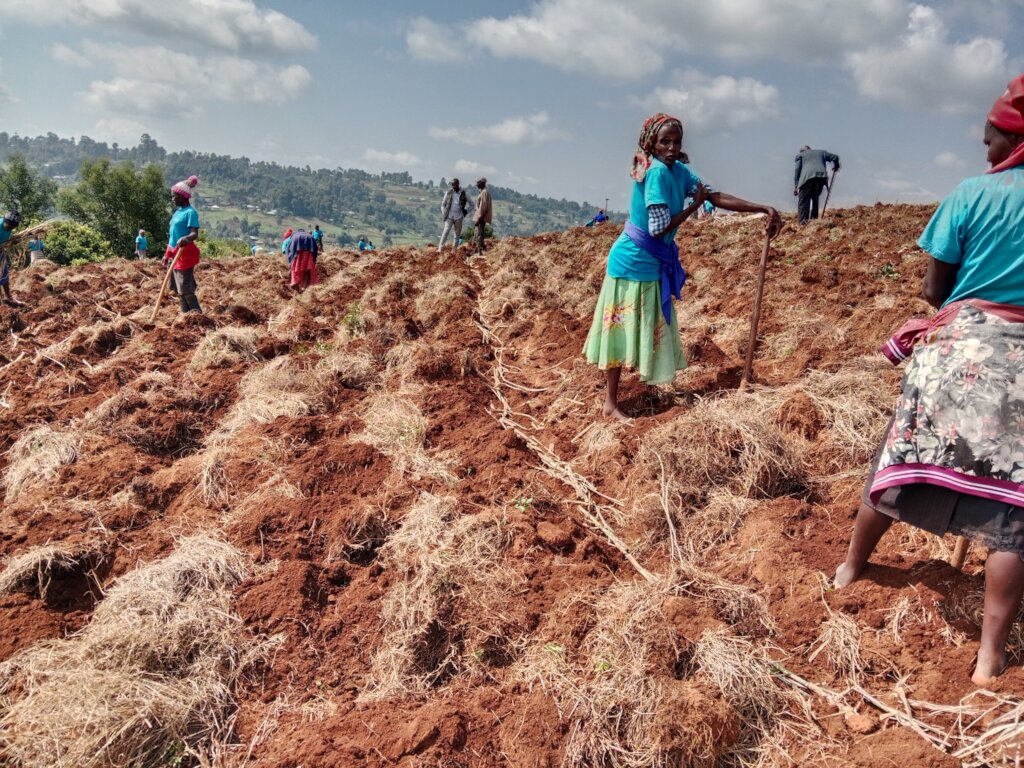
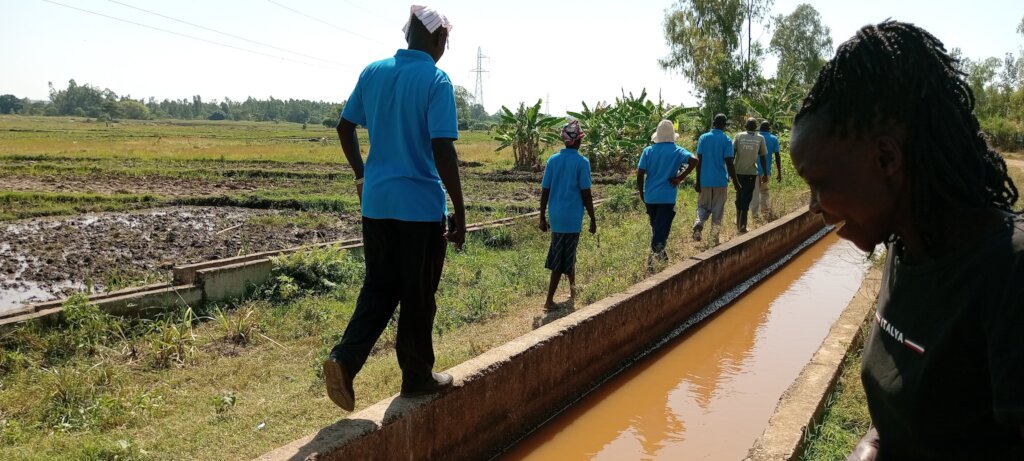
Maugo's community rice farming project is launching—and the village didn't wait to start changing.
Even as members organized for the rice project, the savings and merry-go-round groups kept running, and the results are visible at the household level. Perez Ally, a 62-year-old widow and grandmother raising her Grade 7 grandson, used her merry-go-round savings to expand her rice stock and grow her income at the local market. Today her maize fields are strong, her compound is organized, and her household—by her own account—has "really changed."
Perez's story isn't the exception in Maugo. It's the pattern.
Also this quarter: thanks to the Chaparral Interact Club and the Parker Rotary Club, an additional $1,200 is being sent to Maugo to provide sports equipment and hygiene kits for students at Maugo Primary and Secondary schools—extending the reach of this project directly into the next generation.
Soklo (Mfangano Island): Household Change Now, Cassava Coming in August
On Mfangano Island, Soklo is timing its first collective agricultural project—hybrid cassava production—to the August rains. Land is being organized, governance structures are strengthened, and savings activities are running to ensure the group is ready for coordinated planting.
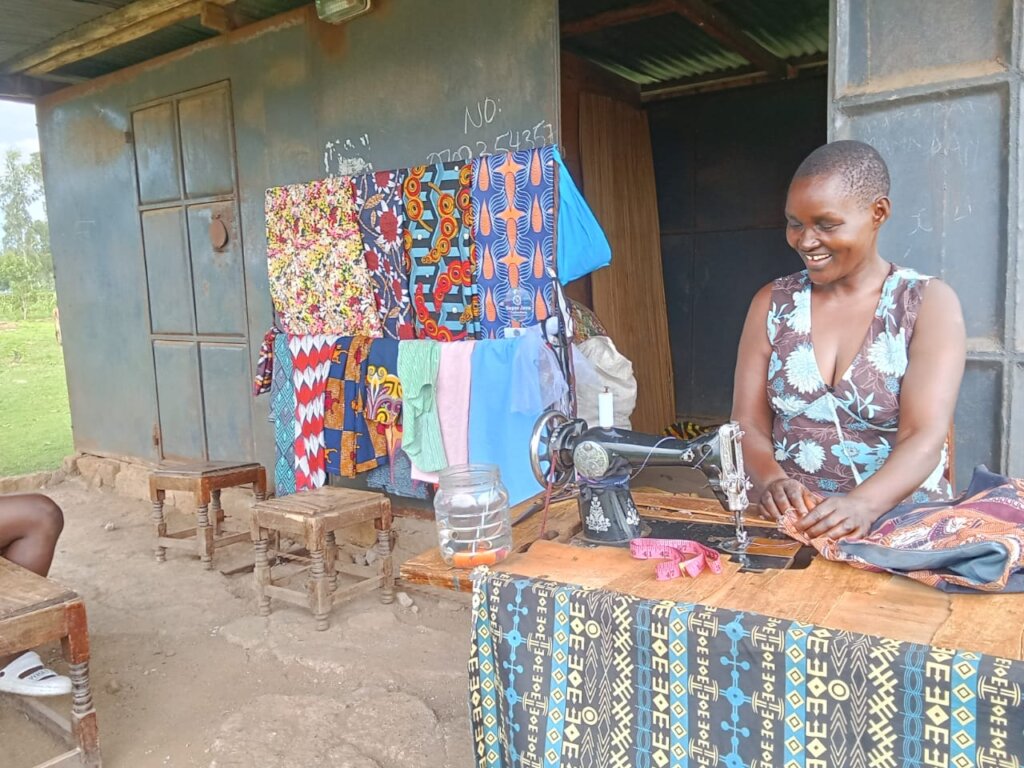
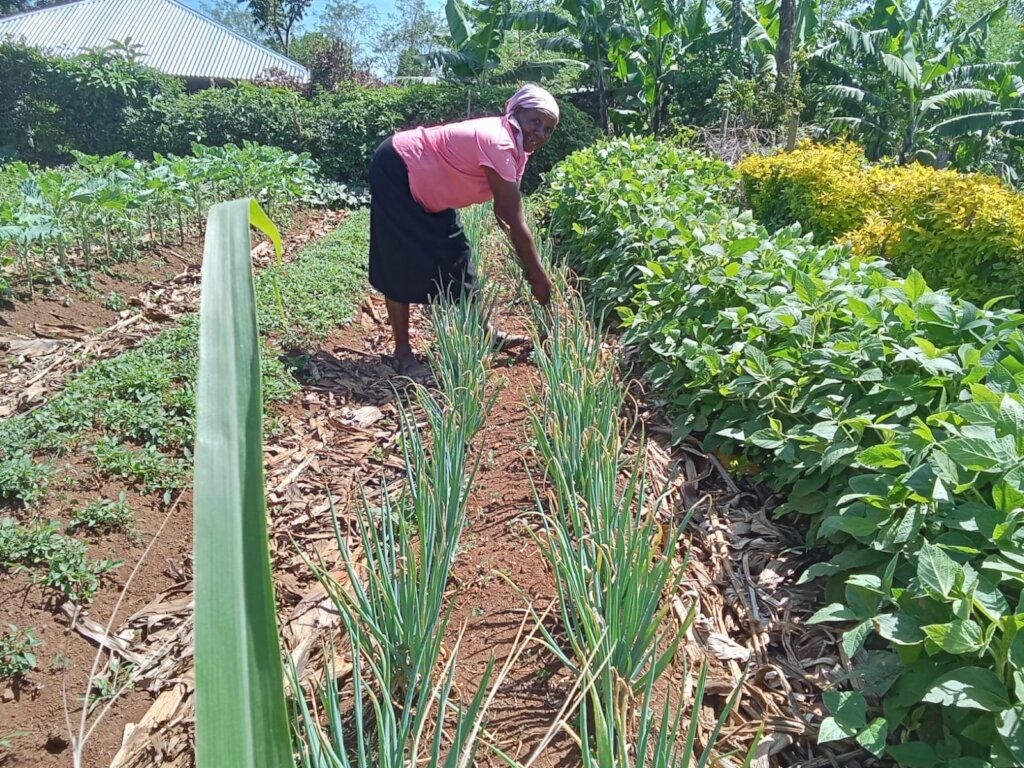
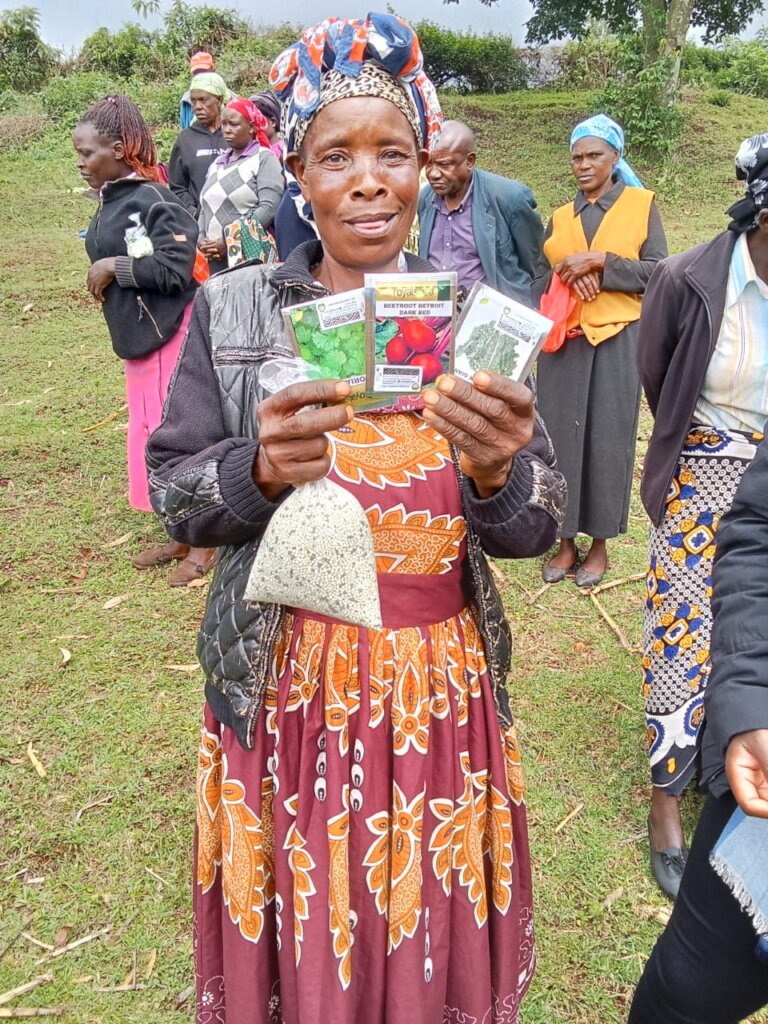
In the meantime, the changes at the household level are real. Jemimah has expanded her kitchen garden and is selling vegetables at weekly CHEC meetings and locally—income that supports her family's daily needs. She's also building a permanent household latrine, step by step, with locally available materials. The Soklo table bank now holds 37,500 KSH available for members to borrow.
GHC's Project Officer on Mfangano Island, Quinter, is also using community radio to carry health, sanitation, and empowerment messages across the wider island—so the impact of the CHEC reaches beyond its own membership.
As the August planting season approaches, Soklo is making the transition from household-level action to coordinated group production—with the foundation already in place to do it well.
Thank You
Four villages. Four different projects, timelines, and stories. One consistent thread: communities that spent months learning together are now earning together, building together, and lifting one another up.
Your support made this quarter possible. The momentum you're seeing now—in Kimuka's coop, Nyamokenye's goats, Maugo's fields, and Soklo's garden—is what it looks like when training becomes livelihood. We're grateful for every one of you building this with us.
Links:
Project reports on GlobalGiving are posted directly to globalgiving.org by Project Leaders as they are completed, generally every 3-4 months. To protect the integrity of these documents, GlobalGiving does not alter them; therefore you may find some language or formatting issues.
If you donate to this project or have donated to this project, you can receive an email when this project posts a report. You can also subscribe for reports without donating.



Support this important cause by creating a personalized fundraising page.
Start a Fundraiser