By Madhu Ramnath | Project Leader
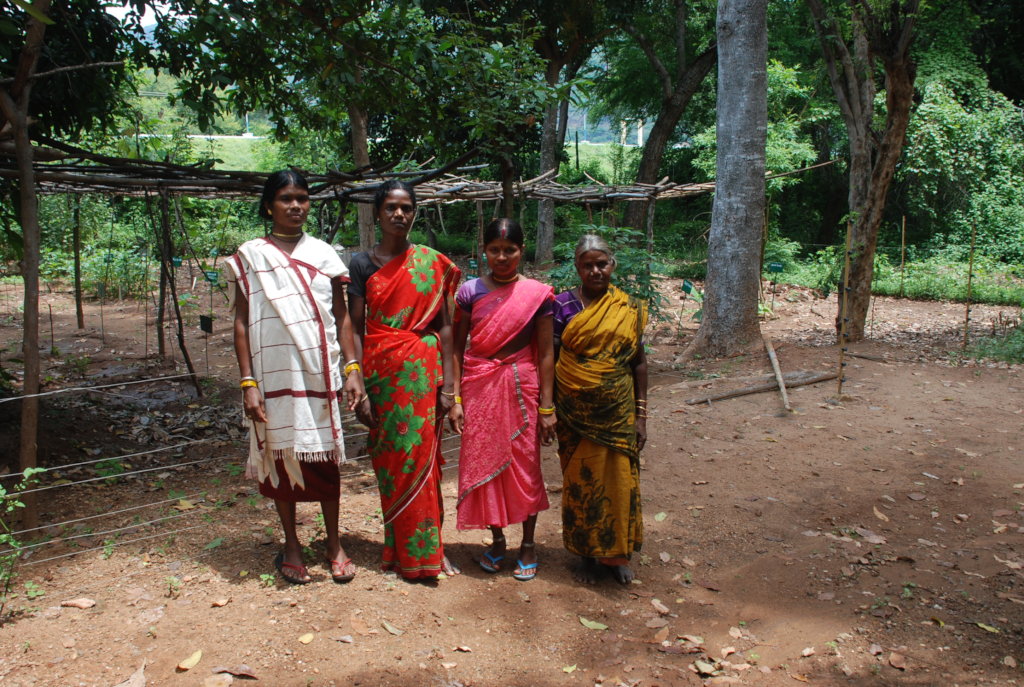
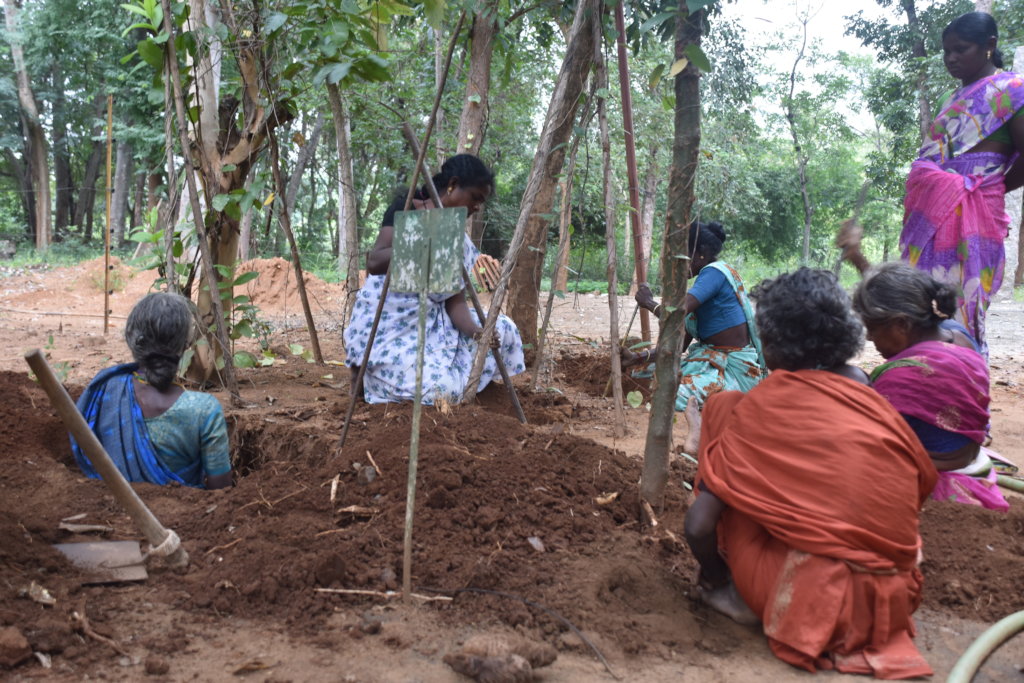
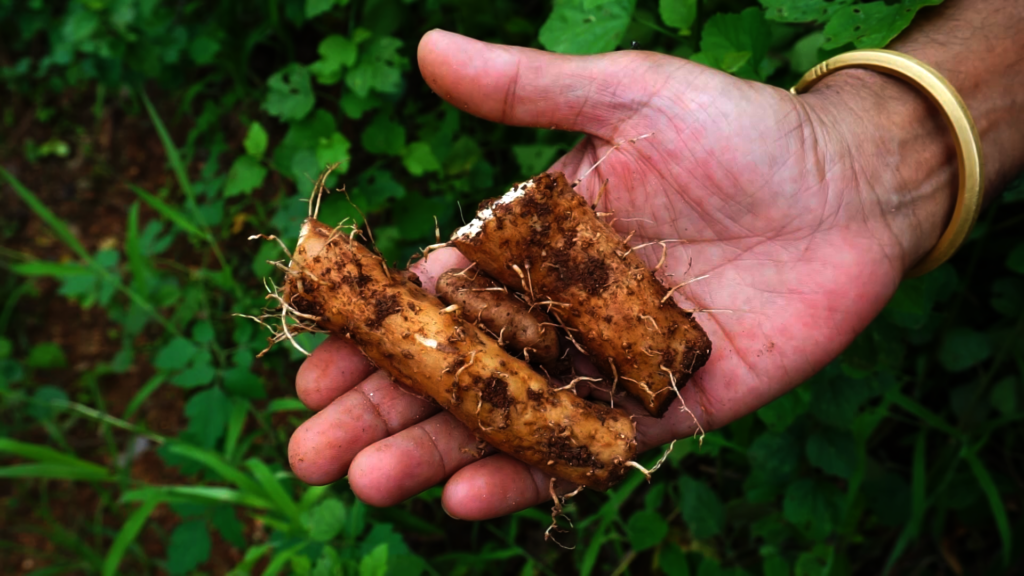
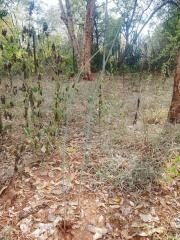
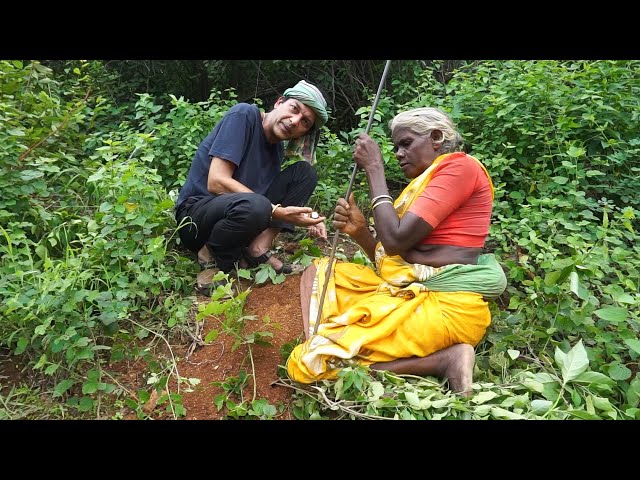
At the Adukkam Resource Centre, 8 species and varieties of yams, Dioscorea sp., were ready to be harvested in the early part of this year (2026). Just a week before harvest, sometime in January, the yam site was raided by wildboar which destroyed most of the yam collection. Despite good fencing, the wildboar had dug deep under the fence and entered the yam plot. The yams had been grown in demonstration plots which could be used to teach identification, as well as the techniques of harvest, processing and cooking. The loss of the yams was a big setback.
This began a search for the species all over again, and some of them had to be sourced from
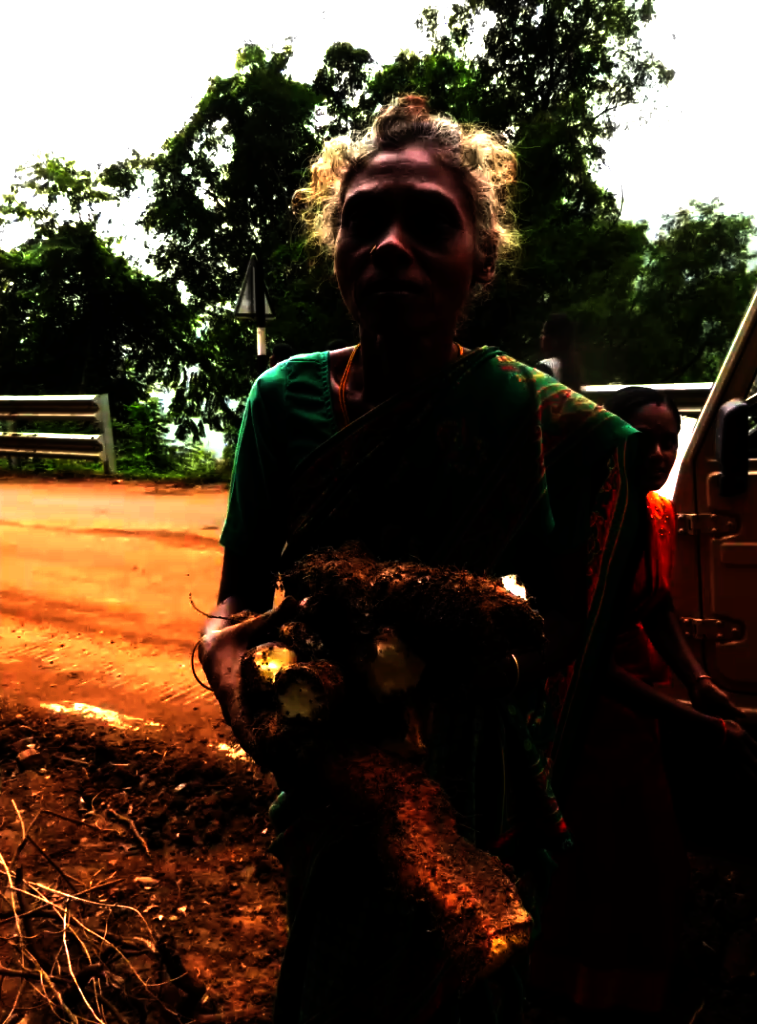
Chhattisgarh. We managed to procure some of the species from Bastar district from our partner
organisation, sometime in July 2026.
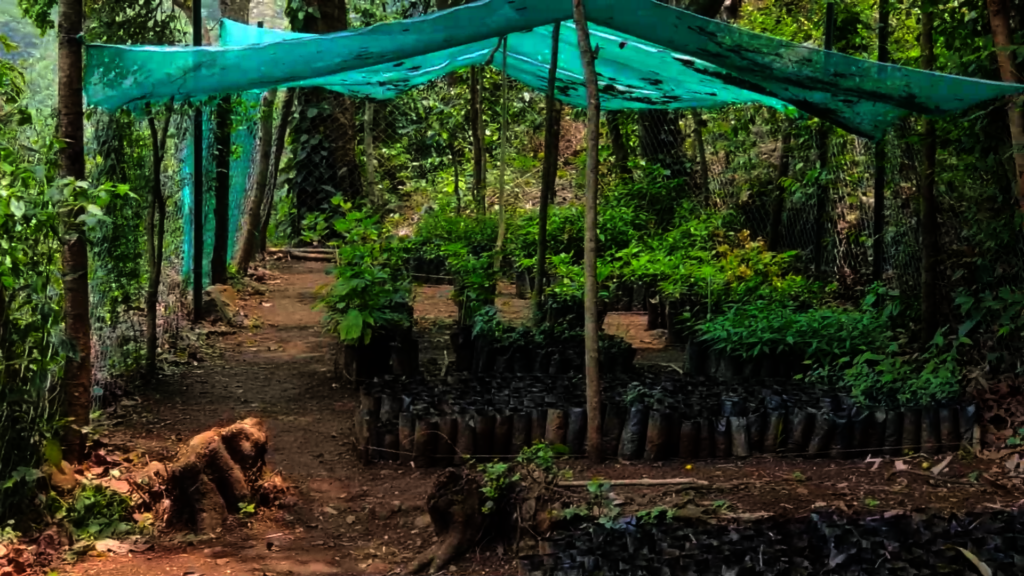
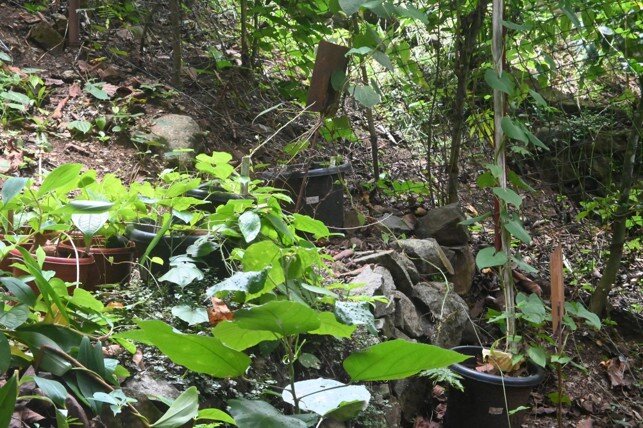
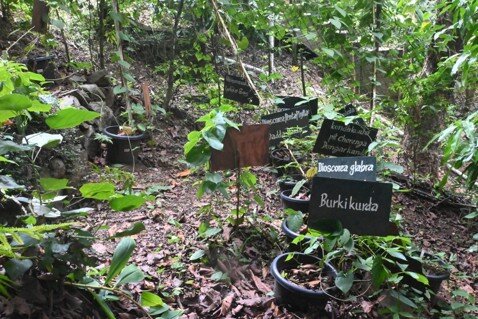
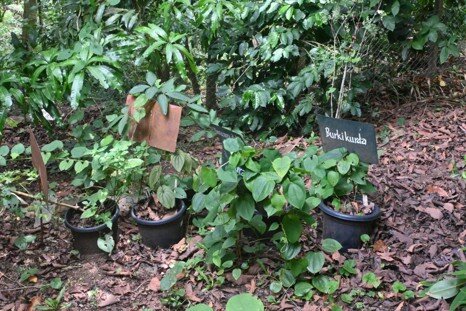
Taking precautions against another attack by wildboar we divided the yams into two portions,
creating two ‘sets’ to sow, in two different areas. A further precaution was to sow one set of the
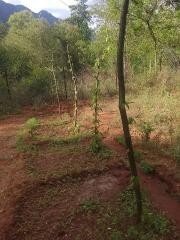
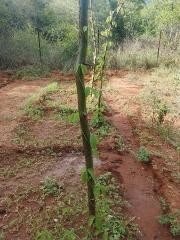
yams in labelled pots, and to keep them within an enclosure. The other set has been sown as usual
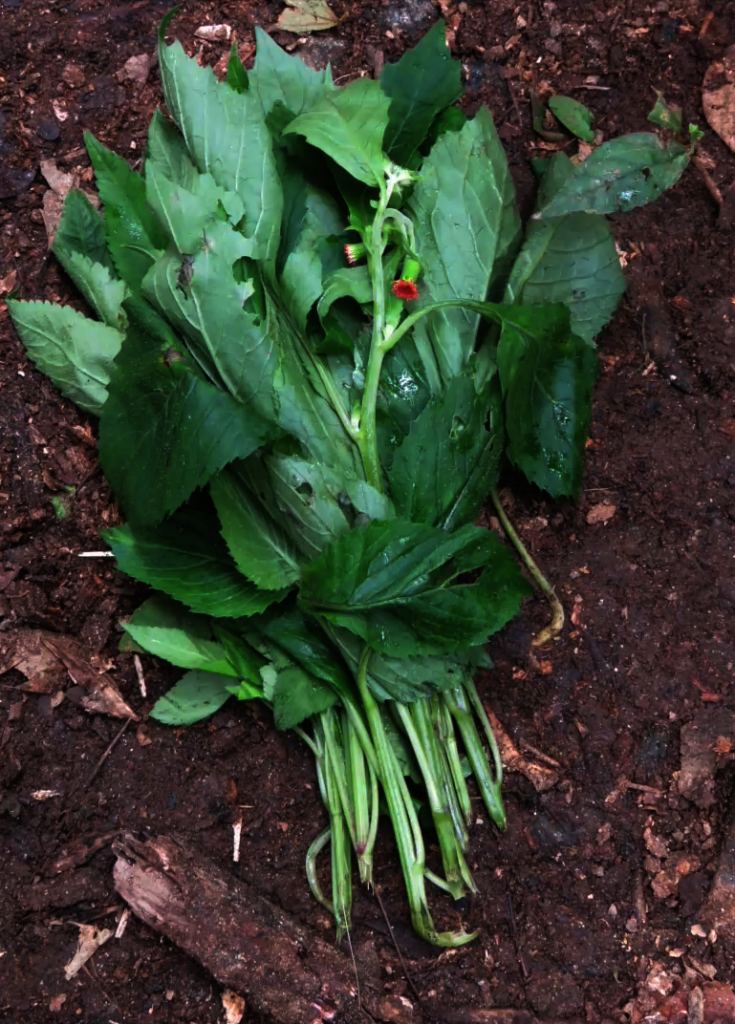
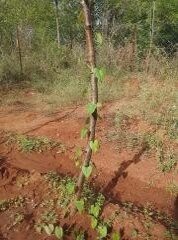
in the ground, with the fencing lined with lemon grass (Cymbopogon sp) as an additional deterrent;
these are new experiments to create effective fences that guard against “plant predators”, an
important and serious problem in the region.
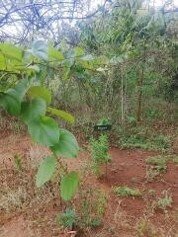
Most of the yams have sprouted and are in good condition. Yams are part of our teaching so we can consider inviting learners again to show our demonstration plots for dioscorea.
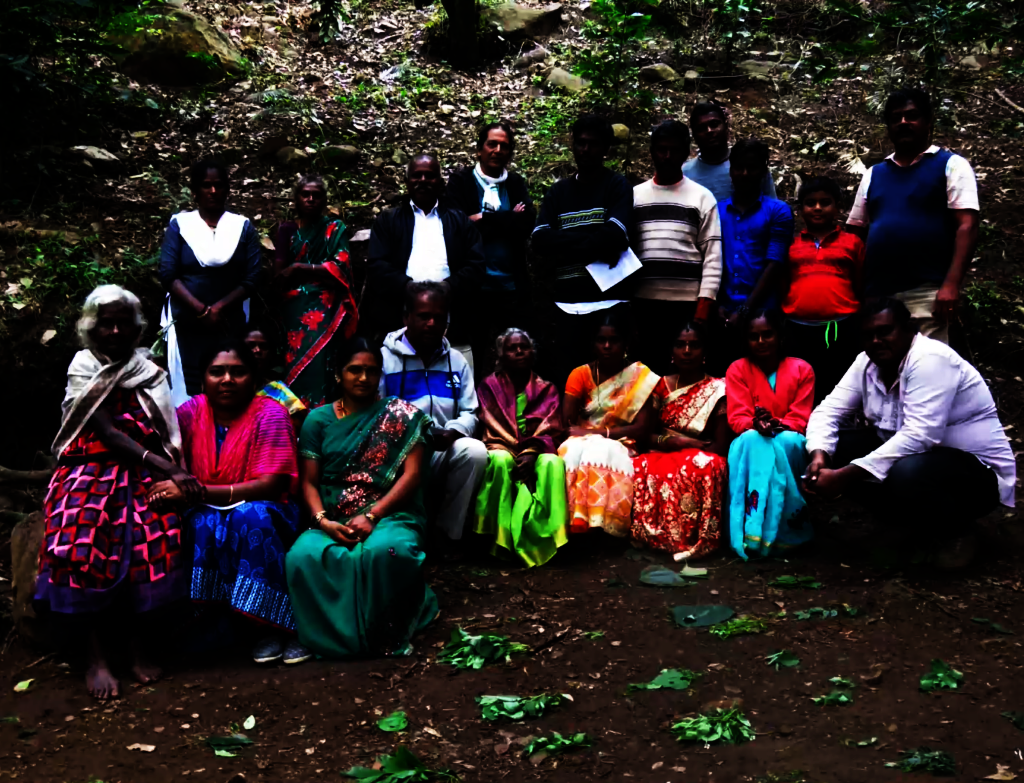
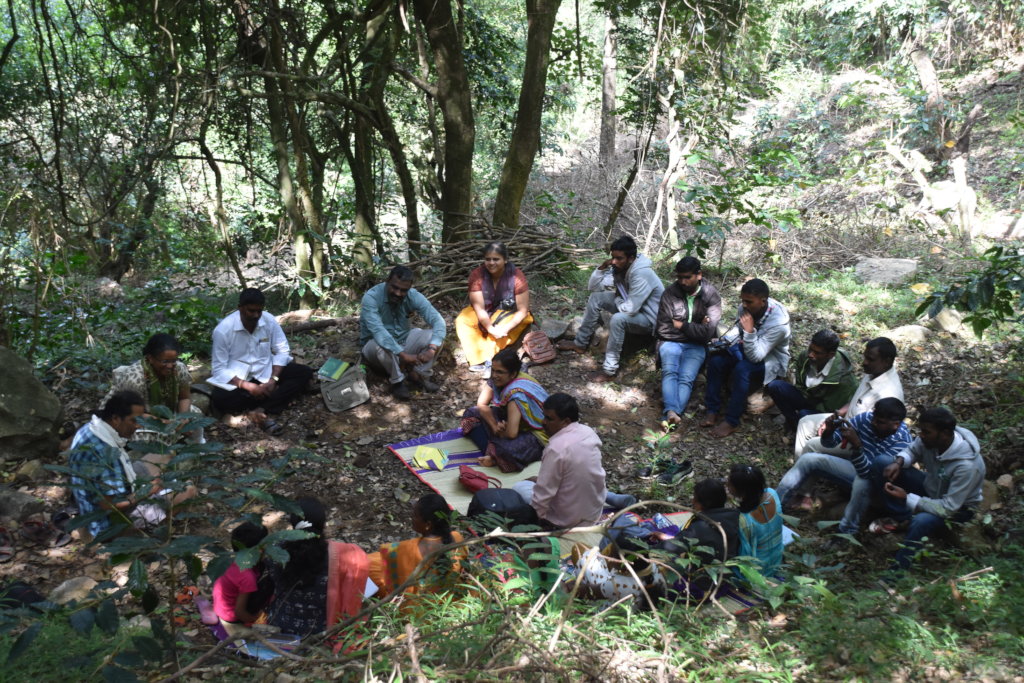
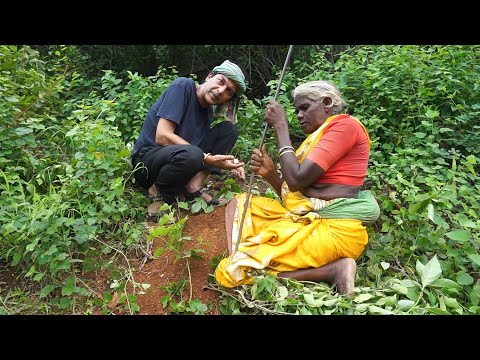
Photos are attached.
By Madhu Ramnath | Exchanges among women and youth in Bastar
By Madhu Ramnath and Palni Hills Conservation Council | In Training: Harvesting Apis Cerana Honey
Project reports on GlobalGiving are posted directly to globalgiving.org by Project Leaders as they are completed, generally every 3-4 months. To protect the integrity of these documents, GlobalGiving does not alter them; therefore you may find some language or formatting issues.
If you donate to this project or have donated to this project, you can receive an email when this project posts a report. You can also subscribe for reports without donating.



Support this important cause by creating a personalized fundraising page.
Start a Fundraiser