By Madhu Ramnath | Exchanges among women and youth in Bastar
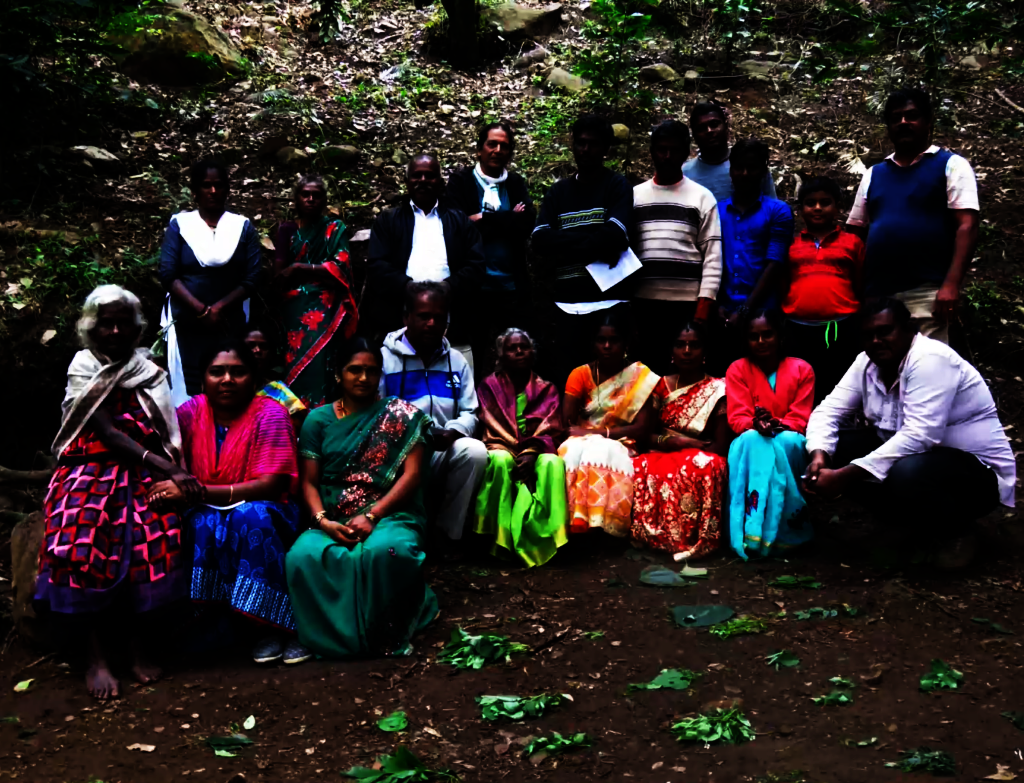
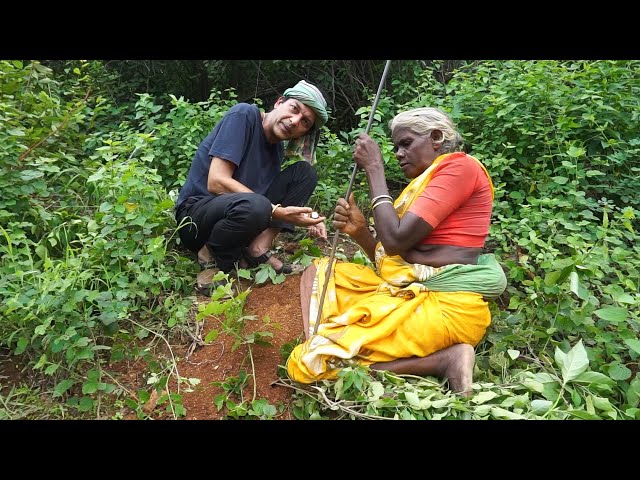
Our work in Adukkam to have exchanges and training among women and youth on forest foods have extended.
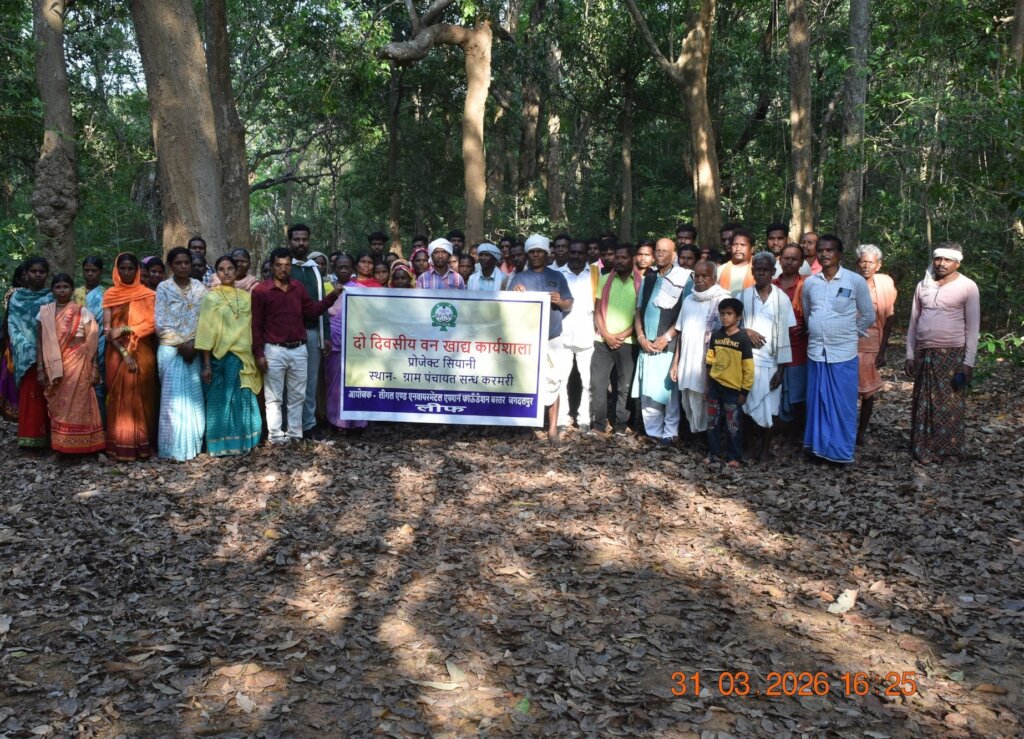
This is a report of work done in villages of indigenous peoples in Bastar district, Chhattisgarh:
Kakalgur and Sandh Karmari. The idea was to have exchanges between the people of the villages,
especially the women and the youth, to improve their knowledge about forest foods. This included
growing some of the foods in selected plots for the youth to learn about their native food and
medicinal plants; the plots were (and will) be maintained by them and more species added as and
when new plants are found.
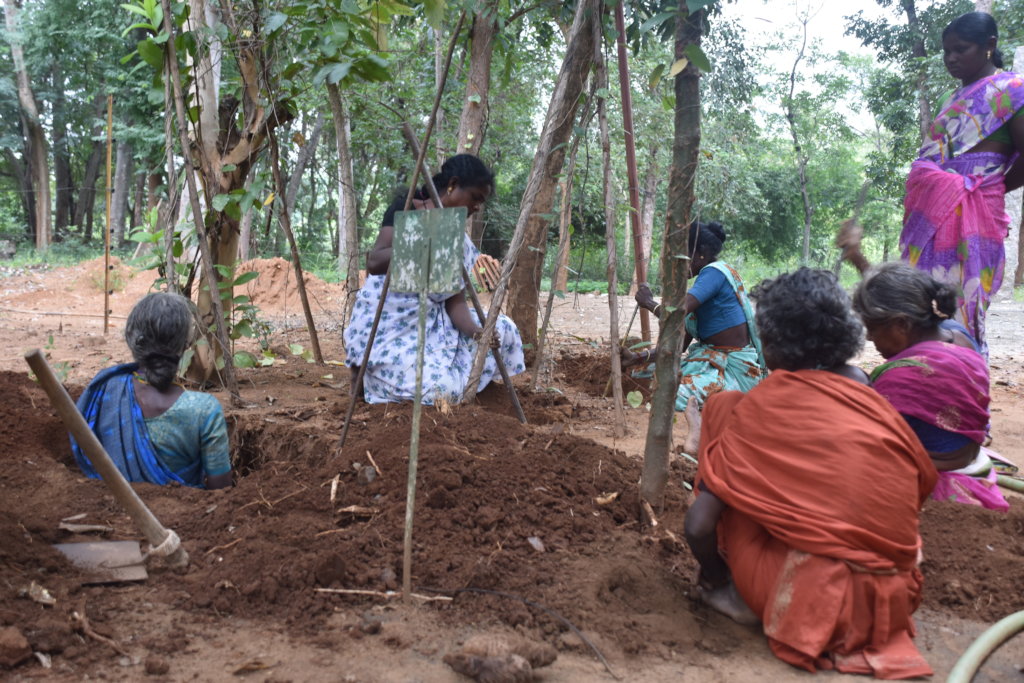
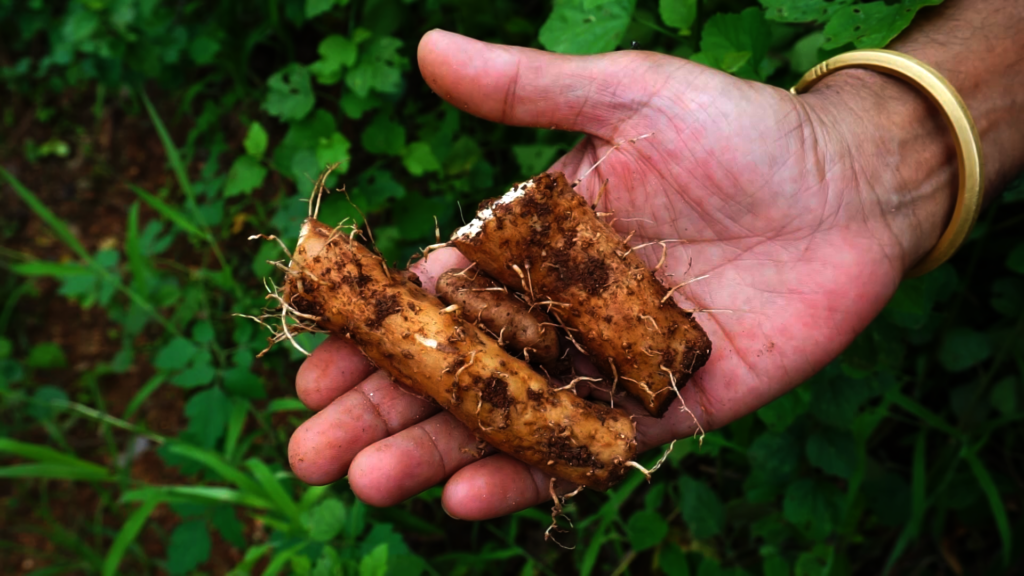
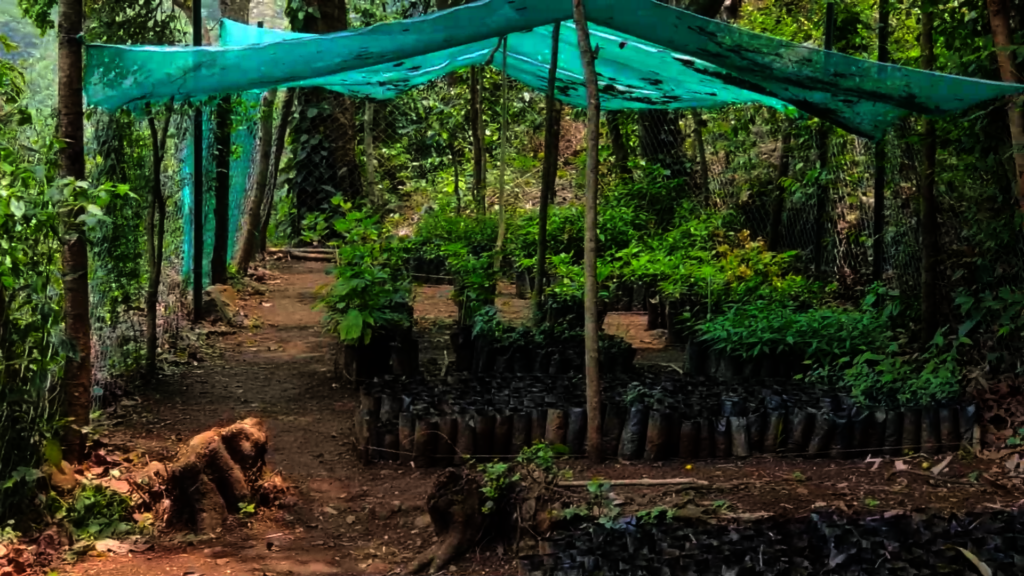
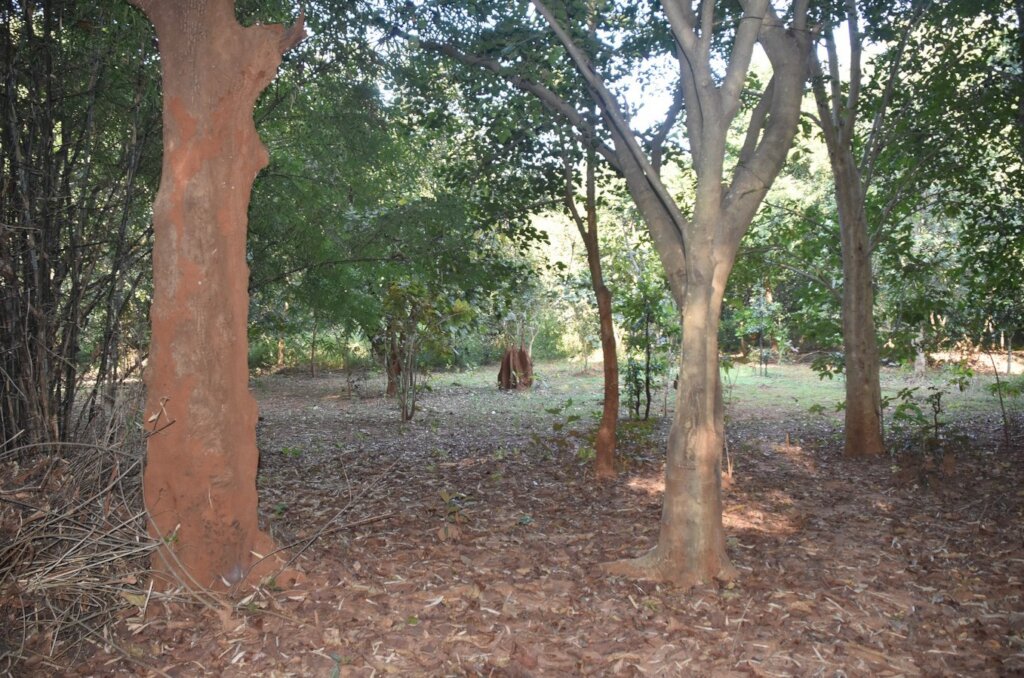
The plot chosen in Sandh Karmari is a 13 acre area given by the people of the village to our organisation LEAF about 15 years ago to set up a nursery and conservation space. This place was then quite barren and over the years planted with native tree species and protected. It is in this placewhere the food plants have been planted – mainly tubers – by the women of both the villages.
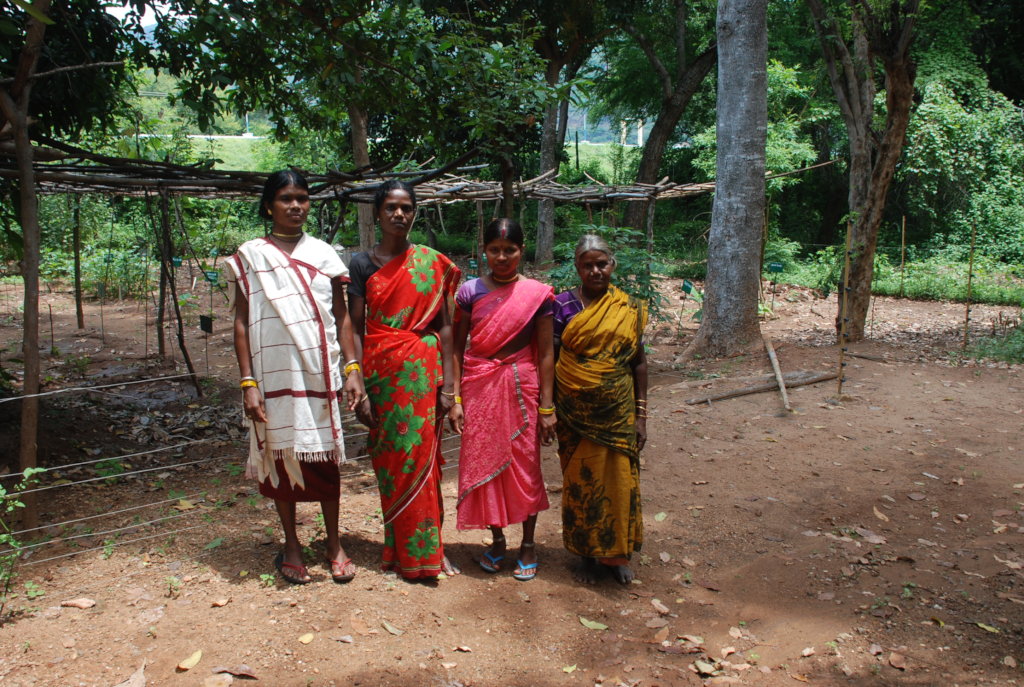
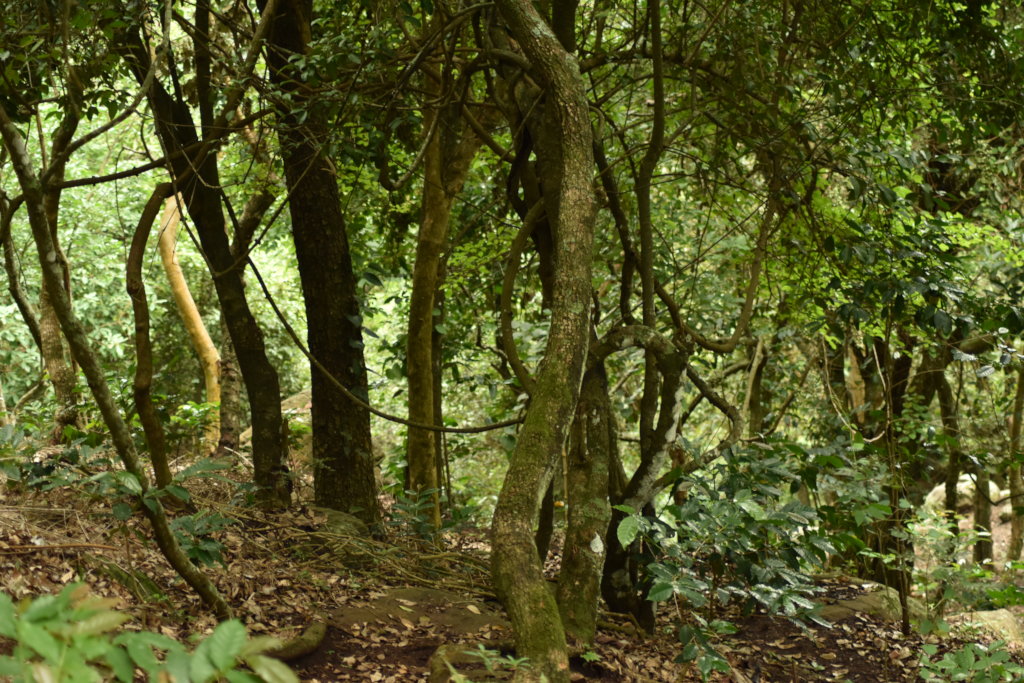
In Kakalgur the area chosen is in the outskirts of the village. The space was fenced and, in the
empty patches beween the native forest trees, various food and medicinal plants have been planted.
About 50 species are now hosted in the space.
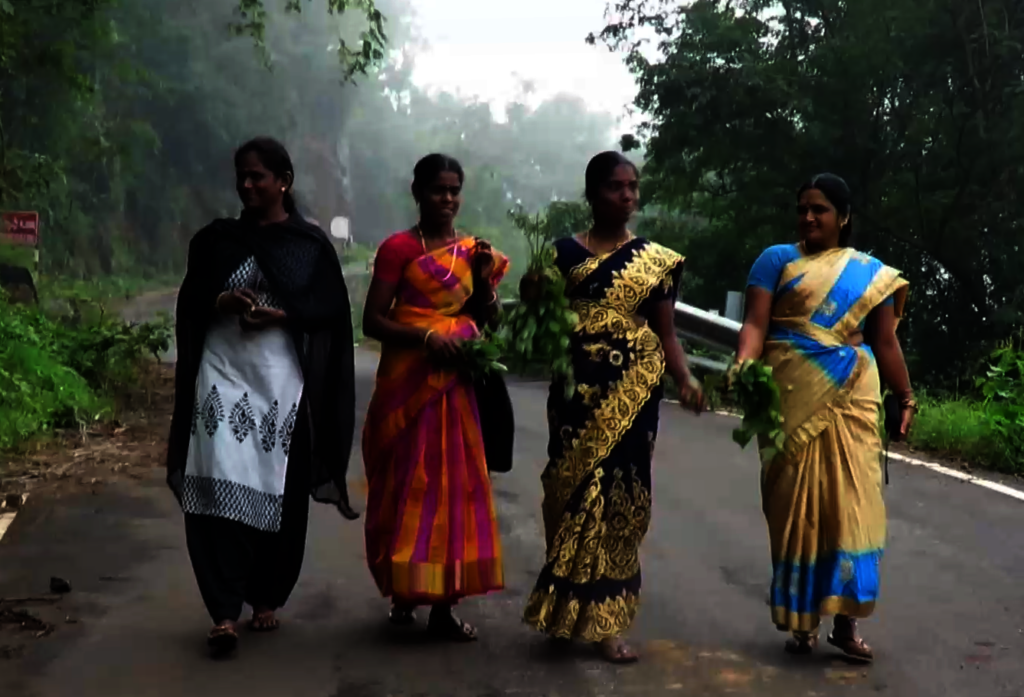
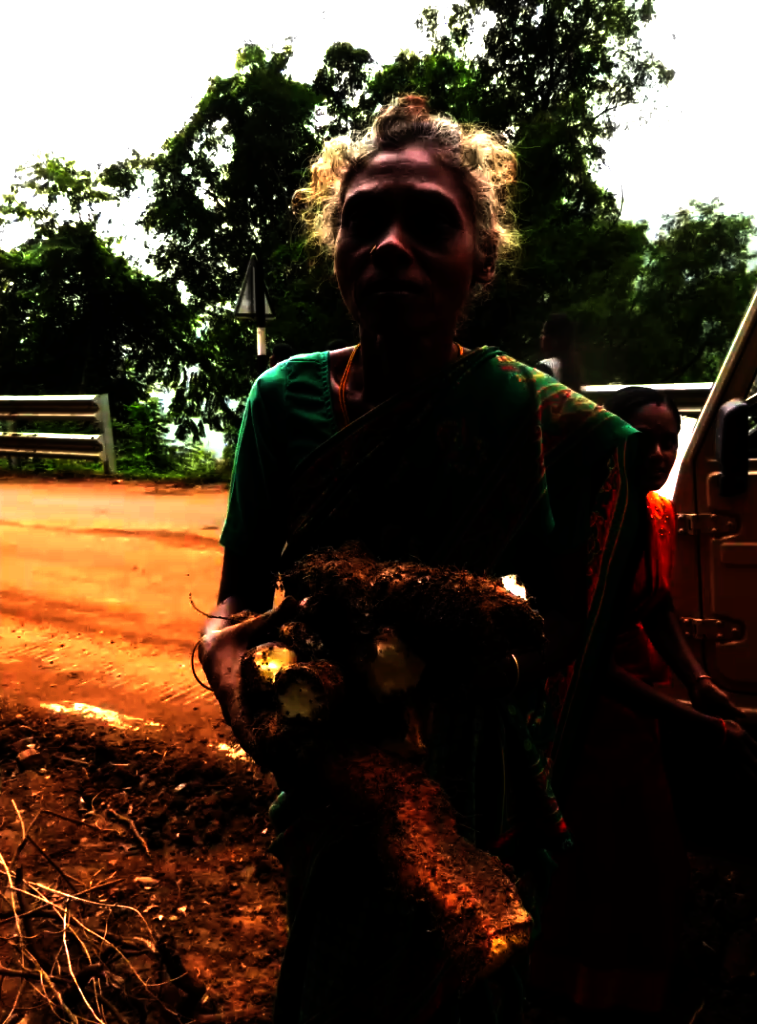
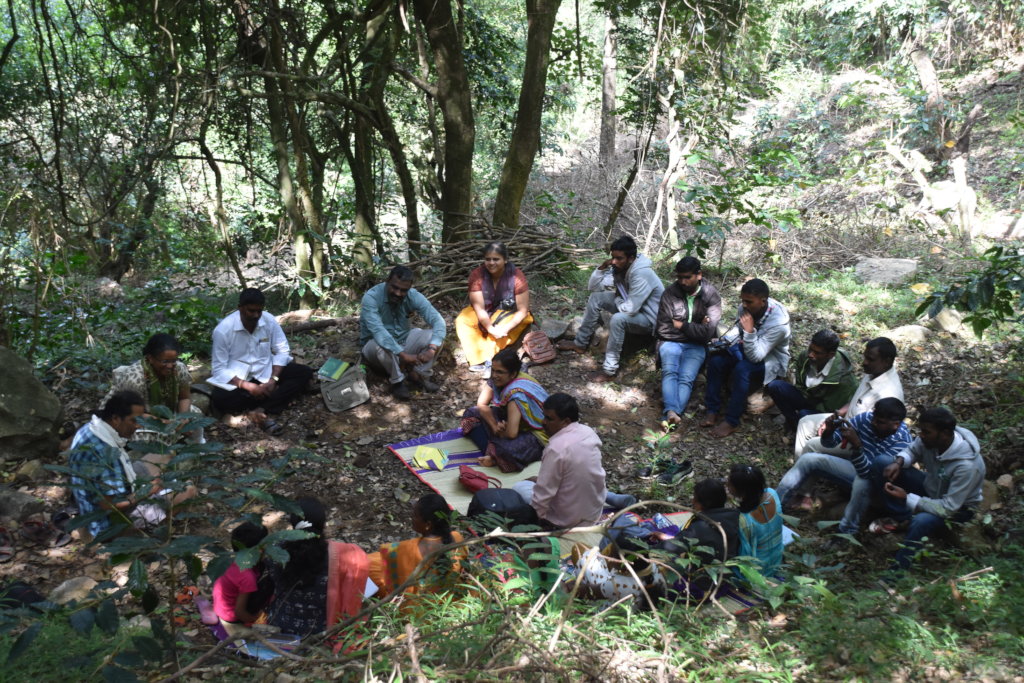
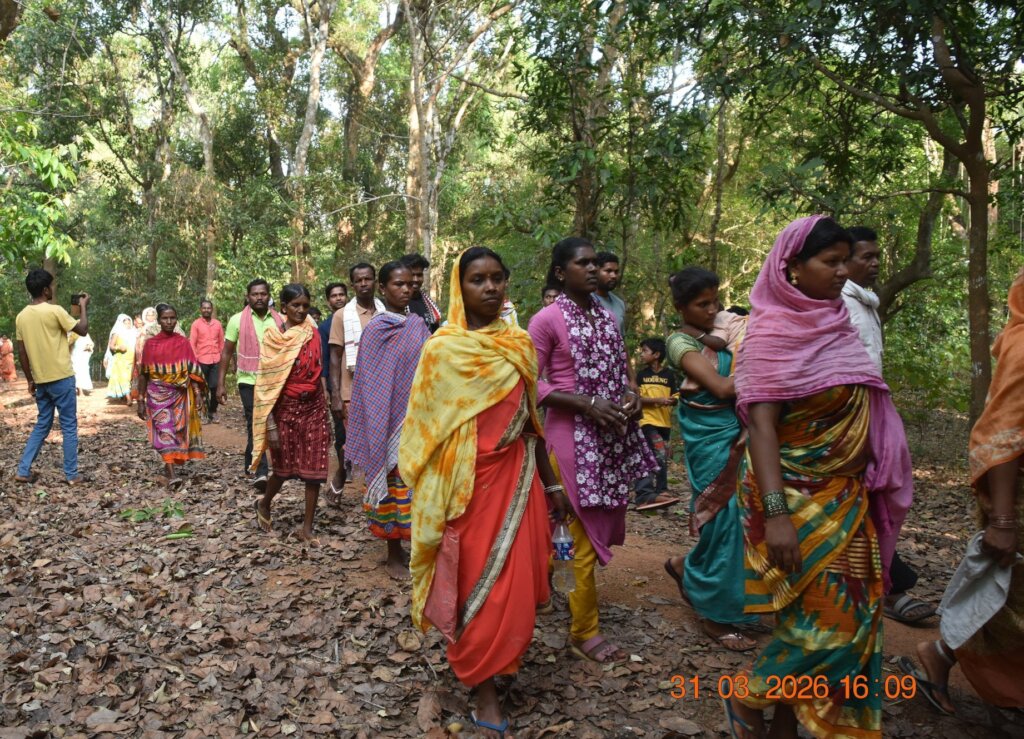
Over the past months meetings have been held between the village communities and plants
exchanged for planting in their respective villages to increase the diversity of their plots. Alongside
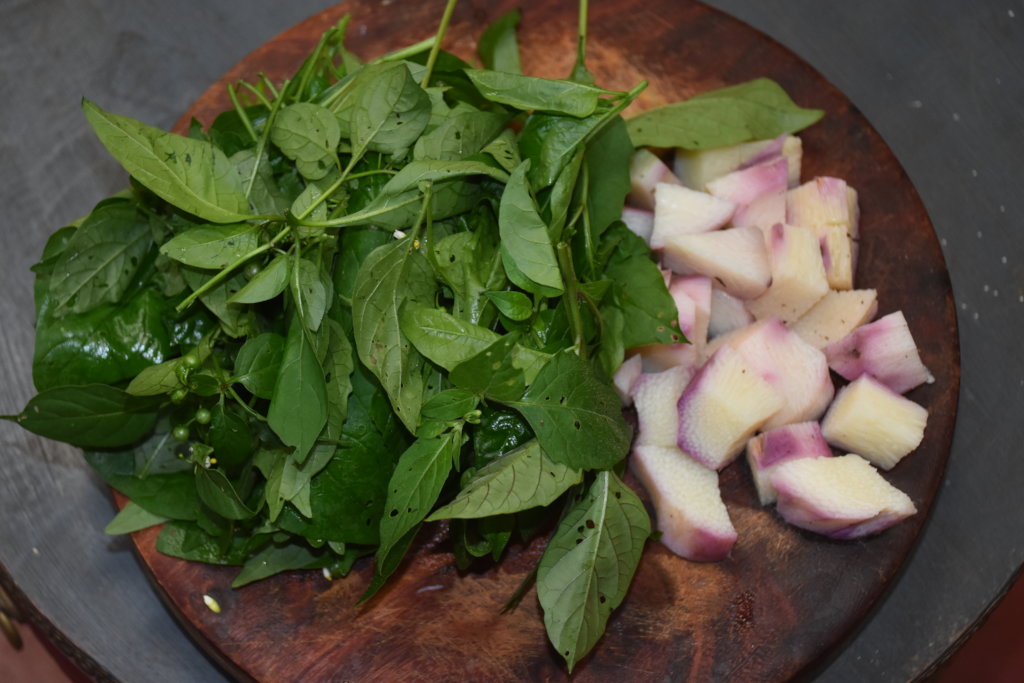
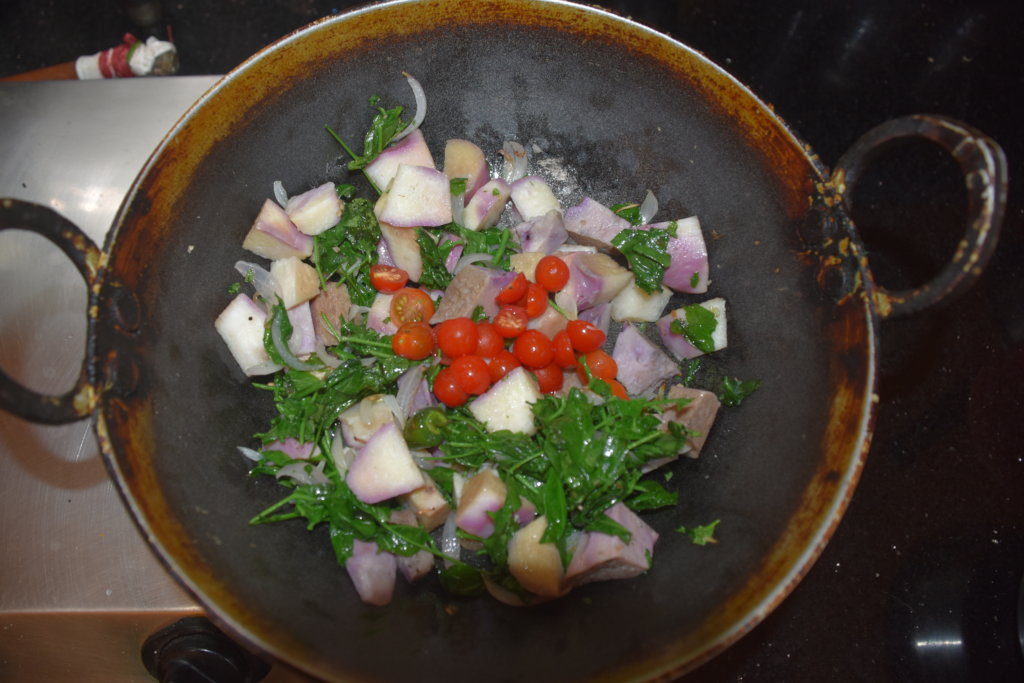
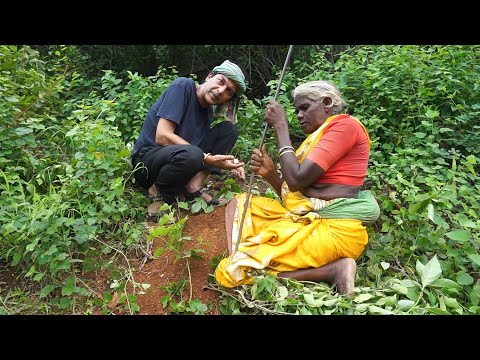
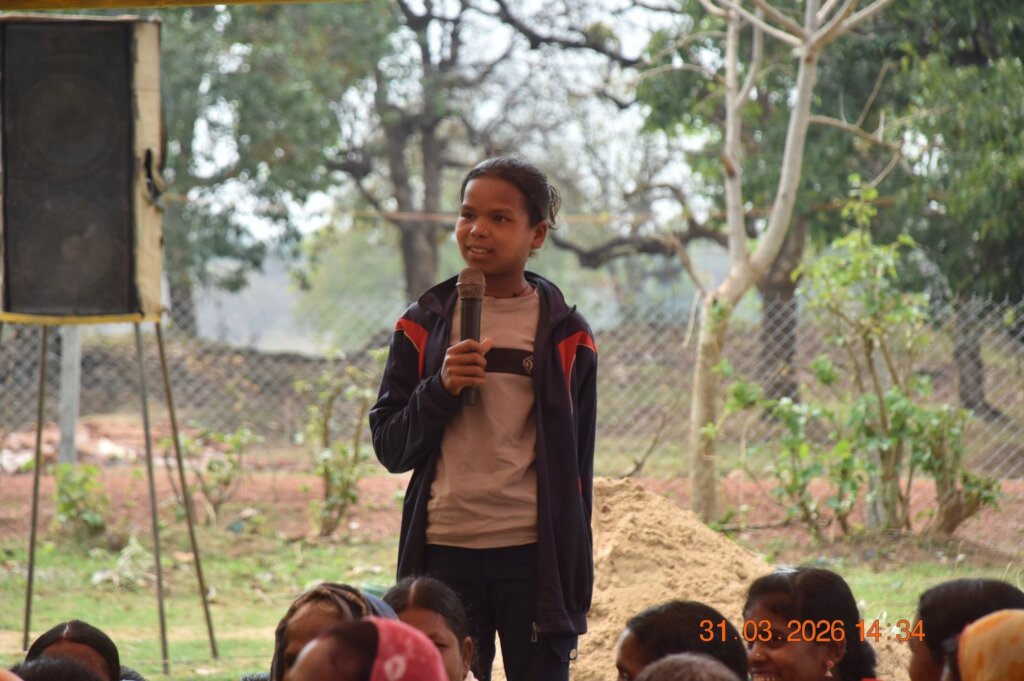
the discussions held helped in sharpening identification of the plants, harvest methods, cooking and
storage techniques. Most important was that the youth in these communities showed much interest
in learning about their traditional food plants.In the plots the stones have been cleared to form
protective guards around some of the important plant species. This also marks them out for easy
spotting. This work was done collectively by the women and the youth of the village.
The ongoing work now with the plots and the communities is to continue the exchanges, have
regular food festivals and discussions to increase their overall knowledge about food plants and
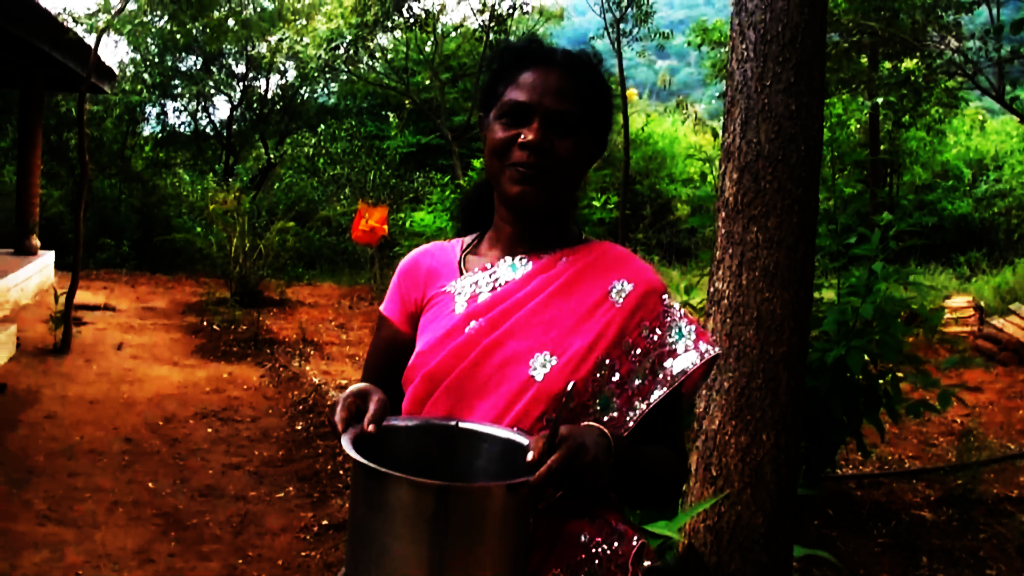
conservation as a whole. Another activiity that has happened is that at least 7 of the women in the
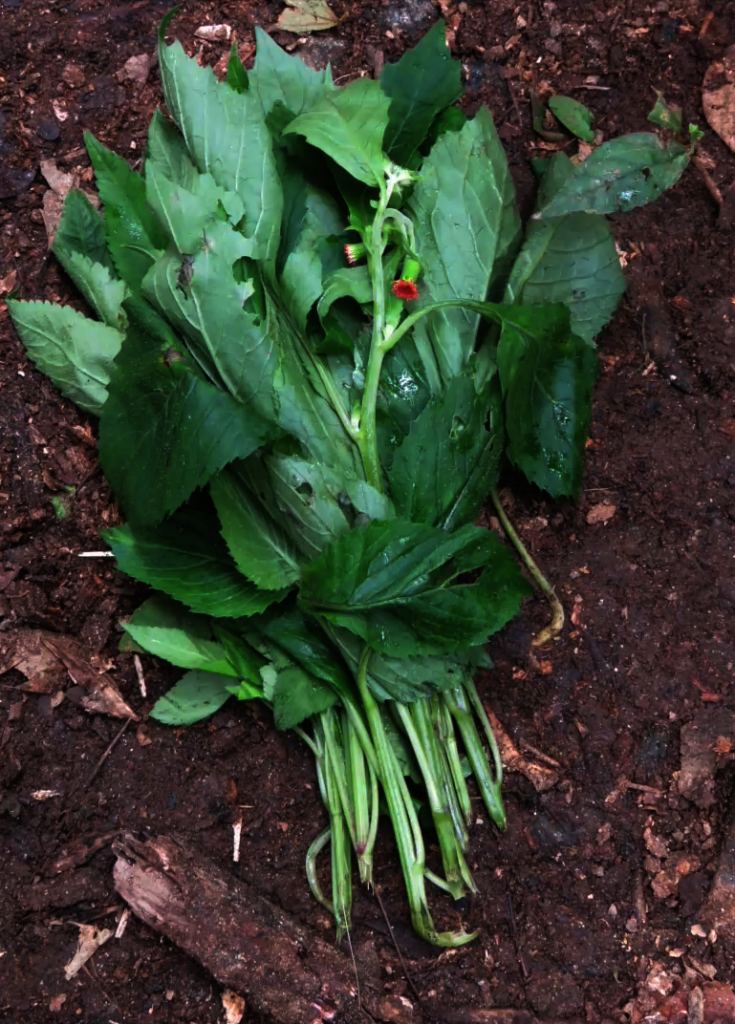
core groups in the villages have their own kitchen gardens where they are growing some of the
tubers and greens for household consumption.
The full report is attached with photos.
Project reports on GlobalGiving are posted directly to globalgiving.org by Project Leaders as they are completed, generally every 3-4 months. To protect the integrity of these documents, GlobalGiving does not alter them; therefore you may find some language or formatting issues.
If you donate to this project or have donated to this project, you can receive an email when this project posts a report. You can also subscribe for reports without donating.



Support this important cause by creating a personalized fundraising page.
Start a Fundraiser