By Manish Kumar | Program manager
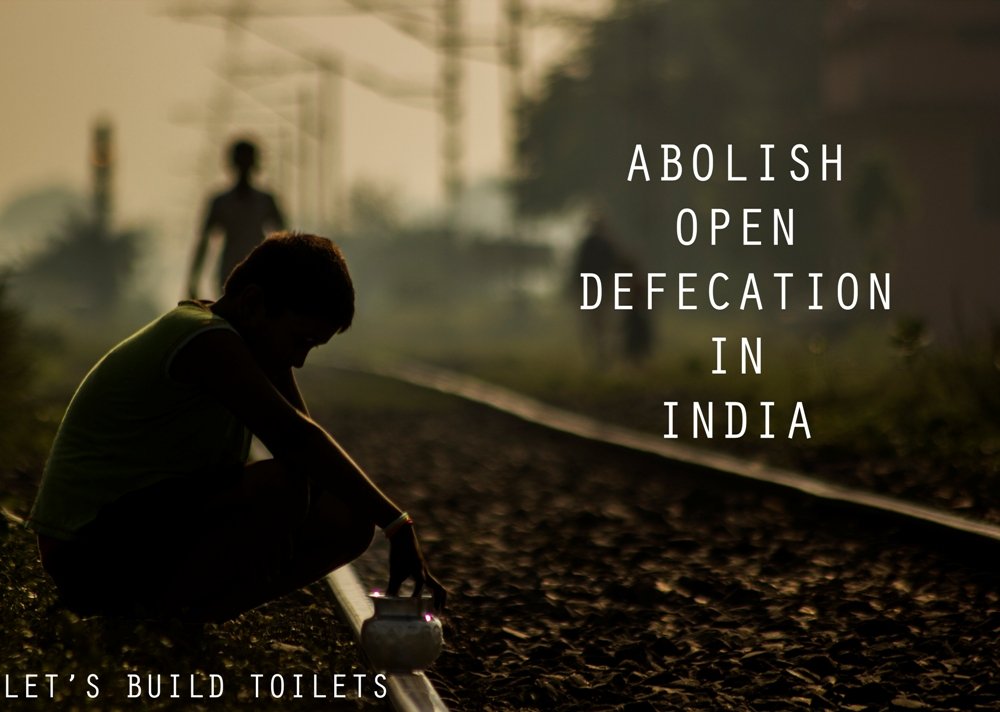
Abolish Open Defecation from India:"Build Toilets"
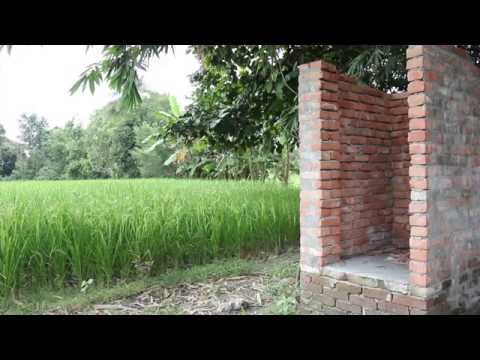
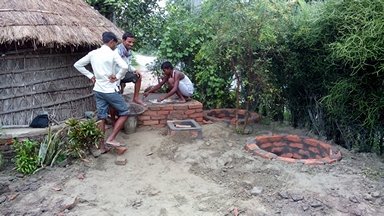
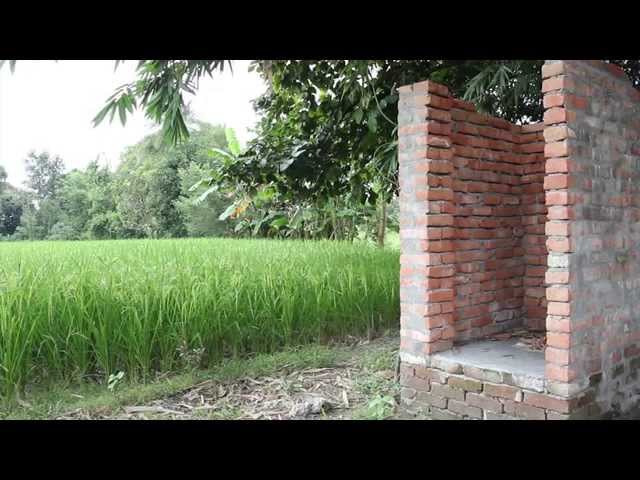
Thanks continued…… from our community members who are the direct beneficiaries of your support. In the current quarter, we have primarily focus on the training of mason in target village and panchyats because the major problem is of trained session availability at village level in last 5 month’s we have conducted 8 training of Mason in Bhagalpur and Biddupur (samastipur)
The intervention has been introduced in 5 blocks namely Kahalgaon, Pirpainti, Shahkund, Jagdishpur and Sanhoulla of Bhagalpur district. The sole essence of the project is to ensure that the poor and the vulnerable sections of the select blocks of Bhagalpur can have equitable access to all the public schemes related to health and sanitation, education and social security to enhance their wellbeing, with a special focus on improving delivery and accountability mechanisms.
Thus, AIPAD aim towards ensuring that all the people including the poor can access the benefits of the public schemes.
Uniqueness of AIPAD:
1. Adopt participatory and collaborative approach
2. Focus on the entire community, including all vulnerable groups
3. Involve wide range of stakeholders at village, block, district and state level
The effort has been created a responsible and aware citizenry, empowered the community to work together with the Government so that the entire community including the poor and the vulnerable can have access to better services for an improved living standard. We are working in three domain mainly Health, Education & Social Security.
Concept on Sanitation:
Health, sanitation and hygiene are important factors for socio-economic development of a community. Good health and sanitation practices reduces the risk of acquiring diseases, thus saves individuals from monetary expenditures. Good health also ensures better work productivity which in turn improves household’s economy. Poor sanitation and unhygienic conditions are the key causes of poor health, diseases and mortality, especially among children. The effects of poor sanitation permeate into every aspect of life; economic, health, education, nutrition, dignity and empowerment, stemming into an unending cycle of poverty and deprivation.
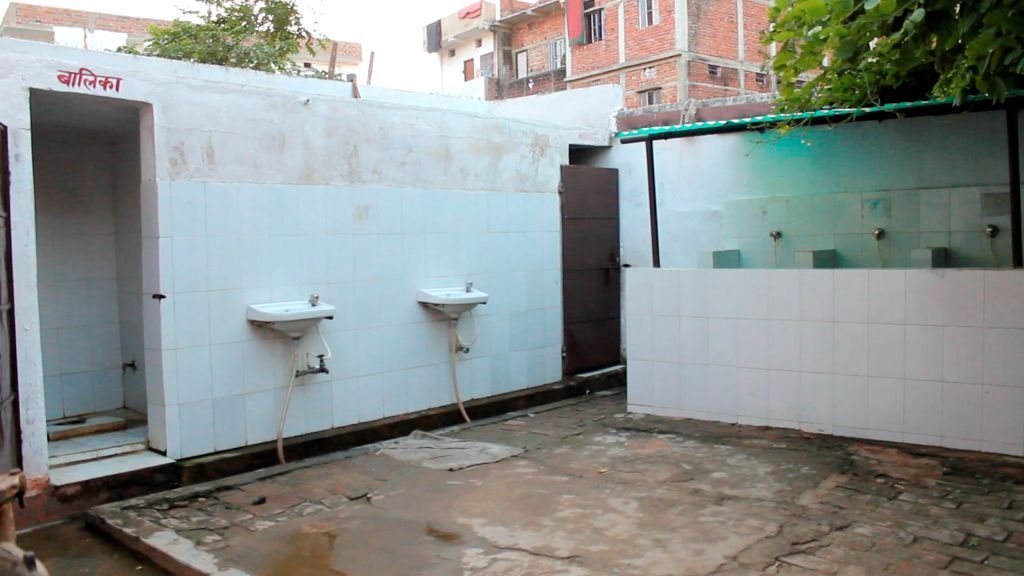
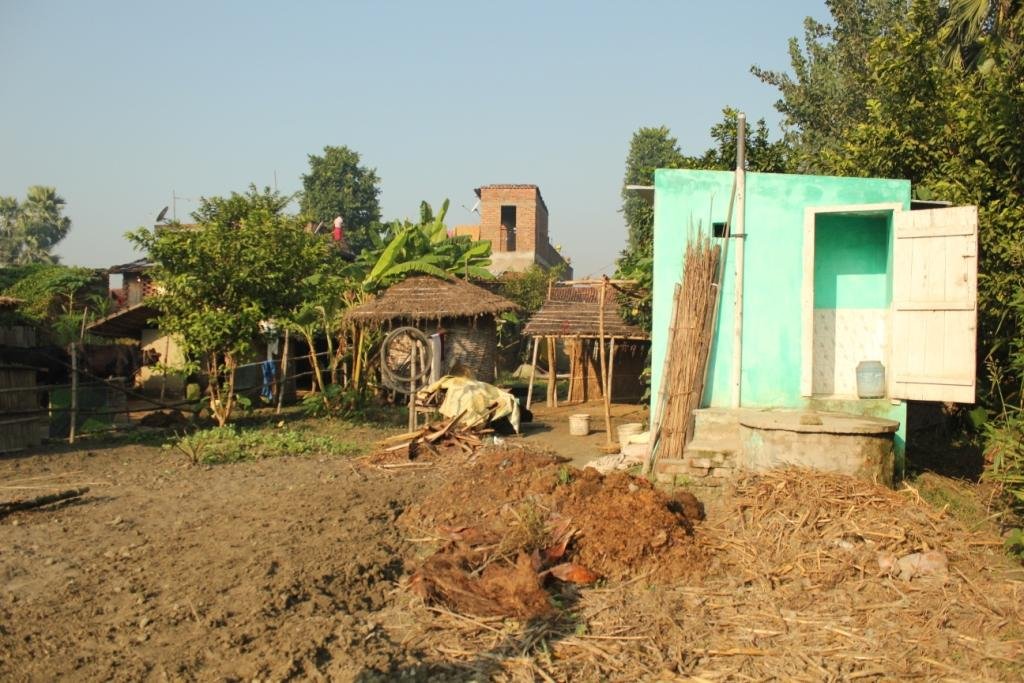
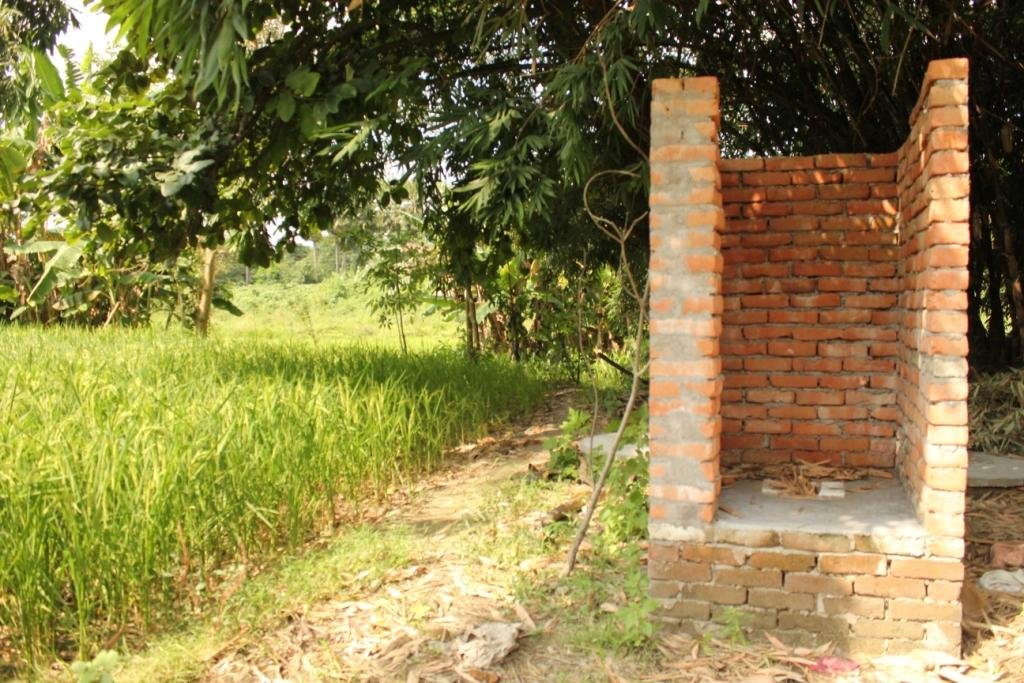
The four critical sanitation and hygiene behaviors include: Construction and use of toilets; safe disposal of child feces; hand washing with soap and after handling child feces; safe storage and handling of drinking water. These factors become much more critical in context with the rural area where child mortality, premature death, malnutrition, underweight and stunted growth of child are area of serious concern.
Use of toilet is one very important aspect related to good health. But in-house use of toilet is very low in Bhagalpur. Most of people go out in the open for defecation. This causes a lot of serious health hazards. It related to women risk shame, diseases and threats of social violence.
Most of the previous programs related to make communities open defecation free failed because government focused more on the developing the infrastructure i.e construction of community and individual community toilets without creating a demand for toilets.
Behavioral change communication involves awareness building, dissemination of knowledge regarding various practices of sanitation at individual and community level. Change in behavior is a critical issue to overcome. Peer pressure of the fellow community members can help in changing the rigid social norms prevalent in the community. For this Interpersonal communication and use different mass media tools would be helpful to generate awareness. Following are the critical issues
We have conducted several orientation programe in schools, AWC for best practices of hygiene such as hand washing, disposal of kitchen waste, use of toilets etc. We have conducted training programme on adolescent hygiene and distributed cotton sanitary pad (washable) among 120 girls of Jadgishpur & Pirpainti blocks. Also organized several awareness generation rally to prevent open defecation. We involved PRI, Vidyalaya Siksha Samiti, Citizen leaders, Advocacy & youth groups in the process of behavior change specially in Anganwadi, Schools & village.
Activity:-
Sanitation Campaign at Sanhauli Panchayat, Jagdishpur Bolck, Bhagalpur
Orientation of adolescent girls on menstrual hygiene
Awareness to prevent open defecation
News Paper Clippings:
News Paper Clippings:
By Manish Kumar | Program manager
By Mayank Jain | Manager Marketing & Communication
Project reports on GlobalGiving are posted directly to globalgiving.org by Project Leaders as they are completed, generally every 3-4 months. To protect the integrity of these documents, GlobalGiving does not alter them; therefore you may find some language or formatting issues.
If you donate to this project or have donated to this project, you can receive an email when this project posts a report. You can also subscribe for reports without donating.