By Harold Mate | Project Leader
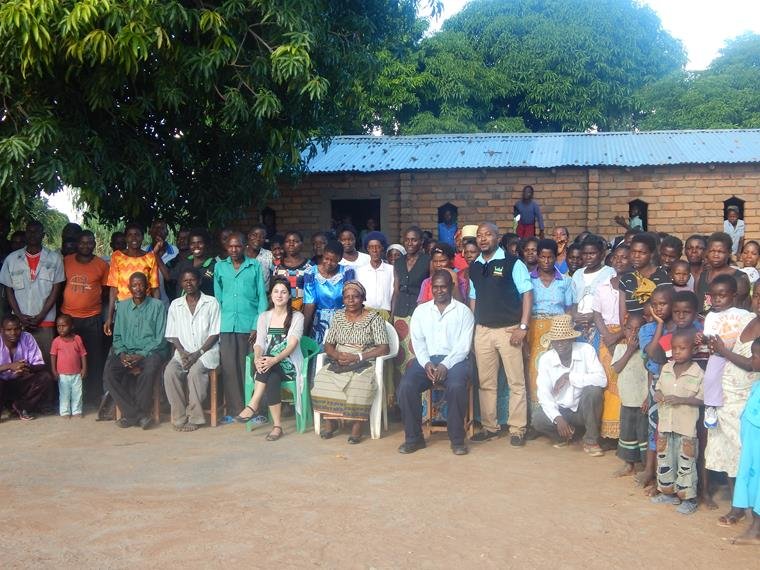
Farm Concern International Development Trust – Malawi commenced the implementation of the ‘A village at a time: Assets for income project in Zomba with the identification of 12 Commercial villages for intervention. A village at a time is an agri-business catalytic tool that creates partnerships with buyers as well as promotes entrepreneurial skills among poor communities. It attracts further investment in education, health and nutrition thus influencing communities to posterity. Capacity development under this initiative will create local experts that will train and influence neighboring villages.
The project has targeted over 3,000 households in 10 villages of Zomba district. The project has commenced with mobilization of farmers in partnership with government department dealing with agriculture in the region. Currently the project team is working with farmers in the region to build resilience against an ongoing drought that has made the production of cassava low. Farmers have also faced with severe drought situation which followed shortly after floods damaged most of the crops in 2015.
The project is continuously working with farmers to provide planting materials thus enabling them to increase production and produce high quantities of cassava for processing. The farmers are being mobilized to take advantage of collective action in production and utilization of village resources in processing of cassava into flour and other derivatives. Currently, the project is 12 commercial villages that are benefitting through the intervention. The project staff has started capacity building farmers on the various procedures in cassava processing to ensure that they are ready implement run the project. On the other hand, the beneficiaries are trained on how to run the enterprise as a business to ensure it is sustainable and will generate profit for the farmers after set up. This project continues to appeal for support to ensure the objective is met as well as benefitting the farmers in Zomba district through sustainable incomes.
In the period under review, Farm Concern International-Malawi continue to offer capacity development of Commercial Villages (CVs) that have the potential for cassava production from Zomba, to kick start the cassava value chain processing. In order to set a good foundation for the farmers to understand the essence of projects, a number of areas were highlighted:
1.2. Actions that can grow a village at a time
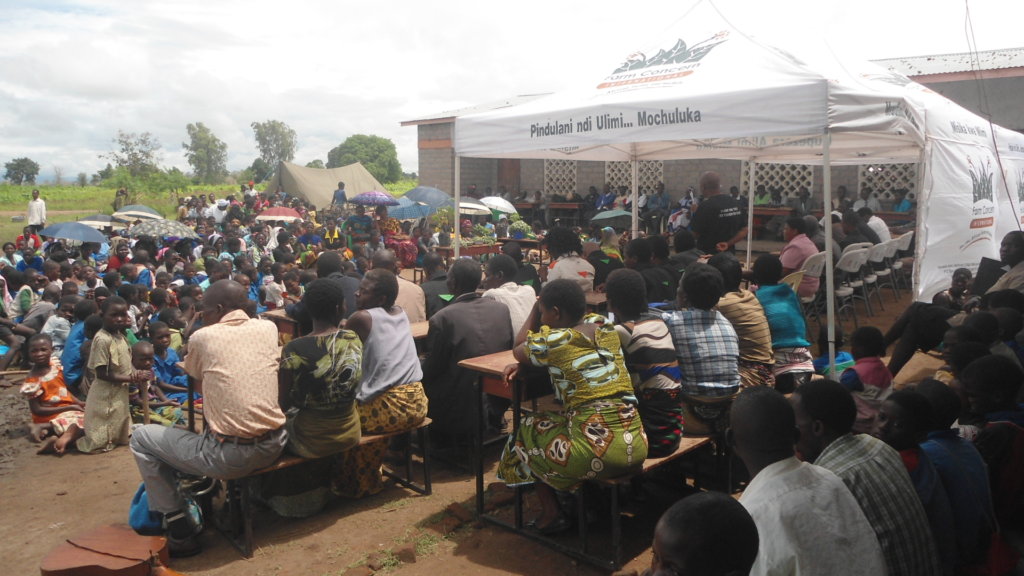
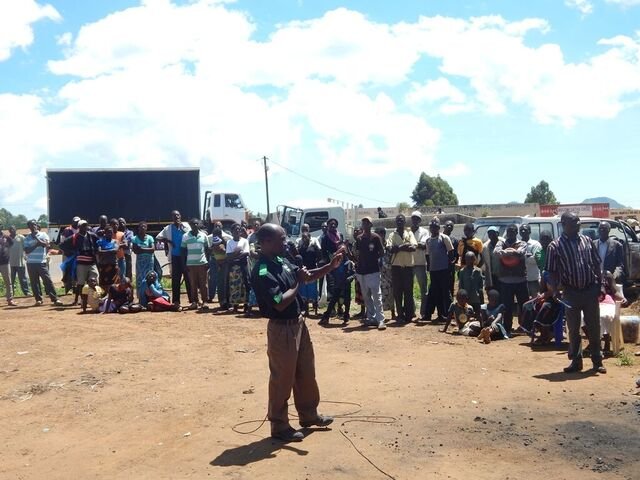
None of the CVs had processing cassava trainings before until FCI Malawi conducted training on production, processing, quality management and end user trials. A strategy was designed around empowering members of CVs to produce and process their cassava to rural end users through provision of training on marketing. All CPGs and CVs Production and Marketing Committees were trained by FCI Malawi.
Overall the training was aimed at building capacity of CPGs and CVs to take more responsibility for the production, processing and marketing of processed cassava. Participants were inducted into basic principles of production, processing and marketing and actively participated in group discussions. All Production and Marketing Committees were encouraged to conduct end user trials to identify customers.
The training was conducted in two phases and had the main objectives of:
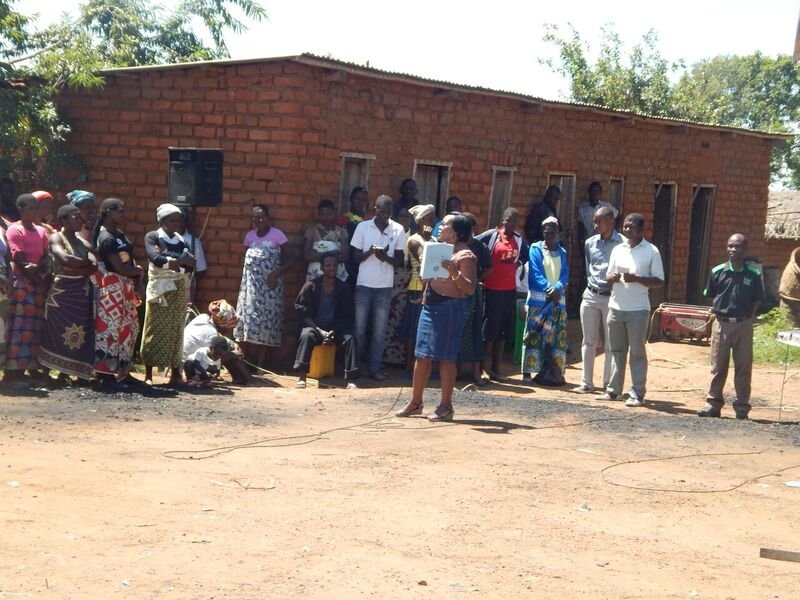
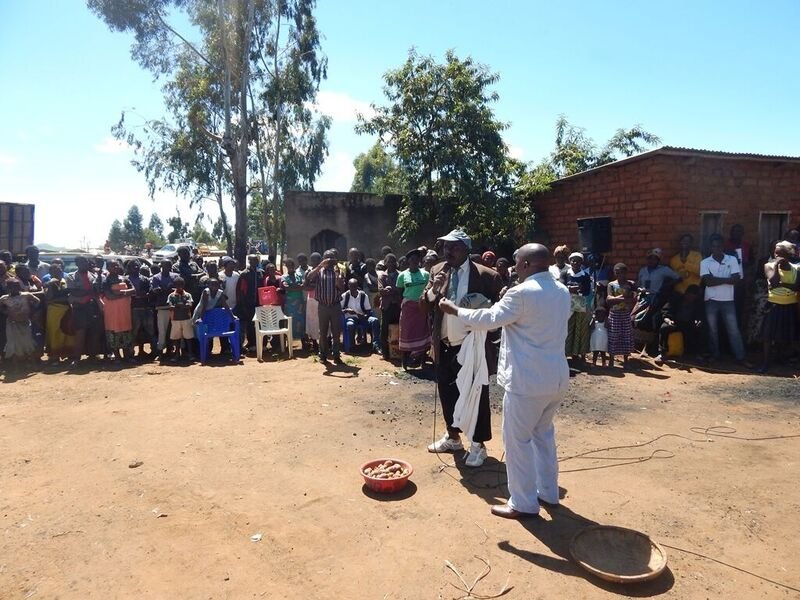
The training covered both theoretical and practical sessions. The latter was used to provide hands-on experience for participants. The major native (Chichewa) language of the area was used for the training since most (more than 60%) of the participants were not literate in the English language. Picture and visual hand-outs were given to participants to illustrate the points and messages from the training.
2. Commercial Villages Training
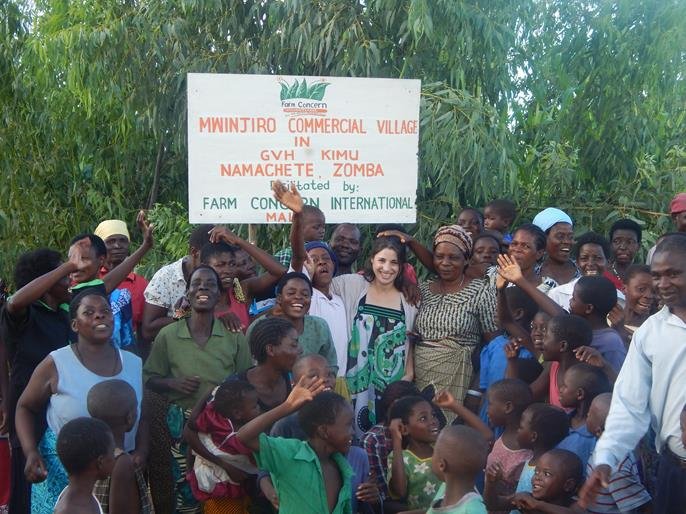
Trainings for the Commercial Villages were conducted in GVH Kimu Area with cassava farmers/participants from Village Headman Kotima and Village Head woman Mwinjiro. The trainings covered cassava value-chain on topics such as good agricultural practices (GAP), sorting and cleaning of cassava, sanitation procedure for workers, facilities and equipment, packaging and labeling, storage, transportation and marketing techniques.
3. Results on factors influencing post-harvest losses
The major factor that influenced losses was common to both Commercial Villages. Attack on stems by termites appears to be a key factor in food crop losses. Other factors reported include rotting of roots and tubers due to high temperatures.
Conclusion
Achieving increased yields starts with the selection of high quality planting materials and adopting proper planting procedures. The use of good agronomic practices that eliminate the use of chemicals or fertilizers can guarantee good yields of cassava at low costs and at the same time be friendly to the environment. A good agronomic practice starts with selecting
varieties that are high yielding and by sourcing healthy planting materials from specialized institutions, certified individual farmers, farmers associations, or seed companies. In addition, cassava farmers need to seek advice or service on weed control from trained personnel who have the relevant technical knowledge and experience. Such expertise is usually available at research and extension centres specializing on cassava at a fee.
Cost-efficient mechanization of cassava production up to harvesting and bulk transportation of harvested roots to point of processing or sale is necessary to enable farmers have the full benefits of using improved inputs, such as improved equipment, varieties, fertilizers, and herbicides.
In the case of storage and packaging of fresh cassava, for a short or long time, the choice of storage technique depends on the form in which the cassava will be used or consumed at the end of storage, the intended storage period, and the level of freshness required. In any case, it is beneficial to use improved storage methods that are cost effective. If processing is desired, improved mechanized processing methods will be preferred to the traditional processing techniques, which are labour and time wasting, and may not guarantee quality and safety. The use of efficient and low-cost machinery and milling system can guarantee the demand for the products high profitability for the processor.
By Harold Mate | Project Leader
Project reports on GlobalGiving are posted directly to globalgiving.org by Project Leaders as they are completed, generally every 3-4 months. To protect the integrity of these documents, GlobalGiving does not alter them; therefore you may find some language or formatting issues.
If you donate to this project or have donated to this project, you can receive an email when this project posts a report. You can also subscribe for reports without donating.