By Karla Aguerrebere | Project Leader
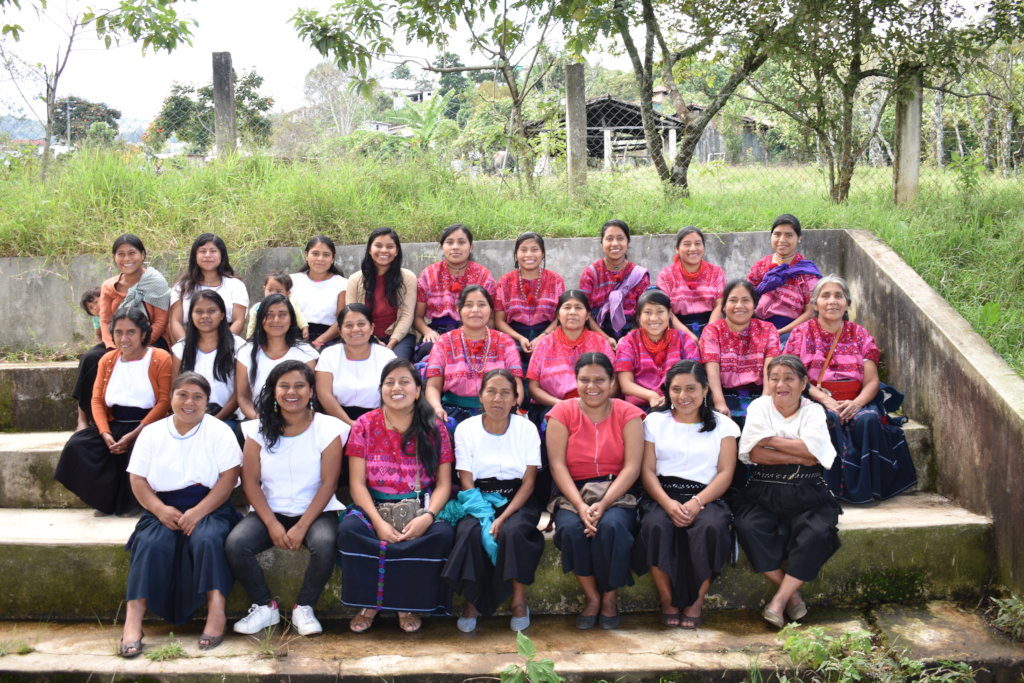
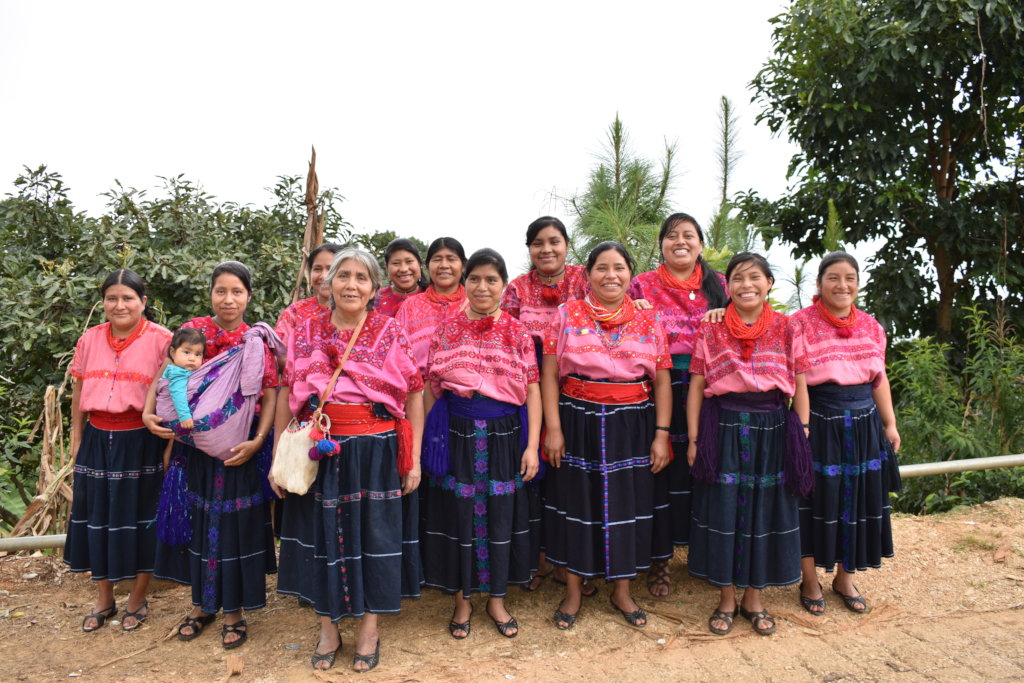
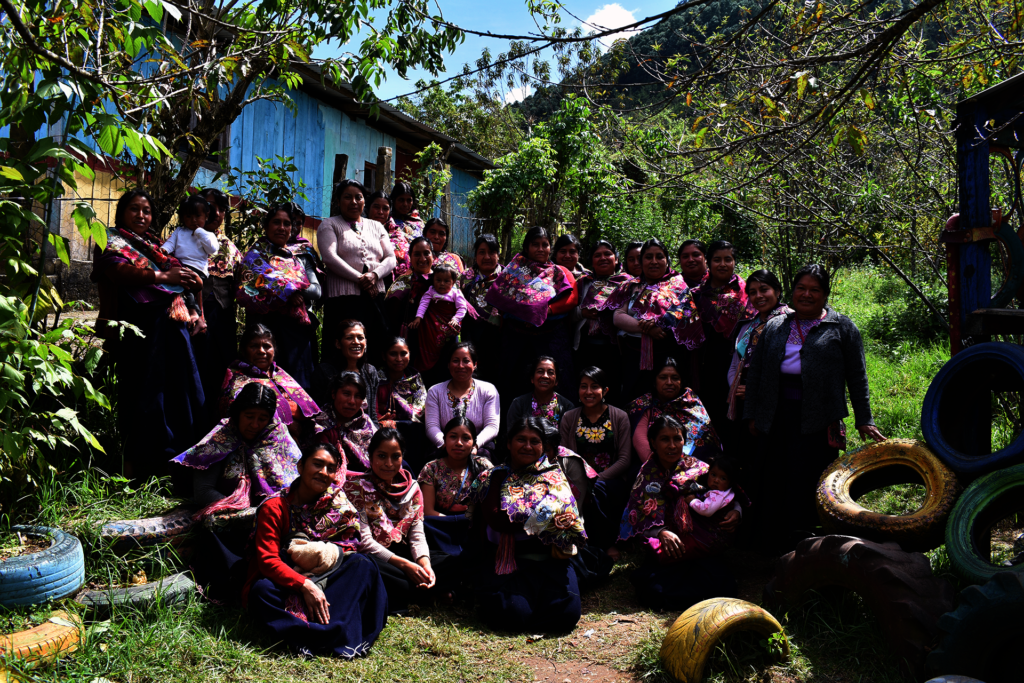
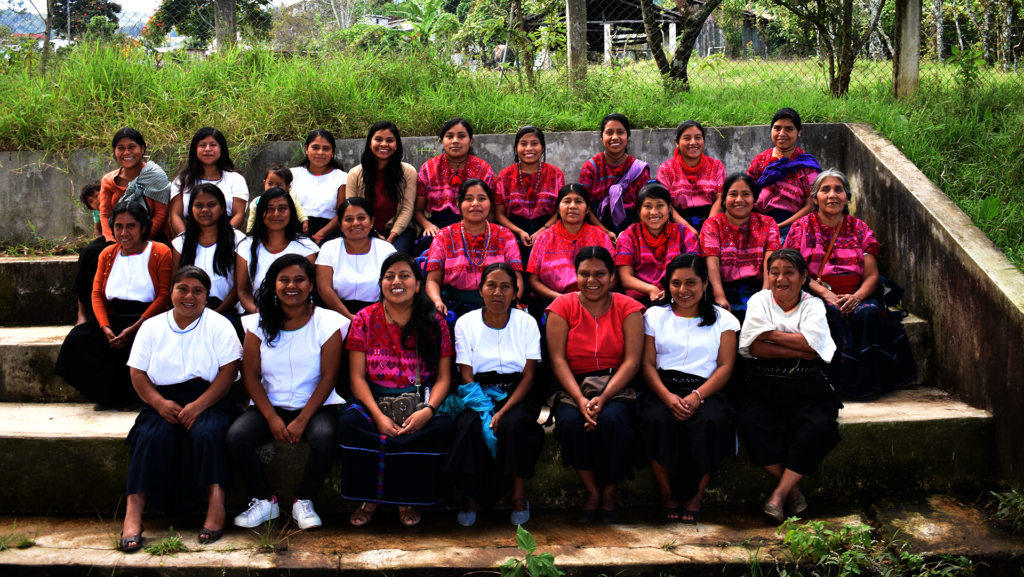
Over the past months, Juxta has continued evolving its social enterprise model by transforming different collaboration opportunities into pathways for business diversification, capacity strengthening, and greater participation of Indigenous Mayan women across the creative value chain.
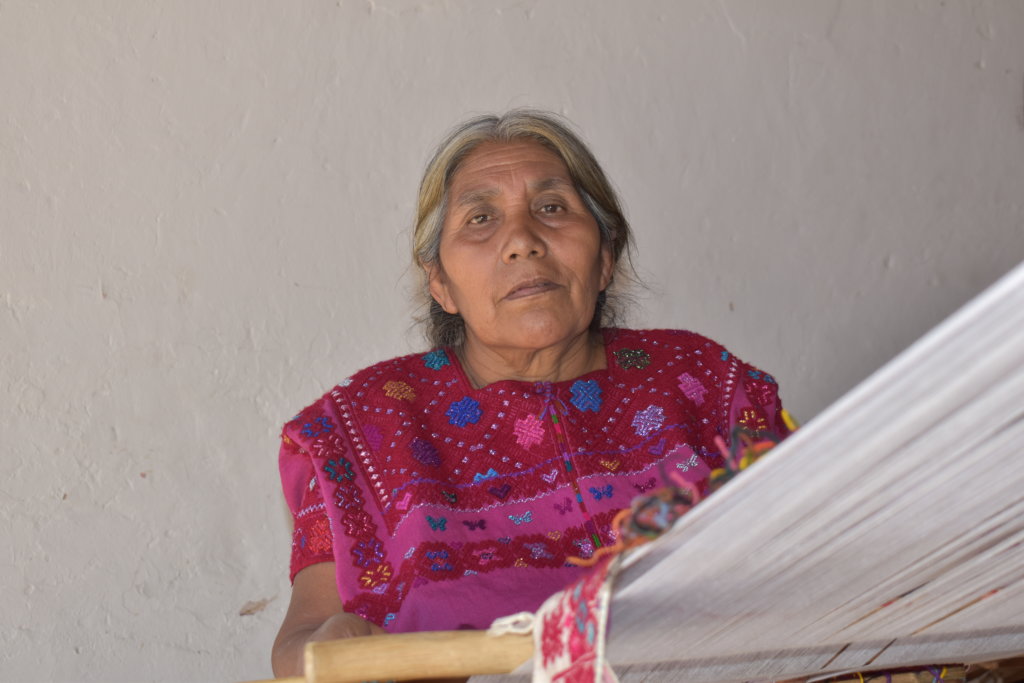
Juxta is a social enterprise co-owned by Indigenous Mayan women artisans. Its own collections remain at the heart of the enterprise, while collaborations have become complementary opportunities to explore new markets, develop capacities, diversify income sources, and strengthen the long-term sustainability of the model.
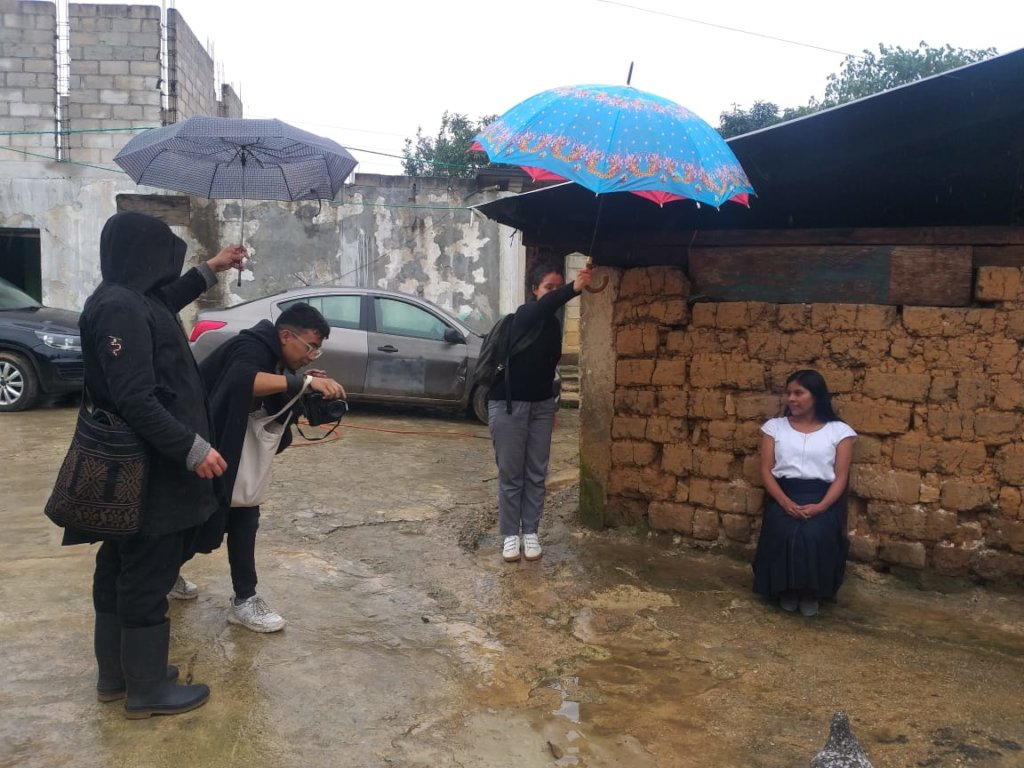
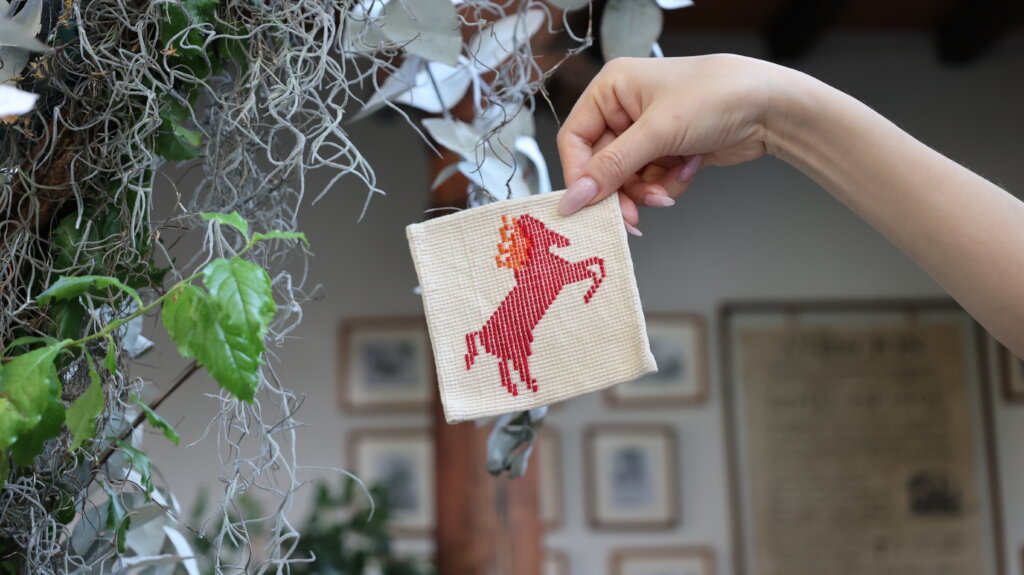
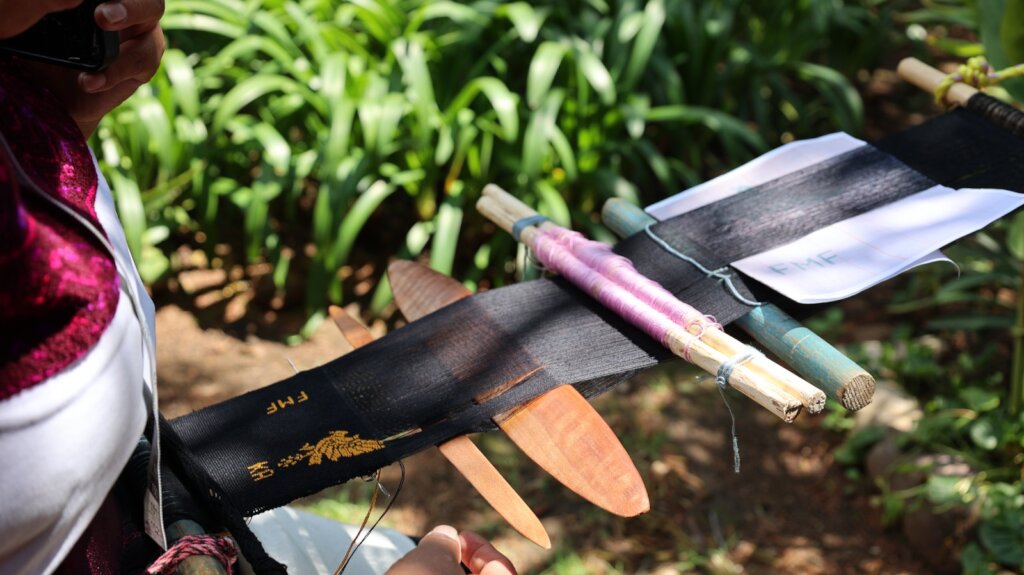
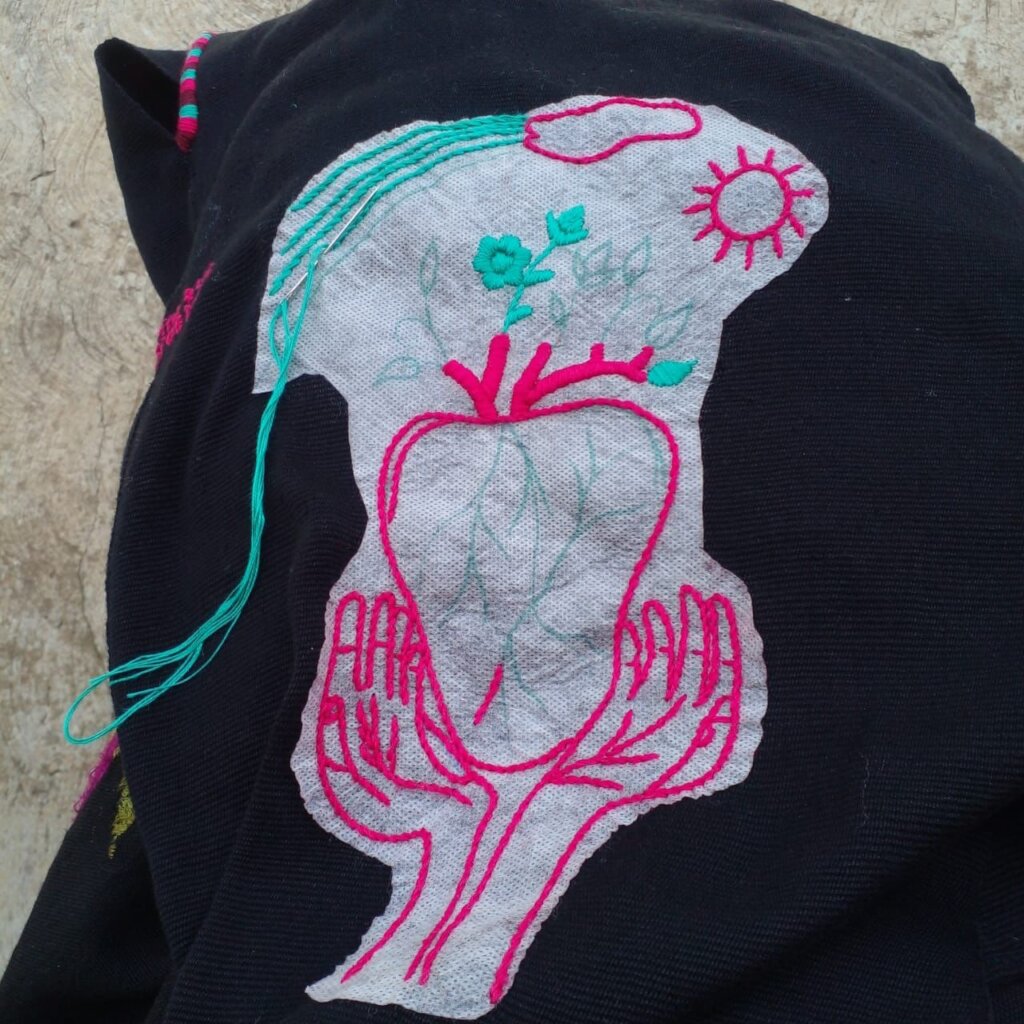
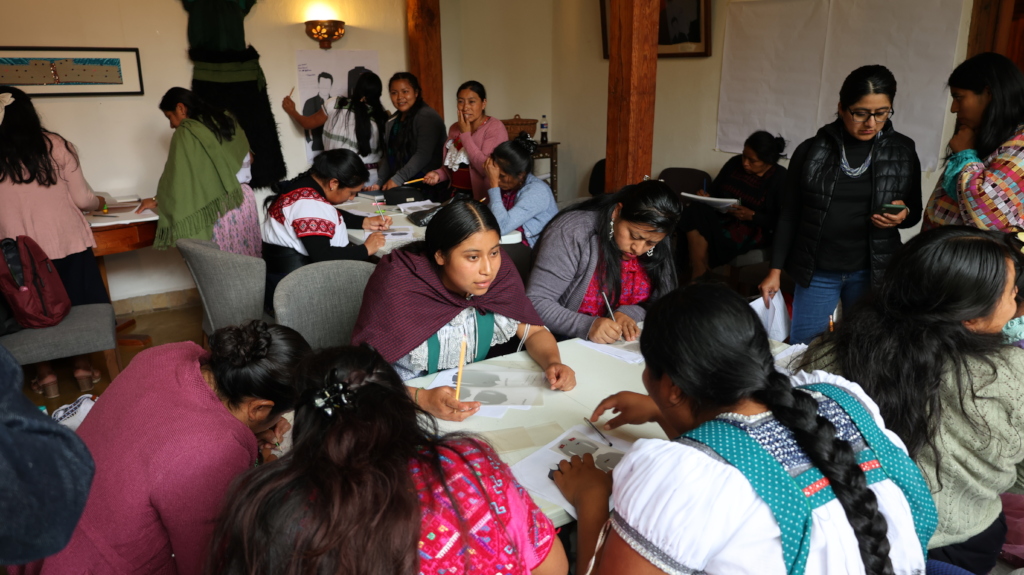
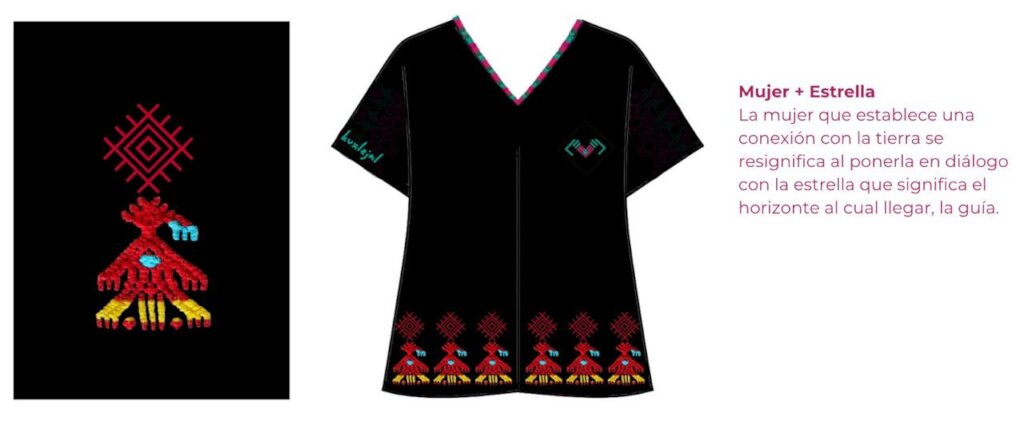
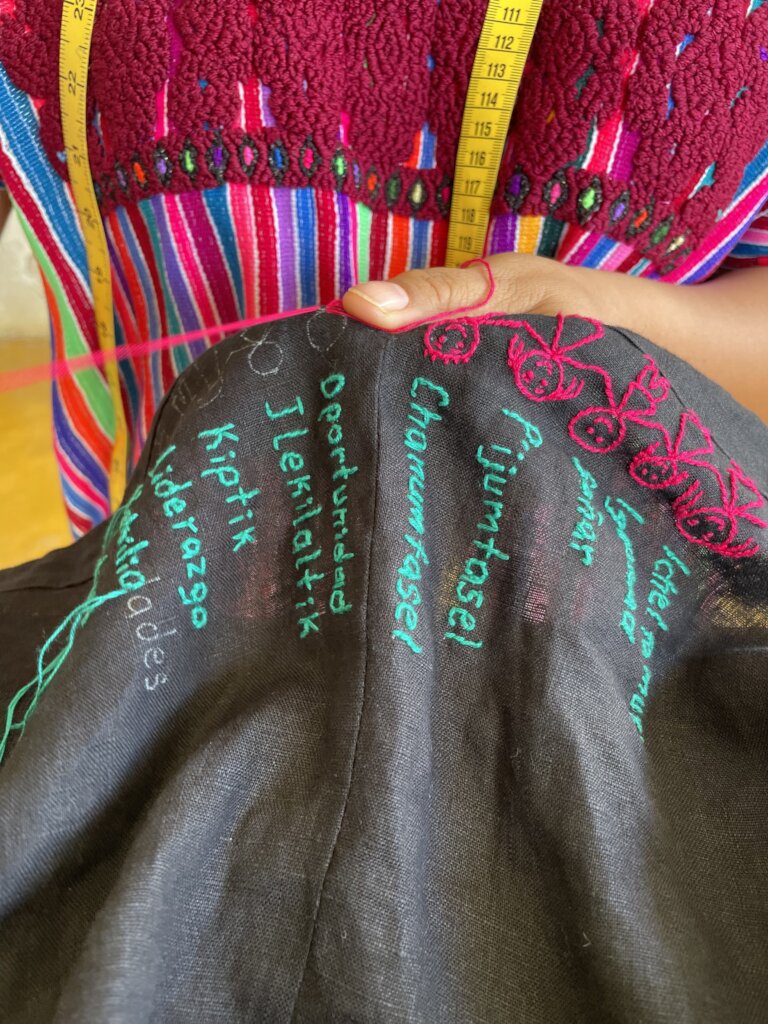
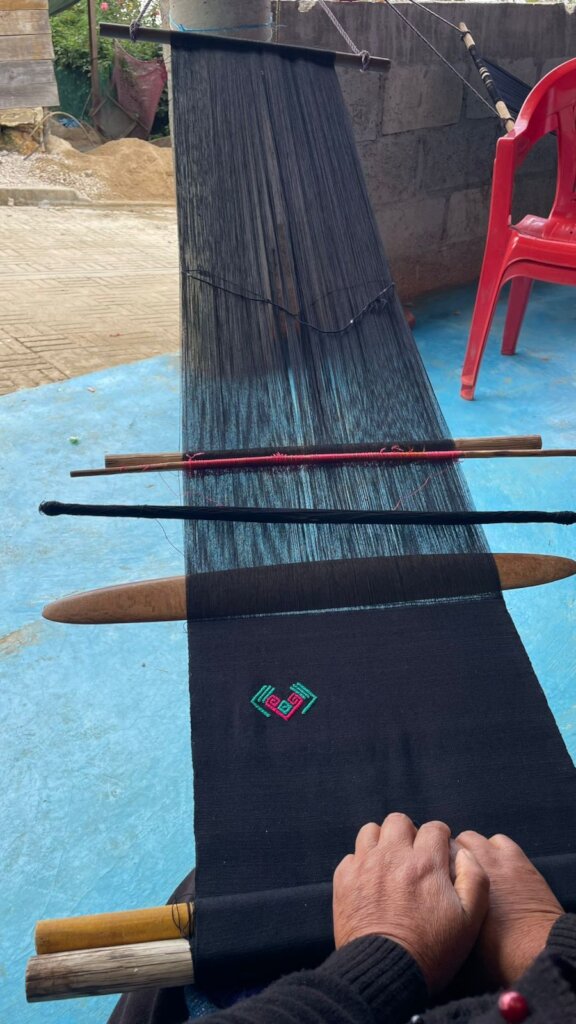
During this period, different types of projects have allowed Juxta to explore several business pathways. Institutional projects have created opportunities to develop products that combine textile knowledge, design, production planning, and community coordination. Creative collaborations have connected ancestral textile techniques with new concepts and audiences. Special projects have opened spaces for collective creation, where women participate from the earliest stages of interpretation, drawing, design, and decision-making. Corporate projects have expanded opportunities for larger-scale production and long-term relationships. At the same time, experiential initiatives are beginning to position cultural knowledge, territory, and the voices of master artisans themselves as part of the value created by the social enterprise.
Together, these experiences are helping Juxta understand how different business lines can complement one another and contribute to a more resilient economic model.
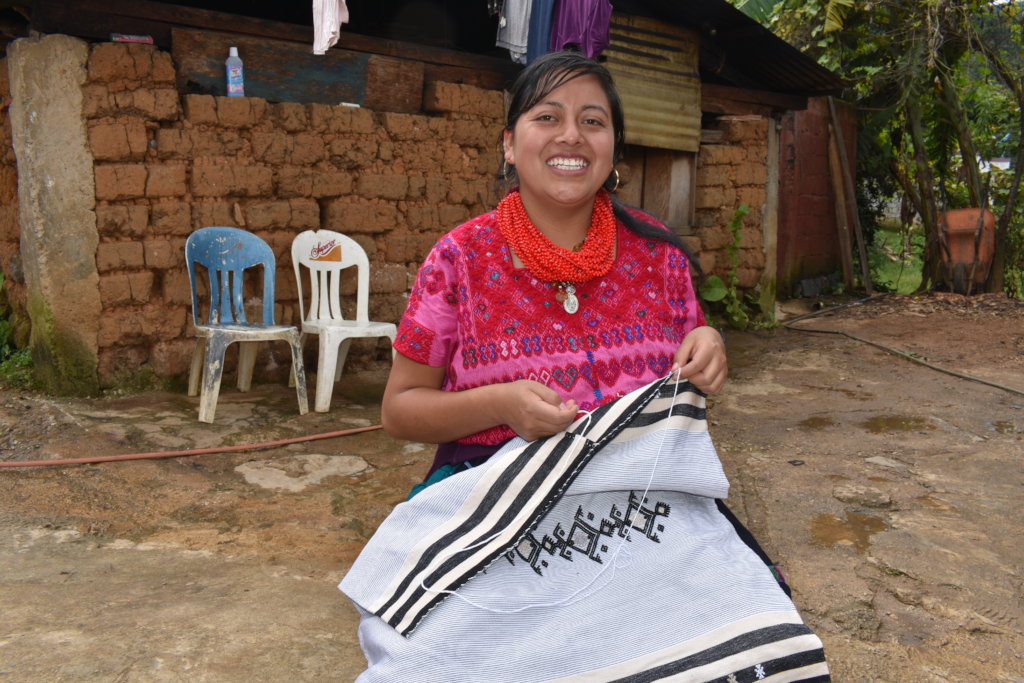
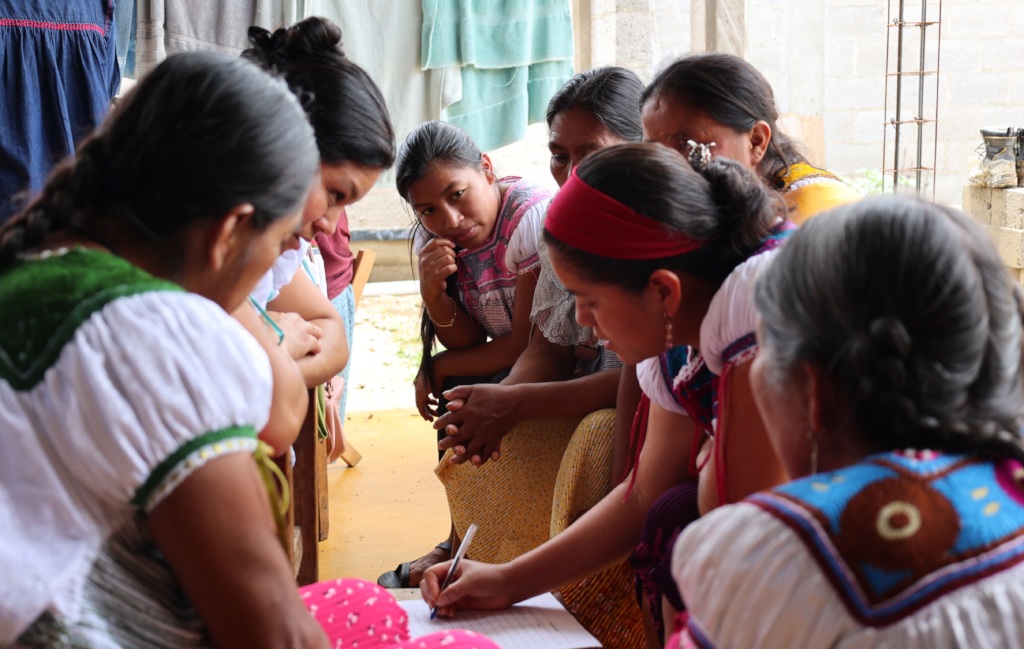
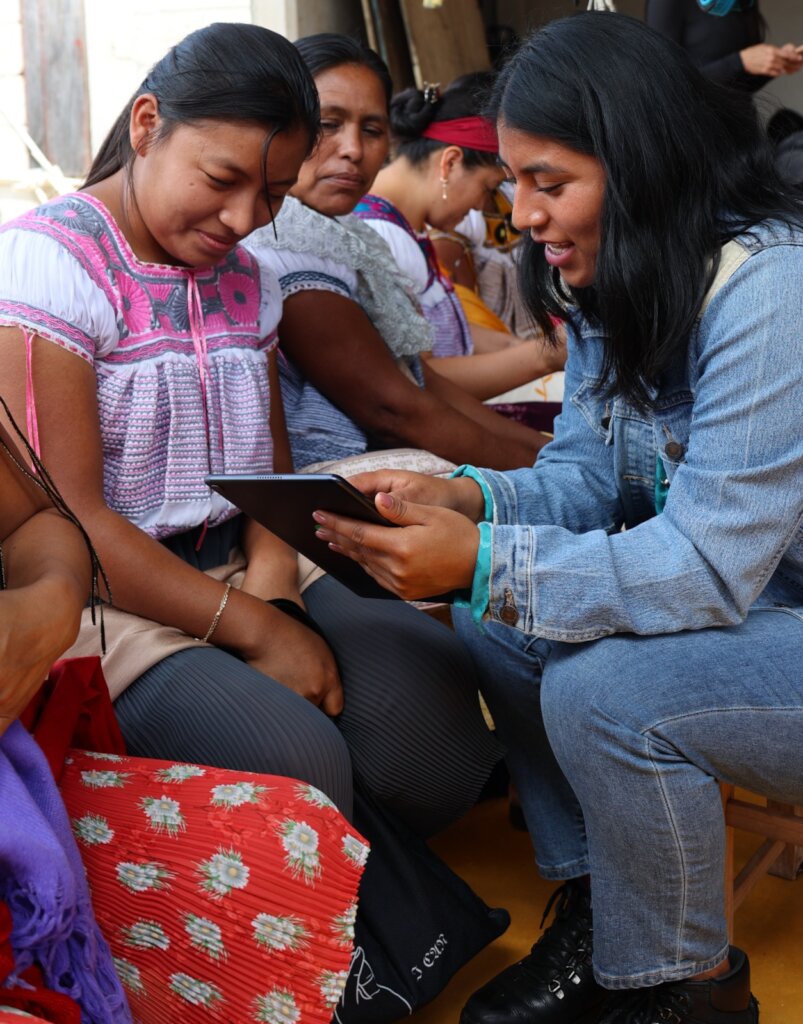
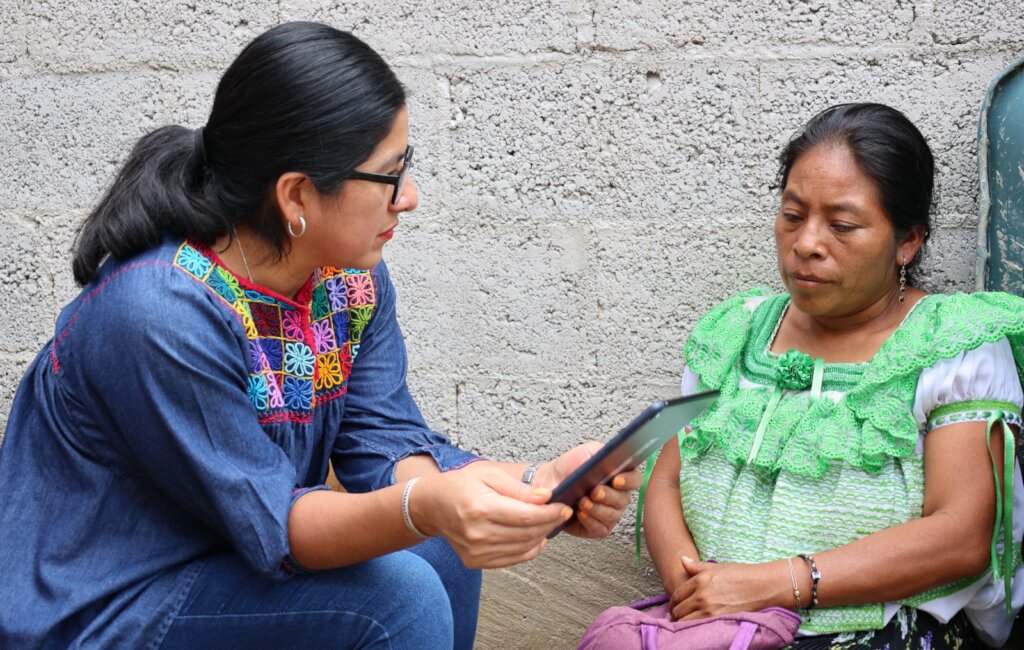
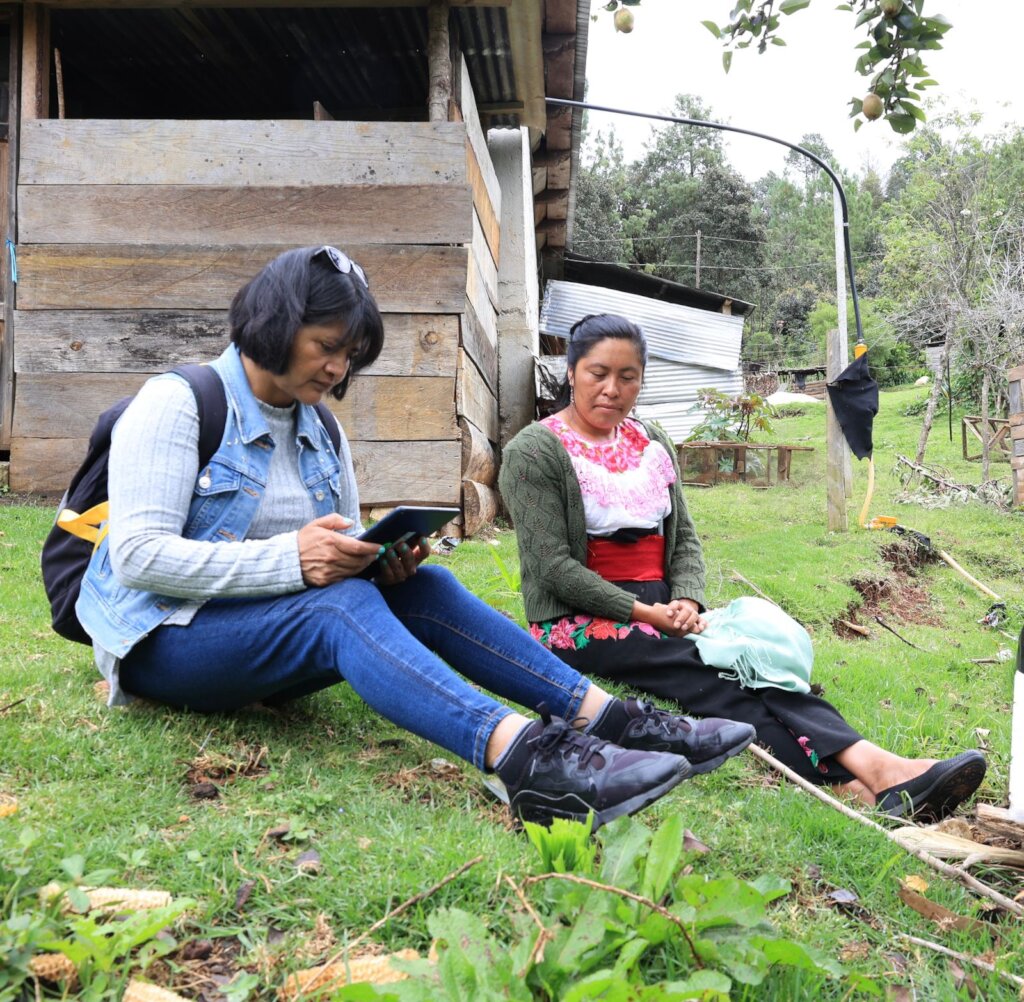
An important part of this evolution is the expansion of women's participation across the value chain. Depending on the project, artisans are increasingly involved not only in textile production, but also in creative processes, development of new products, calculation of production times, quality control, community coordination, organization of deliveries, and collective decision-making.
Each collaboration therefore becomes both an economic opportunity and a practical learning environment. Through real projects and market relationships, women strengthen capacities that can gradually be transferred across different areas of the enterprise.
This process is closely connected to Juxta's long-term vision of self-management: building the knowledge, structures, leadership, and economic opportunities that allow women to participate increasingly in the management and direction of an enterprise they co-own.
Results
Beyond individual projects, the most significant result is the emergence of a more diversified ecosystem around Juxta. Each business pathway contributes different forms of income, learning, visibility, relationships, and organizational experience.
One of the most important learnings during this period has been understanding diversification as more than the development of different products. For Juxta, diversification means creating multiple ways in which women can generate value and participate within the creative economy.
Different types of projects also require different capacities. An institutional project may strengthen planning and community coordination; a creative collaboration may deepen design and product development; a larger production project may strengthen quality control and logistics; and an experiential initiative can create opportunities around cultural knowledge, storytelling, territory, and direct interaction with new audiences.
This diversity of experiences provides an important learning environment for the enterprise. It allows Juxta to identify which models have the greatest potential for continuity, how different opportunities can complement each other, and what capacities should continue to be strengthened as women assume broader roles within the enterprise.
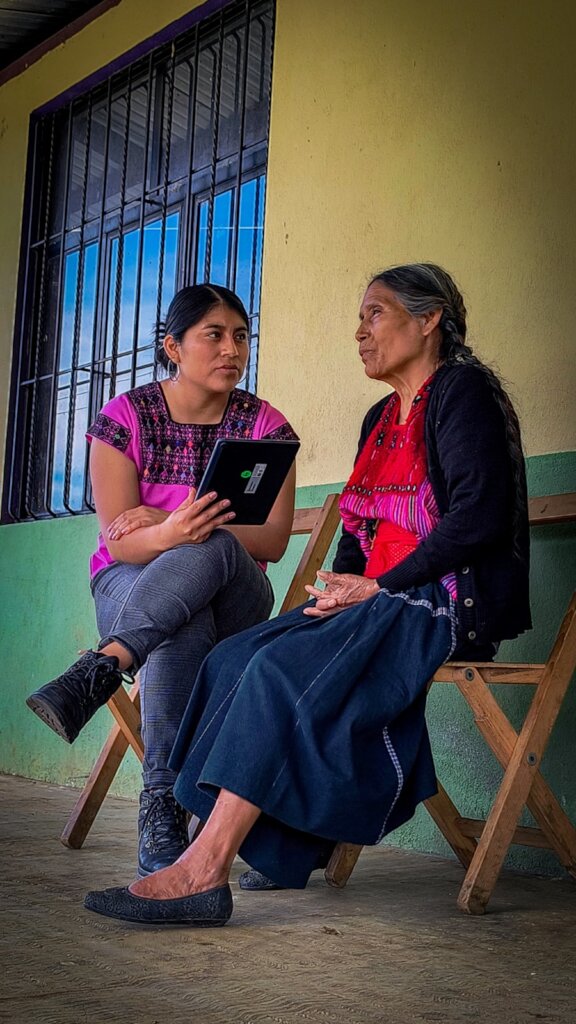
Another important learning has been the value of integrating economic sustainability with cultural continuity. Traditional textile knowledge can participate in contemporary markets while maintaining its meaning, authorship, and connection to the communities where it originates. This approach allows innovation and cultural heritage to strengthen one another.
In the coming months, Juxta will continue to:
For Juxta, diversification is more than a commercial strategy. It is part of a pathway toward self-management.
Each new business opportunity creates a space where Indigenous Mayan women can generate income while strengthening the skills, relationships, leadership, and collective structures needed to participate more broadly in the enterprise they co-own. As women move across different stages of the value chain—from creation and design to production, coordination, and decision-making—the social enterprise itself becomes a space for learning and collective economic leadership.
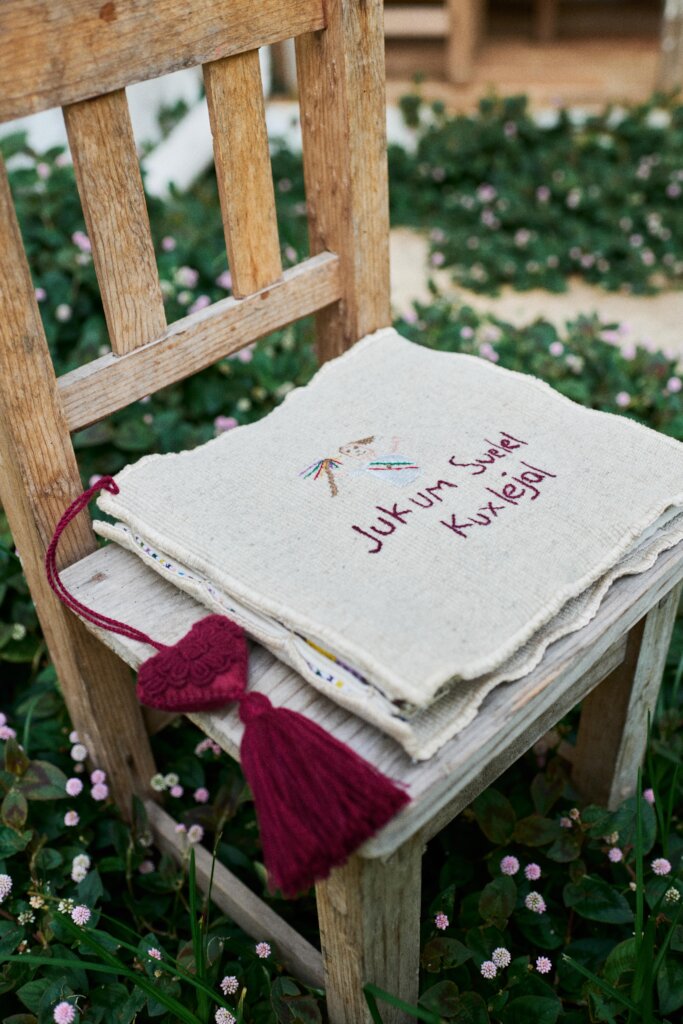
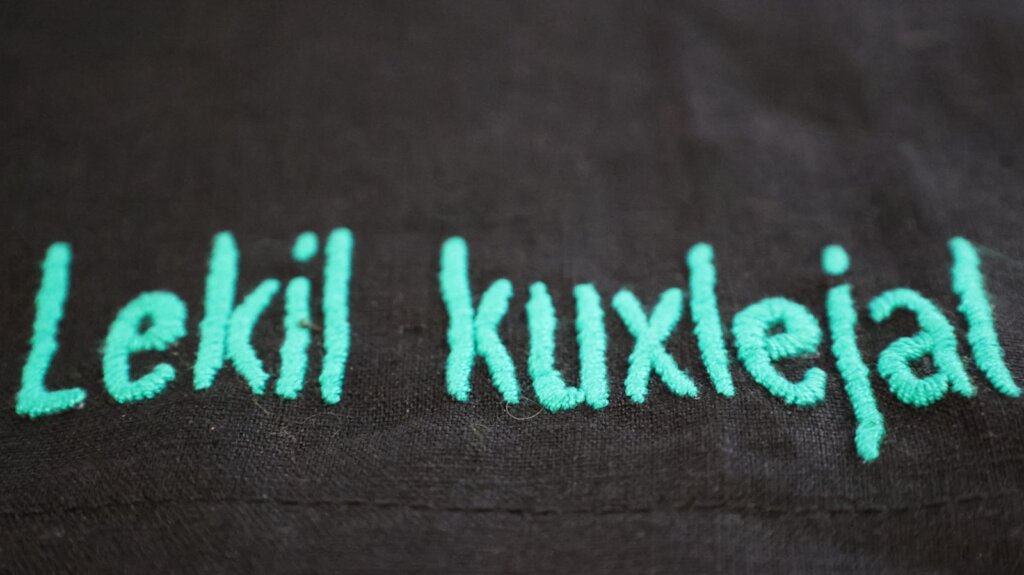
Juxta's vision is to build a resilient social enterprise where economic opportunities, cultural continuity, collective governance, and women's leadership grow together. In this way, sustainability becomes part of a broader journey toward Lekil Kuxlejal: harmony and integral wellbeing in personal, family, and community life.
Links:
By Karla Aguerrebere | Project Leader
By Karla Aguerrebere | Project Leader
Project reports on GlobalGiving are posted directly to globalgiving.org by Project Leaders as they are completed, generally every 3-4 months. To protect the integrity of these documents, GlobalGiving does not alter them; therefore you may find some language or formatting issues.
If you donate to this project or have donated to this project, you can receive an email when this project posts a report. You can also subscribe for reports without donating.



Support this important cause by creating a personalized fundraising page.
Start a Fundraiser