By Karla Aguerrebere | Project Leader
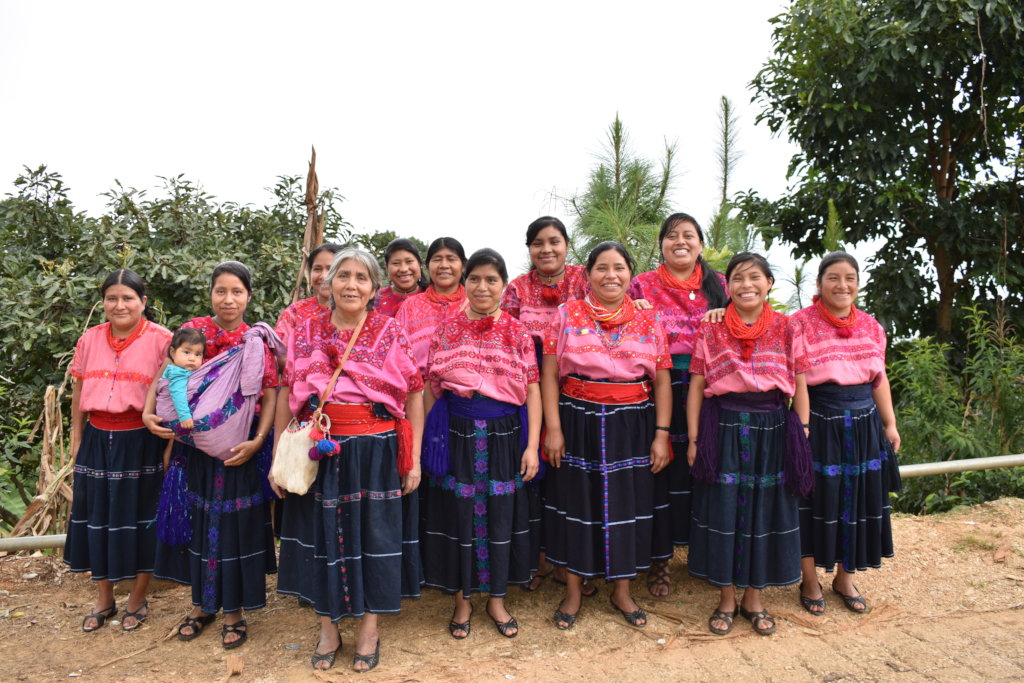
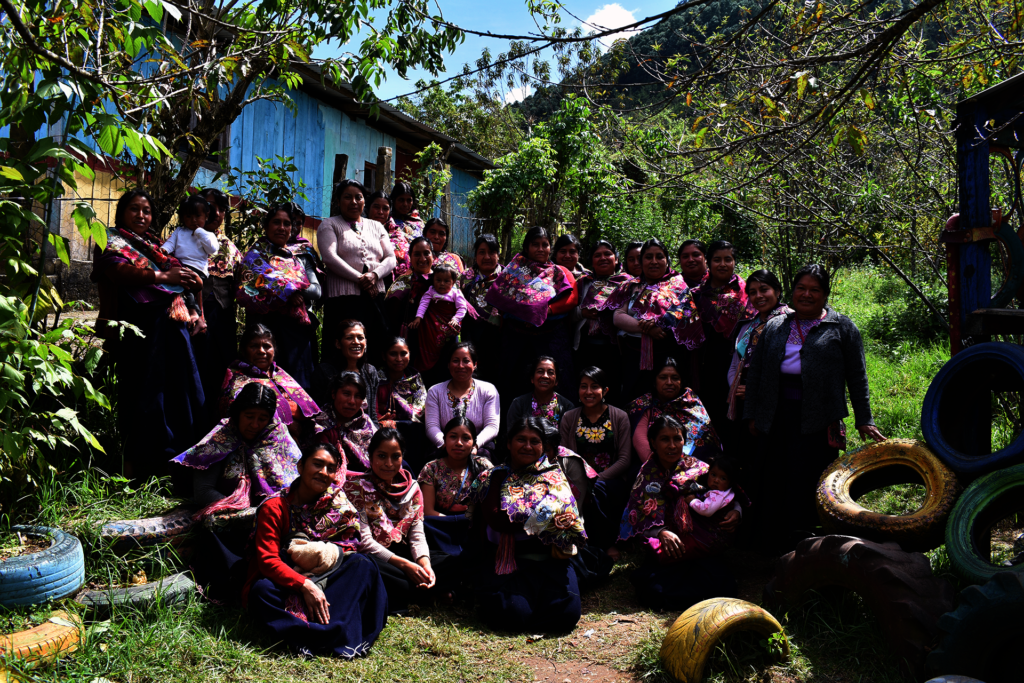
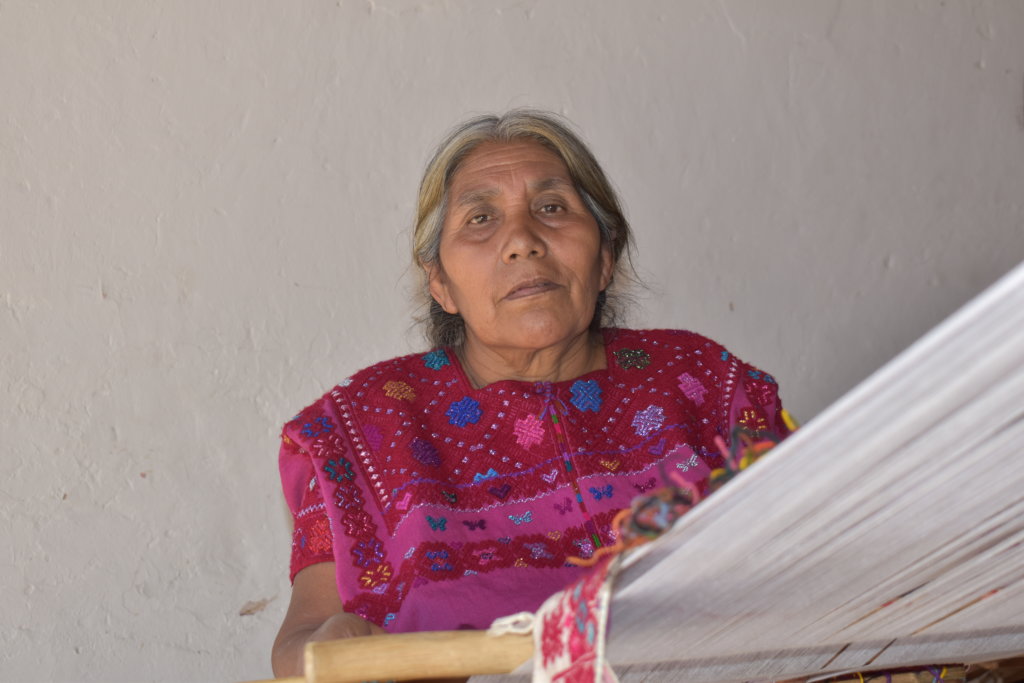
This quarter marked the beginning of a new and important stage to strengthen the economic autonomy of Indigenous women in Los Altos de Chiapas. We launched the Self-Managed Mentorship Model, a strategy designed to support the creation and consolidation of sustainable, ethical, and competitive productive units in the market. This initiative responds to the needs expressed by the participating communities, who seek to strengthen their productive and commercial capacities through a collaborative, intercultural, and long-term vision.
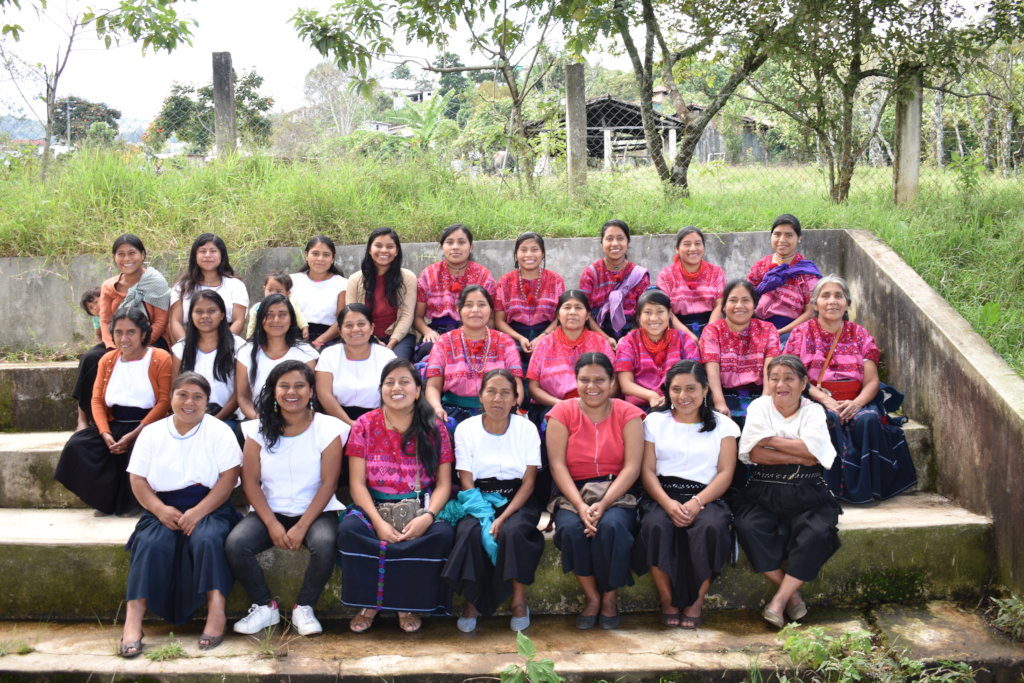
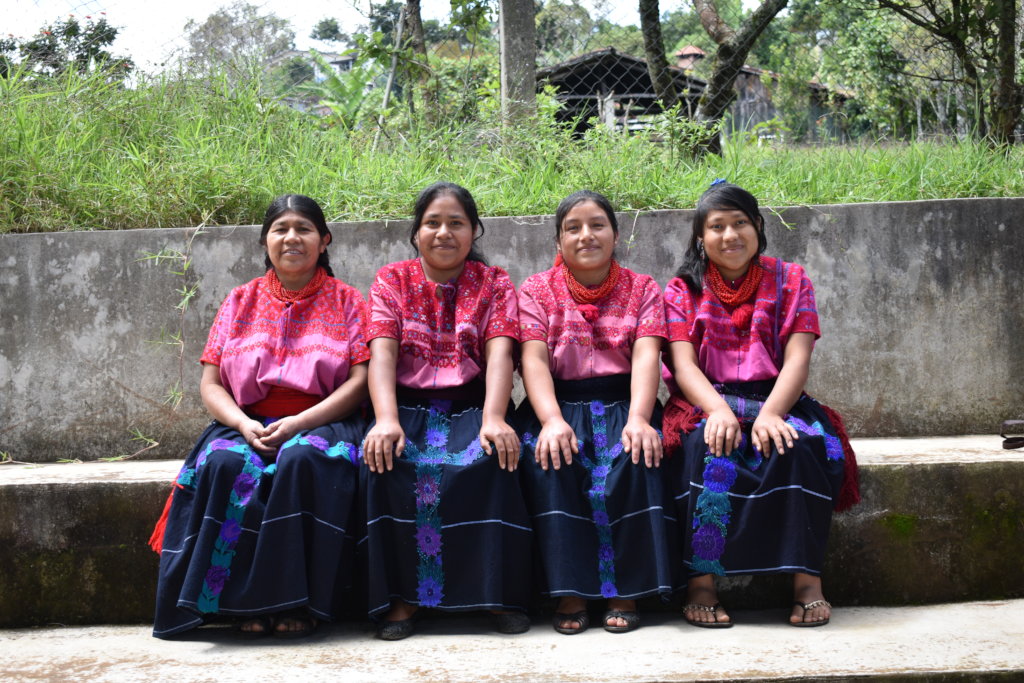
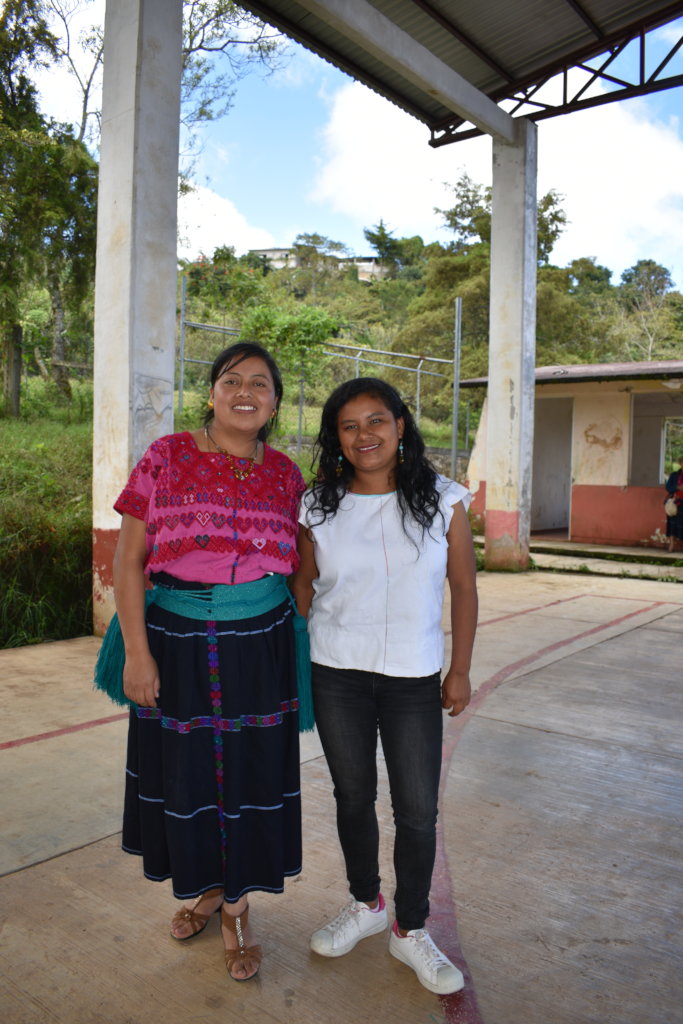
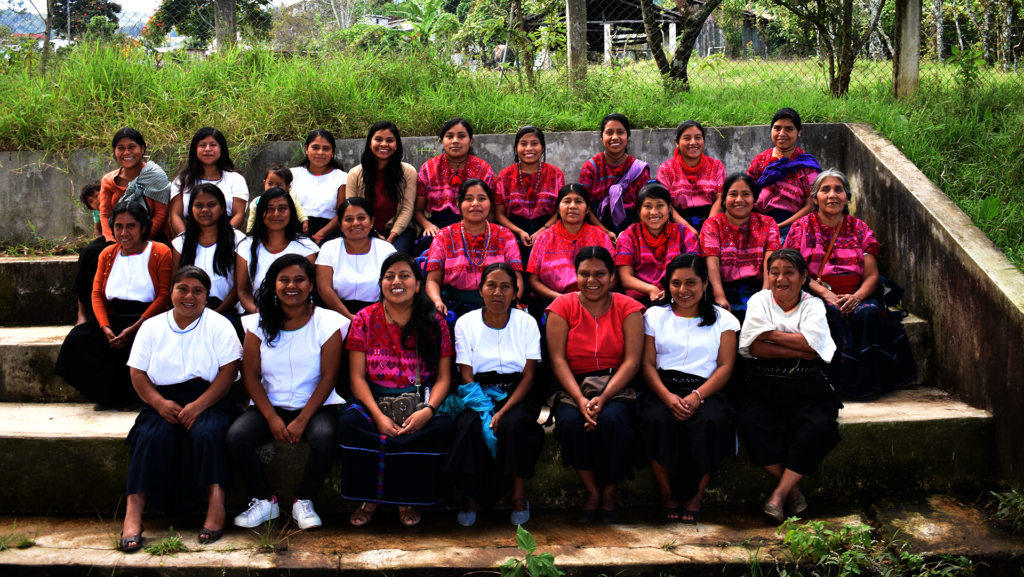
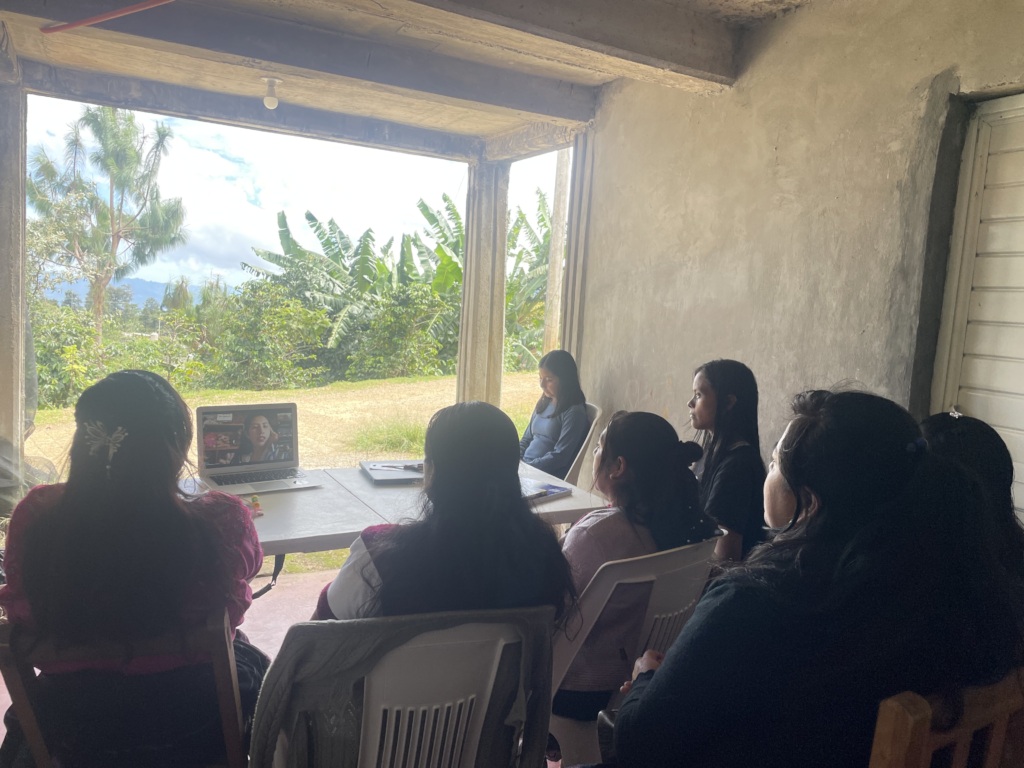
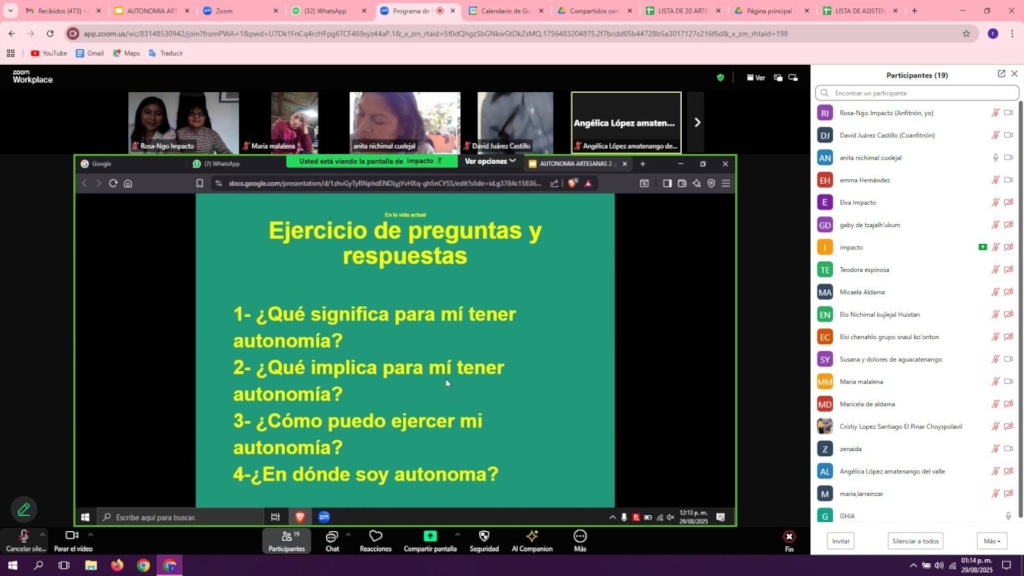
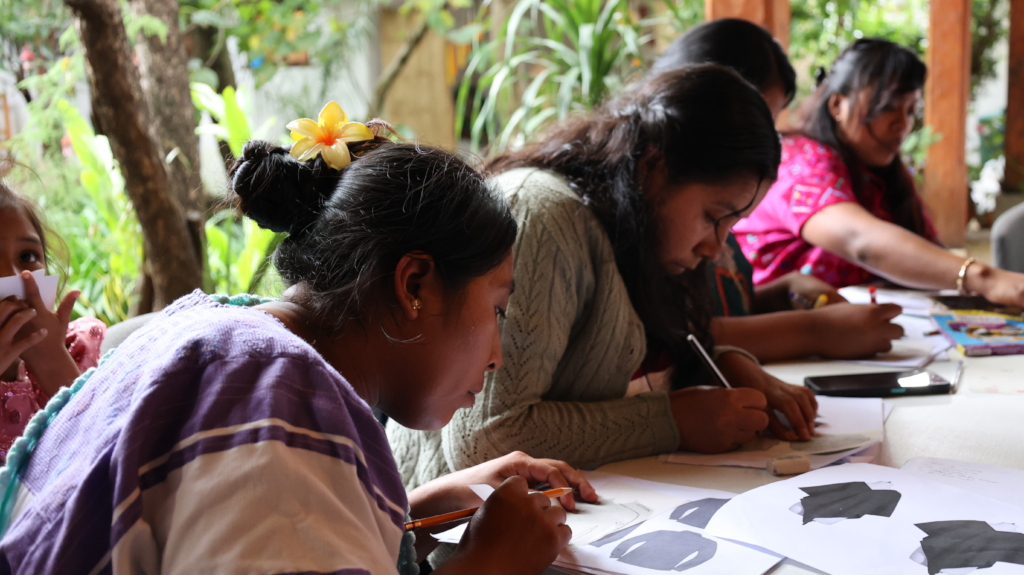
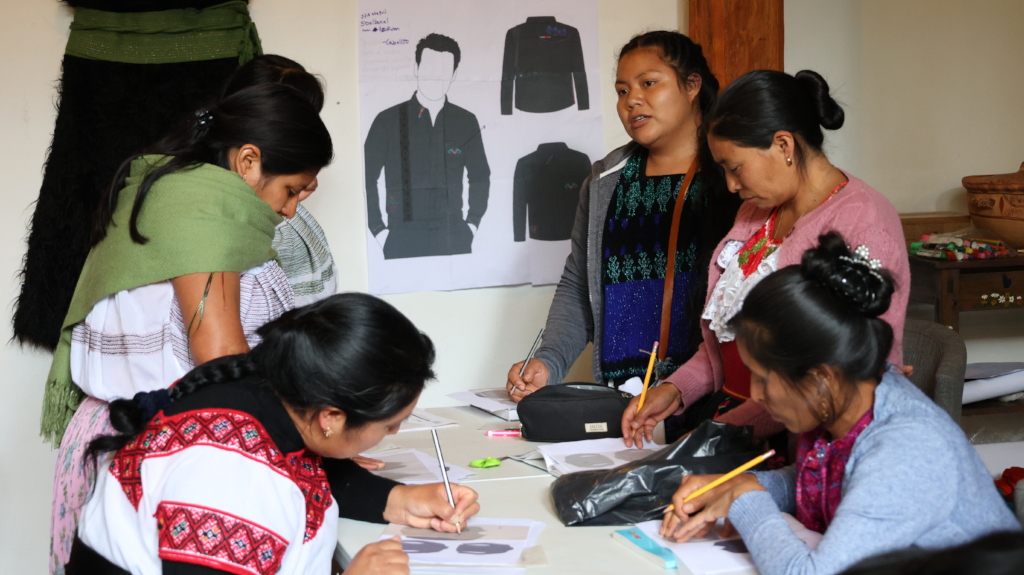
During this first stage —Training and Capacity Building— 18 women from different communities in Los Altos de Chiapas participated. A total of eight online sessions and one in-person session focused on design were held, combining collective and individualized mentorship spaces to strengthen knowledge in key areas such as product innovation, community-based administration, marketing strategies, and digital communication.
To facilitate their participation, educational and technological kits were delivered to 20 participants from communities including Aldama, Santiago El Pinar, Larraínzar, San Juan Cancuc, Huixtán, Venustiano Carranza, Tenejapa, Amatenango del Valle, and Chenalhó. These kits included design materials, stationery, work tools, and technological resources. In addition, Starlink internet connections were installed in Aldama, Aguacatenango, and Tenejapa, and internet service fees were covered for Aguacatenango, reducing the digital gap and ensuring the connectivity needed for the mentorship activities.
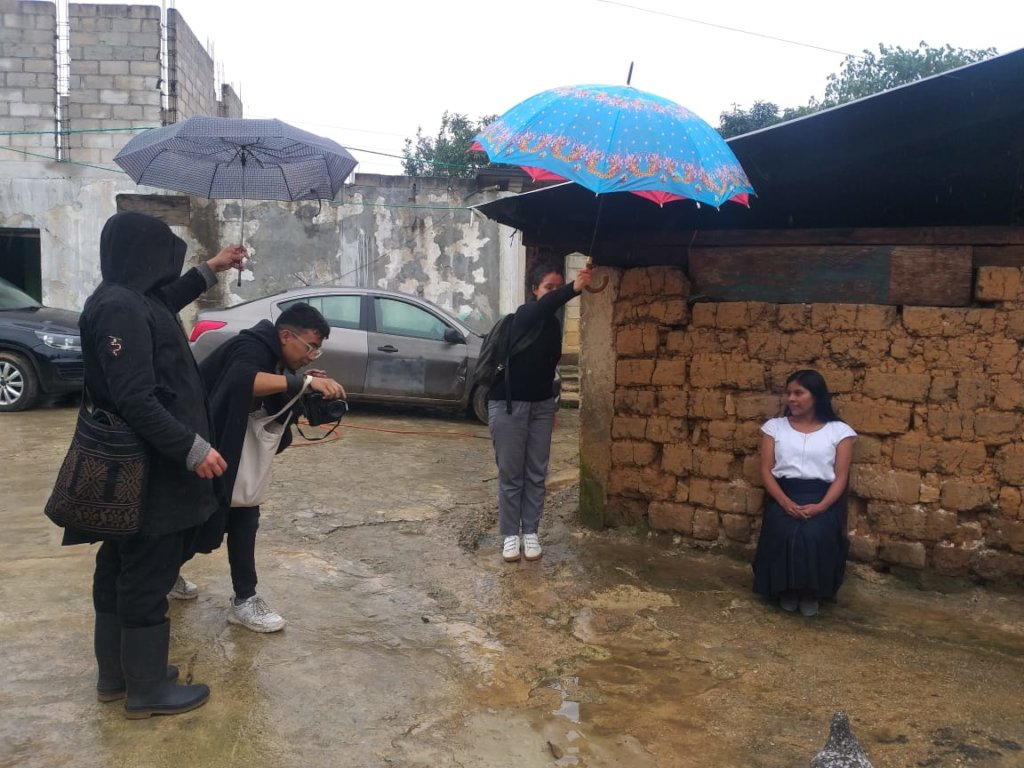
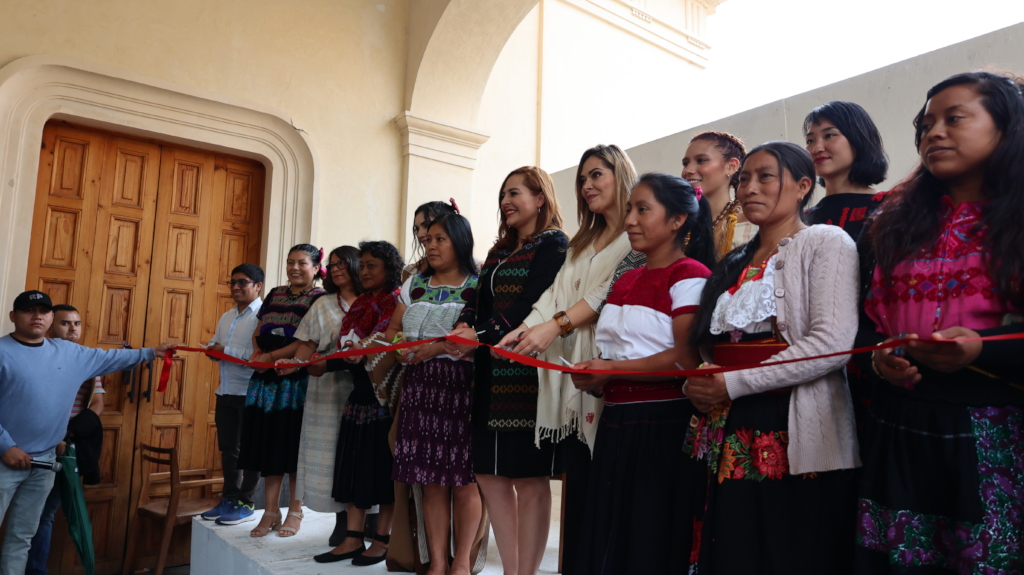
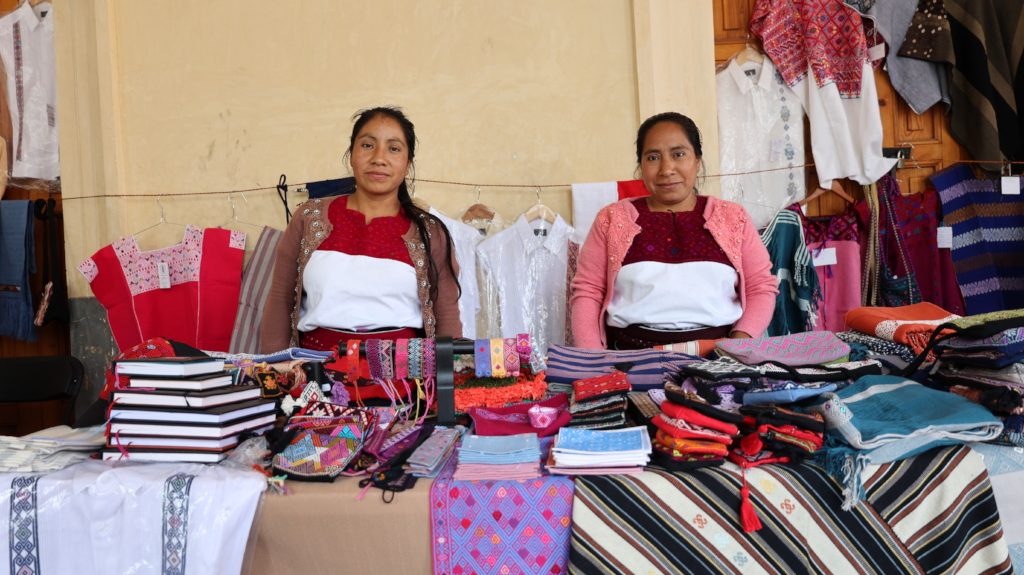
As part of the commercial strengthening strategy, spaces were created for participants to apply the skills and knowledge acquired during the training:
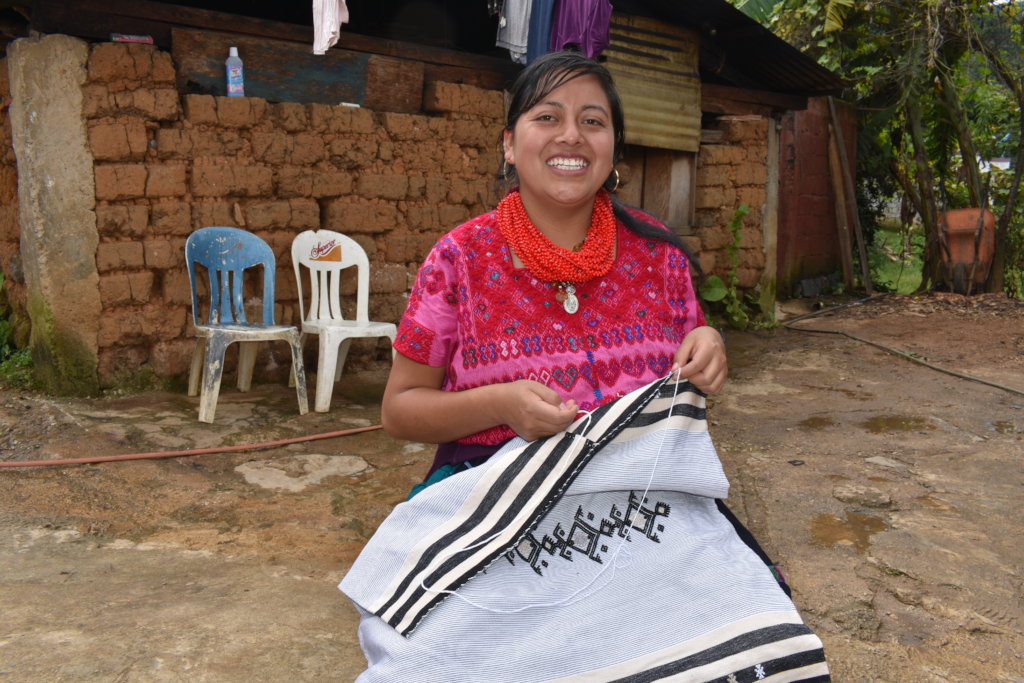
The mentorship process has opened new paths for innovation and community leadership. A group of young participants from one community decided to experiment with new brocade patterns to adapt their textile products to urban markets without losing their symbolic meaning. They presented their proposal in a local market, received positive feedback, and achieved their first sales, strengthening their confidence and entrepreneurial vision.
In the digital sphere, 18 participants received guidance to improve their presence on social media and open new sales channels. As part of this process, several members created accounts on digital platforms, generating their first interactions and direct sales. Additionally, the official account of one of the participating collectives was launched, gaining visibility and beginning to position its collective identity online.
This quarter marked the beginning of a process that combines technical training, organizational strengthening, and market engagement. In the coming months, the program will move into the implementation and market linkage phase, which includes product testing, the consolidation of commercial partnerships, and the exploration of collective financing mechanisms. This model represents a long-term strategy for women-led productive units to become sustainable drivers of development within their communities.
We deeply appreciate the ongoing support of the GlobalGiving community. Thanks to this network of solidarity, participants are accessing new tools, strengthening their skills, and building a pathway toward economic autonomy, collaboration, and dignity for their communities.
Links:
Project reports on GlobalGiving are posted directly to globalgiving.org by Project Leaders as they are completed, generally every 3-4 months. To protect the integrity of these documents, GlobalGiving does not alter them; therefore you may find some language or formatting issues.
If you donate to this project or have donated to this project, you can receive an email when this project posts a report. You can also subscribe for reports without donating.



Support this important cause by creating a personalized fundraising page.
Start a Fundraiser