By Elina Azopoulou | Grants Manager
Still open, still standing beside you
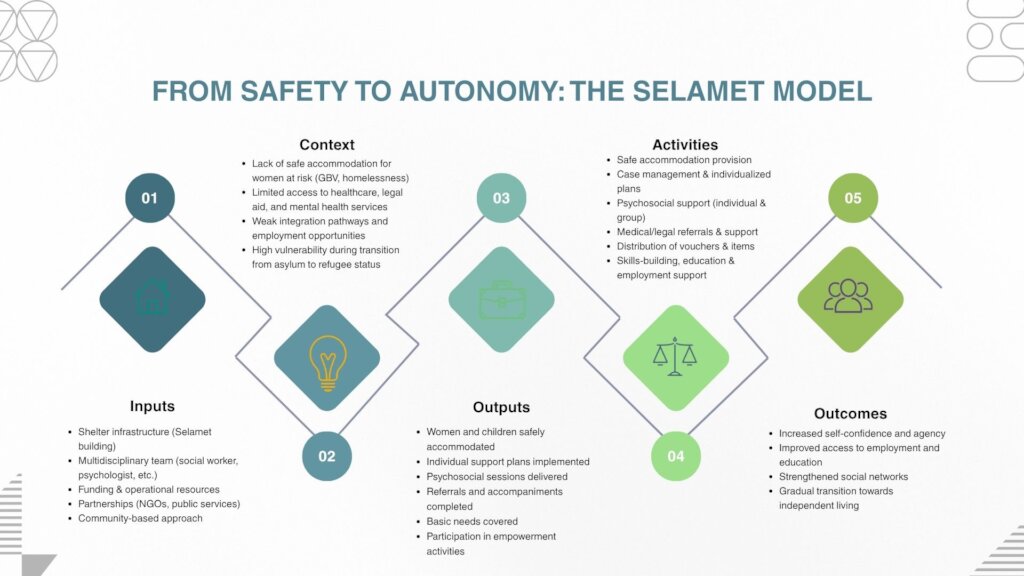
The context has not eased. Access to healthcare, financial support and basic services keeps shrinking, and families still face homelessness in the days after they receive refugee status. Our own resources have been stretched thin. And yet, because of supporters like you, the work continued.
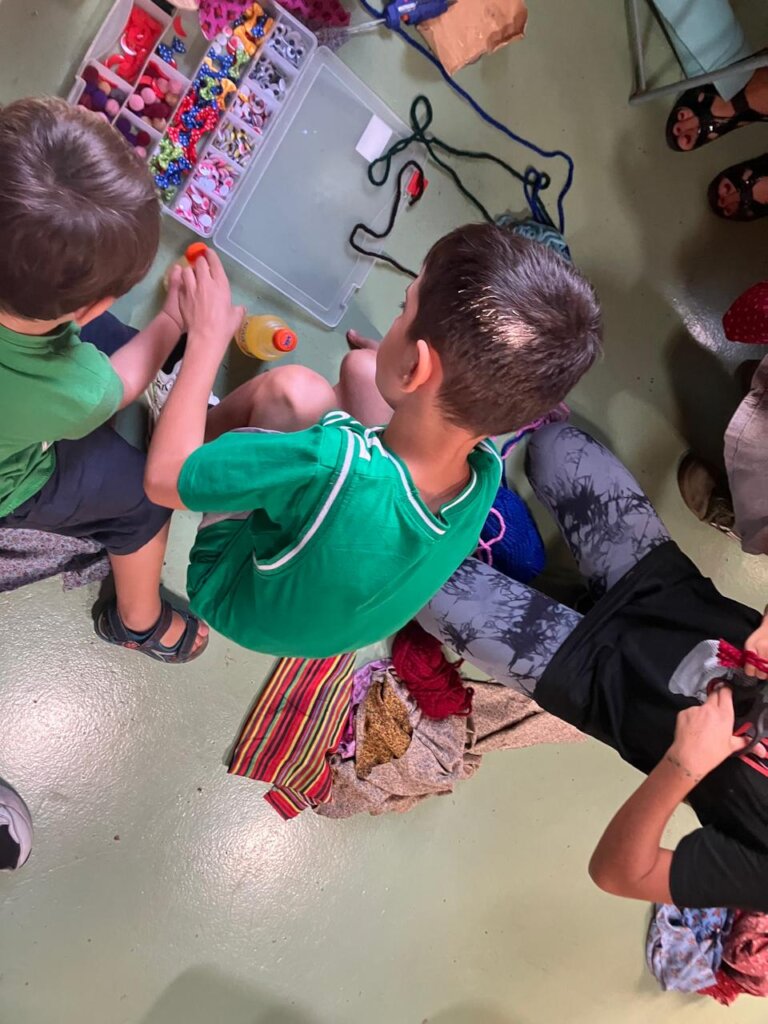
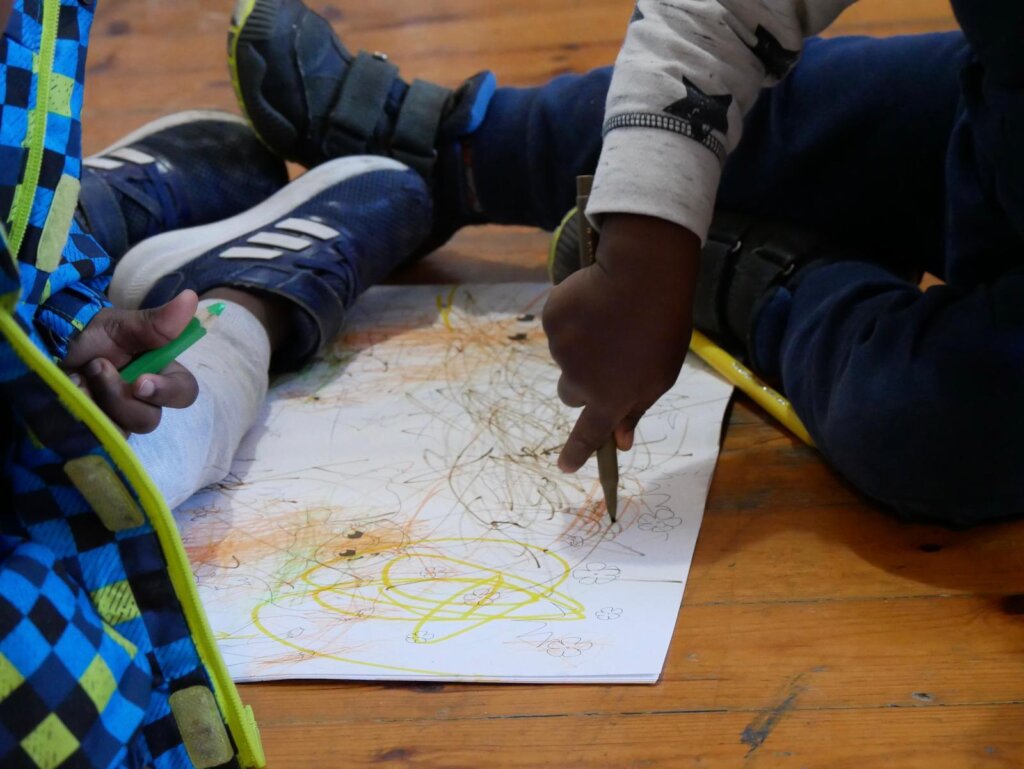
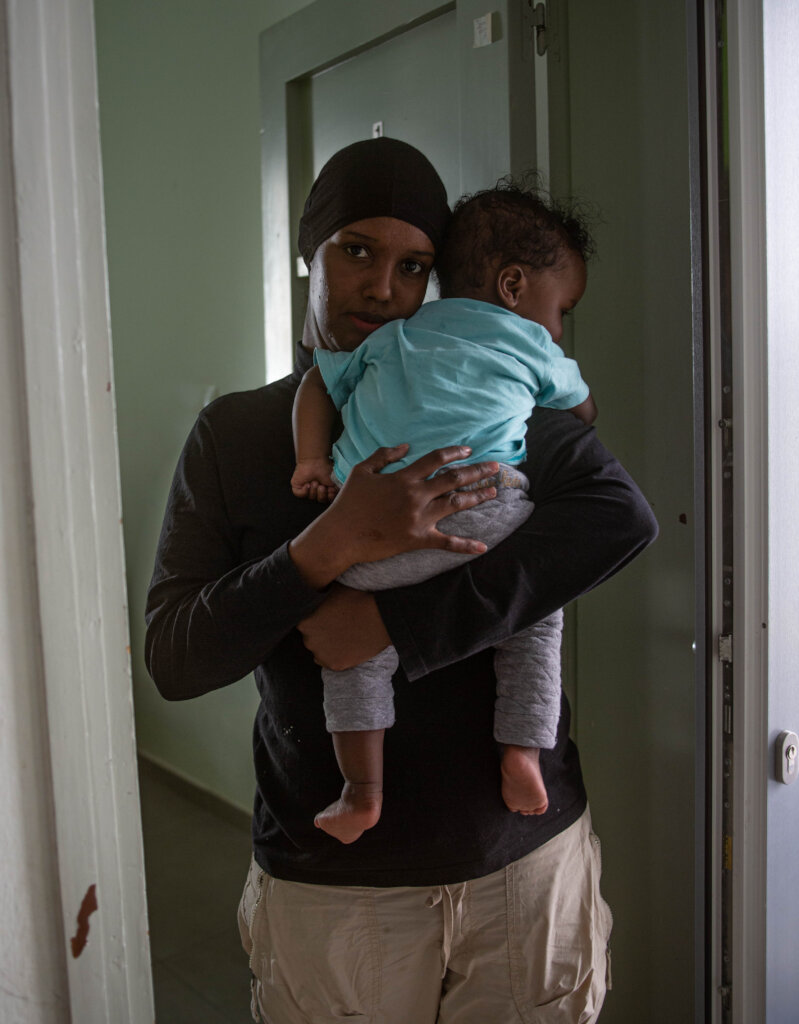
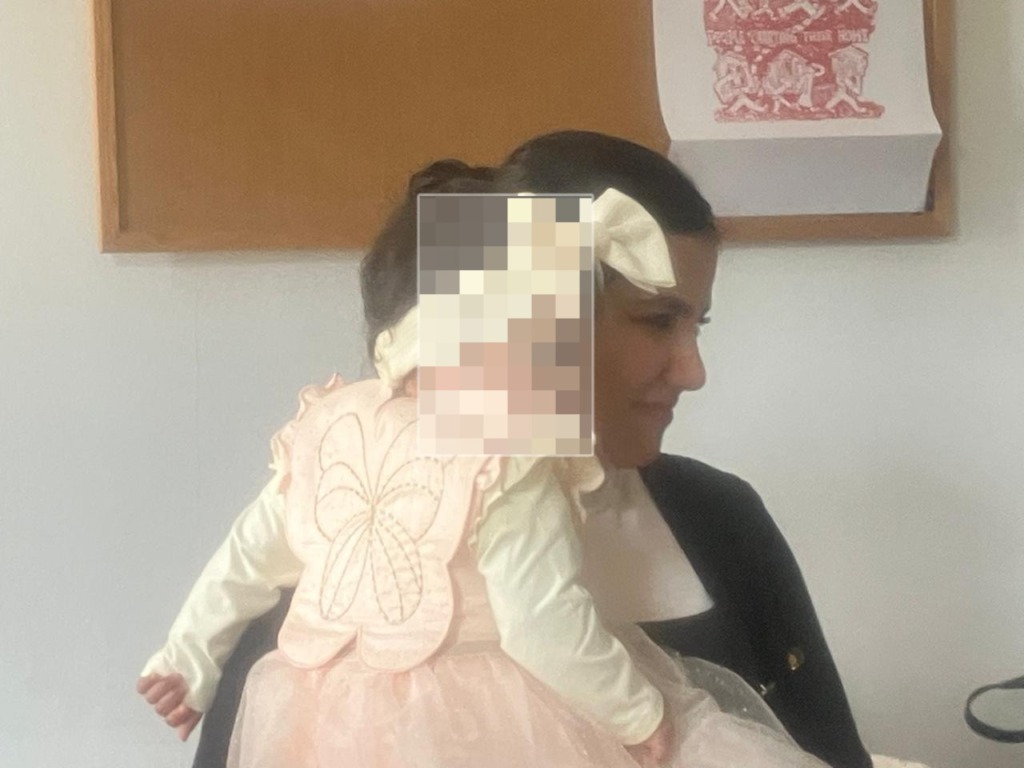
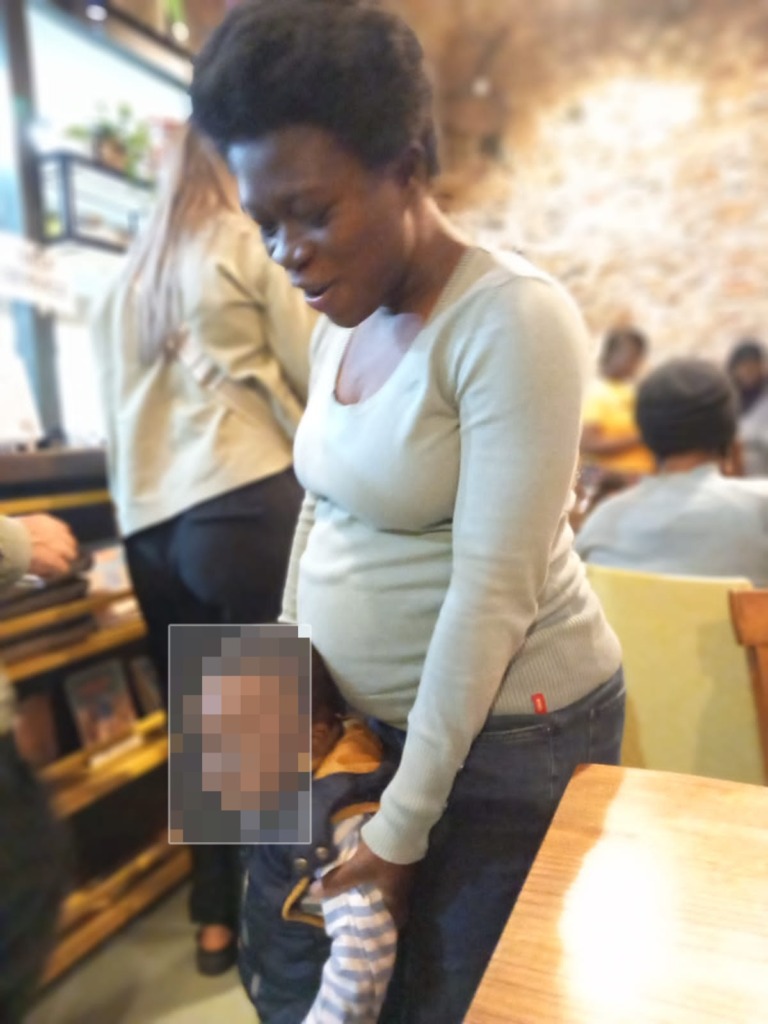
Over these months, 20 women and children found safe accommodation with us, among them 9 children. Housing was only the starting point. We kept care wrapped around each family: access to medical and pharmaceutical care, individual and group sessions for recovery, and accompaniment to hospitals, asylum services and public offices.
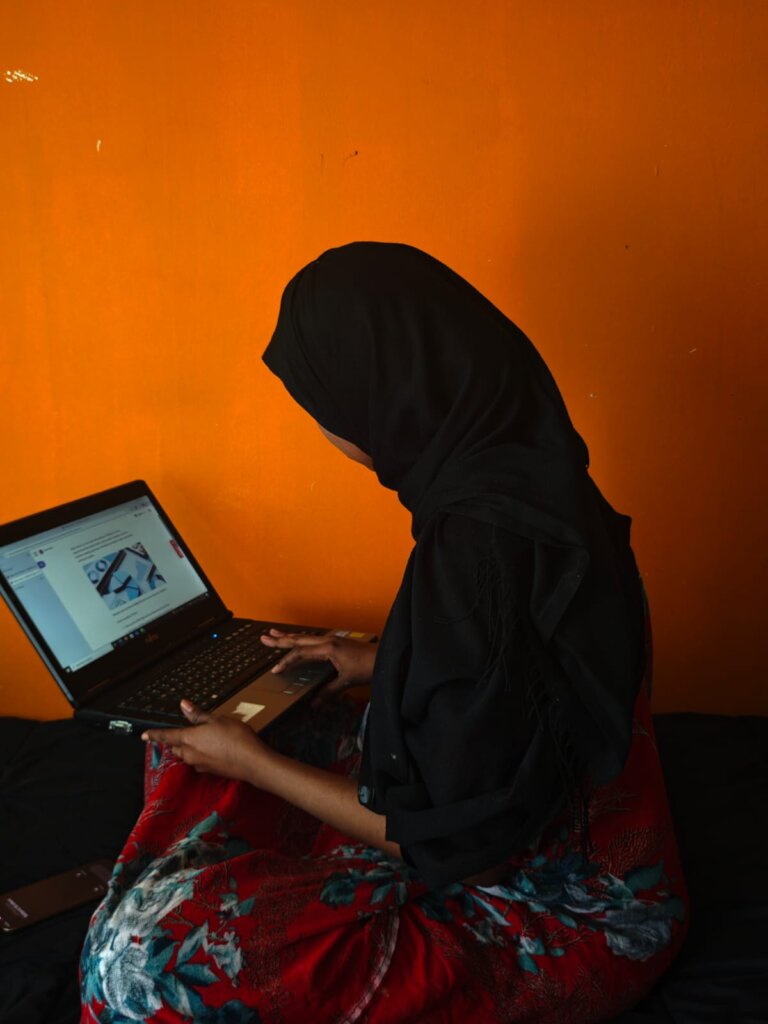
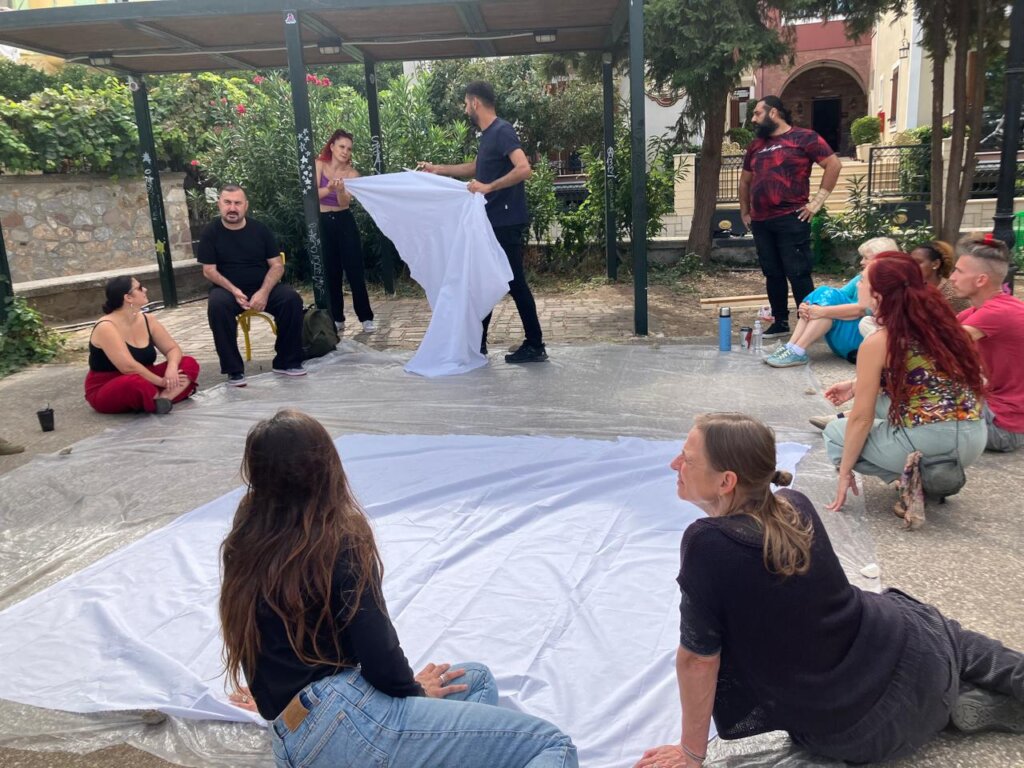
At the heart of this period were our, which bring together three things a woman rebuilding her life needs at the same time: health, work and education. Alongside them, we continued language classes and skills trainings through our Mosaik Support Center, reaching around 45 learners in English and 27 in Greek, together with CV writing and computer skills.
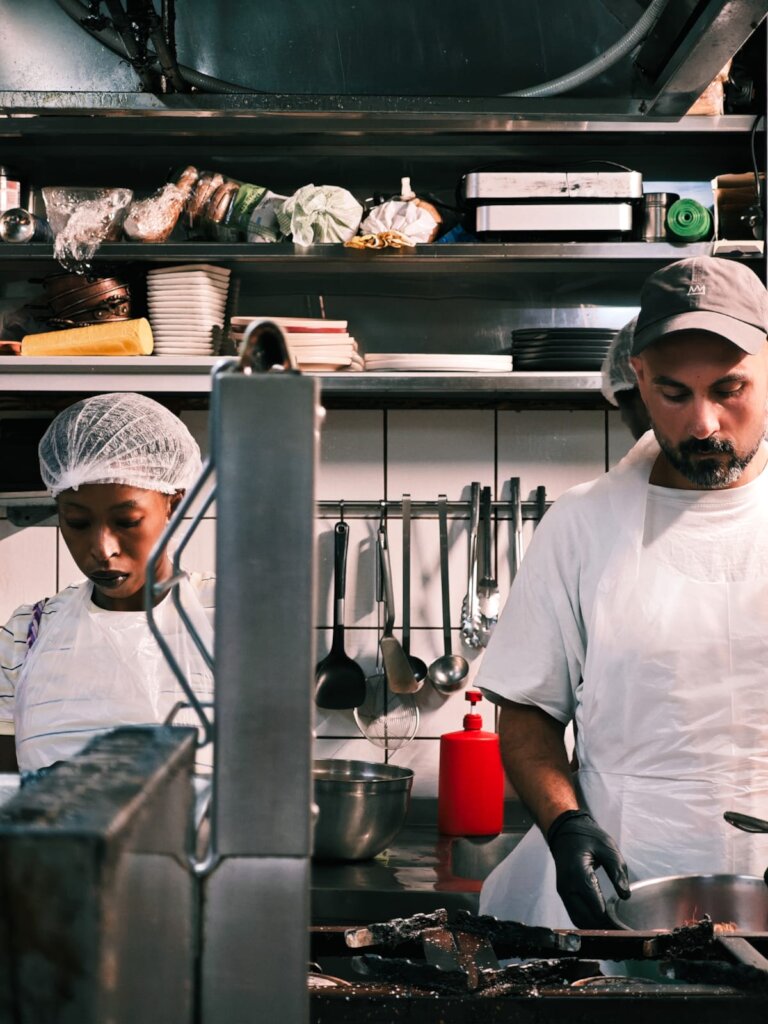
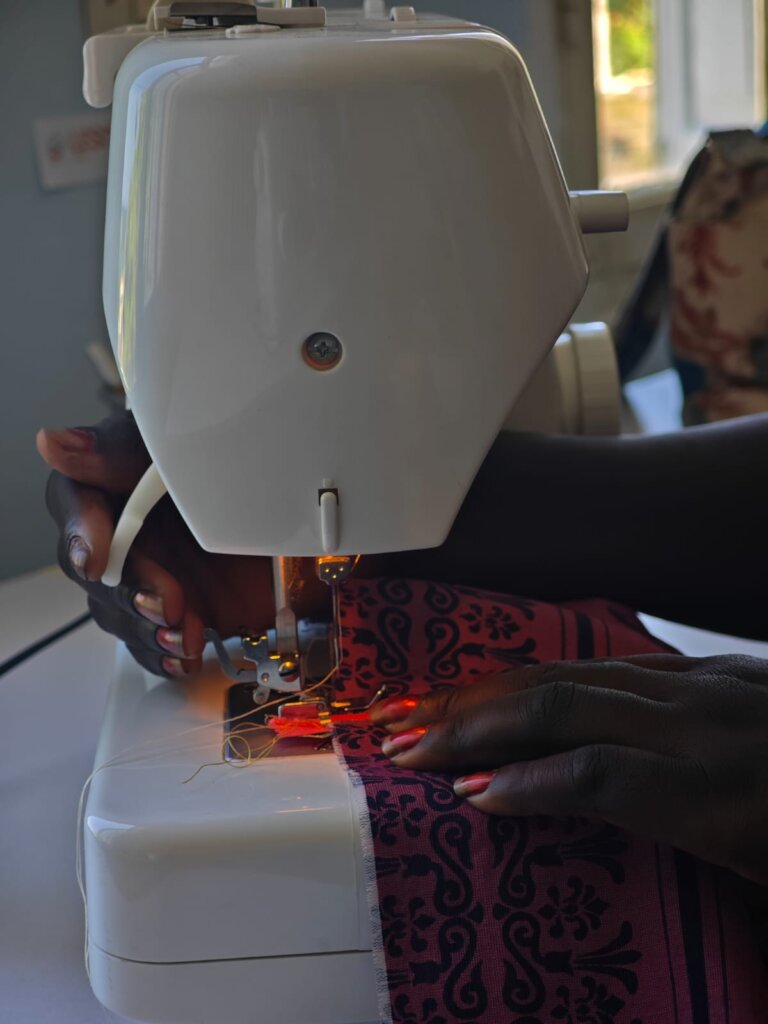
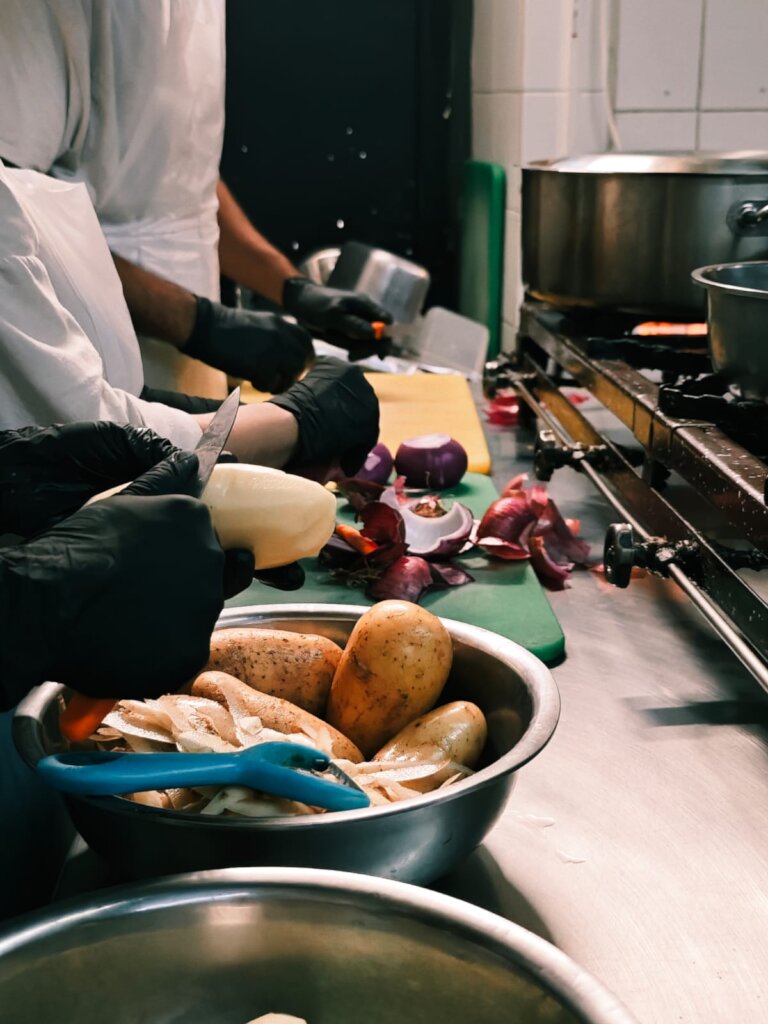
Women also took concrete steps toward employment through hands-on vocational training. In the kitchen, our NAN programme built culinary and hospitality skills, while at the Safe Passage Bags workshop women developed craft and production skills, transforming materials from the refugee journey into design objects. Both open real, practical routes into paid work.
As one woman preparing to move on put it:
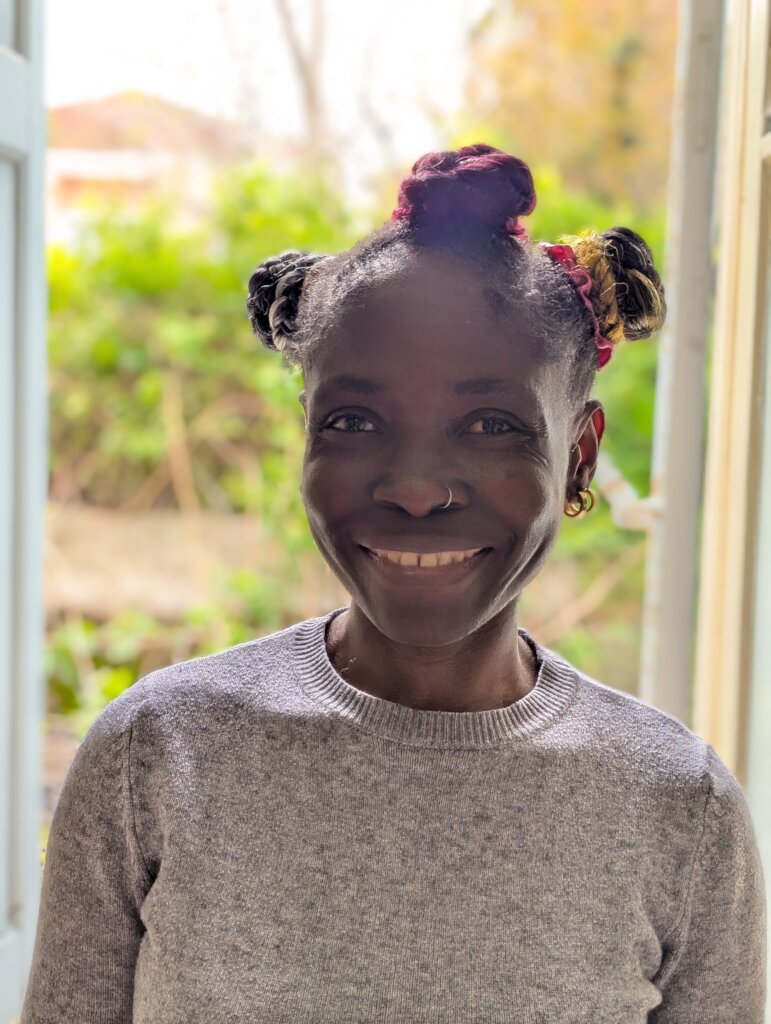
"I am thinking of finding a job, and then a school for my child. After that, my goal is to have my own home, that is my destination and my biggest dream. When I am independent, I want to be able to help other people, to guide those who feel lost and afraid at the beginning, just like I once did."
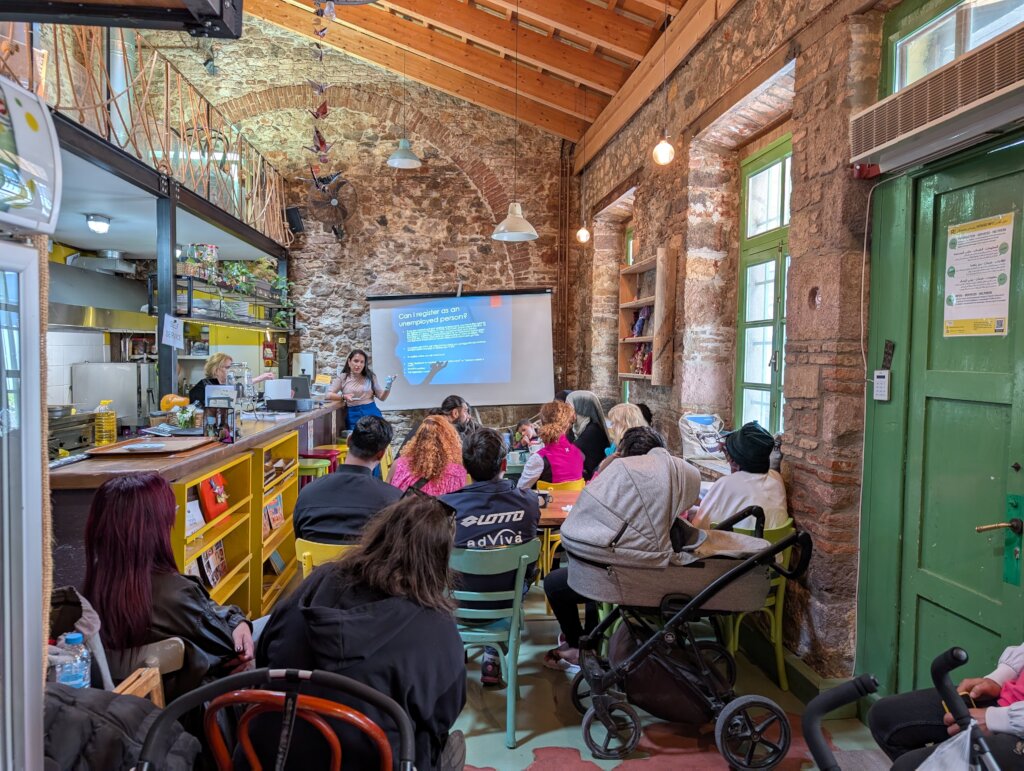
We also focused on something practical and often overlooked: helping women understand their rights at work. Many arrive without knowing what fair employment looks like, which leaves them exposed to exploitation. Through dedicated information sessions on labour rights, women left better equipped to protect themselves and to step into work with confidence.
In the words of one of the women who stayed with us:
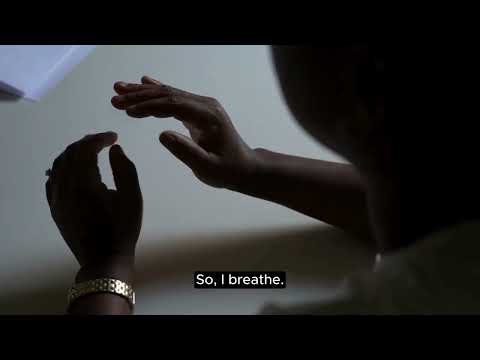
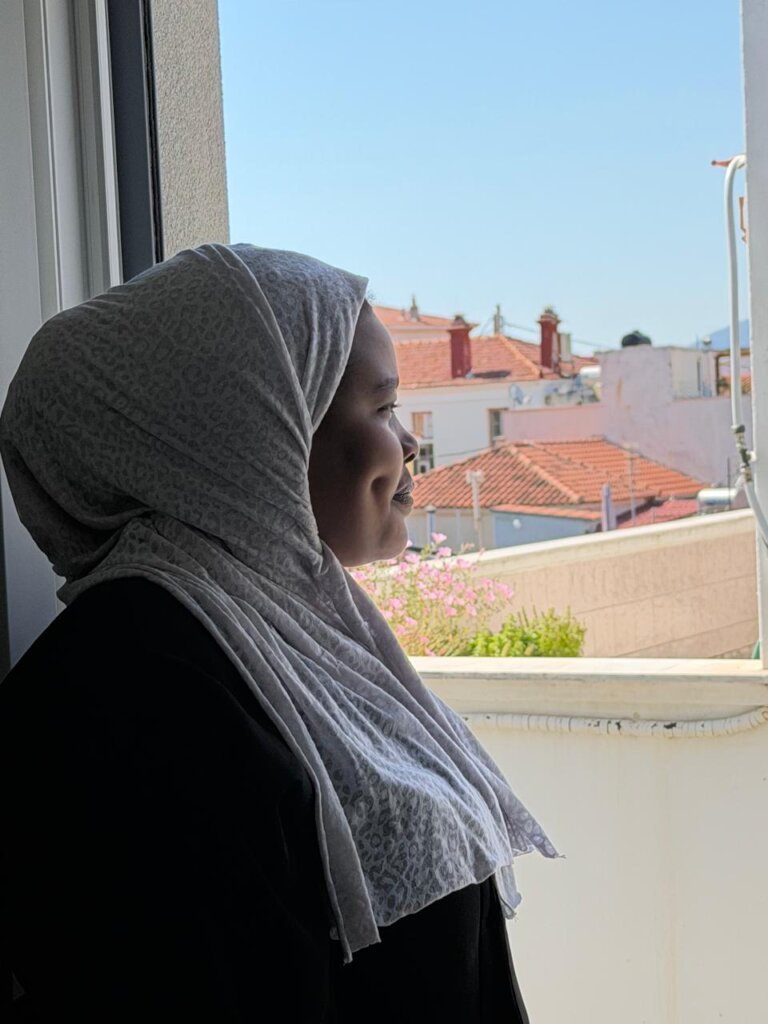
"During my stay, I was able to find calm and put my thoughts in order, about myself, about my child, and about our future. Knowing that my child was in a safe place and had enough to eat allowed me, for the first time in a long while, to truly relax."
"What I appreciated most was the sense of belonging I found in the house. It meant a lot to be in a place where my voice mattered, where people listened with care, and where I felt valued as a person, not just as a guest."
"If it were not for Selamet, I do not know where I would be right now."
Every contribution helps us hold this space open for the next woman who arrives frightened and exhausted, and who needs somewhere to begin again.
Thank you for standing with the women and children of our shelter. You are the reason this pathway, from safety to stability, still exists.
With gratitude, Lesvos Solidarity (LESOL)
By Eleni Agapiou | Comms & FR Coordinator
Project reports on GlobalGiving are posted directly to globalgiving.org by Project Leaders as they are completed, generally every 3-4 months. To protect the integrity of these documents, GlobalGiving does not alter them; therefore you may find some language or formatting issues.
If you donate to this project or have donated to this project, you can receive an email when this project posts a report. You can also subscribe for reports without donating.



Support this important cause by creating a personalized fundraising page.
Start a Fundraiser