![Project Beneficiaries in Manica District]()
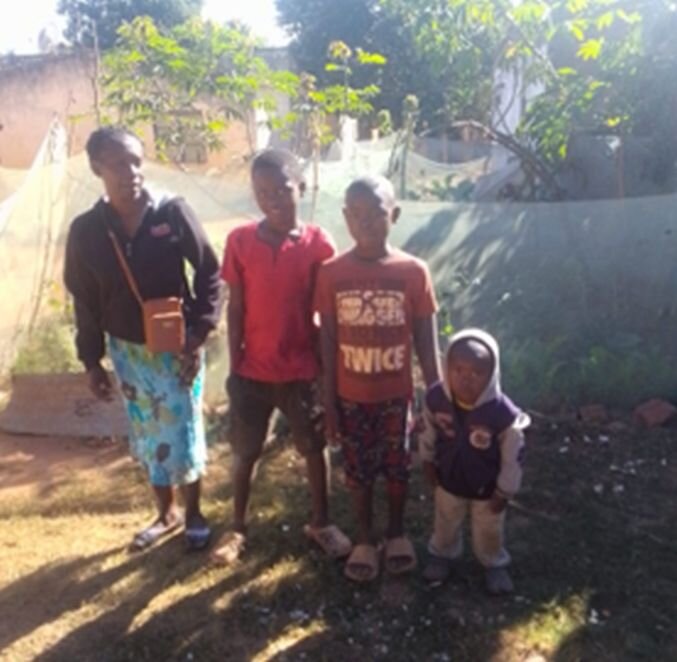
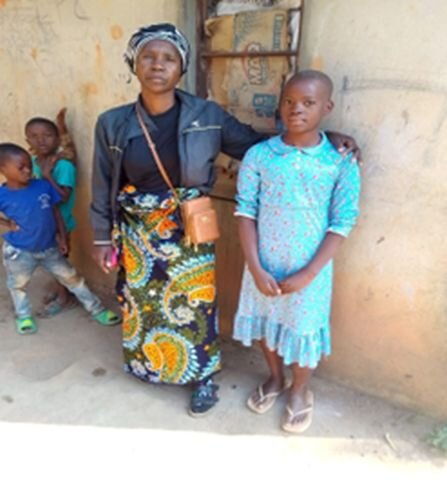
Project Beneficiaries in Manica District
The Associação Nacional Para o Desenvolvimento Auto-sustentado (ANDA) is a Mozambican NGO based in Manica province with the mission of strengthening the resilience of families in need and vulnerable groups through integrated support based on humanism, respect and confidentiality is implementing a Project known as “A Lifeline for Vulnerable Children on the Brink”.
The project aims at Following-up and Reactivating 42 Village Savings and Loan Association (VSLA) groups of 835 HIV+ Orphan and Vulnerable Children (OVC) Caregivers with approximately 2,505 OVC in four districts in Manica Province.
At the moment the project is focusing on only one district, that is Manica District due to limited funds. As funds come in, we hope to reach other districts.
In Manica District, the project has reached out to 11 VSLA Groups with 227 HIV Positive Caregivers and 681 Orphan and Vulnerable Children.
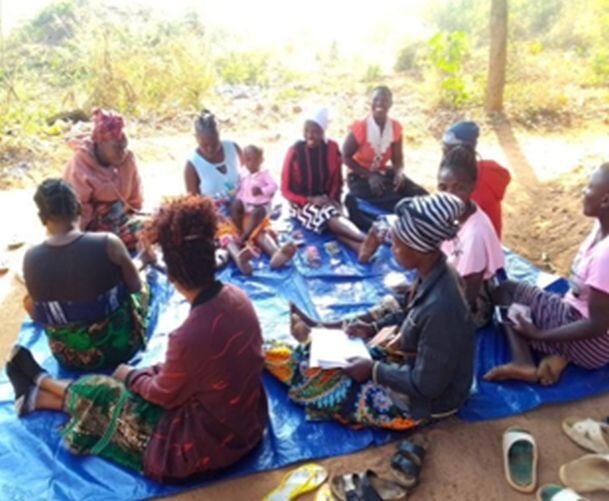
The groups receive sessions conducted by VSLA Facilitators on topics focused on Life Skills, HIV prevention, AIDS Care, treatment adherence, Financial Literacy and home gardening. The project intentions to boost Caregivers' empowerment to improve and maintain care of the OVC.
KEY ACTIVITIES CARRIED OUT
1. Monitoring of VSLA groups
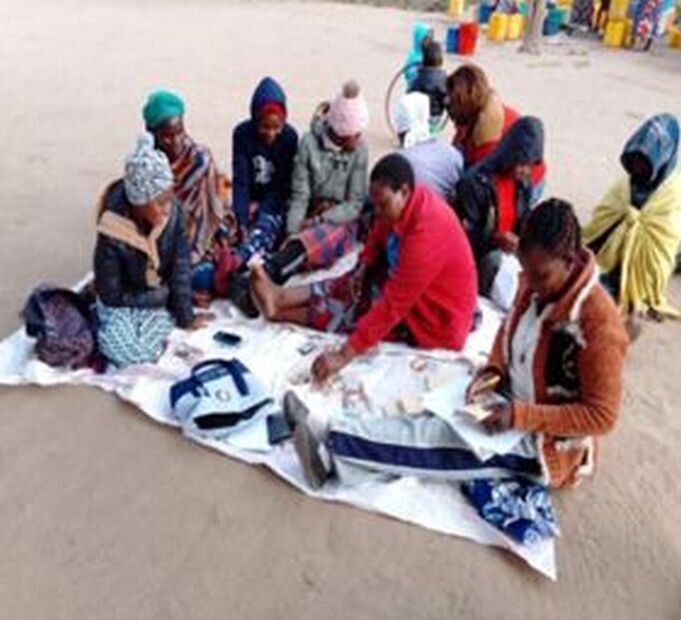
In monitoring the savings groups, it was noted that group members are actively participating, and the facilitators reported that some groups are at the end of their cycle. In September, one group shared its funds, and other groups are scheduled to close their cycle in November and December, sharing their funds to continue their businesses.
The members are grateful for their participation in these groups, as it greatly helps them to improve their businesses and their family income, since they have the possibility of taking out loans and expanding their businesses.
Mr. João (not his real name) told us that he has already bought land with his savings and at the end of this cycle he intends to start construction. He is happy with the initiative, and his business is being boosted by it.
2. Visits to families who are members of VSLA groups
During implementation, visits were made to families, where we talked to caregivers who spoke about ANDA's support and efforts to keep VSLA groups functioning and monitoring them.
The families also reported that the children are in good health, as the facilitators have reminded them of the need to go to the health center for consultations and to collect medication for the children.
During these visits to families, awareness was raised about serostatus and the importance of continuing medication for children.
One example was the Silva family, where of the three children in the family, two are well, with negative serostatus, and one, aged three, is on ART and being monitored at the health center.
The mother was encouraged to continue monitoring her daughter so that she does not miss medical appointments or fail to administer the correct dosage of medication to the child, which the mother is doing successfully.
In the Estevão family, there are two children, both of whom are on ART. The oldest is 15 years old (and was absent at the time of the visit), but the mother informed us that he has no problem taking his medication, continues to study, and is in the 9th grade. However, the younger girl is 13 years old and attends 8th grade, and has serious problems taking her medication.
During the period of monitoring medication intake, both the girl and her mother were made aware of the importance of taking medication correctly.
The project facilitator held separate meetings with the girl to explain the advantages of adhering to treatment and taking medication correctly, including the importance of having a suppressed viral load.
The girl is now compliant, as she has become aware of the importance of continuing treatment.
3. Monitoring the businesses of group members
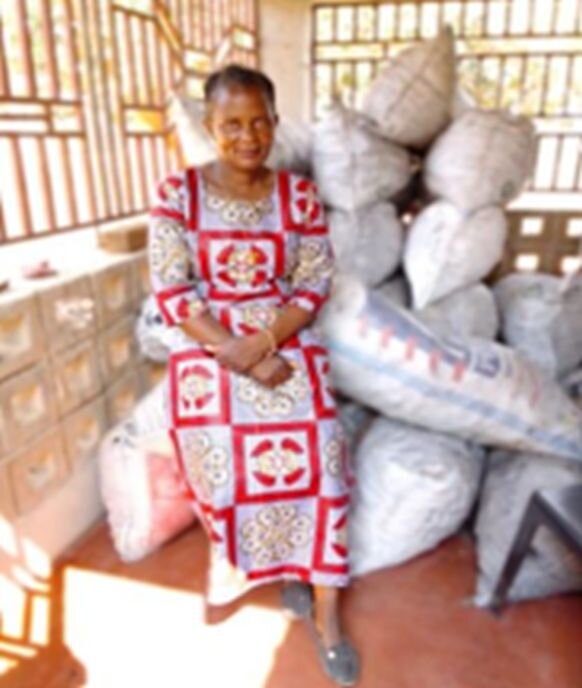
We visited the families' income-generating activities/businesses, where we saw that each family does business according to their capabilities, such as wheat flour cakes, charcoal sales, capulana orders, among others.
Next steps
- Integrate e/or refer eligible vulnerable families into the Project RISE-OVC (Life-Saving Project) to continue receiving specific health support from ANDA for the well-being of children.
- Continue to raise awareness among families to use savings to support their children's education and health-related issues.
- Encourage families to continue developing their businesses in order to increase family income.
![Project Beneficiaries in Manica District]()
Project Beneficiaries in Manica District
![VSLA Group in Manica District]()
VSLA Group in Manica District
![VSLA Group in Manica District]()
VSLA Group in Manica District
![Beneficiaries display her business Product]()
Beneficiaries display her business Product
Attachments:
![Share on Twitter]()
![Share on Facebook]()