With a camera in hand, Australian filmmaker Brodie Hopkins sits with the highs and lows of communities quietly transforming their world.
He begins in places few people would think to go: a river island in India, a refugee camp in Malawi, the frozen highlands of northern Nepal. He travels to remote classrooms, village meetings, and community projects, following the work quietly unfolding around him.
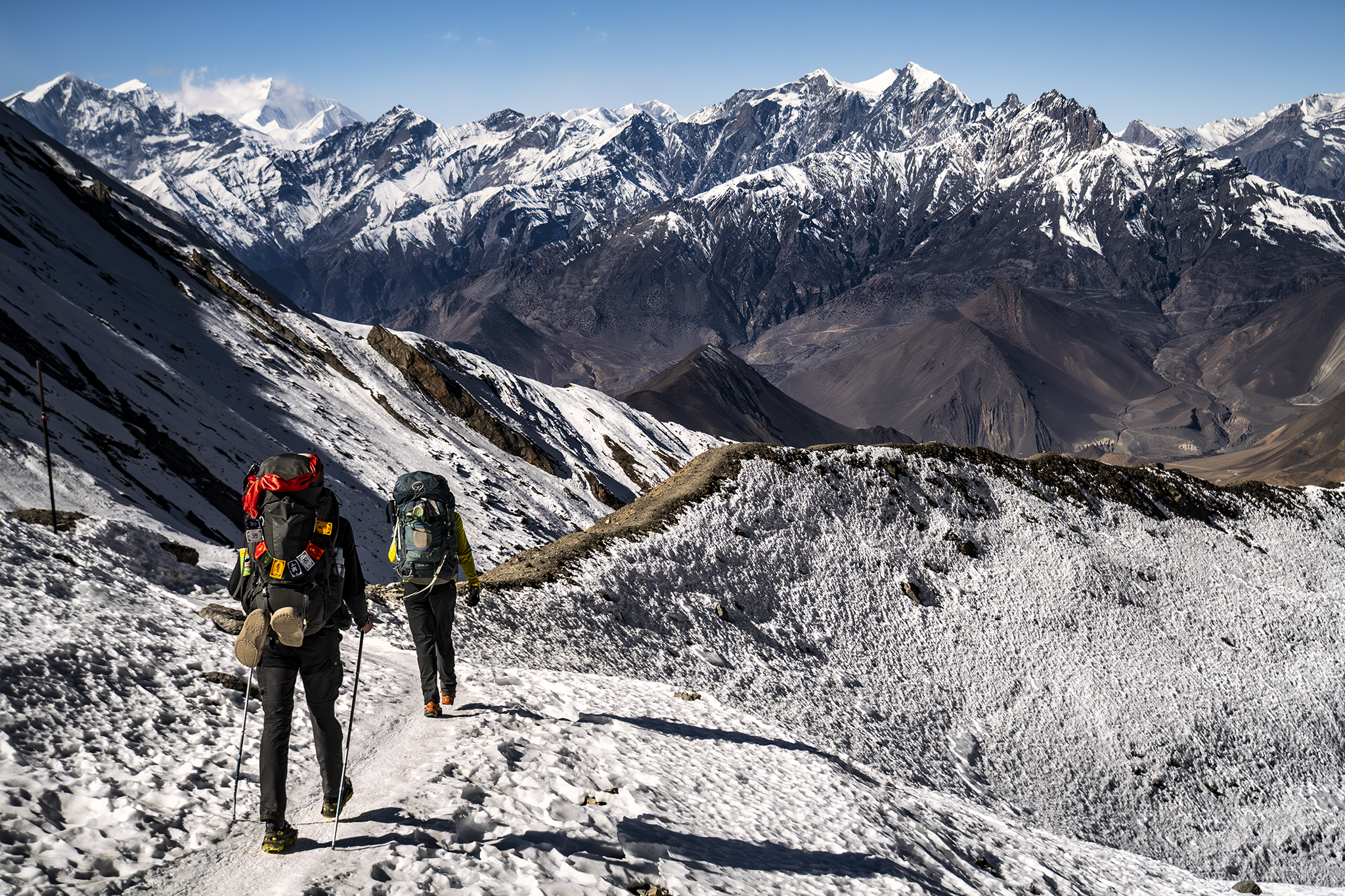
Brodie Hopkins travels far, high, and low looking for breadcrumbs of change, for solutions rising from places people seldom look.
“It’s an amazing way to explore the world and meet the most passionate, dedicated people, and to see things you wouldn’t otherwise see,” he says.
“The motivation is still fairly selfish. I deeply enjoy what I do.”
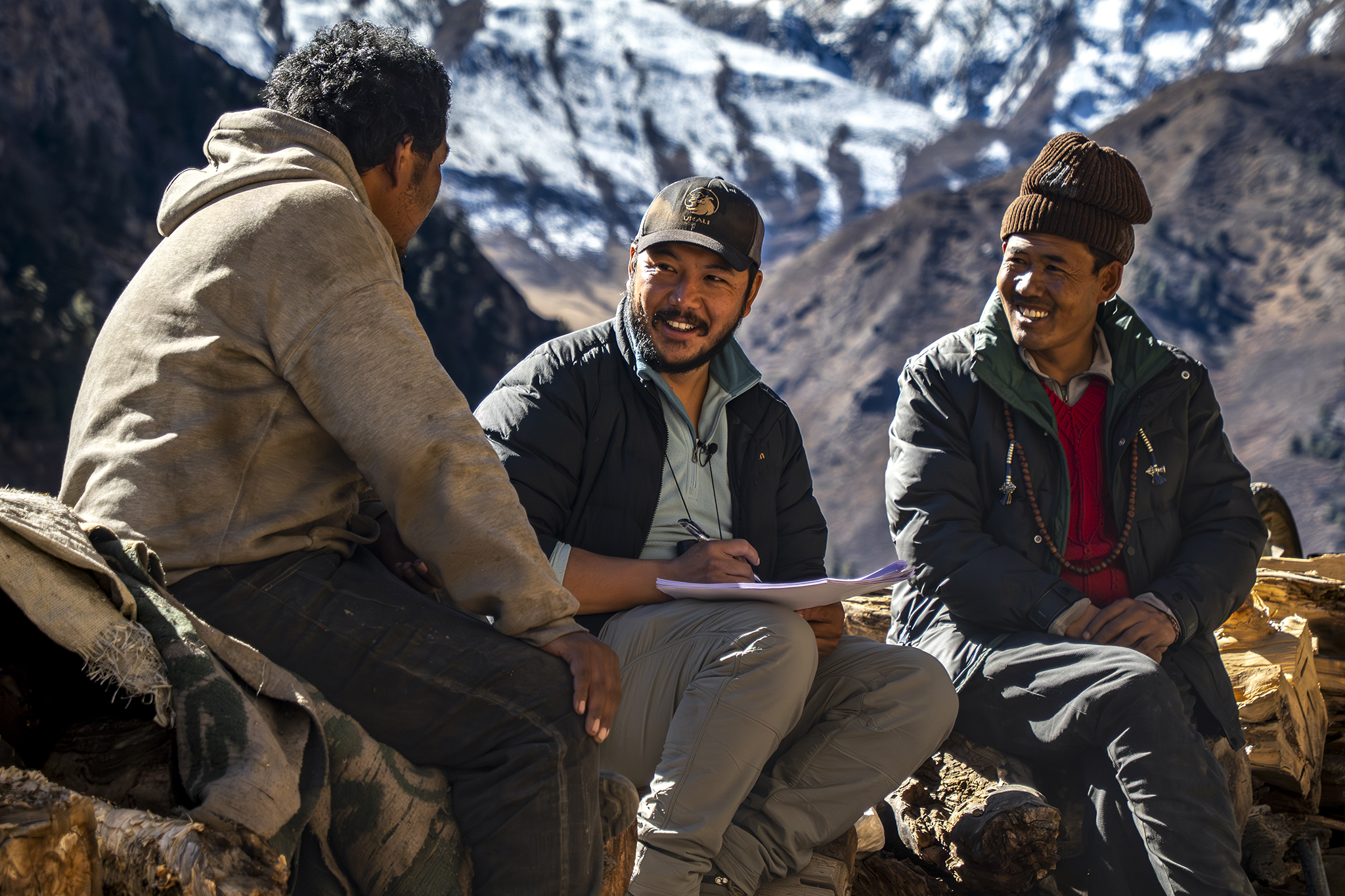
Travel connects Brodie with passionate local leader.
He remembers one time in Nhyam, a Nepali village consisting of three houses, reachable only by six hours in a jeep and another hour on foot. No electricity, no running water, fully self-sufficient, and miles from anything except the jagged, snow-capped peaks that rise in every direction.
“We stopped at one house for a chat, and were quickly served a glass of warm, sweetened yak milk. A few moments later, another member of the household appears with a single bottle of Coca-Cola, clearly being saved for a special occasion that had just arrived.”
“I try to stress that I’m quite content with my yak milk, and that I can get a glass of coke anywhere else on earth, but even if we shared a language, my protestations would’ve been soundly ignored,” Brodie said.
“And so I sit, alternating between my drinks, wondering how on earth I’ve ended up here.”
Before each trip, Brodie often starts the same way: moving between dozens of online project pages, looking for work that feels rooted and human. Many of those searches lead him to organizations on GlobalGiving, and a loaded web browser with dozens of opened tabs.
One page, a project caring for coral reefs in the island of Gili Trawangen. Another, a nonprofit hosting a massive annual festival at the world’s largest refugee camp. Moving between the pages, Brodie is looking for a resonance that moves him to the next place.
The organizations that stand out often feel like a community themselves.
“These are some of the most welcoming workplaces I’ve ever experienced,” he says. “They make you feel like part of the family.”
He recalls one in particular: A nonprofit supporting the deaf and disabled community in Zimbabwe: Nzeve Deaf Center.
Days before traveling to meet them, Brodie contracted malaria in the capital and was confined to a hotel room for a week. The organization’s director checked in daily: offering help, local connections, and flexibility, and ultimately rearranging an entire week so the visit could still happen.
When he did arrive, he followed the work wherever it was happening: sign language schools where deaf children learn alongside their parents; occupational therapy programs for children with physical disabilities, and remote villages where community meetings help identify where support is most needed.
In one such community meeting, neighbors returned not just with ideas, but with materials. Wood. Concrete. Tools. Together, they built a wheelchair-accessible toilet for a young girl in the community.
Every supply donated, every hand involved.
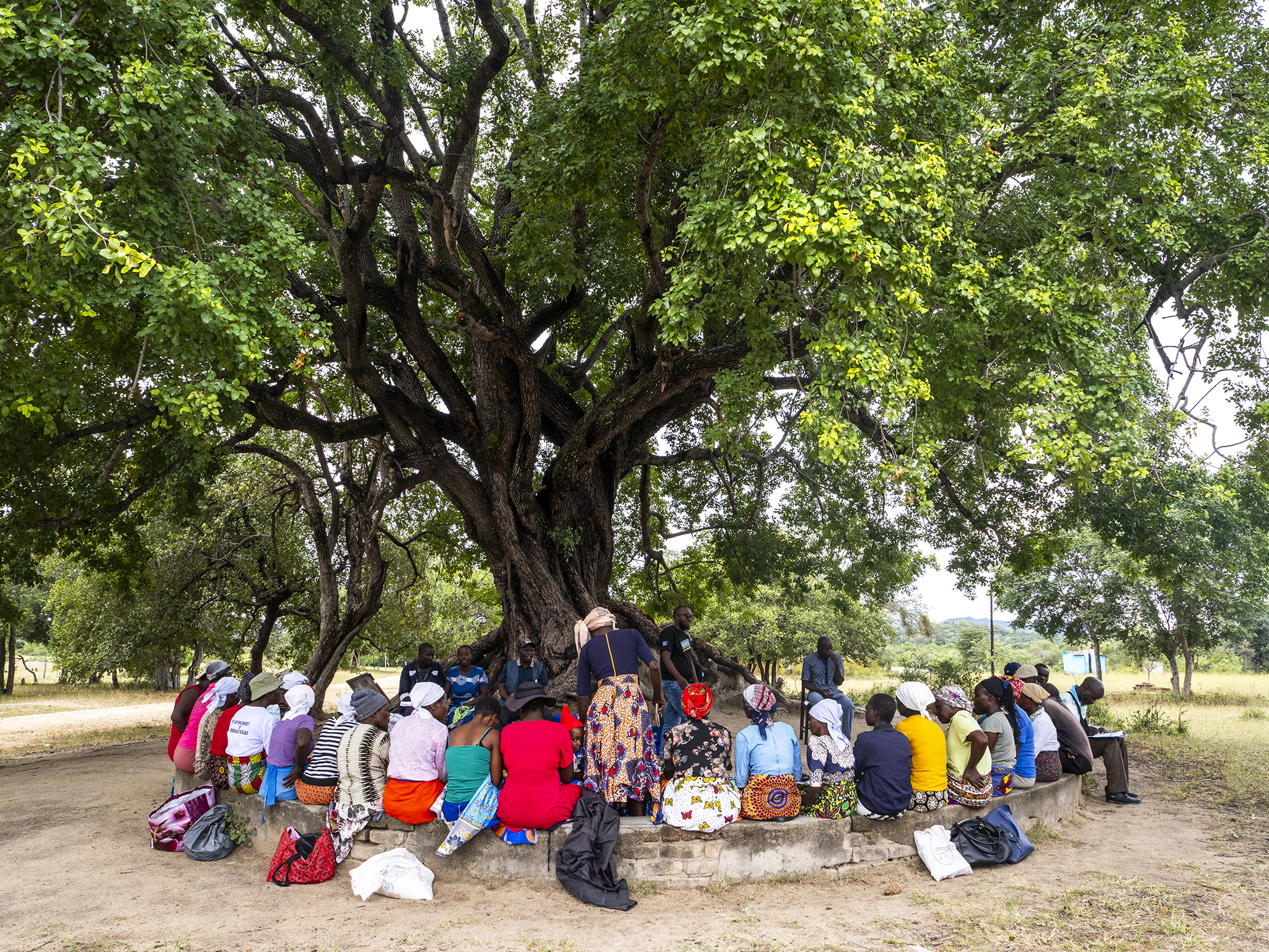
A community meeting unfolds underneath a tree
“It was beautiful to see the way the organization listened to the needs of the community, and then rather than tackling the issue alone, they worked to facilitate a community-led response,” Brodie said.
At the heart of Brodie’s films are the people themselves—complex, passionate, often too busy doing the work to promote it.
“They typically aren’t the kind of people who want to spend all day talking about themselves,” Brodie said. Their focus is often on what lies ahead: the everyday, the knock at the door, the countless tasks that keep programs humming along.
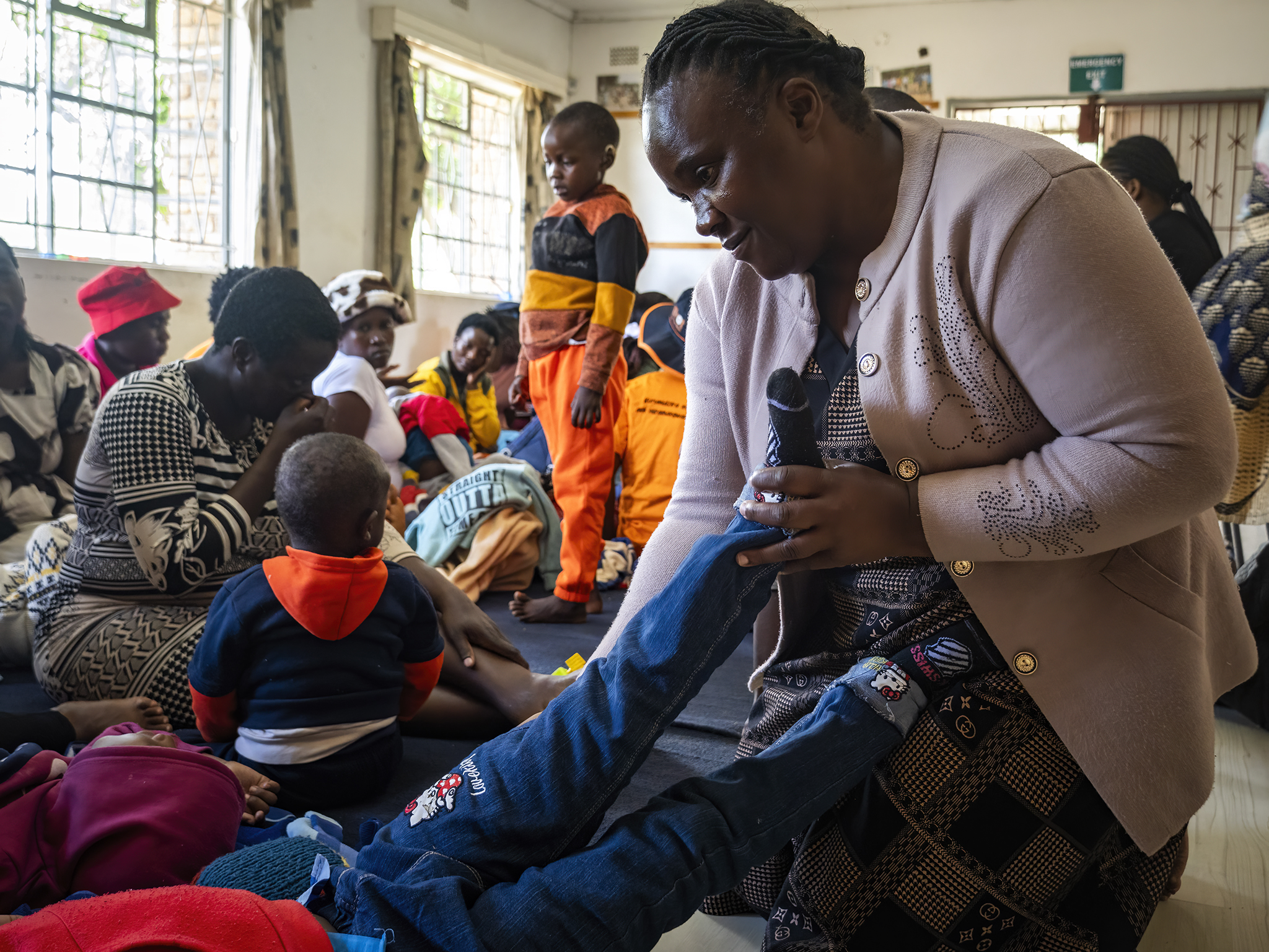
An Occupational Therapist at the Nzeve center cares for a child with a disability.
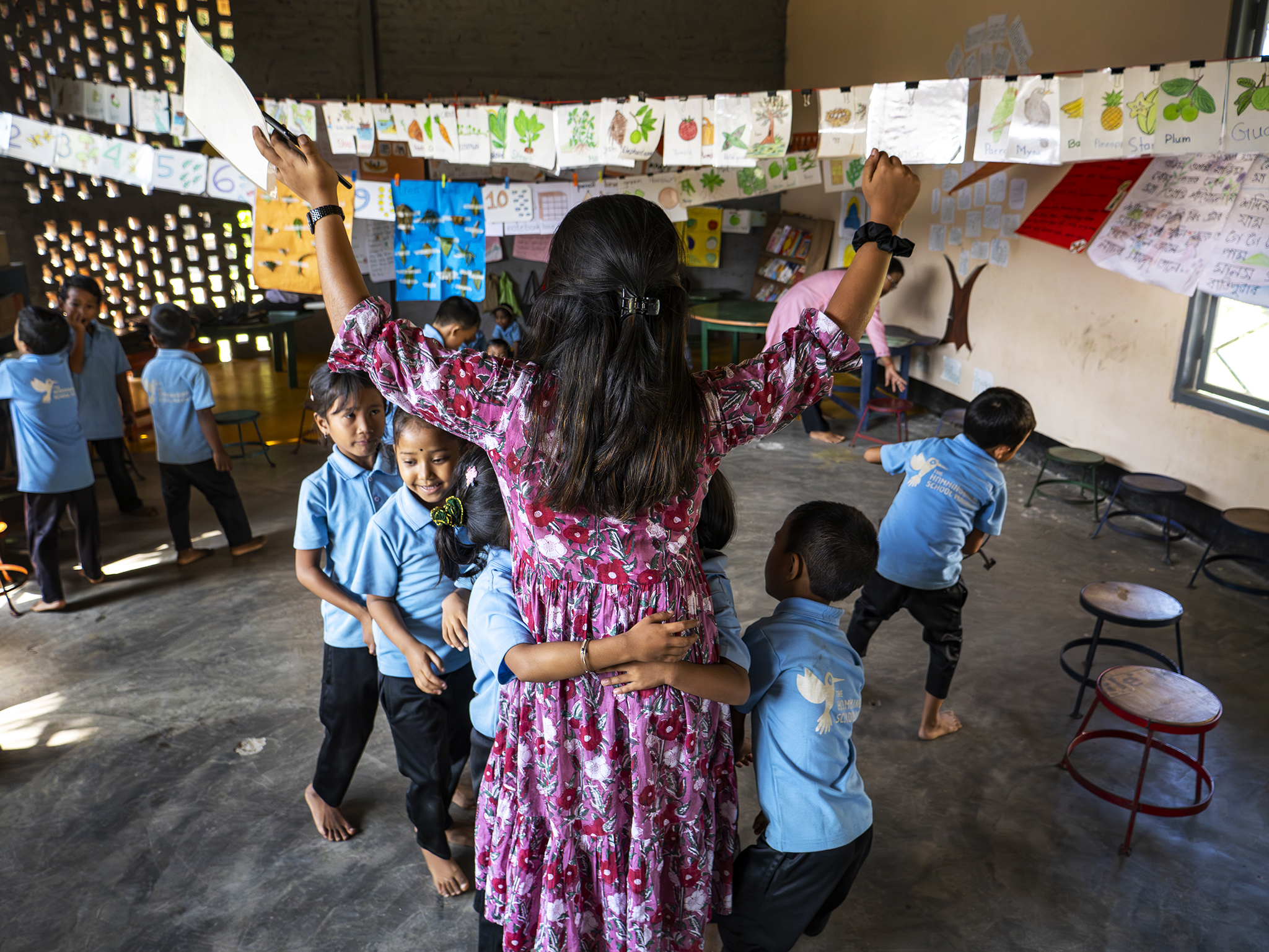
A teacher, Priyanka Choudhury, and students welcome a day of learning and connection at the Hummingbird School in India.
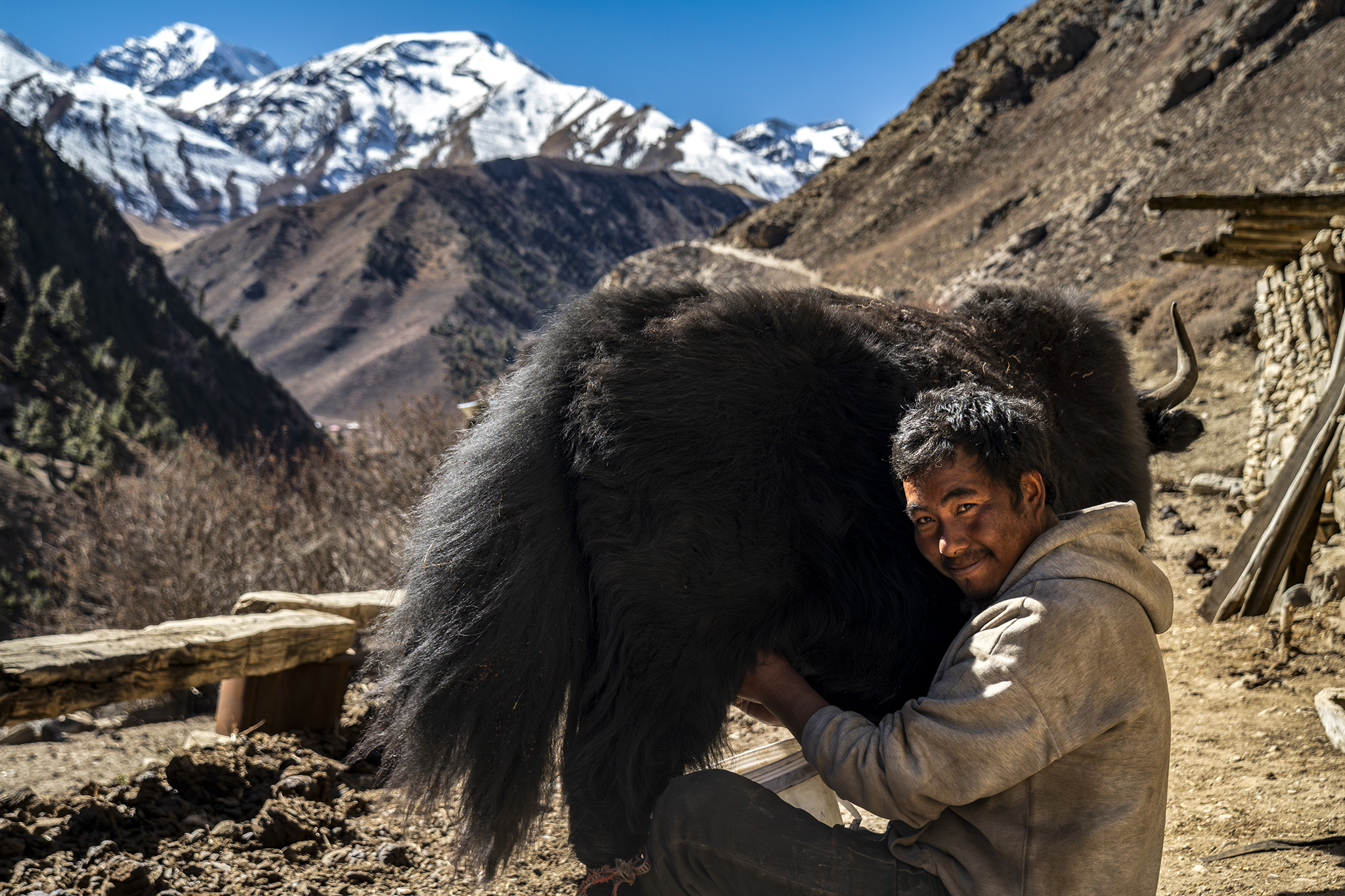
A Yak is milked, not a spreadsheet in sight!
Off the coast of Tanzania, local communities work to restore critical mangrove habitats. On a river island in India, the Hummingbird School infuses new life and opportunity into children’s lives. In Kenya’s slums, The Ayiera Initiative brings joy and laughter to one of the harshest places to grow up. And Brodie has been right there for a moment of their journey, capturing what he can with the hope that the result will ripple far and wide.
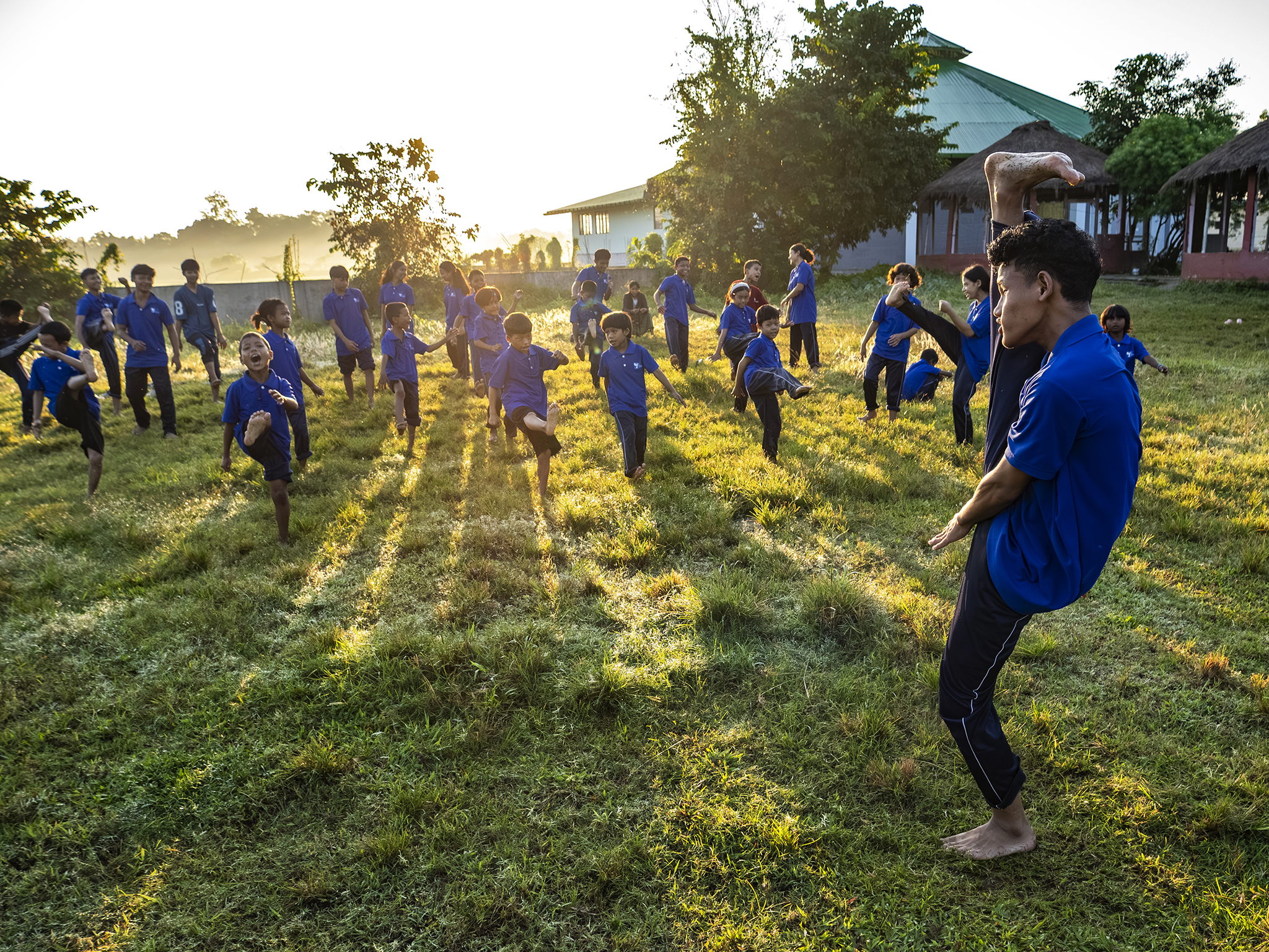
Sun shines on fresh grass and smiling children at the Hummingbird School
Brodie films quietly, following each moment as it unfolds. Every scene he captures is a way to honor the people and communities giving him access to their world.
Each film gives back—every organization featured receives a donation thanks to a small community of supporters.
Brodie films quietly, following each project as it unfolds. He witnesses neighbors and teachers turn conversation into action. He sees how every kind gesture, every invitation in, every hand involved tells a story on its own—one the camera does its best to capture, leaving the world with an invitation to notice.
Featured Photo:Filmmaker Brodie Hopkins watching the night sky by orgFind exactly what you're looking for in our Learn Library by searching for specific words or phrases related to the content you need.